Meta Ads · Status at source date: Newsletter archive
Chrome Lighthouse adds an Agentic Browsing audit category
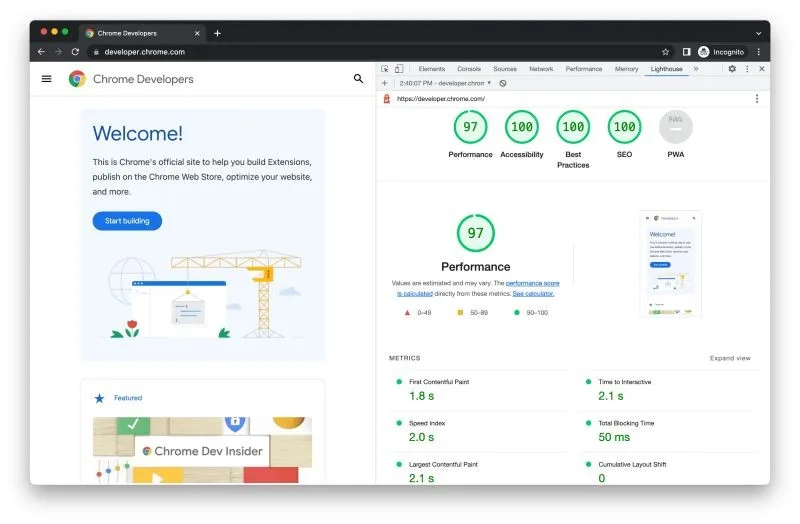
Google has added an experimental Agentic Browsing category to Chrome's Lighthouse audit tool. Instead of auditing only for human users, the new category tests whether AI agents can read a site, navigate key pages, understand actions and forms, and reliably interact with elements.
What changed
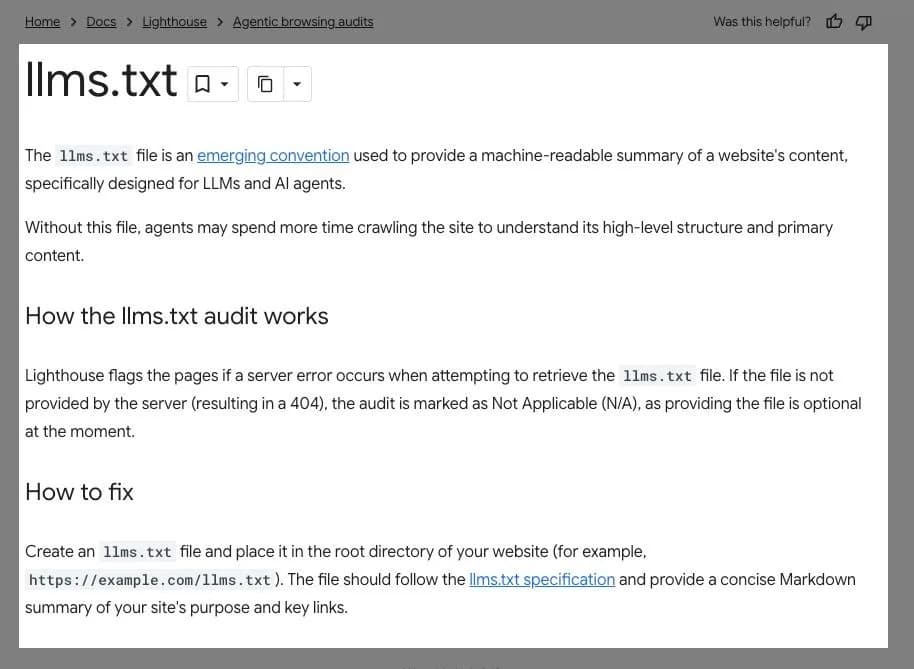
Setup requires Chrome 146 or later, enabling a WebMCP testing flag, and selecting the Agentic Browsing category in DevTools. The audit currently checks LLMs.txt implementation, WebMCP compatibility, accessibility labelling and roles, and layout stability.
Why it matters for advertisers
For you, this means SEO and development teams can now test how AI agents experience their site, not just human visitors. Worth running the audit on priority templates to identify where machine-readability gaps could block AI agents from navigating or transacting.
Perspective from the original PMC newsletter.Sources & contributor credit
- Newsletter coverage · Paid Media Collective newsletter
Original newsletter text, contributor labels and media for this update.

Original creator unverified
The original creator has not yet been verified. Newsletter curation and publication do not establish original authorship.
Attribution evidence and limitations
Full attribution review pending.
A source link alone does not establish original authorship.
Original image and video creators have not yet been verified.
- Published on this site
This update reflects the dated source reporting. Availability may have changed. Further coverage of this same development will be added to this page.
Original newsletter text and archive evidence
Chrome Lighthouse adds an Agentic Browsing audit category
Google has added an experimental Agentic Browsing category to Chrome's Lighthouse audit tool. Instead of auditing only for human users, the new category tests whether AI agents can read a site, navigate key pages, understand actions and forms, and reliably interact with elements. Setup requires Chrome 146 or later, enabling a WebMCP testing flag, and selecting the Agentic Browsing category in DevTools. The audit currently checks LLMs.txt implementation, WebMCP compatibility, accessibility labelling and roles, and layout stability.
For you, this means SEO and development teams can now test how AI agents experience their site, not just human visitors. Worth running the audit on priority templates to identify where machine-readability gaps could block AI agents from navigating or transacting.
Source captured . No explicit first-contributor label was provided for this update.