The Master Brief: My Complete Approach to Meta Ads
Consolidates Loomer’s approach to Meta structure, creative, targeting and measurement.
Research, practitioner perspectives and practical playbooks for your next advertising decision. Explore the ideas and the people behind them.
42 guides to explore
Reading priorities are editorial choices. Source details are recorded on each note.

Consolidates Loomer’s approach to Meta structure, creative, targeting and measurement.

Links the offer, form, lead handling and follow-up into one campaign plan.

Six creative principles covering native content, production, structure, attention and sound.

Provides a roadmap for identifying buying situations and developing relevant brand associations.

Reviews the connection between paid traffic, visitor intent and landing-page messaging.

Walks through key-event configuration, validation, counting and reporting in GA4.

Compares observational advertising estimates with randomized experiment results.

Walks through a Meta creative test and discusses the author’s experience and tool limitations.

Explains UTM naming, URL construction, GA4 reporting dimensions and common campaign-tagging mistakes.

Diagnoses different lead-quality problems and proposes changes to offers, forms, follow-up and optimisation signals.

A practitioner framework for simplifying Meta campaigns and judging optimisation choices against business outcomes.

Covers automatic, keyword, product and negative targeting for Sponsored Products.

Examines responsive ad construction, pinning and message testing with account-data comparisons.

Compares match-type performance across brand, non-brand and account segments.

Studies relationships between responsive-ad attributes and performance metrics.

Explains why future buyers matter alongside people currently ready to purchase.

Uses eBay search experiments to examine substitution and differences between customer groups.

Offers Reddit-specific guidance on creative variety, mobile composition, branding, context and copy.

Combines Pinterest creative principles with visible examples and format guidance.

Sets out account research, tailored content and coordinated execution for account-based marketing.

Explains Microsoft Performance Max inputs: tracking, goals, assets, audiences, bids and budgets.

Introduces a structured way to rank test hypotheses using observed problems and implementation effort.

Covers launch preparation, product-detail readiness, bids, reporting and the first month of optimisation.

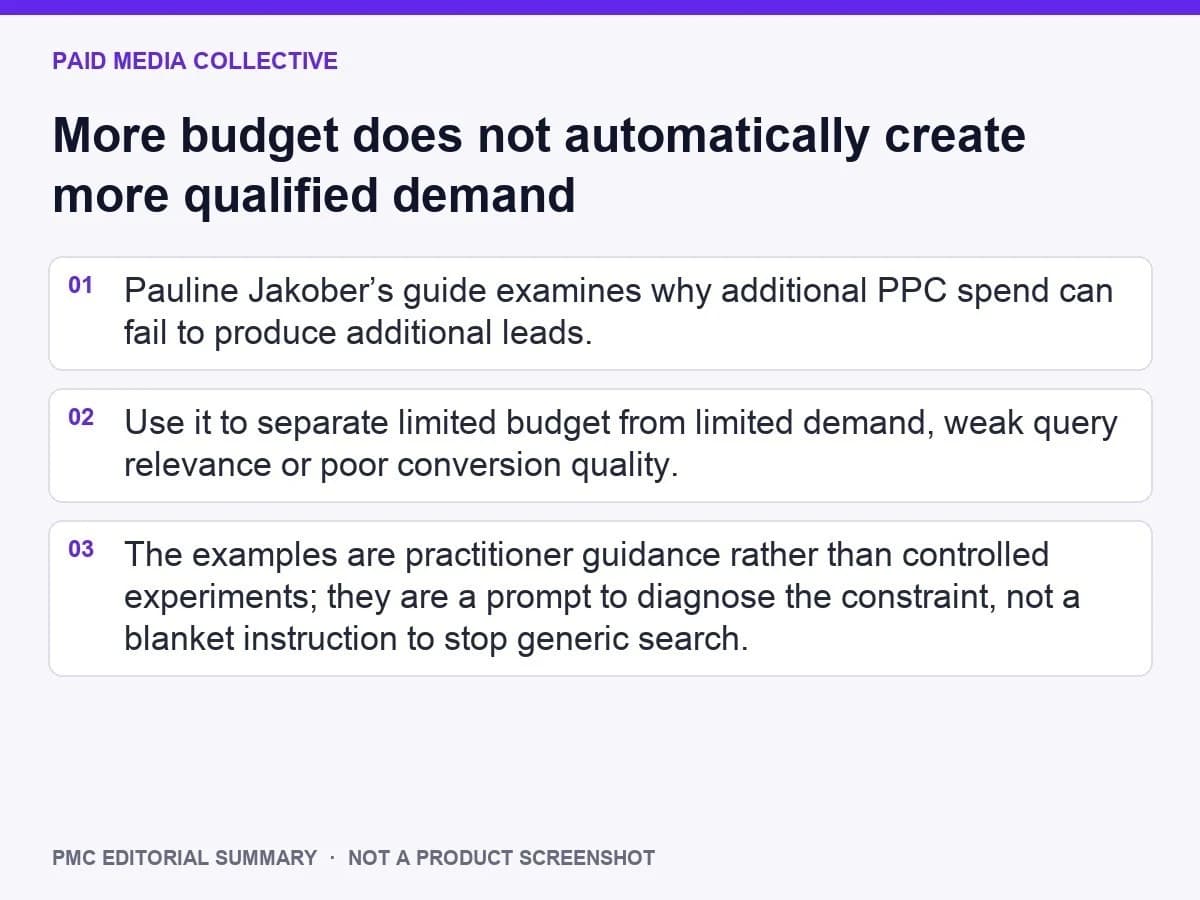
Pauline Jakober’s guide examines why additional PPC spend can fail to produce additional leads. Use it to distinguish between limited budget, limited demand, weak query relevance, and poor conversion quality.

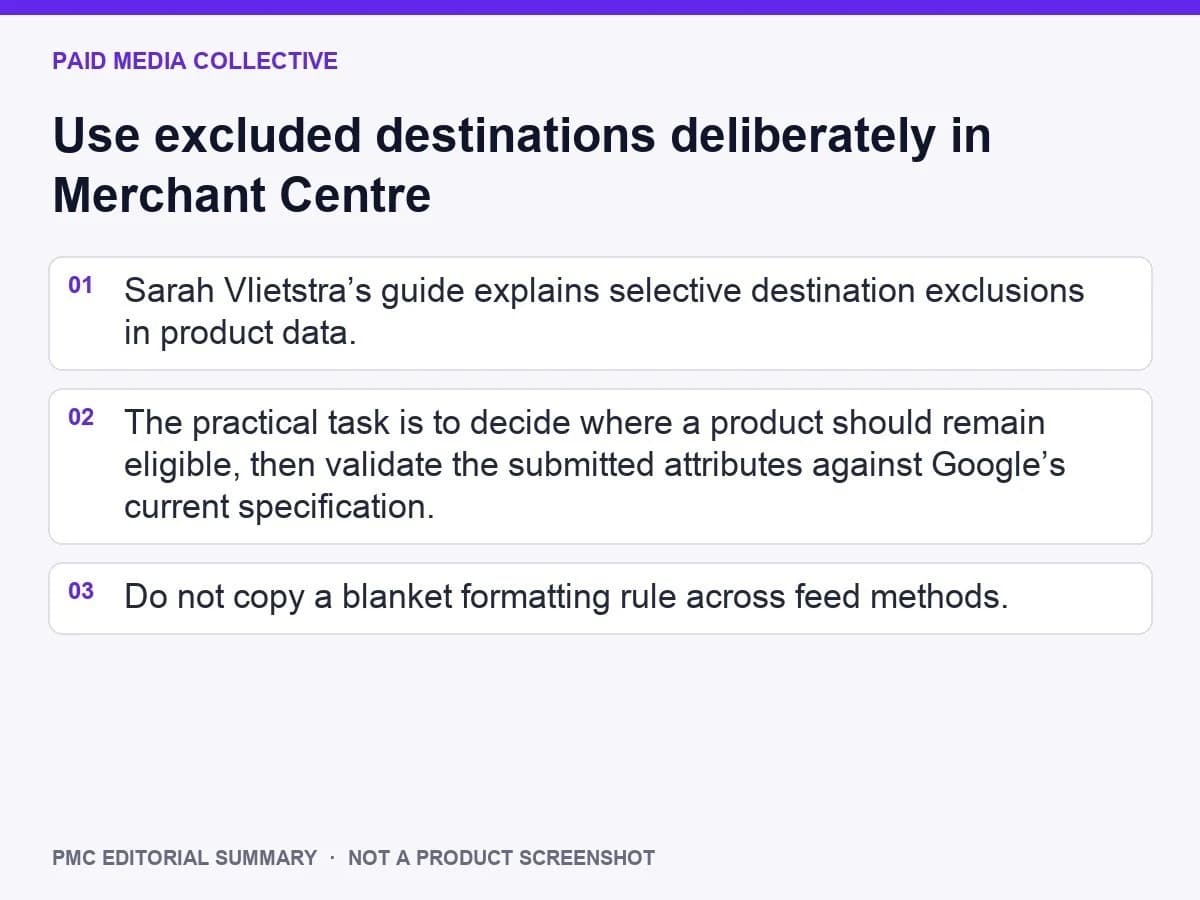
Sarah Vlietstra’s guide explains selective destination exclusions in product data. The practical task is to decide where a product should remain eligible, then validate the submitted attributes against Google’s current specification.

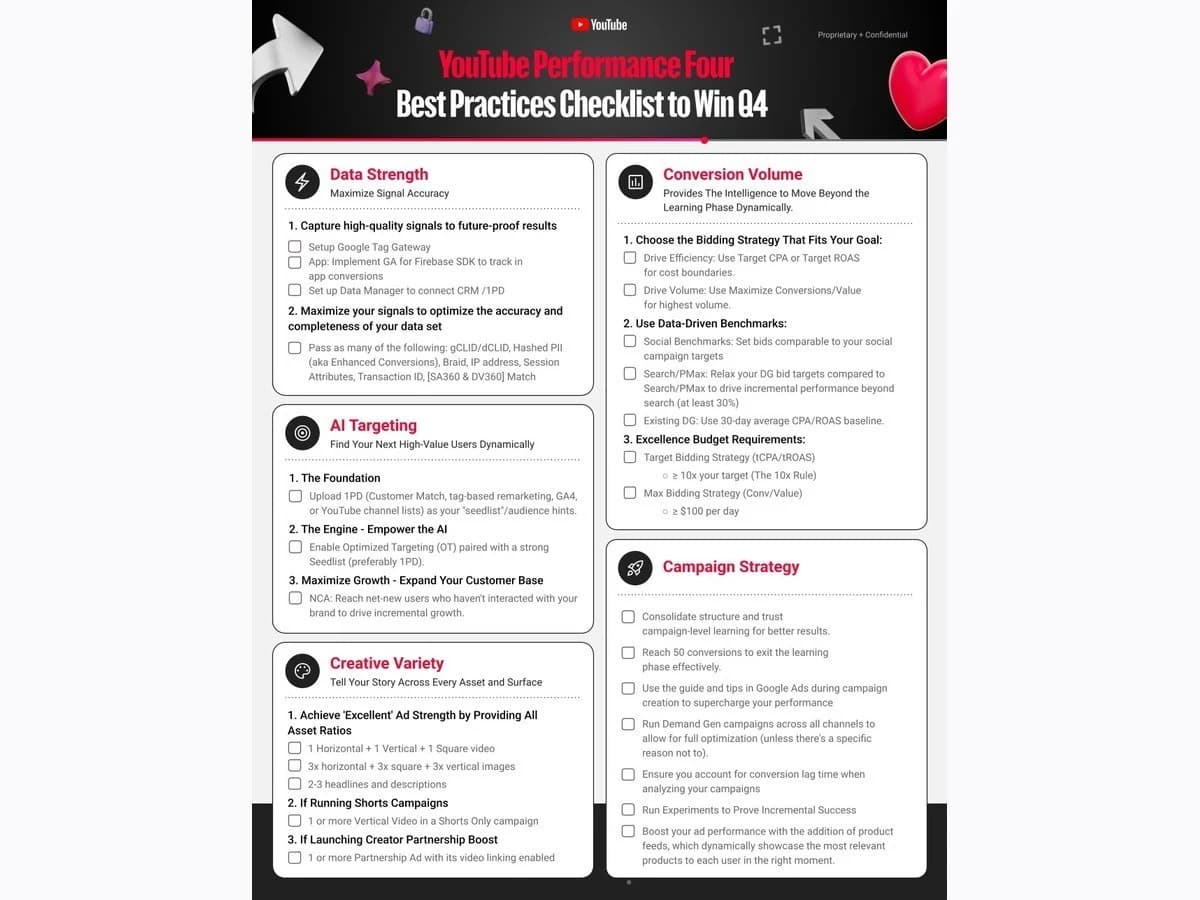
YouTube for Business’s framework offers a structured way to review performance-oriented video activity. Use it to examine campaign inputs and creative hypotheses alongside the Demand Gen changes in this edition.

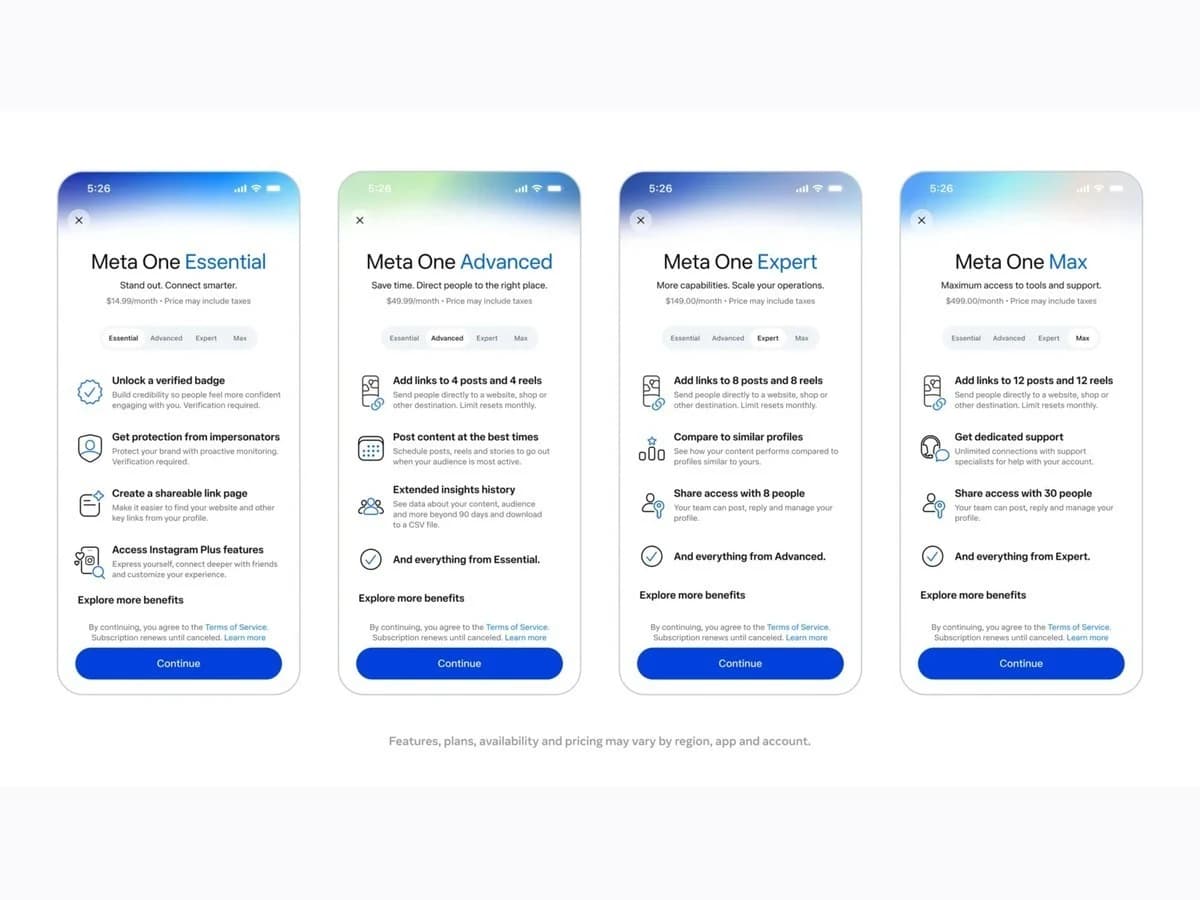
Jon Loomer’s comparison of Meta One business plans is a reference for evaluating account tiers and their conditions. Separate the features your team would use from the subscription’s broader positioning.

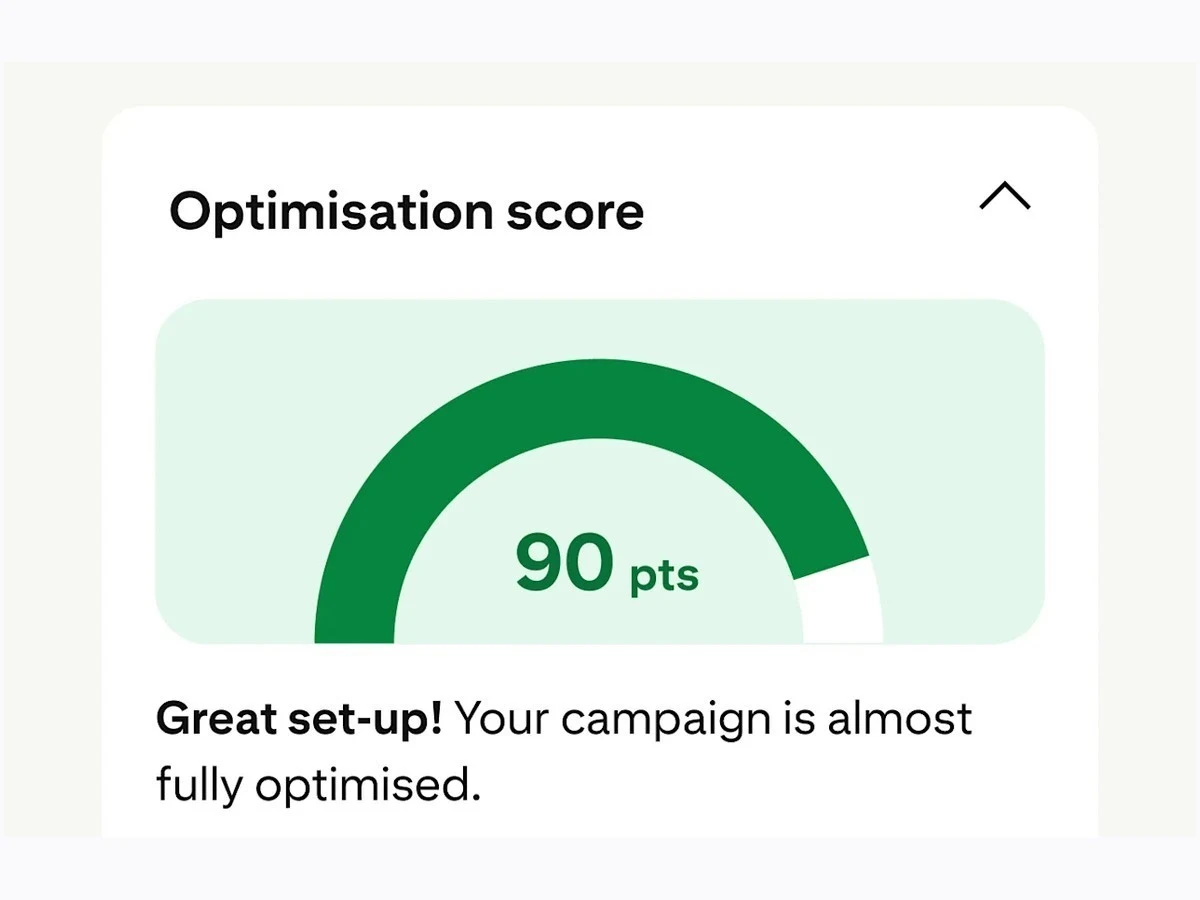
Pinterest describes a campaign optimisation score based on recommended practices. Use the score to inspect the underlying actions, not as a forecast of ROAS or proof of campaign quality.

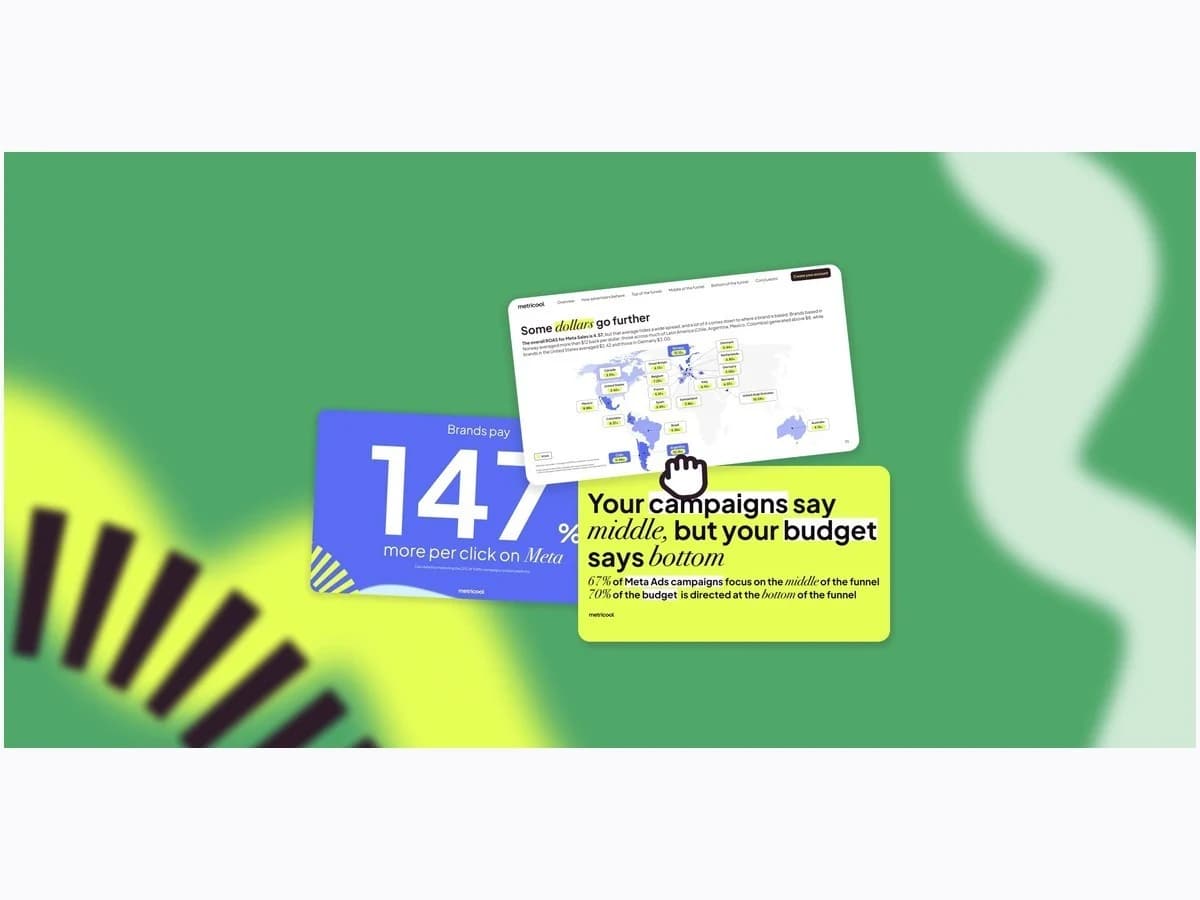
Metricool’s study covers 628,969 campaigns and compares January–June 2025 with the same period in 2026. Treat the figures as context from its advertiser sample.

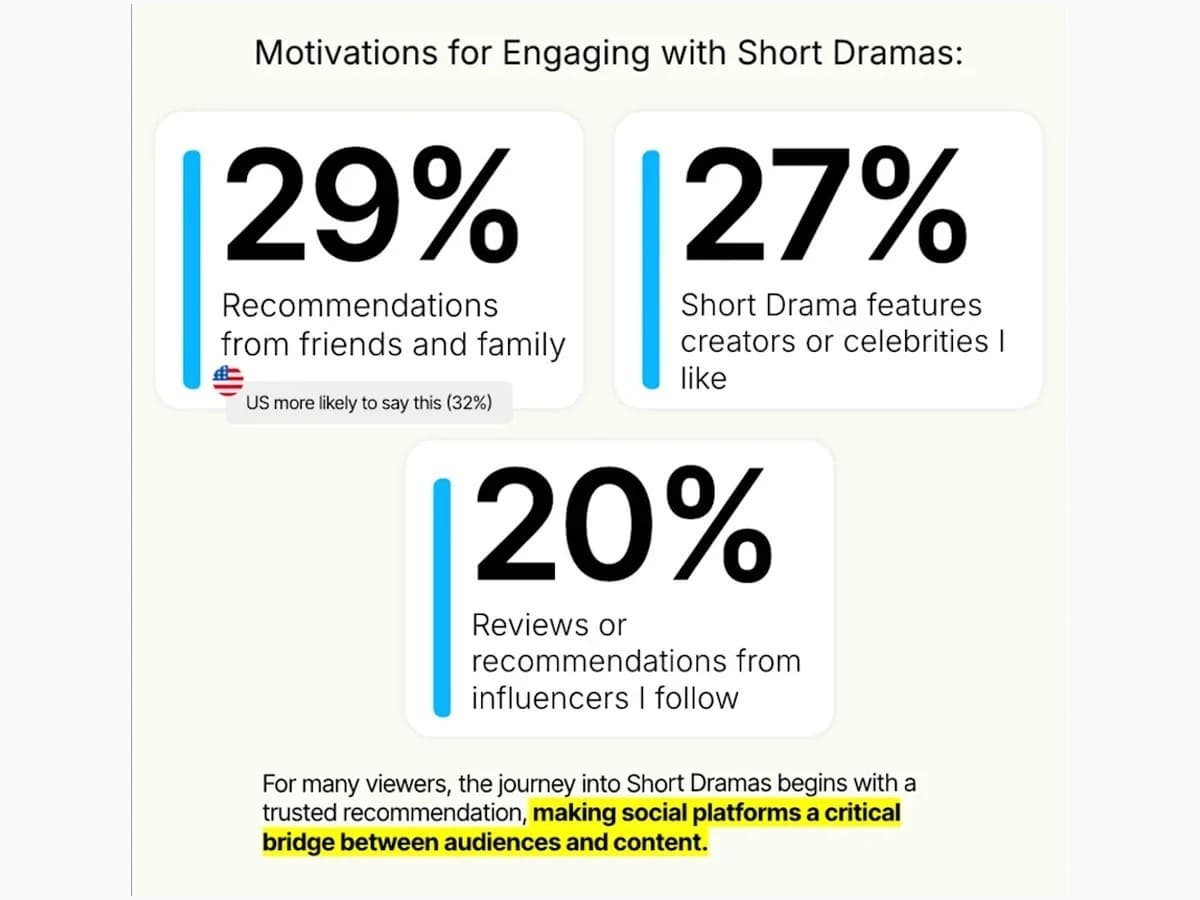
Snap and Ipsos examine interest in short dramas as a content format. The research can inform experiments with recurring characters, episodic storytelling and compact narrative arcs.

Victoria McNally’s interview with Jennifer Quigley-Jones explores how creator marketing is developing. Use it to consider briefs, ongoing relationships and performance objectives before treating creators as interchangeable ad assets.
Alexander Swade’s study analyses six US brands across 44 weeks, covering 61,098 keyword-weeks. Its findings support broad visibility comparisons more than precise week-to-week rank tracking; advertising also complicates the relationship.

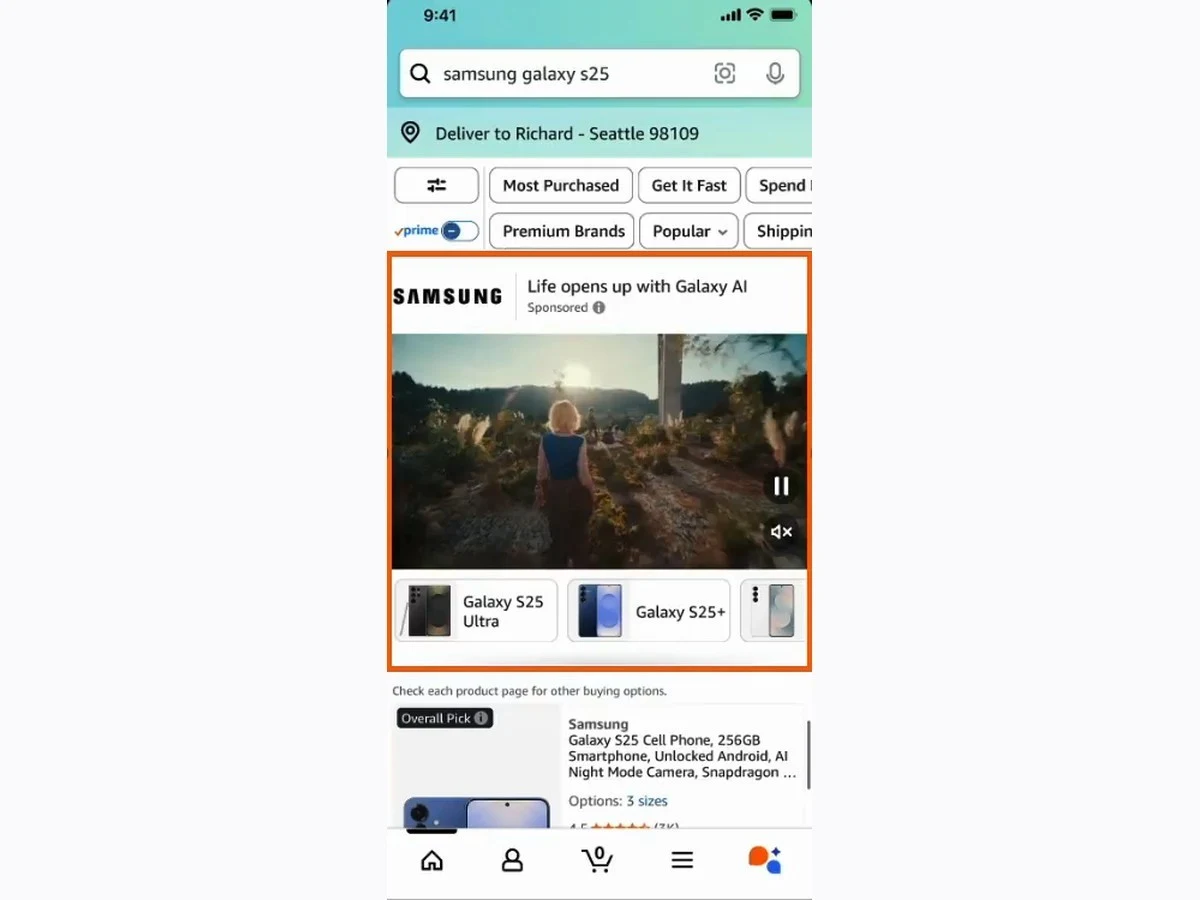
Amazon’s Reserve Share of Voice documentation describes how to reserve eligible branded-search visibility through Sponsored Brands. Official coverage dates to 2025, so Ivan Marynych’s post is a reminder rather than a new launch.

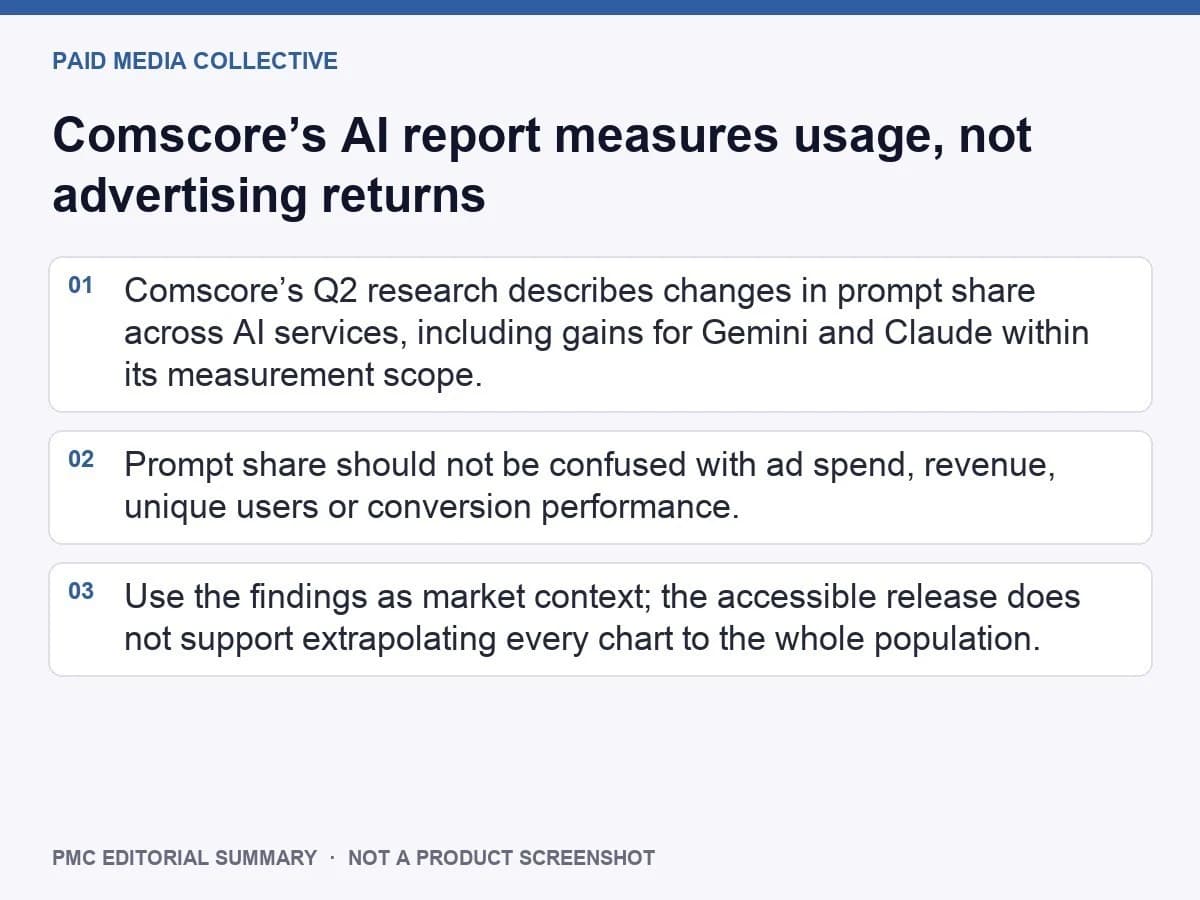
Comscore’s Q2 research describes changes in prompt share across AI services, including gains for Gemini and Claude within its measurement scope. Prompt share should not be confused with ad spend, revenue, unique users or conversion performance.

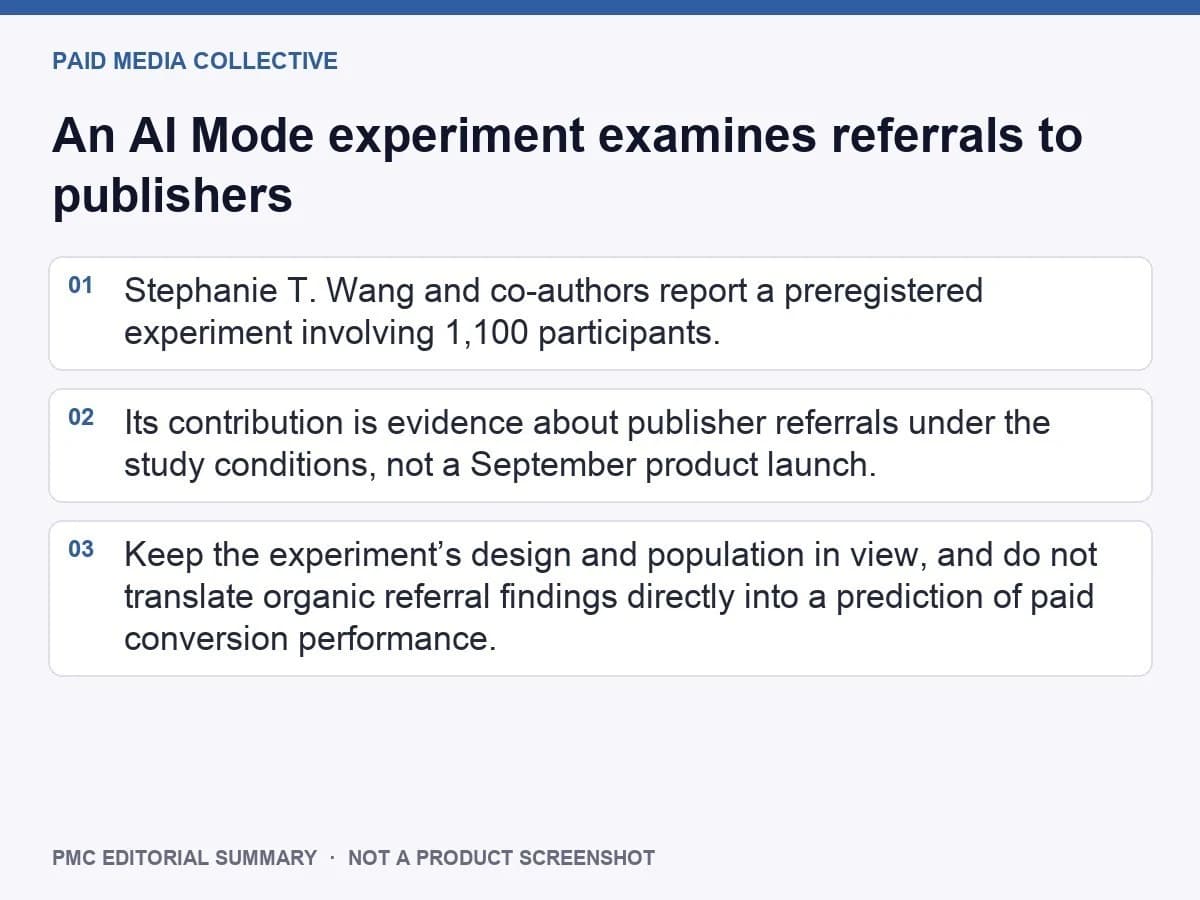
Stephanie T. Wang and co-authors report a preregistered experiment involving 1,100 participants.

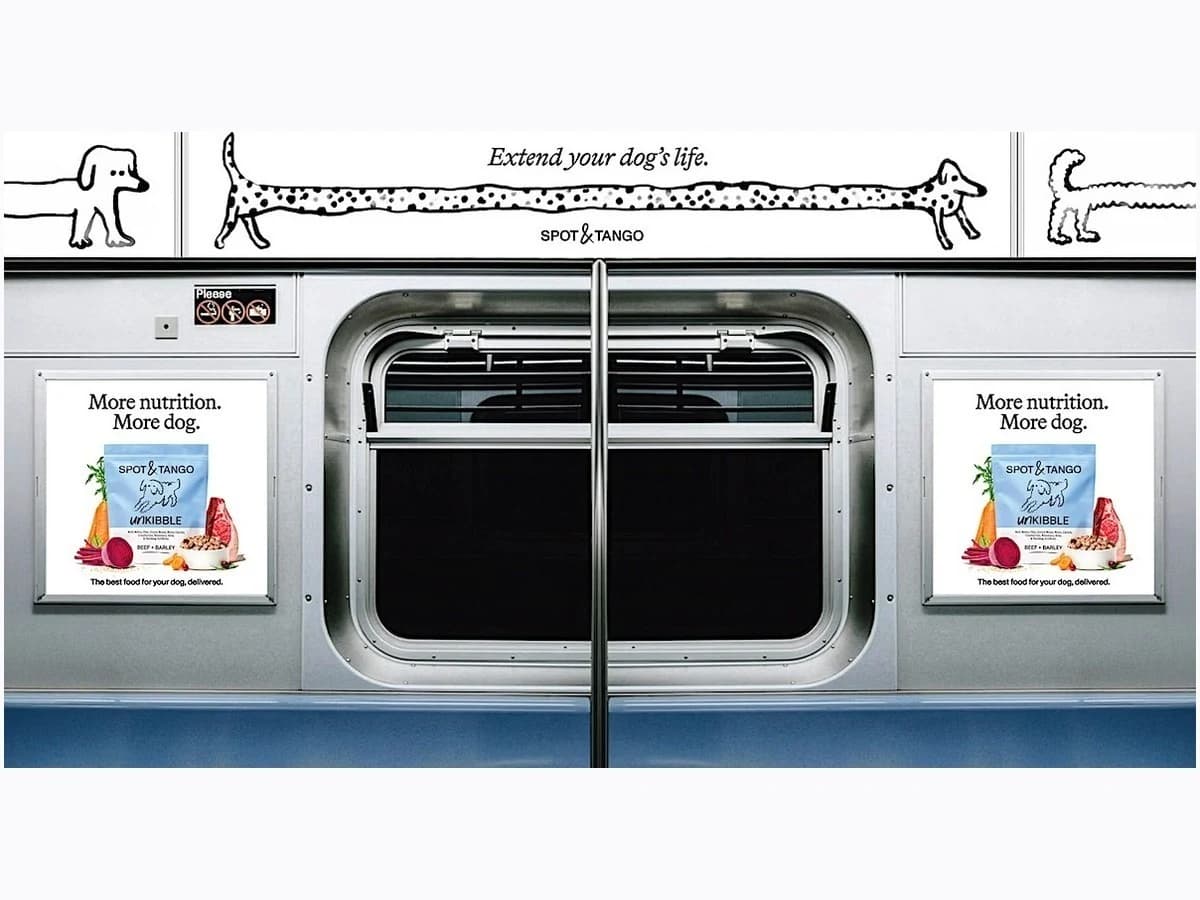
Julia Waldow’s interviews describe Spot & Tango committing $3.5 million to brand marketing after previously allocating no budget to it. The useful lesson is the decision framework behind a shift in allocation.

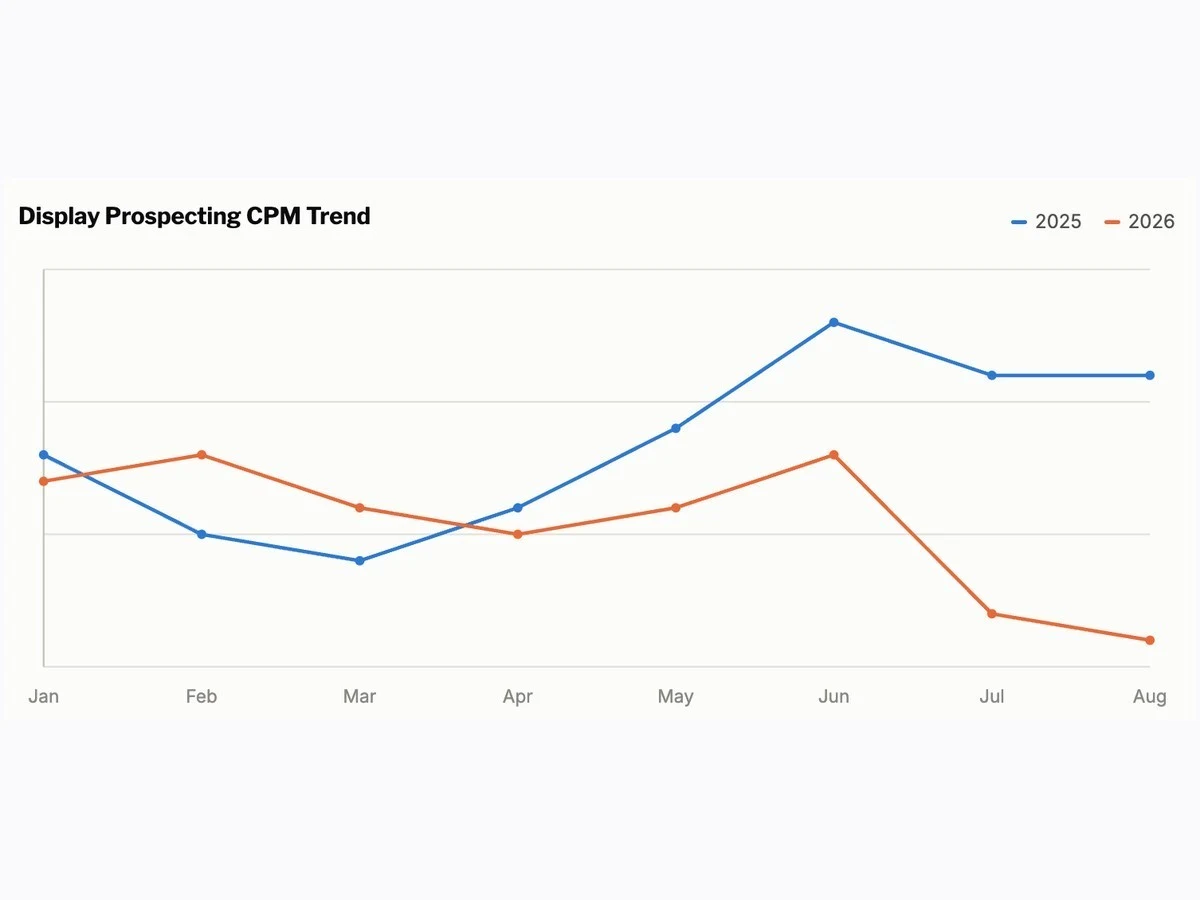
AdRoll’s Q3 report covers July to 8 September and reports year-on-year CPM declines of 45% for prospecting and 29.1% for retargeting. These are vendor-sample observations, not a market-wide price guarantee.

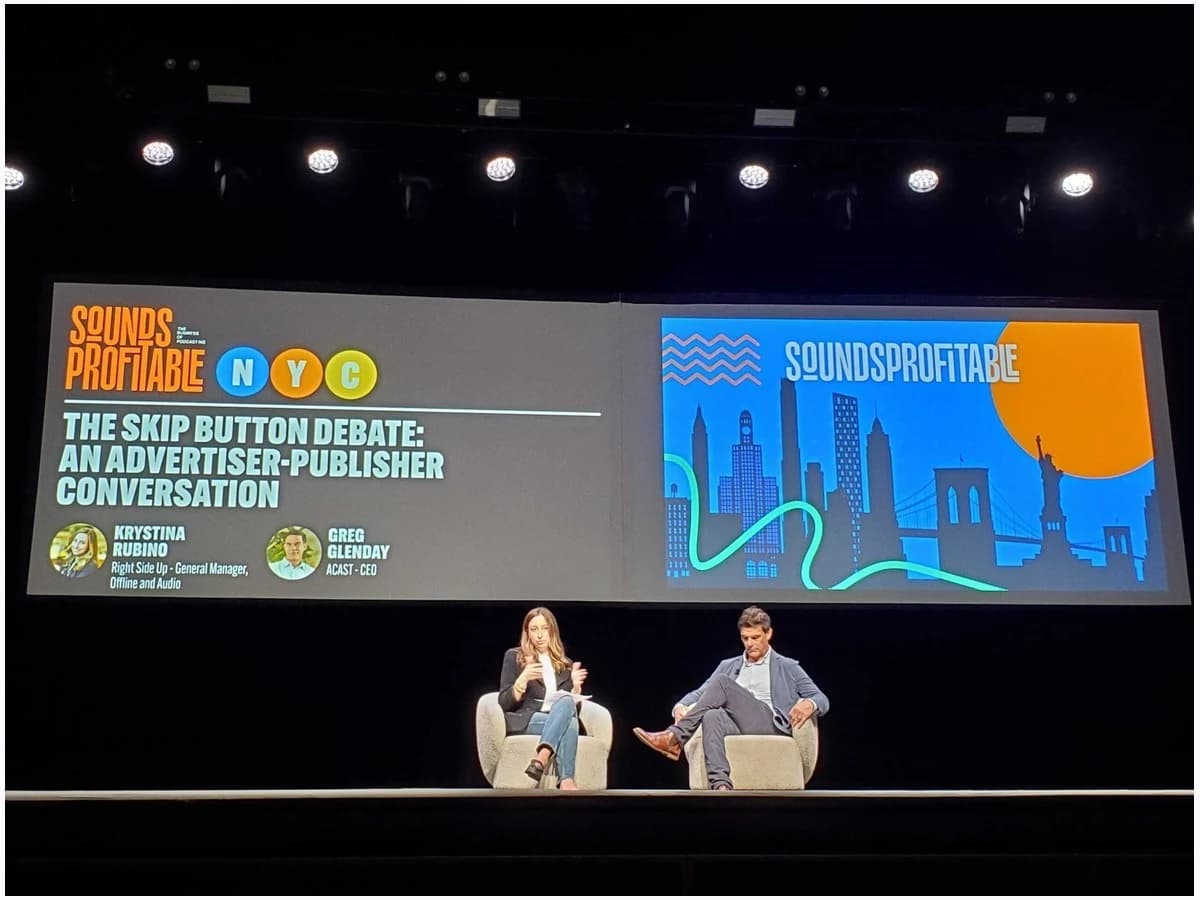
Anthony Vargas’s reporting examines podcast buying and ad load as more inventory becomes available programmatically. The practical question is how frequency, audience overlap and the listening experience are controlled across supply paths.

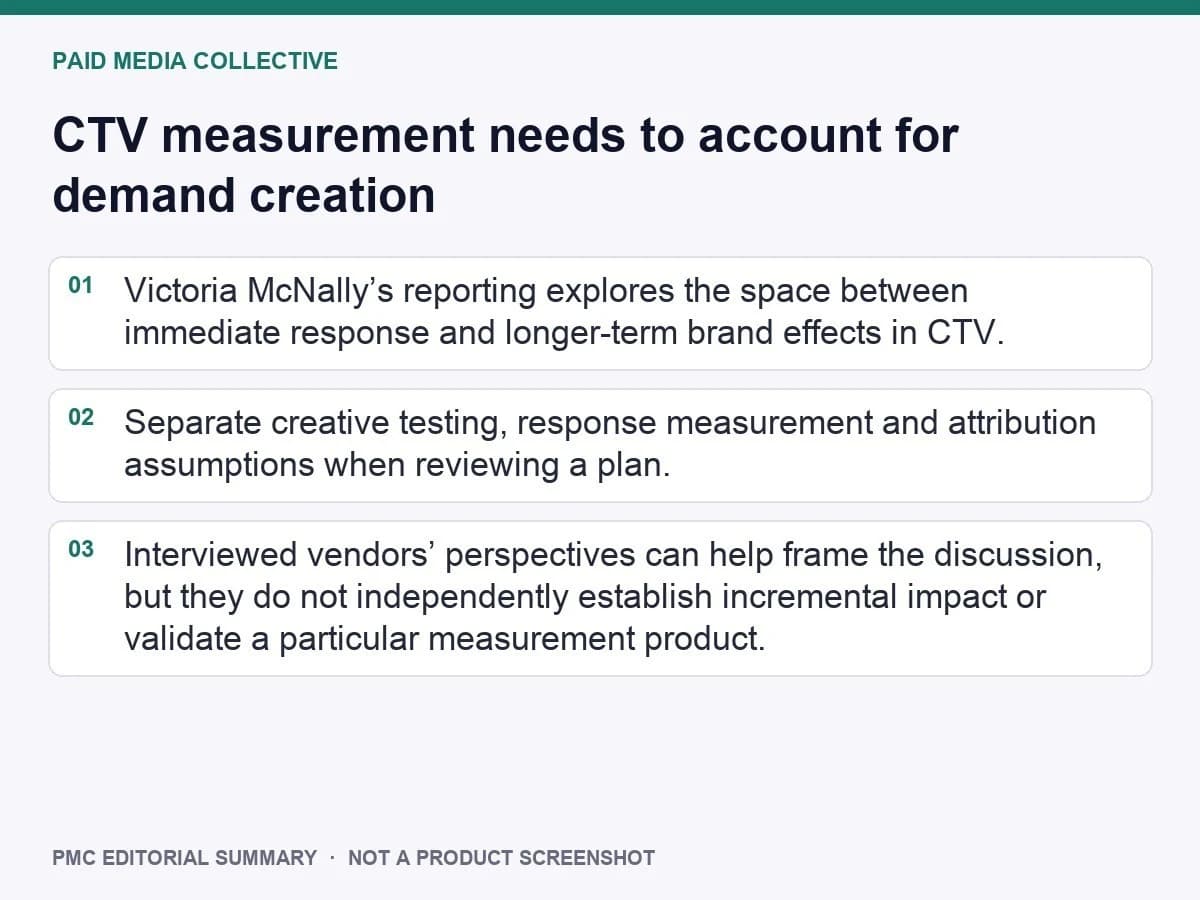
Victoria McNally’s reporting explores the space between immediate response and longer-term brand effects in CTV. Separate creative testing, response measurement and attribution assumptions when reviewing a plan.

Sarah Sluis’s podcast, with Allison Schiff and Victoria McNally, discusses buying in a changing television landscape. Use the conversation to examine supply relationships and measurement questions.

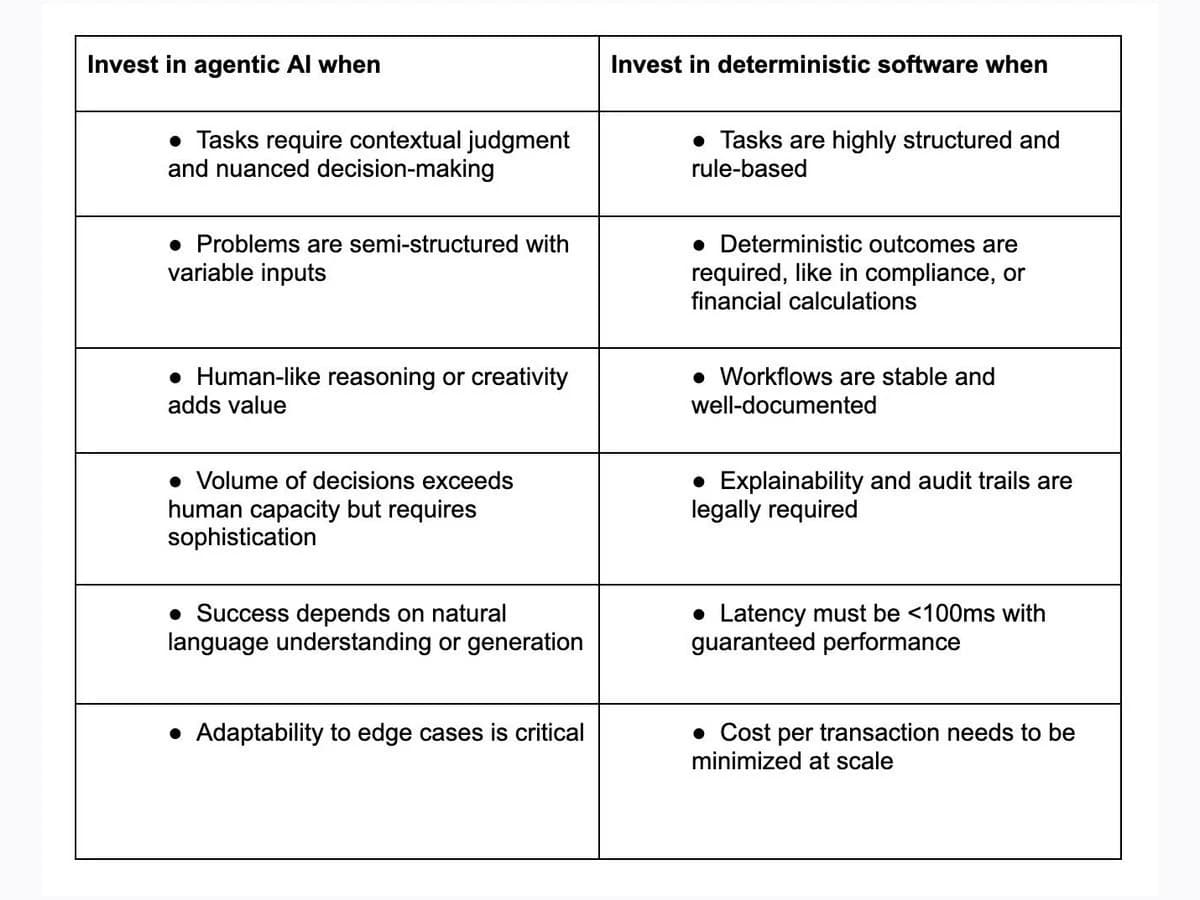
Anthony Katsur’s opinion piece argues for hybrid advertising workflows. A practical application is to use deterministic steps for calculations and validation, AI for suitable interpretive tasks, and people for consequential approvals.

The audience-data discussion highlights a familiar implementation problem: automating decisions does not establish that the input data represents the intended customer. Review provenance, definitions, freshness and permitted use before connecting an agent.
PMC reading notes are original summaries of work by the credited authors and publishers. Read the linked original for full methods, examples and context. Source dates and limitations appear on each note. Inclusion does not imply a partnership or independent validation of every source claim.