
Who controls AI-assisted programmatic buying?
Ronan Shields examines the gap between using AI to optimise campaigns and authorising it to buy media.
Independent Digiday
Digiday
Written byRonan Shields
Research, considered opinions and practitioner perspectives for better paid media decisions.
Ronan Shields examines the gap between using AI to optimise campaigns and authorising it to buy media.
Digiday
Kirk Williams argues that useful PPC automation needs testing, maintenance and safeguards beyond a successful prompt.
 ZATO
ZATO
Kirk Williams distinguishes using AI to clarify an expert’s ideas from using it to pass unfinished thinking to someone else.
ZATO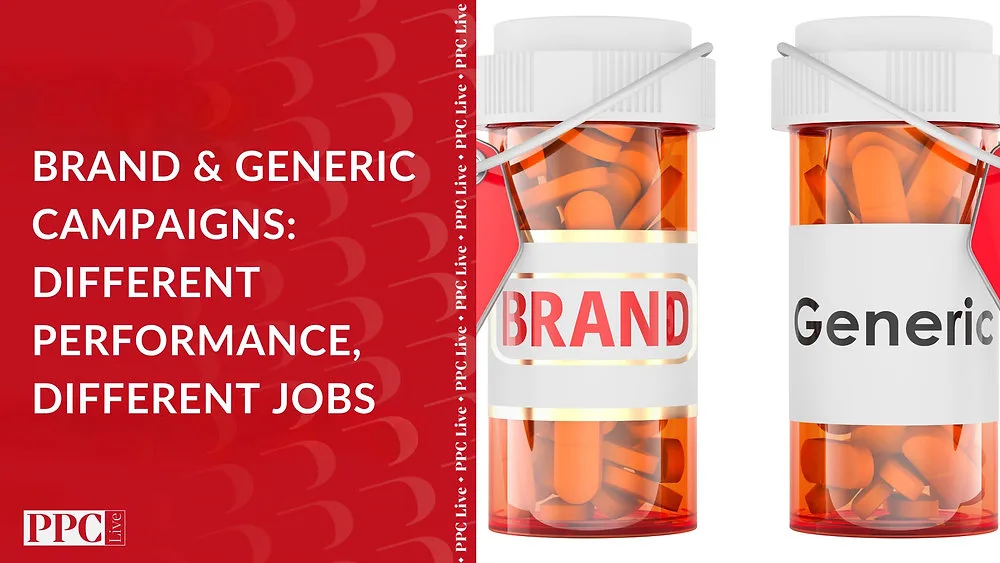
Chanelle Dzwowa explains why brand and generic search can look very different while both contributing to a marketing plan.
 PPC Live
Lakshmi Padmanaban examines Optmyzr’s holiday dataset of more than 4,200 Google Ads accounts, separating the periods before, during and after the main sale.
 Optmyzr
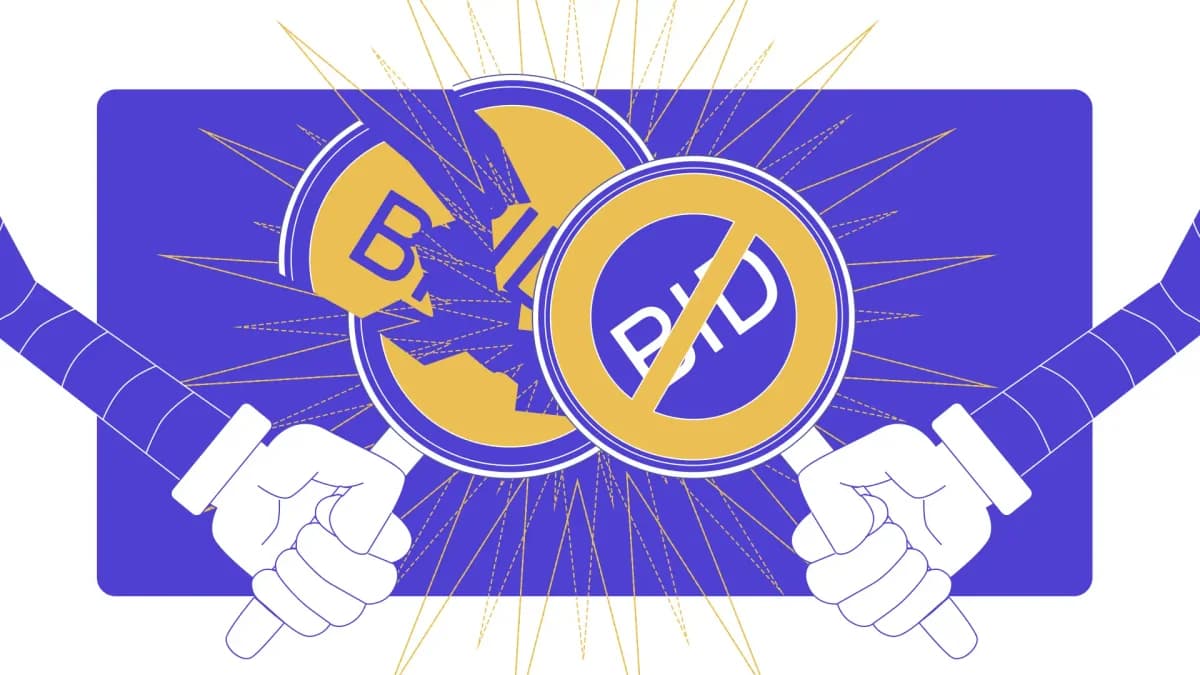
Mike Ryan examines changes in CPCs and impression-share loss around Google’s August bidding change using smec campaign observations.
 Smarter Ecommerce
Optmyzr examines change histories from 72,358 accounts to understand where manual Google Ads work remains common.
Optmyzr
Anu Adegbola brings together five practitioners’ perspectives on control of a client’s Google Ads account.
PPC Live

Brooke Osmundson sets out the questions advertisers should answer before allocating budget to ChatGPT Ads.
 Search Engine Journal
Andy Squire asks advertisers to look beyond performance inside their familiar search accounts and consider people using other search services.
PPC Live
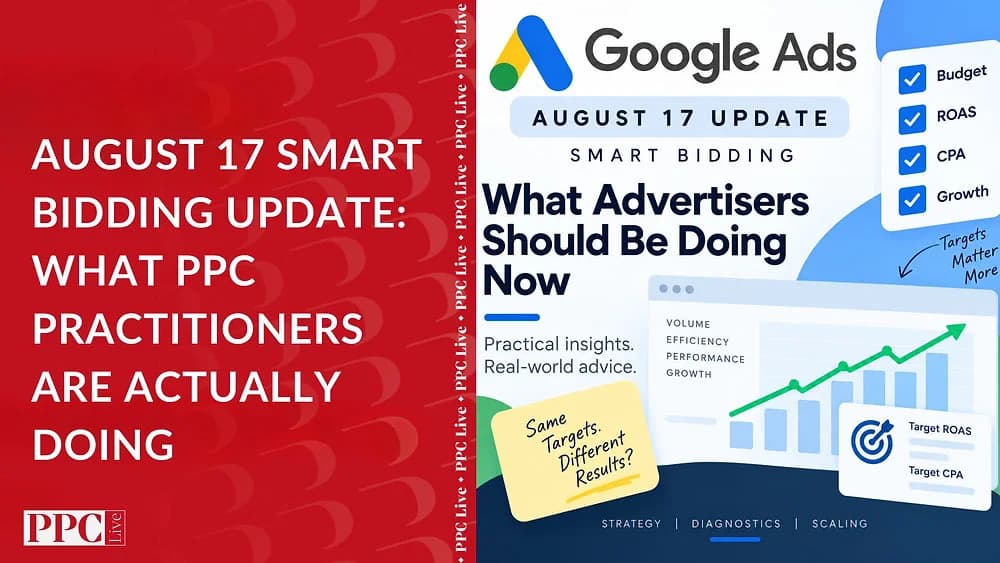
Anu Adegbola brings together Reva Minkoff and Craig Graham’s answers to PPC Live community questions about budget-constrained Smart Bidding.
PPC Live
Brooke Osmundson compares early public accounts of ChatGPT advertising and explains why they do not yet provide a reliable universal benchmark.
Search Engine Journal
Kirk Williams makes the case for challenging AI claims while continuing to experiment with the technology.
ZATO
Danielle McMeekin presents Microsoft Advertising’s research on holiday shopping, AI-assisted discovery and the timing of purchase journeys.

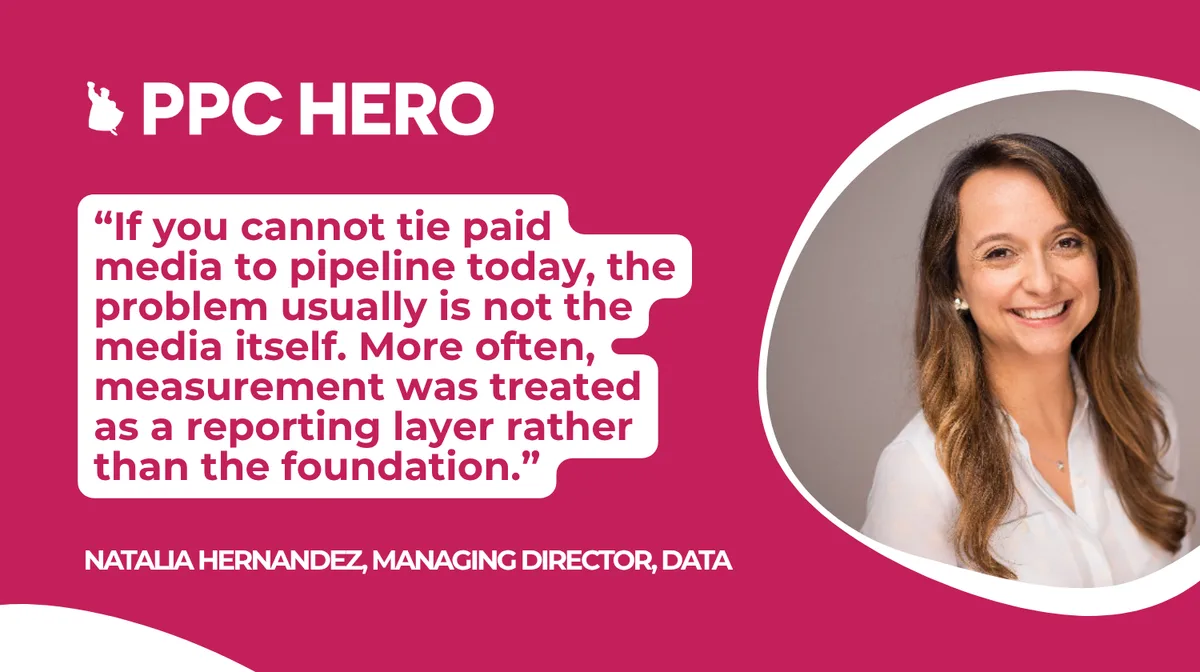
Natalia Hernandez explores how marketers can connect campaign activity with the pipeline measures finance needs.
 PPC Hero
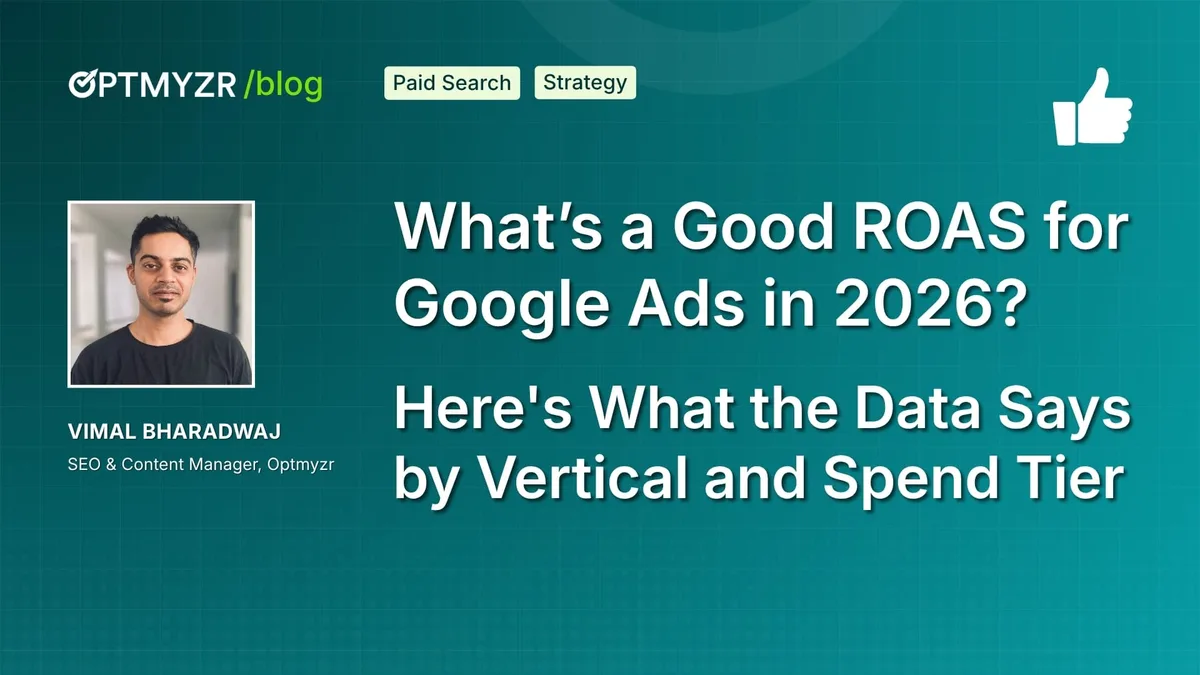
Vimal Bharadwaj breaks down Optmyzr’s Google Ads return-on-ad-spend findings by spending level and business category.
Optmyzr
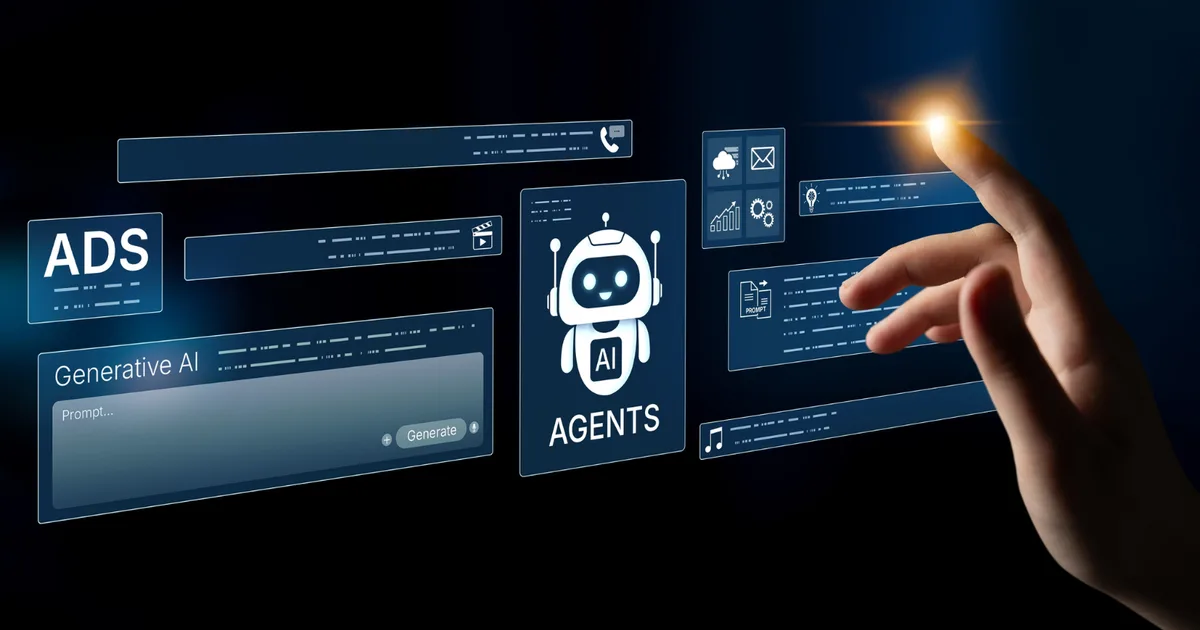
Brooke Osmundson argues that increasing automation makes measurement choices more consequential.
Search Engine Journal
Vimal Bharadwaj explores click-through-rate differences across Google Ads campaign types, account sizes and business categories using Optmyzr’s research.
Optmyzr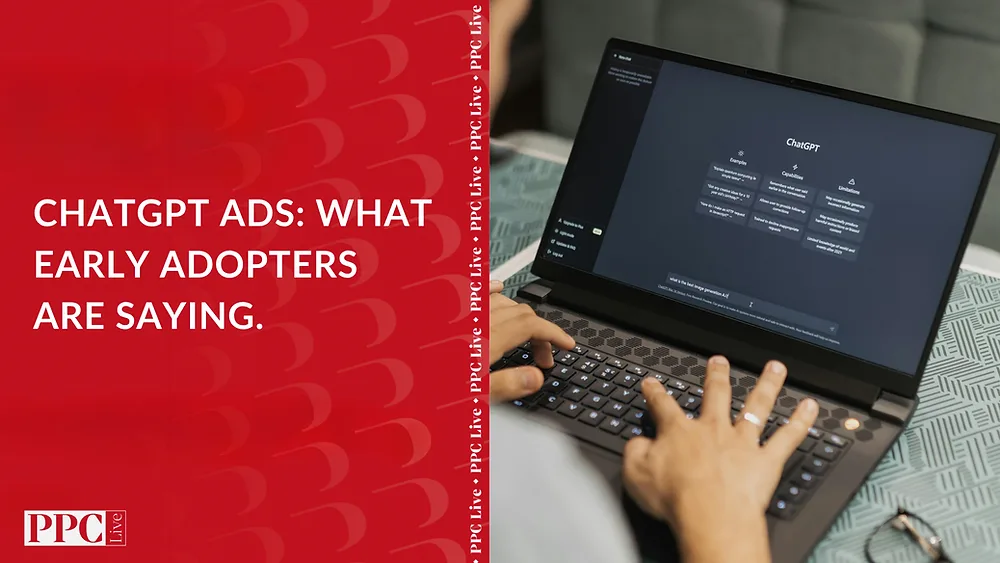
Boluwa Olojo interviews six marketers about their early experience with ChatGPT Ads.
PPC Live
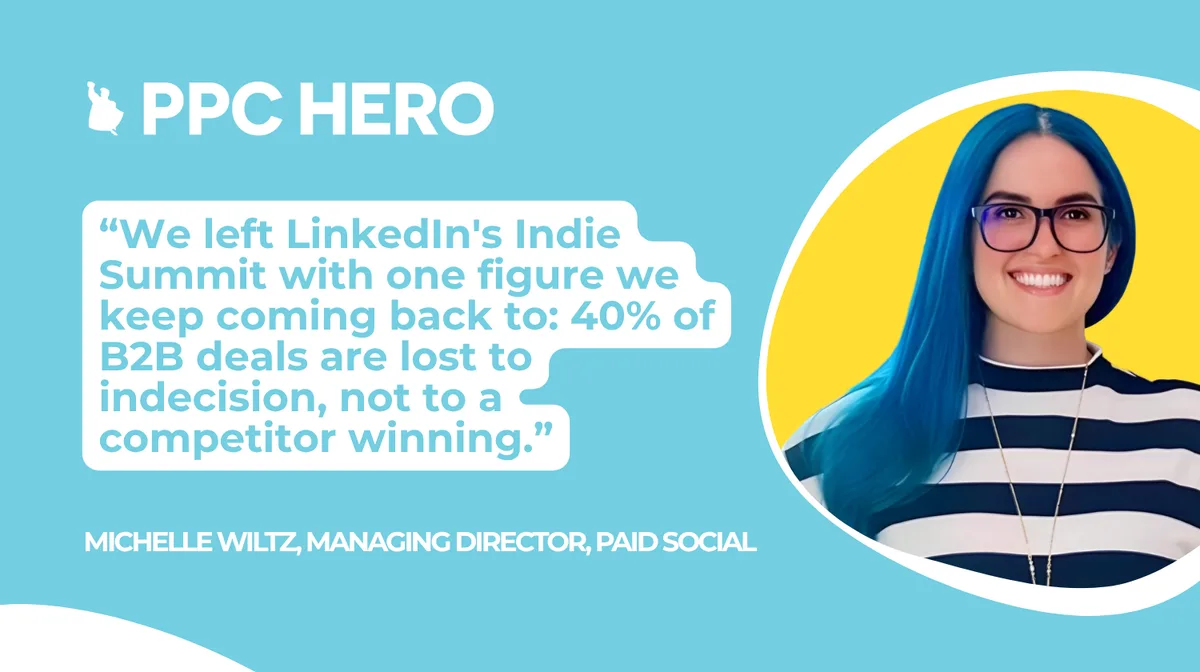
Michelle Wiltz considers why campaigns aimed at a single decision-maker can stall when a business purchase depends on several people.
PPC Hero
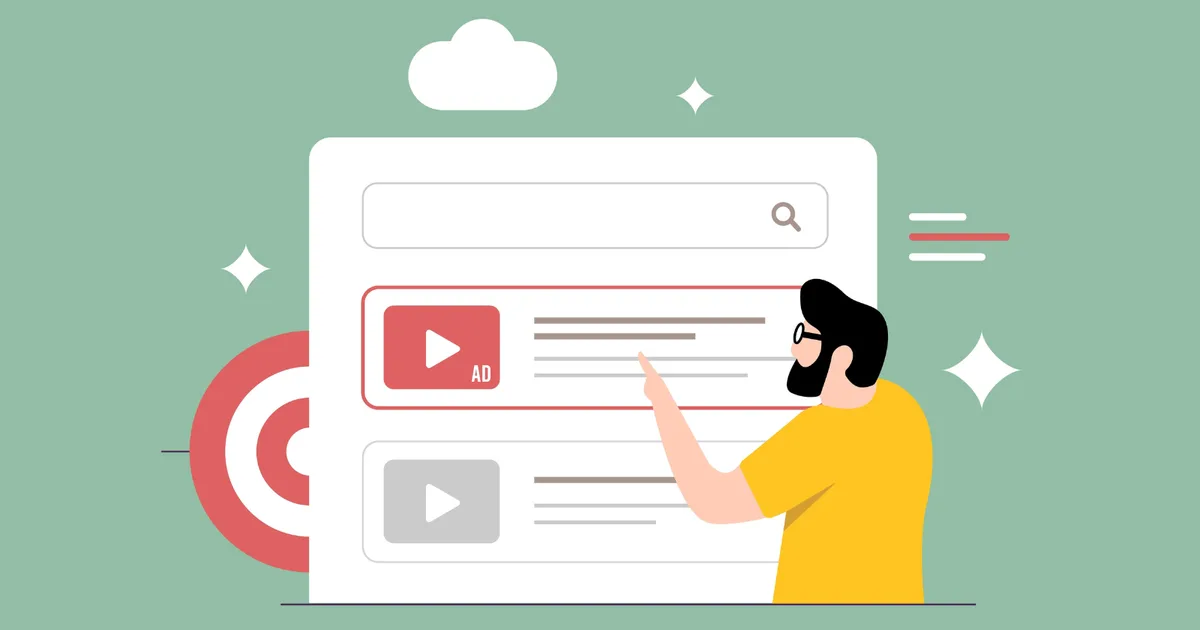
Sarah Stemen argues that advertisers weaken YouTube tests when they bring search-campaign expectations to a video environment.
Search Engine Journal


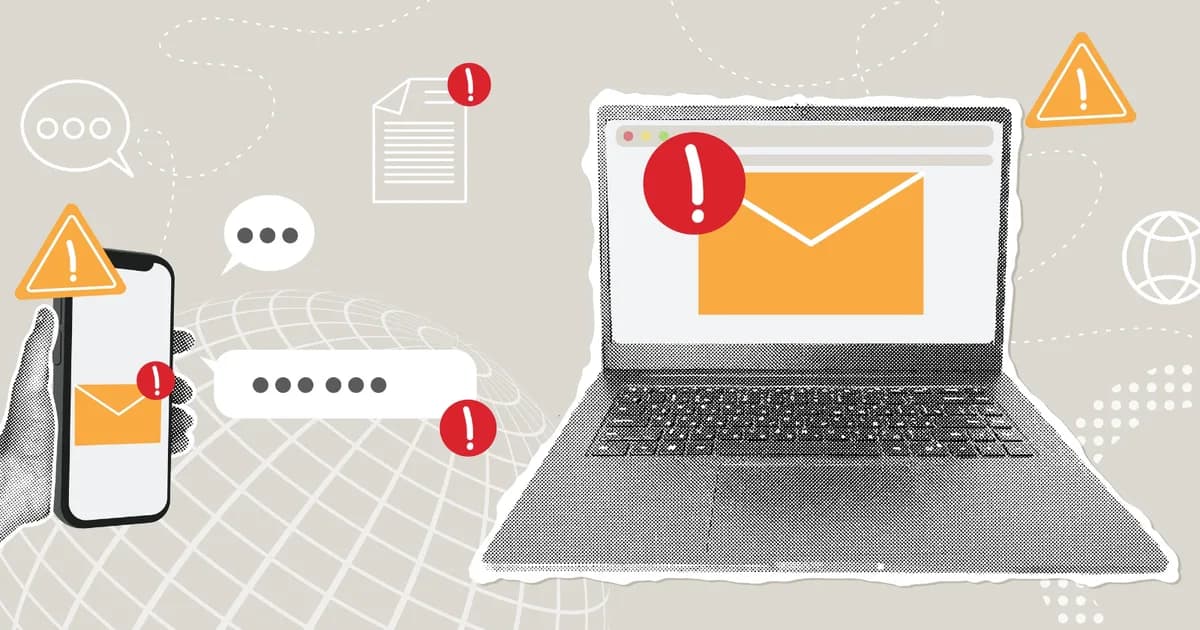
Jonathan Kagan, with contributions from Brandon LaRocco and Patrick Dunfey, examines advertising placements in email environments such as Gmail and Outlook.
Search Engine Journal
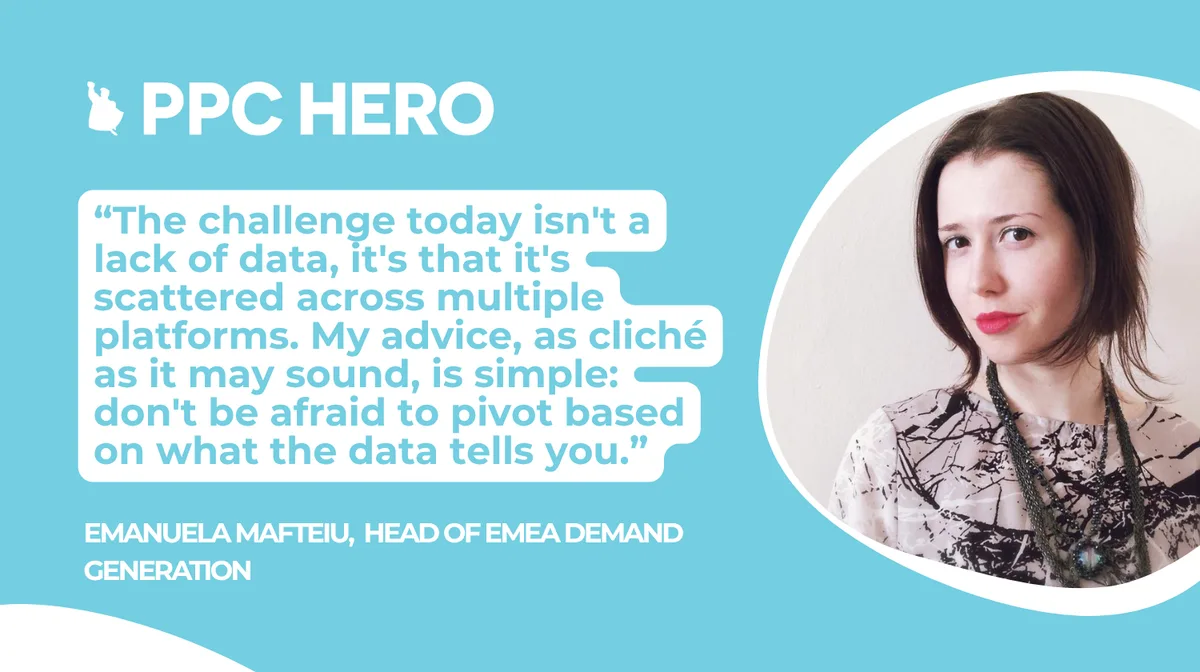
Emanuela Mafteiu explores how demand-generation teams can explain their investment when every budget line is under pressure.
PPC Hero
Frederick Vallaeys examines what it means for Smart Bidding to operate closer to the targets advertisers set.
Optmyzr
Navah Hopkins considers which parts of campaign structure remain useful as advertising platforms automate more decisions.
Search Engine Journal

Brooke Osmundson examines a quarterly advertising report through the context of prior-year comparisons, promotional timing and changing search behaviour.
Search Engine Journal
Mery Hayles reviews an early ChatGPT Ads test alongside Adthena’s monitoring of advertising activity.
PPC Live
This collection focuses on analysis, original research and informed perspectives. We check the byline, publication date and source content, explain the useful angle, and link directly to the publisher. Step-by-step instructions belong in Guides & insights; announcements belong in the Newsfeed.
Our reading notes help you choose. The original author’s full argument, charts and supporting evidence remain at the source.