OpenAI · Status at source date: Announced rollout
ChatGPT Images 2.5 adds more control over creative edits
OpenAI has announced ChatGPT Images 2.5, with targeted image comments, sketch references and templates for formats including product photos. The company says it improves reference preservation and consistency across edits, with rollout across ChatGPT, ChatGPT Work and Codex.
What changed
The announcement adds three ways to make an image brief more specific: comments attached to parts of an image, sketches that communicate a visual idea, and templates for common creative formats. OpenAI also describes improvements in preserving references and keeping edits consistent. These are product claims from OpenAI, rather than independent evidence of advertising effectiveness.
For an advertiser, the useful test is whether a requested change stays local. For example, a team may want to change a background while keeping a product’s shape, label and colour intact. The review should compare the untouched areas as carefully as the edited area. A visually attractive output can still be unsuitable if it quietly changes packaging, a price, a product feature or required text.
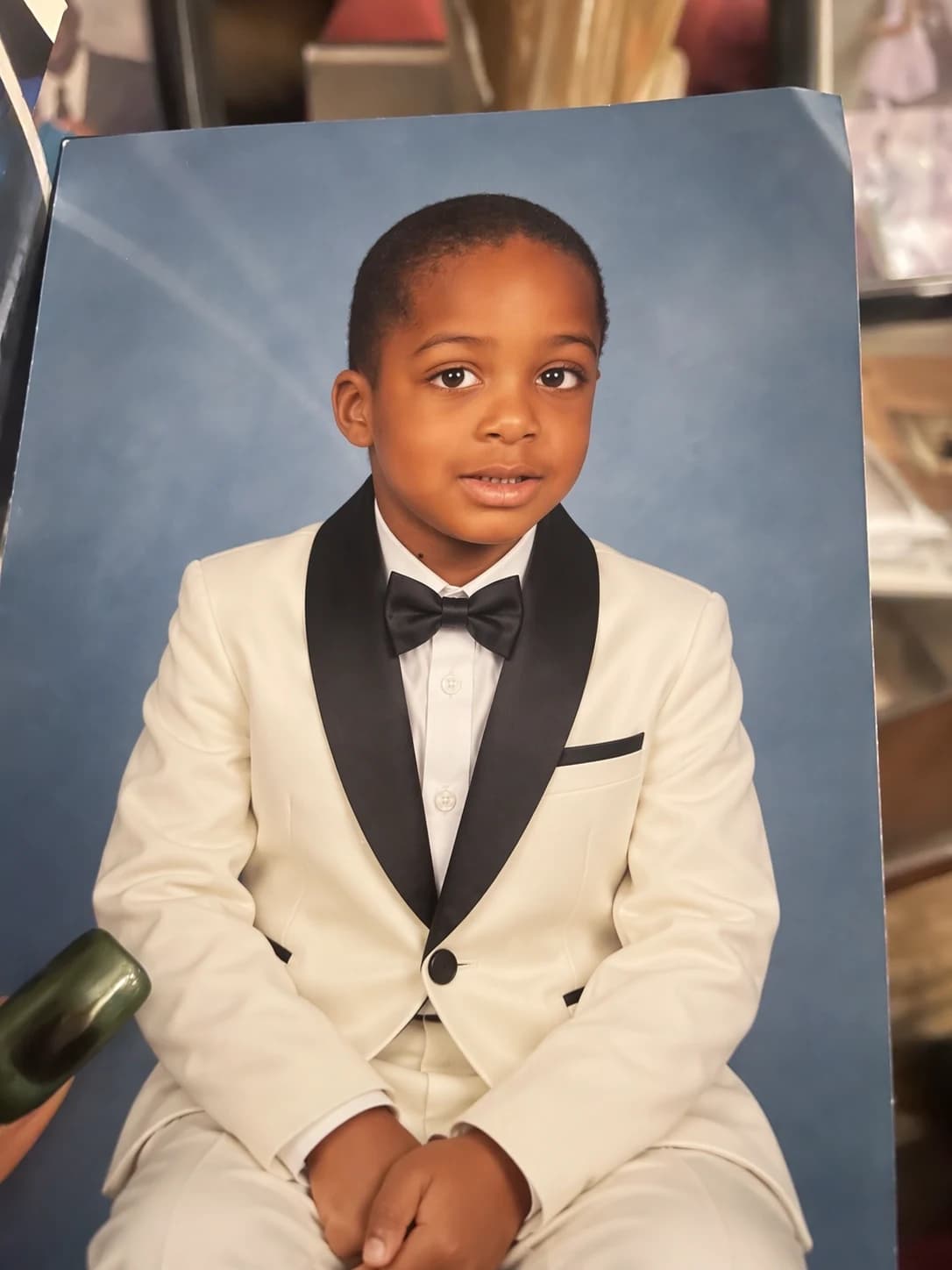
A sketch can help communicate composition, but it does not replace an approved brand brief. Similarly, a template can provide a starting structure without knowing the constraints of a particular placement. The intended format, safe area, message hierarchy and final export still need to be checked by the person preparing the campaign. The demonstration image illustrates editing behaviour; it is not a campaign result or a promise of consistent output.
Why it matters for advertisers
These controls could reduce the time spent explaining an edit, provided the team has a repeatable approval process. A useful evaluation would start from one approved reference and request a small set of clearly defined variations. Record how many outputs need correction and how long approval takes. Compare that workflow with the team’s current method before assuming that faster generation produces faster delivery. Keep any improvement in production efficiency separate from claims about clicks, conversions or sales.
What to check next
- Use an approved reference and state which product and brand details must remain unchanged.
- Inspect text, logos, product geometry and every area that should have survived the edit untouched.
- Save the accepted prompt, reference and final file together, then test campaign performance separately from the creative-production workflow.
Sources & contributor credit
- Original publisher announcement · OpenAI product announcement
Original source. Checked 10 September 2026.

Source attribution checked
OpenAI is the named author of this product announcement. No individual creator is credited for the displayed demonstration image.
Attribution evidence and limitations
Inspected the official announcement, including its Author section, which names OpenAI. Quoted customers are testimonials, not authors of this announcement.
The article and demonstration image originate on OpenAI’s official announcement and its linked image host.
Visually inspected the displayed portrait. No individual name, signature or creator credit is visible; the photographer or prompt author is not established.
Attribution checked . This is a review date, not the original publication date.
- Published on this site
- Article updated
This update reflects the dated source reporting. Availability may have changed. Further coverage of this same development will be added to this page.