Google Gemini · Status at source date: Update
Gemini Tasks expands free access, with advanced actions starting in the US
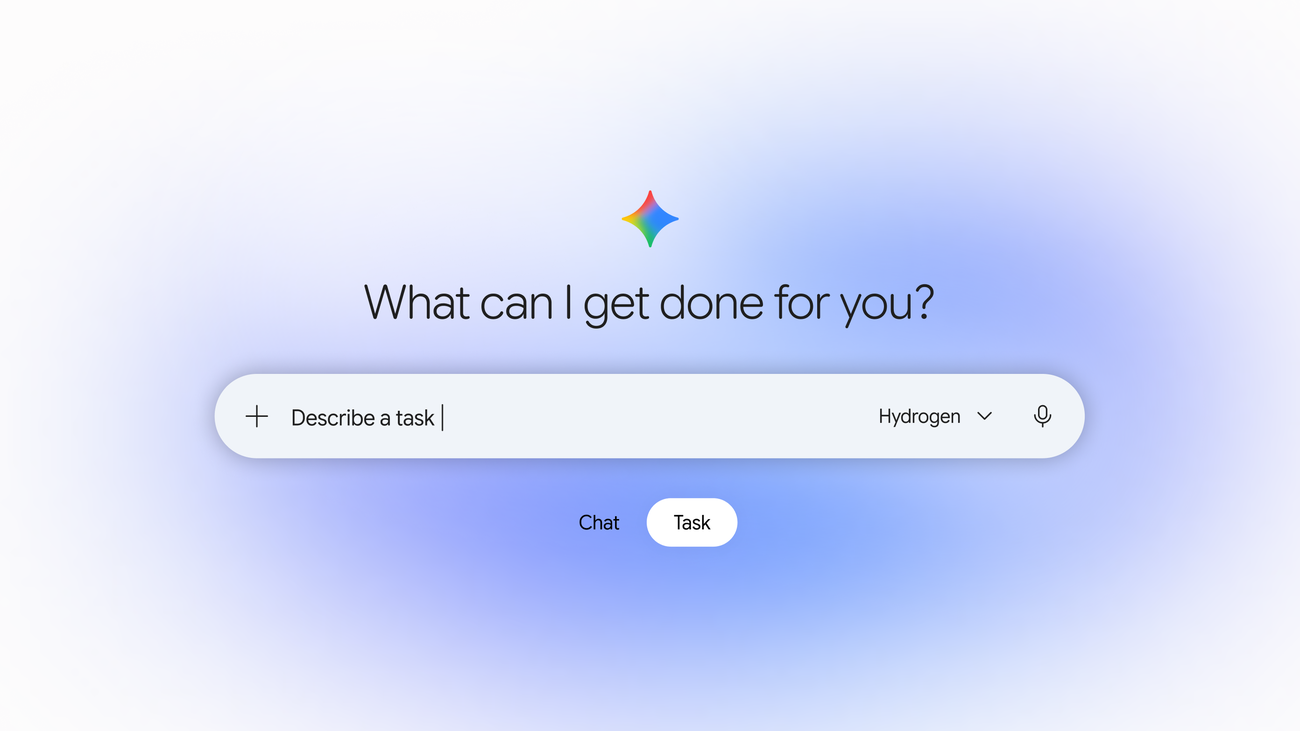
Josh Woodward announces free rollout of Gemini task capabilities across the US, Japan, Korea, Canada, Australia and India, with advanced features starting in the US.
What changed
The examples include calling businesses and shopping through Google Pay and AP2. Google describes spending caps and confirmation or pre-approval for critical actions; some routine actions can be allowed in advance. Calling has additional state and carrier restrictions. This is not evidence that every function is available in all six countries, or that a brand has bought an ad placement.
Availability is layered
The announcement combines broader free access to task capabilities with advanced actions beginning in the US. Calling and purchasing have additional requirements. A reader should therefore check the specific action, country and account conditions rather than assume that every feature in the demonstration is available wherever Gemini can be opened.
Why this matters to businesses
An assistant that can call or transact changes the path between a customer's request and a business response. For a retailer or service provider, accurate opening hours, product information, contact routes and transaction details become practical inputs to that journey. The announcement does not establish that those interactions are paid advertising or that a brand can buy preferential treatment in them.
For a team testing the consumer workflow, start with a narrowly defined task and inspect the confirmation and spending controls before using it. A pre-approved action and an action requiring fresh approval are different permissions. Keep that distinction explicit when explaining the experience to colleagues or customers.
For measurement, do not automatically assign an assistant-assisted order to an advertising channel. Establish what the merchant's systems can actually observe, how the order is recorded and whether a marketing touchpoint can be supported. An unfamiliar purchase route is a reason to examine the evidence, not invent attribution.
The announcement includes examples of intended use rather than an independent evaluation of reliability. Businesses should test the relevant journey, including incorrect information, unavailable products and customer support, before making operational assumptions. Confirm current calling restrictions and supported markets in the official source.
Sources & contributor credit
- Original sourceGoogle


Original creator unverified
Credits reflect the editor's latest changes. Original authorship has not been independently verified for this version.
Attribution evidence and limitations
Full attribution review pending.
A source link alone does not establish original authorship.
Original image and video creators have not yet been verified.
- Published on this site
- Article updated
This update reflects the dated source reporting. Availability may have changed. Further coverage of this same development will be added to this page.