Microsoft Clarity · Status at source date: Microsoft Clarity
Microsoft Clarity lets teams customise AI Visibility brand-term definitions
Microsoft Clarity now supports editable brand terms in AI Visibility, making the branded versus non-branded split dependent on the maintained list.
What changed
Brand classification becomes editable
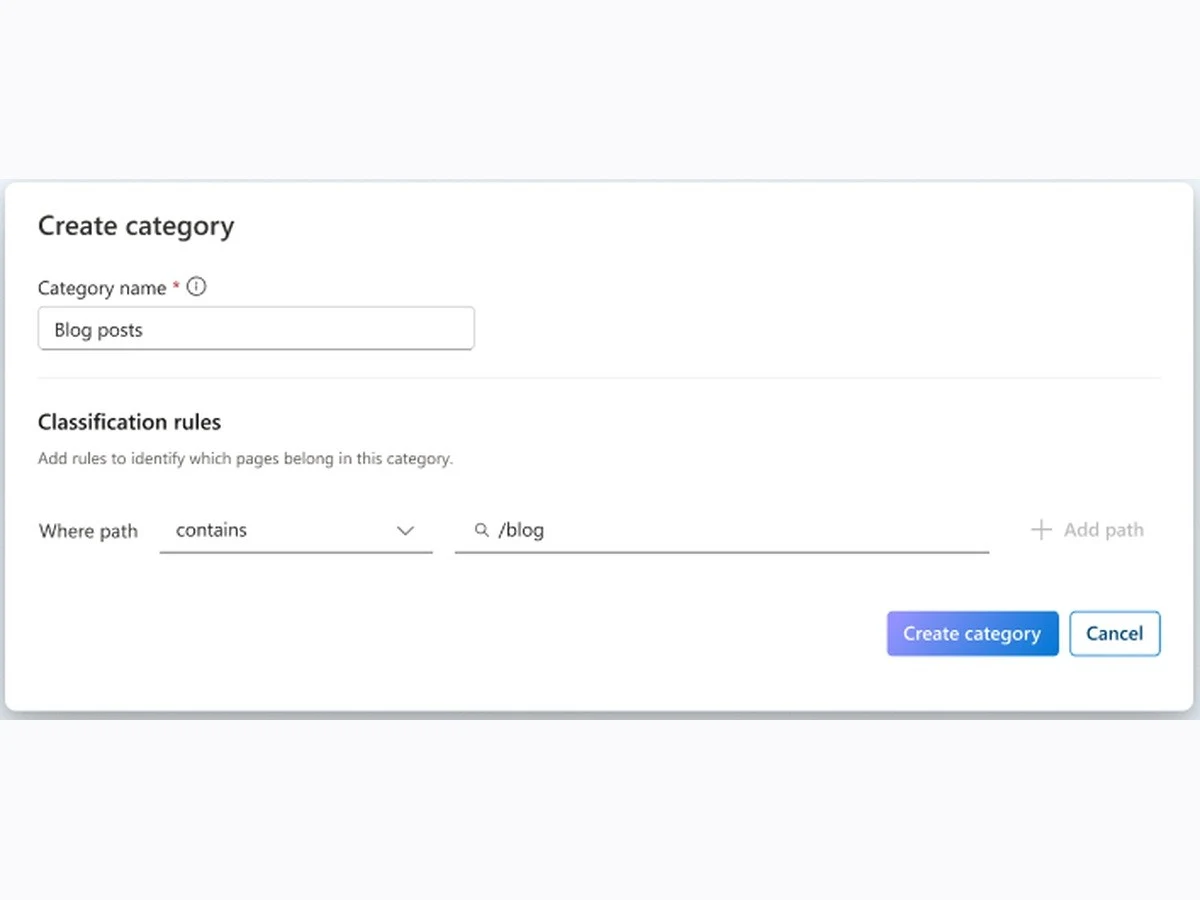
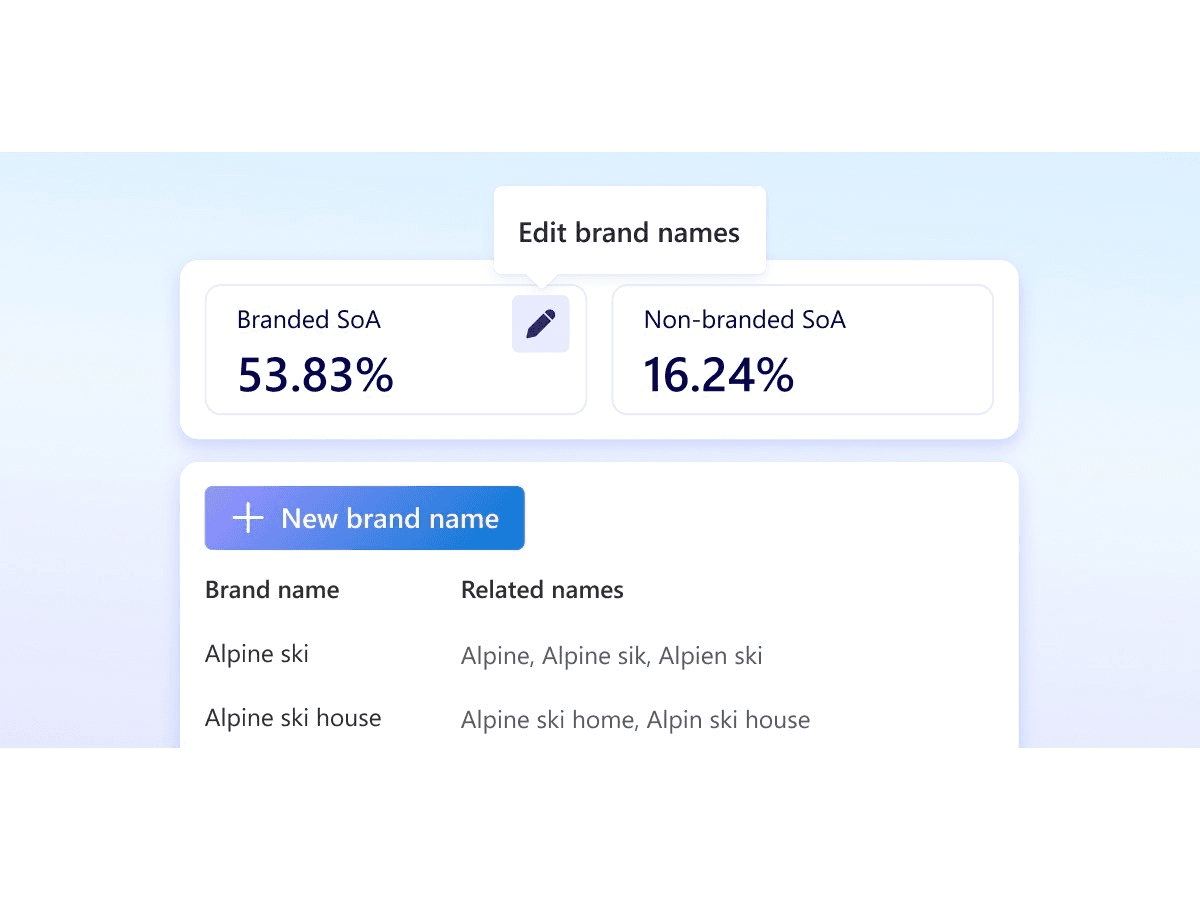
Microsoft Clarity now lets users add, edit and remove the brand terms used to classify branded queries in its AI Visibility dashboard. Teams can include abbreviations, misspellings, translations and local names, group them under a brand name, and filter by either the group or term. Clarity pre-populates a starting list.
The resulting branded versus non-branded split is therefore influenced by the vocabulary selected by the user. It is not simply a fixed external fact discovered by the dashboard. A starter list can accelerate setup, but its presence does not prove that all relevant variants are included or that every included term is unambiguous.
Govern the list as a reporting definition
Assign an owner to review the term list against brand architecture, regional naming, recognised abbreviations and common misspellings. Record additions, removals and effective dates. Without that history, a reporting movement caused by a classification edit could be mistaken for a change in external AI visibility.
A useful test is to inspect samples on both sides of the split. Look for branded queries classified as non-branded and generic queries captured by an overly broad brand term. A translation or local name may be essential in one market while colliding with ordinary language in another, so the decision should follow the reporting context rather than a goal of maximising list length.
When comparisons span clients, brands or periods, disclose the relevant definition. Two dashboards can show different branded shares because their maintained vocabularies differ, even if underlying query behaviour is similar. Treating the list as governed reporting metadata makes the output easier to interpret and challenge.
Why it matters for advertisers
Custom terms can make AI Visibility reporting more representative of a business, but they also introduce a controllable classification choice. Governance is needed for defensible trends and comparisons.
What to check next
- Review Clarity’s starter terms against current brand architecture and market-specific naming.
- Group approved abbreviations, misspellings, translations and local names under clear brand definitions.
- Log every list change and its effective date before comparing branded trends over time.
Sources & contributor credit
- Original sourceMicrosoft Clarity Blog
Source cited in the published Week 40 newsletter. Article observation/reporting date is shown separately; this page’s original publication date is not inferred.
- Reporting or practitioner sourceNona Grigoryan Dm on LinkedIn
Source cited in the published Week 40 newsletter. Article observation/reporting date is shown separately; this page’s original publication date is not inferred.
- Newsletter coverage · Paid Media Collective Week 40
Published edition used for story selection, copy, source credits and media; curation is distinct from original authorship.
Original creator unverified
Contributor roles follow the published newsletter and its linked evidence. Reporting, official discussion and visual authorship are kept separate; no independently unverified first-reporting priority is awarded.
Attribution evidence and limitations
Published story and credit line reconciled with the expanded article.
Original post, primary documentation and secondary reporting links retained.
Visible image content inspected for story relevance; image credit retained separately from reporting credit.
Attribution checked . This is a review date, not the original publication date.
- Published on this site
- Article updated
This update reflects the dated source reporting. Availability may have changed. Further coverage of this same development will be added to this page.