Google Ads · Status at source date: Newsletter archive
Google Ads API v24.1 ships with AI Max experiments, classic display images, and passkey support
Google has released Google Ads API v24.1 on 13 May, with five practitioner-relevant additions. Mobile Device Platform segmentation lets queries segment campaign and customer reports by iOS or Android: a feature previously requiring workarounds for bid adjustments and OS-level performance analysis.
This update uses a PMC cover because no suitable source image was available when checked on 8 Sept 2026. Available source and video links are retained.
What changed
Classic display images in Demand Gen: the API hook for the Demand Gen uploaded-banner support, flagged in Week 19 by Thomas Eccel and Dario Zannoni, is now available. Advertisers can now upload static image ads via the classic_display_images field of DemandGenMultiAssetAd to serve unmodified on the Google Display Network from inside Demand Gen.
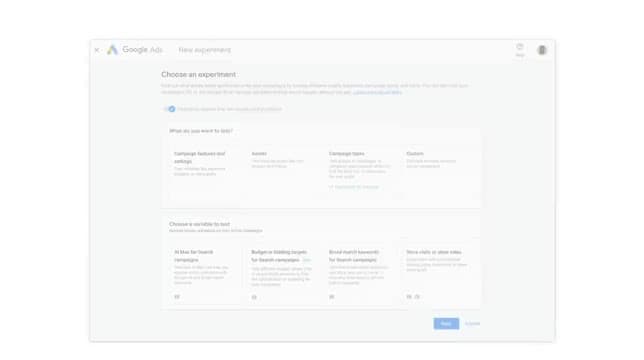
Revamped Experiments now support AI Max experiments, Video experiments, Demand Gen experiments, and Performance Max experiments: letting advertisers programmatically A/B-test across the campaign types that previously required the UI. Georgi Zayakov and Arpan Banerjee both flag the addition of experiments as the headline shift, with Arpan calling out direct arm-level reporting (clicks, conversions, impressions per experimental arm) as a meaningful improvement over the previous API surface. Passkey support fields indicate whether a given user has Passkey enabled, aligning with the 15 July enforcement deadline covered in Week 19. New data retention error codes support the 1 June 37-month retention change.
Why it matters for advertisers
For you, this means that engineering and measurement teams using the Google Ads API should plan a v24.1 upgrade as a sprint priority. Particularly relevant for teams running scaled A/B testing across PMax or AI Max: the programmatic surface now matches the UI, eliminating the parallel manual workflow that has held back experimentation cadence.
Perspective from the original PMC newsletter.Sources & contributor credit
- Newsletter coverage · Paid Media Collective newsletter
Original newsletter text, contributor labels and media for this update.
- Source referenced in newsletterGoogle Ads Developer Blog
Linked from the original newsletter. The source publication date has not been independently confirmed.

Original creator unverified
The original creator has not yet been verified. Newsletter curation and publication do not establish original authorship.
Attribution evidence and limitations
Full attribution review pending.
A source link alone does not establish original authorship.
Original image and video creators have not yet been verified.
- Published on this site
This update reflects the dated source reporting. Availability may have changed. Further coverage of this same development will be added to this page.
Original newsletter text and archive evidence
Google Ads API v24.1 ships with AI Max experiments, classic display images, and passkey support
Google has released Google Ads API v24.1 on 13 May, with five practitioner-relevant additions. Mobile Device Platform segmentation lets queries segment campaign and customer reports by iOS or Android: a feature previously requiring workarounds for bid adjustments and OS-level performance analysis. Classic display images in Demand Gen: the API hook for the Demand Gen uploaded-banner support, flagged in Week 19 by Thomas Eccel and Dario Zannoni, is now available. Advertisers can now upload static image ads via the classic_display_images field of DemandGenMultiAssetAd to serve unmodified on the Google Display Network from inside Demand Gen.
Revamped Experiments now support AI Max experiments, Video experiments, Demand Gen experiments, and Performance Max experiments: letting advertisers programmatically A/B-test across the campaign types that previously required the UI. Georgi Zayakov and Arpan Banerjee both flag the addition of experiments as the headline shift, with Arpan calling out direct arm-level reporting (clicks, conversions, impressions per experimental arm) as a meaningful improvement over the previous API surface. Passkey support fields indicate whether a given user has Passkey enabled, aligning with the 15 July enforcement deadline covered in Week 19. New data retention error codes support the 1 June 37-month retention change.
For you, this means that engineering and measurement teams using the Google Ads API should plan a v24.1 upgrade as a sprint priority. Particularly relevant for teams running scaled A/B testing across PMax or AI Max: the programmatic surface now matches the UI, eliminating the parallel manual workflow that has held back experimentation cadence.
Source captured . No explicit first-contributor label was provided for this update.