Meta Ads · Status at source date: Official announcement
Meta API v27 changes device-expansion and product-showcase defaults
Meta v27 enables cross-device expansion by default for new eligible Sales ad sets when the device control is omitted. Existing ad sets are unchanged; Mobile App conversion locations and Special Ad Categories are excluded. Product showcase may be enabled for matching catalog products when settings are absent, with an explicit opt-out. The release also changes catalog and Lookalike inputs and selected legacy capabilities.

What changed
Meta's signed 4 November announcement makes omitted settings consequential for API integrations. In v27.0, new eligible Sales ad sets targeting particular mobile devices or operating systems default to cross-device expansion when targeting.targeting_automation.individual_setting.device is absent. Set device to 0 to retain the specified device targeting. Existing ad sets are unchanged; the Mobile App conversion location and Special Ad Categories are excluded.
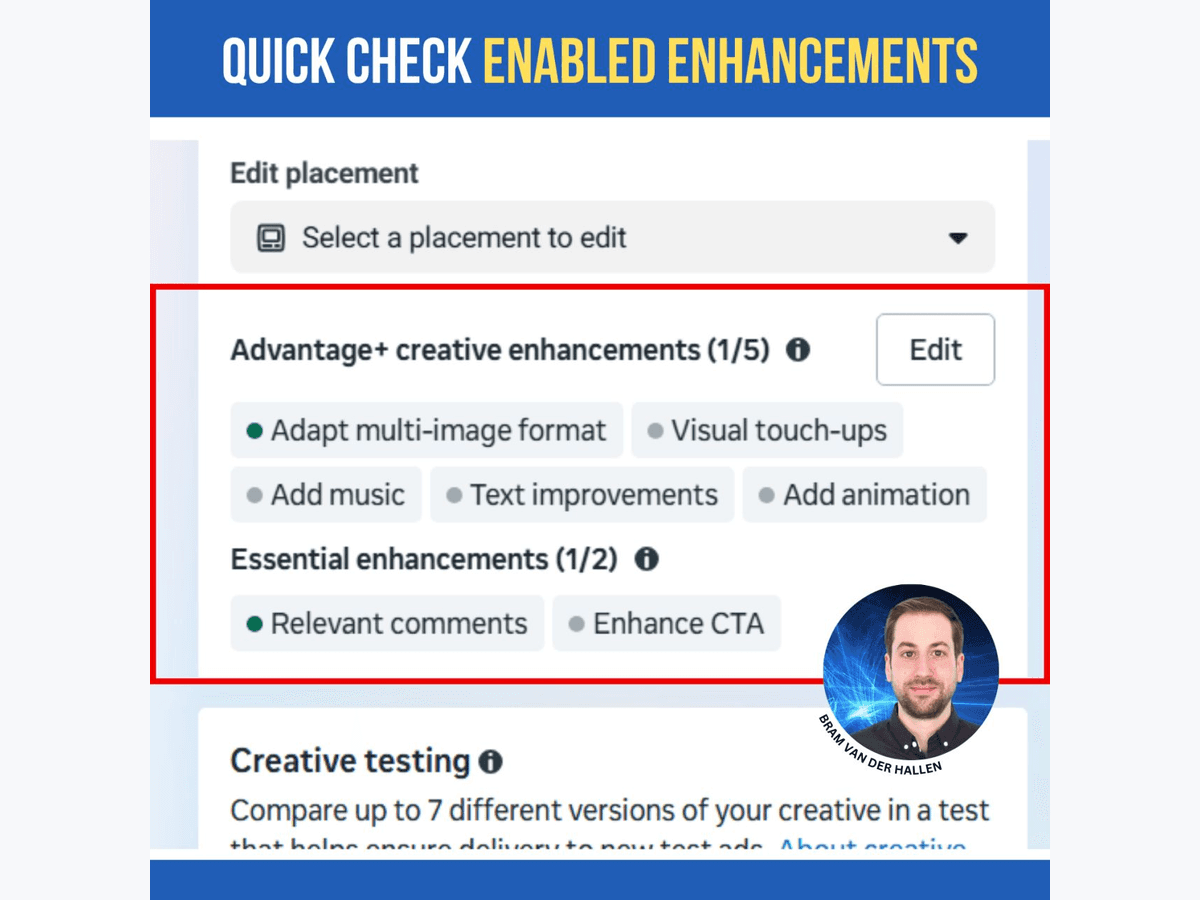
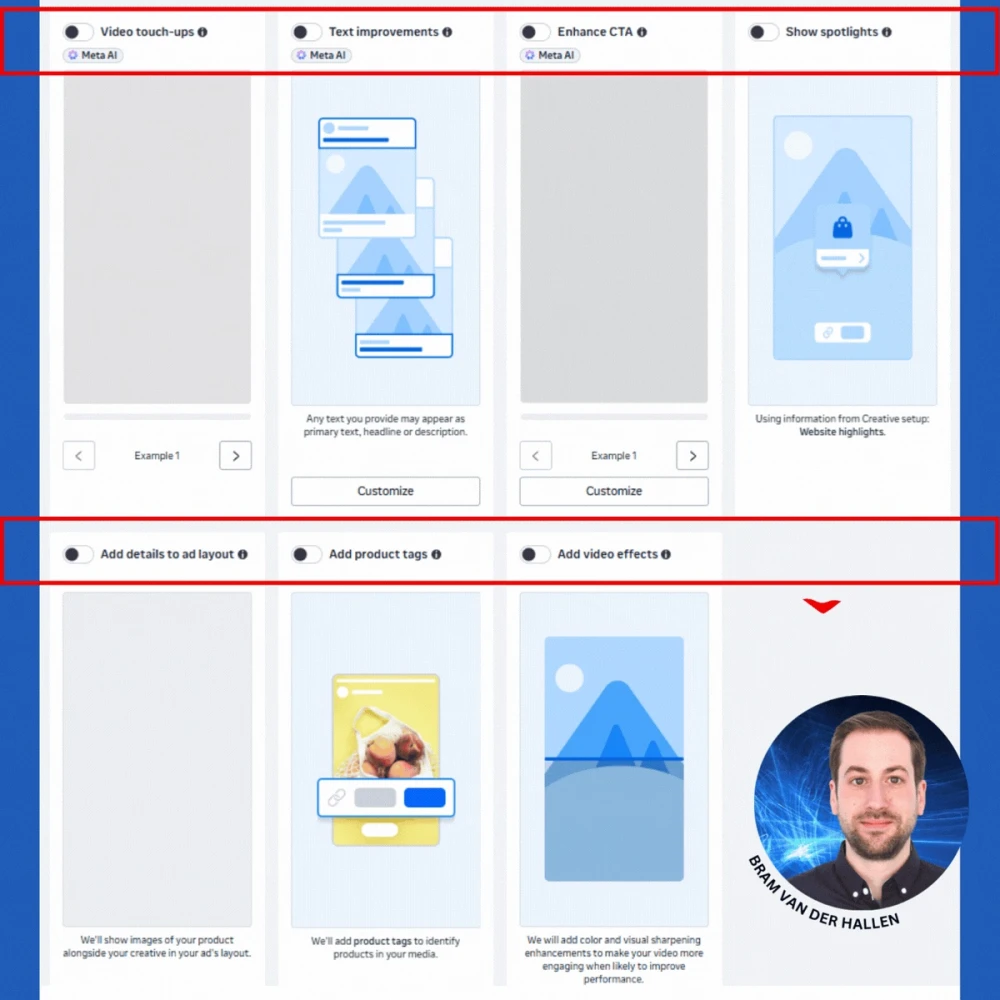
Meta also says it may enable Product showcase when a creative has no showcase settings and a catalog product set is a high-confidence match. The documented opt-out is product_extensions.enroll_status set to OPT_OUT within the creative features specification. Versions before v27.0 retain their existing behaviour. This is the API's Product showcase default, distinct from the separate product-browsing advertiser notice.
There are migration changes beyond those defaults. The catalog /batch endpoint no longer works on v27.0; integrations should use /items_batch. New Lookalike creation rejects country and location_spec inside lookalike_spec, with delivery locations determined by the targeting ad sets. Existing Lookalikes and ads are not changed by that creation rule.
The announcement anticipates applying the device default and Lookalike input change across remaining versions approximately 90 days later. February 2027 is a planning window, not a confirmed exact deadline. Teams should retain the version-specific distinction in their migration checklist.
The main operational implication is to review payloads that rely on omission. An integration may still create an ad successfully while producing a different configuration than its operator expected. Compare a representative new ad set and creative against the intended device and catalog settings, and make the relevant choices explicit in the request. Do not assume a successful response proves that defaults match the old version.
The release also removes the total_video_consumption_rate insight across versions in early November, without a direct replacement, and limits new uses of several legacy Graph API features. Existing applications may continue supported older-version uses under the stated conditions. The forthcoming Business SDK release is described separately; the announcement alone does not prove that it has already shipped.
Ayyad Farah and Manjari Jain are the coauthors of the official release. Review the linked changelog before a production upgrade, particularly where reporting requests, catalog updates and audience creation share the same integration.
Sources & contributor credit
- Official source · Meta
Signed official announcement and source artwork reviewed. Approximately 90-day all-version transition remains undated; existing ad sets are unchanged.
- Discovery coverageSocial Media Today




Original creator unverified
Credits reflect the editor's latest changes. Original authorship has not been independently verified for this version.
Attribution evidence and limitations
Full attribution review pending.
A source link alone does not establish original authorship.
Original image and video creators have not yet been verified.
- Published on this site
- Article updated
This update reflects the dated source reporting. Availability may have changed. Further coverage of this same development will be added to this page.