Meta Ads · Status at source date: Adjacent commerce announcement
Meta introduces Muse with shopping and task-completion features
Meta announced Muse, a personal AI agent with shopping and task-completion capabilities, on 8 September. The US rollout introduces another potential route from a customer's request to a purchase, rather than a new ad-buying placement.
What changed
Meta announced Muse on 8 September 2026 as a personal AI agent for completing tasks, including shopping. The announcement describes a US rollout through iOS, Android and muse.ai, with interactions also available through WhatsApp. It outlines browser-based actions and checkout using Link by Stripe, with purchases requiring approval; Shop Pay is described as coming later.
For commerce teams, the relevant development is the possibility that an assistant helps someone move from a request to a completed order. That sits alongside existing search, social and website journeys. The announcement does not introduce a Muse ad placement that advertisers can buy, and it does not establish how much shopping activity will use the service or what conversion performance a merchant should expect.
An agent-assisted journey makes the quality of the underlying shopping experience worth examining. Product information, availability, delivery details and checkout instructions need to agree with what the customer actually receives. Teams can review those basics without assuming that a new service has already become a significant source of traffic. Any claim about adoption should come from observed evidence rather than the launch narrative alone.
Measurement should preserve the distinction between the tool used to help a customer and the advertising that may have preceded the purchase. If a new referring source appears, investigate how it is identified and what the data can actually establish. Do not manufacture an attribution model or treat every assisted order as incremental demand. A completed transaction still needs to be interpreted alongside the customer's wider journey.
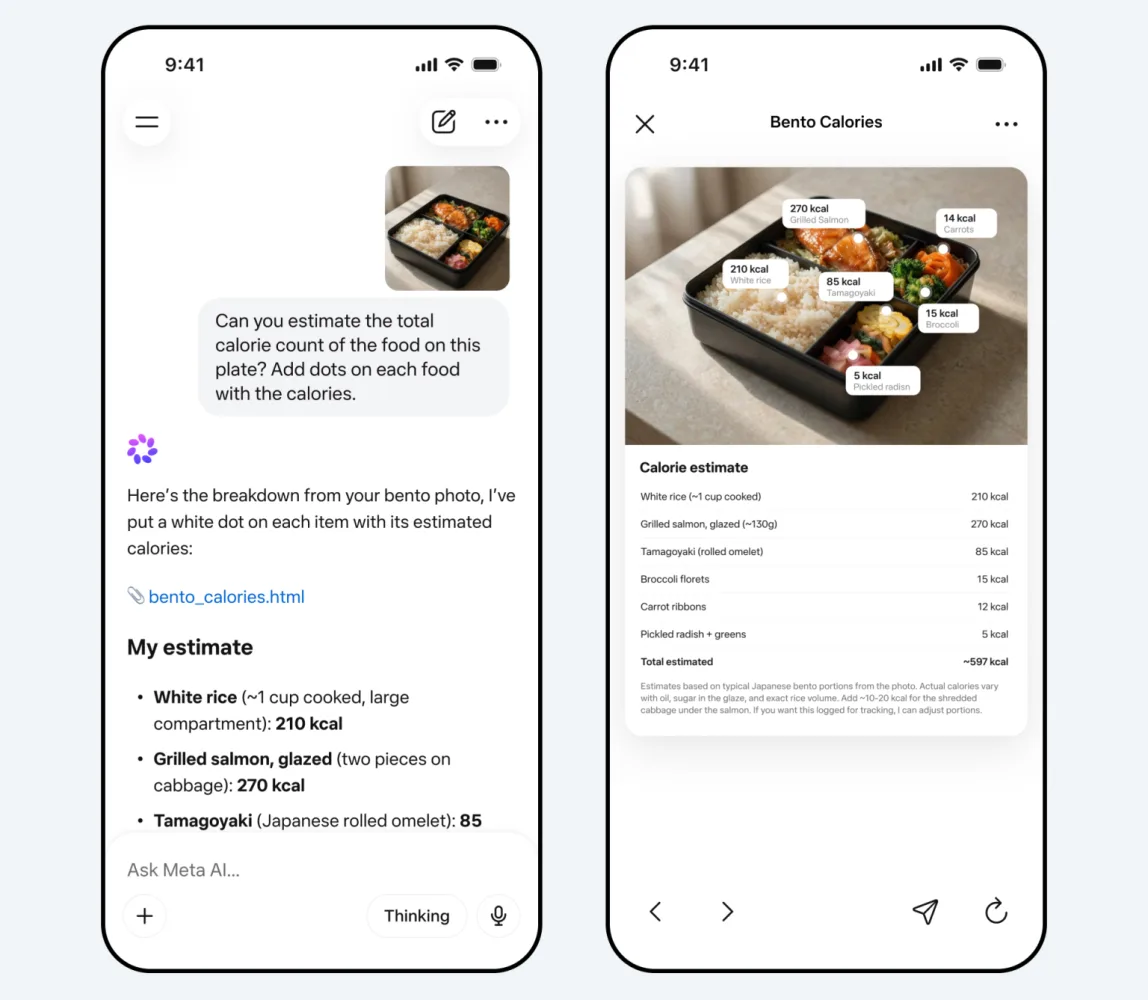
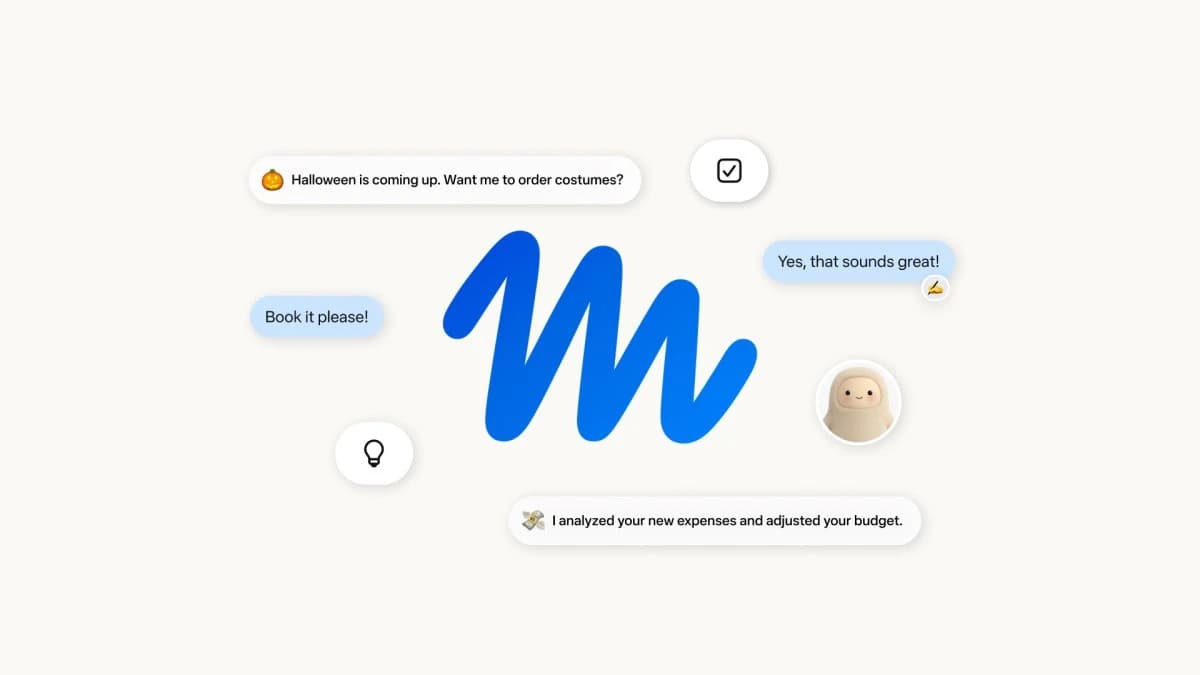
Meta's announcement says private Muse information and conversations are not shared with its advertising systems. That stated boundary should not be replaced with an assumption that agent conversations become ad-targeting data. This coverage records the announced features and their stated US scope. The official image and video illustrate the product; they do not prove broad merchant integration, ad availability or a commercial result.
Why it matters for advertisers
Meta announced Muse, a personal AI agent with shopping and task-completion capabilities, on 8 September. The US rollout introduces another potential route from a customer's request to a purchase, rather than a new ad-buying placement.
What to check next
- Keep commerce-assistant developments separate from available ad placements.
- Check product and checkout clarity before drawing conclusions about a new traffic source.
Sources & contributor credit
- official · Meta
Original source text and matching visual checked on 14 September 2026.
- newsletter · Paid Media News Week 37

Original creator unverified
Credits reflect the editor's latest changes. Original authorship has not been independently verified for this version.
Attribution evidence and limitations
Full attribution review pending.
A source link alone does not establish original authorship.
Original image and video creators have not yet been verified.
- Published on this site
- Article updated
This update reflects the dated source reporting. Availability may have changed. Further coverage of this same development will be added to this page.