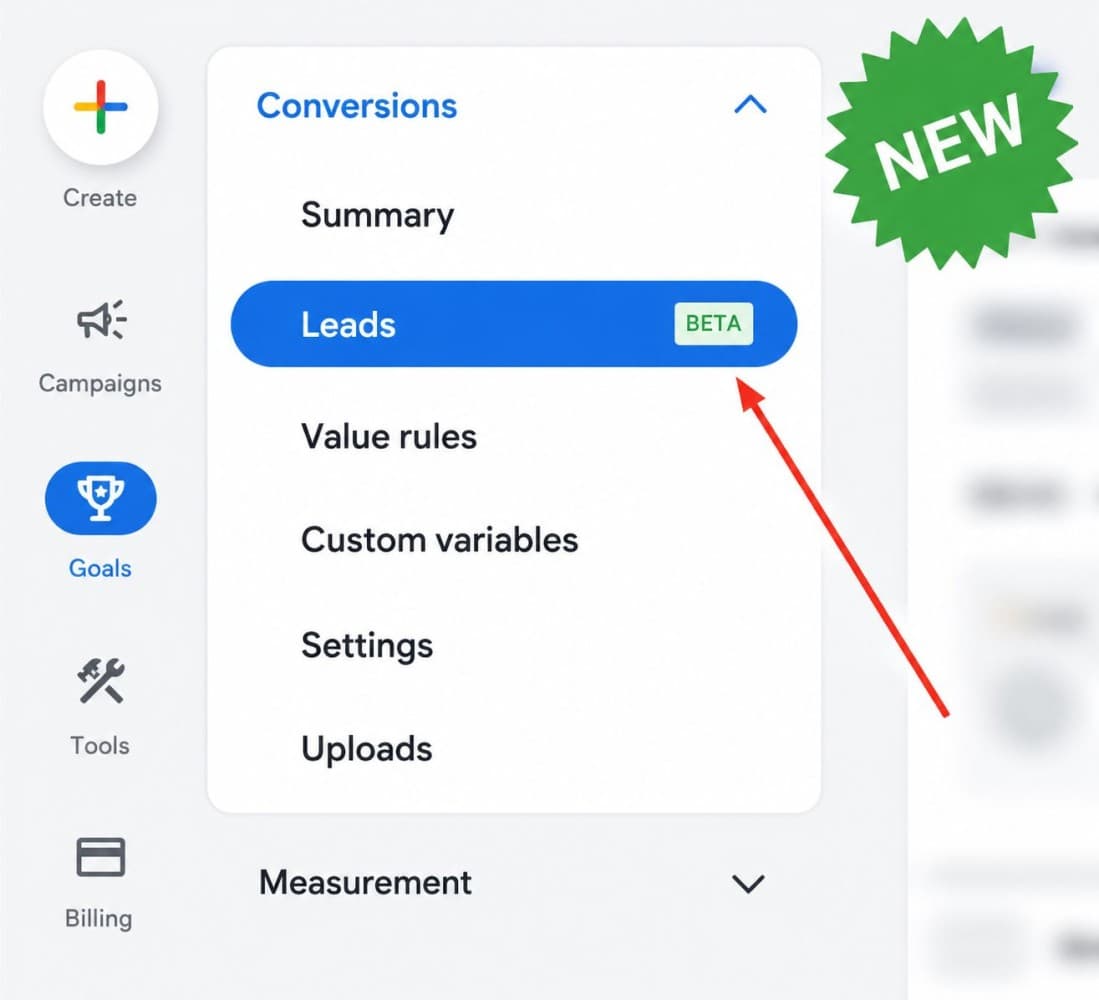
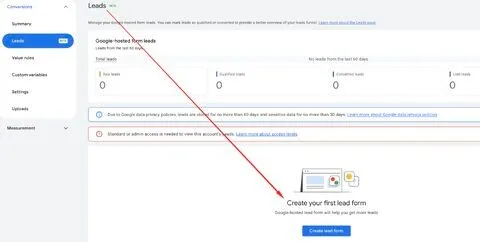
Google Ads · Status at source date: Useful references
Invalid leads: strengthen the form as well as the campaign
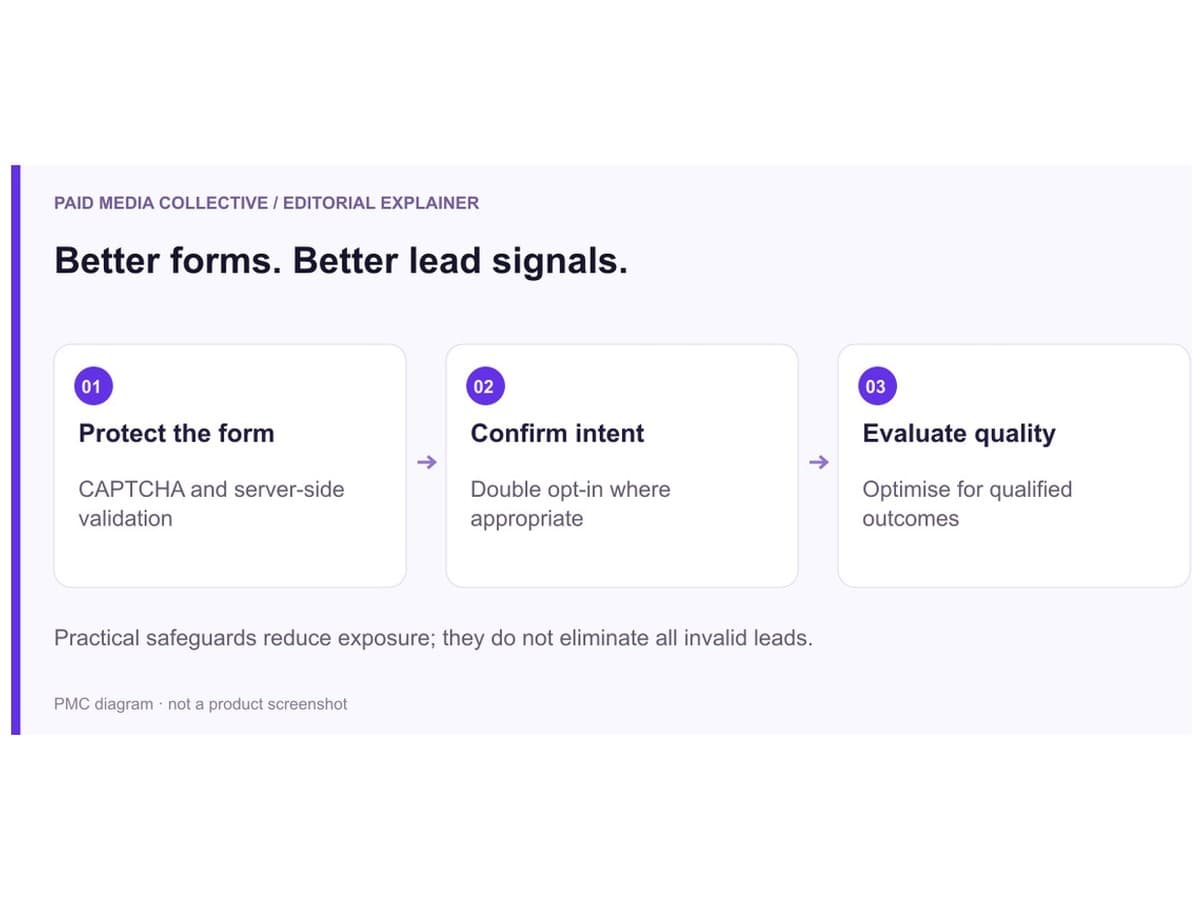
Google’s guidance recommends safeguards including CAPTCHA, double opt-in and server-side validation. Review where invalid submissions enter your process, then measure qualified leads rather than celebrating a cheaper form fill. These are practical safeguards, not a promise that Google’s filters or your form will eliminate all fraud.
What changed
What this update covers
This article records the Paid Search update published in Paid Media News Week 38. The cited evidence is source-supported. It supports the specific scope described above; it does not establish a broader rollout, eligibility, performance outcome or commercial result beyond that evidence. The primary material for this record is Source.
How to assess it in your account
Start with the linked source and check whether the stated product, geography, account type and access conditions match your own setup. Treat an announcement, a limited beta, an account observation and a useful reference differently: each may be valuable, but they carry different levels of availability and certainty. If the change is relevant, document the current workflow before making a change so that later results have a meaningful baseline.
For “Invalid leads: strengthen the form as well as the campaign”, define the decision you need to make before treating it as an optimisation opportunity. That could be whether the capability is available, which customer journey it affects, what data is required, or how it interacts with an existing campaign, feed, creative process or measurement setup. Use a bounded test or review where access allows, and keep the source, date and account conditions with your notes.
Practical next step
Review the implementation details in the original material, then agree one success measure and one guardrail before acting. Compare the result with your existing setup rather than relying on a product label, a screenshot or a reported example alone. If access is selective or the source describes an observation, retain that limitation in any internal recommendation. The source media attached to this article was selected for the same update and is credited below; it illustrates the reported development but does not replace the underlying source documentation.
Source and credit
Paid Media Collective published this editorial summary in Issue 231 on 21 September 2026. Original links and first-contributor credits are preserved below. The newsletter publication date is kept separate from any original source date, which should be read from the cited source where available.
Why it matters for advertisers
The update may affect campaign decisions, measurement or operational workflow. Confirm its stated scope in the original material before applying it to an account.
What to check next
- Open the original source and confirm availability for the relevant account, market and product.
- Record the current workflow and a baseline before testing or changing a live setup.
- Keep the documented limits and source date with any internal recommendation.
Sources & contributor credit
- Original source · Source
Invalid-lead prevention guidance coverage date is 17 September 2026; this does not establish the feature or guidance release date.
- Newsletter coverage · Paid Media News Week 38
Issue 231, covering 14–20 September 2026. Published by Paid Media Collective.
- Contributor evidence · Checked Hana Kobzová
Evidence for the credited original contributor.

Original creator unverified
The names below are source credits. The original creator and first-reporting priority have not yet been independently verified.
Attribution evidence and limitations
Full attribution review pending.
A source link alone does not establish original authorship.
Original image and video creators have not yet been verified.
- Published on this site
This update reflects the dated source reporting. Availability may have changed. Further coverage of this same development will be added to this page.