Amazon Ads · Status at source date: Newsletter archive
Amazon's price-history "High Price" badge now feeds Rufus recommendations
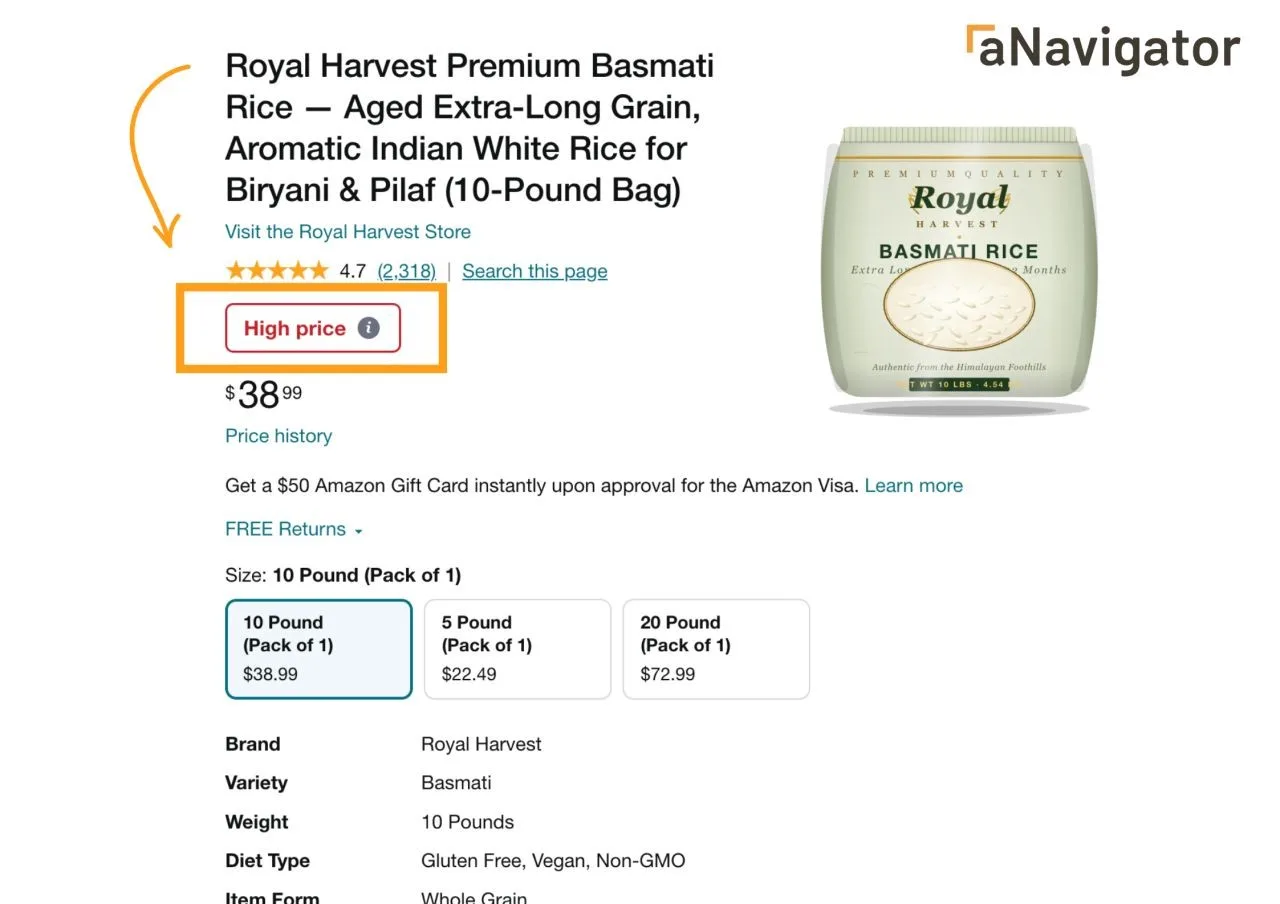
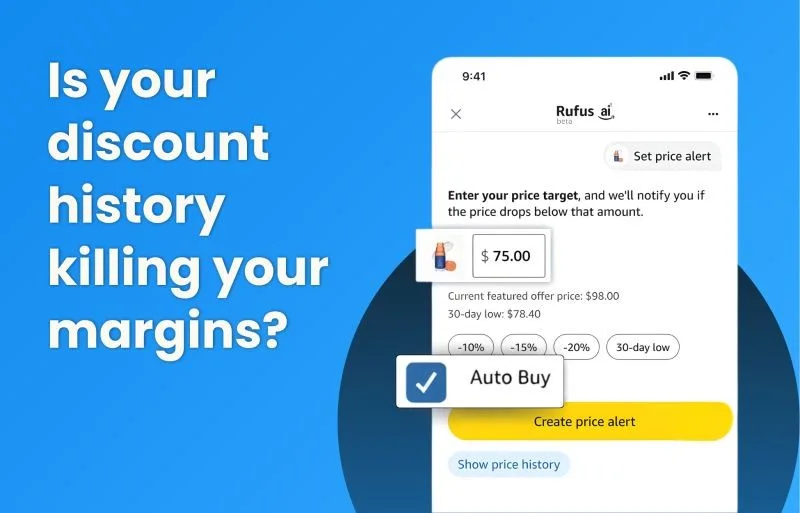
Amazon has formalised the integration between its newly-launched price-history "High Price" indicator (covered in Week 18) and the Rufus AI shopping assistant. Vanessa Hung has surfaced the structural connection: pricing history is now an explicit input to Rufus's recommendation algorithm, not just a consumer-facing badge.
What changed
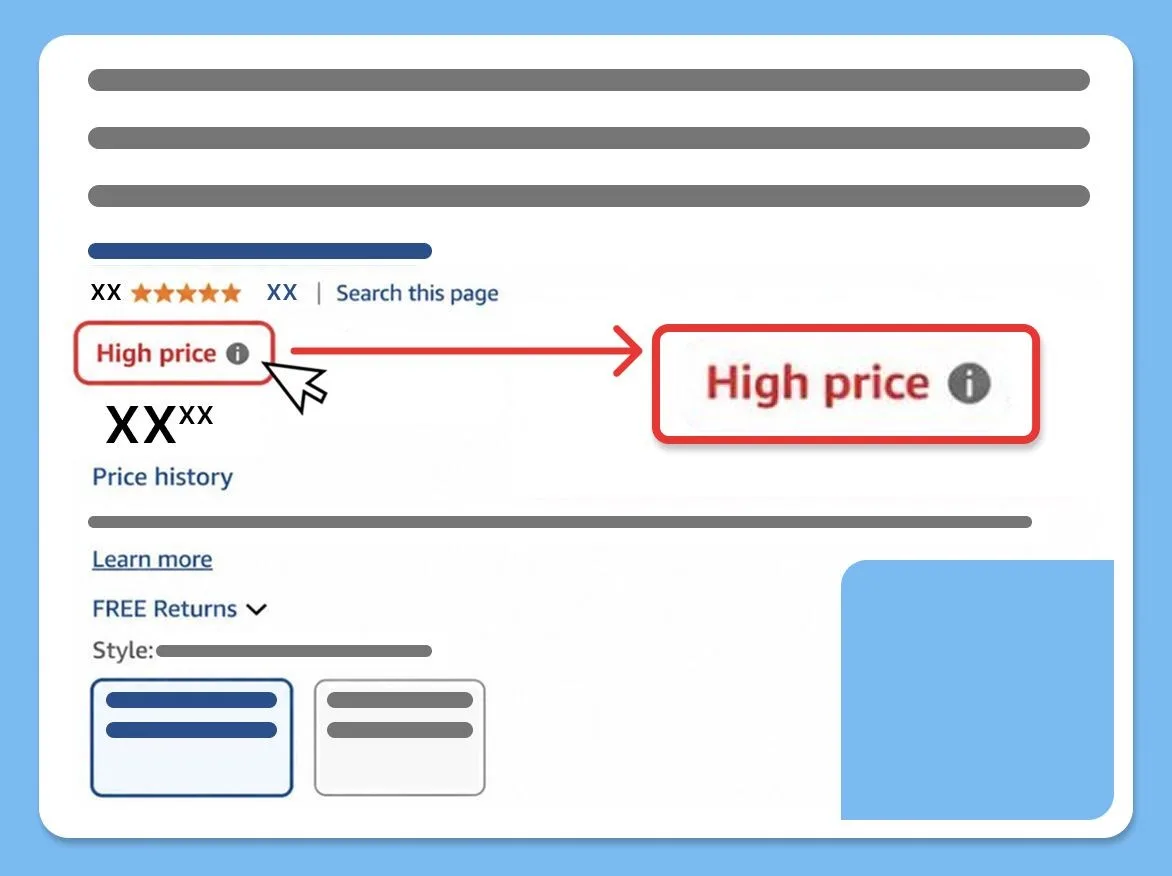
The system shows the 30-, 90-, and 365-day price benchmarks alongside the High Price indicator for listings that exceed recent norms: and the same indicator data flows into Rufus's decision about which ASINs to surface, recommend, or deprioritise.
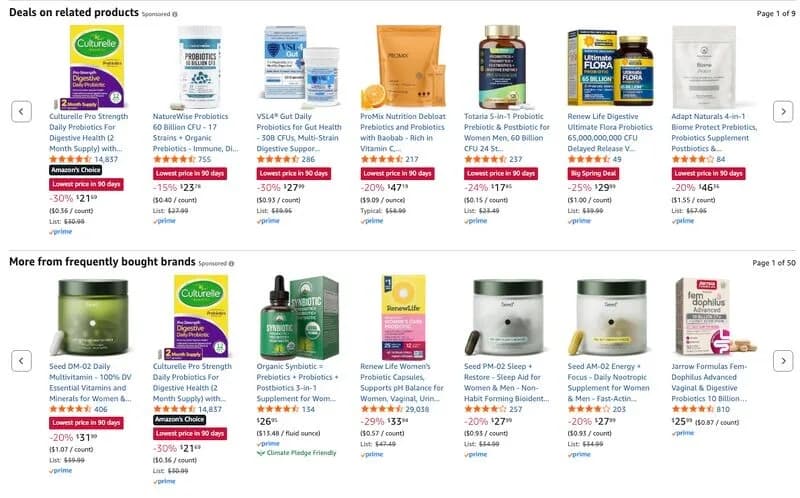
The chain of consequence: Rufus already uses listing quality, reviews and relevance to guide shoppers. Pricing consistency is now part of that data layer. An ASIN with a volatile or elevated price history is a weaker candidate for a recommendation. A lower recommendation frequency means lower organic exposure, regardless of paid spend. The price-history surface is no longer a consumer-only signal: it's a Rufus algorithmic input.
Why it matters for advertisers
For you, this means Amazon's pricing strategy now has compounding consequences: visibility on the product page (the High Price badge from Week 18) plus AI-recommendation visibility through Rufus. Worth treating pricing audits as a Rufus-readiness exercise rather than just a competitor benchmarking exercise, particularly for listings where the High Price label is currently appearing or where pricing has fluctuated materially in the past 90 days.
Perspective from the original PMC newsletter.Sources & contributor credit
- Newsletter coverage · Paid Media Collective newsletter
Original newsletter text, contributor labels and media for this update.
- Source referenced in newsletterLinkedIn
Linked from the original newsletter. The source publication date has not been independently confirmed.

Original creator unverified
The names below are source credits. The original creator and first-reporting priority have not yet been independently verified.
Attribution evidence and limitations
Full attribution review pending.
A source link alone does not establish original authorship.
Original image and video creators have not yet been verified.
- Published on this site
This update reflects the dated source reporting. Availability may have changed. Further coverage of this same development will be added to this page.
Original newsletter text and archive evidence
Amazon's price-history "High Price" badge now feeds Rufus recommendations
Amazon has formalised the integration between its newly-launched price-history "High Price" indicator (covered in Week 18) and the Rufus AI shopping assistant. Vanessa Hung has surfaced the structural connection: pricing history is now an explicit input to Rufus's recommendation algorithm, not just a consumer-facing badge. The system shows the 30-, 90-, and 365-day price benchmarks alongside the High Price indicator for listings that exceed recent norms: and the same indicator data flows into Rufus's decision about which ASINs to surface, recommend, or deprioritise.
The chain of consequence: Rufus already uses listing quality, reviews and relevance to guide shoppers. Pricing consistency is now part of that data layer. An ASIN with a volatile or elevated price history is a weaker candidate for a recommendation. A lower recommendation frequency means lower organic exposure, regardless of paid spend. The price-history surface is no longer a consumer-only signal: it's a Rufus algorithmic input.
For you, this means Amazon's pricing strategy now has compounding consequences: visibility on the product page (the High Price badge from Week 18) plus AI-recommendation visibility through Rufus. Worth treating pricing audits as a Rufus-readiness exercise rather than just a competitor benchmarking exercise, particularly for listings where the High Price label is currently appearing or where pricing has fluctuated materially in the past 90 days.
Source captured . No explicit first-contributor label was provided for this update.