Google Merchant Center · Status at source date: Newsletter archive
Google brings shopping checkout buttons back to Search via UCP
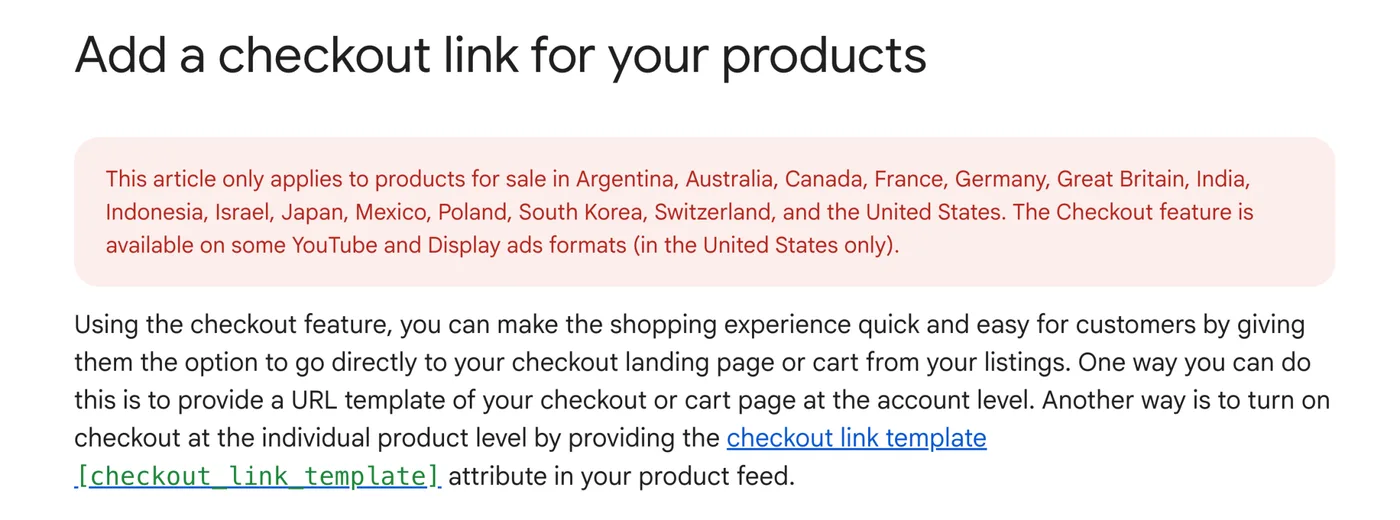
Google has rolled out shopping checkout buttons in Google Search results: the first native checkout shopping experience in Search since the original "Buy on Google" surface was killed in 2023. Juozas Kaziukėnas has flagged the launch and traced its mechanics: the checkout flow is powered by Universal Commerce Protocol (UCP), the same payment infrastructure that has been running in Gemini and AI Mode for the past two months.

What changed
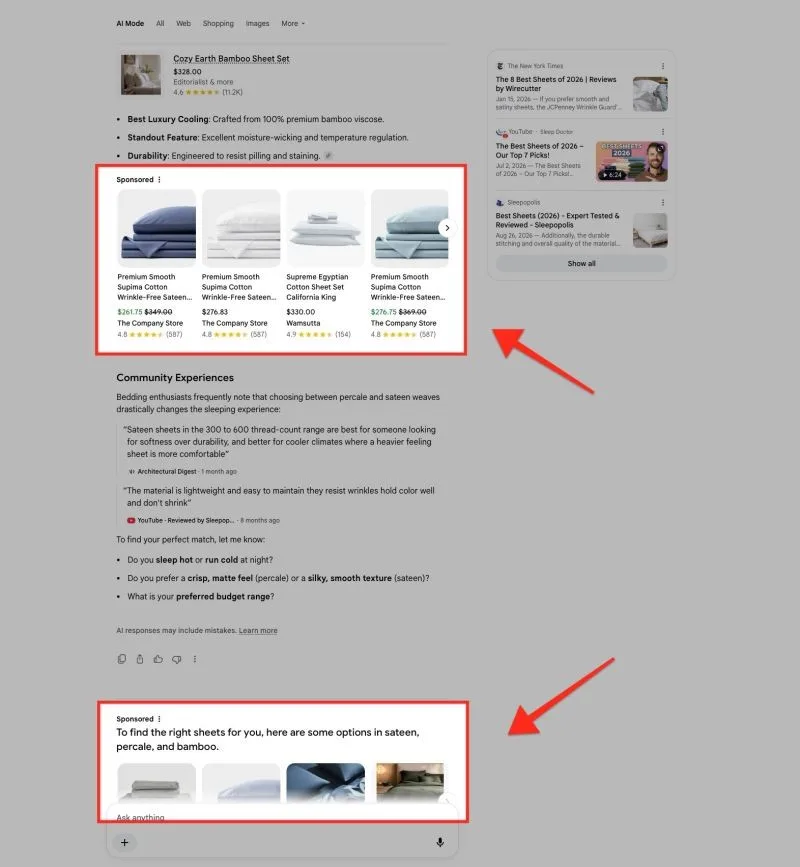
SERP Alert has separately surfaced the UCP expansion into the main Search results layout, with ad placements appearing directly above the now-buyable free listings.
The structural shift is that UCP has crossed from experimental AI surfaces into mainstream Search, instantly putting the Gemini/AI Mode checkout flow in front of hundreds of millions of regular Search users. Wayfair is the first named merchant to have Google Pay integration enabled for free listings, with Etsy and Target expected to follow. Juozas's framing: this isn't an agentic shopping experience, it's conventional Search with Buy buttons added. But because checkout happens over UCP, the same merchants that are live on Gemini AI chat are automatically live in regular Search.
Why it matters for advertisers
For you, this means UCP-integrated merchants gain a sudden boost in distribution across the broader Search audience without any incremental setup. Merchants not yet on UCP face a clearer onboarding case: the volume of Search traffic now flowing through buyable checkout buttons makes the integration cost-benefit materially more favourable than when UCP was contained to Gemini.
Perspective from the original PMC newsletter.Sources & contributor credit
- Newsletter coverage · Paid Media Collective newsletter
Original newsletter text, contributor labels and media for this update.

Original creator unverified
The names below are source credits. The original creator and first-reporting priority have not yet been independently verified.
Attribution evidence and limitations
Full attribution review pending.
A source link alone does not establish original authorship.
Original image and video creators have not yet been verified.
- Published on this site
This update reflects the dated source reporting. Availability may have changed. Further coverage of this same development will be added to this page.
Original newsletter text and archive evidence
Google brings shopping checkout buttons back to Search via UCP
Google has rolled out shopping checkout buttons in Google Search results: the first native checkout shopping experience in Search since the original "Buy on Google" surface was killed in 2023. Juozas Kaziukėnas has flagged the launch and traced its mechanics: the checkout flow is powered by Universal Commerce Protocol (UCP), the same payment infrastructure that has been running in Gemini and AI Mode for the past two months. SERP Alert has separately surfaced the UCP expansion into the main Search results layout, with ad placements appearing directly above the now-buyable free listings.
The structural shift is that UCP has crossed from experimental AI surfaces into mainstream Search, instantly putting the Gemini/AI Mode checkout flow in front of hundreds of millions of regular Search users. Wayfair is the first named merchant to have Google Pay integration enabled for free listings, with Etsy and Target expected to follow. Juozas's framing: this isn't an agentic shopping experience, it's conventional Search with Buy buttons added. But because checkout happens over UCP, the same merchants that are live on Gemini AI chat are automatically live in regular Search.
For you, this means UCP-integrated merchants gain a sudden boost in distribution across the broader Search audience without any incremental setup. Merchants not yet on UCP face a clearer onboarding case: the volume of Search traffic now flowing through buyable checkout buttons makes the integration cost-benefit materially more favourable than when UCP was contained to Gemini.
Source captured . No explicit first-contributor label was provided for this update.