Google Ads · Status at source date: Announcements
Google business-name exception permits recognised brands on other domains
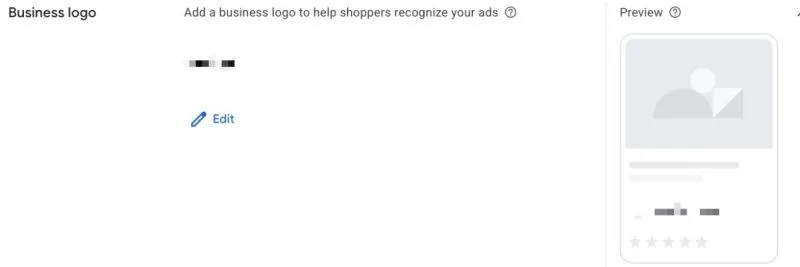
Google will allow some recognised brands to use a business name different from the destination domain when direct-relationship and product-sale conditions are met.
What changed
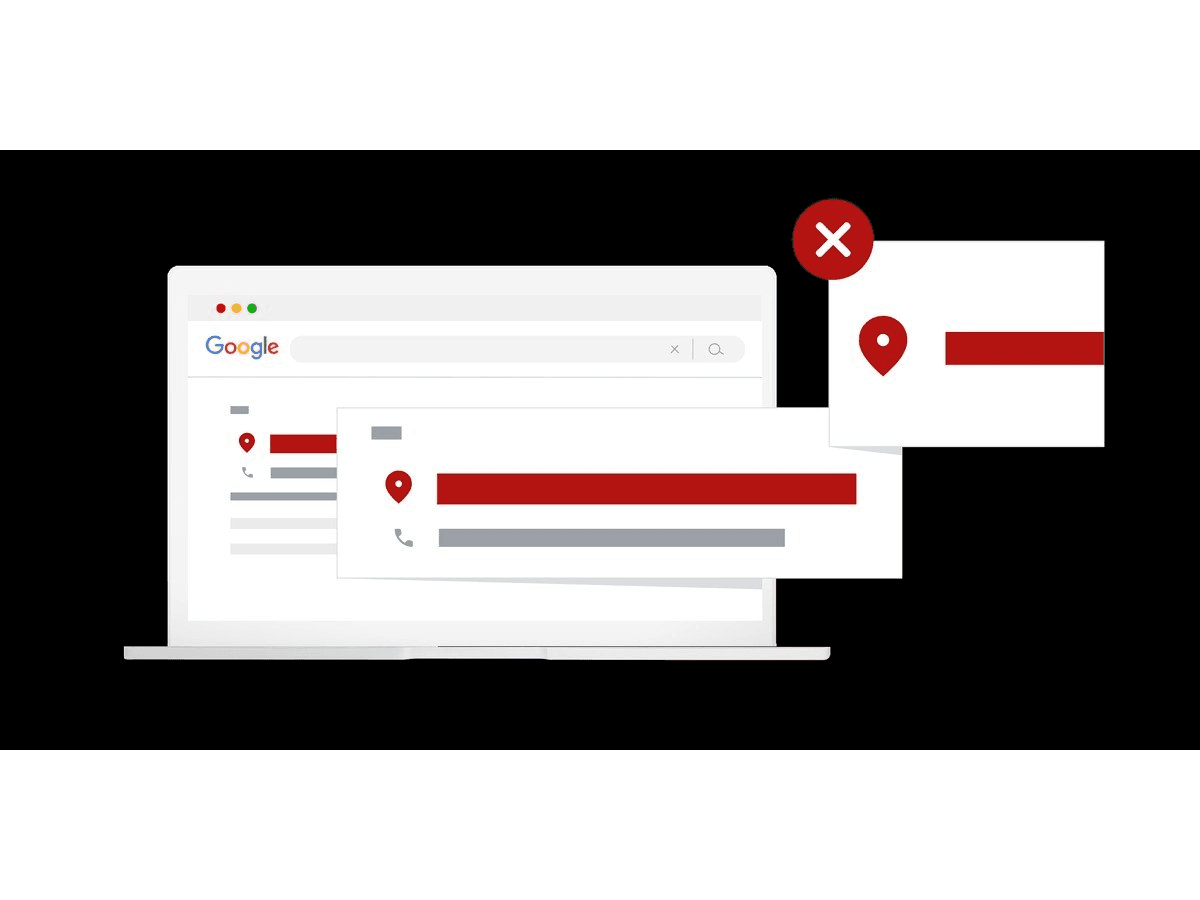
Google is adding a conditional exception to its business-name requirements, allowing a name to differ from the landing-page domain in defined circumstances. It is not general permission to display another organisation’s brand name.
Conditions and exclusions
The business name must reflect the advertiser’s recognised brand, the advertiser must have a verified direct relationship with the domain owner, and the products must be sold on that domain. These conditions may support some campaign microsites, but only where the relationship and sales activity can be evidenced.
Resellers, affiliate distributors, booking intermediaries and secondary sellers cannot use another brand’s standalone name under this exception. A commercial relationship, permission to sell or inclusion in a distribution chain should not be assumed to meet the stated direct-relationship condition.
Two dates refer to the same planned enforcement
A Google advertiser email says enforcement begins on 19 October 2026, while one report cited 16 October. The sources do not reconcile that discrepancy. The 19 October date should be attributed specifically to Google’s advertiser email, and 16 October to the separate report, rather than blending them into a single settled date.
Editorial suggestion: use 19 October as the operational deadline only where the account received or can verify the Google communication, while checking the latest policy notice before relying on either date. Preparing before 16 October is a cautious internal choice, not proof that enforcement begins then.
Relationship evidence
For each affected domain, identify its owner, the advertiser entity, the recognised brand used in the business-name field and the products sold on the destination. Retain evidence of the direct relationship rather than relying on an informal description from a campaign brief.
A useful eligibility test is whether the advertiser could substantiate all three conditions independently. If the brand is recognised but the direct domain relationship is missing, or the relationship exists but the products are not sold there, the exception is not supported by the stated criteria. Do not extend the exception from one qualifying microsite to unrelated domains.
Why it matters for advertisers
The exception may support legitimate brand-and-domain structures, but misuse can still conflict with Google’s business-name requirements. The direct relationship, recognised brand and on-domain sale are separate dependencies.
What to check next
- Check the latest Google communication and record whether the account supports the 19 October date.
- Document the advertiser’s verified direct relationship with each destination-domain owner.
- Confirm that the recognised brand’s advertised products are actually sold on the destination domain.
Sources & contributor credit
- Original sourceGoogle Ads Policy
Source cited in the published Week 40 newsletter. Article observation/reporting date is shown separately; this page’s original publication date is not inferred.
- Reporting or practitioner sourceSearch Engine Roundtable
Source cited in the published Week 40 newsletter. Article observation/reporting date is shown separately; this page’s original publication date is not inferred.
- Reporting or practitioner sourceSearch Engine Land
Source cited in the published Week 40 newsletter. Article observation/reporting date is shown separately; this page’s original publication date is not inferred.
- Reporting or practitioner sourceNatasha Kaurra
Source cited in the published Week 40 newsletter. Article observation/reporting date is shown separately; this page’s original publication date is not inferred.
- Newsletter coverage · Paid Media Collective Week 40
Published edition used for story selection, copy, source credits and media; curation is distinct from original authorship.

Original creator unverified
Contributor roles follow the published newsletter and its linked evidence. Reporting, official discussion and visual authorship are kept separate; no independently unverified first-reporting priority is awarded.
Attribution evidence and limitations
Published story and credit line reconciled with the expanded article.
Original post, primary documentation and secondary reporting links retained.
Visible image content inspected for story relevance; image credit retained separately from reporting credit.
- Google Ads Policy
- Search Engine Roundtable
- Search Engine Land
- Natasha Kaurra
- Paid Media Collective Week 40
Attribution checked . This is a review date, not the original publication date.
- Published on this site
- Article updated
This update reflects the dated source reporting. Availability may have changed. Further coverage of this same development will be added to this page.