Google Ads · Status at source date: Local Services Ads
Google says some out-of-area Local Services Ads are working as intended
Google’s Ads Liaison said reported out-of-area Local Services Ads were intentional because the firms served customers seeking that legal service in the searched area.
What changed
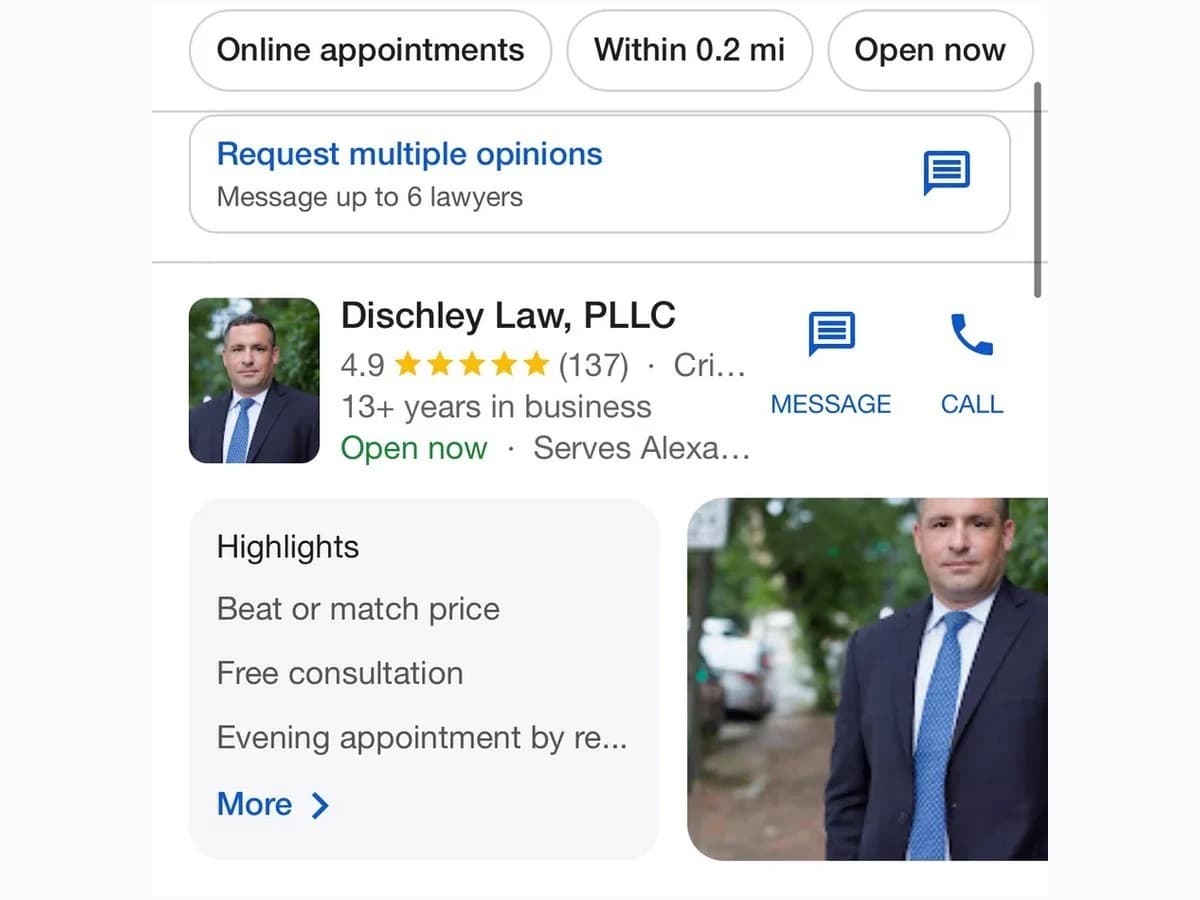
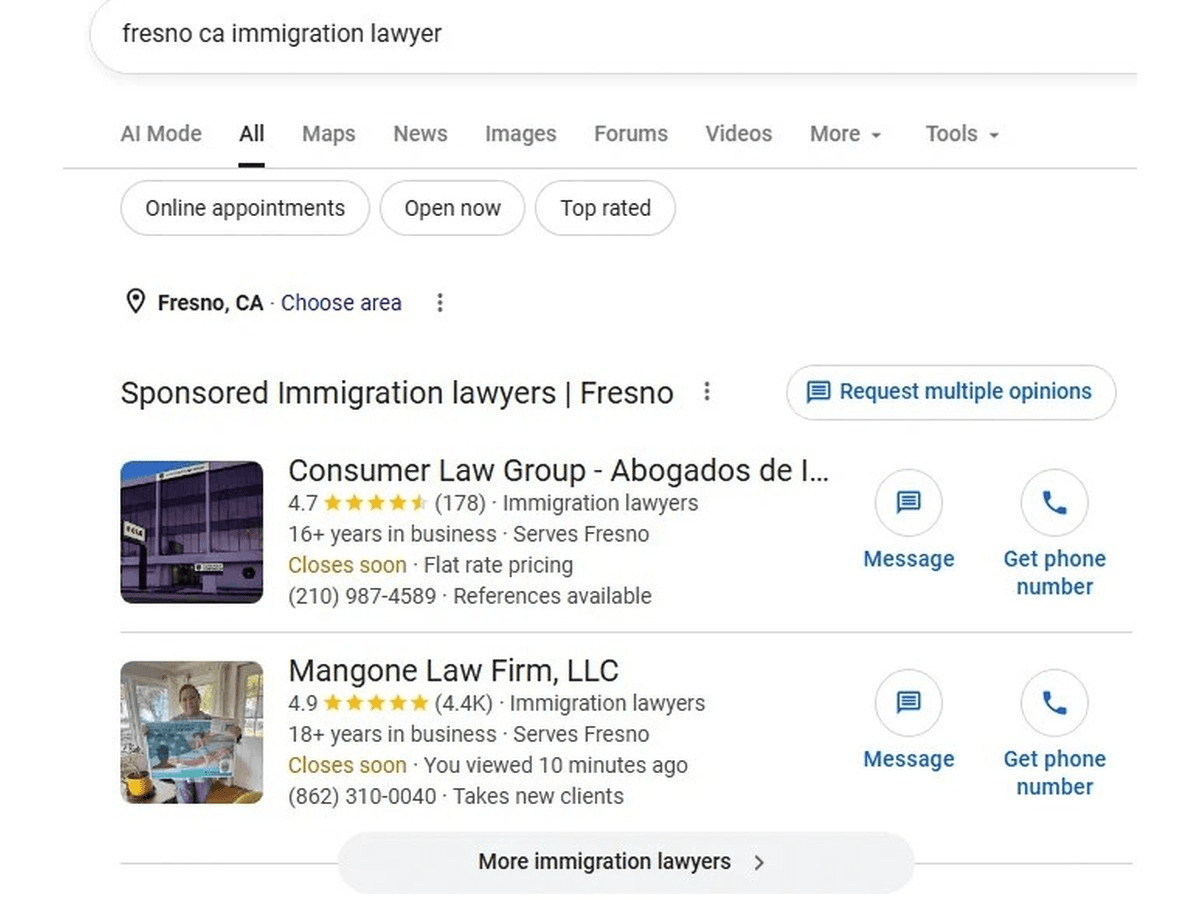
Len Raleigh flagged Local Services Ads showing firms that appeared to be outside the searcher’s area. Google’s Ads Liaison replied that the examples were working as intended because those firms served customers in the searched area who were looking for that legal service.
Scope of Google’s clarification
The reply addresses the reported examples. It does not establish that every apparent location mismatch is correct, nor does it provide a complete specification for Local Services Ads targeting. The central distinction is between the location of a firm and the area in which it genuinely serves customers.
A business address outside the searched location can therefore coexist with relevant service-area coverage. Conversely, the reply does not show that an advertiser serving one nearby area should appear in every surrounding location.
Test serviceability, not distance alone
Advertisers should compare configured service areas with the locations from which enquiries actually arrive. The review should consider whether the business can genuinely provide the relevant service there, rather than using the office address as the sole test of relevance.
Editorial suggestion: classify recent leads into three groups: within a configured and serviceable area, outside the office area but still serviceable, and genuinely outside operational coverage. Compare those groups with campaign settings and lead quality. This makes it possible to distinguish a legitimate service-area model from a suspected targeting anomaly.
For legal-service searches, preserve the service sought as well as the location. Google’s reply tied relevance to firms serving customers in the searched area for that legal service; it did not make a general statement about every Local Services Ads category.
Evidence for escalation
Before escalating a mismatch, retain the query, displayed advertiser, searcher location signals where known, stated service area and reason the enquiry could not be served. Separate that evidence from cases where only the office address looks distant.
A pattern of genuinely unserviceable enquiries is more informative than one result viewed without location context. The Liaison’s response should remain a clarification of the cited examples, not a blanket answer to all targeting complaints.
Why it matters for advertisers
Office location alone does not determine whether a Local Services Ad is relevant. Comparing configured service areas with genuine serviceability and enquiry patterns offers a stronger basis for identifying possible mismatches.
What to check next
- Compare configured service areas with the locations and requested services of received enquiries.
- Classify whether each area is genuinely serviceable, even when it differs from the office location.
- Retain query, location and service-area evidence before escalating a suspected targeting anomaly.
Sources & contributor credit
- Reporting or practitioner sourceLen Raleigh on X
Source cited in the published Week 40 newsletter. Article observation/reporting date is shown separately; this page’s original publication date is not inferred.
- Reporting or practitioner sourceAds Liaison reply
Source cited in the published Week 40 newsletter. Article observation/reporting date is shown separately; this page’s original publication date is not inferred.
- Reporting or practitioner sourceSearch Engine Roundtable
Source cited in the published Week 40 newsletter. Article observation/reporting date is shown separately; this page’s original publication date is not inferred.
- Newsletter coverage · Paid Media Collective Week 40
Published edition used for story selection, copy, source credits and media; curation is distinct from original authorship.

Original creator unverified
Contributor roles follow the published newsletter and its linked evidence. Reporting, official discussion and visual authorship are kept separate; no independently unverified first-reporting priority is awarded.
Attribution evidence and limitations
Published story and credit line reconciled with the expanded article.
Original post, primary documentation and secondary reporting links retained.
Visible image content inspected for story relevance; image credit retained separately from reporting credit.
Attribution checked . This is a review date, not the original publication date.
- Published on this site
- Article updated
This update reflects the dated source reporting. Availability may have changed. Further coverage of this same development will be added to this page.