Meta Ads · Status at source date: Update
Meta account observations: value-rules metrics, sale-event labels, attribution and product versions
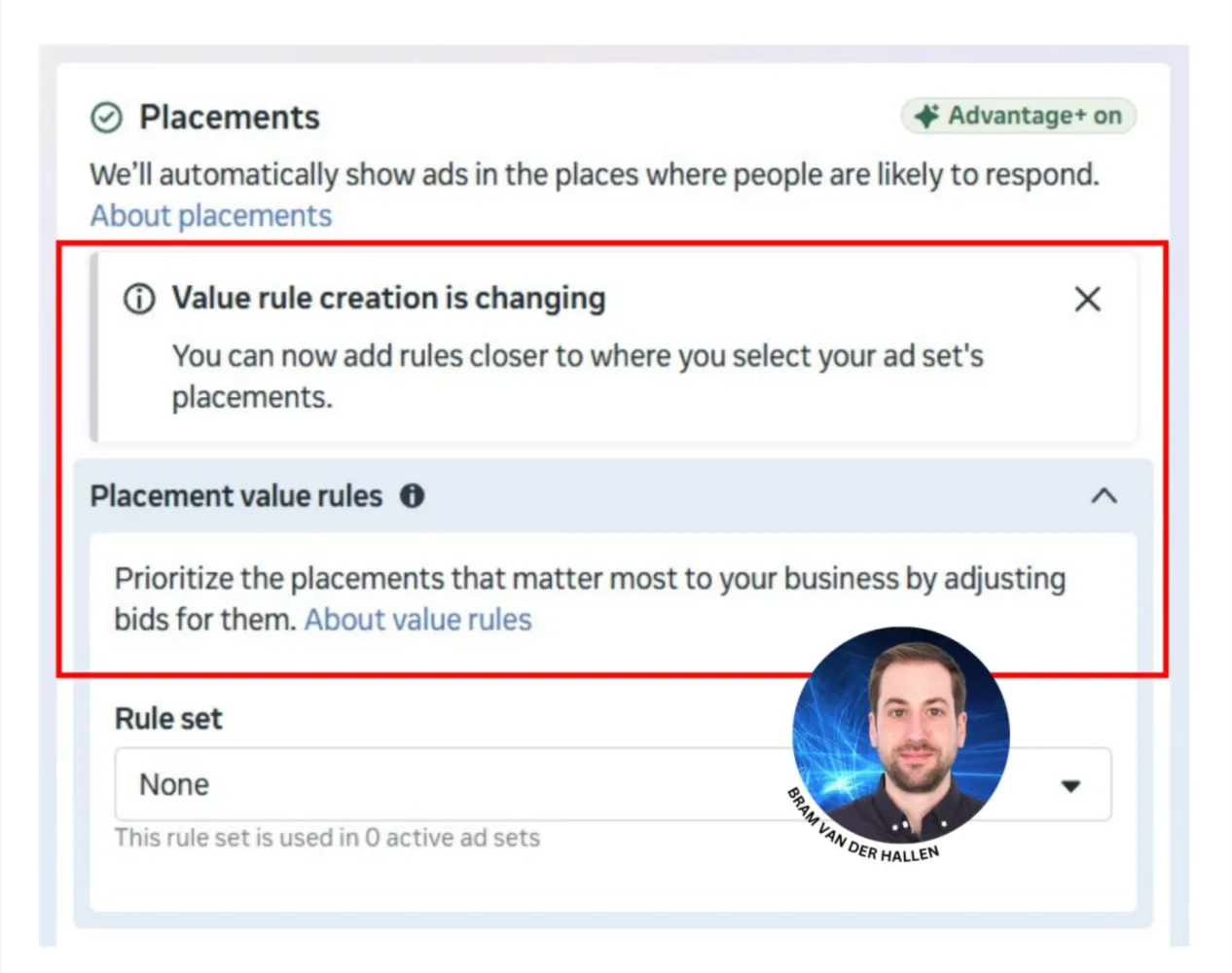
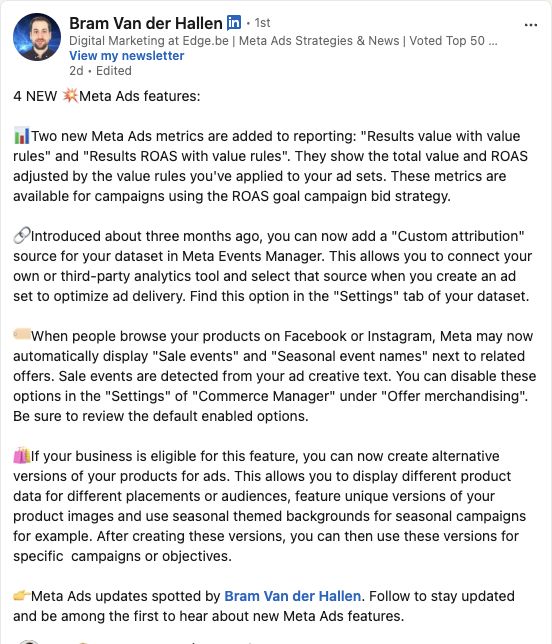
Bram Van der Hallen describes four account features: two reporting metrics, "Results value with value rules" and "Results ROAS with value rules", which show value and ROAS after the value rules applied to ad sets, available for ROAS-goal campaigns; automatic "Sale events" and "Seasonal event names" that Meta may show next to offers when people browse products, detected from ad text, with an option to disable; and a "Custom attribution" source in Events Manager that lets an advertiser's own or third-party attribution tool feed delivery optimisation, which Meta's developer documentation describes as AppendAttribution and which he dates to about three months ago.
What changed
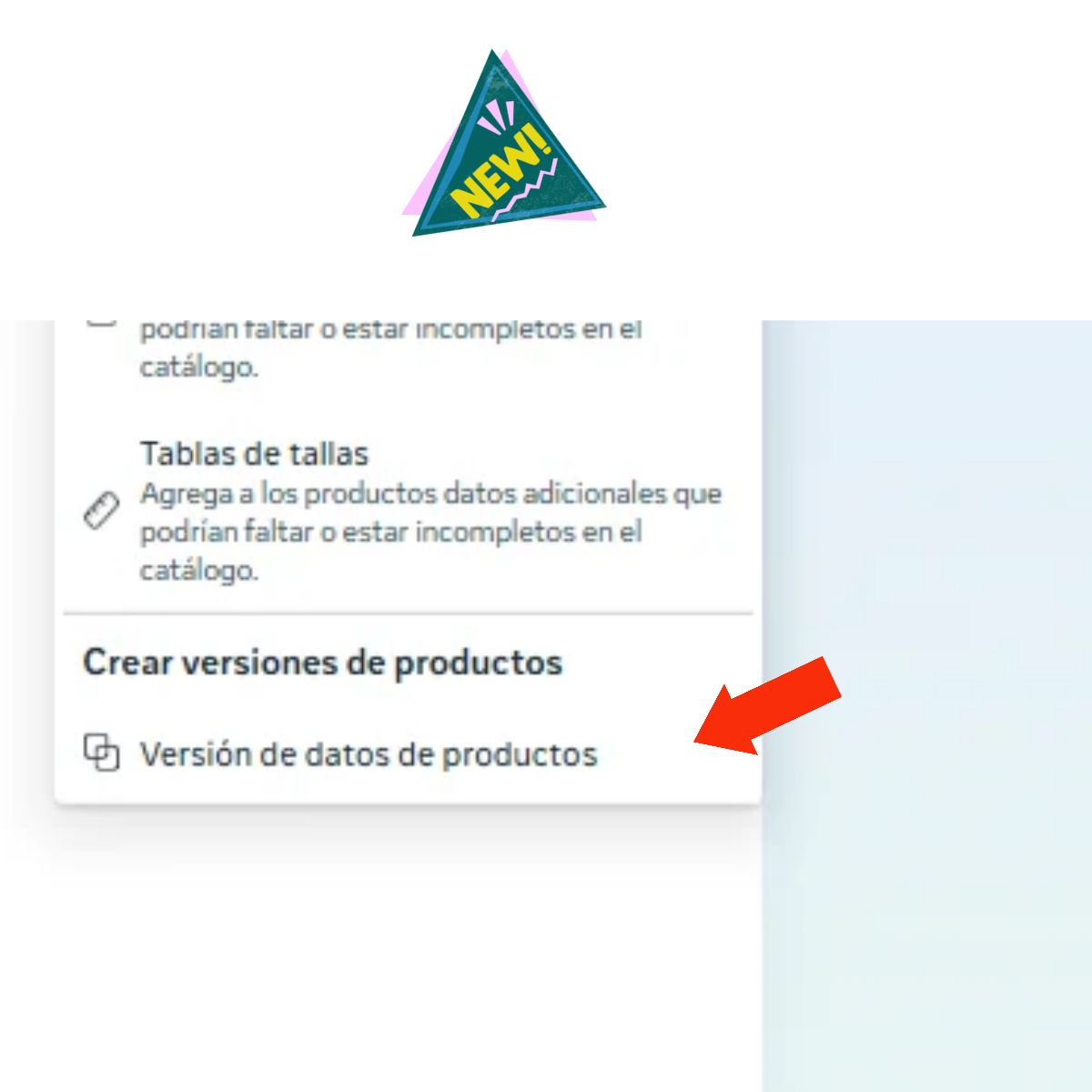
He also reports alternative product versions for eligible businesses, allowing different product data or images for placements, audiences and campaigns. These are account observations, not confirmation of a universal rollout; Custom attribution is a reminder of an existing capability. We found no Meta help page for the first two. For you, this means value rules can finally be read back in reporting, so add the two columns before judging a value-rule experiment.
The observations concern different parts of Meta's interface and reporting. Value-rule metrics relate to how value adjustments are presented, sale-event labels concern campaign context, attribution settings concern credit assignment, and product versions concern catalogue presentation. They should not be described as one simultaneous platform-wide rollout.
For value rules, compare the metric definition with the underlying business value being supplied. For sale-event labels, confirm the actual dates and offer rather than assuming a label changes delivery by itself. For attribution, record the selected setting before comparing performance across periods. A reporting change can alter the apparent result without changing the number of orders.
Product versions require a catalogue review of the selected data and fallback behaviour. Inspect the final ad, not only the version name. A product ID that remains the same can still be shown with a different title or image, which may affect how the offer is understood.
Each screenshot establishes an account-level observation with its own contributor and context. Check access in the actual advertiser account and retain those distinctions when communicating the update. The collection is useful for an account audit, but it does not prove universal availability, new defaults or improved performance from accepting every visible option.
Sources & contributor credit
- Original sourceLinkedIn
- Supporting sourceMeta for Developers ; AppendAttribution


Original creator unverified
Credits reflect the editor's latest changes. Original authorship has not been independently verified for this version.
Attribution evidence and limitations
Full attribution review pending.
A source link alone does not establish original authorship.
Original image and video creators have not yet been verified.
- Published on this site
- Article updated
This update reflects the dated source reporting. Availability may have changed. Further coverage of this same development will be added to this page.