Google Tag · Status at source date: Official update
Google Tag Manager adds direct measurement with destination tags
Google’s 12 October release adds direct measurement from Tag Manager containers. Teams can consolidate Google tag settings, but should review access permissions and page-view behaviour before publishing the upgrade.
What changed
What changed
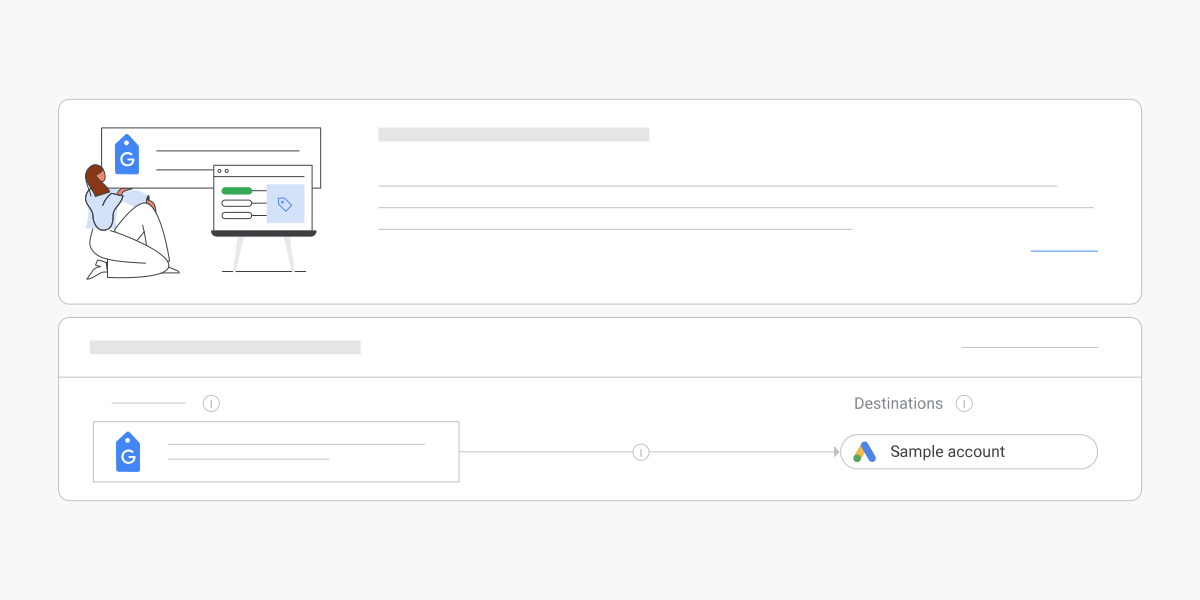
Google’s 12 October 2026 Tag Manager release introduces direct delivery to Google measurement products. Google says removing the extra gtag.js loading step can improve performance and measurement, while bringing settings and access management into the container. Those are the publisher’s stated benefits, not a measured speed improvement from PMC.
This is separate from the 8 October change that exposes gtag.config events. Teams that already reviewed wildcard triggers for that earlier update still need to assess the container optimisation on its own terms.
Review the migration before publishing
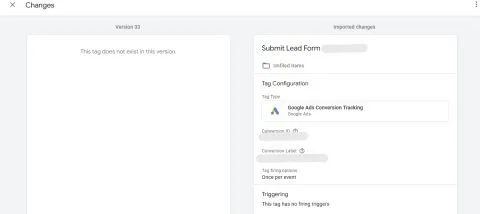
Google’s help page describes an upgrade banner. Matching Google tag settings can be consolidated through the review flow; conflicting settings require a choice about which configuration to keep. The migration retains existing event tags and triggers. Changes can be staged in a workspace and checked in Preview before submission.
A configuration rollback does not roll back permissions. Google explicitly says permissions are not versioned and directs administrators to External Account Links to adjust access. Record the intended access arrangement alongside the configuration change so that a later rollback does not leave an unexpected permission in place.
Check destinations and page views
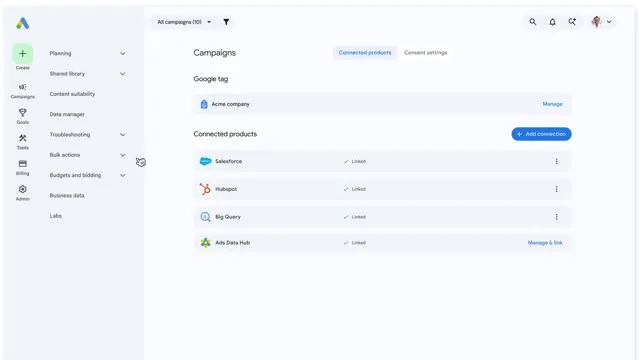
The destination reference lists GA4 web streams, Google Ads accounts, Floodlight configurations and Merchant Center conversion sources. Destination tags connect those products directly to the container, with settings and permissions managed there. Individual destination parameters can override settings where needed.
Adding a destination tag automatically sends a page-view event to that destination. For a PPC measurement owner, that makes existing page-view handling worth checking before adding another tag. PMC recommends comparing expected event delivery, consent behaviour and conversion diagnostics in a controlled preview. These are editorial checks, not evidence that a particular account is compatible or that PMC has tested a migration.
Start with the container’s own upgrade flow and Google’s linked instructions. The announcement does not establish that every container already displays the option, and its performance claims should be validated against the website’s own measurements.
Why it matters for advertisers
Measurement teams can simplify configuration, but settings conflicts, automatic page views and permissions need deliberate review. A staged migration helps avoid changing event delivery or access unintentionally.
What to check next
- Check whether the container offers the optimisation and identify conflicting Google tag settings.
- Preview destination tags and compare page-view and conversion delivery with the current setup.
- Record destination permissions separately from the container version before an approved release.
Sources & contributor credit
- Official release notes · Google Tag Manager
Dated container optimisation announcement.
- Official documentationGoogle Tag Manager
Upgrade workflow and permissions caveat; publication date unconfirmed.
- Official documentationGoogle Tag Manager
Supported destinations and automatic page-view behaviour; publication date unconfirmed.

Original creator unverified
The names below are source credits. The original creator and first-reporting priority have not yet been independently verified.
Attribution evidence and limitations
Full attribution review pending.
A source link alone does not establish original authorship.
Original image and video creators have not yet been verified.
- Published on this site
This update reflects the dated source reporting. Availability may have changed. Further coverage of this same development will be added to this page.