Google Ads · Status at source date: Newsletter archive
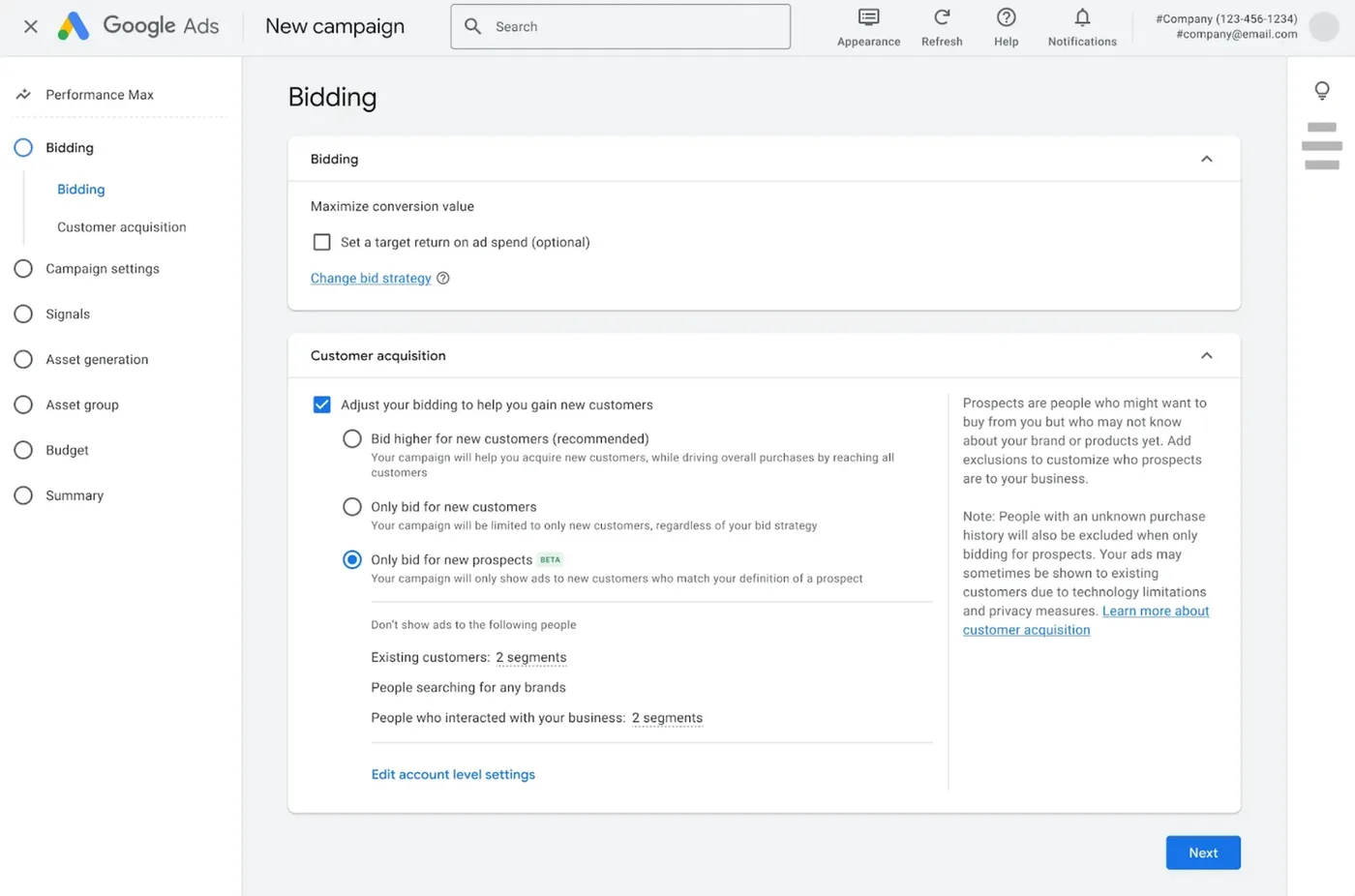
[Reminder] Demand Gen Lookalikes shift from strict targeting to suggestion mode.
Google is fundamentally changing how Lookalike segments work in its advertising platform, moving from strict audience targeting to a more flexible, signal-based approach. The change, first spotted by Dario Zannoni last week, means that Lookalike audiences will increasingly serve as optimisation signals rather than hard-targeting constraints, following the pattern Google has established with other audience types.
![Original newsletter image: [Reminder] Demand Gen Lookalikes shift from strict targeting to suggestion mode.](/_next/image?url=%2Fnews%2Farchive-2026%2F73d2fde7fa5fe3af0948ba32.webp&w=3840&q=75&dpl=dpl_8d5fX4Qzr2kaN2JUin5Yfj6TTfs1)
What changed
Under the previous model, a Lookalike audience represented a defined pool of users that campaigns would target directly. Under the new model, Lookalike data informs Google's algorithms about which users might convert, but the system retains discretion to expand beyond that pool when it identifies opportunities elsewhere. For advertisers who have built strategies around tightly controlled Lookalike audiences, this introduces uncertainty.
Importantly, Google is providing a "Demand Gen Lookalike as a Suggestion - Opt Out". A new "Use as signal only" toggle will appear in the audience settings, enabled by default. Advertisers who want to maintain strict targeting can disable this setting to preserve the previous behaviour.
The change continues Google's broader trajectory of reducing advertiser control in favour of algorithmic optimisation, a pattern visible across Performance Max, broad match, and now audience targeting.
Why it matters for advertisers
For you, this means reviewing Demand Gen campaigns that rely on Lookalike audiences before the March rollout, and deciding whether to accept signal-based expansion or opt out to maintain tighter control.
Perspective from the original PMC newsletter.Sources & contributor credit
- Newsletter coverage · Paid Media Collective newsletter
Original newsletter text, contributor labels and media for this update.
- Source referenced in newsletterDemand Gen Lookalike as a Suggestion - Opt Out
Linked from the original newsletter. The source publication date has not been independently confirmed.
- Source referenced in newsletterLinkedIn
Linked from the original newsletter. The source publication date has not been independently confirmed.


Original creator unverified
The names below are source credits. The original creator and first-reporting priority have not yet been independently verified.
Attribution evidence and limitations
Full attribution review pending.
A source link alone does not establish original authorship.
Original image and video creators have not yet been verified.
- Published on this site
This update reflects the dated source reporting. Availability may have changed. Further coverage of this same development will be added to this page.
Original newsletter text and archive evidence
[Reminder] Demand Gen Lookalikes shift from strict targeting to suggestion mode.
Google is fundamentally changing how Lookalike segments work in its advertising platform, moving from strict audience targeting to a more flexible, signal-based approach. The change, first spotted by Dario Zannoni last week, means that Lookalike audiences will increasingly serve as optimisation signals rather than hard-targeting constraints, following the pattern Google has established with other audience types.
Under the previous model, a Lookalike audience represented a defined pool of users that campaigns would target directly. Under the new model, Lookalike data informs Google's algorithms about which users might convert, but the system retains discretion to expand beyond that pool when it identifies opportunities elsewhere. For advertisers who have built strategies around tightly controlled Lookalike audiences, this introduces uncertainty.
Importantly, Google is providing a "Demand Gen Lookalike as a Suggestion - Opt Out". A new "Use as signal only" toggle will appear in the audience settings, enabled by default. Advertisers who want to maintain strict targeting can disable this setting to preserve the previous behaviour.
The change continues Google's broader trajectory of reducing advertiser control in favour of algorithmic optimisation, a pattern visible across Performance Max, broad match, and now audience targeting. For you, this means reviewing Demand Gen campaigns that rely on Lookalike audiences before the March rollout, and deciding whether to accept signal-based expansion or opt out to maintain tighter control.
Source captured . First-contributor labels follow the newsletter’s explicit wording.