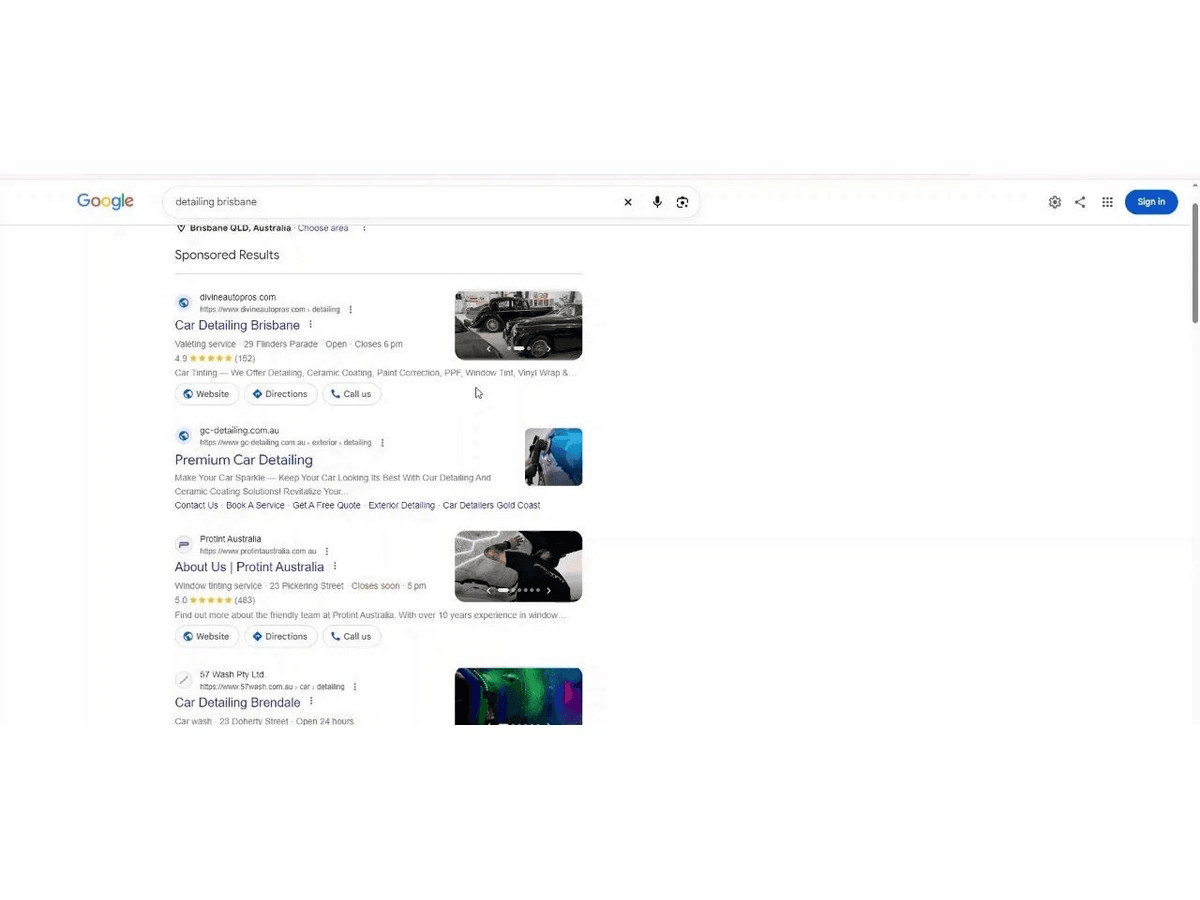
Google Ads · Status at source date: Spotted in the Wild
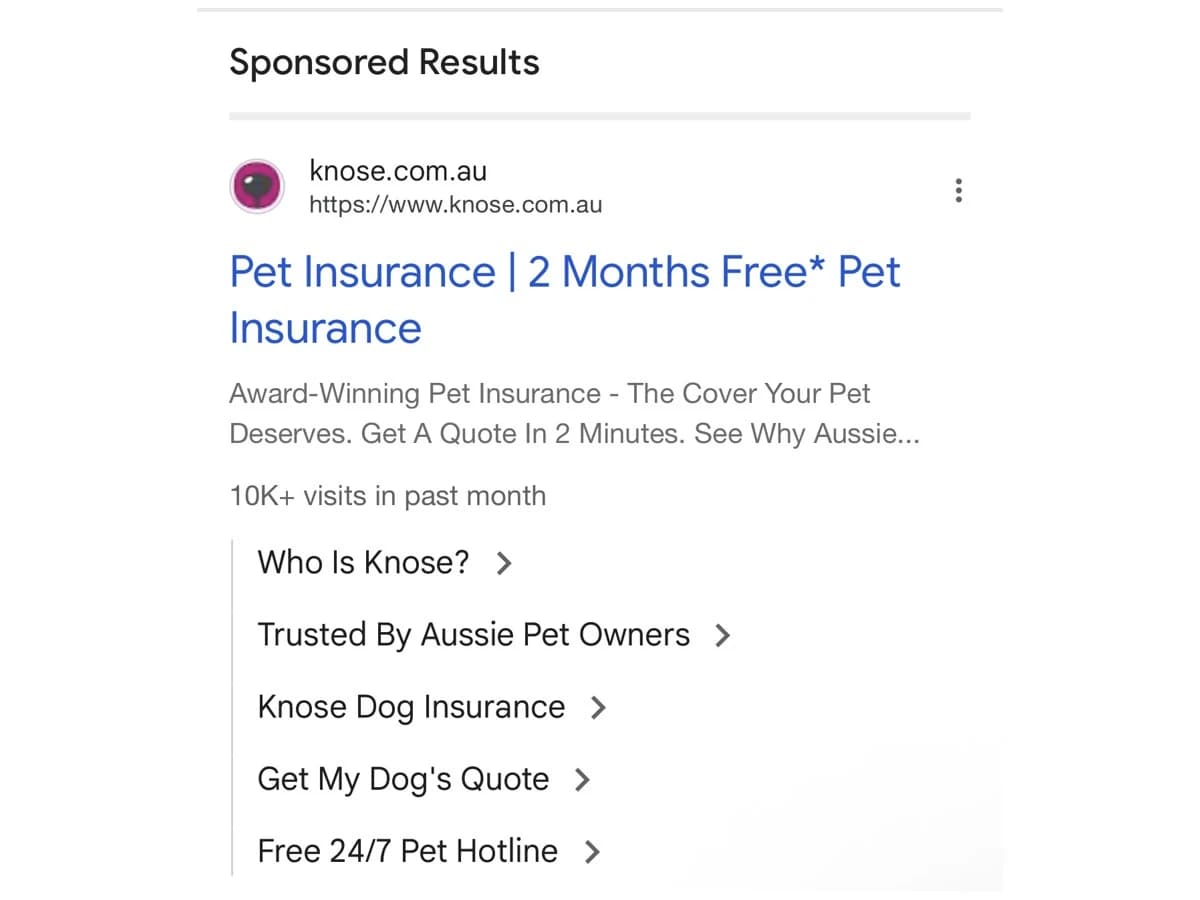
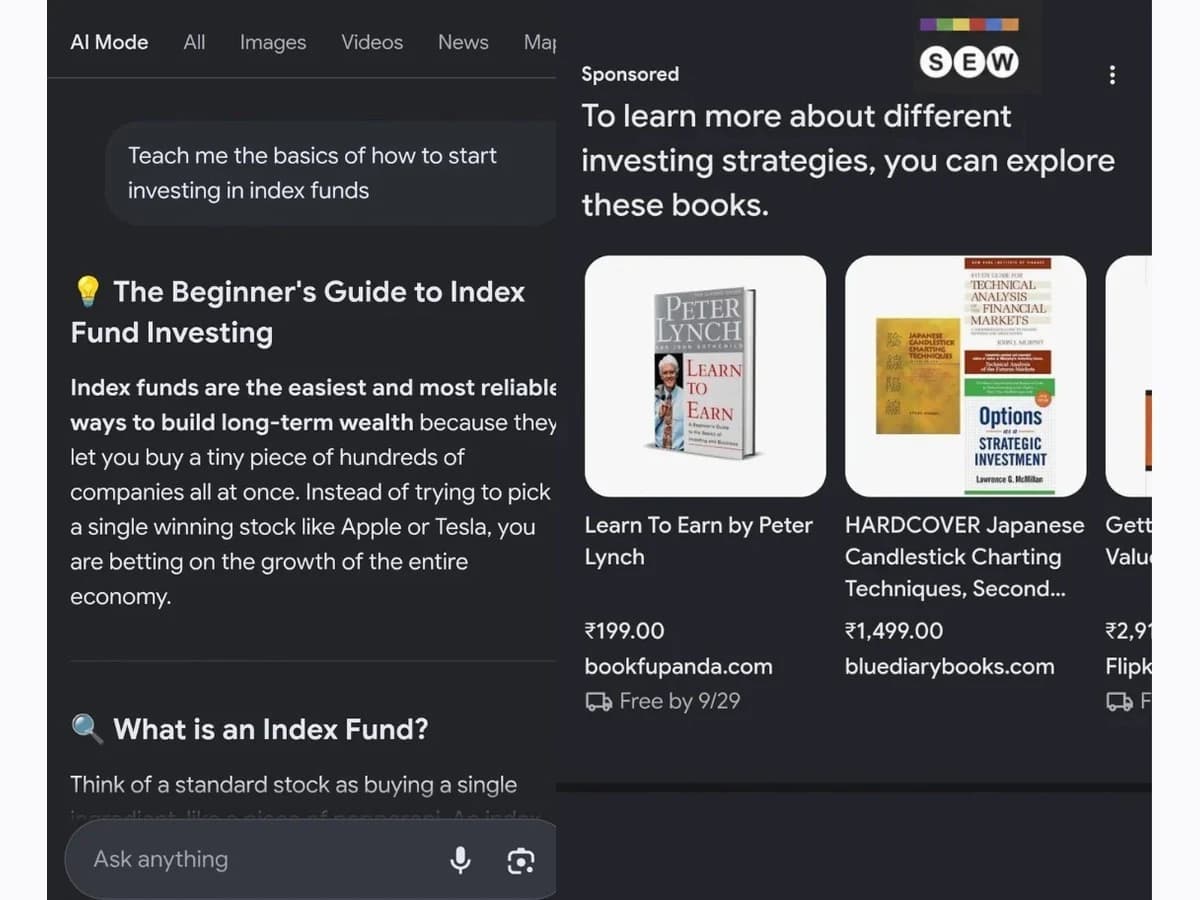
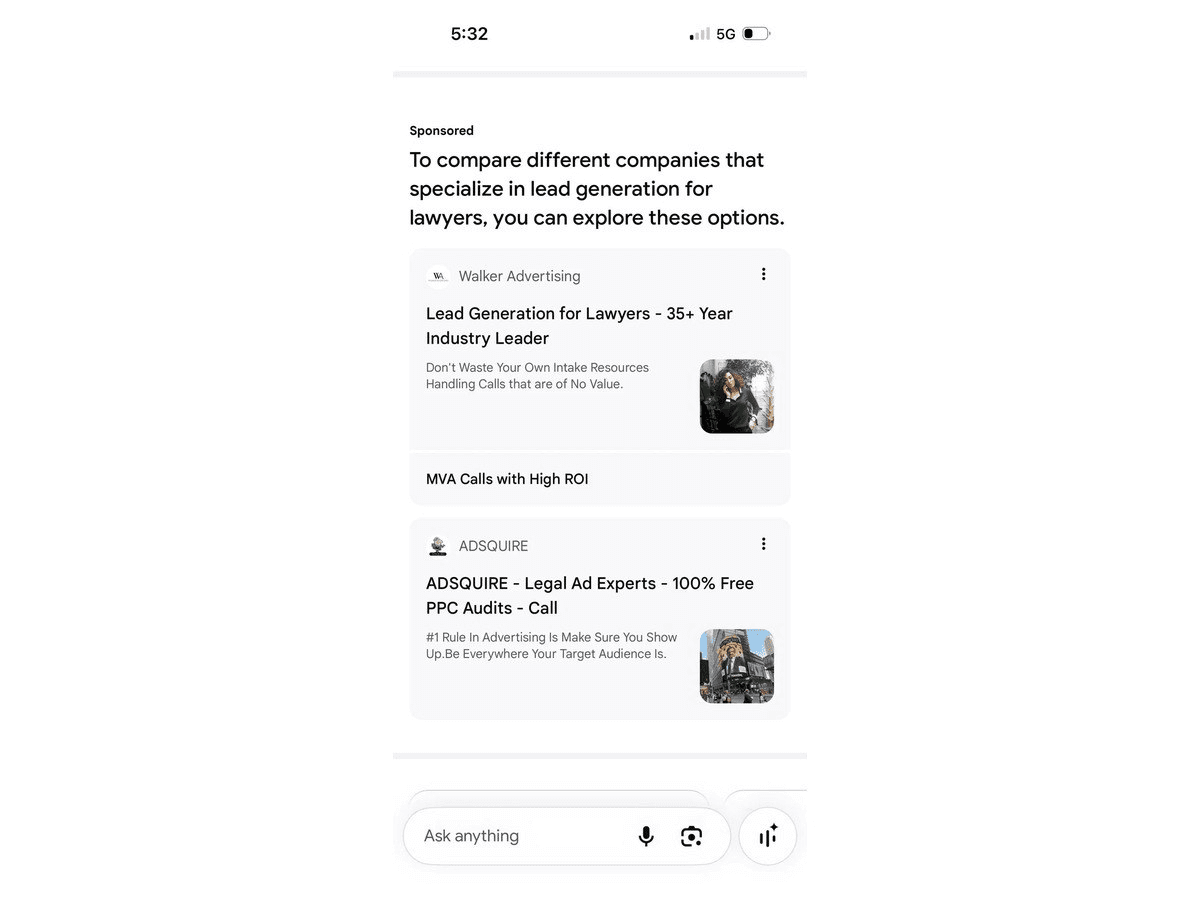
Sitelinks observed within a Google AI Mode text ad
One observation shows sitelinks attached to a text ad in Google AI Mode, but Google has not confirmed availability, eligibility or separate reporting.
What changed
Anthony Higman observed sitelinks attached to a text ad within Google’s AI Mode. Search Engine Roundtable reported the observation two days later. Google has not commented on the format, so the report should be treated as a sighting rather than a product launch or rollout announcement.
What the observation supports
The evidence supports that one displayed ad included sitelinks in AI Mode. It does not establish broad availability, campaign eligibility, auction behaviour, device coverage or a separate reporting view. The appearance of a format in one screenshot also does not show whether it was a deliberate experiment, a limited test or part of a wider change.
This distinction matters when auditing an account. A sitelink already eligible for Search may have appeared in the observed AI Mode presentation, but the sources do not explain how it was selected or whether advertisers can control that placement independently.
Testing labels outside conventional search results
Sitelinks are often written with the surrounding search ad in mind. In a conversational answer, a vague label such as “Learn more” or a destination that depends on the preceding ad copy may be less intelligible. That is an editorial inference from the observed context, not a documented Google requirement.
Editorial suggestion: conduct a stand-alone comprehension test. Show each label without its parent headline and ask whether its destination and purpose remain clear. Then check that the landing page fulfils that promise without relying on the user having seen other ad text. This review is useful for existing Search placements even if the AI Mode sighting never becomes broadly available.
Proportionate preparation
Review sitelinks for distinct labels, current claims and non-duplicative destinations, but do not rebuild an account solely because of one report. Record any first-party sighting with the query, date, device, displayed text and destination. Keep those observations separate from confirmed Google documentation.
Where reporting does not identify AI Mode separately, avoid attributing a performance movement to this presentation. A documented screenshot can establish that a layout was seen; it cannot establish reach, incremental clicks or user response.
Why it matters for advertisers
If the presentation expands, sitelinks may be encountered within a conversational search experience. Clear, self-contained navigation is prudent, but the observation alone does not justify claims about reach or performance.
What to check next
- Test whether each sitelink label describes its destination without relying on surrounding ad copy.
- Remove or revise duplicate, ambiguous or outdated sitelinks where the account review supports doing so.
- Log first-party AI Mode sightings with query, date, device and destination separately from confirmed announcements.
Sources & contributor credit
- Reporting or practitioner sourceAnthony Higman on X
Source cited in the published Week 40 newsletter. Article observation/reporting date is shown separately; this page’s original publication date is not inferred.
- Reporting or practitioner sourceSearch Engine Roundtable
Source cited in the published Week 40 newsletter. Article observation/reporting date is shown separately; this page’s original publication date is not inferred.
- Newsletter coverage · Paid Media Collective Week 40
Published edition used for story selection, copy, source credits and media; curation is distinct from original authorship.

Original creator unverified
Contributor roles follow the published newsletter and its linked evidence. Reporting, official discussion and visual authorship are kept separate; no independently unverified first-reporting priority is awarded.
Attribution evidence and limitations
Published story and credit line reconciled with the expanded article.
Original post, primary documentation and secondary reporting links retained.
Visible image content inspected for story relevance; image credit retained separately from reporting credit.
Attribution checked . This is a review date, not the original publication date.
- Published on this site
- Article updated
This update reflects the dated source reporting. Availability may have changed. Further coverage of this same development will be added to this page.