Google Ads · Status at source date: Spotted in the Wild
Google Search ads observed with separate URL and headline menus
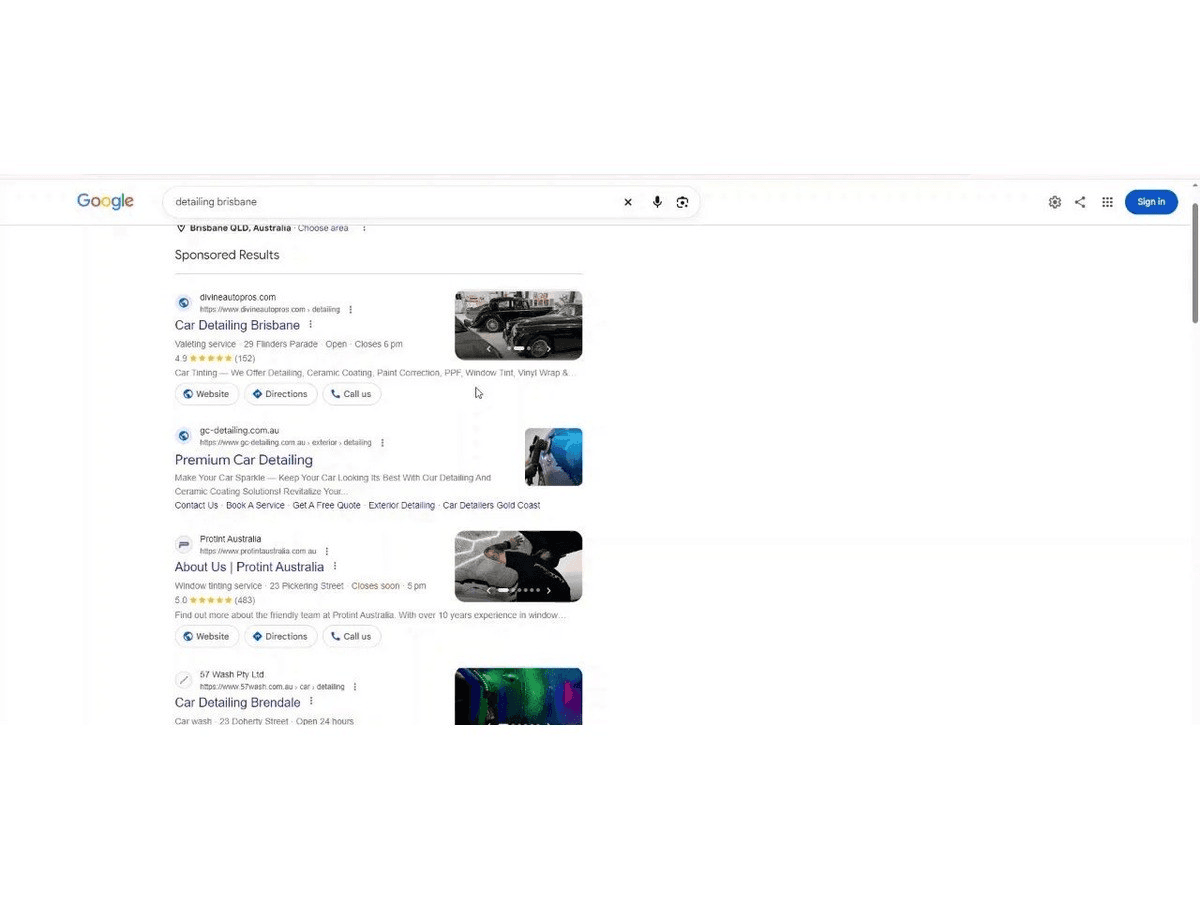
One observed Google Search ad carried two three-dot menus that opened the landing page and “Why this ad” information, but the test remains unconfirmed.
What changed
Khushal Bherwani observed Google Search ads with two three-dot menus, one beside the URL and another beside the headline. PPC News Feed reported the sighting as a single observed test.
What the controls appeared to do
In the reported example, the menus opened the landing page or the “Why this ad” panel. This describes observed behaviour, not a documented change to all Search ads. The sources provide no confirmation of rollout scale, device coverage, advertiser eligibility, persistent functionality or a new reporting field.
A second menu may make ad information more visible, but the evidence does not show that more people used it. Any claim about higher inspection rates, altered click behaviour or increased scrutiny would therefore be speculative.
Identity and destination review
If a similar presentation reaches more users, the route to information about why an ad appeared may be easier to encounter. Advertiser verification details, ad claims and landing-page identity should already be accurate, regardless of the interface used to expose them.
Editorial suggestion: compare the verified advertiser name, the name presented on the landing page and the identity a reasonable visitor would infer from the ad. Investigate discrepancies such as an unexplained trading name or a destination dominated by another entity. This is a useful compliance and trust review, not a conclusion that the observed test changes verification requirements.
Handling sightings proportionately
Capture any first-party example with the query, date, device, menu position and resulting panel or page. Distinguish the presence of the second control from the information displayed after it is selected. That record may help establish whether later examples behave consistently.
Do not infer a policy breach, targeting change or reporting capability from the menu alone. Until Google documents the format, the defensible conclusion is limited to the reported presentation and functions in that example.
Why it matters for advertisers
The test may make ad-information controls easier to encounter. Accurate verification and clear landing-page identity are sensible operational checks, but no evidence yet shows increased use or a broader rollout.
What to check next
- Confirm that advertiser verification information is current and consistent with the advertised identity.
- Check that the landing page clearly identifies the advertiser and explains any different trading name.
- Record first-party sightings and menu behaviour without treating them as evidence of a confirmed rollout.
Sources & contributor credit
- Reporting or practitioner sourceKhushal Bherwani on X
Source cited in the published Week 40 newsletter. Article observation/reporting date is shown separately; this page’s original publication date is not inferred.
- Reporting or practitioner sourcePPC News Feed
Source cited in the published Week 40 newsletter. Article observation/reporting date is shown separately; this page’s original publication date is not inferred.
- Newsletter coverage · Paid Media Collective Week 40
Published edition used for story selection, copy, source credits and media; curation is distinct from original authorship.
Original creator unverified
Contributor roles follow the published newsletter and its linked evidence. Reporting, official discussion and visual authorship are kept separate; no independently unverified first-reporting priority is awarded.
Attribution evidence and limitations
Published story and credit line reconciled with the expanded article.
Original post, primary documentation and secondary reporting links retained.
Visible image content inspected for story relevance; image credit retained separately from reporting credit.
Attribution checked . This is a review date, not the original publication date.
- Published on this site
- Article updated
This update reflects the dated source reporting. Availability may have changed. Further coverage of this same development will be added to this page.