ChatGPT Ads · Status at source date: Reported update
OpenAI adds pacing for campaign total budgets
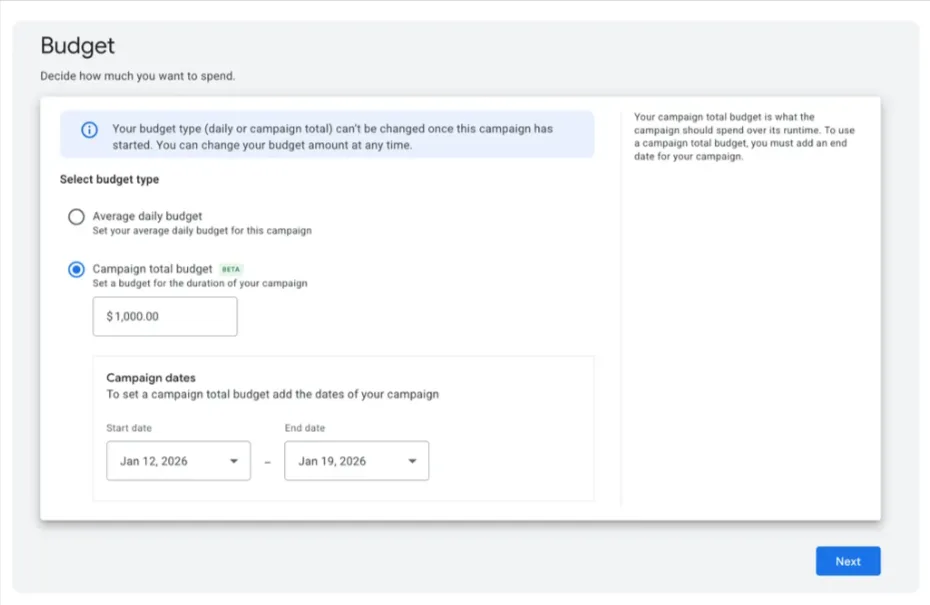
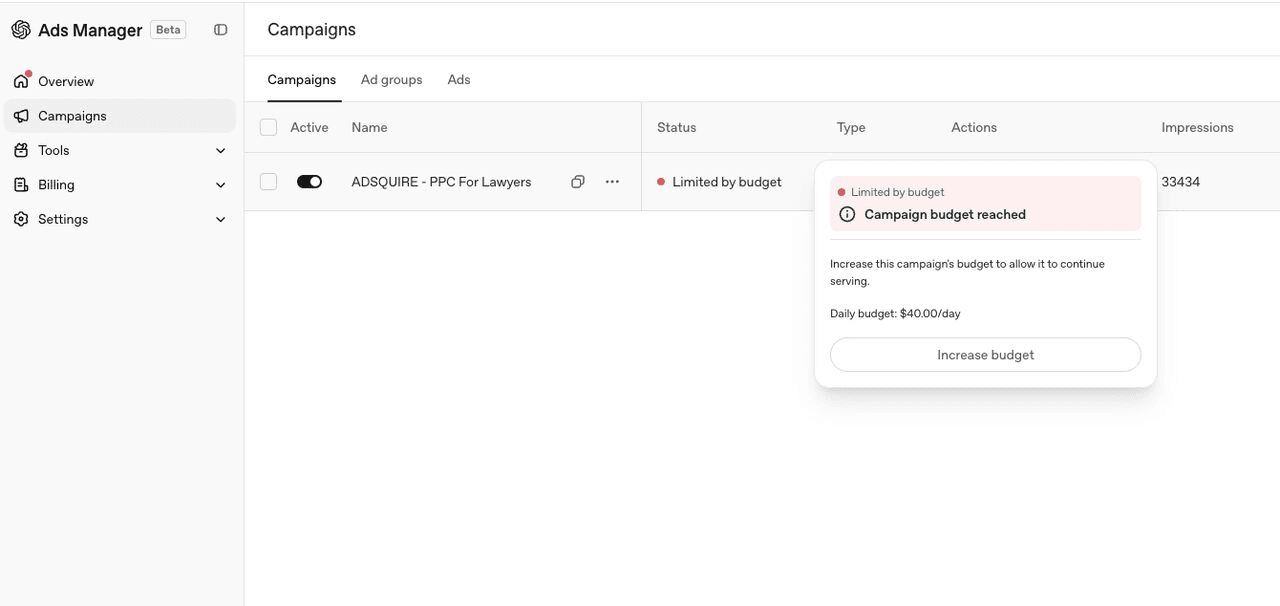
OpenAI says ChatGPT Ads campaigns using total budgets now include pacing intended to spread expenditure more evenly across their running period.

What changed
Barry Schwartz’s report reproduces an OpenAI update describing pacing for campaigns with a total budget. The stated aim is to distribute spend more evenly over time, while allowing day-to-day differences according to delivery opportunities. The item does not publish the pacing formula or promise that every day receives an identical share. It also does not say that pacing guarantees the entire budget will be spent.
Read this as an operational change to campaigns with a defined total allocation. The coverage does not establish the behaviour of other budget types. Keep the campaign’s actual dates, remaining funds and delivery status alongside its daily spending figures when assessing whether the new pacing is behaving usefully.
Why it matters for advertisers
PMC analysis: a straight-line reference can help a buyer see whether a campaign is getting ahead of its intended flight, provided that reference is not mistaken for a platform guarantee. For example, a hypothetical £1,400 budget over 14 days averages £100 a day. Spending £80 one day and £120 the next can fit that overall plan even though neither day matches the average. The remaining budget divided by the remaining days is a simple planning signal, not a prediction.
A large gap still needs an explanation. An offer with a fixed end date has less room to recover from late underdelivery than an evergreen campaign. Check the campaign’s setup and opportunities before changing the budget, and keep any adjustments visible in the reporting notes. Pacing can help manage timing, but it cannot determine whether the traffic or conversions are worth buying.
What to check next
- Confirm which campaigns use total budgets and record each flight’s dates, original allocation, spend to date and remaining amount.
- Compare cumulative spend with the campaign plan and investigate persistent gaps; avoid treating one uneven day as a failure.
- Review conversion quality as well as expenditure before increasing a budget or extending the flight to recover unspent funds.
Sources & contributor credit
- Newsletter coverage · Paid Media Collective newsletter
Original newsletter text, contributor labels and media for this update.
- Source referenced in newsletterSearch Engine Roundtable
Linked from the original newsletter. The source publication date has not been independently confirmed.

Original creator unverified
Barry Schwartz is the reporting author and OpenAI the attributed supplier of the update. Original email unavailable; no first-reporting priority asserted.
Attribution evidence and limitations
Read full cached Roundtable post and its campaign-total-budget paragraph. Barry states the update came from an OpenAI email. No direct email or pacing algorithm was available; limitations are explicit.
Preserved all original sources and contributor URLs. Roundtable’s other linked product updates are distinct stories and were not misused as pacing specifications.
No attached newsletter/source visual or video for this record.
Attribution checked . This is a review date, not the original publication date.
- Published on this site
- Article updated
This update reflects the dated source reporting. Availability may have changed. Further coverage of this same development will be added to this page.
Original newsletter text and archive evidence
OpenAI adds pacing for campaign total budgets.
OpenAI says ChatGPT Ads campaigns using total budgets now include pacing intended to spread expenditure more evenly across their running period. The update still allows daily spending to vary with delivery opportunities, so it should not be interpreted as a guarantee of equal expenditure every day. For you, this means reviewing spend against the campaign’s full flight and remaining budget while continuing to investigate unexpected changes in delivery.
Source captured . No explicit first-contributor label was provided for this update.