European Union · Status at source date: Non-binding legal opinion
EU court adviser sets out limits for AI reuse of press publications
An Advocate General’s opinion published on 3 November addresses press publishers’ rights in Like Company v Google Ireland, case C-250/25. It concerns answers produced by an AI chatbot and distinguishes protected expression from facts and information.

What changed
The opinion identifies circumstances in which use of a publication could engage the publisher’s rights, including unlawful access and reuse that substitutes for reading protected expression in the original. It is not a final judgment. The Court of Justice can reach a different conclusion, and the opinion does not itself establish a new advertising-platform rule.
The training questions require particular care. The Advocate General proposes treating questions about training as inadmissible because of their hypothetical character in this case. This article therefore does not claim that the opinion gives blanket permission for AI training or settles every text-and-data-mining dispute.
For a publisher, search team or agency, the immediate relevance is how the legal discussion separates an answer’s facts from its use of a publisher’s expression and the circumstances of access. That is a more specific question than whether every AI answer referencing an article infringes copyright. The source does not support such a universal conclusion.
Keep any client briefing clear about procedural status. An adviser’s opinion, a later court judgment and a commercial platform’s contractual terms are distinct documents. None should be presented as the other, and this publication does not provide an account-level instruction to block or permit a crawler.
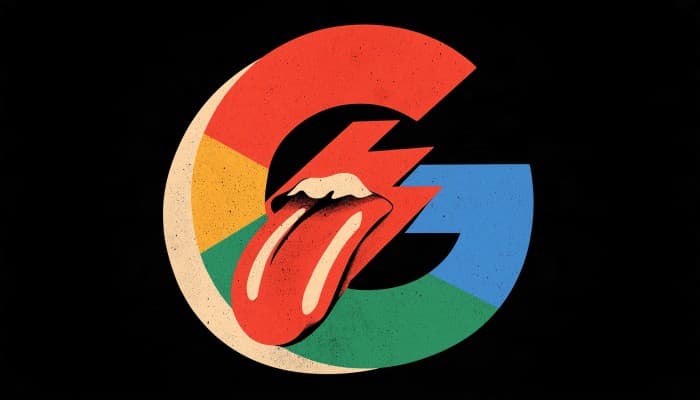
The Court of Justice’s own release is the primary source. The opinion date is preserved rather than replaced by the date this summary was added to PMC. No personal reporting medal is assigned to someone not established as the original reporter in the reviewed evidence. The accompanying source illustration is contextual; it is not a reproduction of a court order requiring an advertiser to take immediate action.
Sources & contributor credit
- Official sourceCourt of Justice of the European Union
Official opinion publication 3 November 2026; non-binding, with judgment still to follow.
Based on the sources above. No member submission is credited for this update.
Original creator unverified
Credits reflect the editor's latest changes. Original authorship has not been independently verified for this version.
Attribution evidence and limitations
Full attribution review pending.
A source link alone does not establish original authorship.
Original image and video creators have not yet been verified.
- Published on this site
- Article updated
This update reflects the dated source reporting. Availability may have changed. Further coverage of this same development will be added to this page.