Google Ads · Status at source date: Minor API release
Google Ads API v26.1 adds budget controls and richer reach reporting
Google’s 28 October API release adds channel budget controls, more reach-frequency metrics and state information, plus household income exclusions for Performance Max.
What changed
Google Ads API v26.1 is dated 28 October 2026 in the official release notes. Google describes it as a minor release without breaking changes. It follows the 14 October v26 major release, whose conversion-setting and travel-targeting migration needs remain separate. The new entry was first observed by this monitor on 30 October; that check time is not its release date.
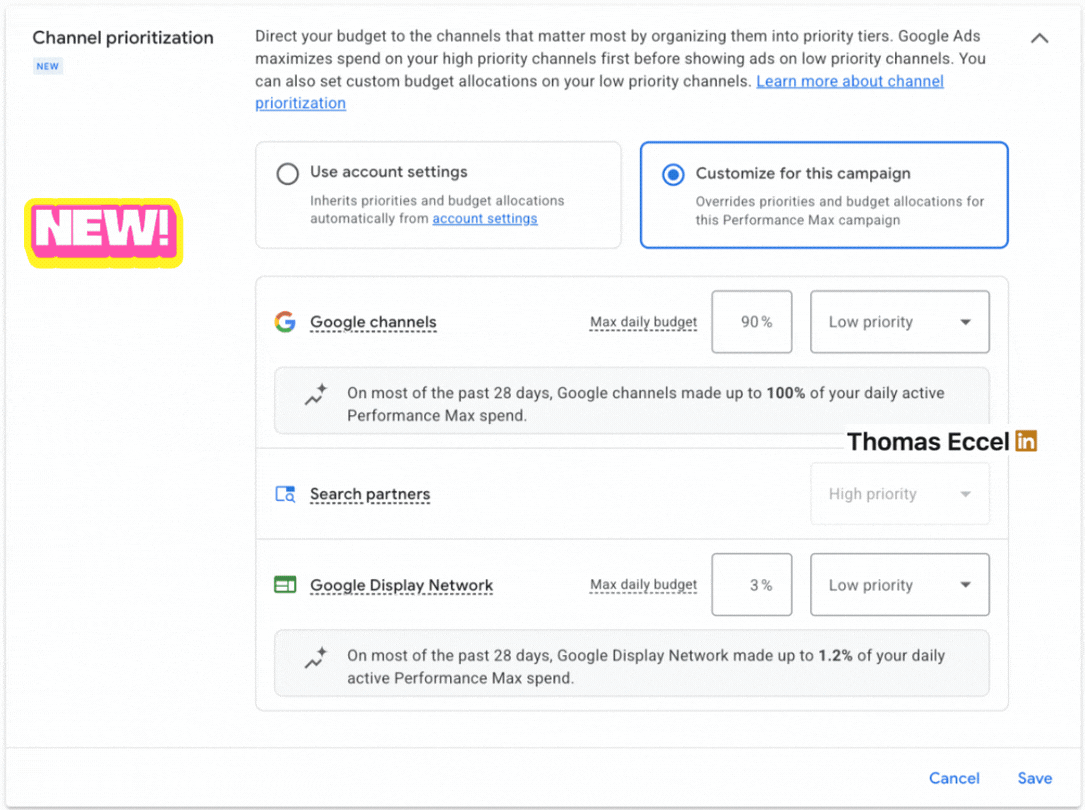
One addition is API support for waterfall channel prioritization and budget caps. CampaignBudget.budget_network_settings can assign the supported network channels to priority tiers and cap the share spent by secondary-tier channels. A read-only eligibility field explains whether the budget can use these settings. If a campaign budget has no setting, customer-level defaults apply. This extends the implementation surface of the channel controls already covered by PMC; it does not establish that every budget is eligible.
There is a consequential unit distinction for integration owners: cap_percent_millis uses milli-percent units. The release notes define 1,000 as 1%, 100,000 as 100%, and 0 as a 0% opt-out. A developer should review how a human-entered percentage is mapped to that field rather than assuming the API accepts a whole percentage. This report does not supply or execute a mutation.
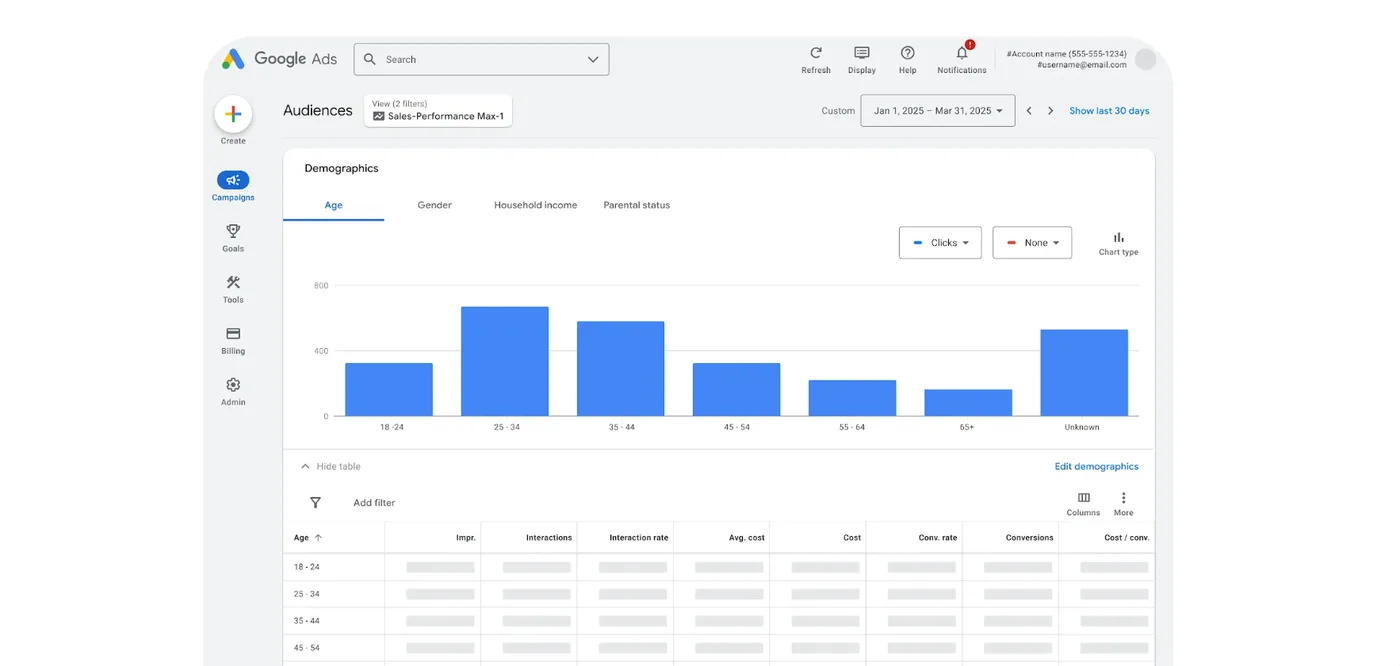
Reach reporting gains the missing six-plus through nine-plus unique-user frequency buckets, completing the documented one-plus through ten-plus set. The new ReachMetricInfo fields also expose metric states, including suppression for privacy or quality. For a dashboard, an unavailable value and a measured zero have different meanings. Review how those states reach the final report instead of filling every missing cell with zero. That reporting recommendation is an editorial implication, not a result measured in an advertiser account.
The release also adds household income exclusions to Performance Max through a negative CampaignCriterion with income_range set. A targeting option becoming available in the API is a reason to review whether an existing integration needs it, not a recommendation to exclude an audience. Other additions include a Local Services eligibility check and external promotion redemption fields. The linked release entry lists their exact messages and requirements.
Start with the requests and reports the integration actually owns. Identify which new fields are relevant, have the maintainer review the applicable client definitions, and check downstream types, units and unavailable-value handling before an approved rollout. Additive API documentation alone does not certify a third-party connector, prove account eligibility or show a performance improvement. No API request, campaign configuration or production integration was tested for this article.
Why it matters for advertisers
Budget units and reach-metric states can change how an integration interprets new fields. A minor release still deserves checks of the specific inputs and reports a team uses.
What to check next
- Review eligible budget settings and milli-percent units before implementing channel caps.
- Keep suppressed reach values distinct from measured zero in reports.
- Assess new targeting fields separately from any decision to change campaign settings.
Sources & contributor credit
- Official documentation · Google Ads
Official v26.1 release date, not an original help-page publication date. Documentation reviewed; no account or integration executed.
- Related coverageEarlier PMC channel-control coverage
Product controls already covered; this article concerns the separate v26.1 API release.
- Related coverage · Earlier PMC v26 major-release coverage
The major-release migration remains distinct from this additive minor release.

Original creator unverified
The names below are source credits. The original creator and first-reporting priority have not yet been independently verified.
Attribution evidence and limitations
Full attribution review pending.
A source link alone does not establish original authorship.
Original image and video creators have not yet been verified.
- Published on this site
This update reflects the dated source reporting. Availability may have changed. Further coverage of this same development will be added to this page.