Track Performance Max reporting, campaign controls, creative and bidding developments, with original sources and dated coverage.
Understanding the changes
Performance Max changes can affect campaign controls, the assets used in ads or the way results are reported. This collection brings the dated developments together so you can distinguish a new reporting view from a change to campaign delivery before acting.
Latest source coverage in this collection: . Open a story to see its reporting and publication dates.
Before you act
Identify whether the change affects reporting, campaign settings or ad delivery.
Check the available controls and eligibility in the account before making changes.
Keep a record of existing settings when evaluating a newly available feature.
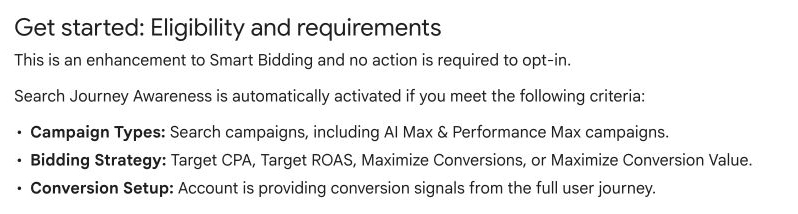
Google documents journey signals for eligible Search campaigns and Search inventory in Performance Max, across four bidding strategies. The documentation revision date is unknown.
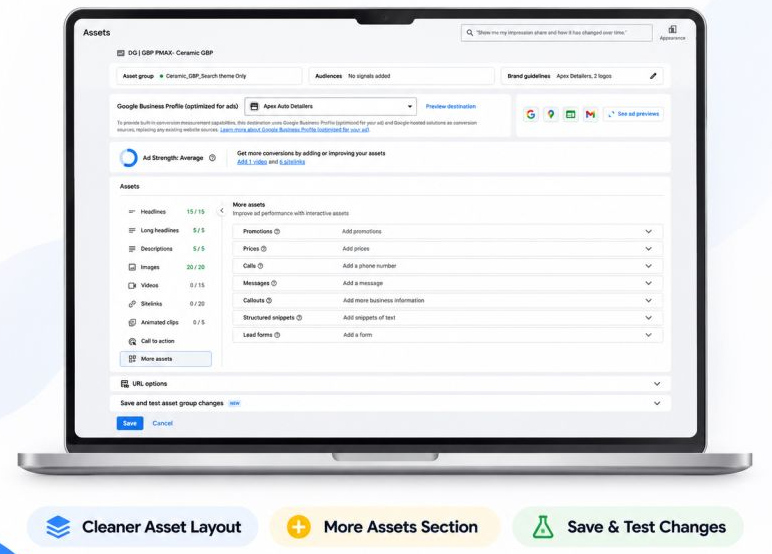
Natasha Kaurra documents grouped creative inputs, asset counts in the navigation, a More Assets area and more prominent brand and audience sections in PMax asset editing.
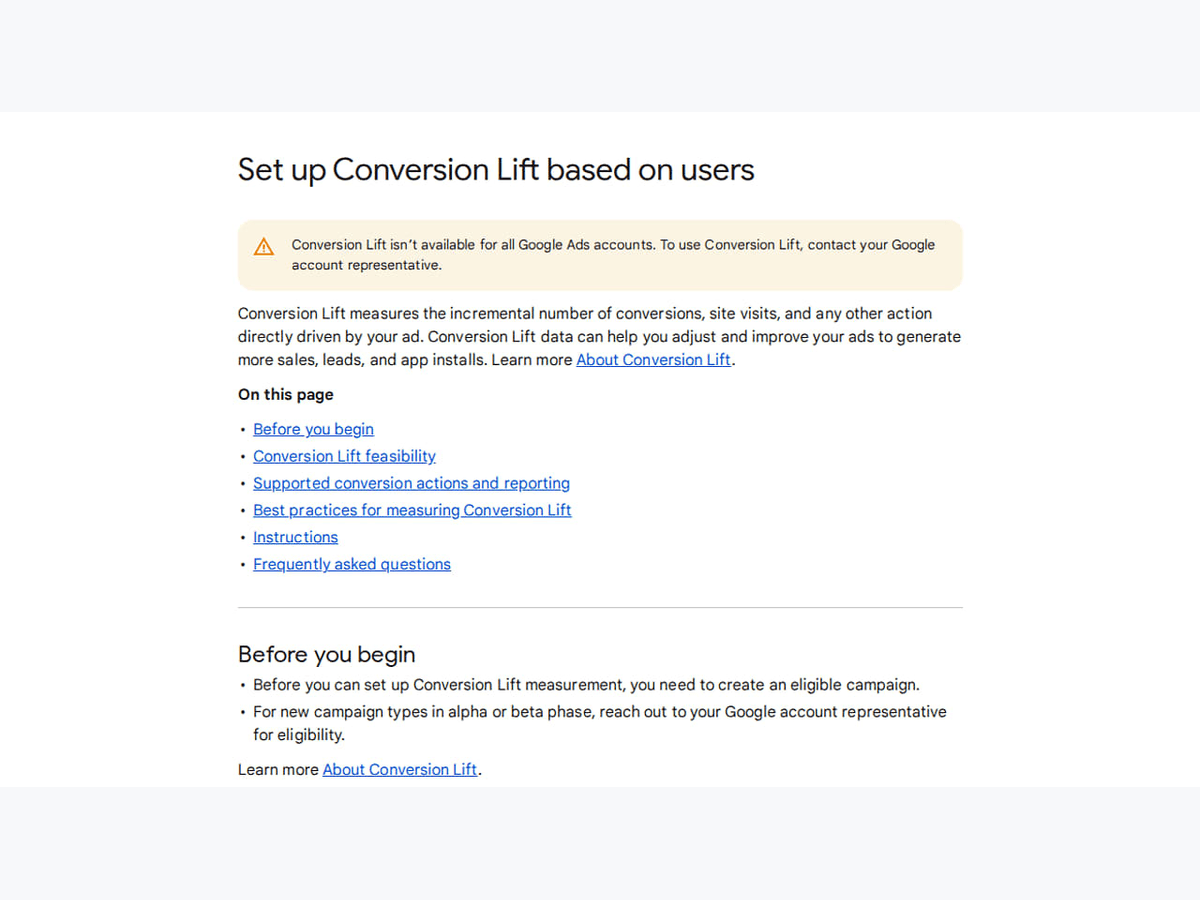
Google documents Search and PMax support alongside data-readiness checks for user-based Conversion Lift. Account access, eligible conversion actions and study feasibility still need checking.
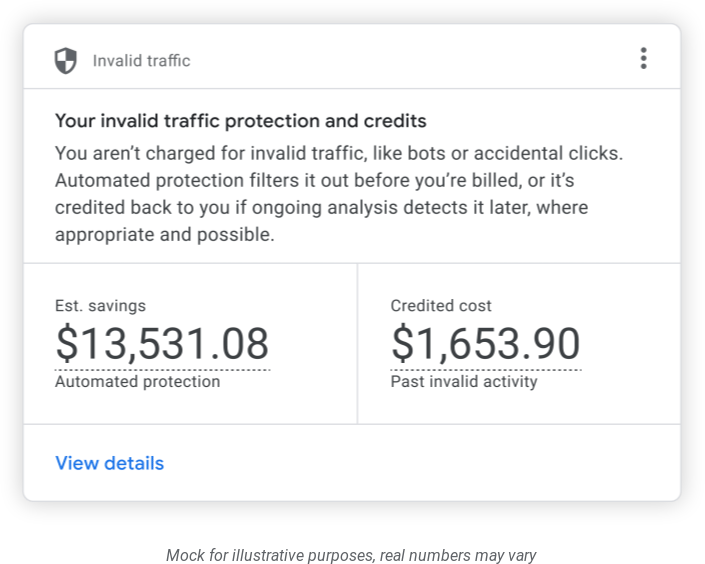
Google is adding an "Invalid traffic" card to the Overview page under Campaigns with two numbers: Estimated savings, the cost of clicks its automated filters and manual reviews caught before billing, and Credited cost, credits applied for invalid activity found after a billing cycle closed, with daily and per-campaign breakdowns, links to the invoices concerned and a downloadable view; a matching "Invalid Activity Credit: Search & PMax" template sits in Report Editor.
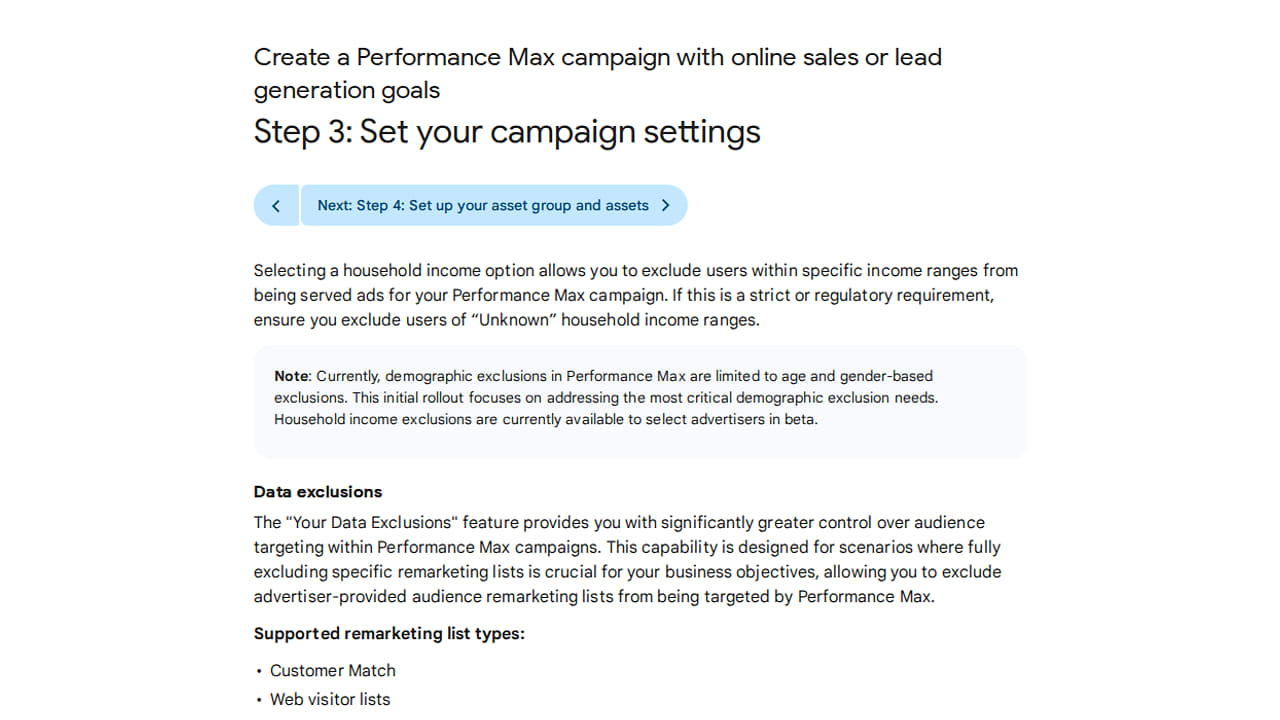
The Performance Max settings help page now says demographic exclusions cover household income ranges as well as age and gender, "for a beta group of select advertisers", with the US, Australia and Japan among the eligible countries and advice to exclude the Unknown bracket where regulation requires it.
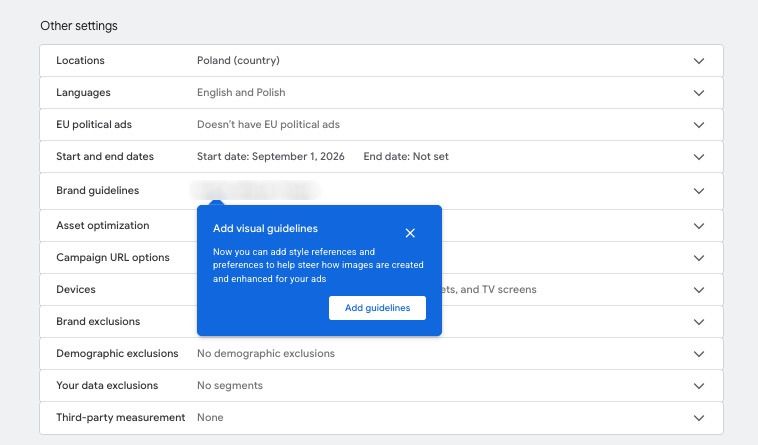
Marcin Wsół reports a new Performance Max section that steers AI image generation: up to three reference images act as a style guide and two 300-character text fields describe what to show and what to avoid, with a button to add more.
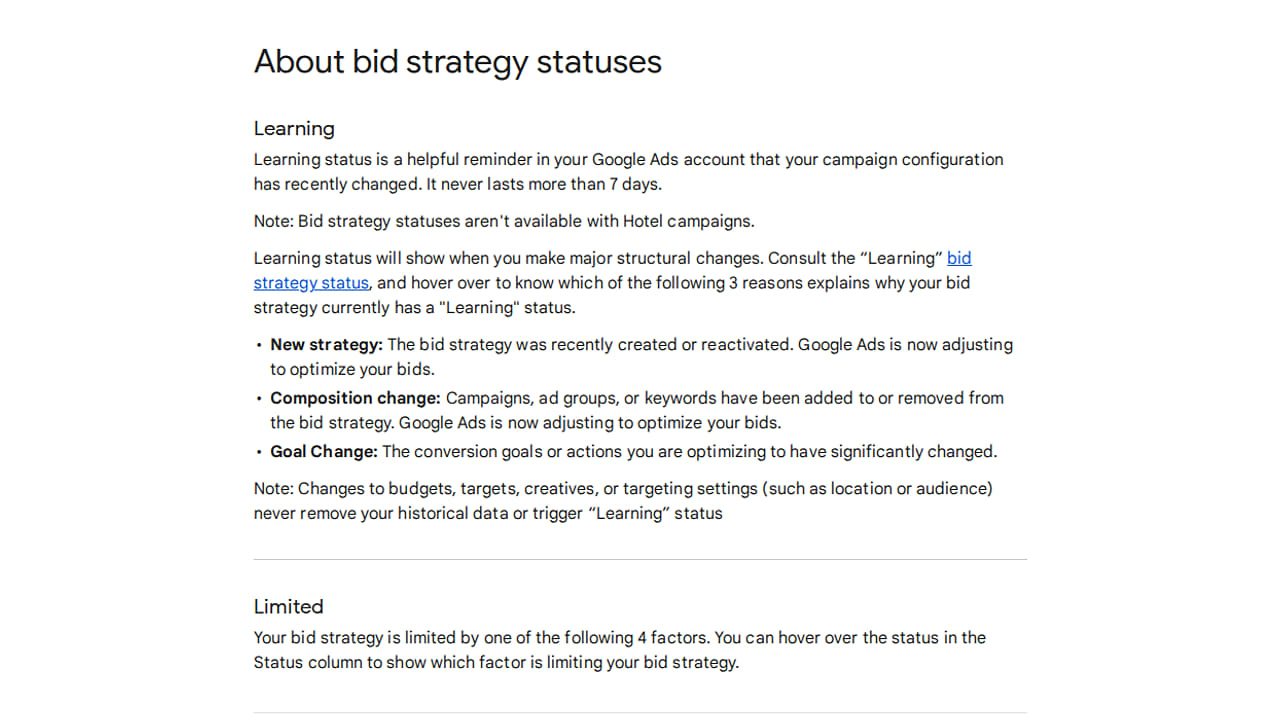
Google's "About bid strategy statuses" page now says the Learning status "never lasts more than 7 days", where it previously allowed seven to fourteen, and drops the "setting change" trigger: budget, target, creative and targeting changes no longer put a strategy back into learning, leaving a new strategy, a change in the campaigns or keywords it covers, or a conversion-goal change as the causes; Performance Max and Demand Gen ramp-up is described as up to seven days.
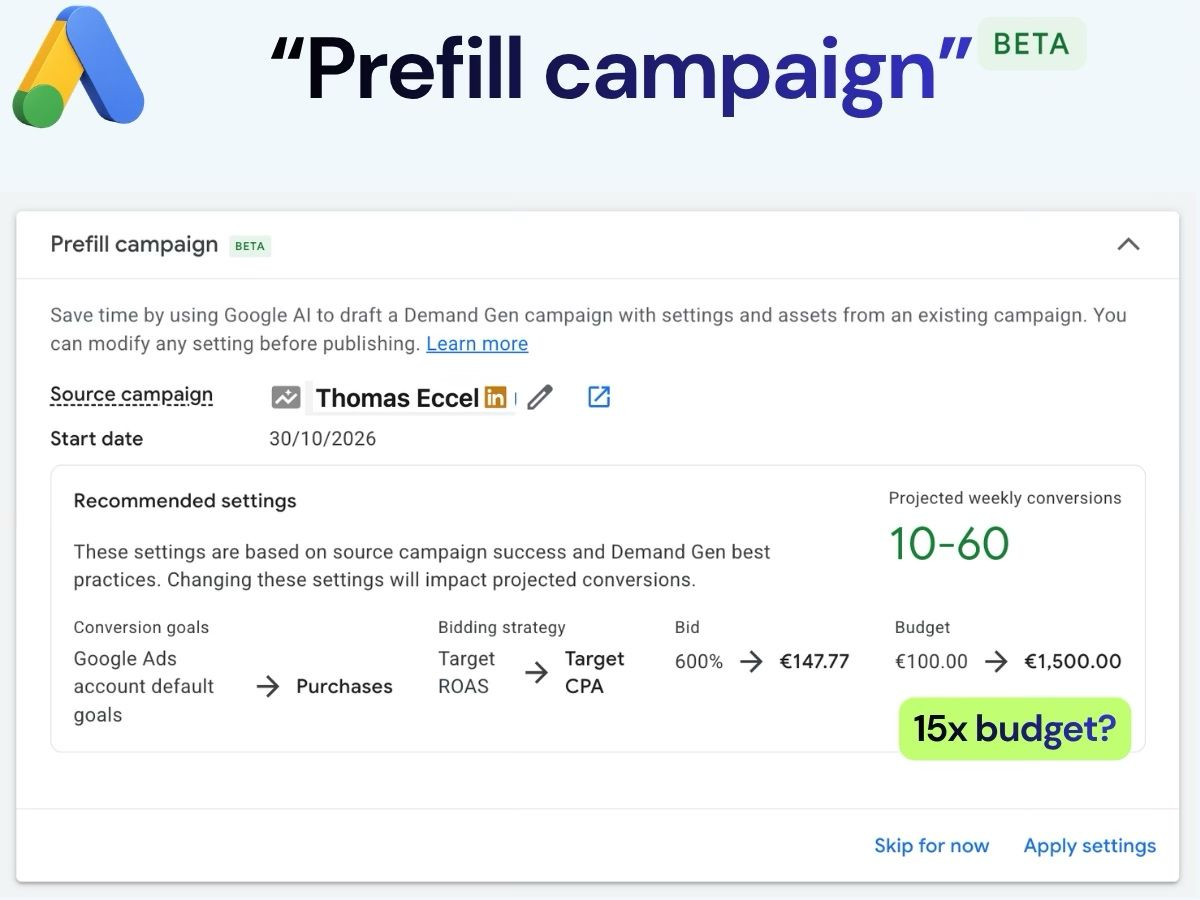
Thomas Eccel shows a beta workflow that uses an existing Performance Max campaign to prefill Demand Gen assets, audience settings and campaign configuration.
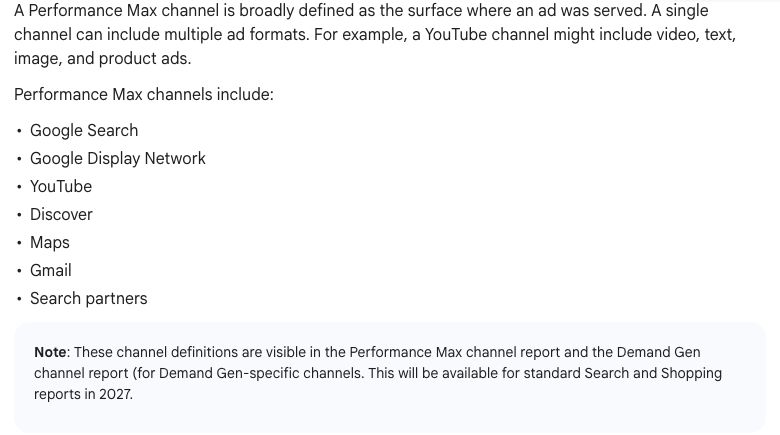
Google’s channel-definition documentation says the definitions used in Performance Max and Demand Gen reporting will extend to standard Search and Shopping reports in 2027. It does not provide an exact launch date or establish current account availability.
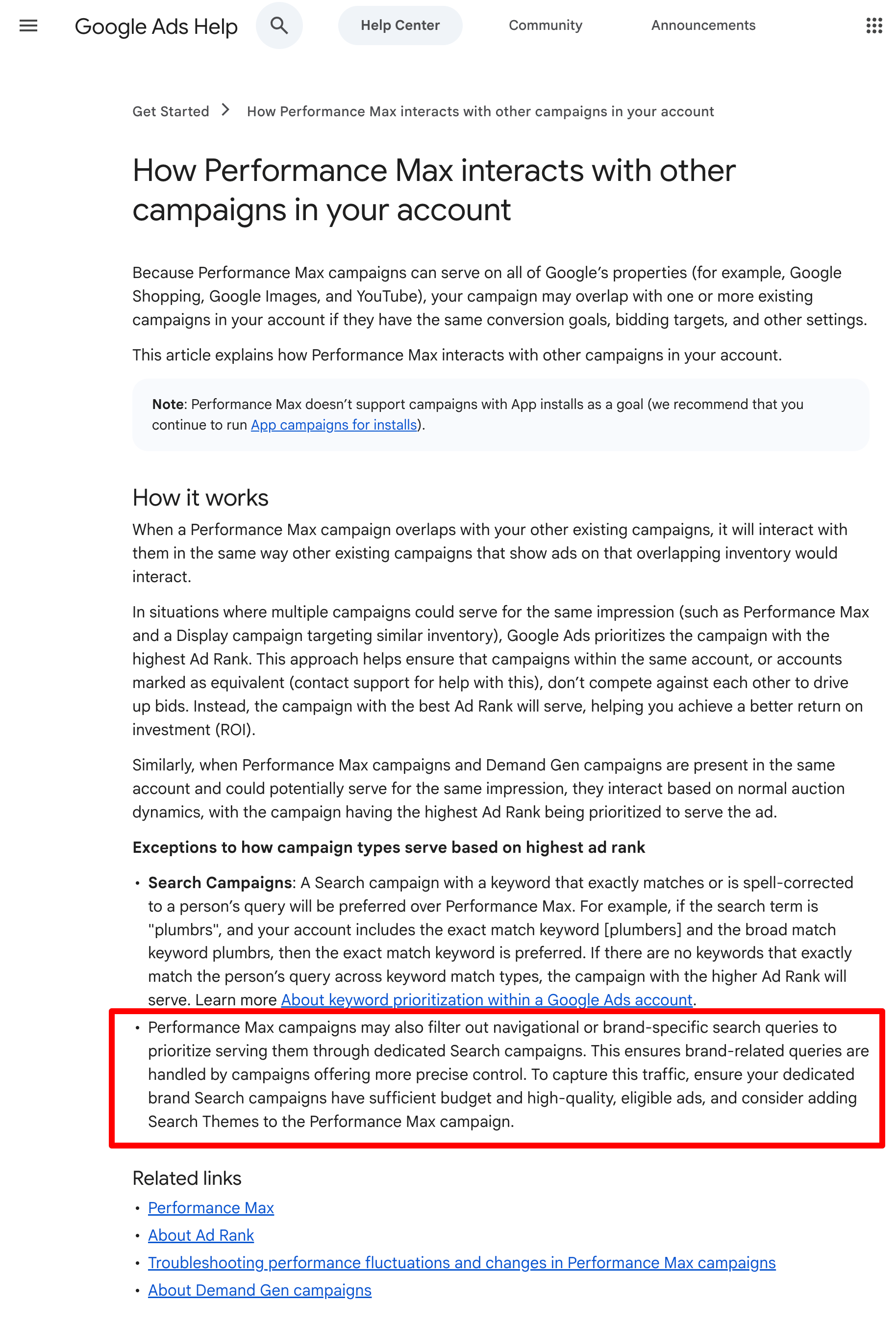
Google’s current help page says Performance Max may filter navigational or brand-related searches so that dedicated Search campaigns can serve them. This is conditional wording, rather than a promise that all branded traffic will leave Performance Max.
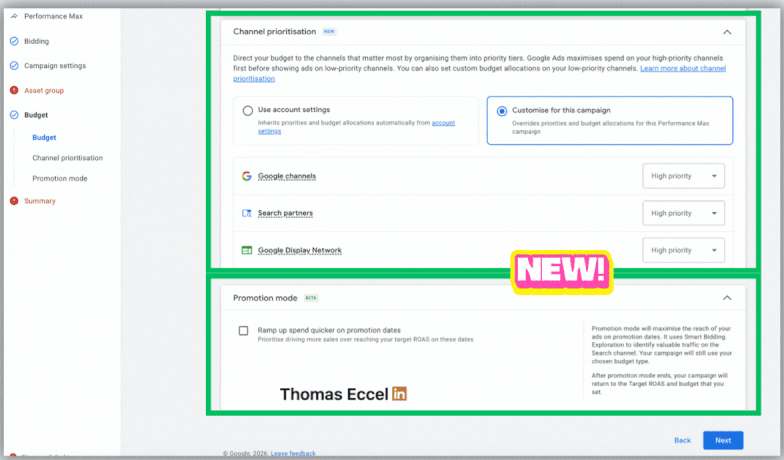
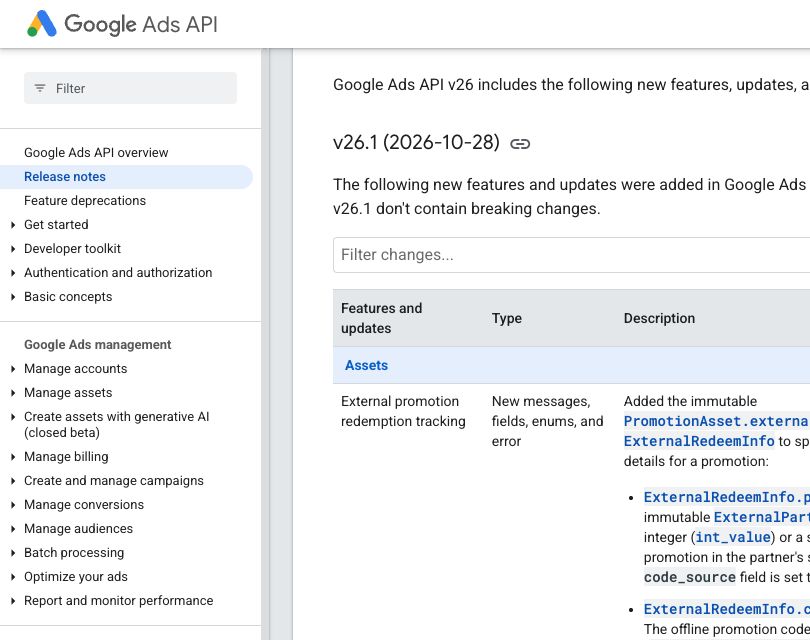
Google's 28 October minor release exposes channel budget settings, Performance Max household-income exclusions, a recommendation for incremental new-customer value, and Local Services Ads eligibility checks. It also extends promotion tracking and reach-related fields.
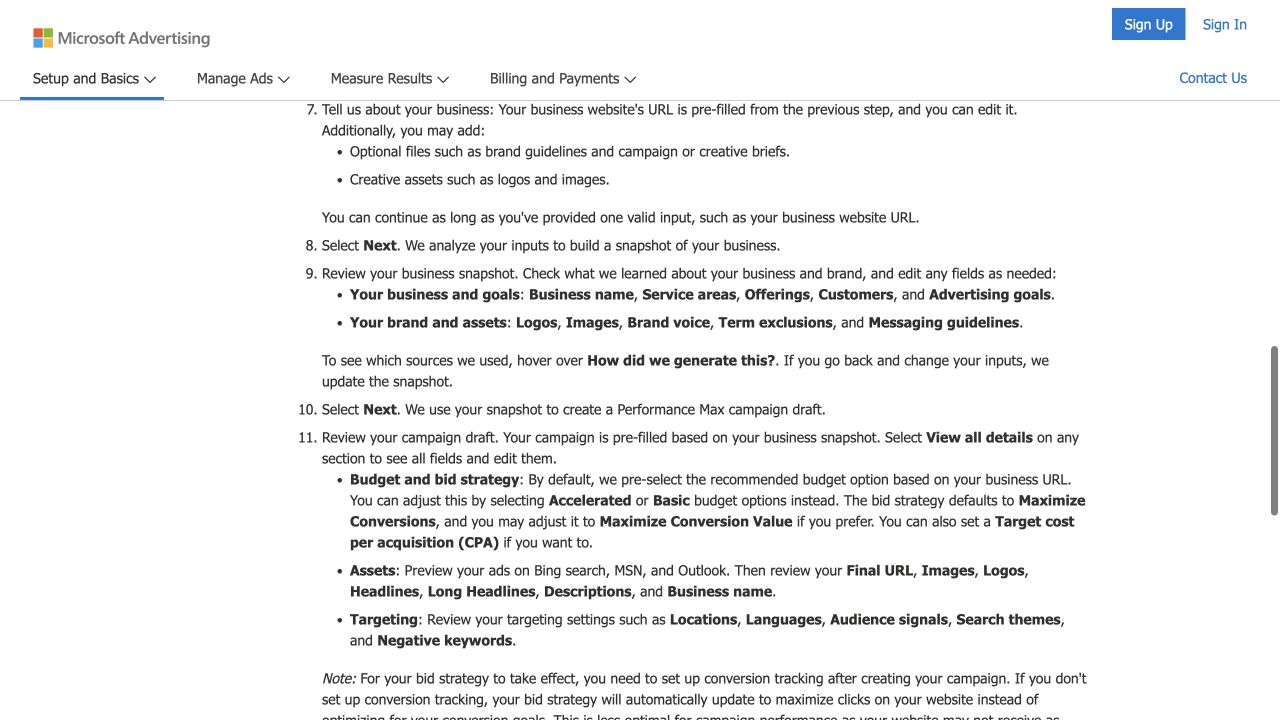
Microsoft says PMax age and gender targeting is generally available, device targeting is rolling out, and audience exclusions are in open pilot. Text-only brand exclusions and reporting additions are also described. The search-term landing-page report starts rolling out in mid-November; AI-copy messaging guidelines move to open pilot, and Conversions API is generally available.
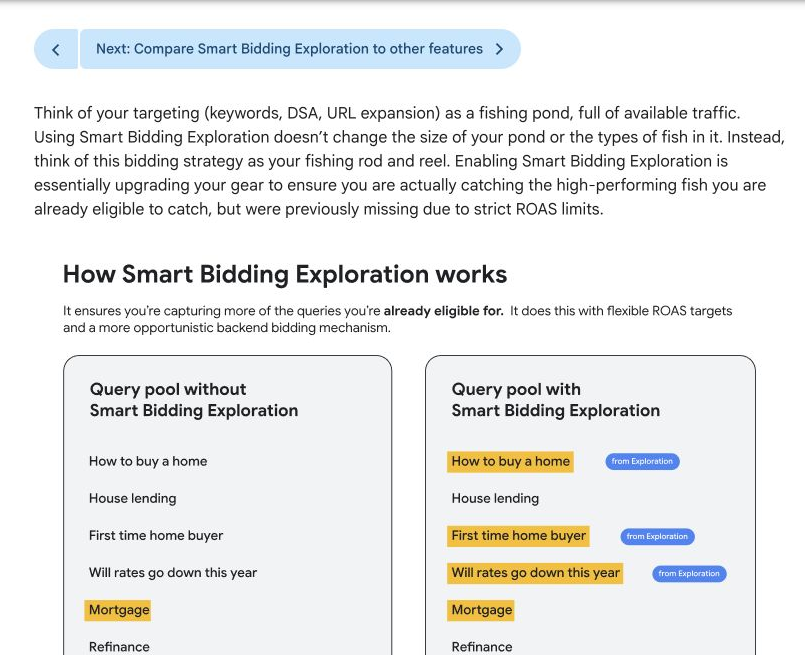
A new help page explains how Smart Bidding Exploration works beyond Search: it needs a target ROAS, lets the system bid 5–30% below target to find new converting queries, covers Search and Shopping traffic with one toggle on feed-based Performance Max, and Search traffic only on campaigns without a feed. Campaigns should not be budget-limited, and moving Shopping or Performance Max into a portfolio strategy turns exploration off. Google announced the Shopping expansion at Marketing Live in May. The ROAS tolerance now applies to Shopping queries too, so set the target with that headroom in mind.
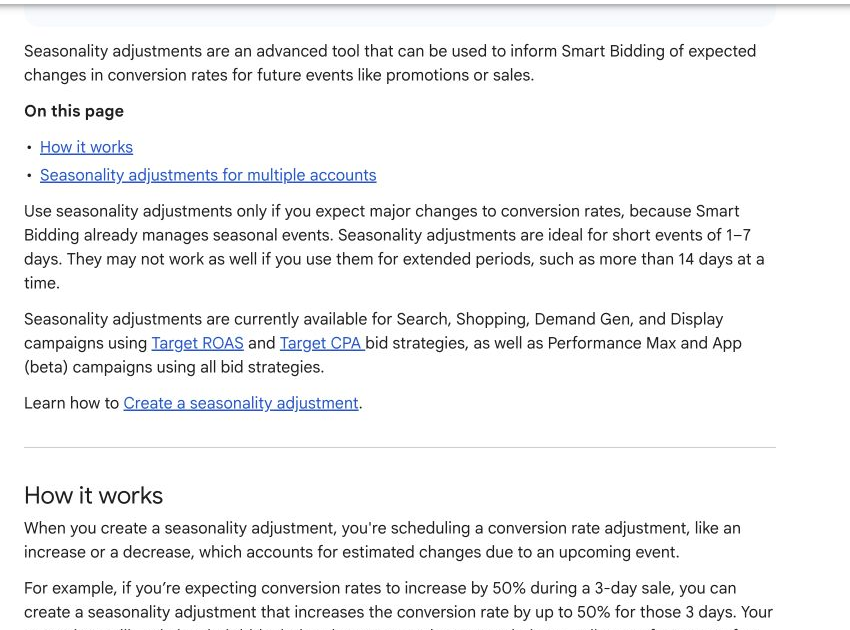
Google's seasonality adjustments page now says the feature is available for Search, Shopping, Demand Gen and Display campaigns using Target ROAS or Target CPA, and for Performance Max and App campaigns in beta with any strategy; Travel campaigns remain excluded. Use the adjustment for events of one to seven days rather than long sales.
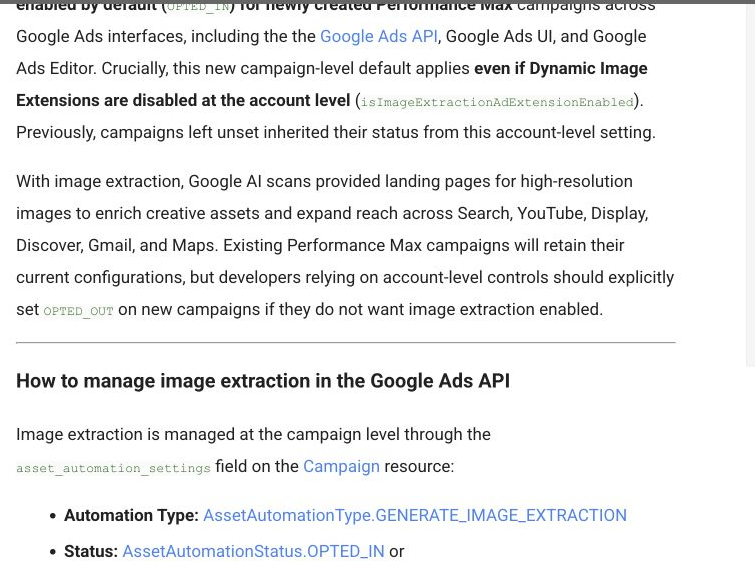
Google will enable image extraction by default for new Performance Max campaigns created from 4 December 2026. Dora Sun’s 21 October Google Ads Developer Blog announcement covers campaign creation through the API, Google Ads interface and Google Ads Editor.
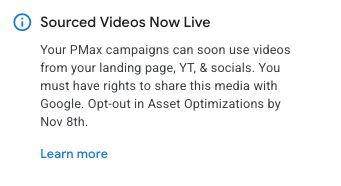
Google’s sourced-video setting is enabled by default for new Performance Max campaigns and may have been activated on some existing campaigns. It can add up to ten videos per asset group from approved landing-page, social and YouTube sources. Anthony Higman shared an account notice giving an 8 November opt-out date. Google’s help page also requires source approval and describes a staged rollout. Check both the toggle and approved URLs, especially where organic clips use music, talent or material without paid-media rights.
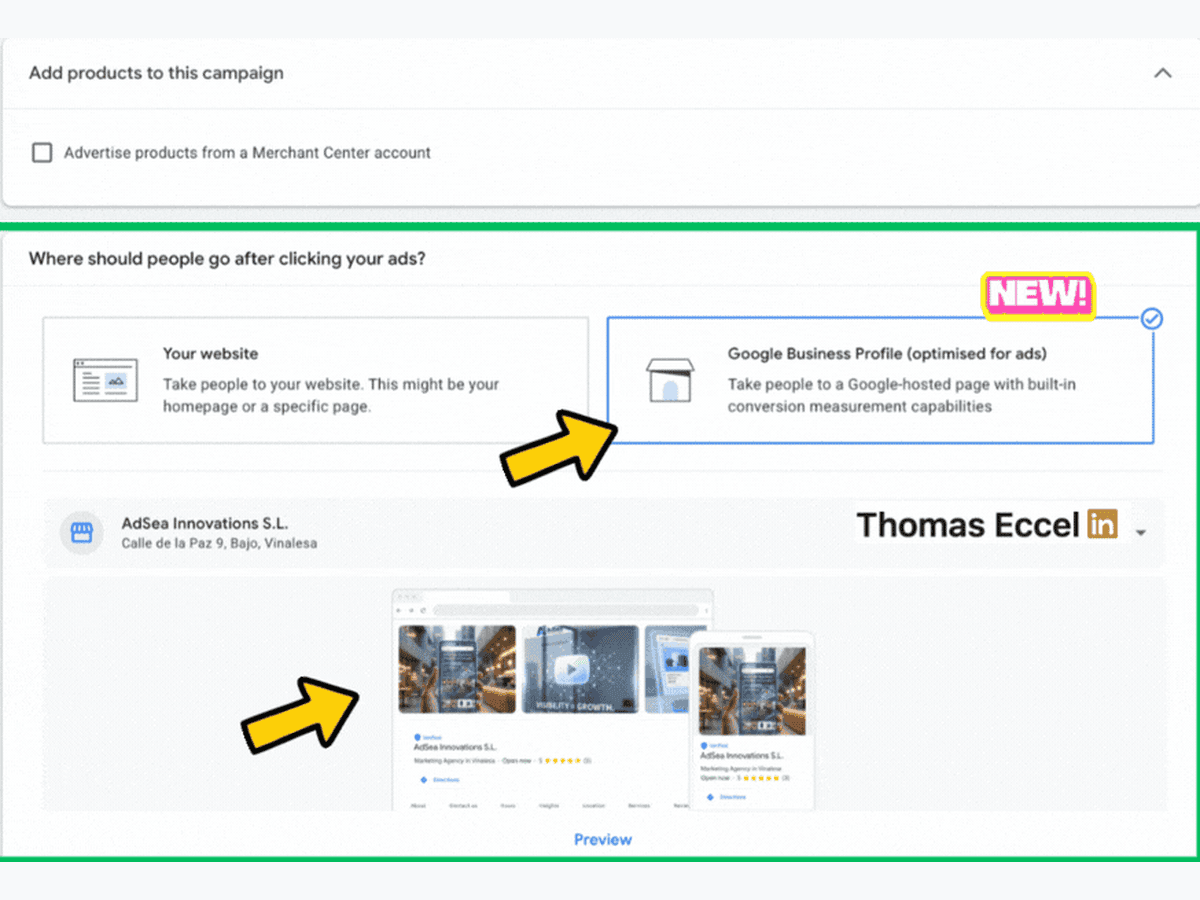
Thomas Eccel observed a Performance Max setup screen offering a choice between a website and a Business Profile. It adds workflow detail to an earlier-observed capability rather than establishing another launch.
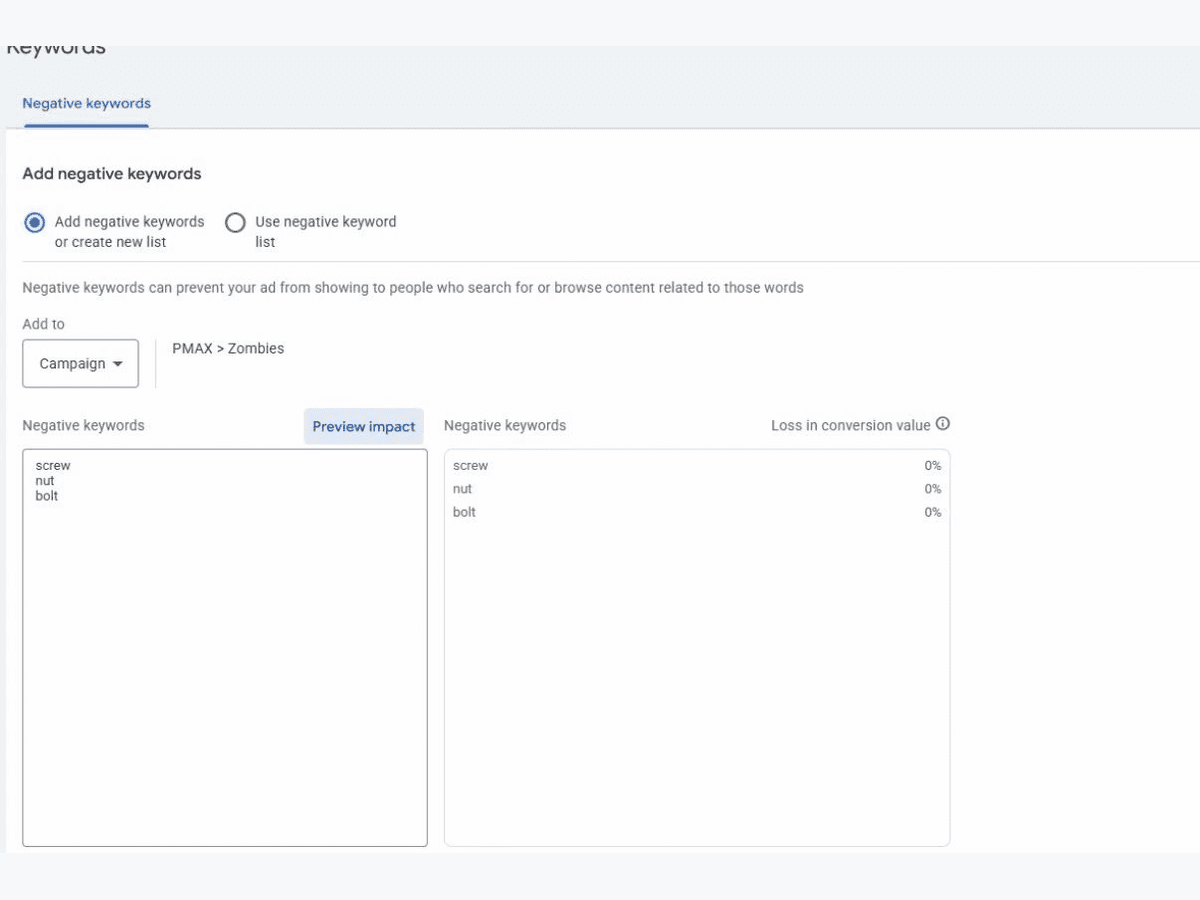
A screenshot credited to Harri Cullen shows Preview impact and a Loss in conversion value column while negative keywords are added to a Performance Max campaign. The figures are not measured losses.
A Google email shared by Arpan Banerjee sets a 12 October start for automated promotion assets in eligible Search and Performance Max campaigns, with an account-level opt-out.
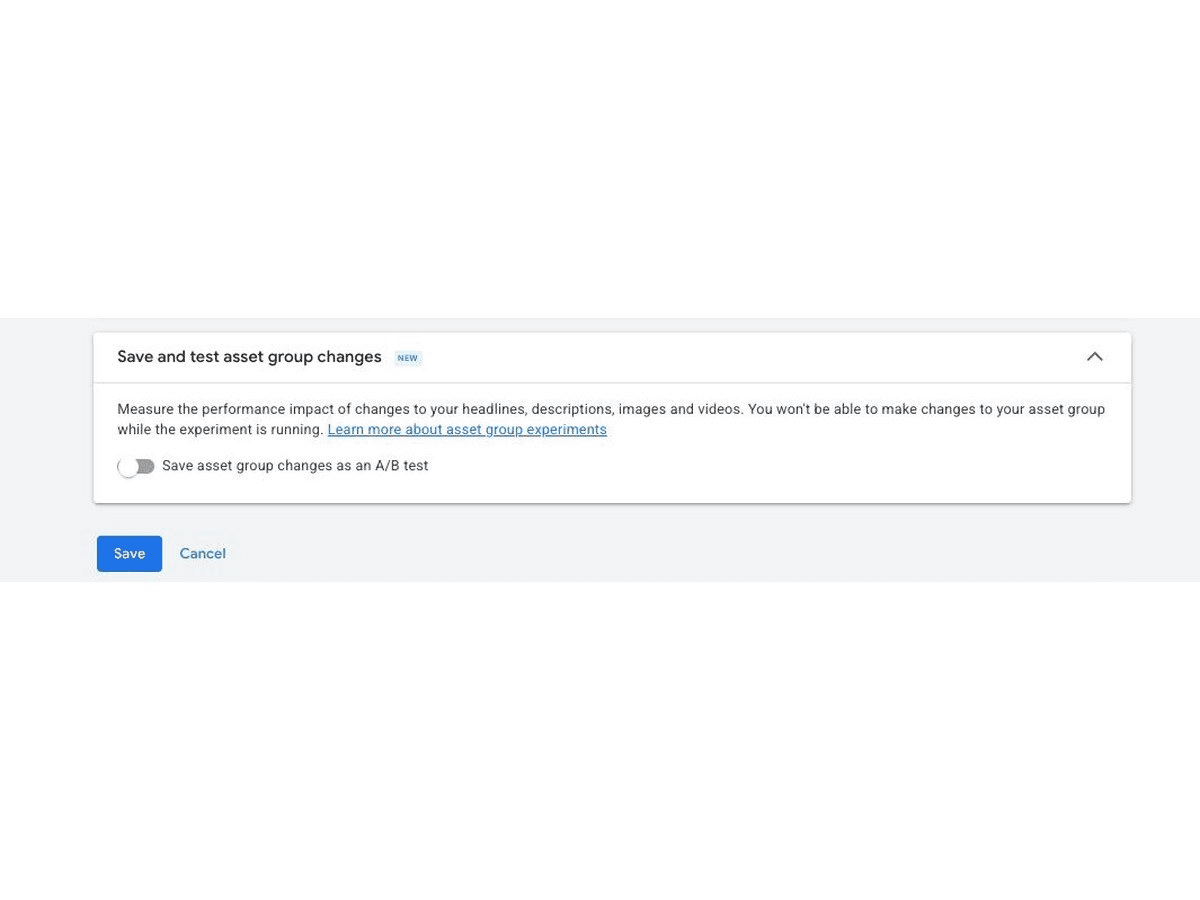
Google documents a Performance Max asset-testing beta comparing two sets in one asset group, while a new observation suggests visibility in more accounts.
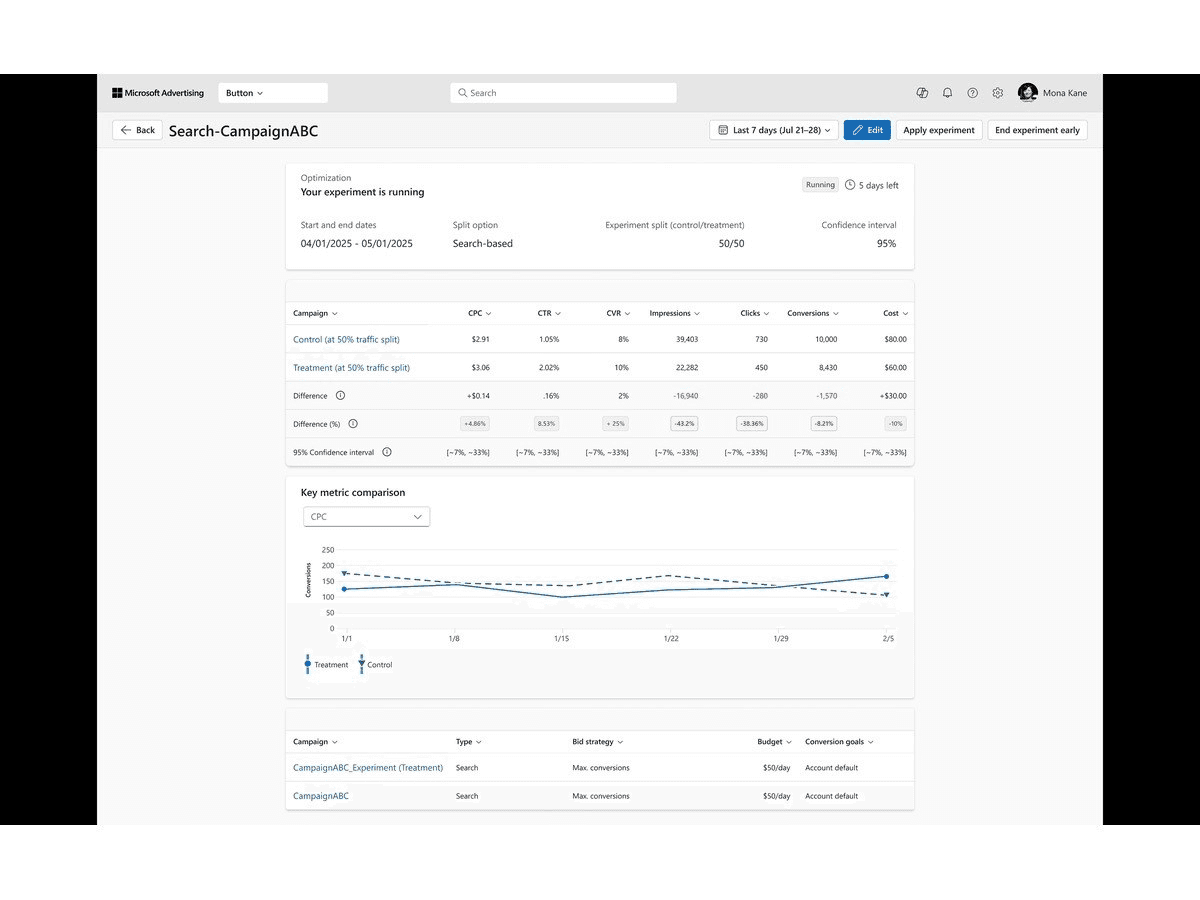
Microsoft says optimisation experiments are generally available for Search, Shopping, Audience and Performance Max, with control and treatment traffic splits.
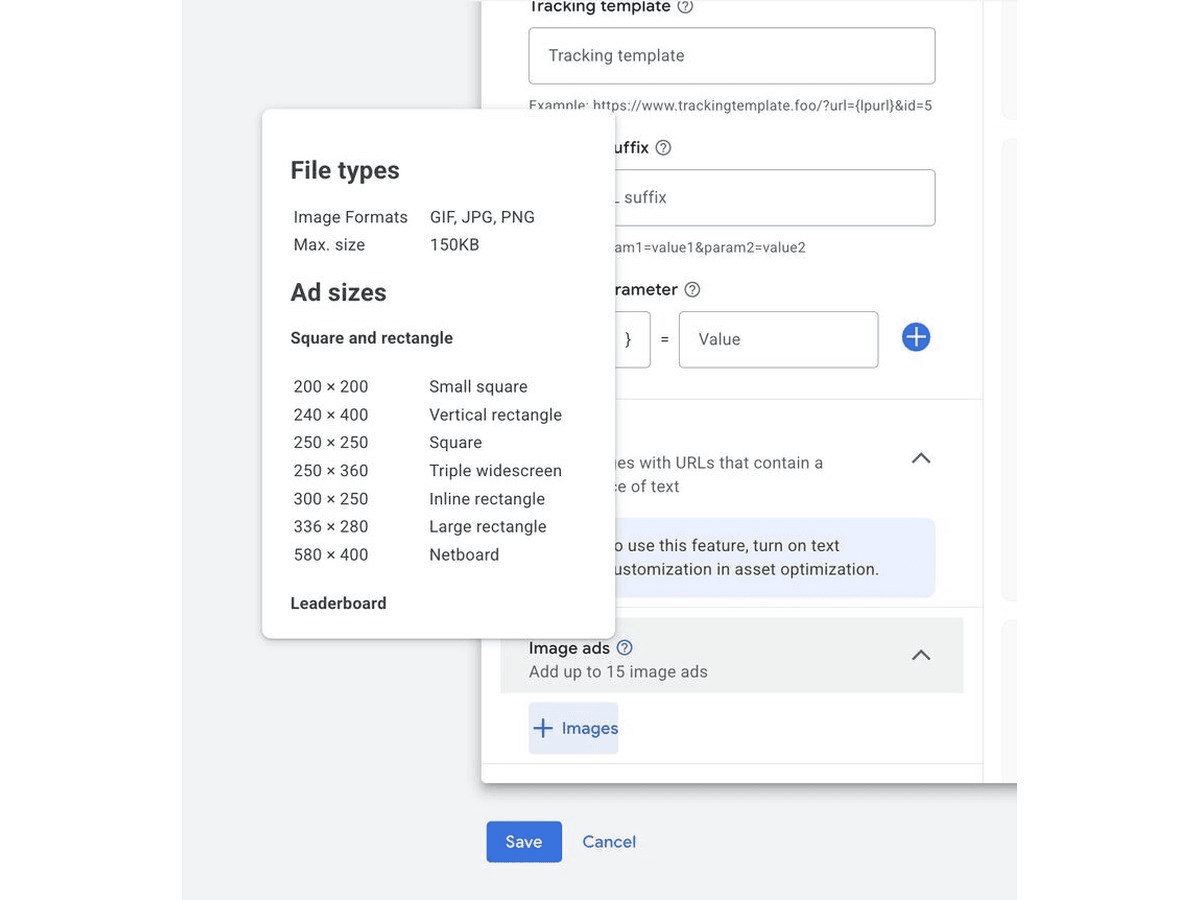
An account observation shows a Performance Max Image ads control accepting up to 15 finished display-banner creatives, distinct from standard image assets.
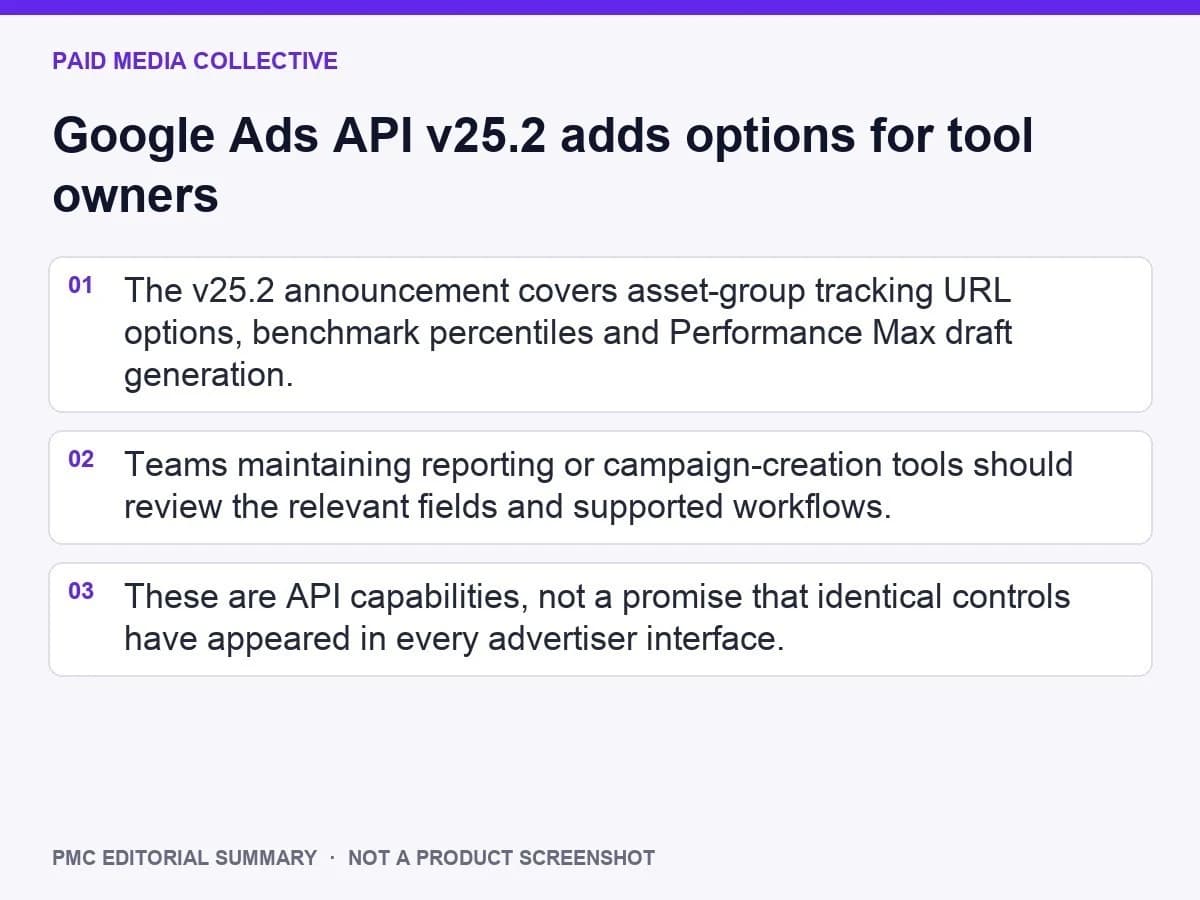
Google’s 23 September API release adds asset-group URL tracking, configurable video crawling for Performance Max and new hotel reporting fields. Integration owners need to review the fields relevant to their workflows.
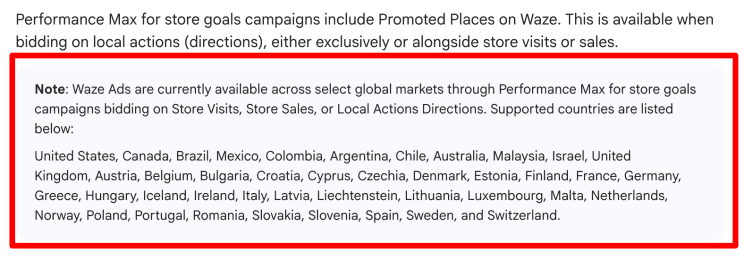
Google’s updated documentation lists Waze advertising in 42 countries, expanding availability beyond the US to markets including the UK, France, Germany, Canada and Australia.
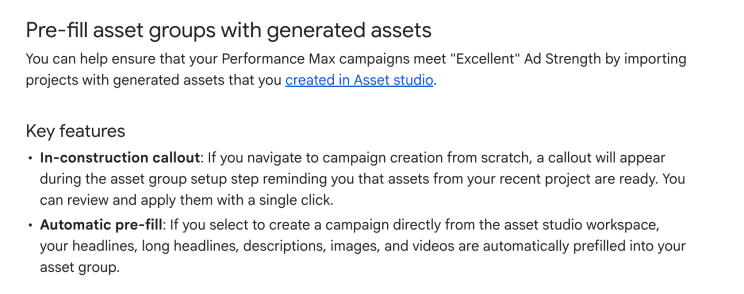
Google has documented a way to prefill Performance Max asset groups with material generated in Asset Studio, including headlines, descriptions, images and videos.
Google documents how Demand Gen Prefill uses Performance Max settings and assets. Review the proposed spend, excluded targeting controls and product-feed filters before launch. The September observation and later screenshot credits remain separate.
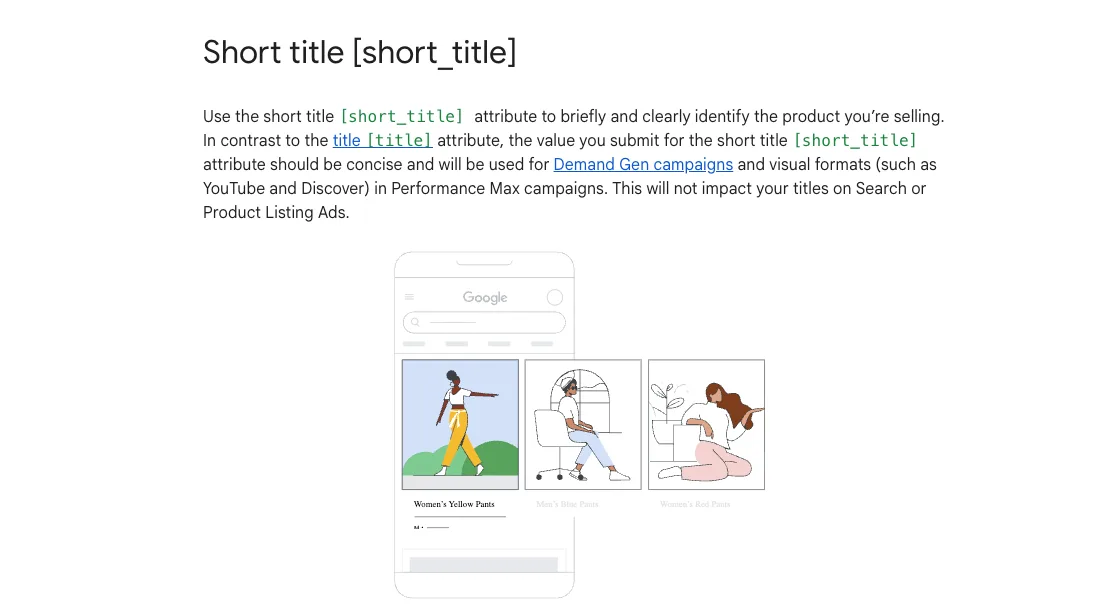
Google's Merchant Centre specification now states that the short_title attribute can be used in visual Performance Max formats such as YouTube and Discover, not only in Demand Gen. Google recommends placing the most important information first and aiming for fewer than 40 characters, with 65 characters as the practical maximum before truncation becomes likely.