Google Ads · Status at source date: Company results
Google Search revenue rises 12%, while AI Mode monetises below classic search
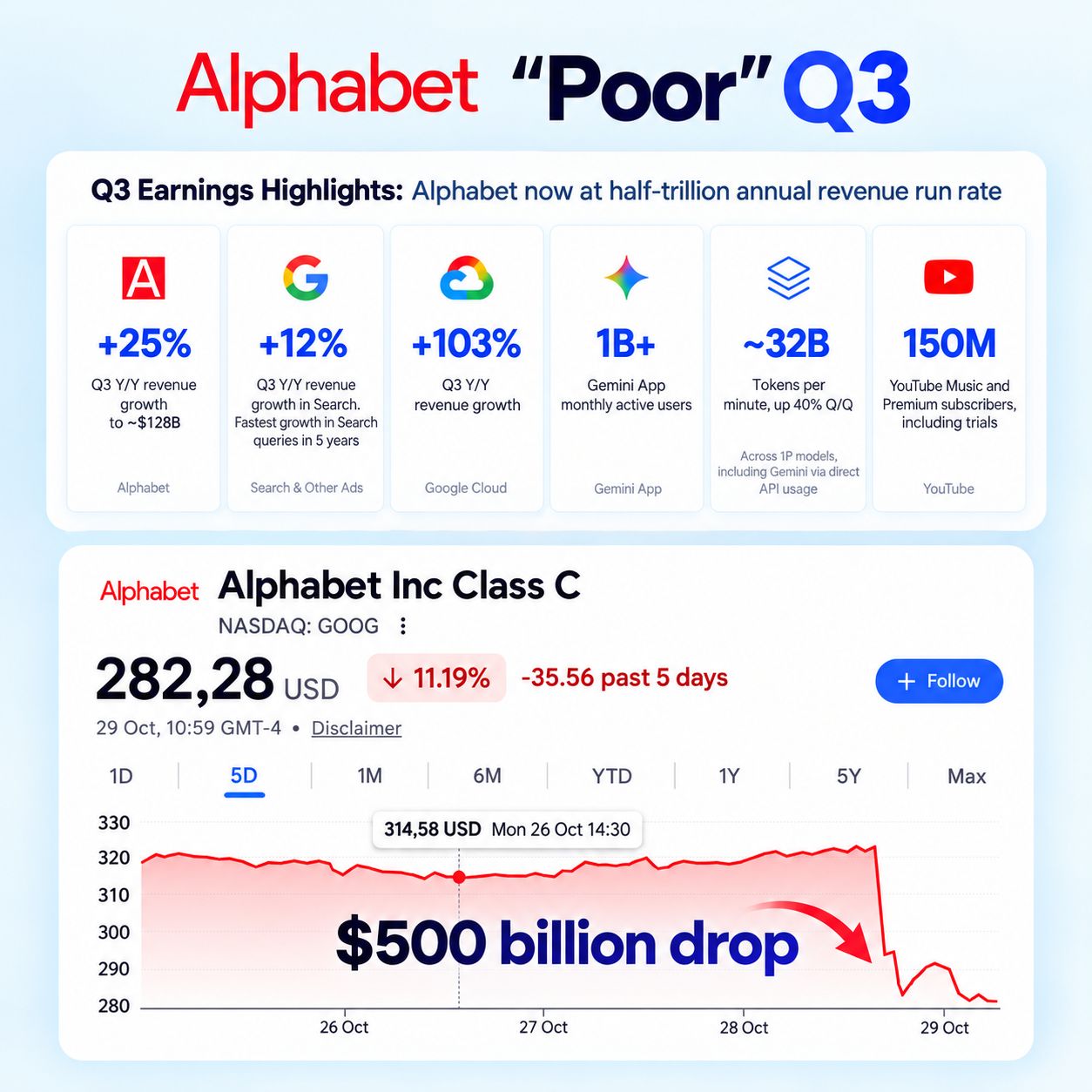
Alphabet reported $63.350 billion in Search and other revenue and $82.012 billion in total Google advertising revenue. Its earnings discussion identified lower AI Mode monetisation as one factor affecting Search growth, alongside currency effects, while describing wider ad expansion across AI search surfaces.
What changed
This provides business context for Google's product direction. It does not tell advertisers that their AI Mode impression share, CPCs or budget requirements will rise by a particular amount.
The two revenue figures cover different scopes: Search and other is one reporting line, while total Google advertising includes additional advertising businesses. They should not be substituted for one another in a market-size comparison. The earnings discussion supplies context for the business, not a breakdown of the performance of an individual advertiser's account.
Management's explanation that AI Mode monetises below classic search is relevant to Google's incentives as it expands ads across conversational experiences. It does not establish that every AI Mode ad has a lower CPC or that a buyer can identify a fixed discount for that inventory. Monetisation can reflect several factors beyond the price of one click.
For campaign planning, compare platform commentary with the data available in the advertiser's own reporting. Review demand, conversion quality and business economics before changing budgets. A company-wide revenue growth rate does not show how much incremental demand a specific brand can capture or which matching rules apply to its keywords.
When discussing the results with stakeholders, keep reported revenue, management commentary and analyst interpretation in separate roles. Thomas Eccel and Bertrand Seguin provide analysis; Barry Schwartz provides reporting. Their perspectives can help frame questions without replacing Alphabet's published figures or the scope of those figures.
The 28 October date refers to the results announcement. The story is distinct from the geographic AI Mode expansion and from individual layout observations. Those developments may be relevant context, but they should not be counted as additional proof of the same financial result.
Sources & contributor credit
- Reporting sourceAlphabet press release
Source retained from Yoann Ferrand’s final Week 44 edition.
- Reporting sourceEarnings call transcript
Source retained from Yoann Ferrand’s final Week 44 edition.
- Original postThomas Eccel
Source retained from Yoann Ferrand’s final Week 44 edition.
- Original postBertrand Seguin
Source retained from Yoann Ferrand’s final Week 44 edition.



Original creator unverified
Credits reflect the editor's latest changes. Original authorship has not been independently verified for this version.
Attribution evidence and limitations
Full attribution review pending.
A source link alone does not establish original authorship.
Original image and video creators have not yet been verified.
- Published on this site
- Article updated
This update reflects the dated source reporting. Availability may have changed. Further coverage of this same development will be added to this page.