Podcast
PPC Town Hall
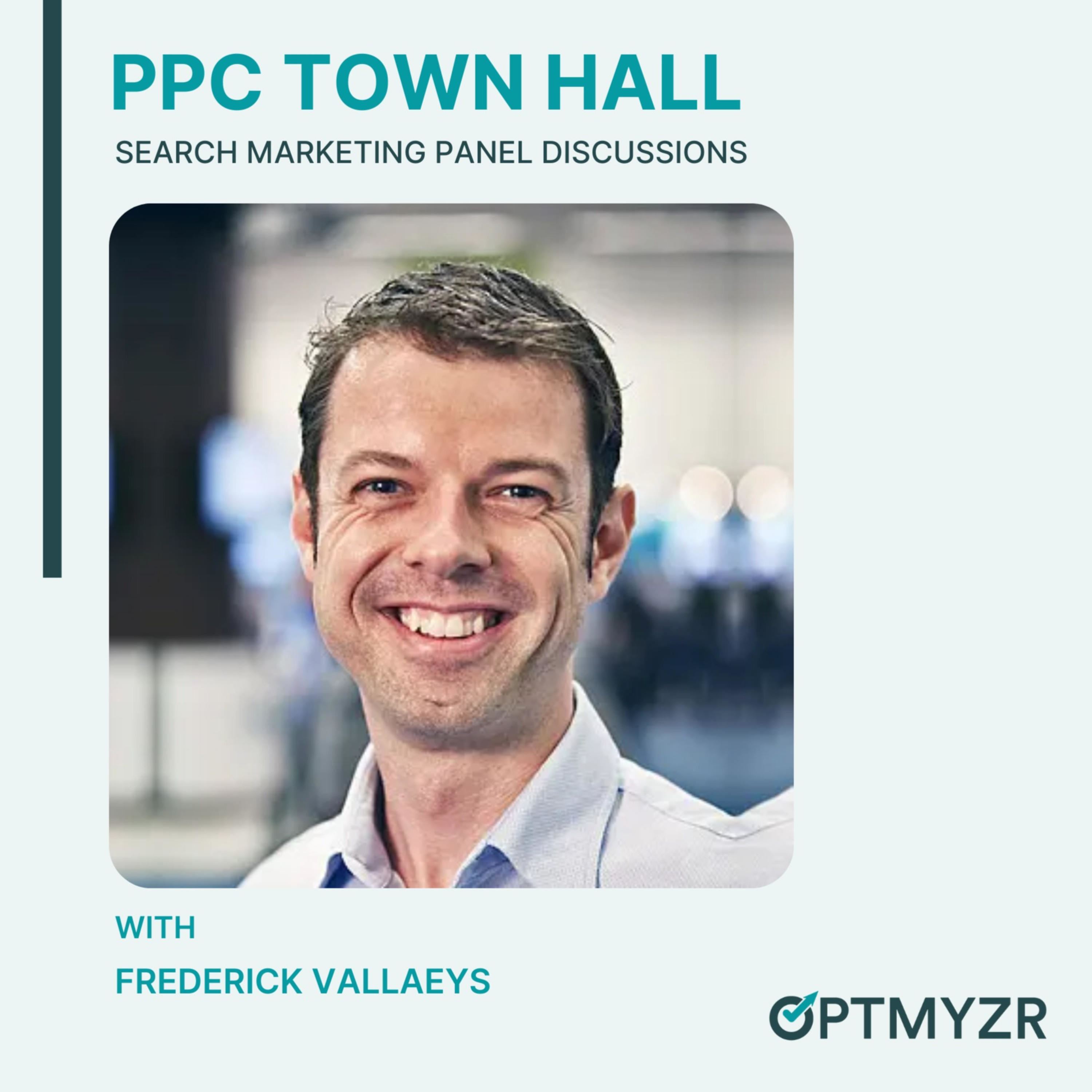
A video podcast with specialist guests. The selected conversation with David Newson examines long sales cycles, CRM constraints and the difficulty of giving advertising platforms timely feedback.
Image: Optmyzr
Co-founder and CEO
Optmyzr
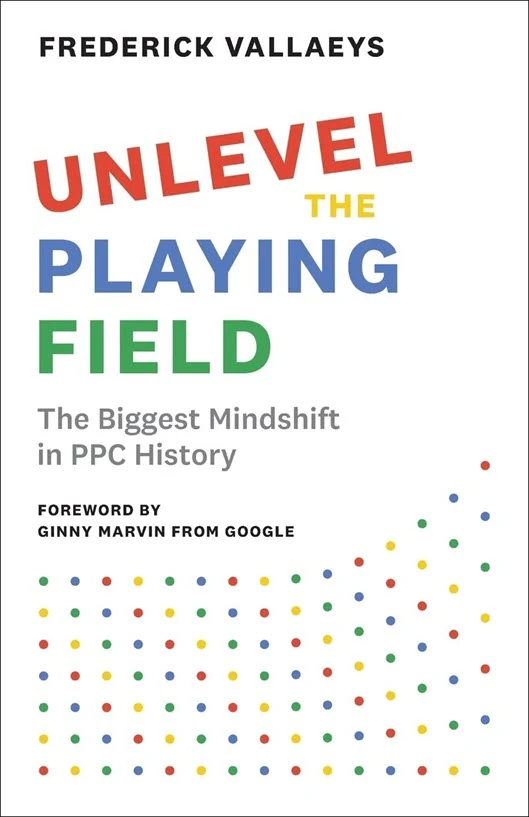
Frederick Vallaeys is co-founder and CEO of Optmyzr, where his work centres on PPC management and automation. A former Google executive, he writes and speaks about Google Ads, scripts and the changing role of marketers alongside AI. He hosts PPC Town Hall and wrote Digital Marketing in an AI World and Unlevel the Playing Field.
Shows, ideas and places to learn from Frederick Vallaeys.
Browse by format. Each card shows the recorded connection.
A video podcast with specialist guests. The selected conversation with David Newson examines long sales cycles, CRM constraints and the difficulty of giving advertising platforms timely feedback.
Image: OptmyzrA 2019 view of how PPC agencies adapt to AI and automation. Useful for tracing changing skills, human oversight and agency services.
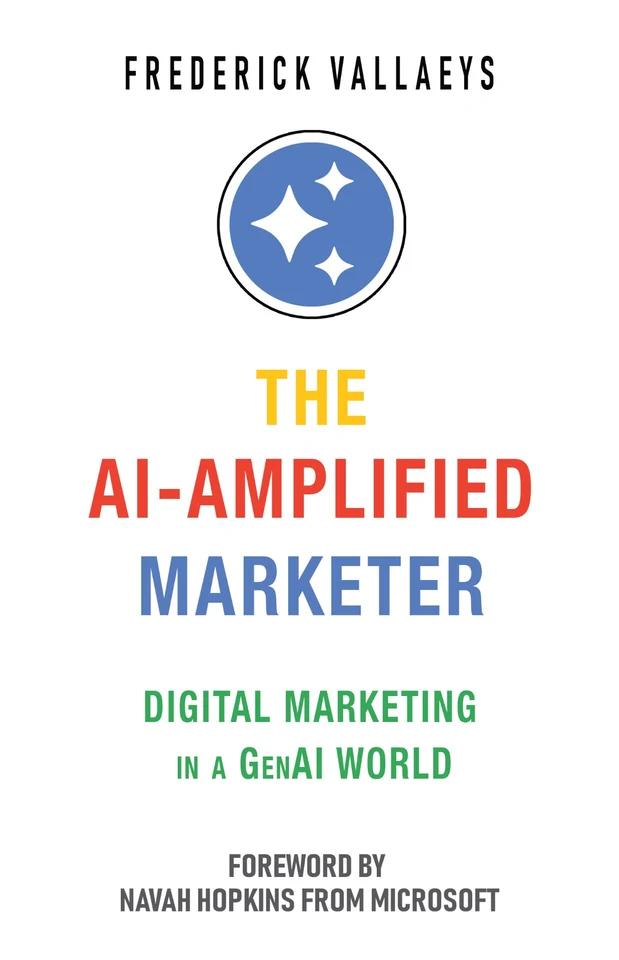
A guide to using generative AI in PPC analysis, creative work and workflows, with human judgement and business context at the centre.
Image: Frederick VallaeysExplores how advertisers add oversight and controls around PPC automation. Useful for deciding where an agency can contribute beyond platform defaults.
Image: Frederick Vallaeys / OptmyzrFrederick Vallaeys connects AI developments to advertising workflows, from account controls to the business context behind campaign decisions.
Frederick Vallaeys and Benjamin Wenner discuss using AI agents in PPC, focusing on data access, structured context, starting with read-only permissions and retaining human judgement.
Image: OptmyzrBrooke Osmundson discusses selecting AI tools for writing, campaign work and productivity, with attention to verification, brand constraints and CRM data.
Image: OptmyzrLakshmi Padmanaban examines Optmyzr’s holiday dataset of more than 4,200 Google Ads accounts, separating the periods before, during and after the main sale. The findings connect changing costs and conversion behaviour with decisions about budgets, targets and product margins. Read the original methodology before adapting the advice to your own account. Its most useful contribution is a three-period planning framework, supported by observed campaign patterns and practitioner commentary, rather than a single bid setting to copy across every retailer.
Image: OptmyzrOptmyzr examines change histories from 72,358 accounts to understand where manual Google Ads work remains common. The study separates the number of changes from the frequency of manual working sessions, a useful distinction when looking for tasks that repeatedly interrupt an account manager’s day. Frederick Vallaeys uses these patterns to explore automation opportunities. Read the methodology alongside the findings: this is a dataset of Optmyzr accounts, and estimates of time saved depend on assumptions rather than direct measurements of every advertiser’s working day.
Image: OptmyzrFrederick Vallaeys examines what it means for Smart Bidding to operate closer to the targets advertisers set. He separates possible mechanisms from established observations and asks teams to review efficiency goals, budget constraints and conversion maturity before reacting to a performance change. Read it when an account no longer behaves as expected around its CPA or ROAS target. The article supports a disciplined diagnosis using dated changes and business context, rather than assuming that one platform update explains every movement.
Image: OptmyzrCompares match-type performance across brand, non-brand and account segments.
Studies relationships between responsive-ad attributes and performance metrics.
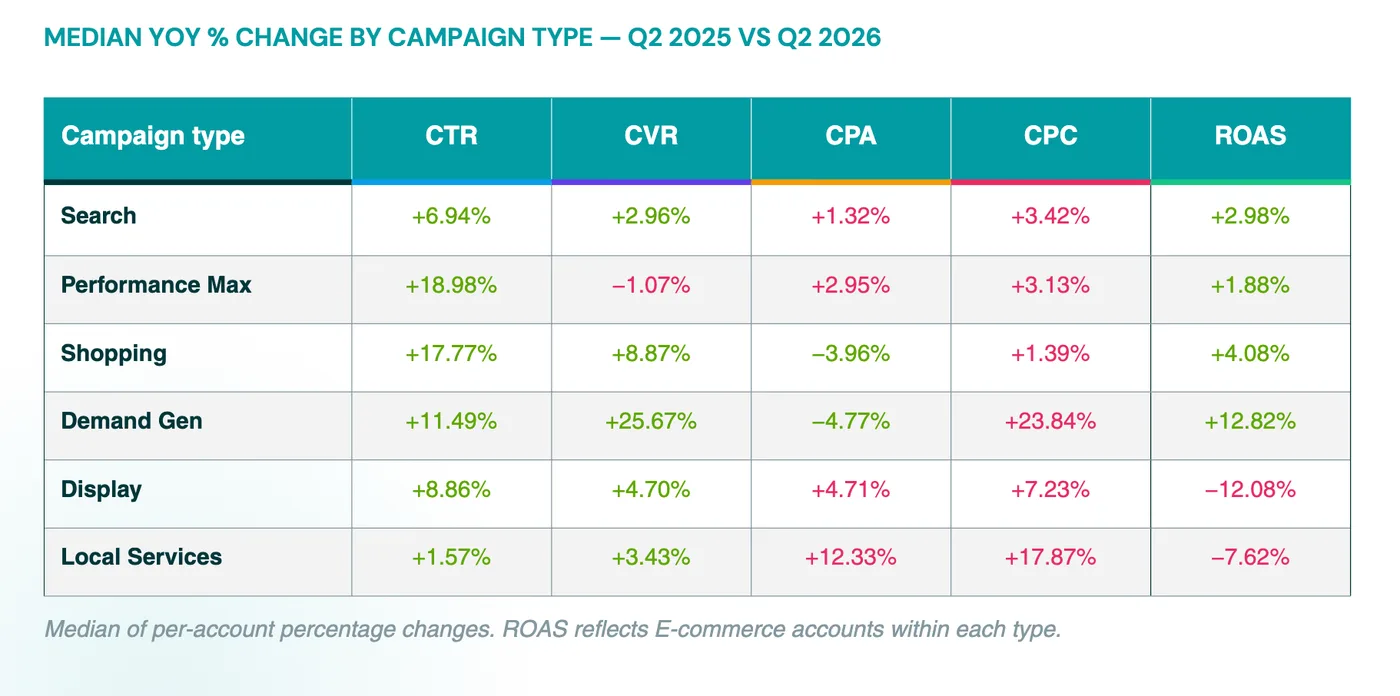
Optmyzr's Q2 2026 report across more than 20,000 Google Ads accounts finds median CTR up 8.62% year on year, but ecommerce ROAS fell 3.75% quarter on quarter: ending three straight quarters of gains: as CPC rose roughly 6% across every spend tier. The most striking finding: branded and non-branded CPAs have converged ($42.59 versus $41.67) for the first time in two decades, with branded CPCs inflating faster than conversion efficiency can absorb.
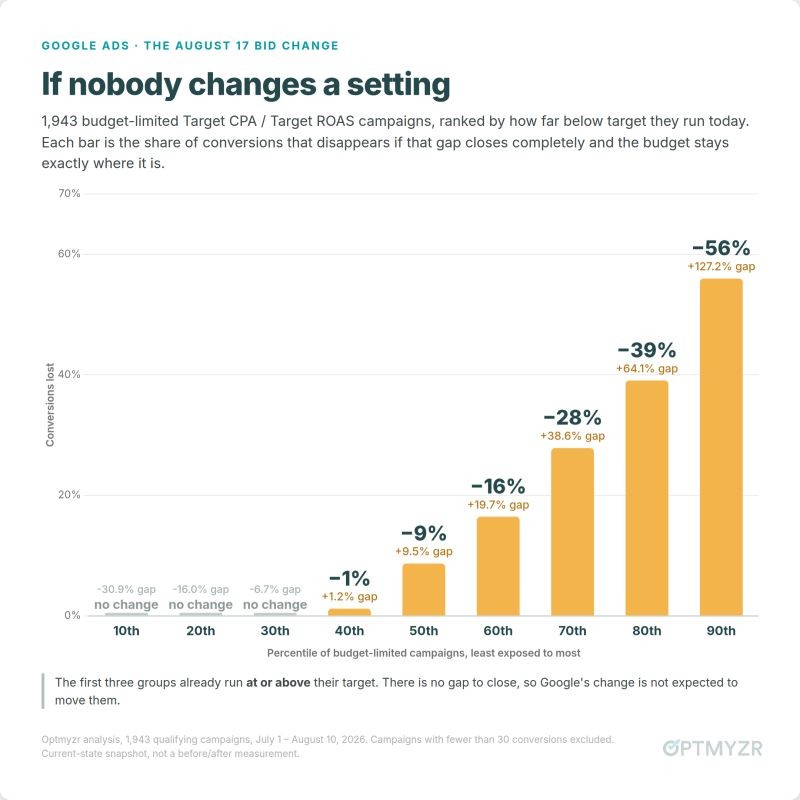
Image: Via the Paid Media Collective newsletter. Original visual creator unverified.Google's 17 August change affects budget-limited campaigns that outperform their CPA or ROAS targets. Optmyzr modelled possible conversion losses rather than a universal observed result.
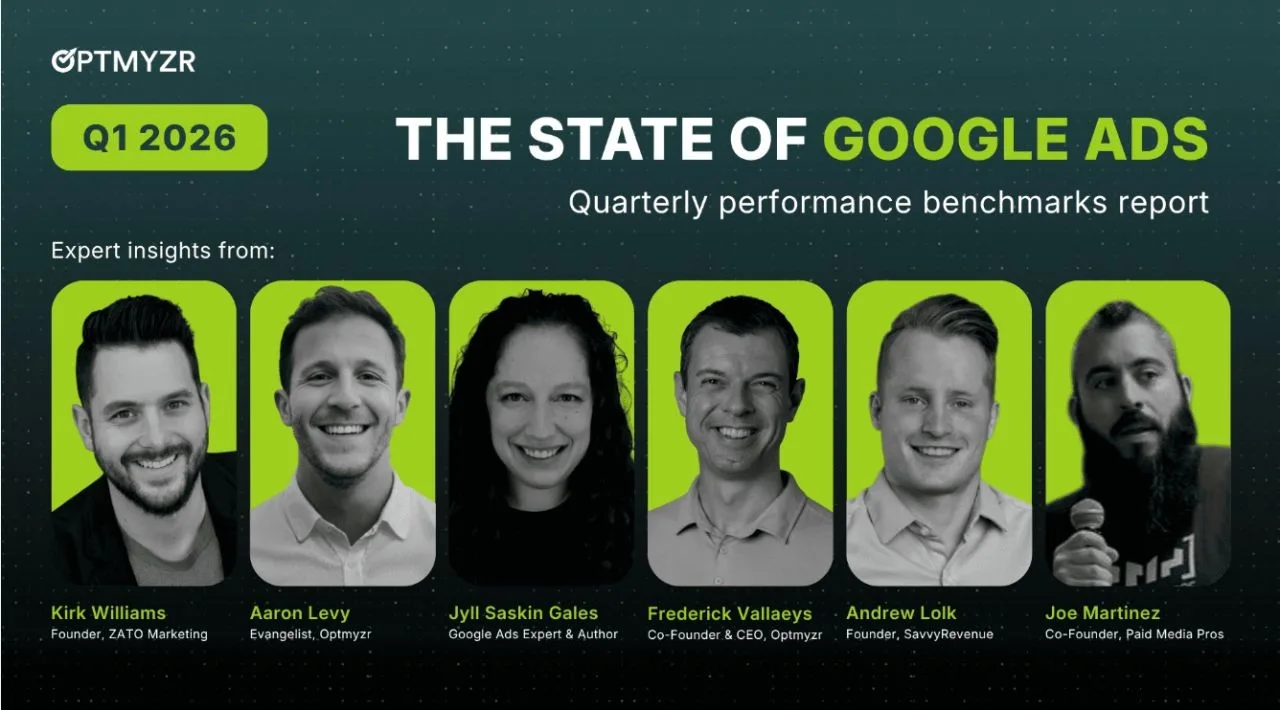
Image: Optmyzr · From the Paid Media Collective newsletterOptmyzr has published its State of Google Ads Q1 2026 report, with Frederick Vallaeys analysing performance data across 21,425 Google Ads accounts. The headline finding: total impressions are down 11% year-on-year, but CTR is up 21%: traffic is becoming materially more intentional rather than higher in volume.
Image: Optmyzr report cover; six expert commentary contributors credited separatelyThis is a collection of published credits and official links, not an exhaustive CV or a points total. A guest appearance is different from hosting a show. Community and event links identify the named organiser; they do not imply membership or a speaking appearance.
100 contribution points · 15 credited works · #15 in the Lifetime contribution ranking.
Uncapped points calculated from published source credits. Expertise is not assessed for this editorial profile. These are separate from registered members’ verified scores, lifetime achievement points and levels.
See every credited work and its points →