YouTube & app measurement · Status at source date: Documentation clarification
YouTube view metrics: distinguish Shorts engagement from TV co-viewing
Google’s current definitions include a like, comment or share among the qualifying Shorts actions that can precede an engaged-view conversion within its window.
What changed
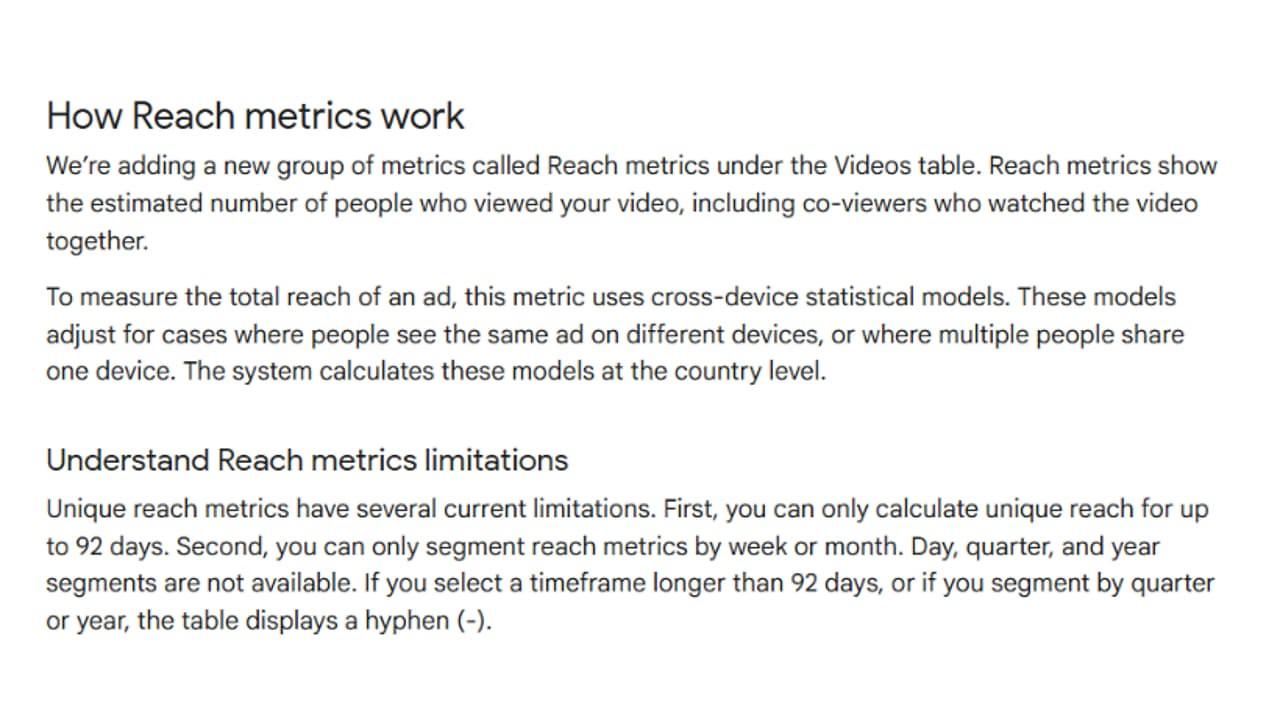
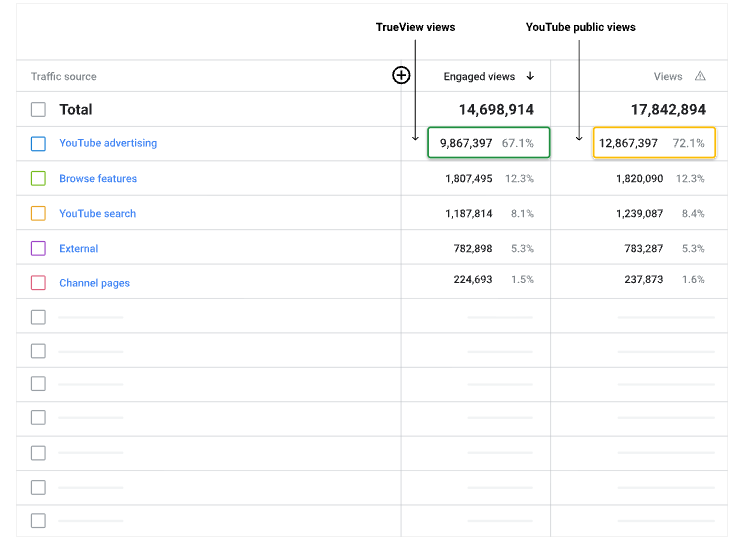
They also distinguish public YouTube views, which include estimated TV co-viewers, from TrueView views and engaged views, which exclude those estimates. Public view totals therefore should not be substituted for billable or engaged-view metrics. The documentation’s revision date is unverified, so this is a measurement clarification rather than a dated claim that every account changed this week.
Different metrics answer different questions
Public views describe exposure on YouTube and can include estimates for people watching together on television screens. TrueView views follow the qualifying rules for the ad format. Engaged-view conversion reporting adds an attribution question: whether an eligible engagement preceded a conversion inside the selected window. These are related measures, but they are not alternative labels for one total.
Build comparisons around the definition
Before combining Shorts, in-stream and television activity in a dashboard, write down the metric used for each row. A public view total is useful when discussing how widely a video was seen, but it should not be used to reconstruct the campaign's billable views. Equally, an engaged-view conversion does not mean that the viewer clicked through immediately before buying.
For a creative comparison, keep format and counting rules consistent. Comparing a Shorts view rate with an in-stream rate without their qualification thresholds can produce a misleading winner. Where the formats differ, report the difference and compare the business outcome separately.
Practical review
Check the conversion window, the selected reporting columns and the source of the exported data. Record whether the dashboard is using Google Ads, YouTube Analytics or the public watch-page count. Differences between those systems need investigation against their definitions and refresh timing, rather than an assumption that one source is incorrect.
The linked documentation supports the definitions, not a precise date for their introduction. Treat this item as a reference for interpreting current reports. It does not establish a new charge for estimated additional TV viewers or a universal change in campaign performance.
Sources & contributor credit
- Original sourceGoogle Ads Help

Original creator unverified
Credits reflect the editor's latest changes. Original authorship has not been independently verified for this version.
Attribution evidence and limitations
Full attribution review pending.
A source link alone does not establish original authorship.
Original image and video creators have not yet been verified.
- Published on this site
- Article updated
This update reflects the dated source reporting. Availability may have changed. Further coverage of this same development will be added to this page.