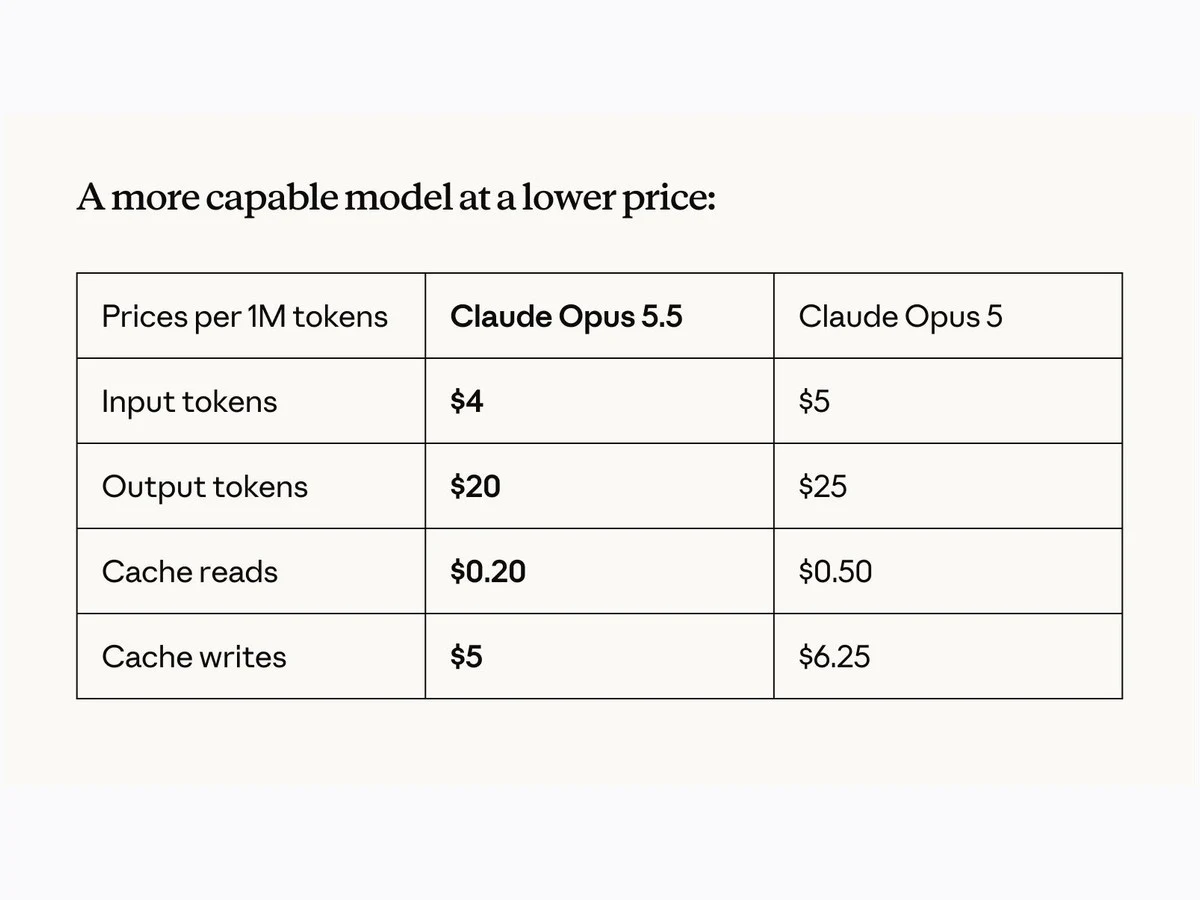
IN BRIEFAnthropic announced Opus 5.5 on 22 September, with changes to capability, pricing and effort controls. Marketing teams should compare it on a repeatable task such as analysing an export or preparing a source-backed brief, including review time and retries in the cost.
What changed
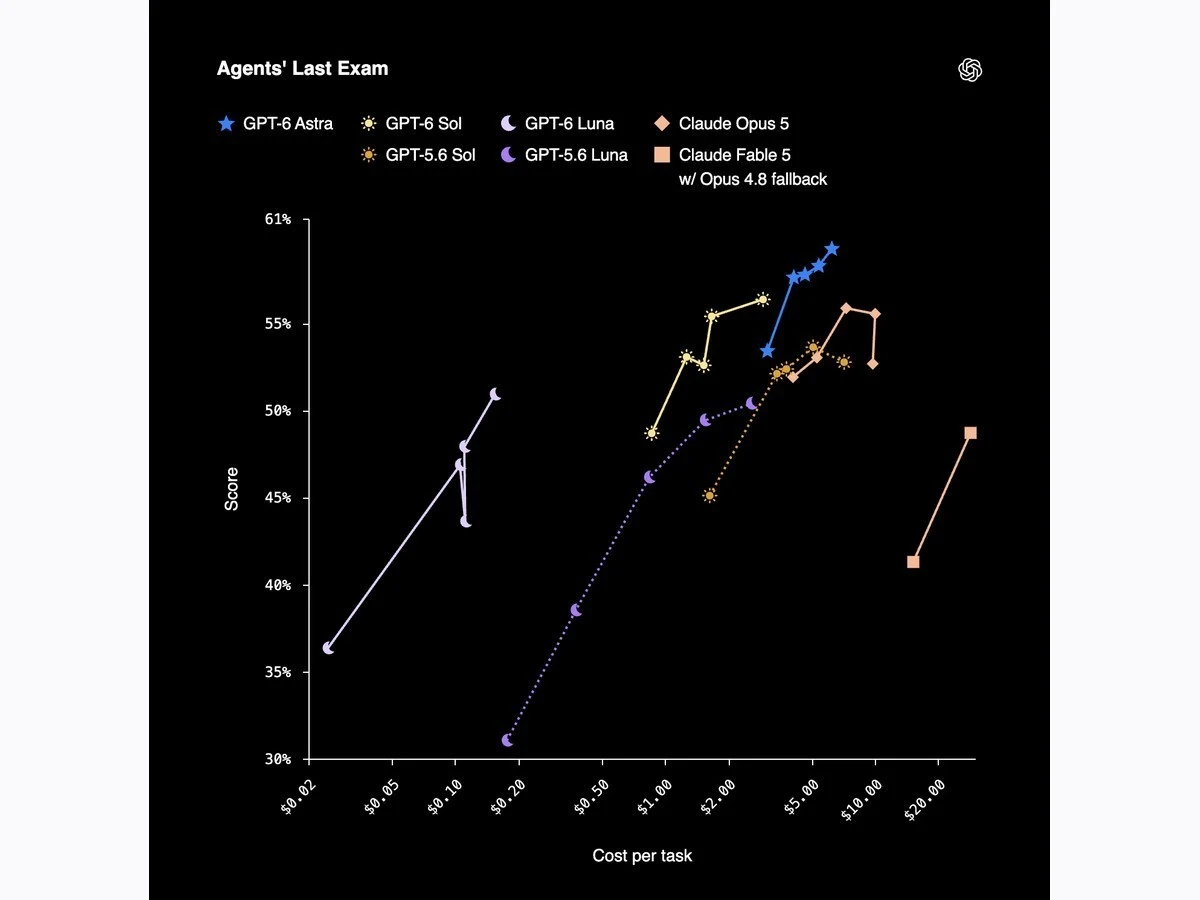
Vendor benchmarks and typical-workload savings describe test conditions; they do not guarantee results for your own workflow.
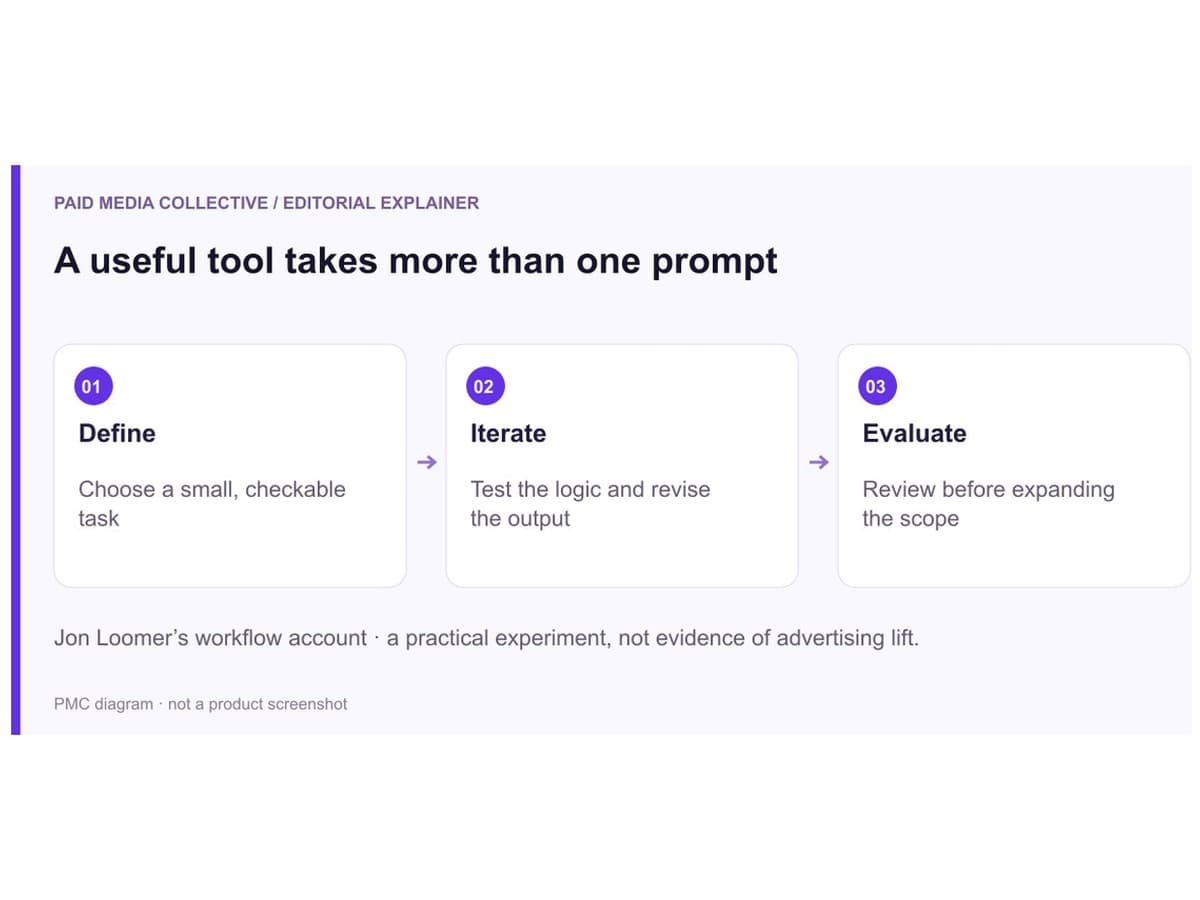
Use representative tasks and consistent review criteria when comparing the model with the current choice. Record effort settings and total correction time alongside cost and response speed. For consequential workflows, retain human review and the existing permission boundary until the new configuration has demonstrated acceptable results on the actual use case.
The original announcement is dated 22 September. Its capability and cost claims come from Anthropic and should be attributed as vendor claims, not represented as an independent result observed by PMC. A team may find the trade-off attractive while still needing to establish how it behaves on the documents, code or analysis that make up its own daily work.
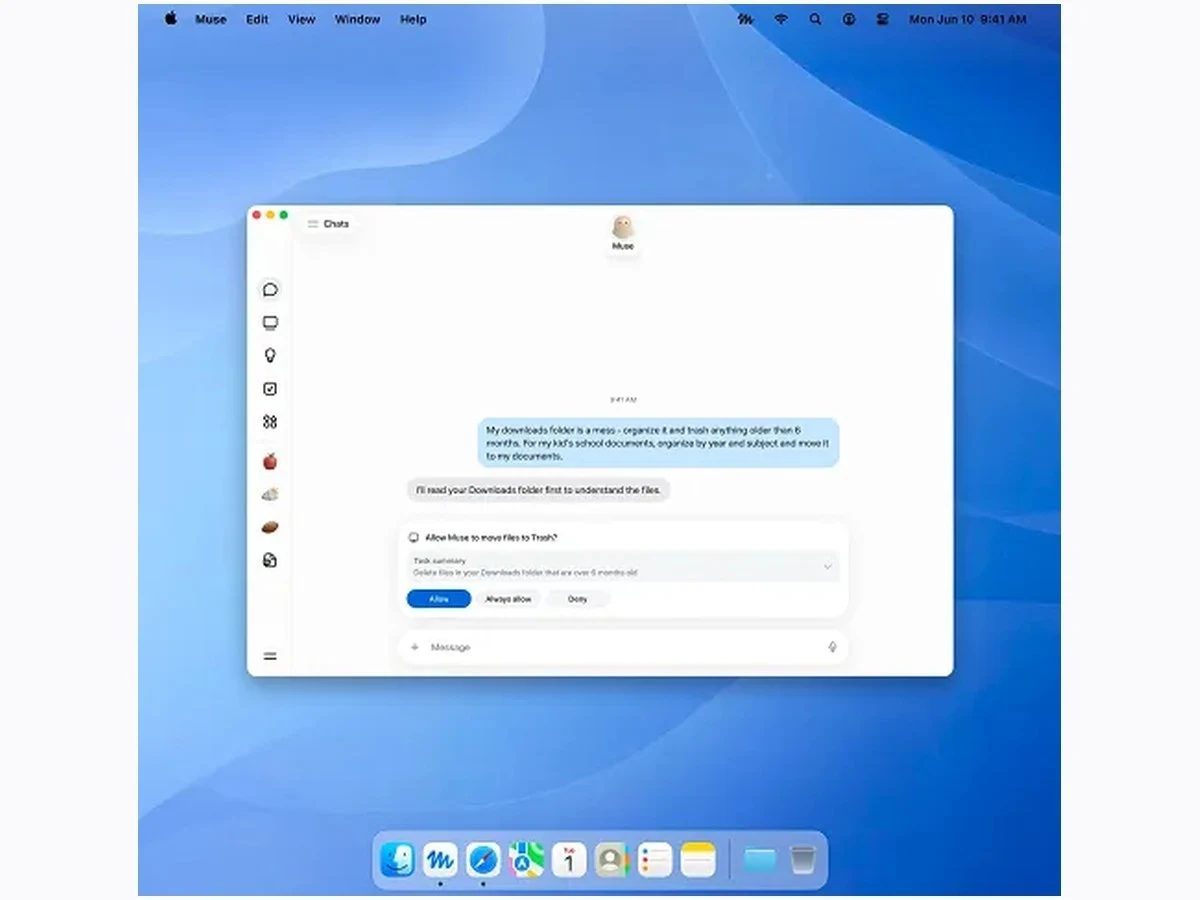
A useful comparison holds the input and acceptance criteria steady while varying the model or effort setting. Record total task cost, review time and material errors rather than evaluating a single impressive response. Include an example that previously required correction so the test can reveal whether a known weakness has improved. Where the workflow uses connected tools, check the permissions and action boundaries separately from the quality of the written answer. Better reasoning does not by itself authorize broader access to business systems.
THE COLLECTIVE PERSPECTIVEWhy it matters for advertisers
A changed price and capability proposition can alter the economics of repeated AI work. Vendor demonstrations still need to be tested against the team’s own inputs, output standards and tolerance for errors.