Microsoft has unveiled Project Solara at Build 2026, a chip-to-cloud platform built for devices that run AI agents rather than traditional apps, flagged by Jack Rowbotham. The platform pairs a lightweight operating system with enterprise security and management through Intune and Entra ID, and introduces "just-in-time UI," where agents experience generating and adapting their own interface to whatever device they run on, rather than requiring a redesign per form factor.
Meta has launched seven premium subscription plans across nearly all of its core apps, including Instagram Plus, Facebook Plus, WhatsApp Plus, and Meta AI Premium, flagged by Matt Navarra. The tiers bundle power-user and expression features such as extra Story controls, premium reactions, more pinned chats, custom app icons, longer Stories, and additional stickers.
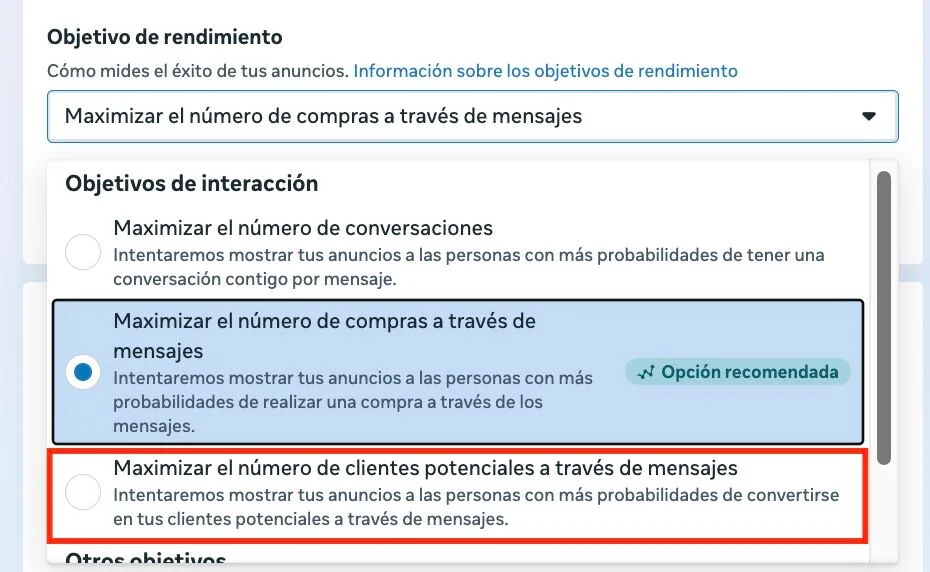
Meta has added a new conversion event to messaging campaigns, "Maximise the number of leads through messages," which was surfaced by Matias Axel Ramayo. Alongside the existing goal of maximising purchases through messages, advertisers can now optimise for lead generation, with a form on both Instagram and WhatsApp that people can complete and that counts as a conversion in the campaign.
Bram Van der Hallen has flagged two auto-applied changes that can alter live Meta ads without explicit approval. In the Related media section, Meta may automatically pull in similar images from an account's ad library and attach them to a current creative; if left unreviewed, this can make an ad look outdated or off-message.
The UK's Competition and Markets Authority has issued Google with a conduct requirement that will force it to disclose substantial data on AI search, including clicks, flagged by Lidia Infante. Google will have to provide impressions and clicks disaggregated from other search features, surfaced in a widely available platform such as Google Search Console, with AI clicks made trackable on-site so their quality can be assessed.
TikTok is rolling out Series Promotion, a new campaign type under the App Promotion objective, flagged by Emirhan Bayutmuş. The format lets entertainment brands promote original series created on TikTok to wider audiences, with targeting options to optimise for series engagement and viewer acquisition.
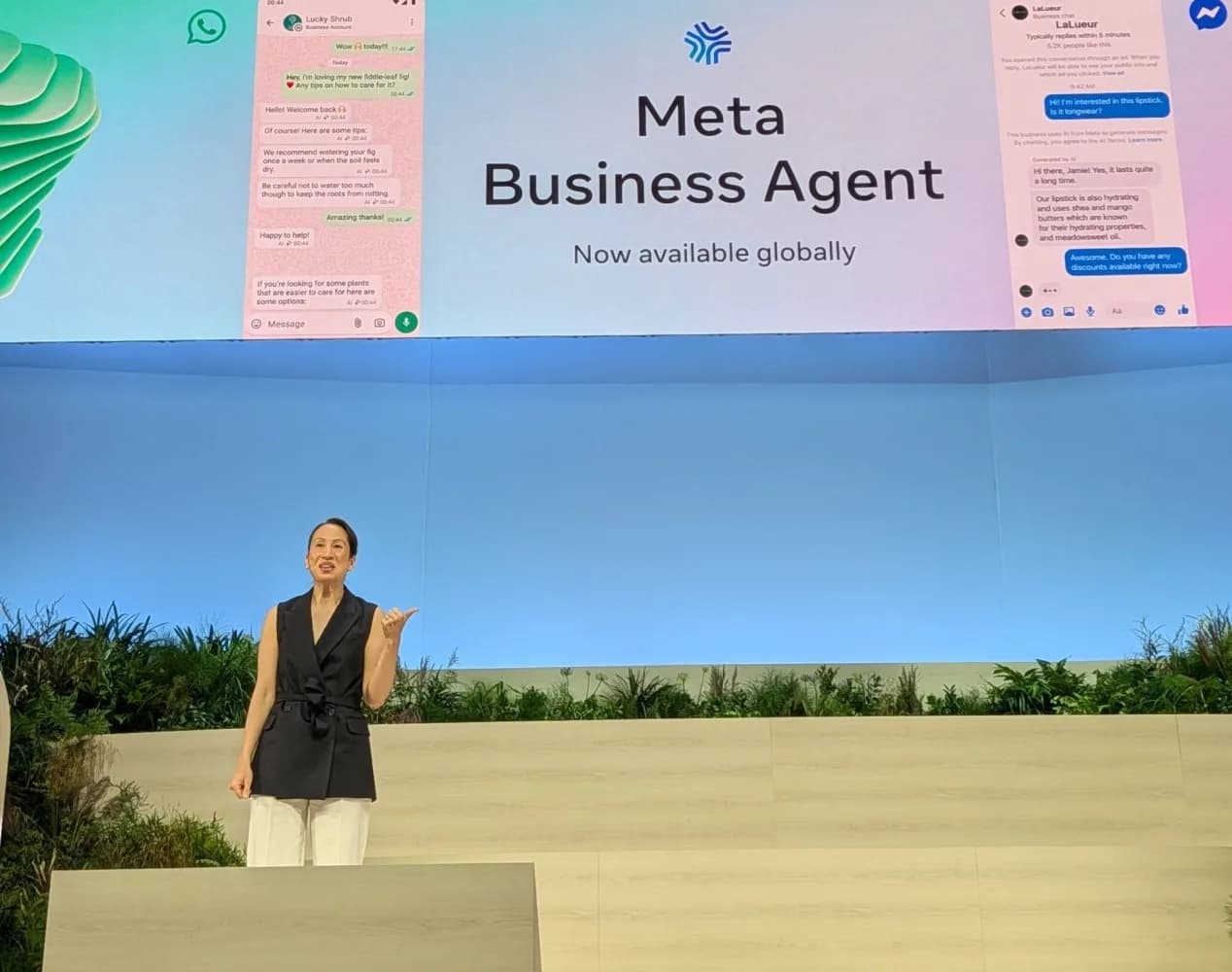
Meta has launched its Business Agent globally, announced at its Conversations conference in London and witnessed live by Lars Maat. The AI agent handles customer conversations across WhatsApp, Instagram, and Messenger, fielding inquiries, recommending products from a catalogue, scheduling appointments, qualifying leads, and completing transactions, with a handoff mechanism that escalates to a human once a conversation reaches an owner-defined point.
Google has agreed to pay SpaceX around $920m a month for AI compute capacity, disclosed in an SEC filing and flagged by Endrit Restelica. The arrangement runs from October 2026 through June 2029, totalling roughly $30bn, and gives Google access to approximately 110,000 Nvidia GPUs plus associated CPUs, memory, and infrastructure, with capacity ramping from September at a reduced fee.
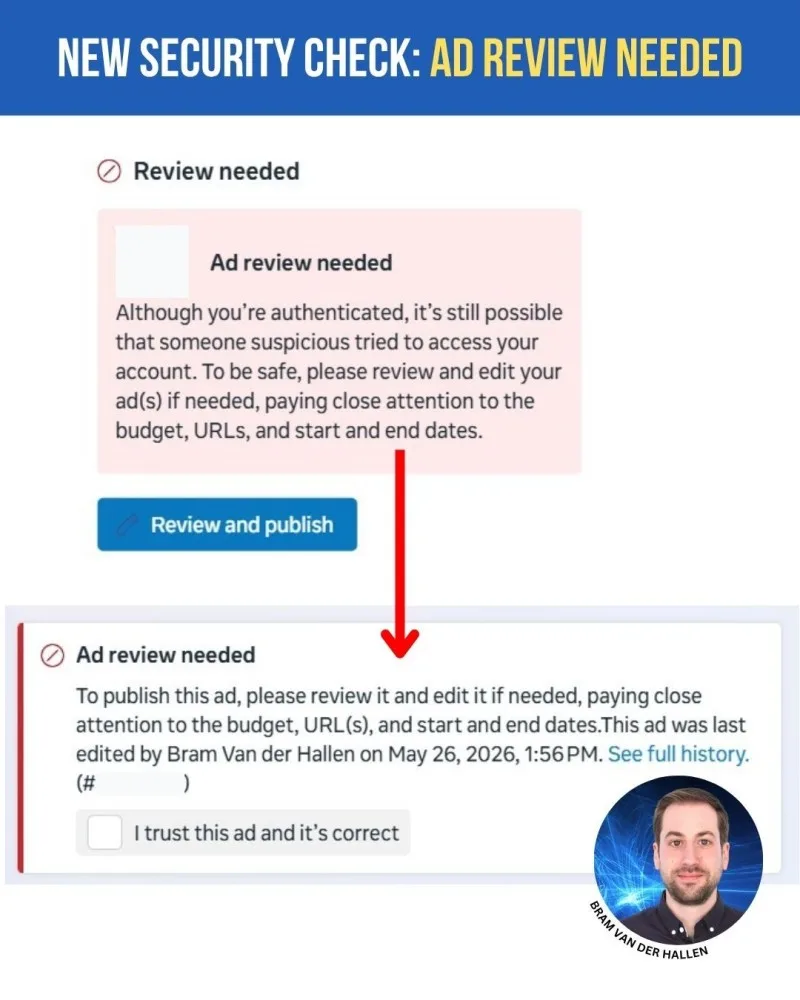
Bram Van der Hallen has spotted a new Meta security check triggered when ad sets are updated. After editing several ad sets, he was prompted to re-authenticate.
LinkedIn has rolled out a new Reach metric that splits impressions into in-network and out-of-network, flagged by Matt Navarra. In-network reach shows the share of impressions from existing connections and followers, while out-of-network reach shows the share from people discovering a creator for the first time via feed recommendations, reshares, or search.
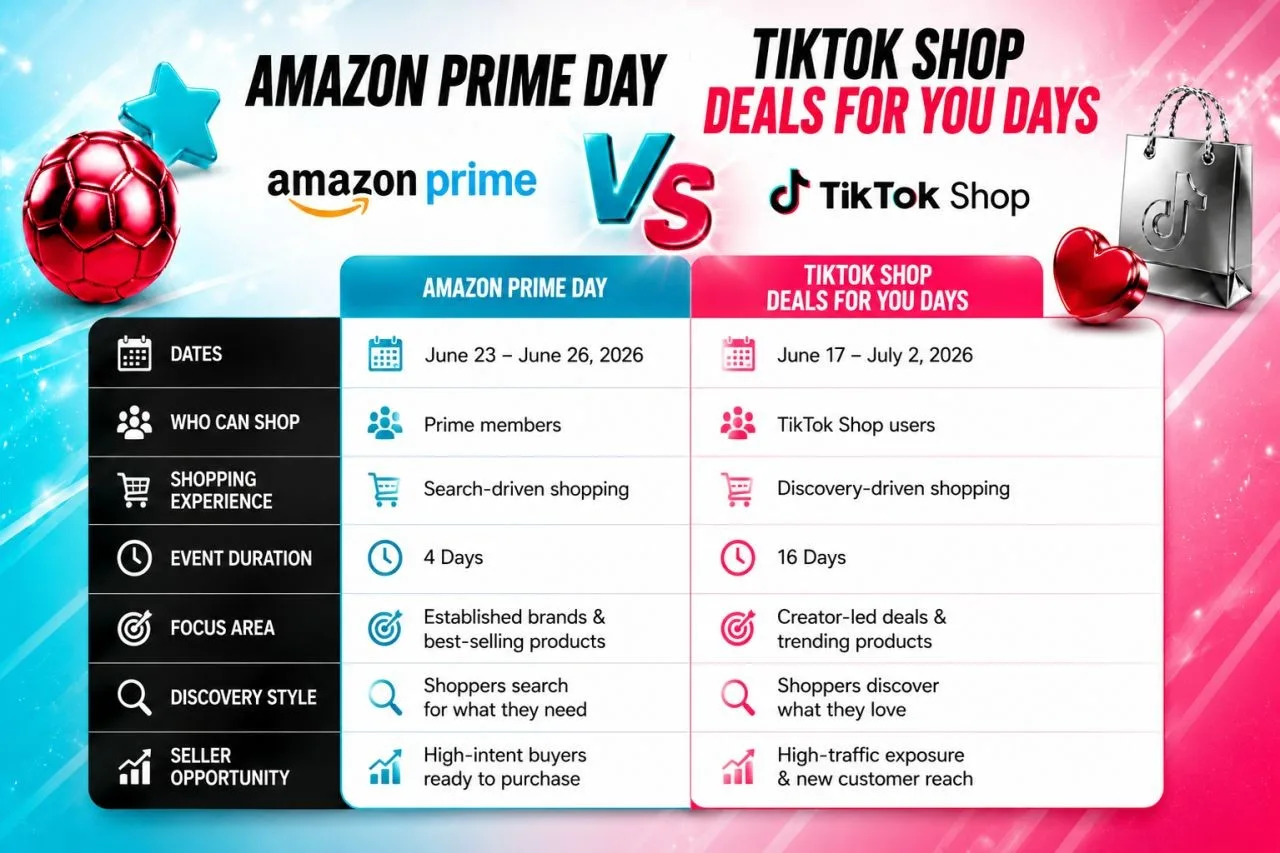
TikTok Shop is running its Deals For You Days 2026 event from 17 June to 2 July, positioning it directly against Amazon Prime Day, flagged by Daniel Sodkiewicz. Where Prime Day runs four days, TikTok's promotion spans more than two weeks, giving sellers a longer window to reach shoppers through creator content, product discovery, and platform-wide promotions.
Clay has launched an integration within OpenAI Codex, which the Clay team flagged. From OpenAI's cloud coding agent, sales reps can prioritise accounts, research buyers, draft outreach, and send the email, powered by the Clay Functions a team has already built.
Google has released Google AI Edge Eloquent, a free and fully open-source voice dictation app that runs on-device locally using the Gemma 4 12B model, flagged by Shubham Saboo. Unlike the paid dictation tools it competes with, it processes audio on the device so voice data never leaves it, and it offers real-time transcription that strips filler words and fixes mid-sentence restarts, plus a personal vocabulary dictionary that can learn project names and jargon.
Curtis Howland has shared a practical tactic for managing multi-geography Meta campaigns in which one region underspends despite maintaining a good ROAS. Rather than splitting the underspending geo into its own campaign, which fragments the data and discards accumulated learnings, he applies a positive location-level bid modifier (value rule) to that geo, starting at around +20% and pushing to +50% if needed.
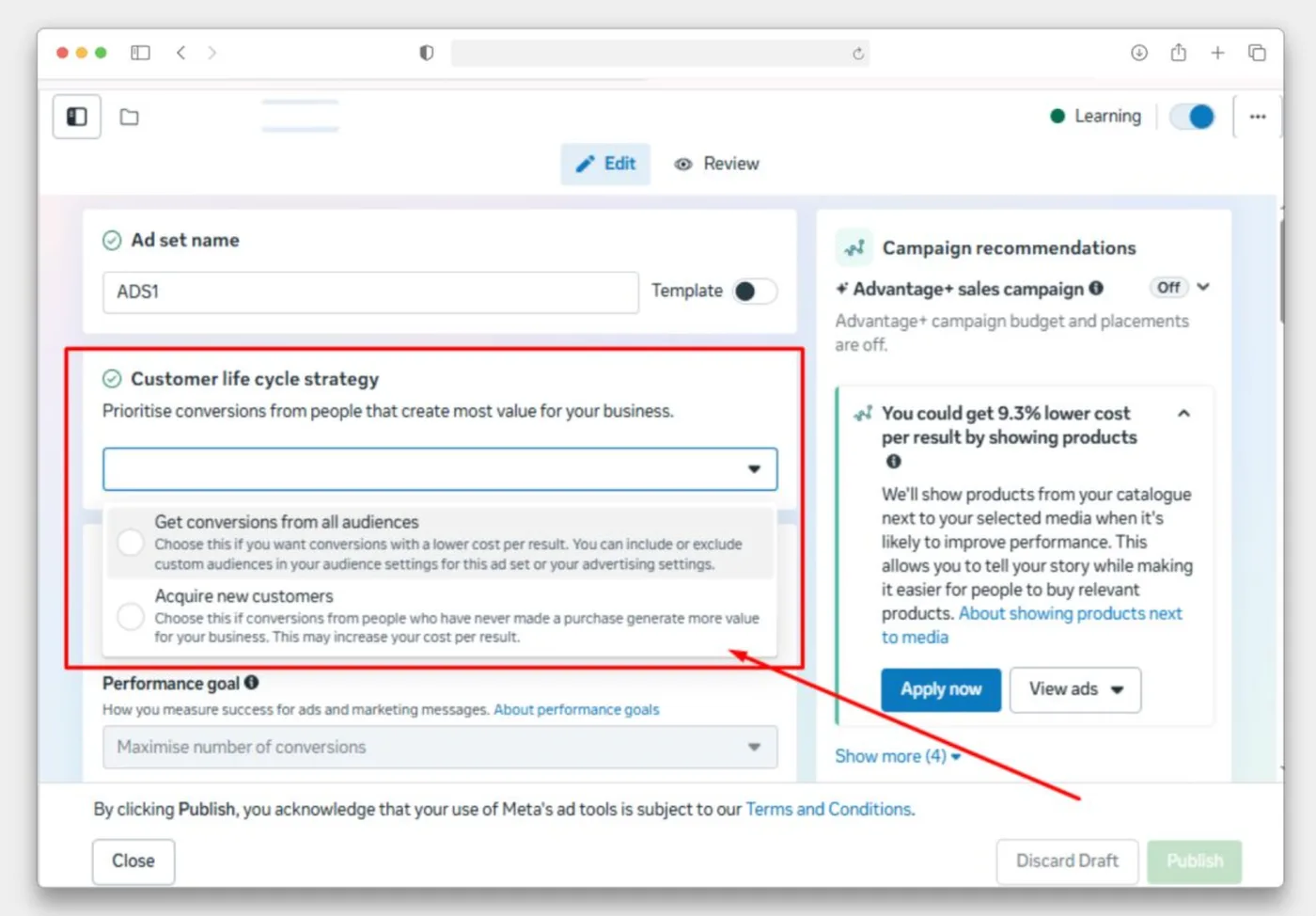
Govind Singh has spotted a new Customer Lifecycle Strategy option at the ad-set level in Meta Ads. Advertisers choose between two settings: get conversions from all audiences (Meta optimises for the lowest cost per result across existing and new customers) or acquire new customers (Meta targets people who have never purchased, accepting a potentially higher cost per result to grow the customer base).
Microsoft has redesigned Copilot to be simpler, faster, and more intuitive, announced by CEO Satya Nadella. The redesign focuses on keeping users in the flow of their work, with a streamlined interface across the Copilot experience.
Microsoft has made Claude Opus 4.8 available in Copilot in PowerPoint on the same day it was released, flagged by Derek Johnson. The model joins OpenAI's GPT-5.5 inside PowerPoint, giving users a choice of frontier models to shape and build presentations directly in the application.
Meta has added the ability to group Ads Manager tables by funnel stage and other dimensions, surfaced by Bram Van der Hallen. The option appears in the Breakdown menu via a "Group table by" toggle, available at the campaign and ad-set levels.
Google has expanded its Preferred Sources feature into AI Overviews and AI Mode, as announced by Google Search product manager Duncan Osborn and flagged by Glenn Gabe, Leigh McKenzie, Louisa Frahm, and Barry Schwartz across the community. Links from a user's selected sources now appear with a clear label inside AI responses, mirroring how Top Stories already highlights them.
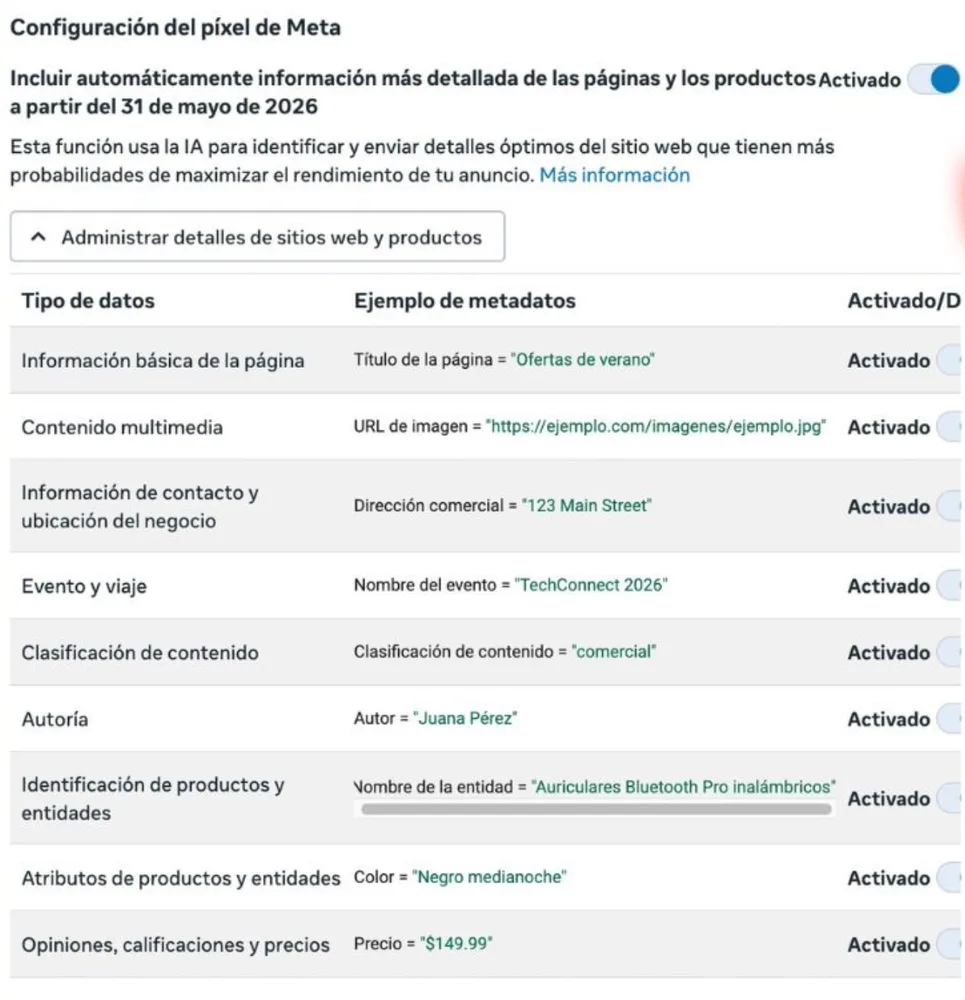
Felipe Vergara Cediel has flagged that, from 30 May, the Meta Pixel automatically collects nine additional categories of web data: basic page information, multimedia content, business contact and location details, event and journey data, content classification, authorship, product and entity identification, product and entity attributes, and reviews, ratings, and prices. Matias Axel Ramayo added that Meta is also surfacing signals on how much is being wasted due to low-quality events sent through the API and Pixel.
David Vargas has flagged that Instagram is testing a version that loads Reels first when the app opens, ahead of the Feed. If the change sticks, it would materially shift placement distribution, particularly for Gen Z and Millennial audiences, and change how impressions are allocated across Meta placements.
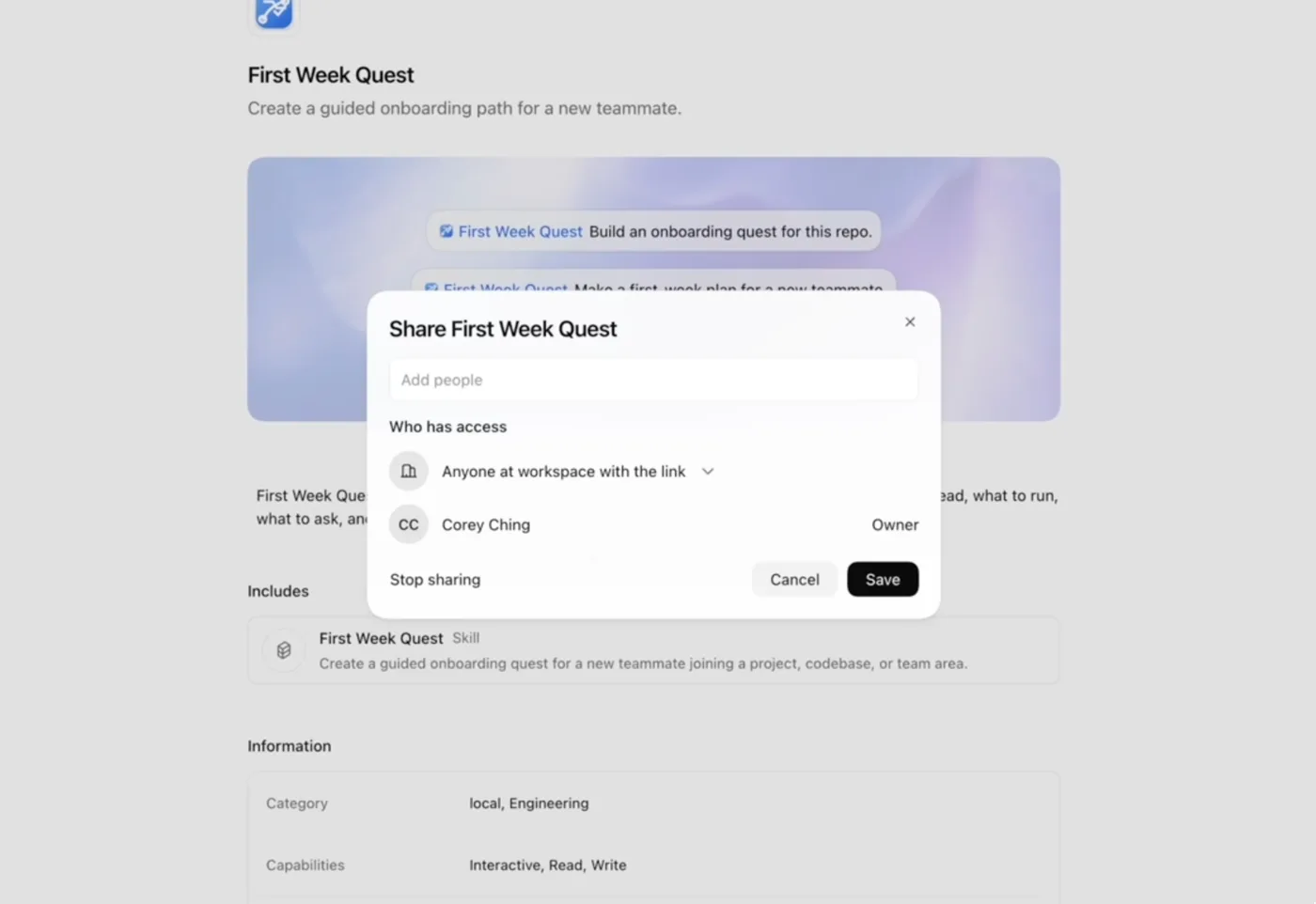
OpenAI has shipped a set of Codex updates this week, flagged by Corey Ching. Workspace plugin sharing now lets teams distribute custom plugins, reuse internal tools and workflows, and manage what is available across the organisation: available for Business users, with early access for Enterprise teams on request.
Chris Long has flagged that Google has officially published an LLMs.txt page on the Chrome Developers site, describing how the file helps AI agents understand a site's primary content. The documentation notes that, without the file, agents may spend more time crawling a site to understand its structure and primary content, and also describes LLMs.txt as an emerging protocol.
Google has added an experimental Agentic Browsing category to Chrome's Lighthouse audit tool. Instead of auditing only for human users, the new category tests whether AI agents can read a site, navigate key pages, understand actions and forms, and reliably interact with elements.
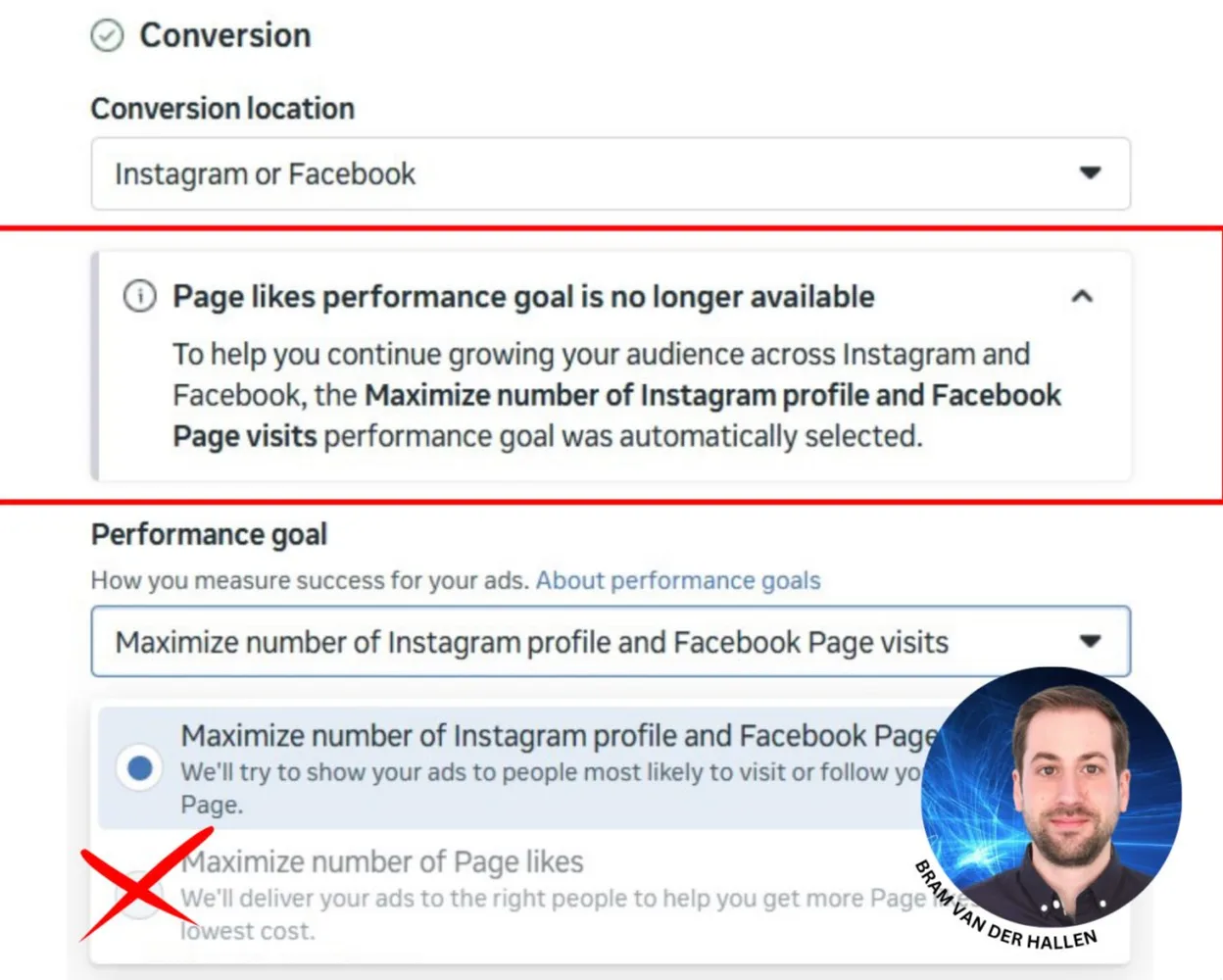
Meta is removing the option to run Page Likes campaigns, flagged by Bram Van der Hallen. Previously, advertisers could run ads with an integrated one-click Follow button, which produced high-volume, low-cost follows.
TikTok announced on 11 May 2026 that it is rolling out TikTok Ad-Free: a new ad-free subscription tier: to UK users aged 18+ over the coming months. The subscription costs £3.99 per month and provides an ad-free experience.
Matt Navarra has flagged that Meta has launched Forum: a new standalone iOS app turning Facebook Groups into an AI-powered answer engine to compete with Reddit. Forum heavily pushes questions, recommendations, and "real answers from real people."
VIVEK GUPTA has flagged a Meta Ads update that makes Audience Label available for Website Custom Audiences: previously available only for Customer List Custom Audiences. The new categories include Engaged Audiences (Qualified Leads, Disqualified Leads, App Users, Trial Users, Other Engaged Users), Customers (High Value, Low Value, At Risk, Disengaged, Customers), and Other Audiences (Other 1, Other 2, Other 3).
Matias Axel Ramayo has flagged that Meta has added Instagram Live as a new conversion ad placement. Advertisers can promote an Instagram Live that's currently running or scheduled for the future, with a simple setup in the campaign placement flow.