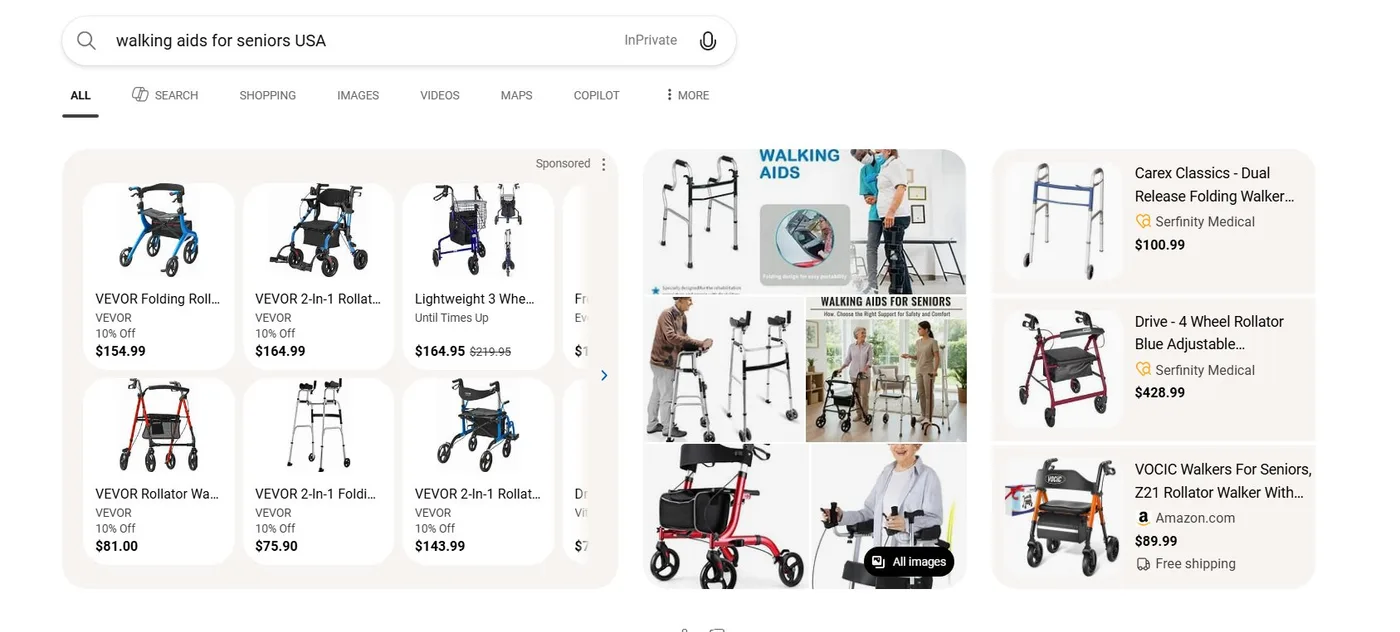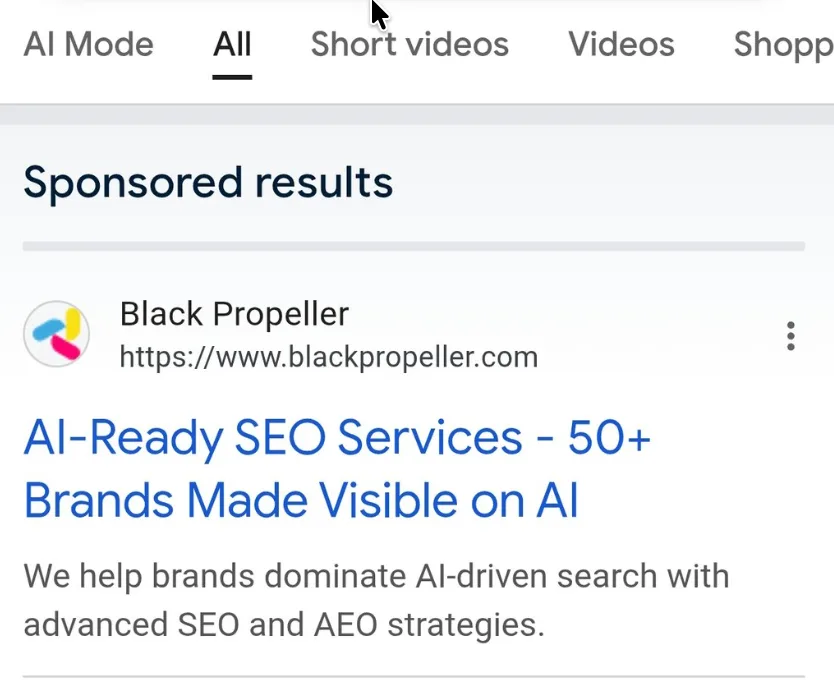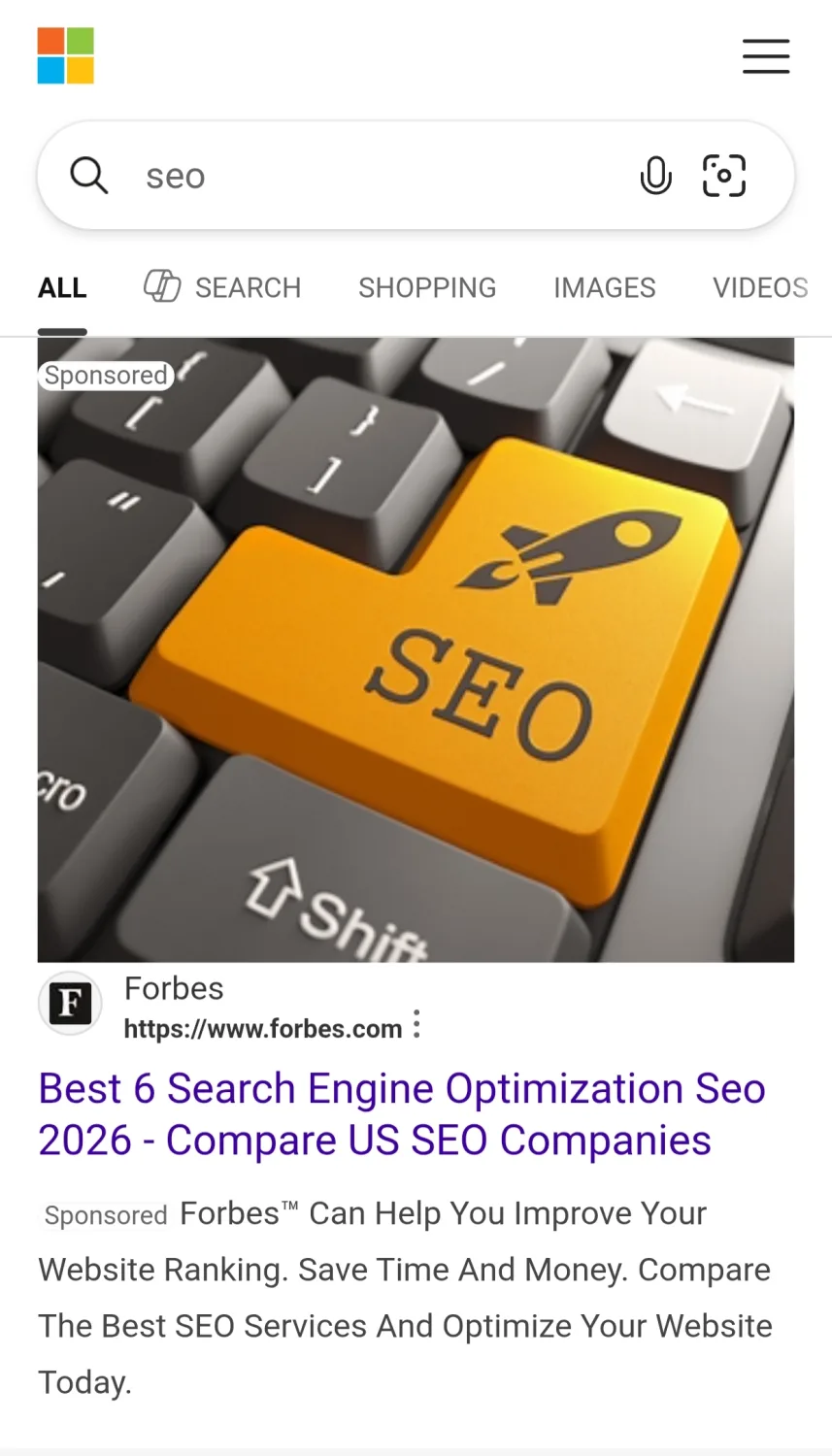
Microsoft Bing is testing large images in Search ads that would substantially increase the visual footprint of sponsored results, with early coverage suggesting a material upside in CTR.
TikTok says Symphony with Seedance 2.5 supports videos up to 30 seconds and up to 50 image, video or audio references. Access is rolling out to selected paid advertisers in selected markets.
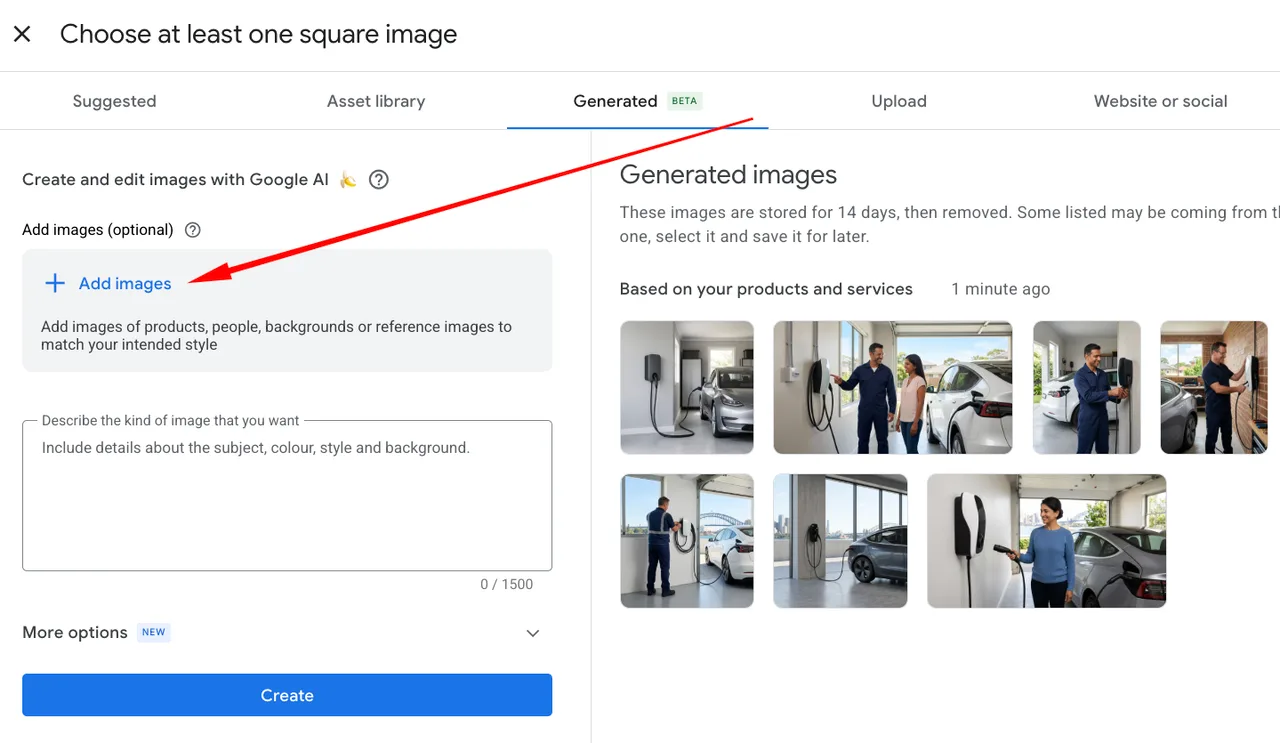
The Generated tab in the Google Ads image picker now accepts reference images. You can add products, people, backgrounds, or style references so Google AI matches your intended look, alongside a 1,500-character prompt and new advanced options.
Bing is testing an enhanced images section within its search results, as spotted by Sachin Patel. The test adds visual content to result pages where it previously showed standard listings.
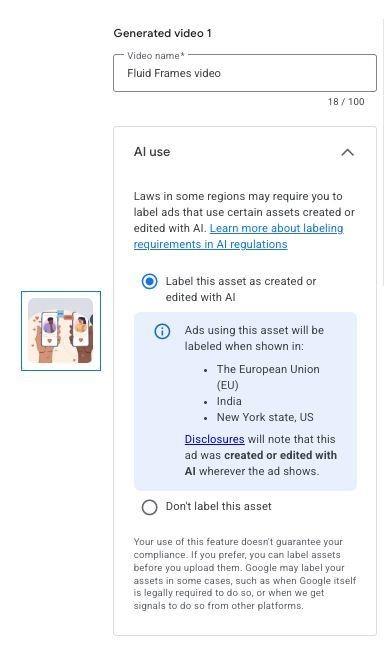
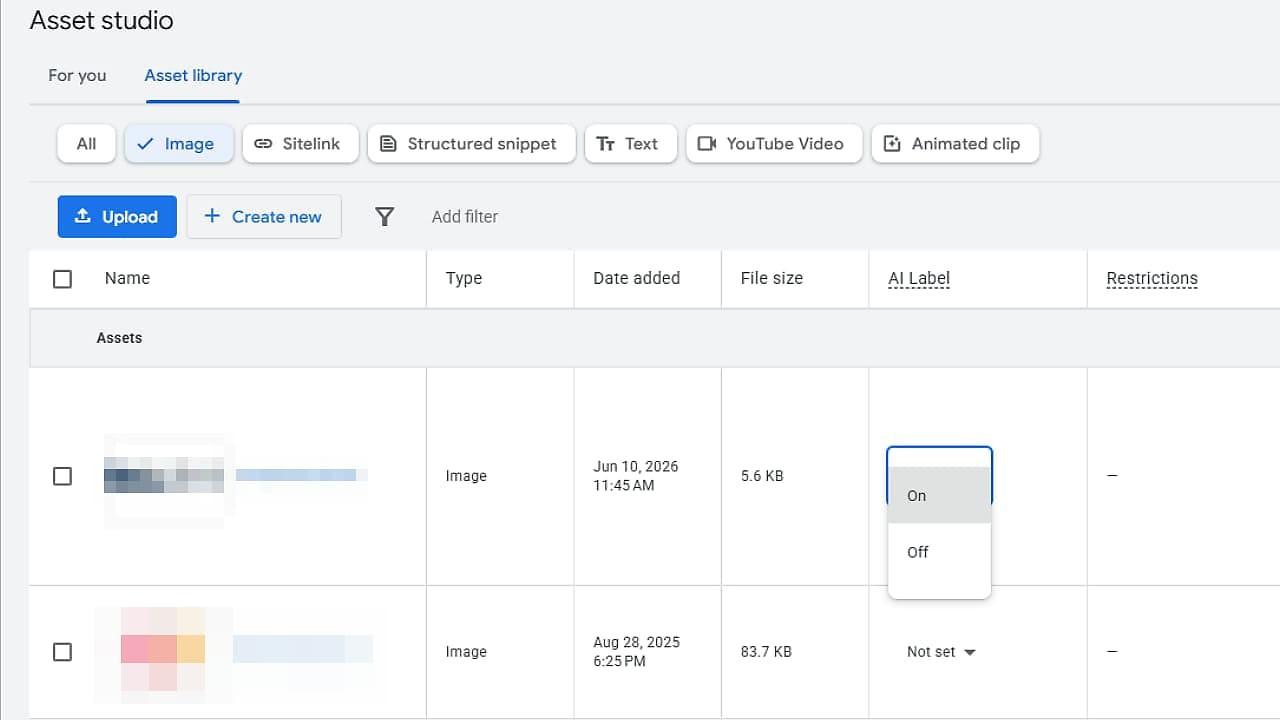
Google has published an AI-labelling update, effective July 2026, that lets advertisers add text or visual labels to AI-generated or modified image and video creative, with optional automatic labelling for Google AI assets. The labels do not breach overlay or watermark rules and roll out across Google Ads, Display & Video 360, Campaign Manager 360, Merchant Centre, and Ads Editor, in line with EU, India, and New York disclosure requirements.
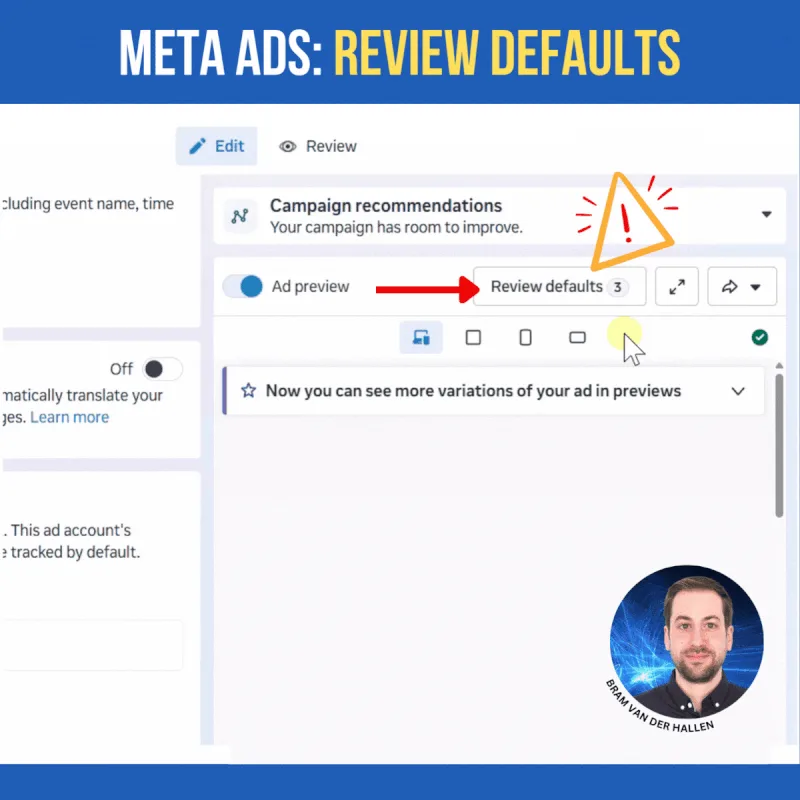
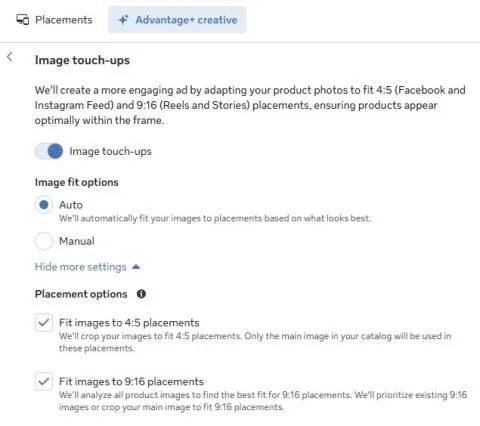
Meta has rolled out five changes across the Business Agent, reporting, and creative. For you, this means more automation and AI in the ad-creation flow, so review each before it touches live campaigns.
Meta has added a button above the ad preview that lists which Advantage+ creative enhancements are enabled. Defaults can include AI summaries and other automatic changes to your creative.
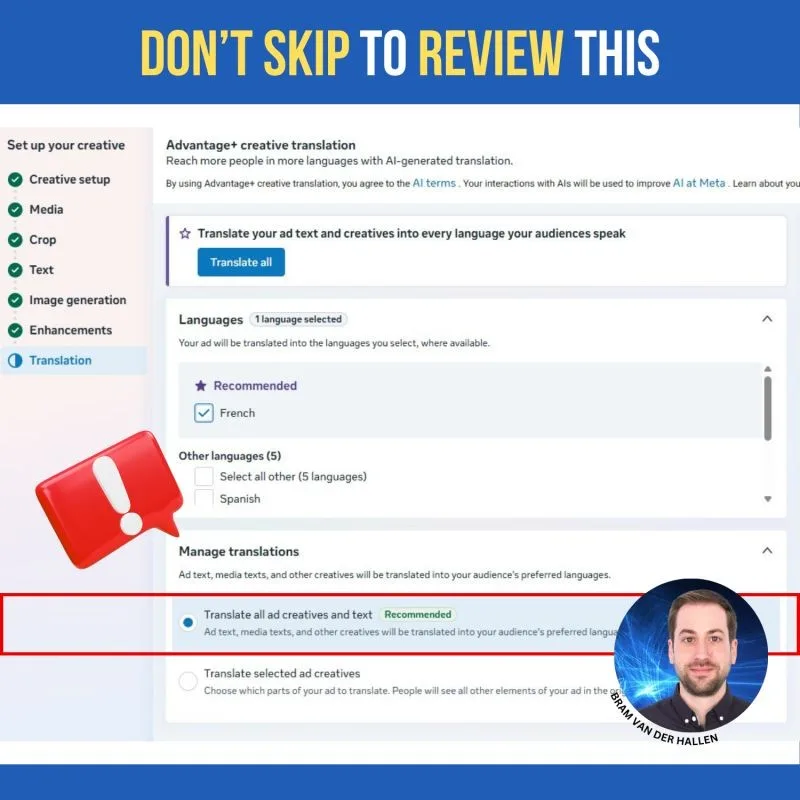
Meta is adding AI-generated translation of ad text and creatives into the languages that an advertiser's audience speaks, as flagged by Bram Van der Hallen. If advertisers do not review the relevant settings, Meta may automatically translate their copy and creative, which risks off-brand or inaccurate wording reaching audiences in other languages without explicit sign-off.
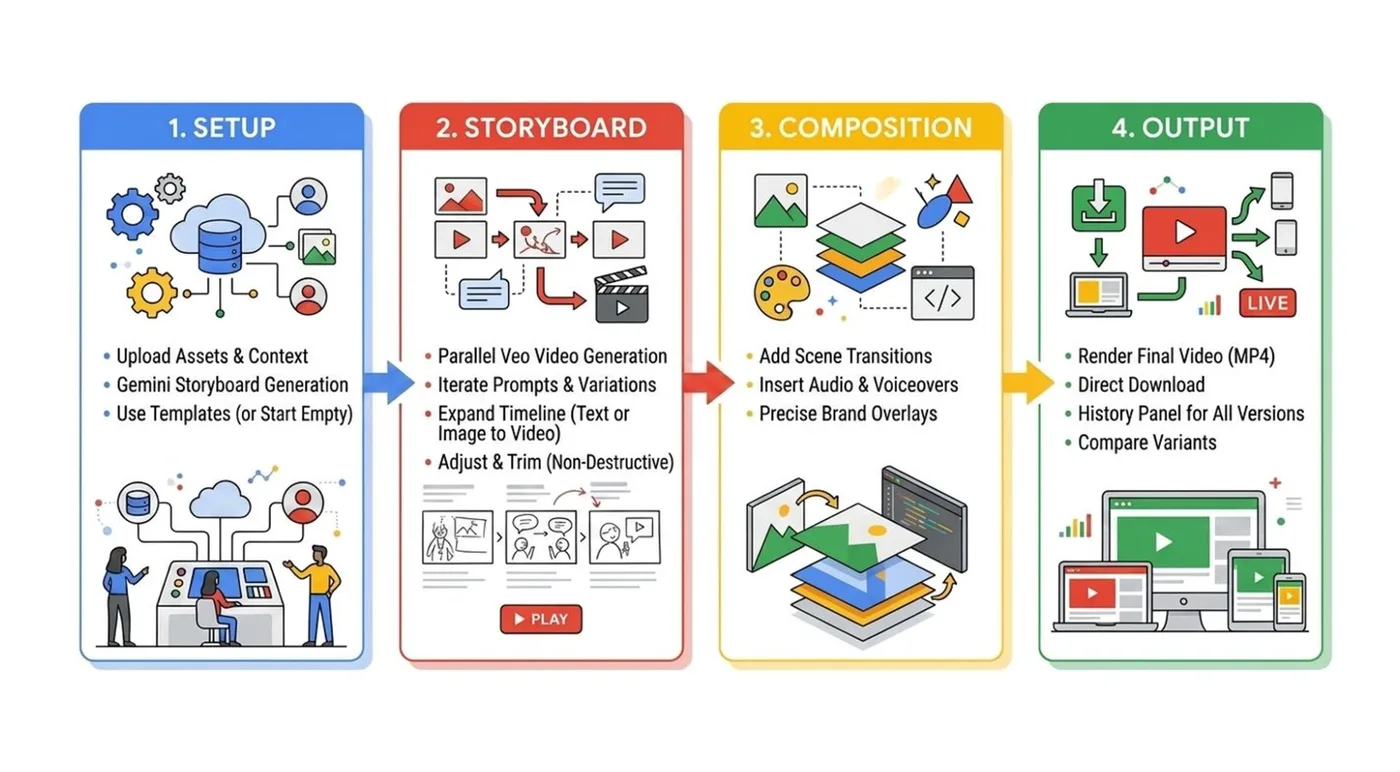
Google has released Scene Machine, an open-source tool that turns product or service images into video ads, shared by Floris van de Peppel of Google's Strategic Partnerships team. Built on Google Cloud and powered by Google AI, it offers a workflow to iterate, compose, and export video ads at scale, designed for advertisers who need creative variety for Performance Max and Demand Gen but want to avoid the time and cost of traditional video production.

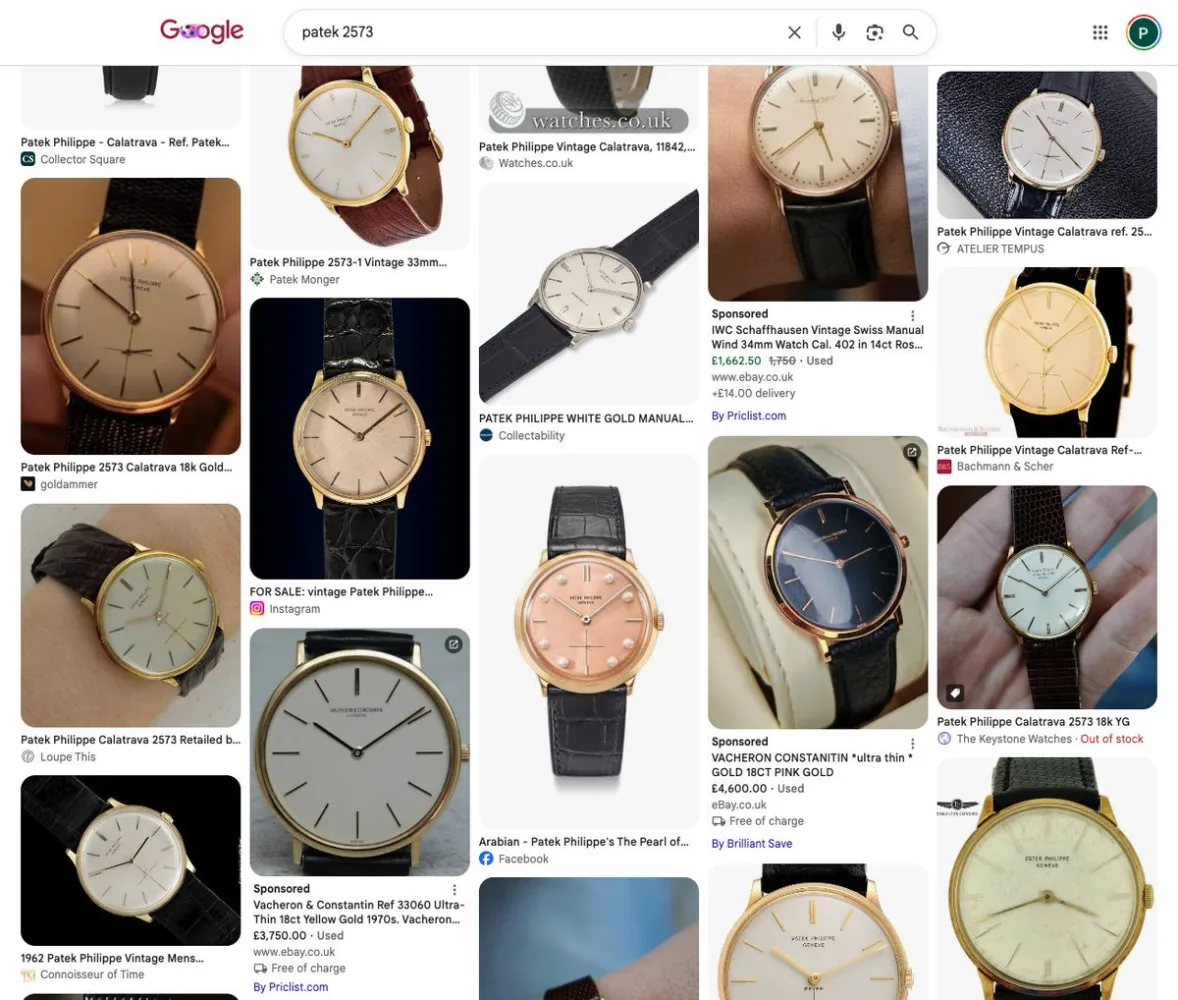
Y Combinator co-founder Paul Graham has publicly criticised Google for mixing ads into the middle of image search results, in a post that drew wide attention and was covered by Barry Schwartz. Graham said the practice degrades search quality: returning products from unrelated manufacturers for a watch query: and that he has switched to Bing for some searches.
Google is testing a sponsored card-style carousel in the Images tab of Search. The format presents sponsored products as a swipeable card carousel within image results, extending where ads appear beyond the standard text and Shopping placements and into image-led browsing.
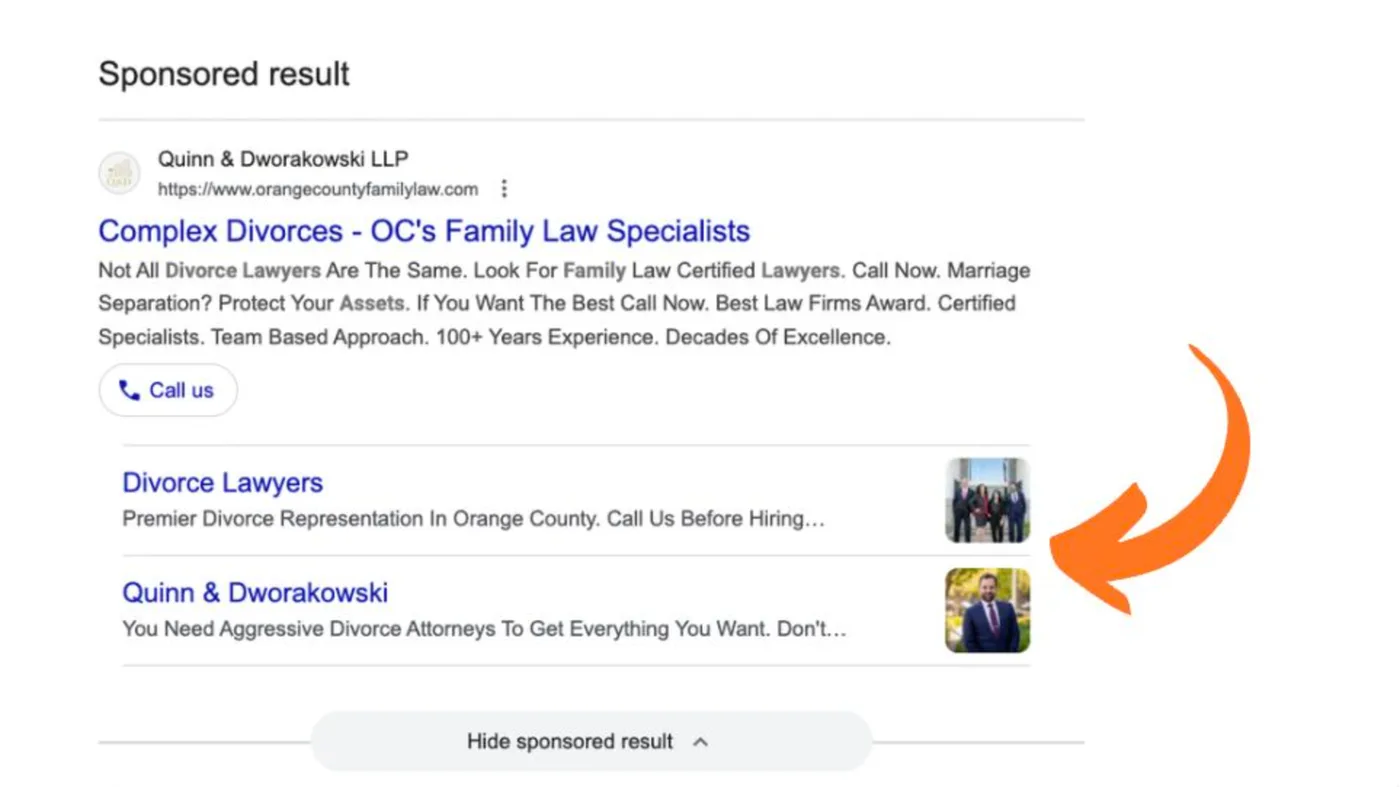
Anthony Higman has flagged a new Google Ads test placing image sitelink assets within Search ads. The format pairs sitelinks with images rather than the usual text-only links, giving the sponsored unit a more visual presentation beneath the main ad.
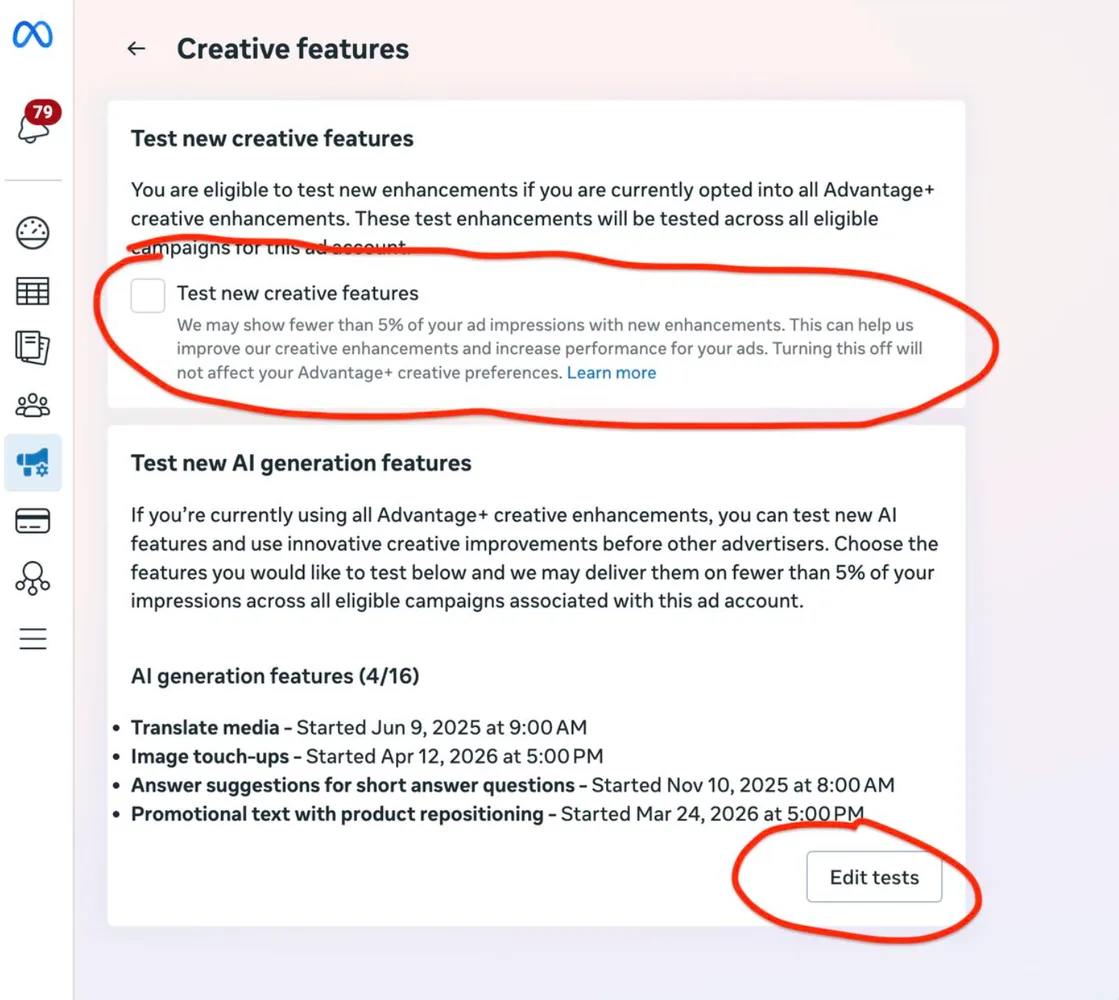
Peter Quadrel has flagged the steps to stop Meta from testing AI creative features on live ads without explicit approval. The path runs through Ads Manager → All Tools → Advertising Settings → "Test new creative features," where advertisers can toggle the setting off and uncheck individual enhancements.
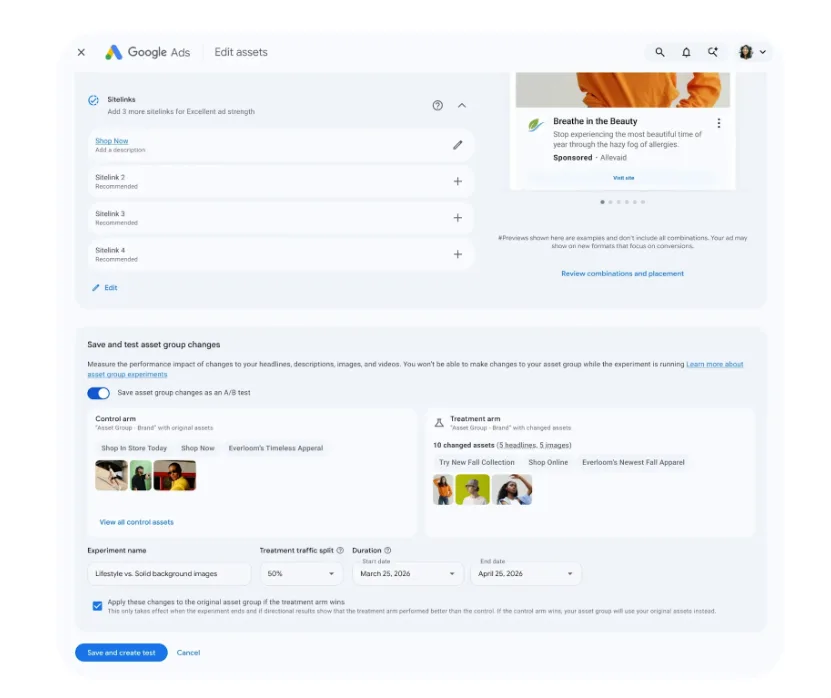
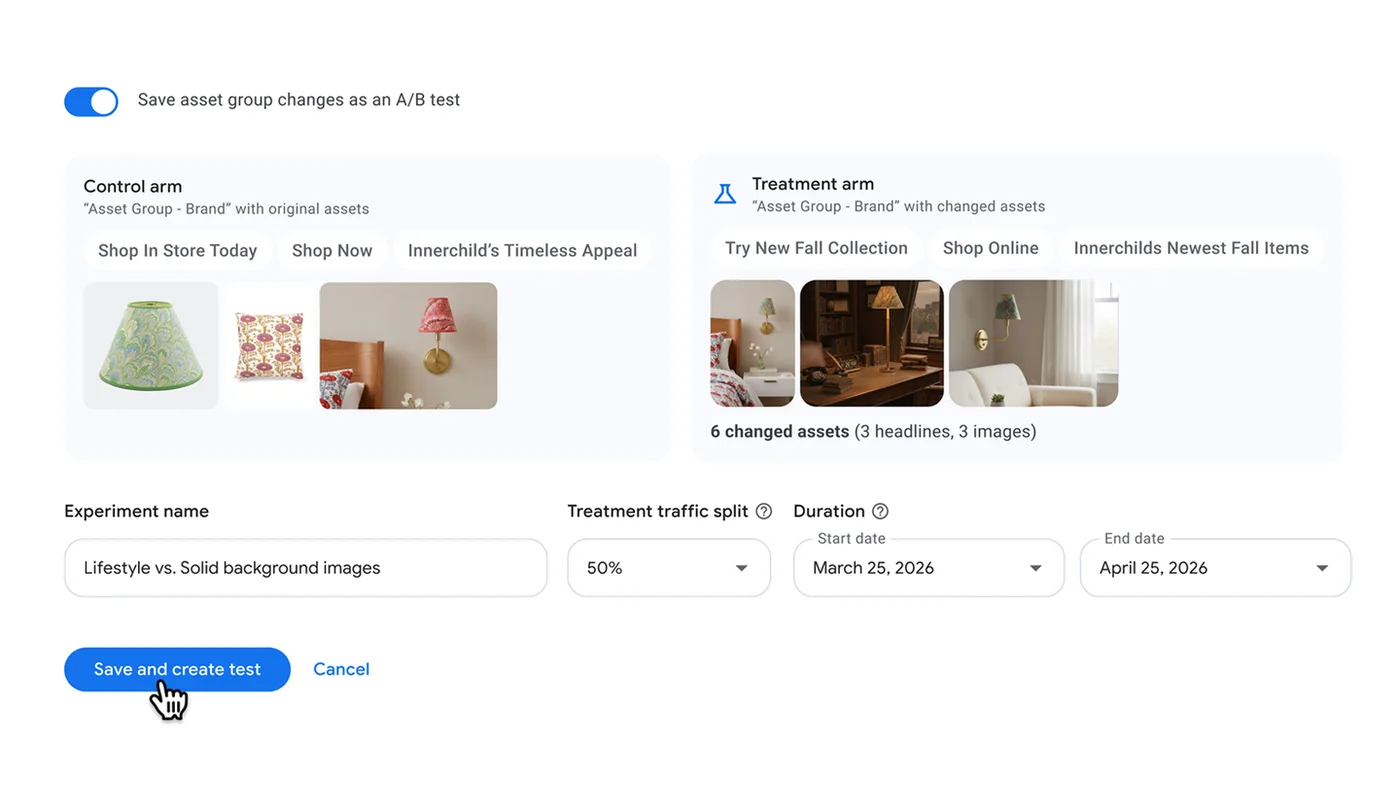
Creative insights and experimentation capabilities land inside Asset Studio with three structural additions: One-Click "Save and Set Experiment" turns any PMax ad or asset group edit into a structured A/B test automatically; Creative Capabilities in Ask Advisor provide real-time asset-performance diagnostics and thematic-coverage analysis; and Asset Optimisation for Demand Gen delivers proactive AI-driven nudges, asset suggestions, and one-click AI fixes for issues like logo placement, video trimming, and aspect ratio coverage.
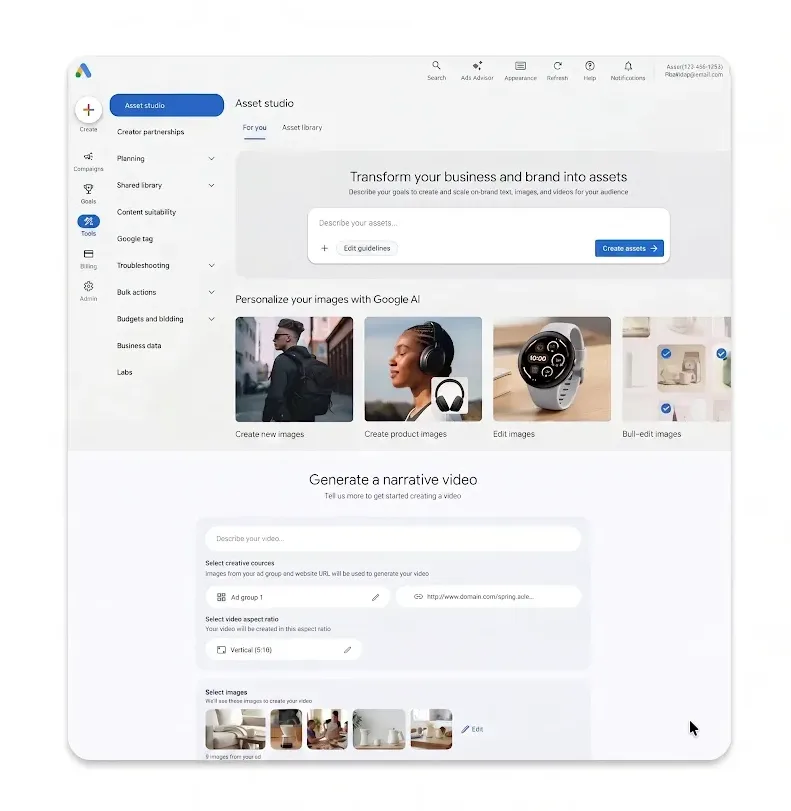
Multimodal Video Creation lands inside Asset Studio, letting advertisers go from creative brief to storyboard to final video production in a single workflow: powered by Gemini, Veo, and Nano Banana. The capability streamlines Google's AI models into a single workspace for ideating, storyboarding, and generating video campaigns.
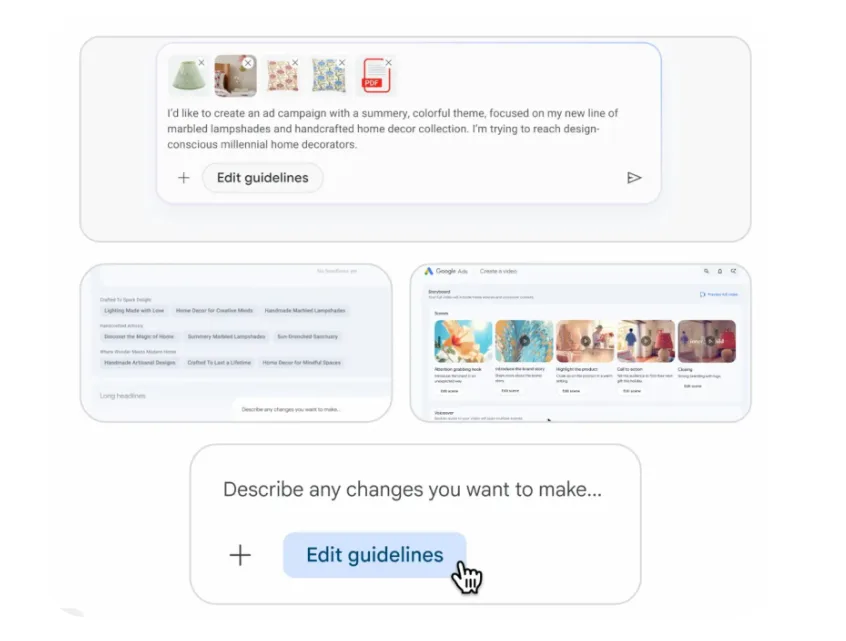
Asset Studio is launching as the centralised creative hub inside Google Ads: bringing existing brand assets together, generating new creative with Google AI, and enabling one-click testing. The 2026 expansion includes four structural additions: Brand Guidelines (PDF Upload): upload free-form marketing briefs and PDFs to act as a permanent anchor for the brand's style, colour, and business info; Google Assets ingestion from Merchant Center, YouTube Studio, and Pomelli; Third-Party Assets integration with Adobe and Canva via the Google Ads API; and Asset Generation in the Google Ads API for programmatic integration into custom campaign platforms.
Google's cited stat: advertising creative drives nearly 49% of incremental sales and remains the most critical driver of advertising effectiveness (Circana research).
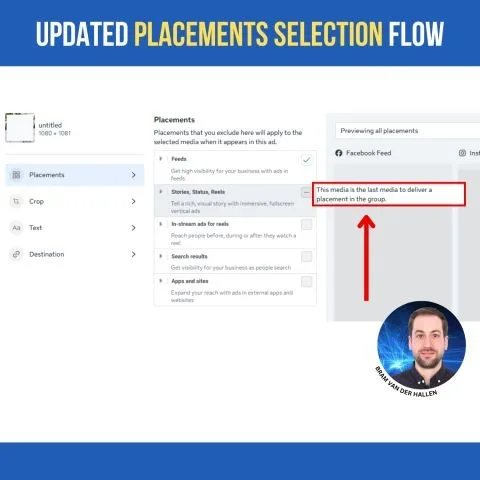
Bram Van der Hallen has flagged an important Meta image-asset update: when uploading multiple image assets in the refreshed Meta Ads interface, the system handles asset grouping and rotation differently than the previous interface: with implications for advertisers who have been running structured creative tests across image variants.
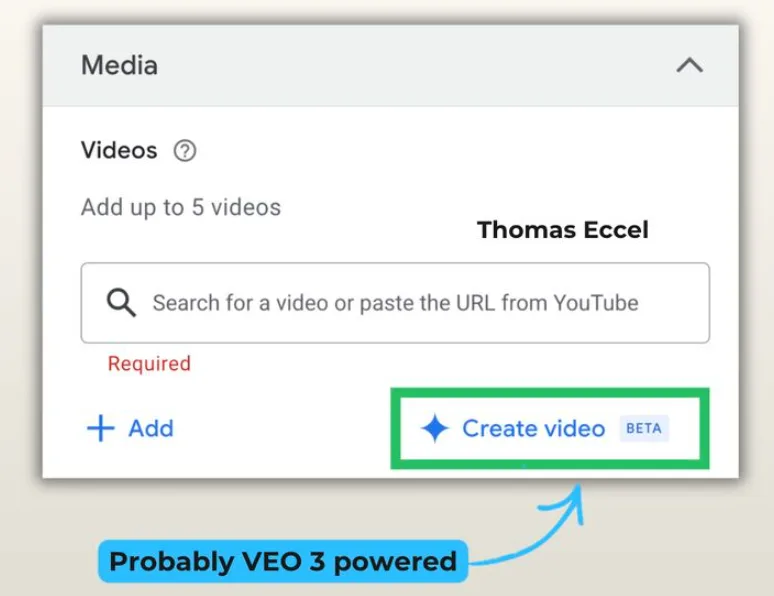
Thomas Eccel has spotted an AI video generator CTA appearing in Demand Gen campaigns as a beta feature: a "Create video" button in the campaign creation flow that lets advertisers generate AI-powered video assets directly in Demand Gen without going through external production tooling. The feature is in beta and not yet broadly available.
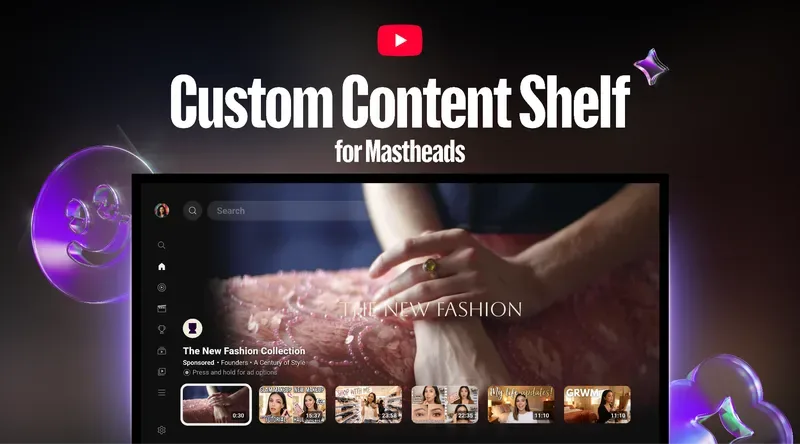
YouTube has run its annual Brandcast 2026 advertiser event, with Google publishing the full set of advertiser-facing announcements alongside the consumer-facing Brandcast highlights. The announcements span three structural pillars.
Google has released Google Ads API v24.1 on 13 May, with five practitioner-relevant additions. Mobile Device Platform segmentation lets queries segment campaign and customer reports by iOS or Android: a feature previously requiring workarounds for bid adjustments and OS-level performance analysis.
Ahead of Google Marketing Live, Google has published practitioner guidance on getting more value from ad creatives inside Google Ads, surfaced by Ginny Marvin (Product Liaison). The four recommendations cover the full creative lifecycle.
Anthropic has expanded the Claude Platform with new connectors covering tools that creative professionals already use: Blender, Autodesk Fusion, Adobe Creative Cloud apps, Ableton, Splice, Affinity by Canva, SketchUp, and Resolume. The connectors give Claude direct access to the design, audio and 3D-modelling environments where creative production happens, rather than only the file outputs of those workflows.
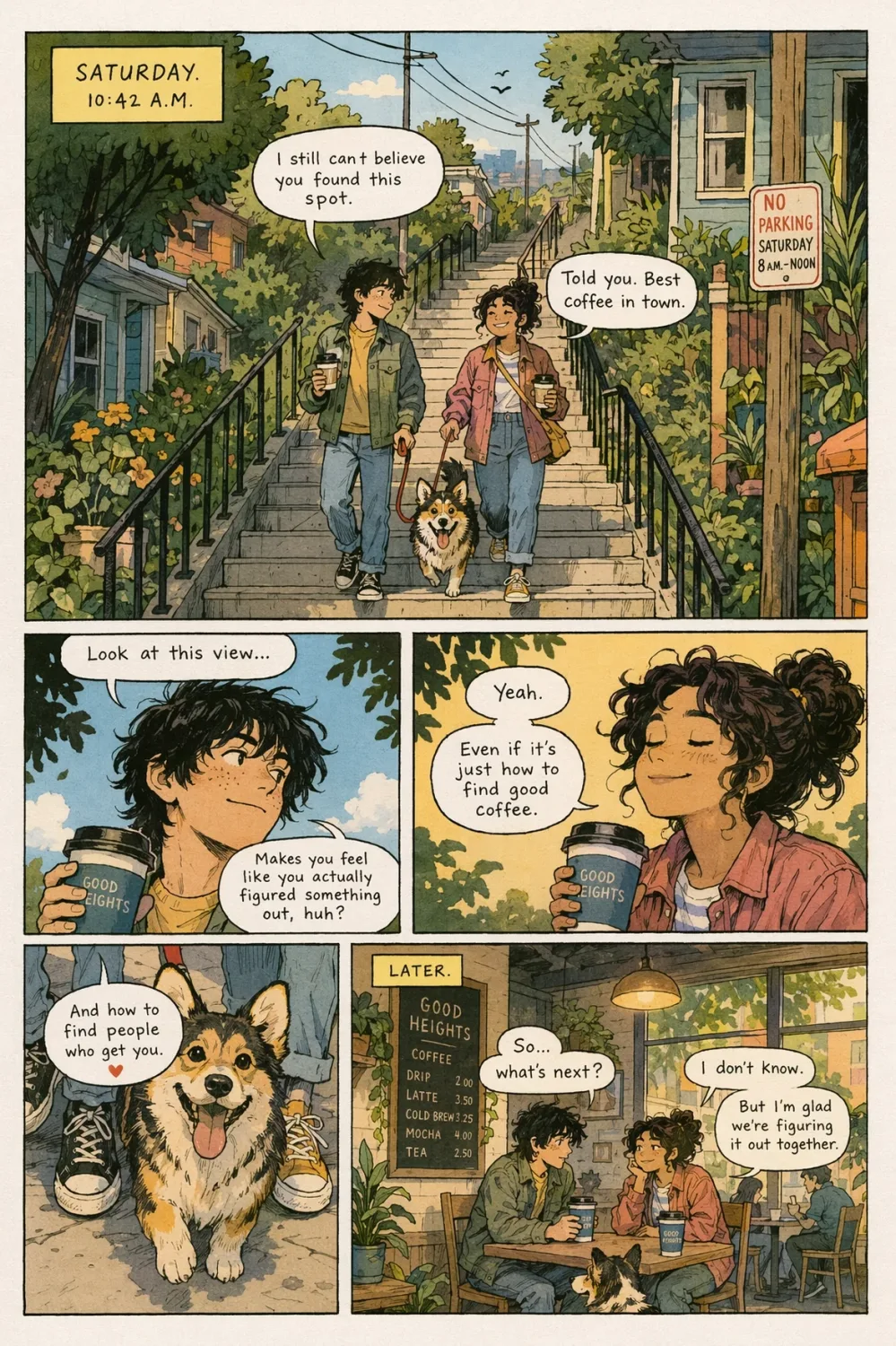
OpenAI has released ChatGPT Images 2.0, a new image model positioned as a step change in instruction following, object placement and relationships, and dense text rendering across aspect ratios. The model handles complex visual tasks with less prompting required, drawing on expanded visual and world knowledge to fill in missing details.
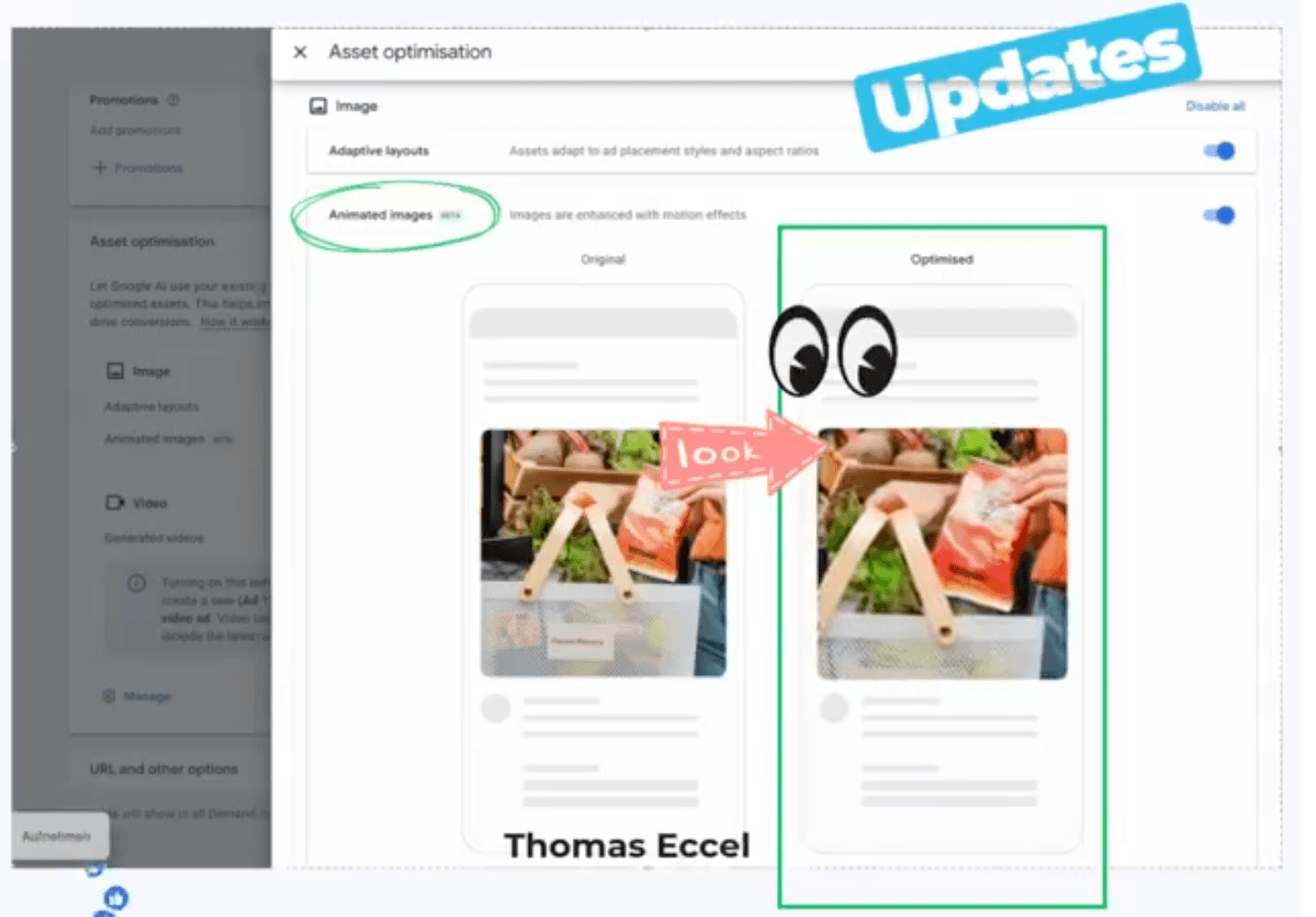
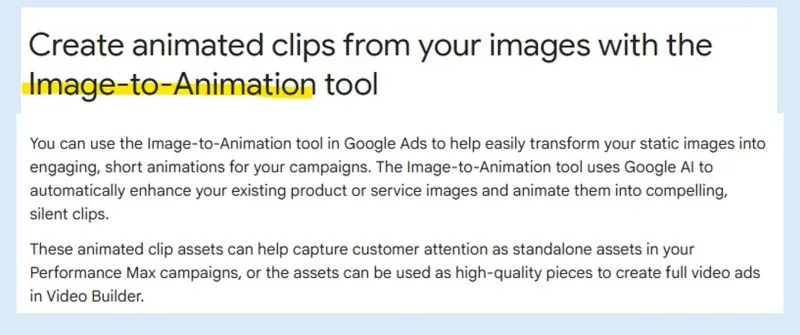
Dario Zannoni has spotted a new Image to Animation tool in Google Ads, designed to convert static product images or banners into 4-second animated clips without sound. The feature is positioned as a lighter-weight version of the existing Create video from images tool: narrower in scope (single scene, no audio) but easier to deploy for advertisers who need simple video assets quickly.
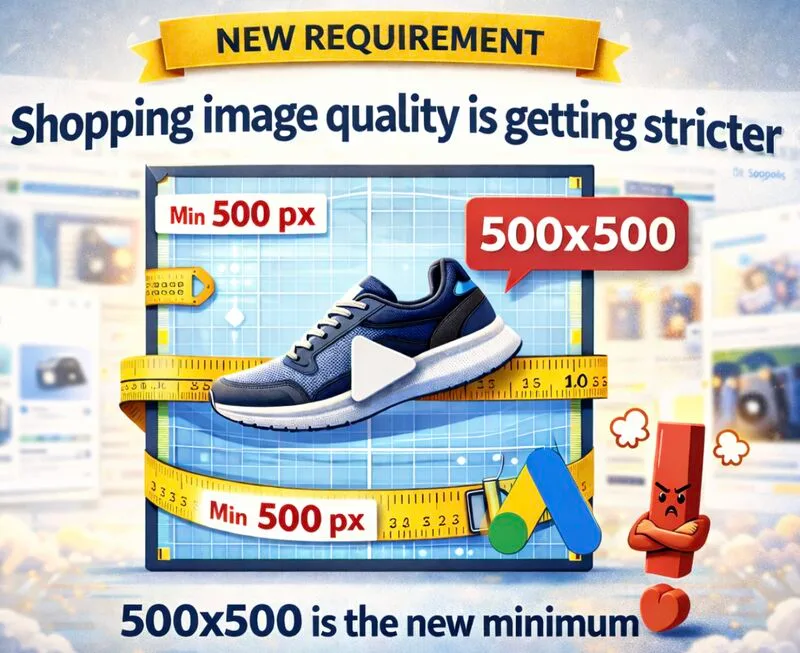
Arpan Banerjee has flagged that Merchant Centre is already showing warnings for non-compliant product images under a new label: "Image too small for upcoming enforcement." From 31 January 2027, all product images must be at least 500×500 pixels.