What changed
For merchants, the implication is that agentic shopping coverage depends on platform relationships and access conditions; the dispute alone does not establish a verified campaign-revenue effect.
List the external services a proposed agent workflow depends on and check their permitted access routes. Build an explicit handoff where a customer needs to complete a step directly. Keep blocked access distinct from model quality: changing the prompt does not resolve a retailer’s decision about how its service may be used.
The report was published locally on 20 September, even though its machine timestamp crosses into 21 September in UTC. The earlier visible publication date is retained here. More importantly, the reported block illustrates a dependency on the retailer’s rules and technical access decisions, not simply a limitation that an advertiser can solve through a more capable model.
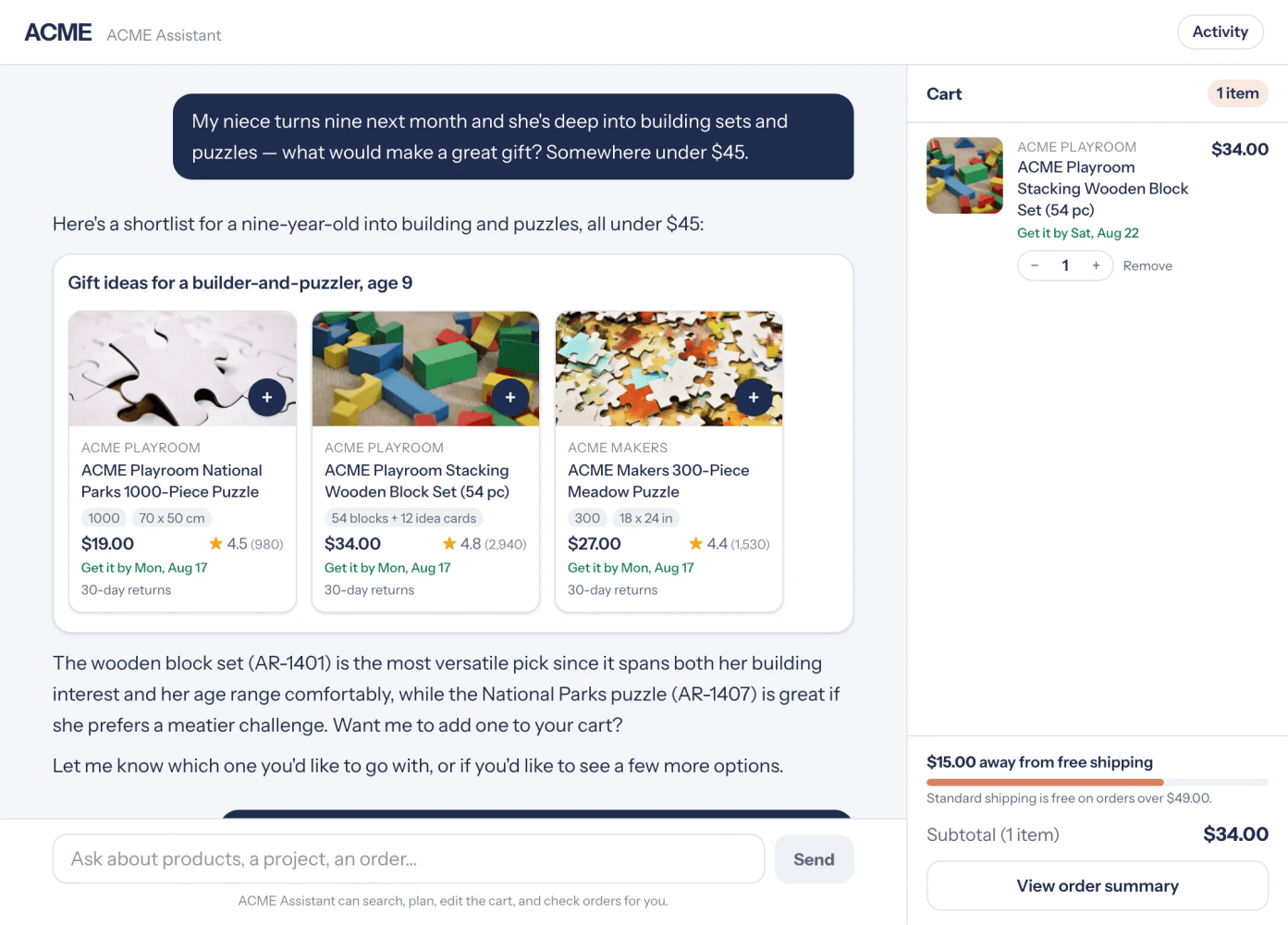
When assessing an agent journey, distinguish permitted product discovery from permitted account access and transaction execution. Different steps may have different supported routes. Design a fallback that clearly tells the customer when they must continue directly with the retailer, and avoid promising that the assistant can complete a purchase everywhere. For a marketing plan, this means evaluating the actual reachable journey rather than treating agent compatibility as a universal property of an ecommerce site.
THE COLLECTIVE PERSPECTIVEWhy it matters for advertisers
Retailer permission is a practical constraint on agent-led shopping. A capable assistant still cannot be assumed to have reliable access to every storefront, making unsupported automation a fragile basis for a customer journey.