INDEPENDENT MINDS. SHARED AMBITION.
THE COLLECTIVE NEWSROOM

Paid media news and updates.

The changes that matter to advertisers, with the sources behind them and a practical next step. Pick a topic and catch up at your own pace.

538 updates
Newsfeed display mode

Anthropic

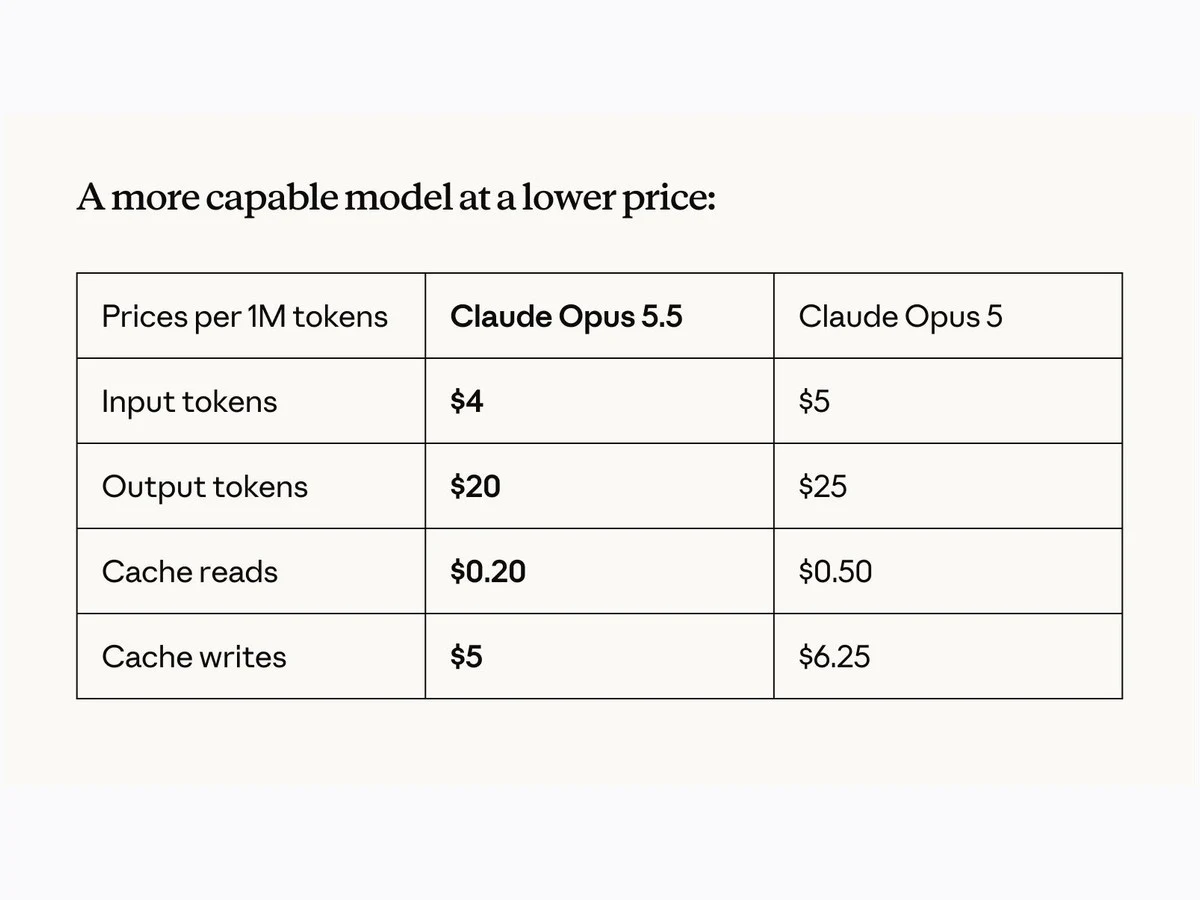
Claude Opus 5.5 changes the cost and capability trade-off

Anthropic announced Opus 5.5 on 22 September, with changes to capability, pricing and effort controls. Marketing teams should compare it on a repeatable task such as analysing an export or preparing a source-backed brief, including review time and retries in the cost.

OpenAI

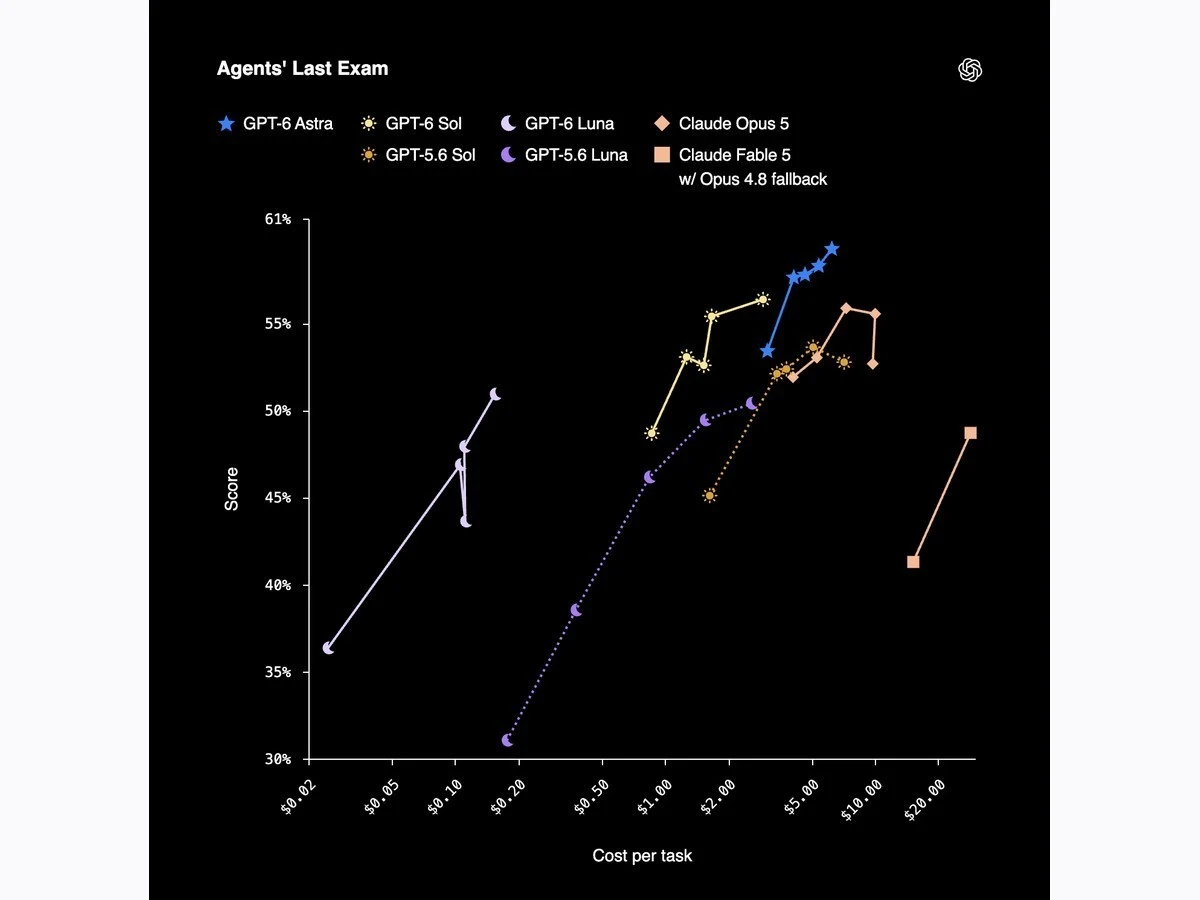
GPT-6 Sol and Luna broaden the options for everyday work

OpenAI’s announcement makes Sol and Luna available through ChatGPT Work, Codex, and the API, with access varying by plan; it also distinguishes these surfaces from Chat. For marketers, compare the models on repeatable analysis and production tasks, measuring factual quality and review effort alongside cost.

Meta Ads

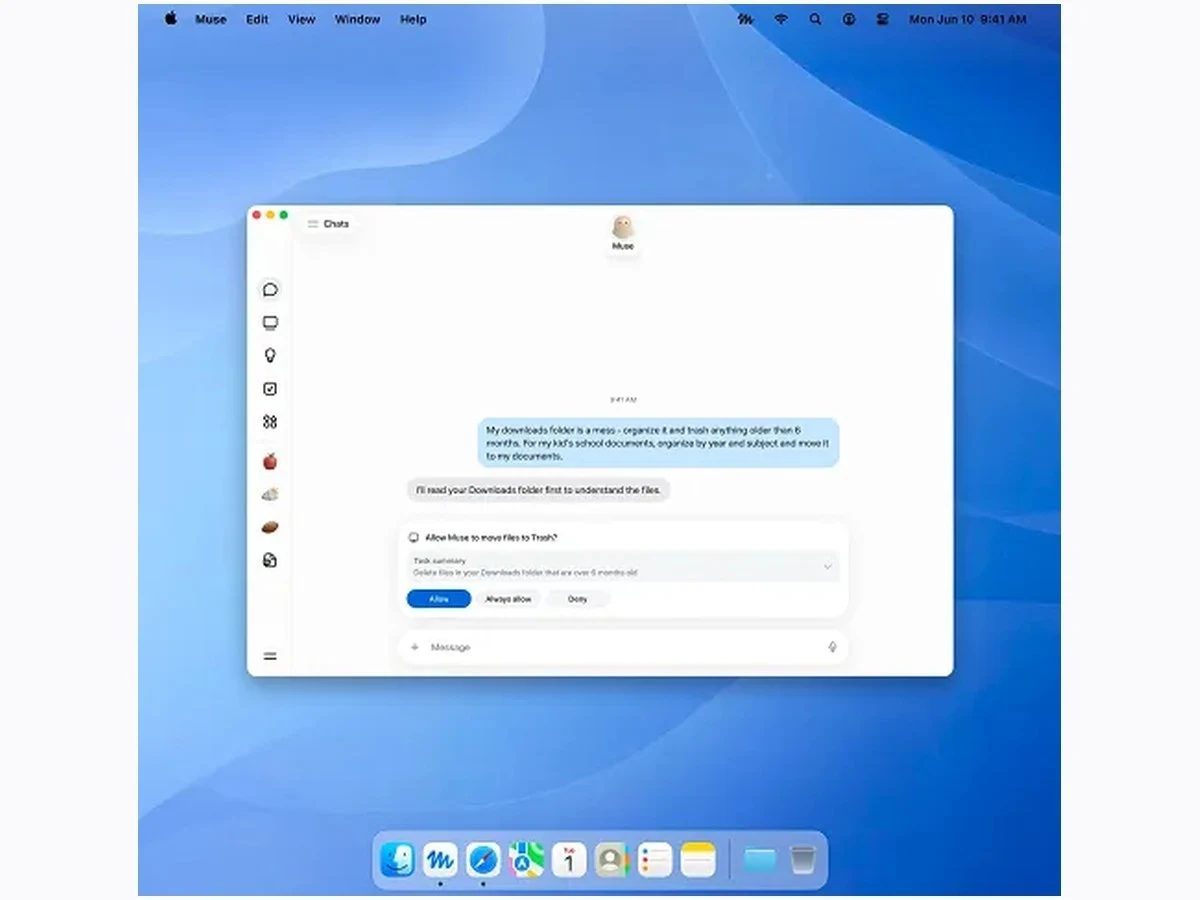
Muse for Mac and connectors: evaluate a concrete workflow

Coverage of Muse’s desktop and connector expansion provides a practical productivity reference beyond the earlier general agent demonstrations. Start with a bounded task such as preparing research or gathering reporting inputs, then inspect access permissions and the resulting work.

Google Ads

Product reviews can be submitted through Merchant API

Google’s current guidance supports product-review uploads through Merchant API. Teams maintaining feeds can assess whether this reduces manual handling, while checking review-programme requirements and validation. Documentation coverage does not by itself establish that the underlying capability launched this week.

Google Ads

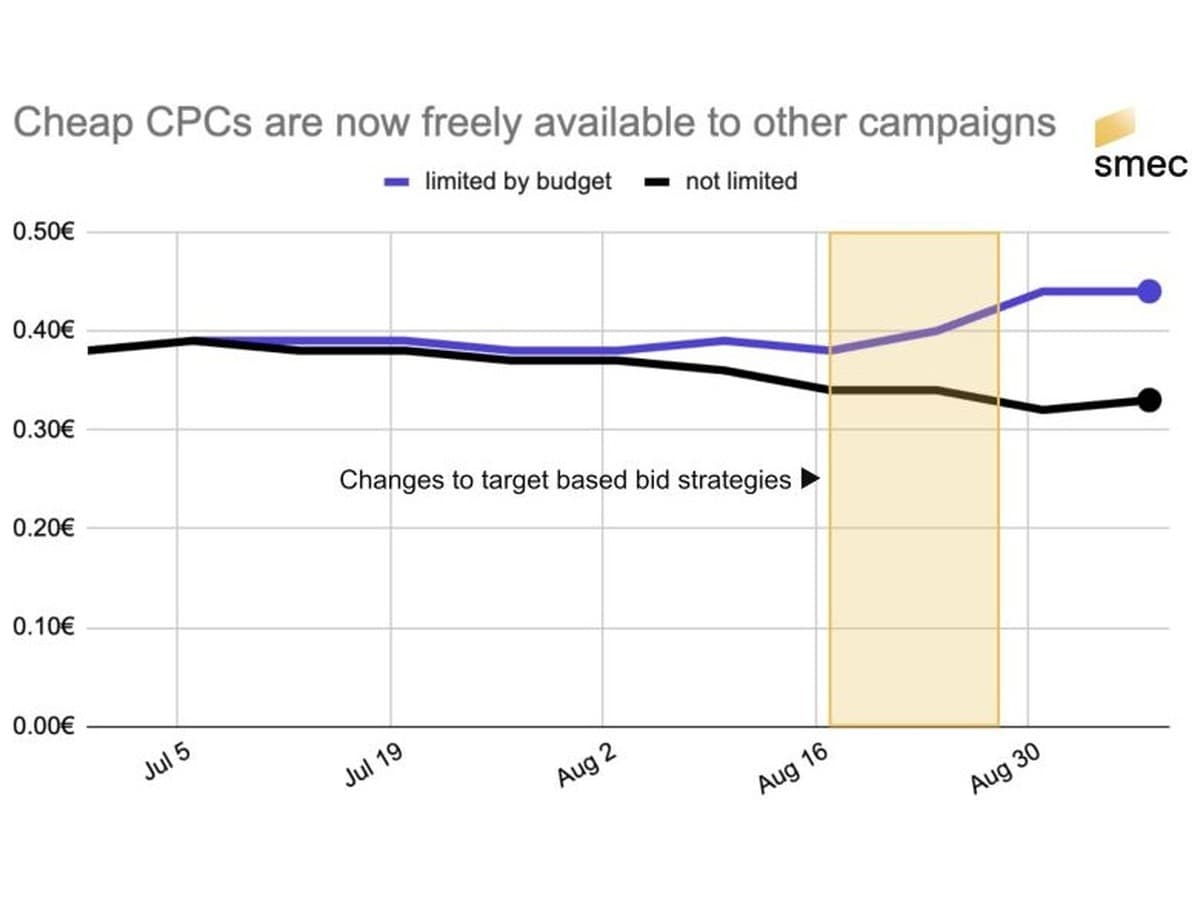
After August’s bidding change, segment before judging CPCs

Mike Ryan’s follow-up analysis reports diverging CPC trends between budget-limited and non-limited campaigns after Google’s change to target-based bidding. Google dates the rollout to 17–27 August, so this is new analysis of an earlier change.

Google Ads

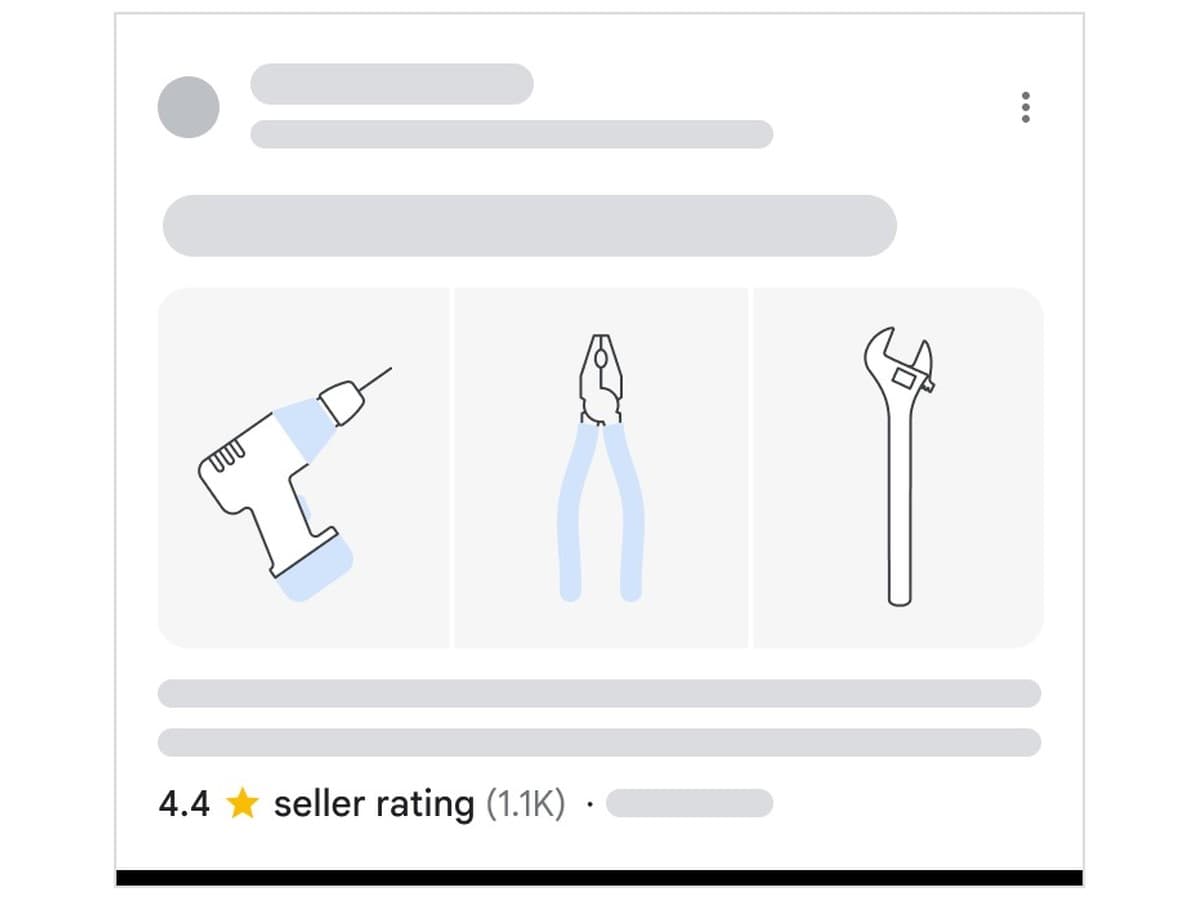
Store ratings: check the actual eligibility rules

Google’s guidance describes review volume, country coverage, a rolling 24-month window and the rating threshold for ads. Eligibility is more nuanced than a universal “100 reviews unlocks stars” rule. Check the current requirements before building a review-collection plan; this is a reference, not a verified new policy.

Google Ads

Invalid leads: strengthen the form as well as the campaign

Google’s guidance recommends safeguards including CAPTCHA, double opt-in and server-side validation. Review where invalid submissions enter your process, then measure qualified leads rather than celebrating a cheaper form fill. These are practical safeguards, not a promise that Google’s filters or your form will eliminate all fraud.

Google Ads

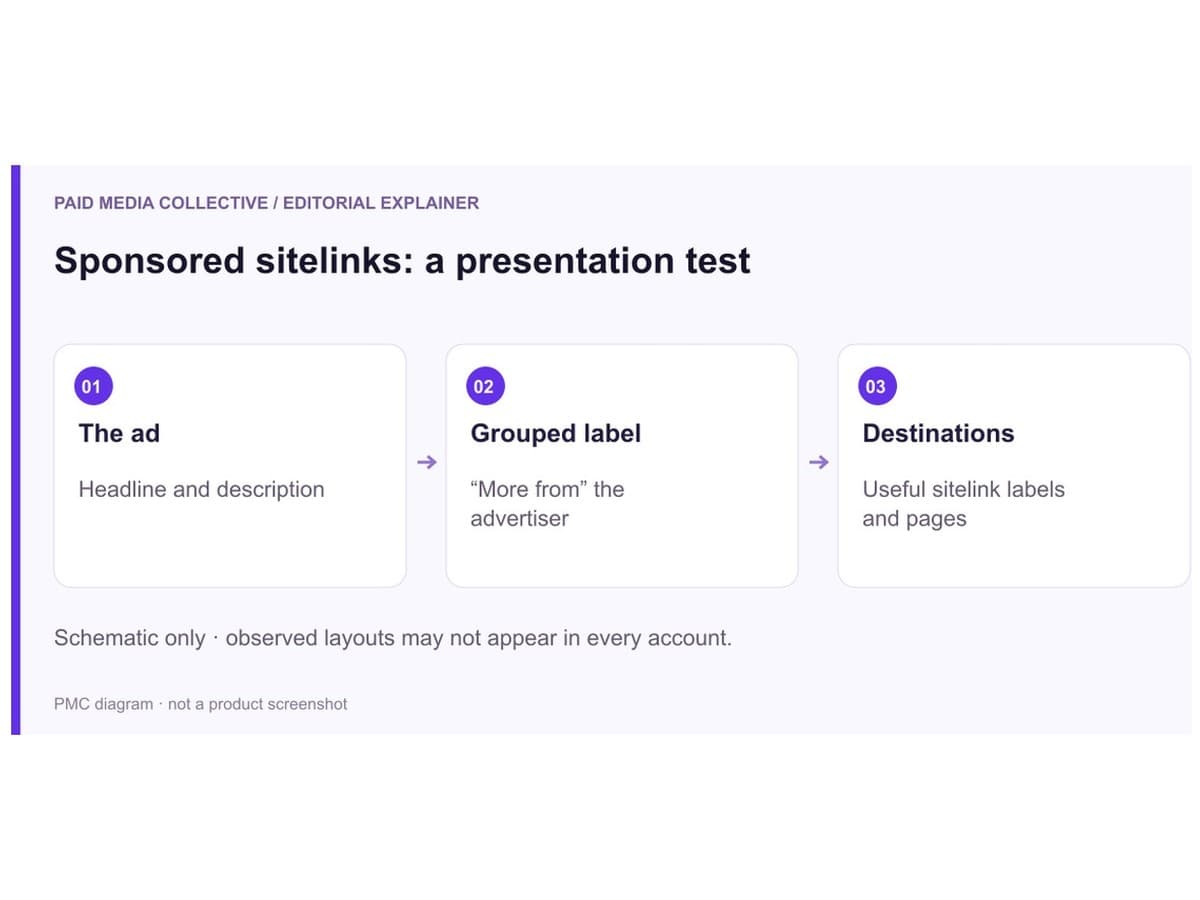
Sitelinks: breadcrumbs and grouped advertiser links spotted

Sachin Patel reports variations in sponsored sitelinks, including URL breadcrumbs and a grouped “More from” presentation. One concise observation is enough: these are display tests, not separate product launches. Keep sitelink labels and destinations useful without assuming that a particular layout will persist.

Microsoft Advertising

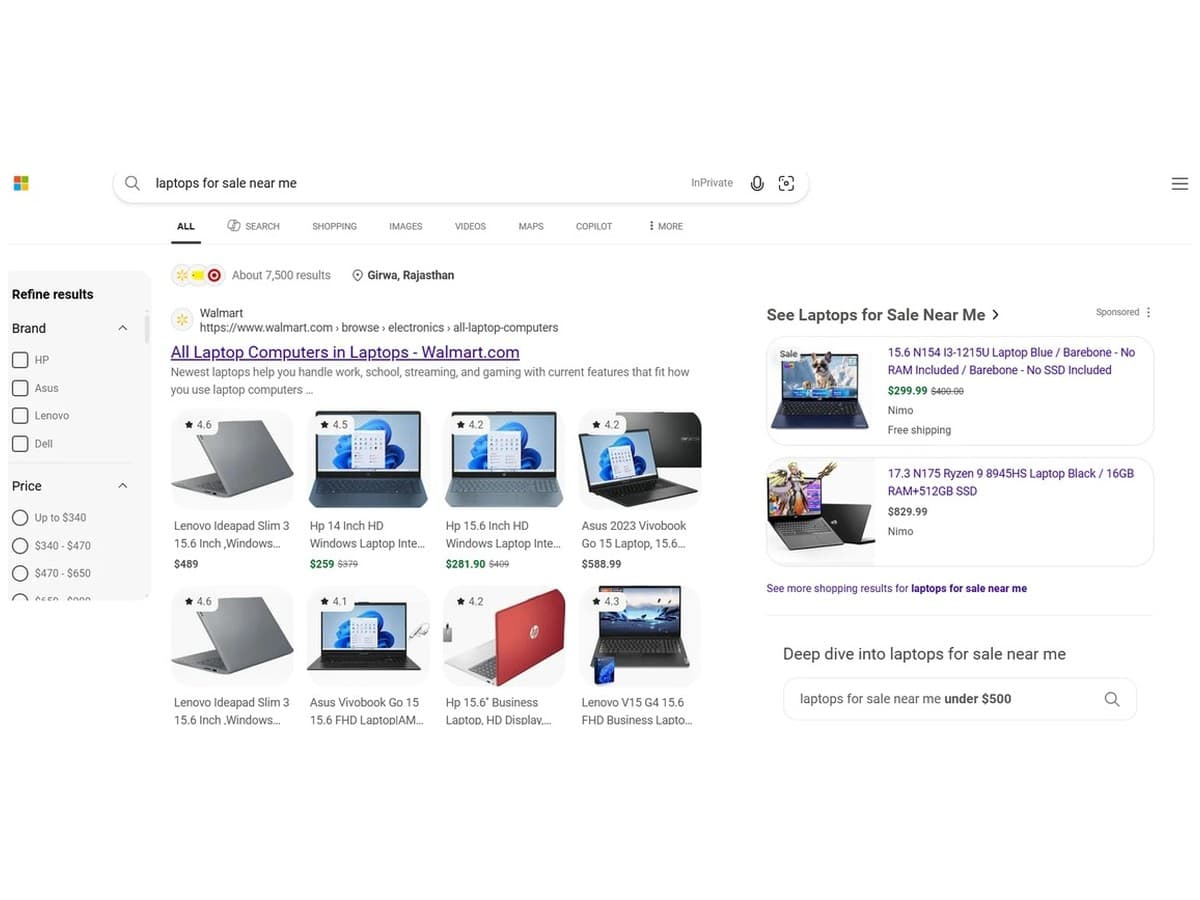
Bing Shopping filters: several placements, one watchlist item

Sachin Patel has documented shopping-filter tests in the sidebar and above shopping results. They may change how users narrow their options, but there is no established campaign-control change or conversion uplift. Review your own results pages and product data rather than treating each layout variant as a separate launch.

ChatGPT Ads

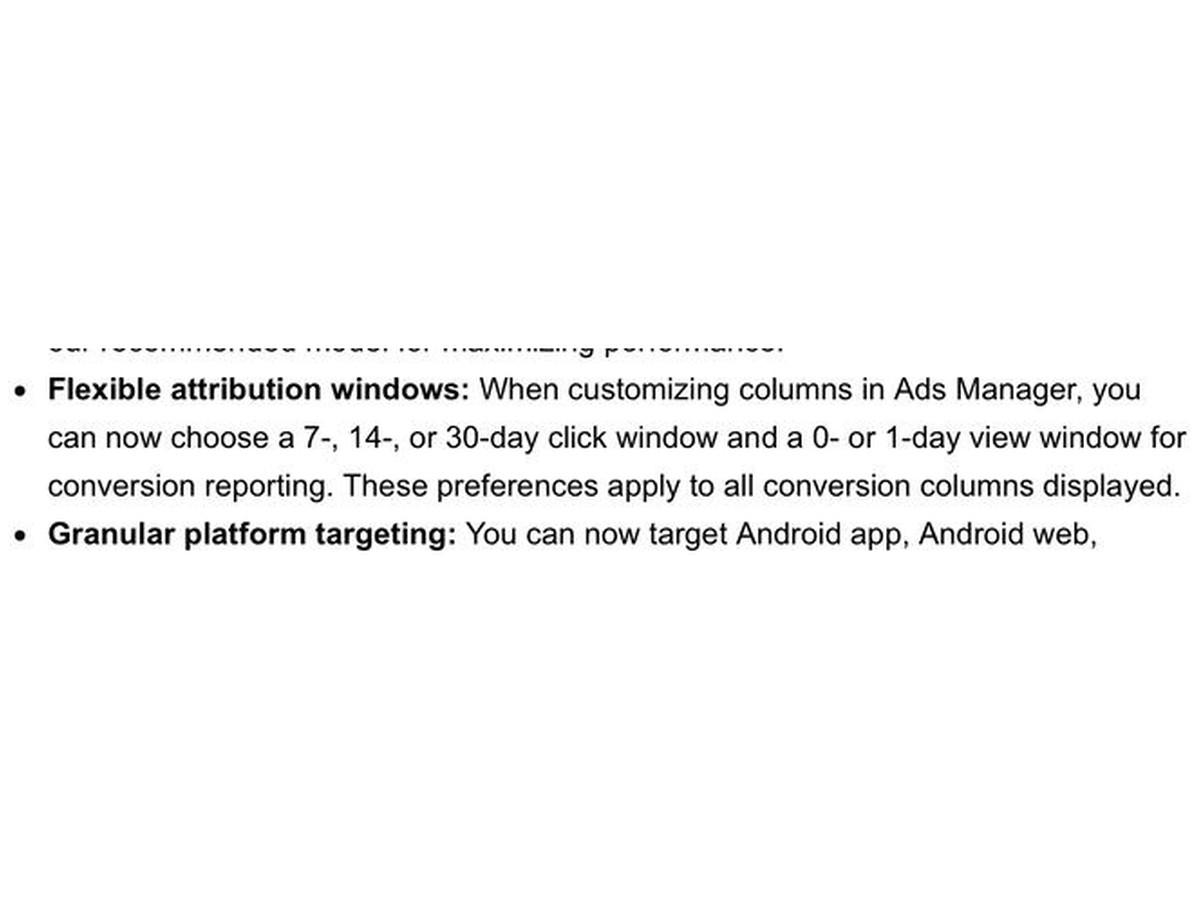
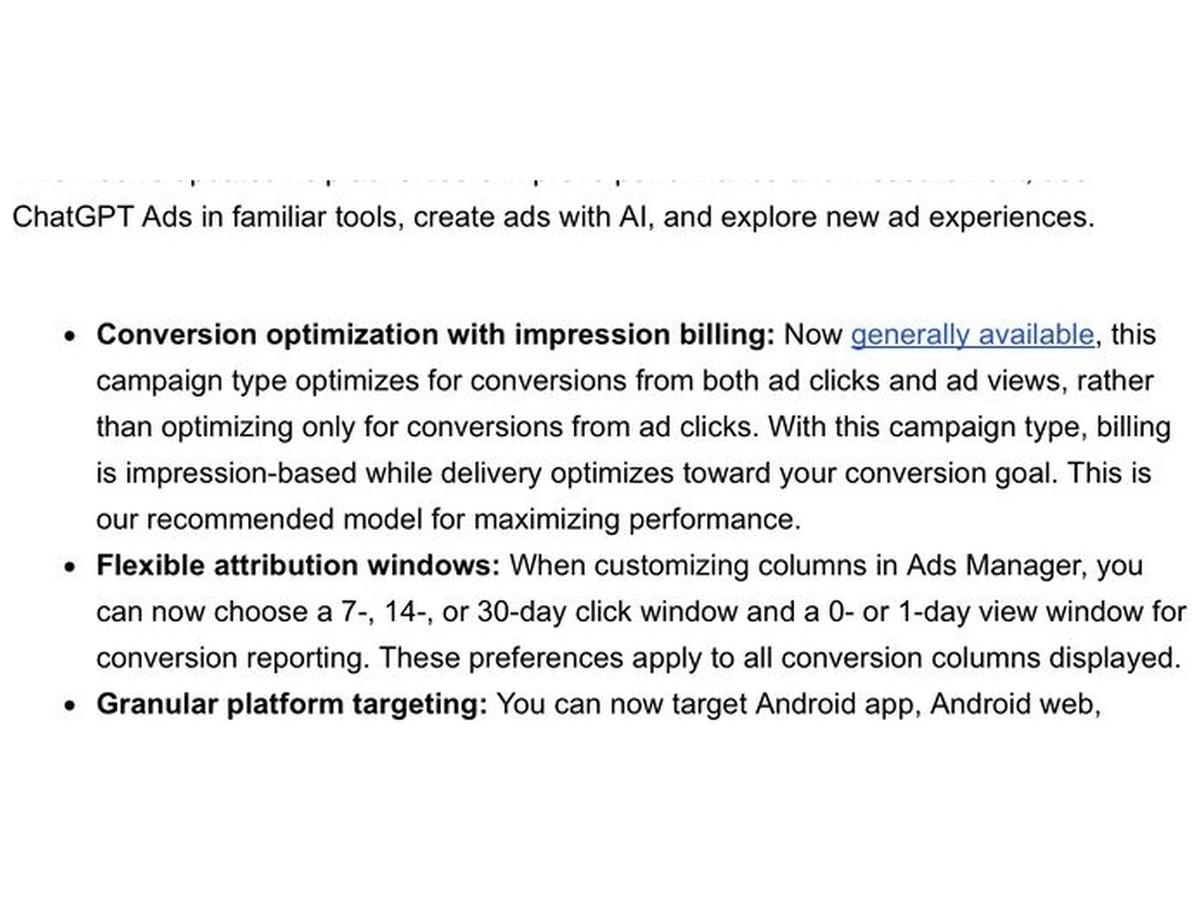
Conversion optimisation changes the objective, not the billing unit

ChatGPT Ads documentation supports conversion-optimised campaigns billed on impressions. A standard conversion event is required; custom events are not supported for this setup. Billing model, objective and event cannot be changed after creation, so switching requires a new or cloned campaign.

ChatGPT Ads

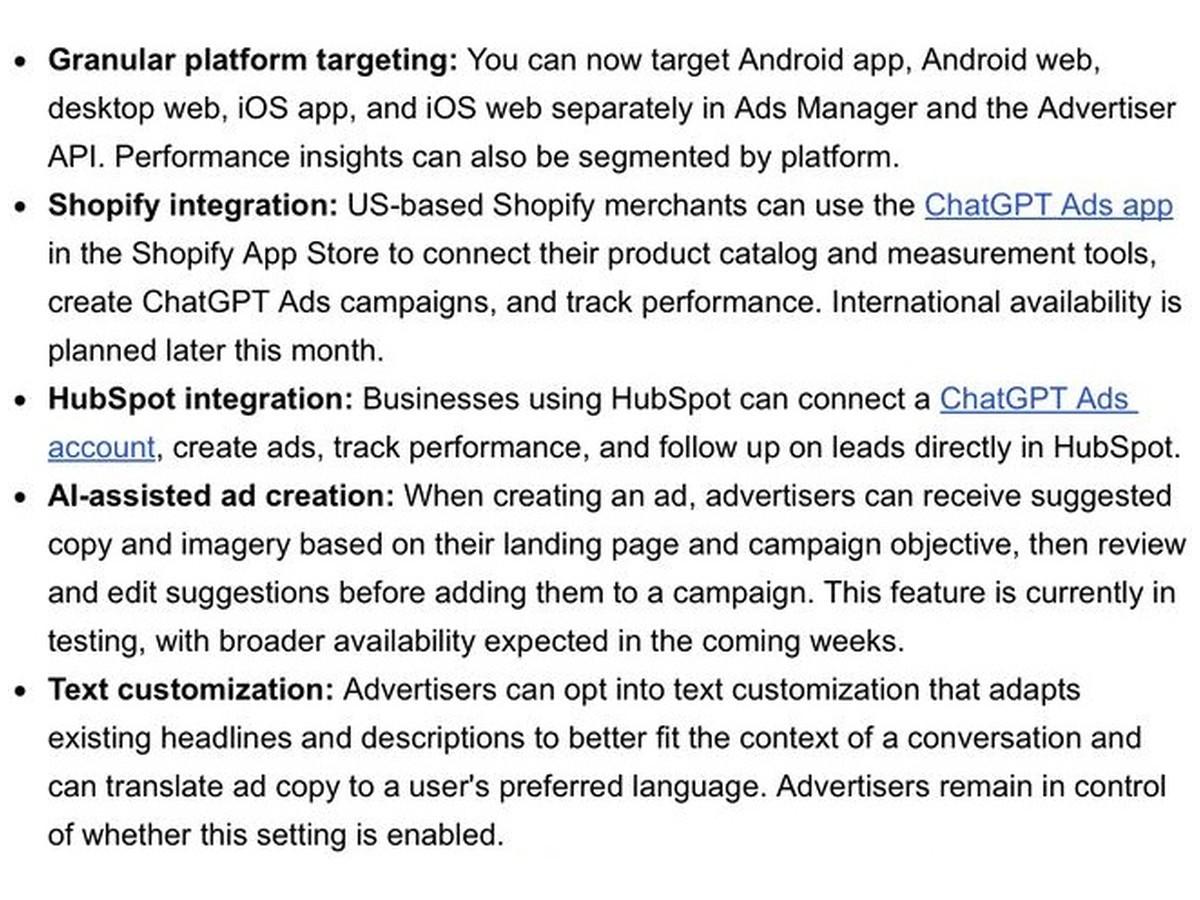
Creative assistance and platform targeting add practical controls

OpenAI describes suggested copy and imagery in Ads Manager, plus optional text adaptation and translation. Review the output against your claims and brand requirements. Its campaign documentation also confirms separate Android app, Android web, desktop web, iOS app and iOS web targeting and reporting. Segment first, then decide whether different delivery controls are justified by performance.

ChatGPT Ads

HubSpot and Shopify bring ChatGPT Ads into existing workflows

OpenAI confirms HubSpot account connection, ad creation, reporting and lead follow-up. Its Shopify app is available to US merchants, with expansion to supported international advertising markets announced for 23 September. Check eligibility and tracking before activating campaigns. Integrating a channel into your existing tools should simplify the workflow, not remove the need to reconcile the resulting data.

ChatGPT Ads

Sponsored Agents: the US test now has an official explanation

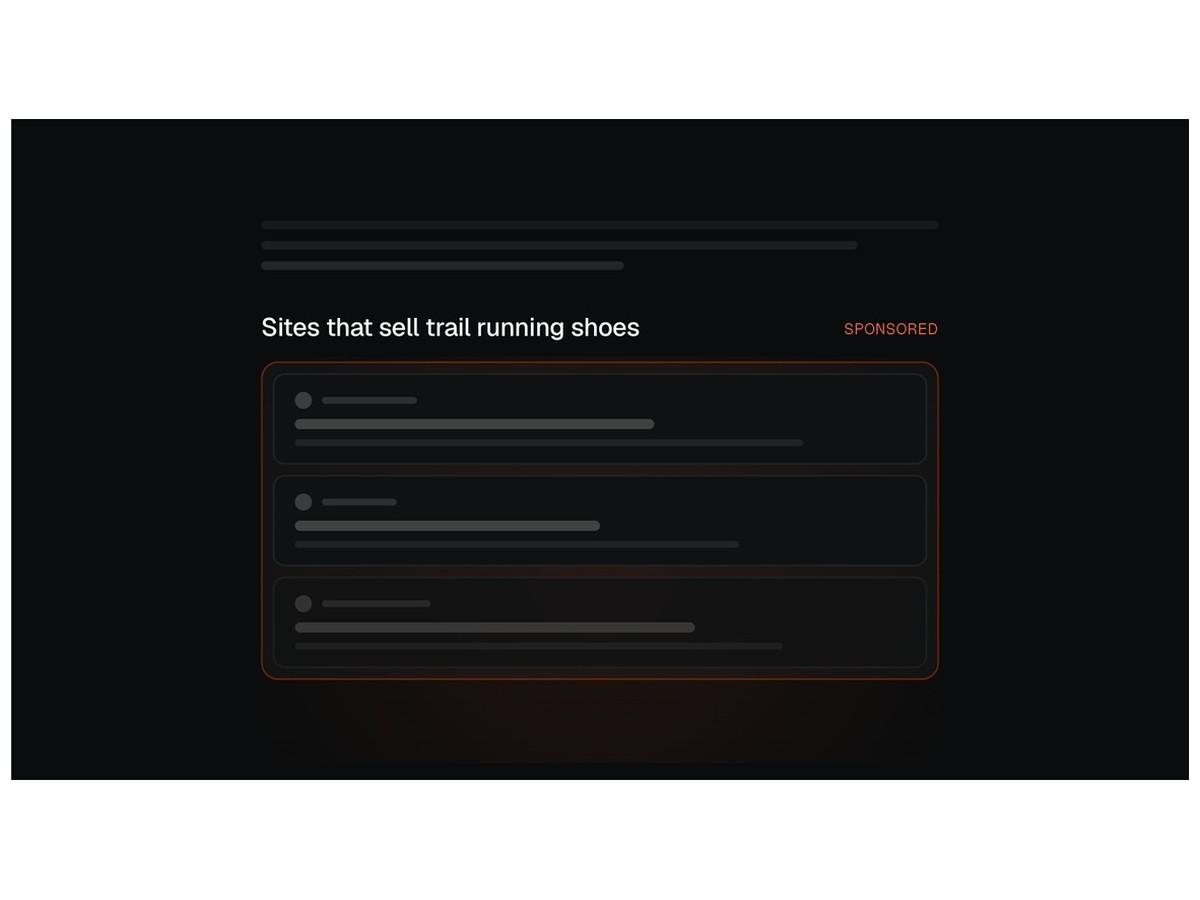
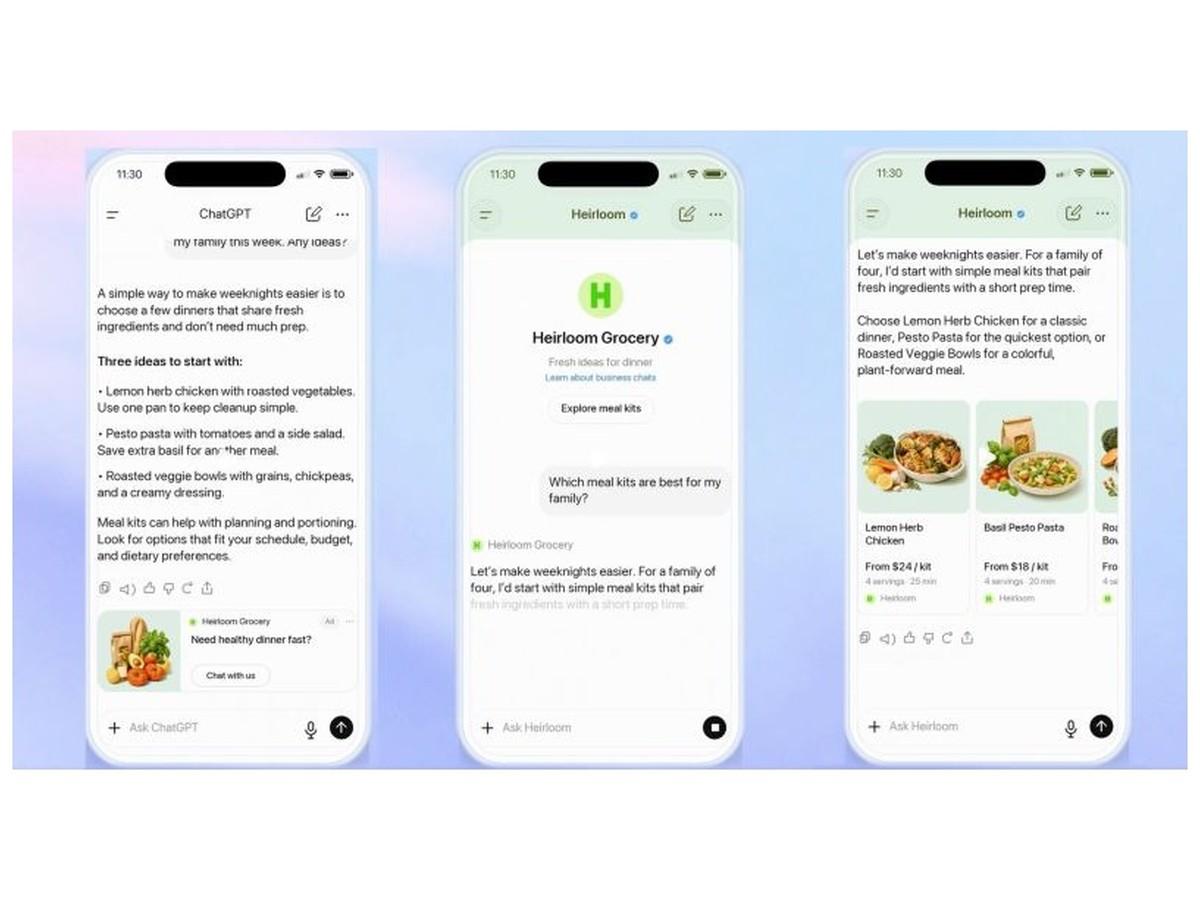
OpenAI’s 16 September announcement confirms Sponsored Agents testing with selected US advertisers. After clicking an ad, a user can enter a clearly labelled business-sponsored conversation, separate from ChatGPT’s independent answers and the original conversation. This updates our earlier conversational-commerce coverage. For prospective testers, product-answer quality and the hand-off to the website deserve as much attention

Google Ads

UCP checkout adds cart transfer and testing tools

Google’s Merchant Centre integration hub is adding cart transfer to merchant sites and enhanced checkout-flow testing. The capabilities are rolling out gradually in the US; Australia and Canada are scheduled to follow early next year. Analytics is described as coming later.

Gemini

Gemini Live: test a real briefing workflow

Google announced Gemini 3.8 Live and Extended Thinking on 15 September, with an update on 17 September. Availability varies by surface and subscription, and the announcement describes Workspace business access as coming soon.

OpenAI

A practical Muse experiment, with the iteration left visible

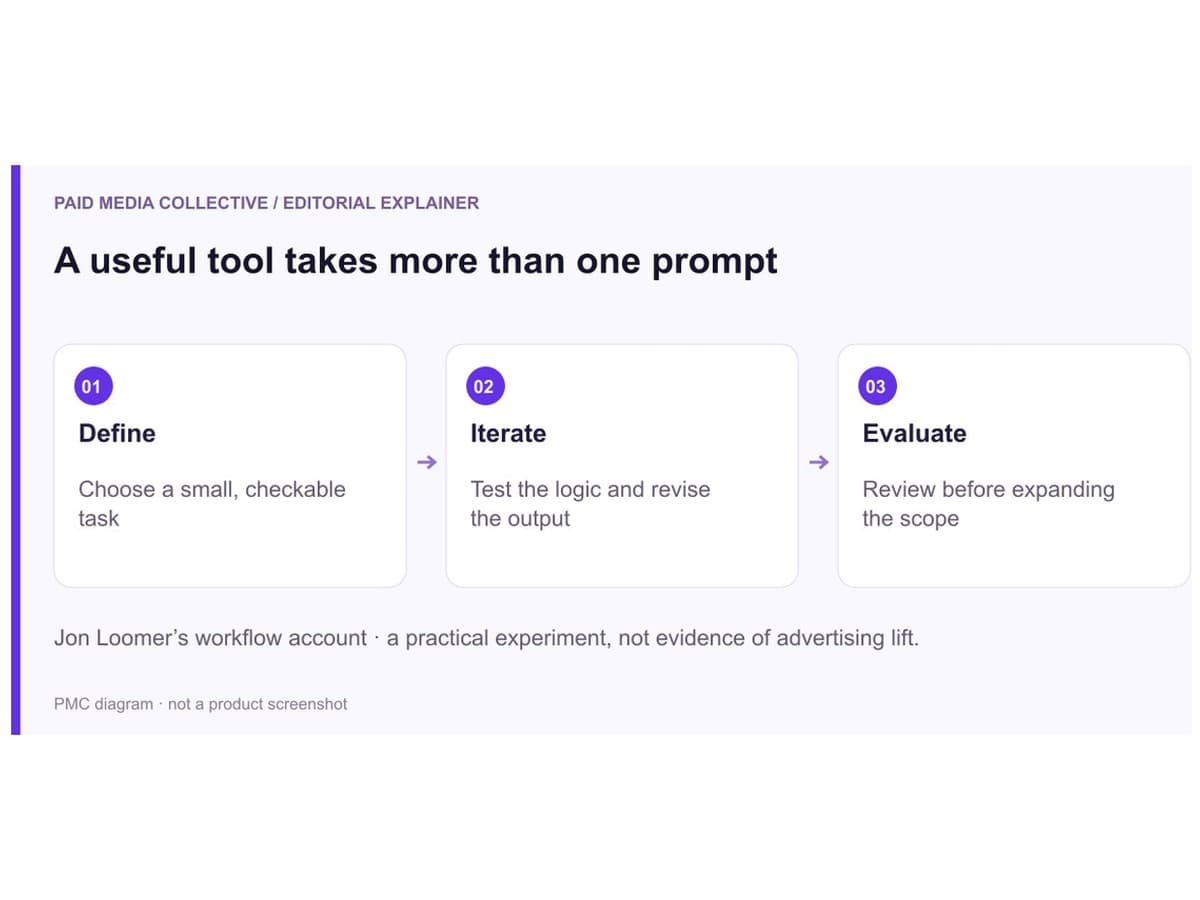
Jon Loomer’s 15 September account of building a decision tool with Muse is useful because it includes the human iteration. Read it as a workflow experiment, not a new Muse launch or evidence of better ad performance. Choose a small, checkable task and assess the output before expanding the scope.

Industry

IAB raises its 2026 US advertising growth forecast

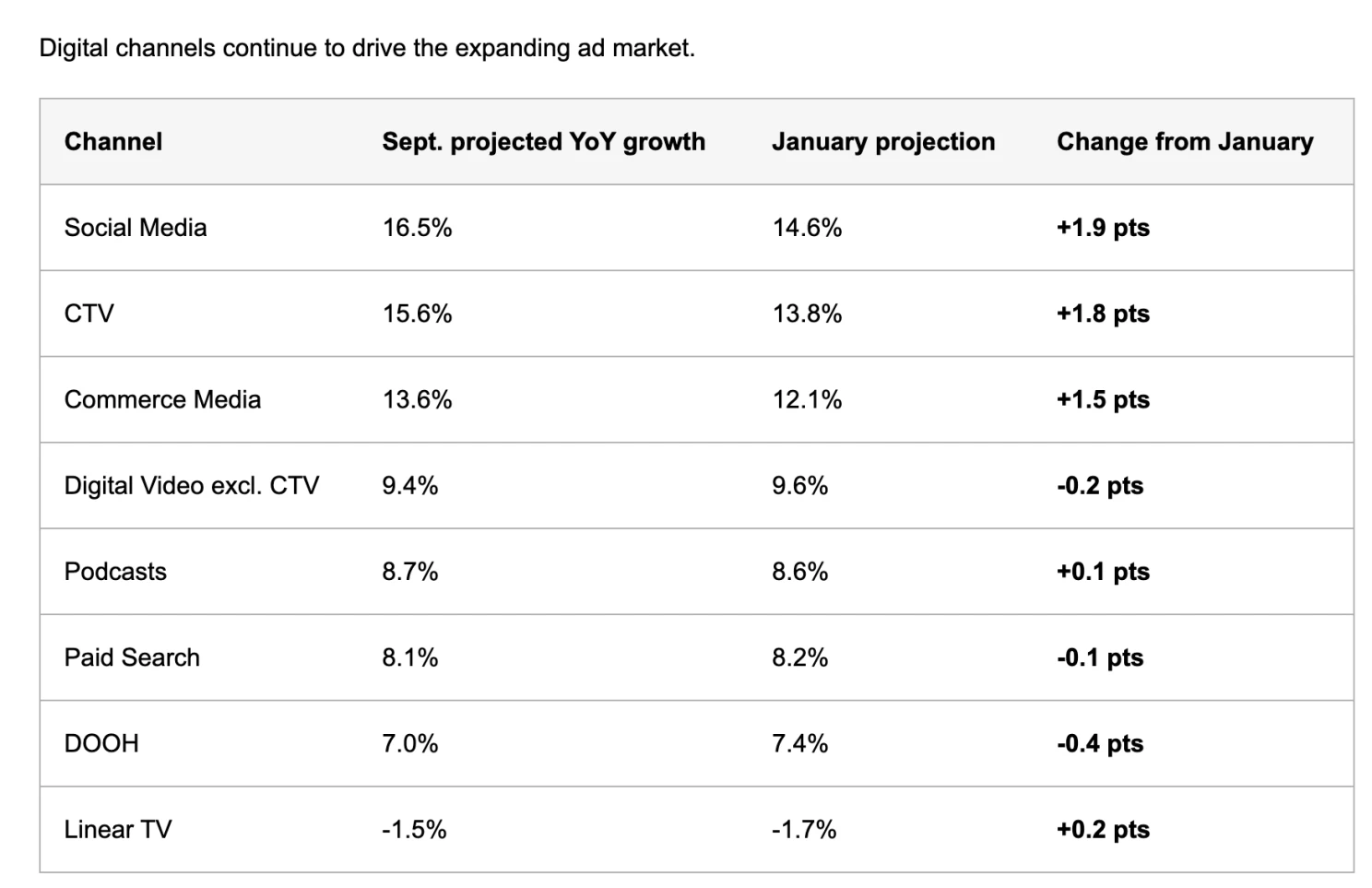
IAB's September outlook raises its projected 2026 US advertising growth to 12.3%, up from 9.5% in January. The forecast draws on more than 200 brand and agency buyers and offers planning context across channels.
SourceIAB

Google Ads

EEA travel Search: check the experience your customers actually see

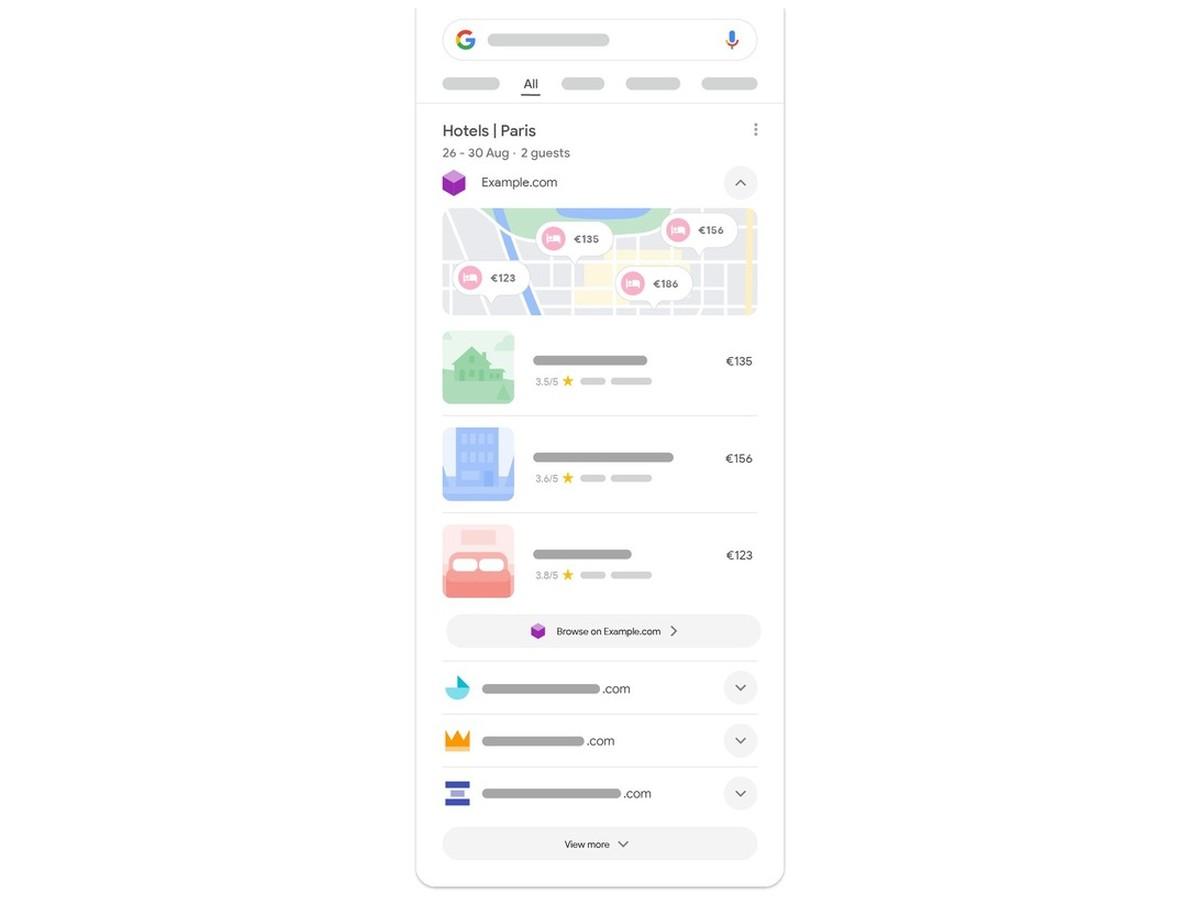
Google’s regional Search documentation now describes the EEA experience, with its 18 September changelog adding local-business query support for aggregator and supplier units. Some related travel experiences date back to 2024: the whole layout should not be described as newly launched.

30 of 538 updates loaded.

Load more updates

Each update has one permanent page. New evidence about the same development is added to that page. Dates identify the source report or newsletter coverage; article publication dates appear in the full view.

2026 newsletter archive: 38 editions and 1,562 distinct updates through Week 36. Source descriptions, credits and media are preserved; missing details remain marked.

Spotted an update worth sharing?

Share the original source and what changed. If it is already covered, help us improve the existing update.

Contribute news →Member news →