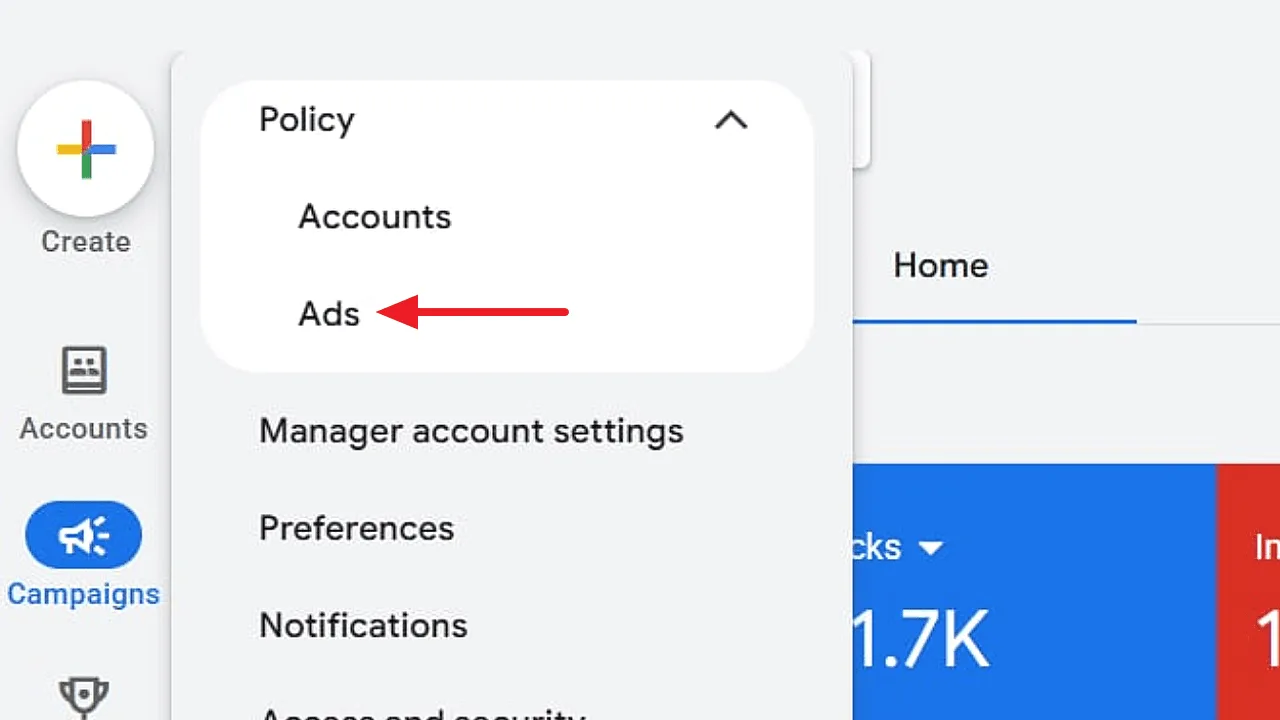
Google has moved Policy Manager from Tools > Troubleshooting to Admin > Policy and added an Ads view beside the existing account-level controls. The change centralises limited and disapproved ad statuses without introducing a new enforcement standard.
From 1 October, the Display & Video 360 API and Structured Data Files will no longer support exclusions for specific digital content labels and most sensitive categories. From 12 October, YouTube responsive ads created or updated through these routes must also include a business name and logo unless defaults already exist at advertiser level.
Microsoft Advertising is introducing a new interface with clearer navigation and revised campaign tables, while retaining an option to return to the classic experience. The update changes how users move through and interact with account data rather than altering campaign delivery.
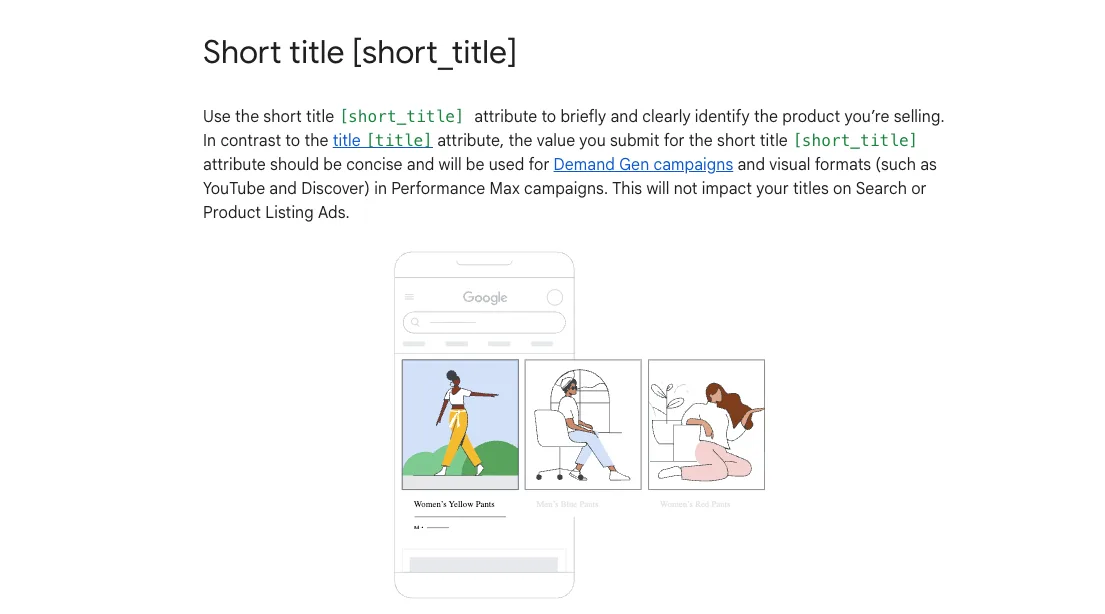
Google's Merchant Centre specification now states that the short_title attribute can be used in visual Performance Max formats such as YouTube and Discover, not only in Demand Gen. Google recommends placing the most important information first and aiming for fewer than 40 characters, with 65 characters as the practical maximum before truncation becomes likely.
Microsoft is piloting Audience Ads for pre-approved cryptocurrency exchanges in markets where cryptocurrency advertising is permitted, while Display, Video, and CTV formats remain restricted. Its country policies now expressly allow eligible exchanges in Audience and Search ads in Australia and Brazil.
TikTok’s documentation describes TopSearch as an auction-based option under the Reach objective for selected accounts and markets. It uses CPM billing. If an ad does not win the first sponsored position for a keyword, it does not drop into a lower placement for that query.
X has revived a native lead-generation format that lets users submit their details without leaving the platform, with later forms able to reuse saved information. The form can accompany image, video, carousel, and Timeline Takeover placements.
Amazon DSP now supports VAST versions 4.0 to 4.3 on third-party publisher inventory worldwide, selecting the highest compatible version for each publisher’s player.
Google announced Pics, an image creation and editing product built on Nano Banana, with access rolling out over the coming weeks to AI Pro and Ultra subscribers, as well as most Workspace business customers.
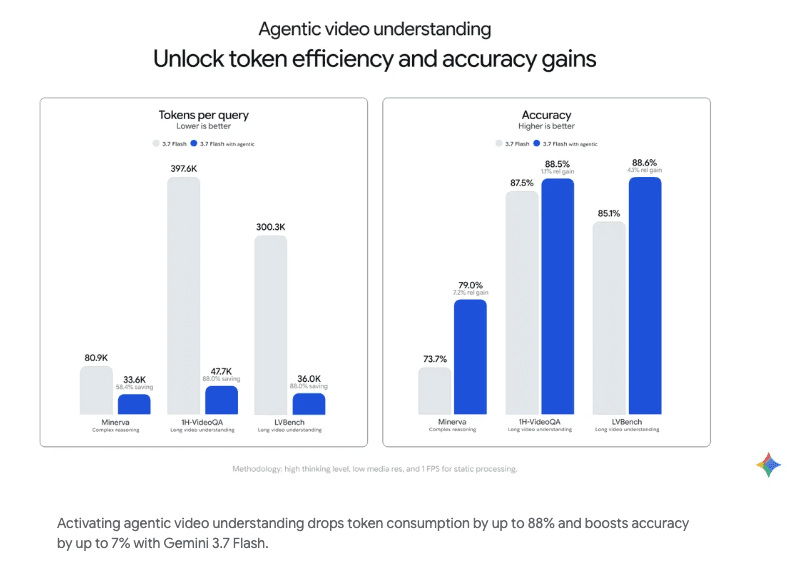
Google launched agentic video understanding for supported Gemini Flash and Flash-Lite models via the Gemini API, Google AI Studio, and the Gemini Enterprise Agent Platform.
Google has released Lyria 3.5 in the Gemini app and the Gemini API, adding more flexible options for vocal or instrumental tracks and for shorter or longer output.
Google Ads is rolling out a beta workflow that converts assets from a website, ad, or asset group into short horizontal or vertical videos. Dario Zannoni's account test produced a 12-second, five-scene video with voiceover, while Google's August Demand Gen update describes wider multimodal video creation and editable storyboards.
New Google guidance cites Nielsen research attributing 49% of campaign ROI to creative and Ekimetrics analysis finding that stronger creative can more than double YouTube ROI. The recommendations include using human voices, introducing the brand early, designing for the platform, and avoiding misleading interface elements such as fake buttons.
Barry Schwartz reported additions to Google’s conversion-measurement help page covering call reporting, call-duration checks and offline-import troubleshooting. The current Google page includes the cited guidance. This is a documentation clarification, not evidence of a newly launched conversion feature or a new blanket requirement.
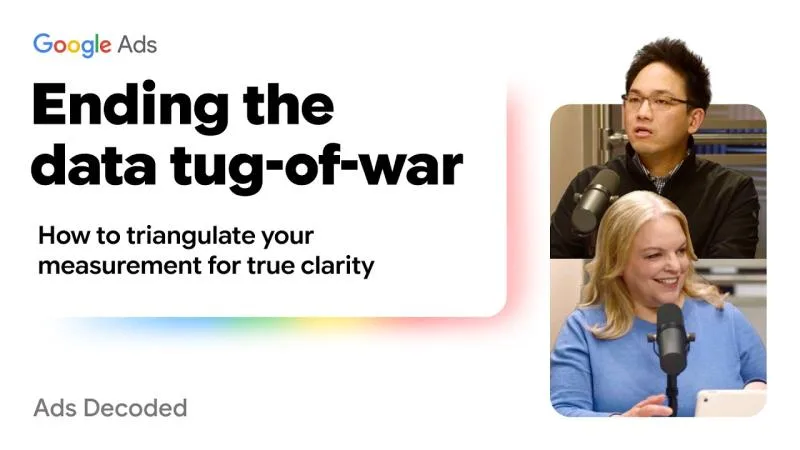
Google’s latest Ads Decoded announcement introduces a discussion of how attribution, incrementality tests and media mix modelling can inform campaign decisions together. A companion episode covers practical experience implementing Meridian. The pair offers advertisers a starting point for reviewing conflicting measurement signals and planning further tests.
Meridian’s documentation describes brand-equity signals, including branded query volume, and an agentic toolkit for modelling tasks and troubleshooting. The official version 2.0.0 changelog is dated 2 September; the overview says available as of 3 September. This is a follow-up to that release.
Jon Loomer’s 1 September walkthrough distinguishes the management interface from older automatic tracking. Check the events being detected, their meaning and potential duplication before relying on them for optimisation. A simpler interface does not itself establish better event detection.
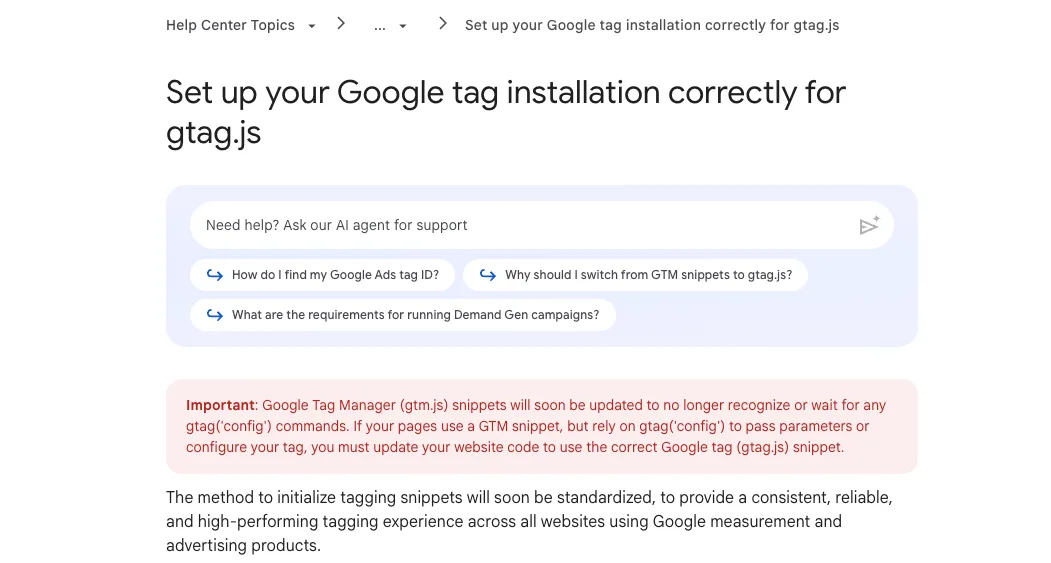
Google's 8 October release note says GTM containers initialise on load independently of gtag('config'). Configuration commands also appear as gtag.config events, which may activate wildcard custom-event triggers.
Australia released an exposure draft of the Privacy Amendment (Personal Data Protection) Bill 2026 and an accompanying consultation paper on 31 August, with submissions due by 18 September.
Anthropic announced Enterprise Frontier Safeguards, designed to let customers retain monitoring data in their own cloud infrastructure and review flagged activity through their own teams.
Microsoft has published a holiday advertising playbook covering product and feed readiness, building demand before peak shopping, and improving measurement and campaign coverage. Its public announcement presents a phased planning approach for discovery and conversion across search and AI-assisted shopping.
HubSpot’s current documentation confirms that connected Microsoft Advertising campaigns can be displayed and reported on in its ads tool. Connect individual ad accounts rather than the parent customer account, and check the required permissions before starting.
The US Federal Trade Commission and 22 states sued Amazon on 31 August, alleging that undisclosed auction practices inflated advertising charges over several years.
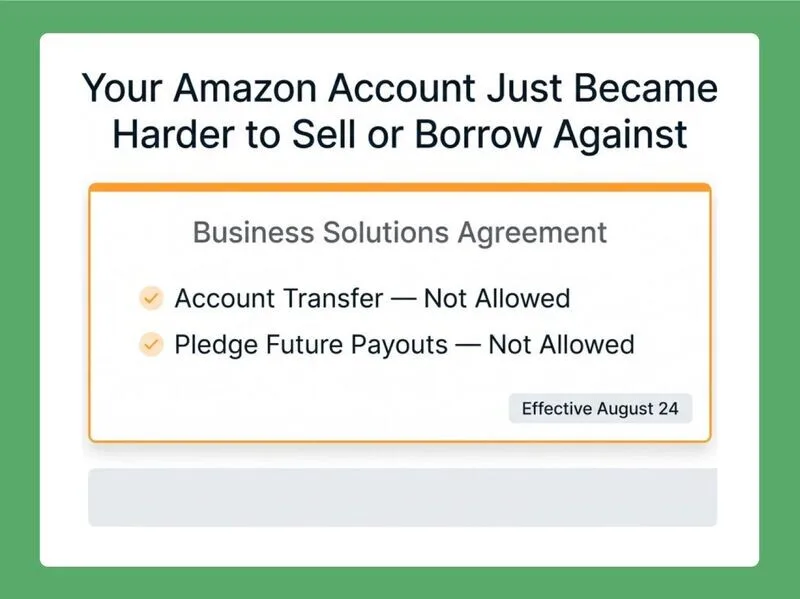
Amazon's updated Business Solutions Agreement, effective 24 August, restricts sellers from transferring contractual rights or obligations without Amazon's consent and from pledging them as collateral. The wording could affect account sales, aggregators, and financing structures tied to future Amazon disbursements.
Each update has one permanent page. New evidence about the same development is added to that page. Dates identify the source report or newsletter coverage; article publication dates appear in the full view.
2026 newsletter archive: 38 editions and 1,562 distinct updates through Week 36. Source descriptions, credits and media are preserved; missing details remain marked.
Spotted an update worth sharing?
Share the original source and what changed. If it is already covered, help us improve the existing update.