What changed
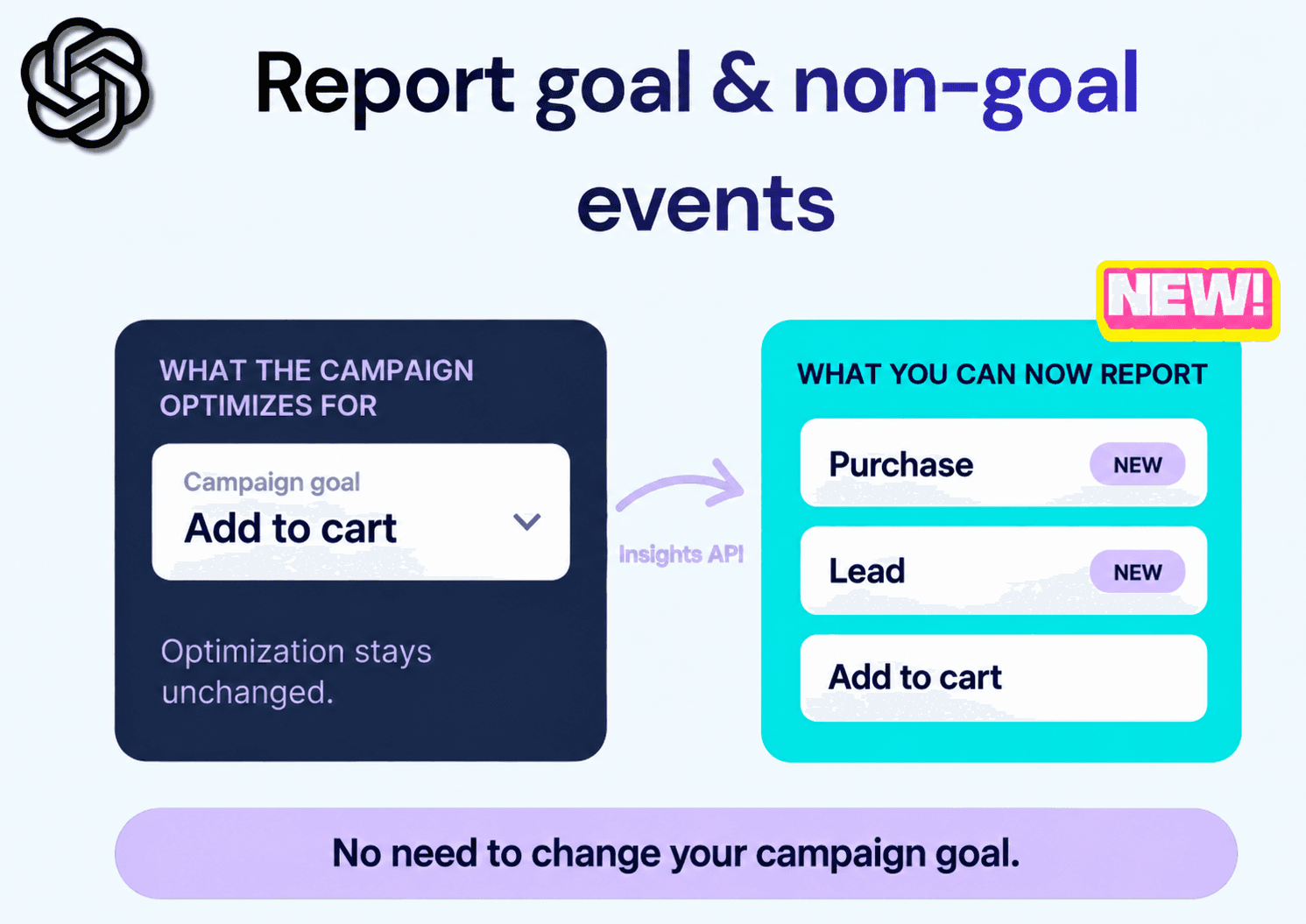
The relevant documentation supports POST /v1/conversions/insights with include attributed_events. In the reported structure, top-level conversions are goal-only, while nested attributed_event_count can expose non-goal events. Thomas Eccel highlighted this reporting behavior on 6 October; that observation date is not an official feature-launch date and does not establish that a particular interface lacks the same capability.
The distinction matters because a campaign goal is a decision rule, whereas a broader event view is a diagnostic lens. Reporting settings do not change the campaign goal or optimization. Teams should resist the temptation to find a favorable downstream event and retrospectively call it the campaign’s optimized outcome. Instead, define the primary goal, secondary diagnostic events and excluded events before reviewing results. This preserves a clear answer to both questions: did the campaign pursue its intended action, and what other attributed behavior was observed?
Event timing needs careful treatment. Ad-event time is recommended, while non-goal coverage using conversion time is limited. Purchase values can also be null or unavailable. Build reporting that handles those conditions visibly: label the selected time basis, avoid summing missing values as if they were zero, and separate event counts from revenue-based calculations. Where a value field is incomplete, do not present a return-on-ad-spend or profit-style ratio as definitive.
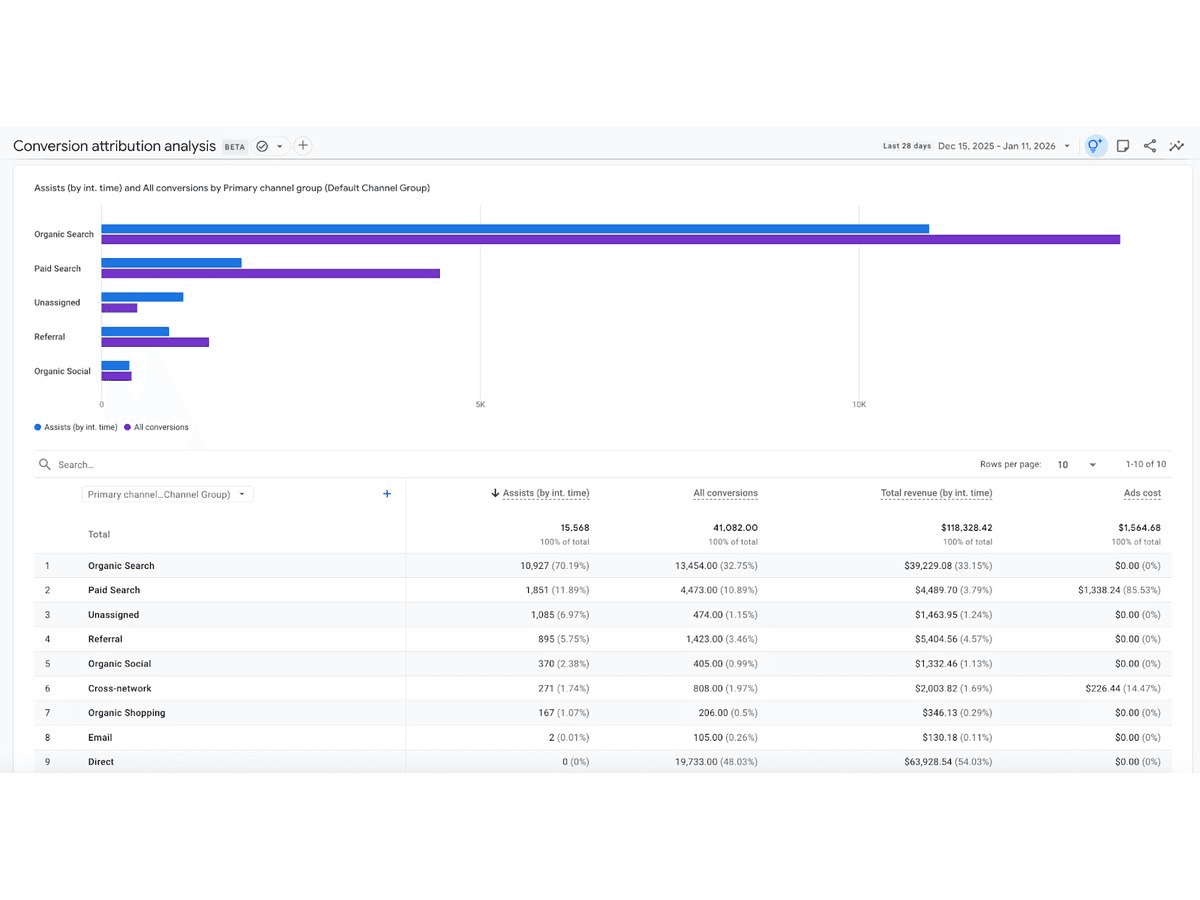
A useful analysis workflow begins with an event taxonomy. Identify the campaign goal, meaningful secondary milestones, duplicate-prone events, refunds or reversals, and events that should not be treated as commercial value. Compare goal and non-goal patterns by cohort or time period only after confirming consistent attribution settings and event availability. If a non-goal event appears unexpectedly high, investigate tagging, funnel changes and time-window effects before changing strategy. The additional detail can improve diagnosis, but it does not by itself prove causality or perfect purchase economics.
THE COLLECTIVE PERSPECTIVEWhy it matters for advertisers
Broader attributed-event visibility can help advertisers understand the path around a chosen goal, especially when the most immediate event is not the only useful signal. But it also increases the risk of metric shopping. A declared hierarchy prevents secondary events from becoming unexamined success claims and makes reports easier for commercial stakeholders to interpret. The strongest use is as a prompt for validation and experiment design, not as a shortcut to certainty.