Google’s Brazil billing adjustment: 2.9% from 1 January
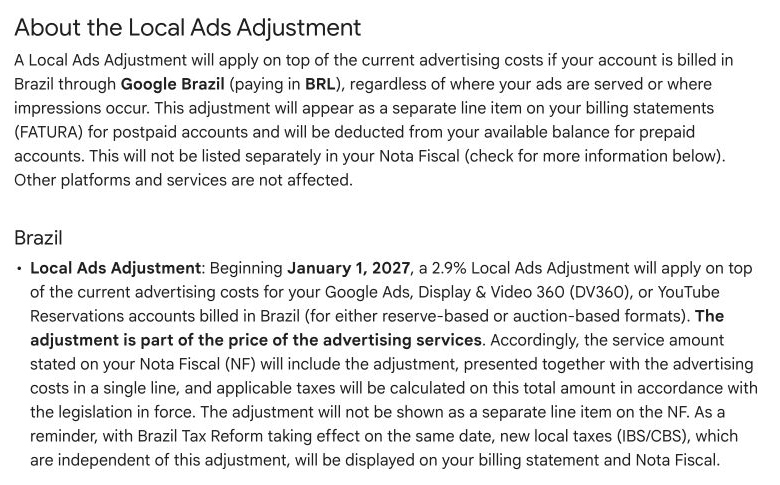
Google says a 2.9% Local Ads Adjustment will apply from 1 January 2027 to Google Ads, DV360 and YouTube Reservations accounts billed by Google Brazil in BRL.
The changes that matter to advertisers, with the sources behind them and a practical next step. Pick a topic and catch up at your own pace.
Google says a 2.9% Local Ads Adjustment will apply from 1 January 2027 to Google Ads, DV360 and YouTube Reservations accounts billed by Google Brazil in BRL.
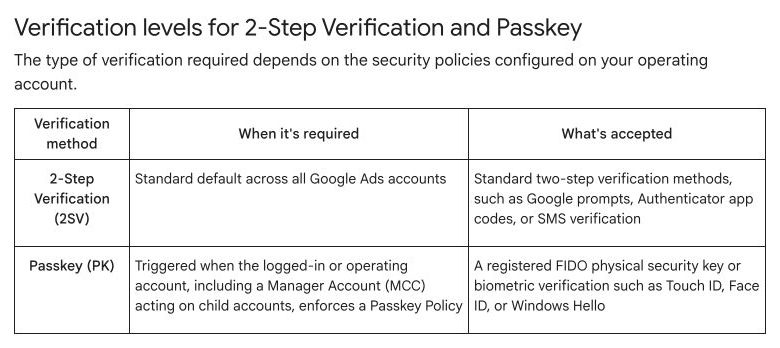
Google’s current documentation describes an identity check when bulk changes introduce a destination host that has not previously been used by that customer account.
Google Ads
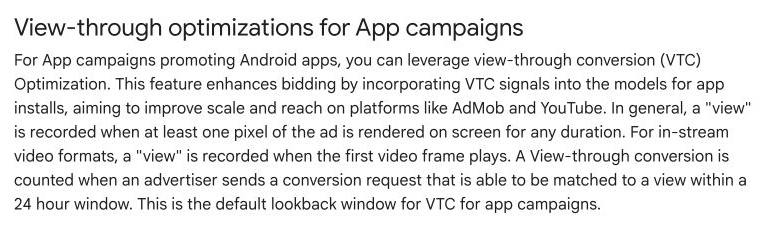
Google’s current Android App campaign VTC guidance uses a rendered-view definition of at least one pixel for any duration, including the first frame for in-stream video.
Google Ads
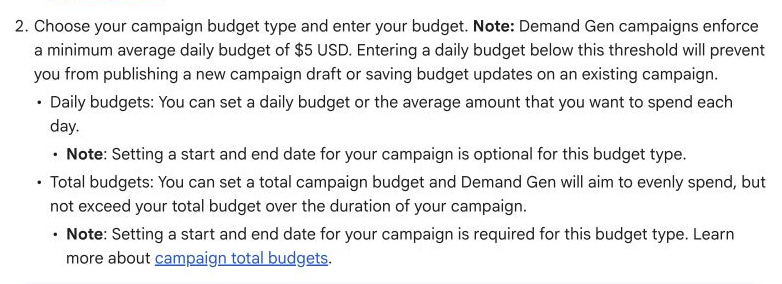
Google’s Demand Gen creation guidance explicitly states a minimum average daily budget of $5 USD or its local equivalent.
Google Ads
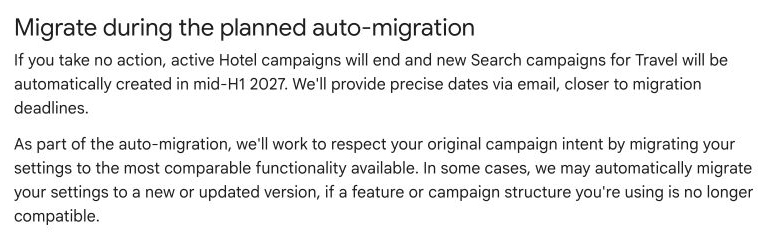
Google’s dedicated page places automatic Hotel campaign migration in mid-H1 2027. A separate overview still shows Q4 2026; account notices remain important.
Google Ads
Google documents supported Reservation formats inside Video Campaign Groups, including YouTube Select Lineups, CPM Masthead and Pause Ads.
Google Ads
Google’s migration guidance points advertisers to a historical Local Services Ads report download on the redirection page.
Google Ads
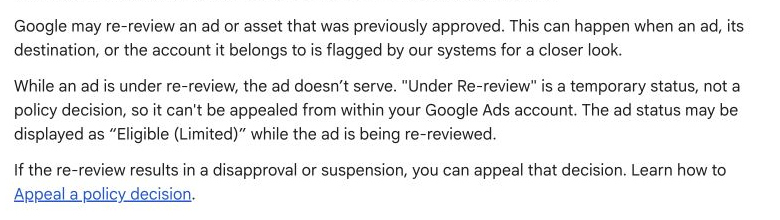
Google’s current review guidance says an ad does not serve while it is under re-review, even if the interface shows Eligible (Limited).
OpenAI
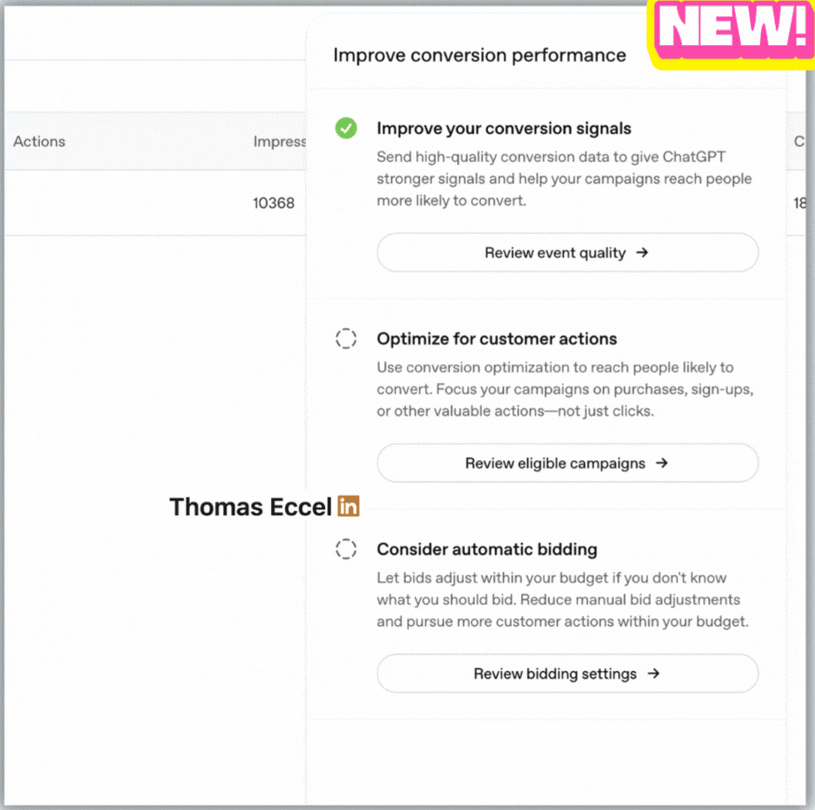
Thomas Eccel’s screenshot shows a three-part checklist in ChatGPT Ads Manager: improve conversion signals, optimise for customer actions and consider automatic bidding.
Microsoft Advertising
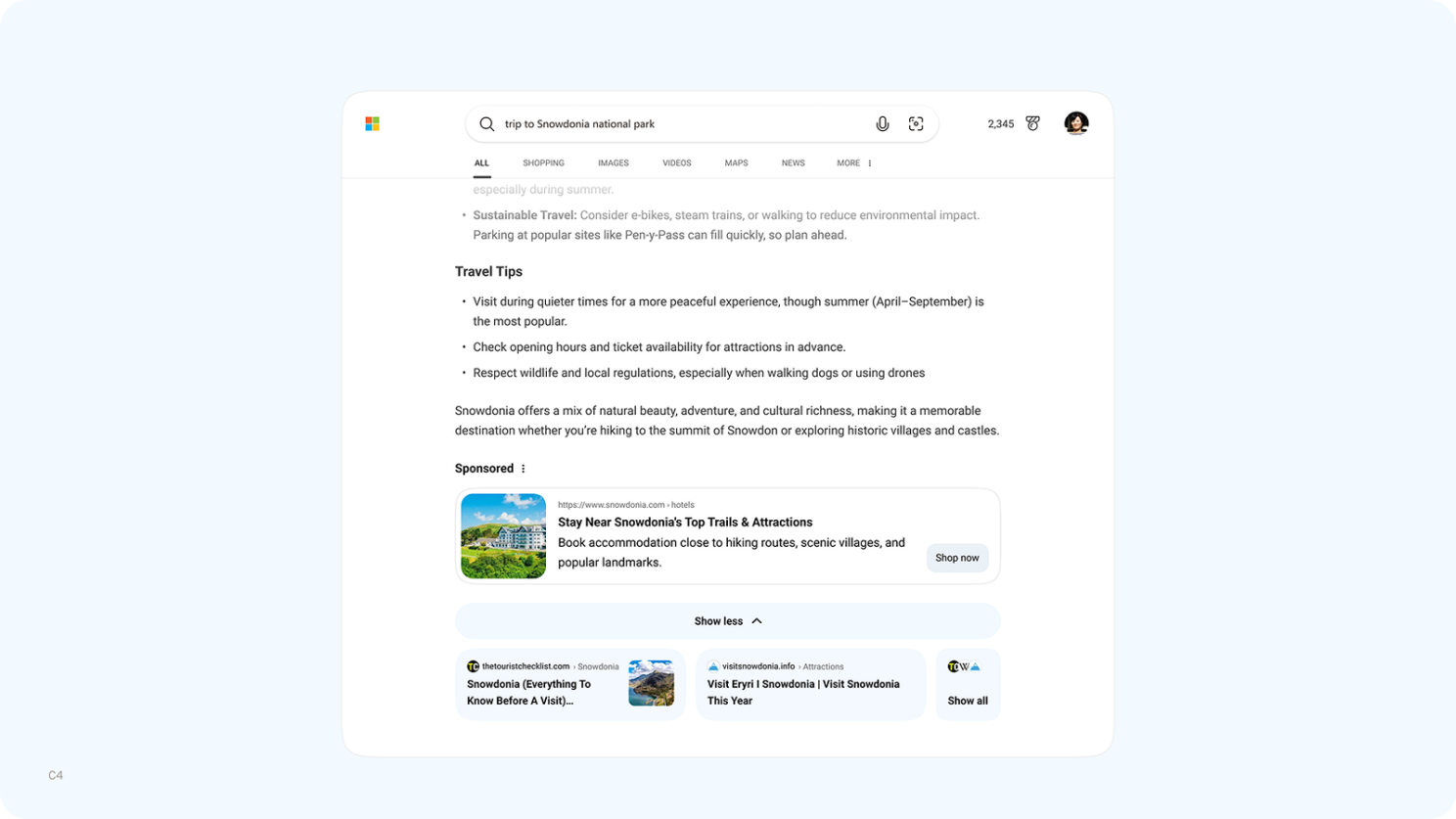
Microsoft says ads alongside Bing AI Overviews are available in all markets except China through existing eligible campaigns, without a separate campaign setup.
Google Ads
Microsoft is rolling out rebuilt prediction models for automated bidding, with faster responses to target changes and smoother budget pacing.
Google Ads
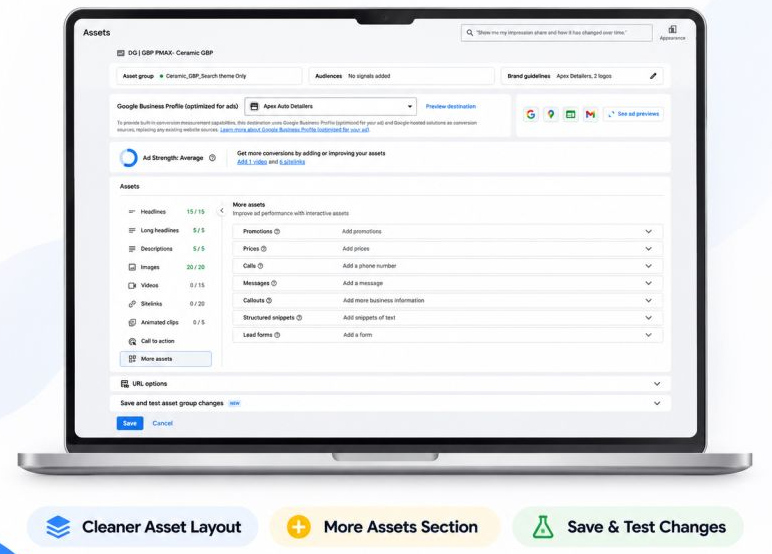
Natasha Kaurra documents grouped creative inputs, asset counts in the navigation, a More Assets area and more prominent brand and audience sections in PMax asset editing.
Google Ads
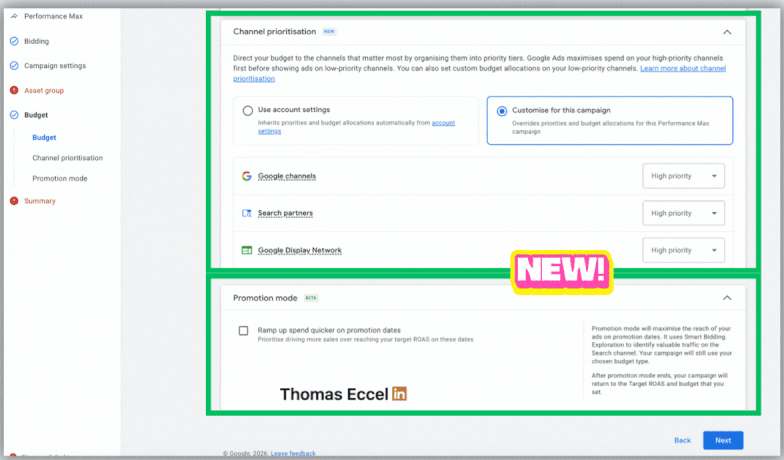
Thomas Eccel shows Channel Prioritisation and Promotion Mode inside the Budget step when creating a Performance Max campaign.
OpenAI
OpenAI documents a limited hotel property-feed beta for approved pilot advertisers. The 16 November date is Alex van de Pol’s report date; the documentation’s revision date is unknown.
Google Ads
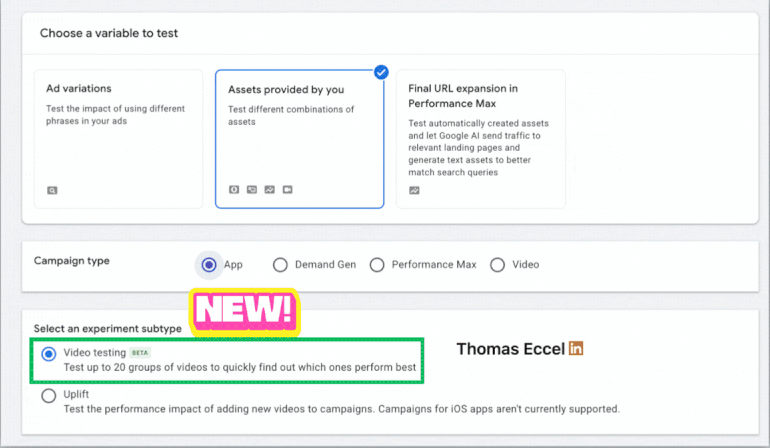
Thomas Eccel found a new experiment subtype under Experiments > Assets provided by you for App campaigns: "Video testing (Beta)" tests up to 20 groups of videos against each other to find which perform best, next to the existing Uplift experiment, which only measures the effect of adding videos and still excludes iOS apps.
ChatGPT and OpenAI
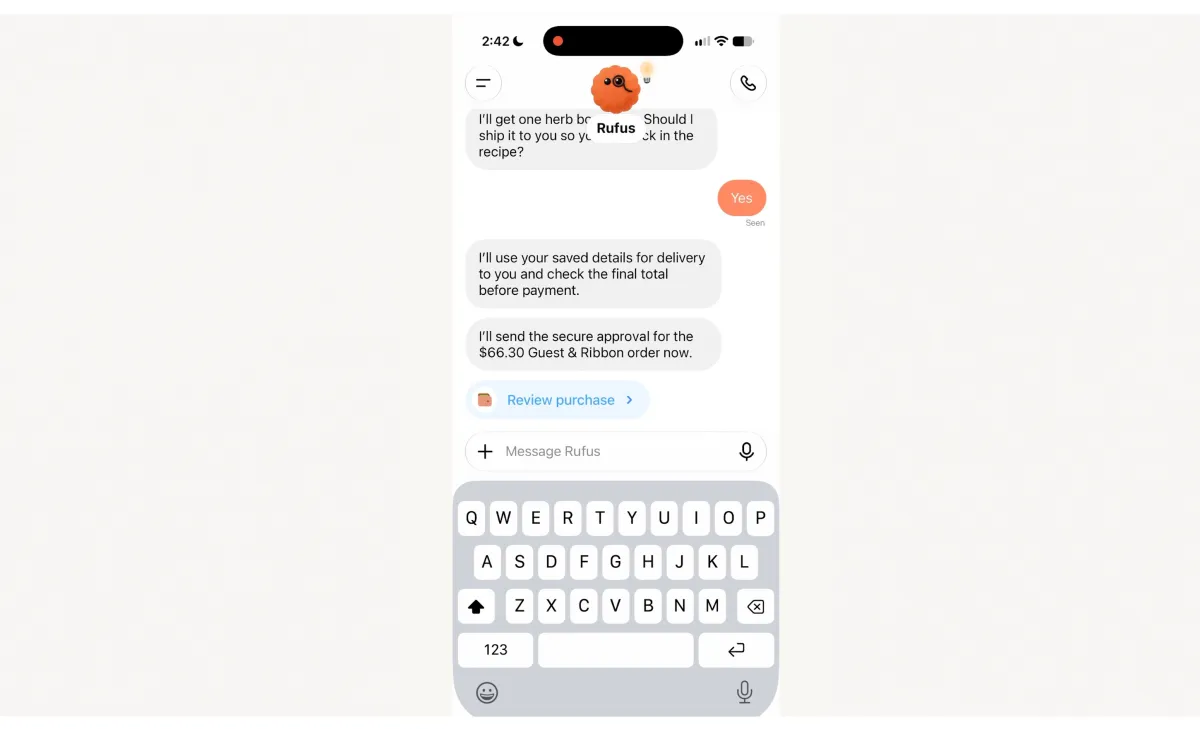
OpenAI launched ChatGPT Wallet on 13 November for a small group of US ChatGPT Pro subscribers aged 18 and over: users add a US-issued Visa, Mastercard or American Express card once, OpenAI's "dots" agents shop and check out on websites, each purchase is approved biometrically, and the card network issues a token so neither the agent nor the merchant sees the card number.
Google Ads
From 1 January 2027, Google Ads surcharges become 3% in France and Italy and 2.25% in Türkiye. Charges follow where ads are served, rather than where the advertiser is based.
Google Ads
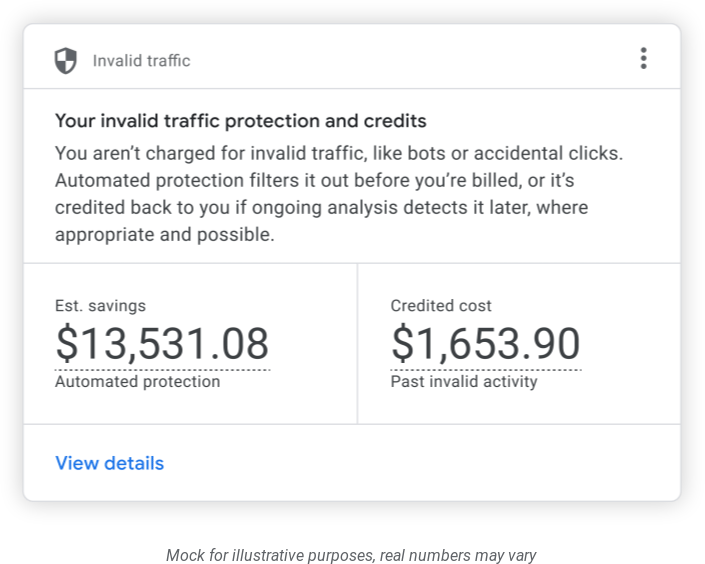
Google is adding an "Invalid traffic" card to the Overview page under Campaigns with two numbers: Estimated savings, the cost of clicks its automated filters and manual reviews caught before billing, and Credited cost, credits applied for invalid activity found after a billing cycle closed, with daily and per-campaign breakdowns, links to the invoices concerned and a downloadable view; a matching "Invalid Activity Credit: Search & PMax" template sits in Report Editor.
Apple Ads
Apple’s 12 November news entry names the six countries where developers can now use Apple Ads: Albania, Algeria, Iceland, Iraq, Morocco and South Africa.
ChatGPT and OpenAI
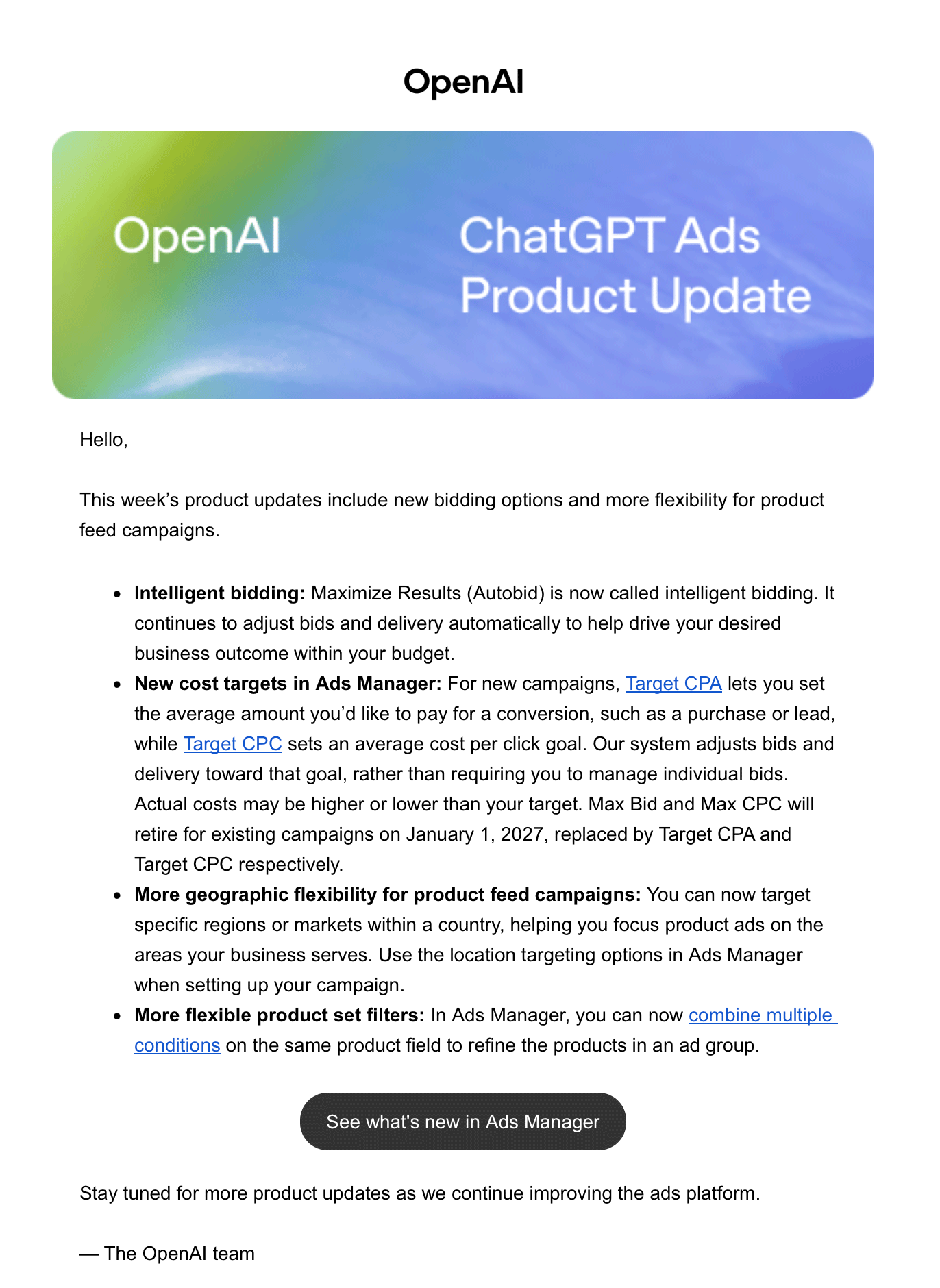
OpenAI's weekly advertiser email, reported by Search Engine Roundtable, says product-feed campaigns can now target specific regions or markets within a country through location targeting in Ads Manager, and that product-set filters can combine several conditions on the same product field.
Google Ads
Editor 2.14 lets you edit account-level new-customer and retention settings, set a loyalty retention goal at account and campaign level, choose a retention-only mode that bids only for lapsed customers, and manage channel prioritisation and budget caps; it supports Demand Gen animated images and video overlays, downloads accounts and statistics in the background, and turns the deprecated Local inventory ads toggle permanently on for Shopping.
Microsoft Advertising
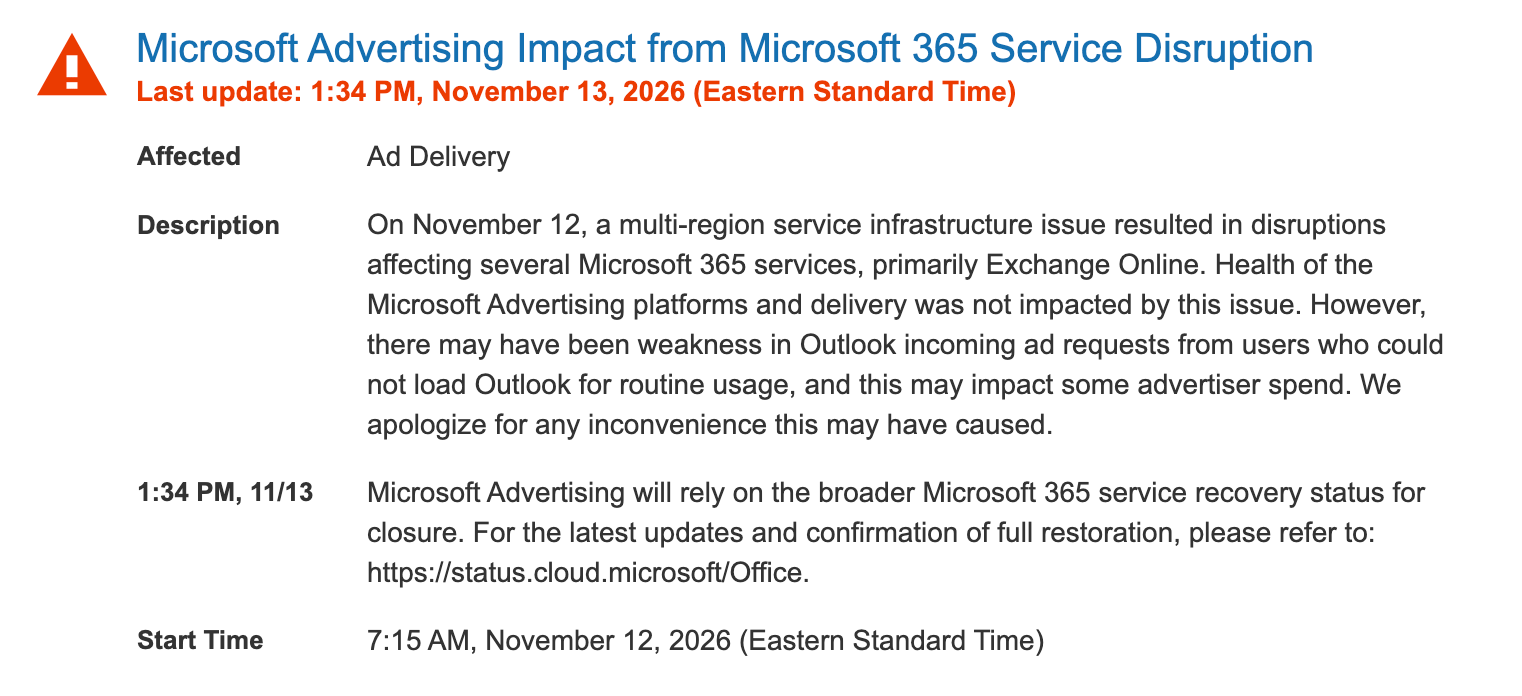
Microsoft Advertising's platform-health post on the 12 November Microsoft 365 disruption says "health of the Microsoft Advertising platforms and delivery was not impacted", but that users who could not load Outlook sent fewer ad requests, which "may impact some advertiser spend"; the incident was closed on 13 November against the broader Microsoft 365 recovery.
Google Ads
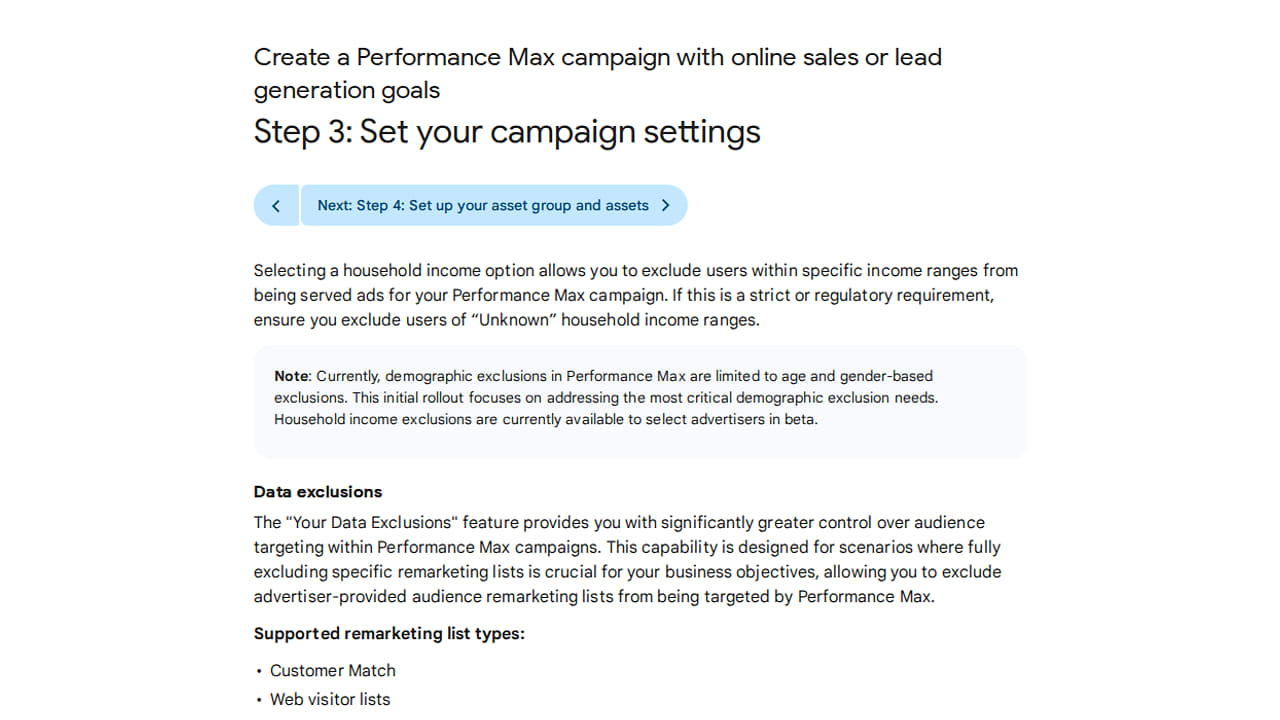
The Performance Max settings help page now says demographic exclusions cover household income ranges as well as age and gender, "for a beta group of select advertisers", with the US, Australia and Japan among the eligible countries and advice to exclude the Unknown bracket where regulation requires it.
Google Ads
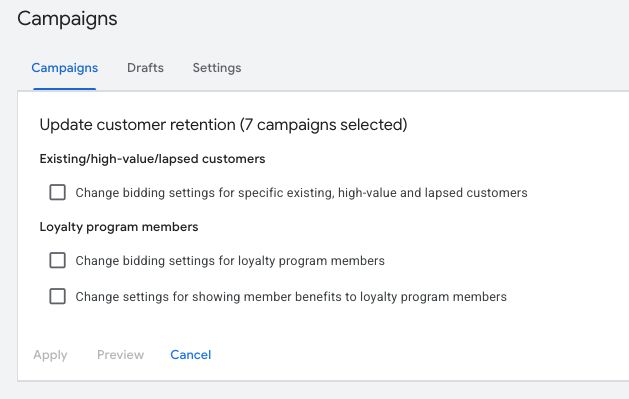
Bia Camargo found a bulk-edit panel for customer lifecycle settings: in one place you can change how bidding treats existing, high-value and lapsed customers and loyalty members across several campaigns, preview the change and apply it, where each campaign previously had to be edited on its own.
Google Ads
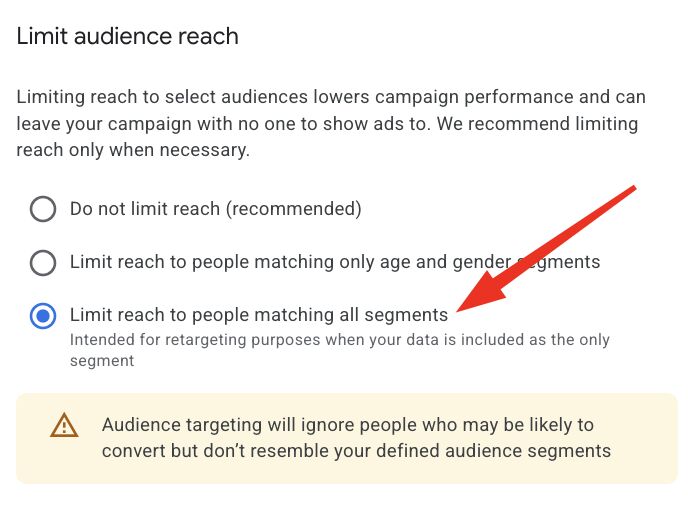
Arpan Banerjee found the optimised-targeting on/off toggle replaced by a "Limit audience reach" setting with three options: "Do not limit reach", which Google recommends; limit reach to people matching only your age and gender segments; and limit reach to people matching all segments, which Google describes as suited to retargeting when your own data is the only segment and warns that limiting reach can reduce performance and exclude otherwise likely converters.
Google Ads
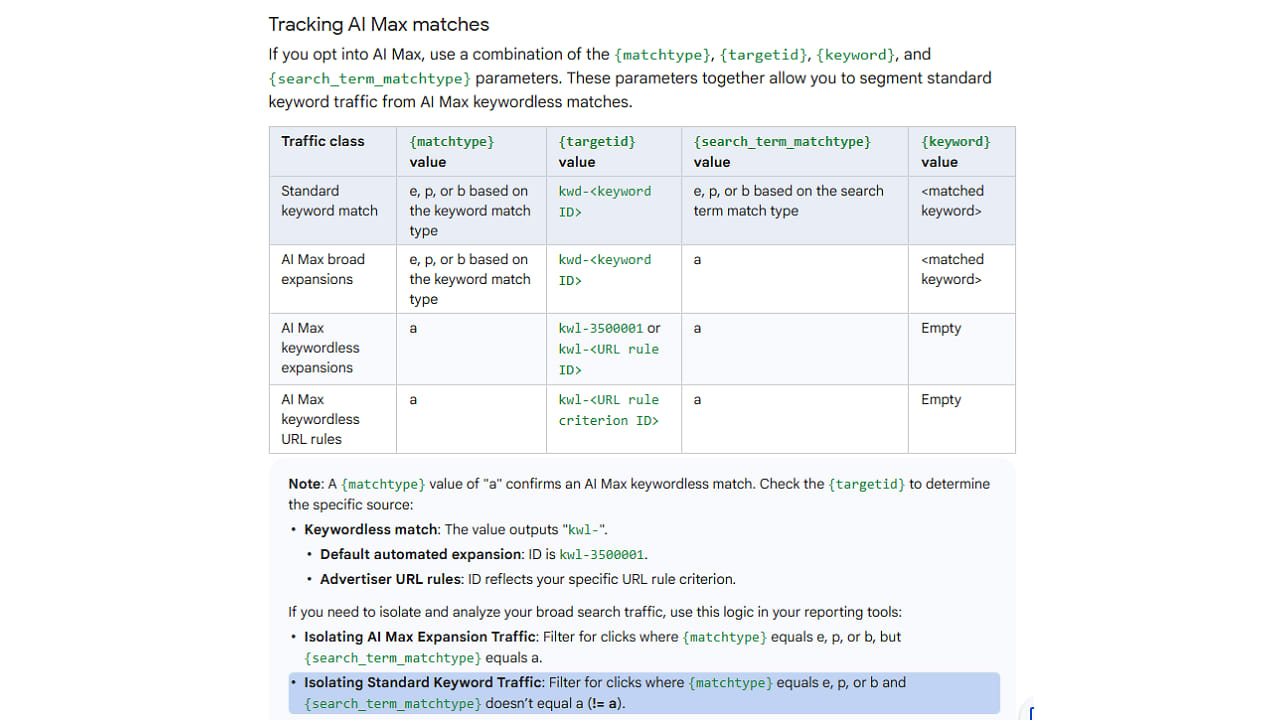
Google's ValueTrack page lists a new {search_term_matchtype} parameter that records how the search term was matched, with the values e, p and b for exact, phrase and broad and a for AI Max broad expansions and keywordless matches, so a click with {matchtype} set to e, p or b and {search_term_matchtype} set to a indicates AI Max expansion traffic; keywordless AI Max can return a in both parameters.
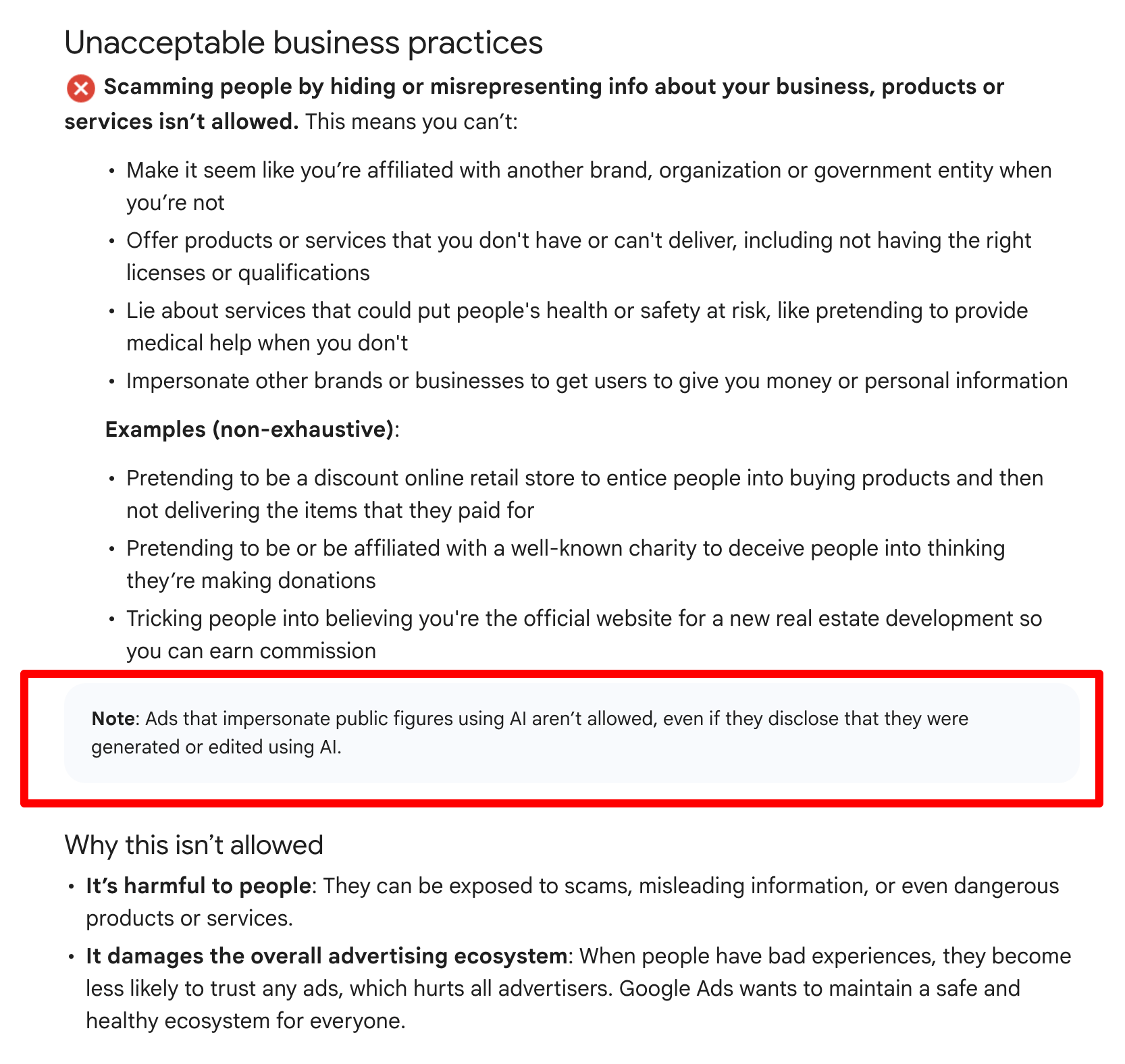
Google Ads Policies
Two entries joined the 2026 policy change log on 11 November.
Google Ads
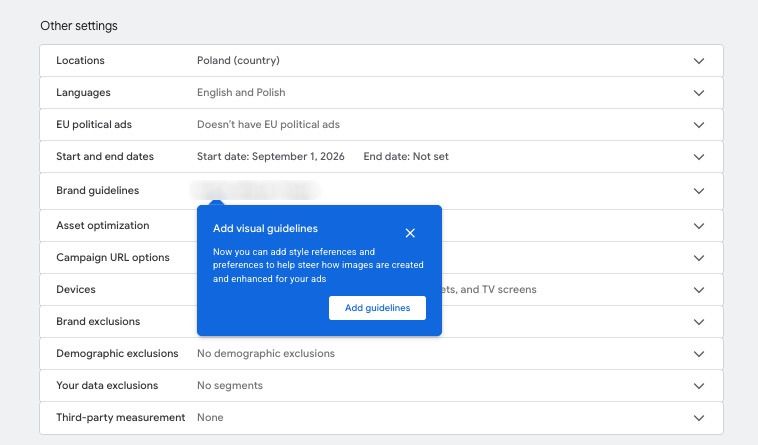
Marcin Wsół reports a new Performance Max section that steers AI image generation: up to three reference images act as a style guide and two 300-character text fields describe what to show and what to avoid, with a button to add more.
YouTube Ads
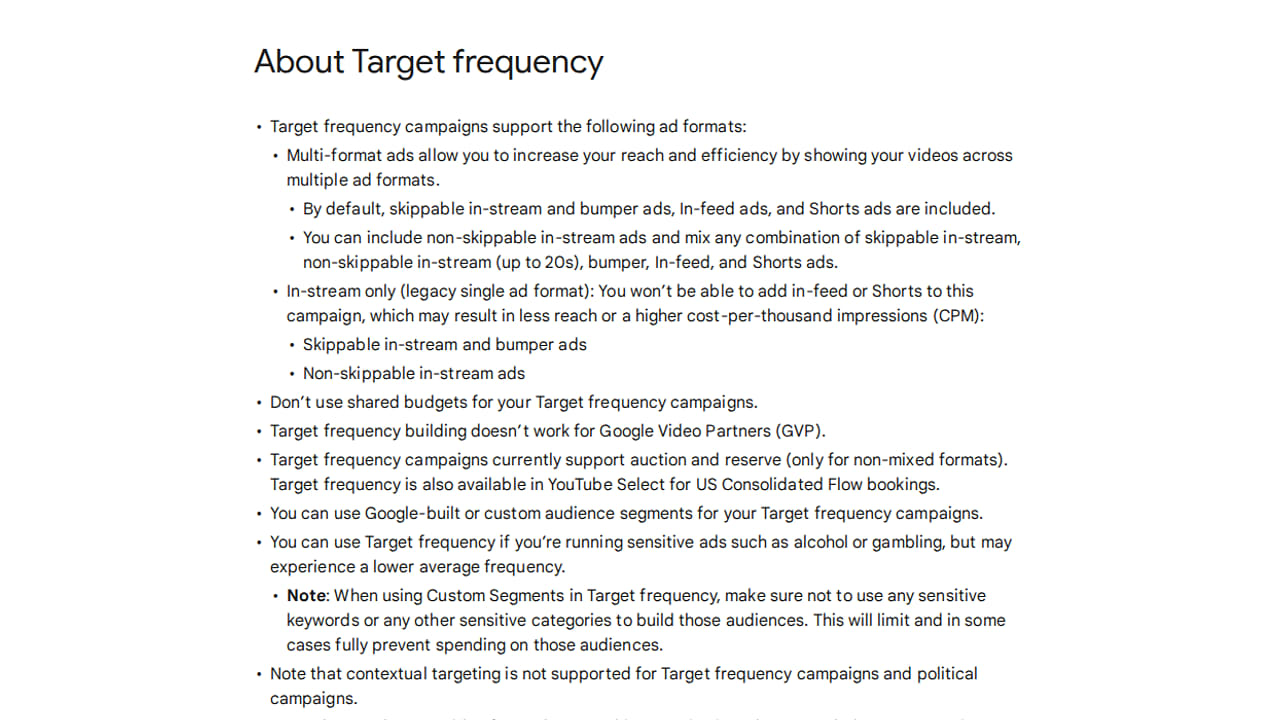
Google's "About Target frequency" page now allows non-skippable in-stream ads, extended from 15 to 20 seconds, in the same campaign as skippable in-stream, bumper, In-feed and Shorts ads, with unified frequency targets of two to seven a week or four to twelve a month; mixed campaigns are auction-only, with reserve buying limited to single-format set-ups.
Microsoft Advertising
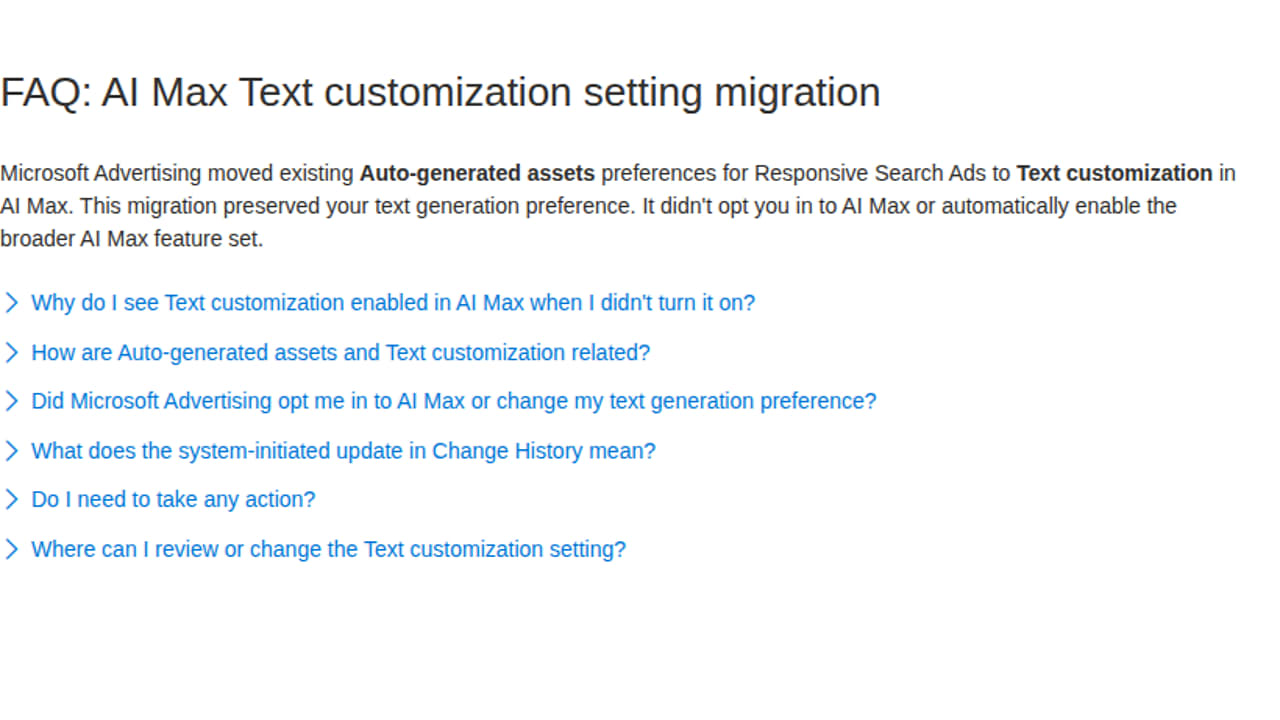
Microsoft's FAQ on the migration says the responsive search ad "Auto-generated assets" preference is being carried into Text customisation within AI Max: enabled stays enabled, the move does not enrol campaigns in other AI Max features, and it appears in Change History as a system-initiated update.

30 of 720 updates loaded.
Load more updatesEach update has one permanent page. New evidence about the same development is added to that page. Dates identify the source report or newsletter coverage; article publication dates appear in the full view.

2026 newsletter archive: 38 editions and 1,562 distinct updates through Week 36. Source descriptions, credits and media are preserved; missing details remain marked.
Share the original source and what changed. If it is already covered, help us improve the existing update.