Changes to search campaigns, bidding and ad delivery. Follow announcements and account observations, with practical checks for your next campaign review.
Google Ads has launched vehicle feeds on Search ads, allowing automotive advertisers to enrich their existing Search text ads with live inventory data from their Google Merchant Centre vehicle feed. The integration surfaces car make, model, price, and imagery alongside standard ad components: without requiring separate campaigns or targeting setups.
Google Labs has relaunched Stitch as a full AI-native design canvas, allowing users to generate high-fidelity UI from natural language descriptions, images, or code snippets on an infinite canvas. The update introduces a design agent that reasons across an entire project's history, a DESIGN.md file for exporting and importing design systems across tools, and voice interaction for real-time design critique and iteration.
Anthony Higman shared an unusual Google Ads notification stating: "This change is a result of these product offerings evolving into newer Google products, rendering the original policy requirements obsolete for advertisers." The specific policy affected was not detailed in the post, but the language suggests Google is retiring legacy compliance requirements tied to product lines that have since been superseded.
Microsoft Advertising has completed a global rollout of its simplified bidding interface, consolidating Target CPA and Target ROAS into optional target settings within Maximise Conversions and Maximise Conversion Value, respectively, rather than treating them as standalone bid strategies. The change applies only to newly created campaigns; existing tCPA and tROAS campaigns continue to run without any required action, and portfolio bid strategies remain unchanged.
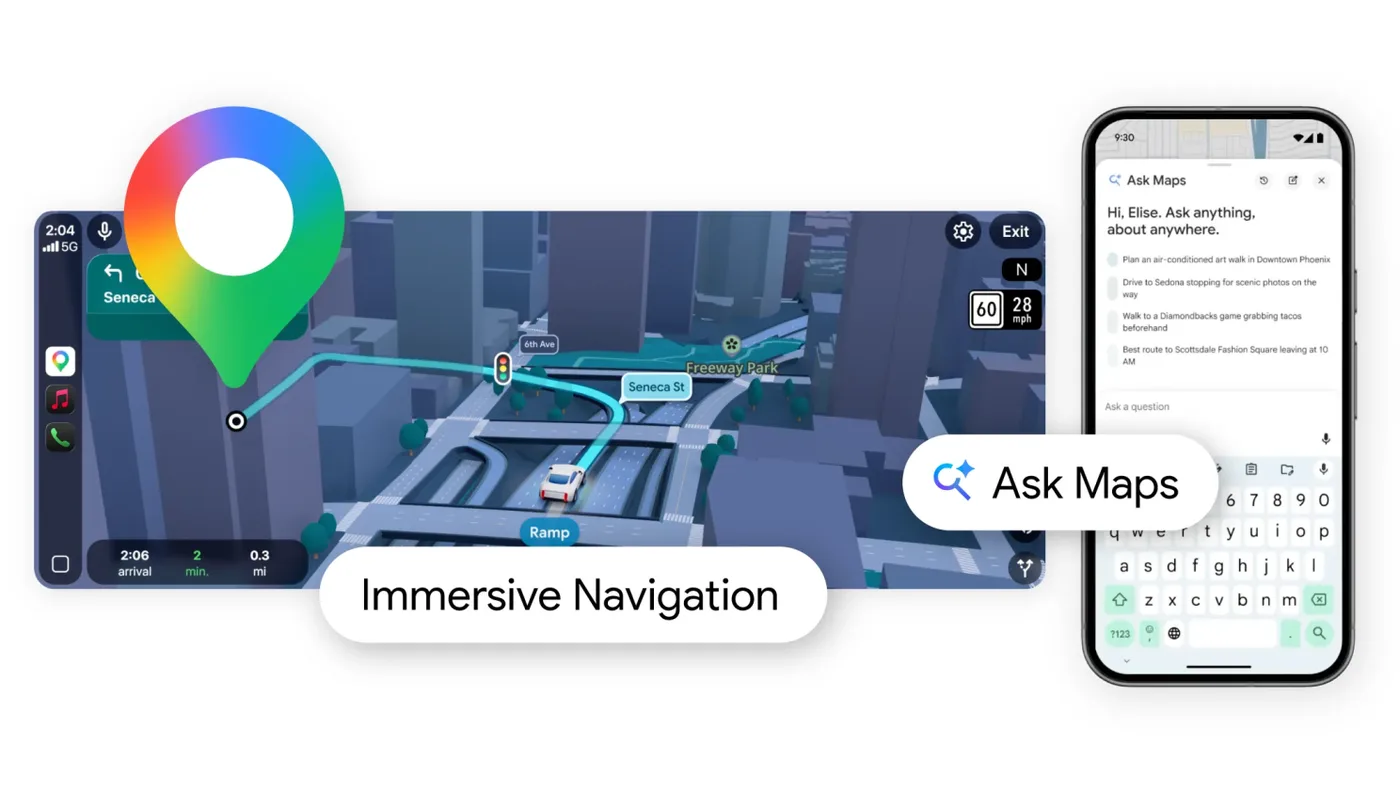
Google has introduced Ask Maps, a conversational AI layer built on Gemini that answers complex real-world questions. Users can ask questions like "Where can I charge my phone without waiting in line for coffee?"
Amazon has made the Sponsored Brands Collections format live with two options. Automatic mode lets Amazon's AI select products from your catalogue based on keyword targets and shopper queries, generating the ad title and landing page automatically.
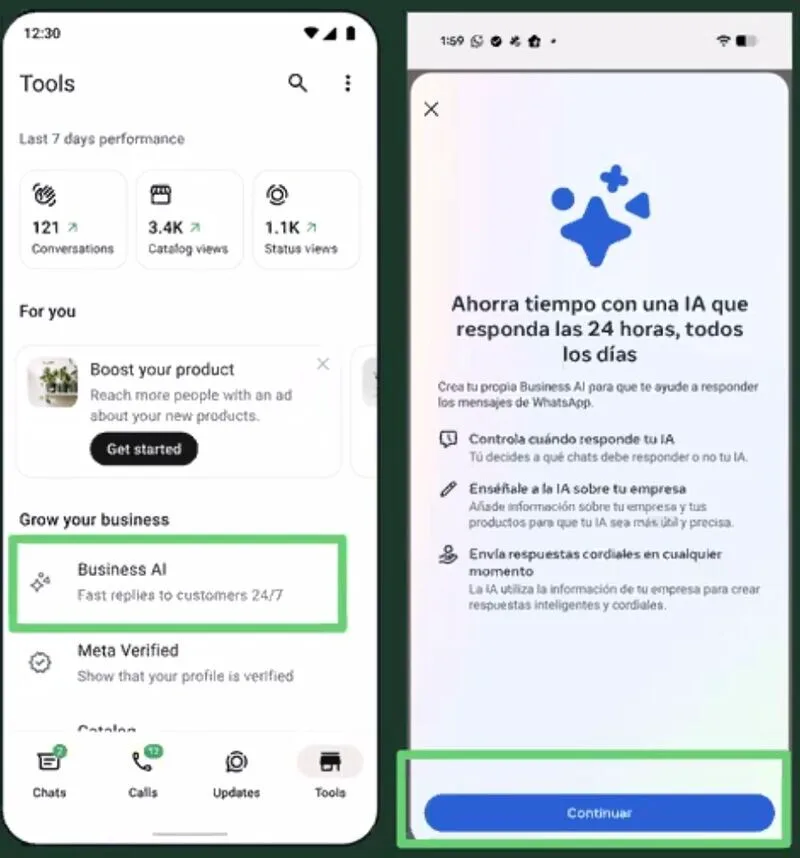
WhatsApp has expanded its native AI agent to business chats in Mexico. The tool responds to customer chats in real time and learns from each conversation in the account.
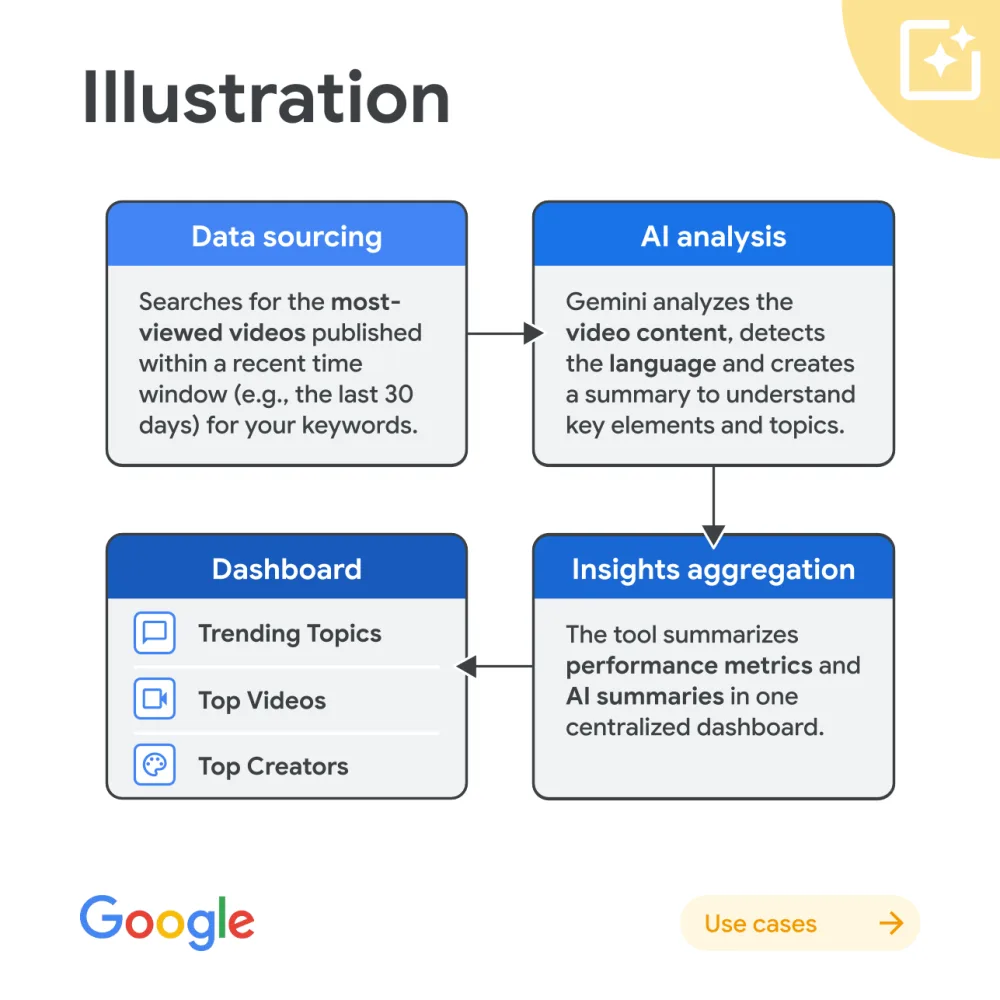
Google has released YouTube Topic Insights, an open-source Looker Studio dashboard built on Google Cloud. The tool uses the YouTube Data API and Gemini to analyse video data and surface emerging trends and top creators.
Google is updating its Healthcare and Medicines policy to end the cross-border certification programme that allows online pharmacies based in the United Kingdom to target Germany and Austria. The change takes effect in March 2026.
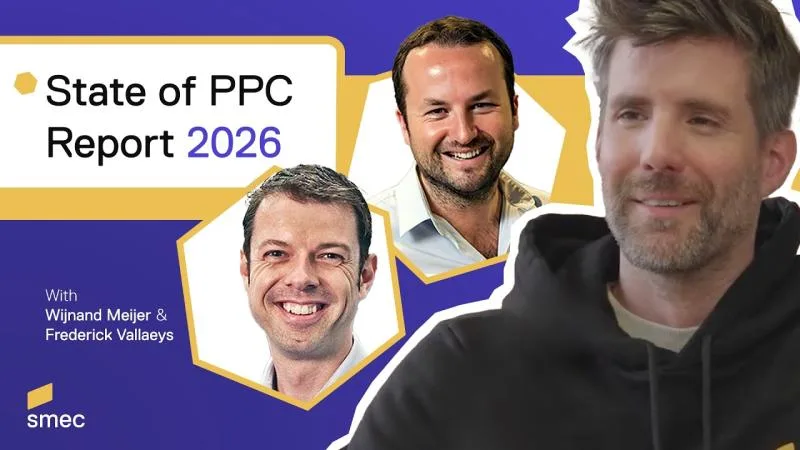
PPCsurvey.com has published the Global State of PPC 2026 report, featuring responses from over 1,300 practitioners across 60+ charts and 14,000 words. The report includes the first full chapter on AI in PPC with 10 questions on how practitioners actually use AI in daily work.
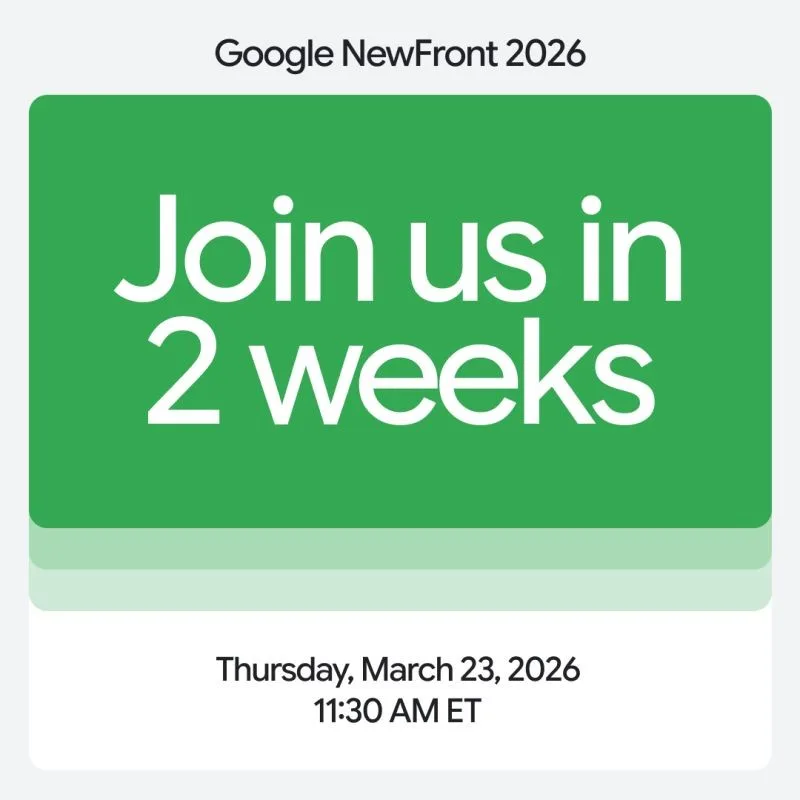
Google Marketing Platform has announced a NewFront event to introduce the Gemini advantage across its ecosystem. The presentation will cover how Gemini models are being integrated into the platform.
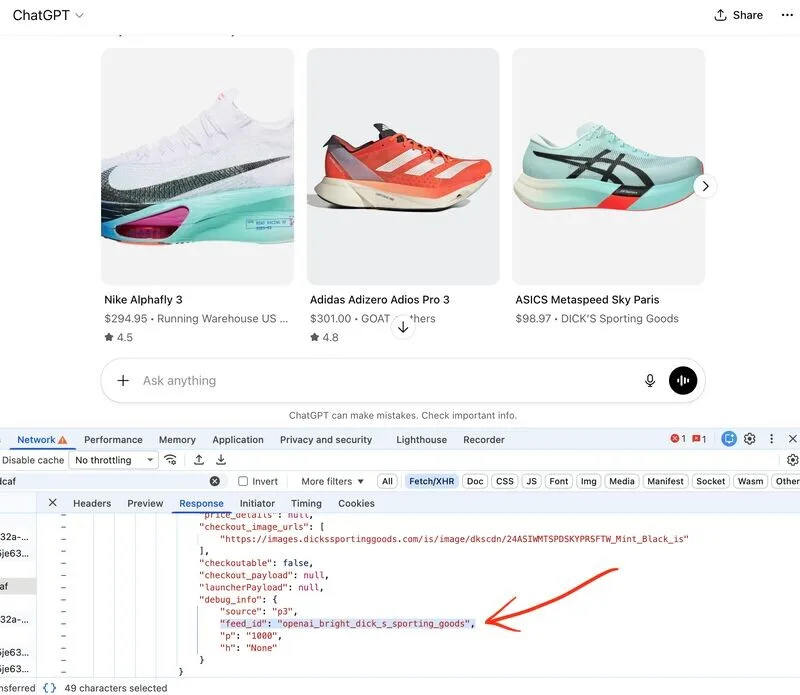
ChatGPT is now ingesting product feeds directly from merchants rather than scraping Google Shopping. Shopping results now display source feed names, including Walmart, Target, Home Depot, Chewy, Best Buy, Etsy, and Shopify merchants.
Six German umbrella associations representing publishers, broadcasters, advertisers, and ad-tech intermediaries have called on the Bundeskartellamt to reject Apple's proposed remedies for its App Tracking Transparency Framework. The Bundeskartellamt informed Apple in February 2025 that it considers ATT an abuse of dominance designed to boost Apple's advertising business.
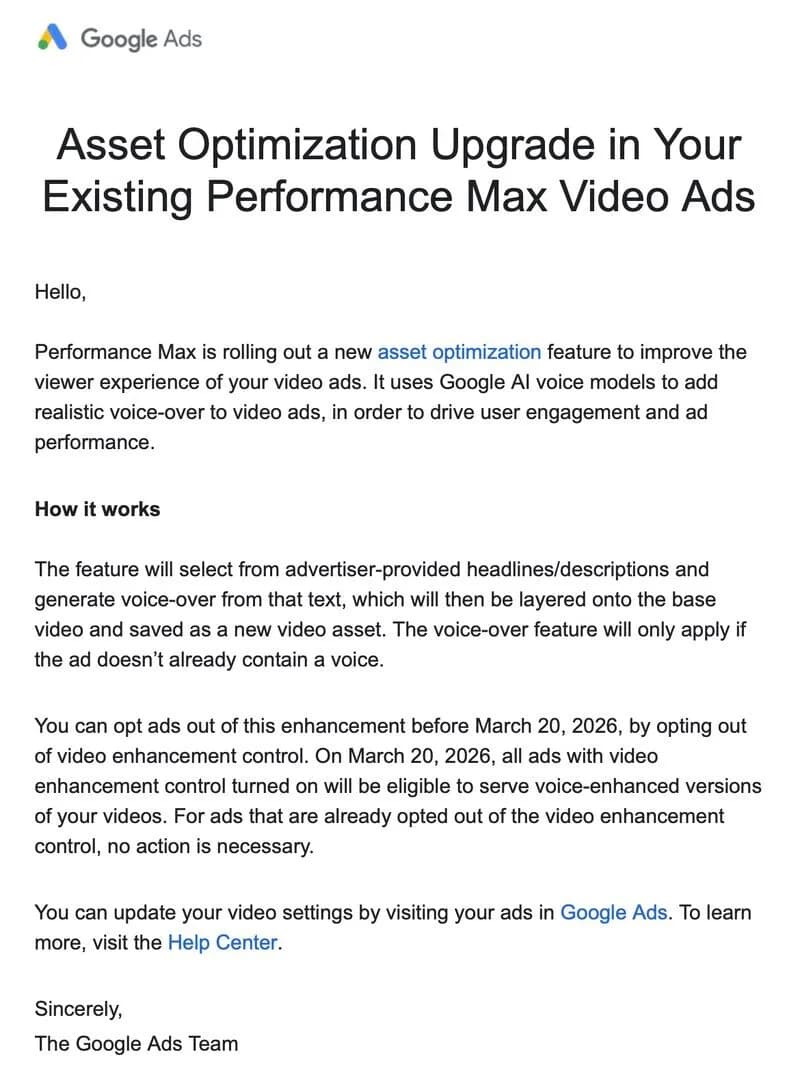
Google is rolling out an AI-driven voice-over feature for Performance Max video ads. The system pulls from your headlines and descriptions to generate voice-over for silent videos, saving the result as a new asset.
OpenAI is testing an Ads Manager with a small group of partners as its ChatGPT advertising pilot takes shape. Early data shows some brands seeing click-through rates below 1%, far behind Google Search benchmarks.
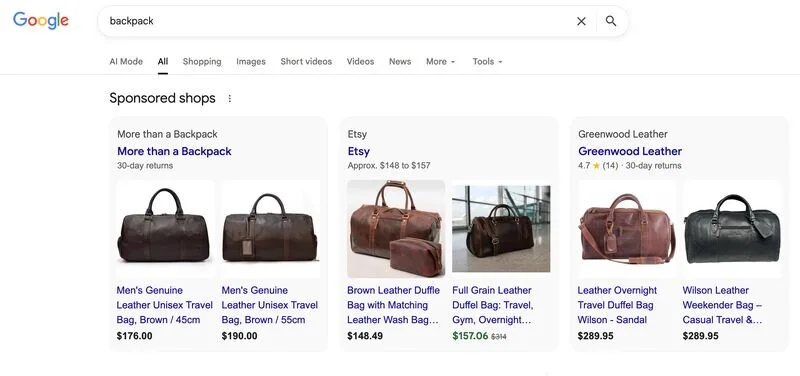
Google is testing Sponsored Shops blocks inside Shopping results, highlighting entire stores with multiple products in a single block rather than individual product listings. The block displays store name, ratings, and product range, shifting visibility from product-level to store-level competition.
Google Search Console has rolled out the branded queries filter to all eligible sites. The feature automatically differentiates between branded and non-branded queries in the Performance Report, helping analyse traffic from users familiar with your brand versus those discovering you organically.
Google has introduced a Stores menu item in the Shopping tab that displays stores with integrated local inventory feeds. In the US, results show local pack listings with "sold here" labels.
Arben Kqiku has published a guide on decision frameworks for data-driven marketing, addressing the gap between abundant data and clear decision-making. The article covers how to structure choices using potential (opportunity size) and efficiency (execution quality) dimensions, with practical examples from financial industry funnel analysis.
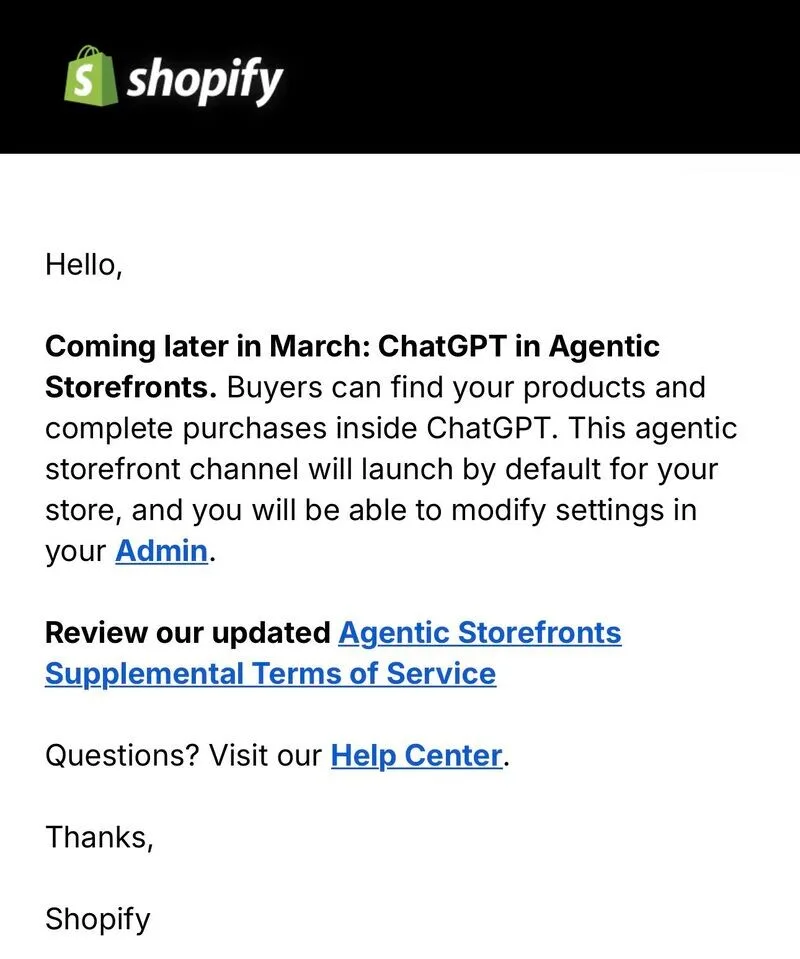
Shopify emailed merchants that checkout in ChatGPT will launch by the end of March 2026. However, The Information reported last week that OpenAI is abandoning in-chat checkout.
Amazon is moving Sponsored Products prompts and Sponsored Brands prompts from open beta to general availability in the US on March 25, 2026. Prompts are an AI-powered enhancement that automatically surfaces relevant product information to shoppers during their journey.
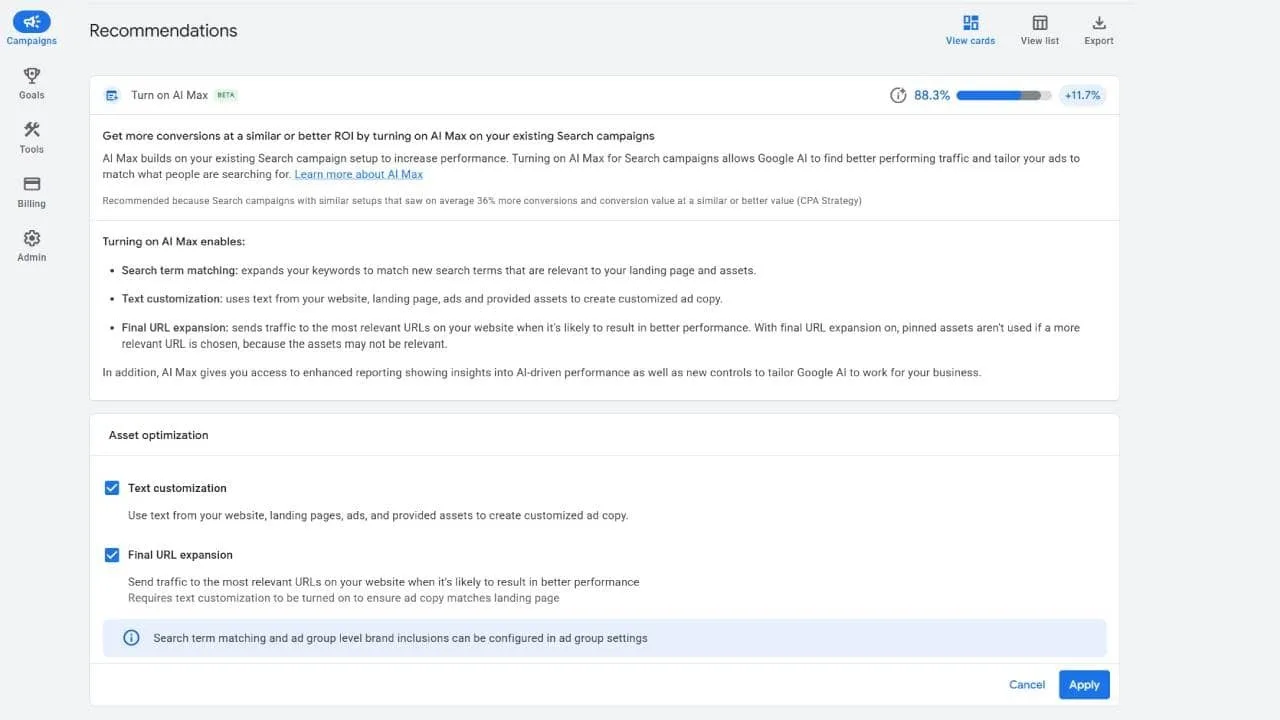
A large recommendation card promoting AI Max is now appearing in the Recommendations tab in Google Ads. The panel highlights the potential benefits of enabling AI-driven optimisation for Search campaigns and allows advertisers to activate AI Max, Text customisation, and Final URL expansion directly from the recommendation.
Google is introducing new Financial Services verification requirements for advertisers promoting financial services in Malaysia. Advertisers must complete verification through an external compliance partner, G2, and then apply for financial services verification with Google.
Google Merchant Centre now allows US merchants to list alcohol subscriptions, such as wine clubs, under its Physical Goods Subscriptions policy. Offers must follow Alcoholic Beverages policies and use product category "Alcoholic Beverages" (ID 99676).
Google will temporarily pause new certification applications for online gambling aggregators in Indiana starting March 31, 2026. This affects content promoting online gambling within the state.
Google updated its billing policy to let certified US Online Pharmacies promote prescription subscriptions, drug-plus-service bundles, and recurring consultation models. Requirements include maintaining certification, using subscription_cost in Merchant Centre, and disclosing all fees.
Google introduced multi-party approval, a security feature that requires a second administrator's authorisation before high-risk account changes take effect. Actions that trigger approval requests include adding, removing, or changing user roles.
Starting April 1, 2026, the Google Ads API will stop accepting new Customer Match adopters. Developers who haven't uploaded data to a Customer Match list from October 2025 to March 2026 will encounter a CUSTOMER_NOT_ALLOWLISTED_FOR_THIS_FEATURE error.
Google's Government Documents and Services policy updates on March 17, 2026. Advertisers targeting India with business identifiers don't need to qualify as government providers but must apply for a policy exclusion to prevent ad disapproval.