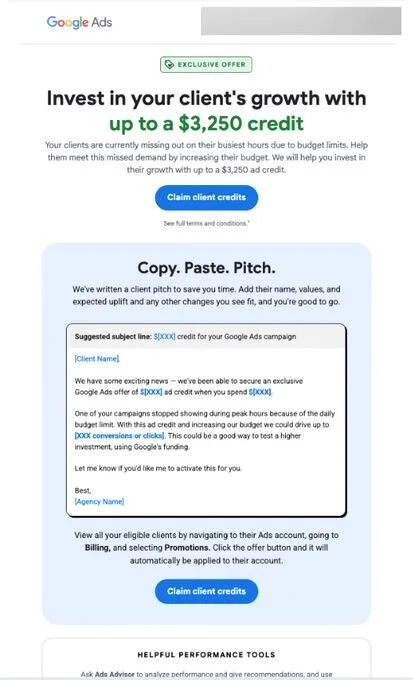
Google announced a pilot for more secure Google Ads API access on its developer blog. The pilot lets advertisers restrict sensitive API actions to approved applications only, adding a security layer over integrations.
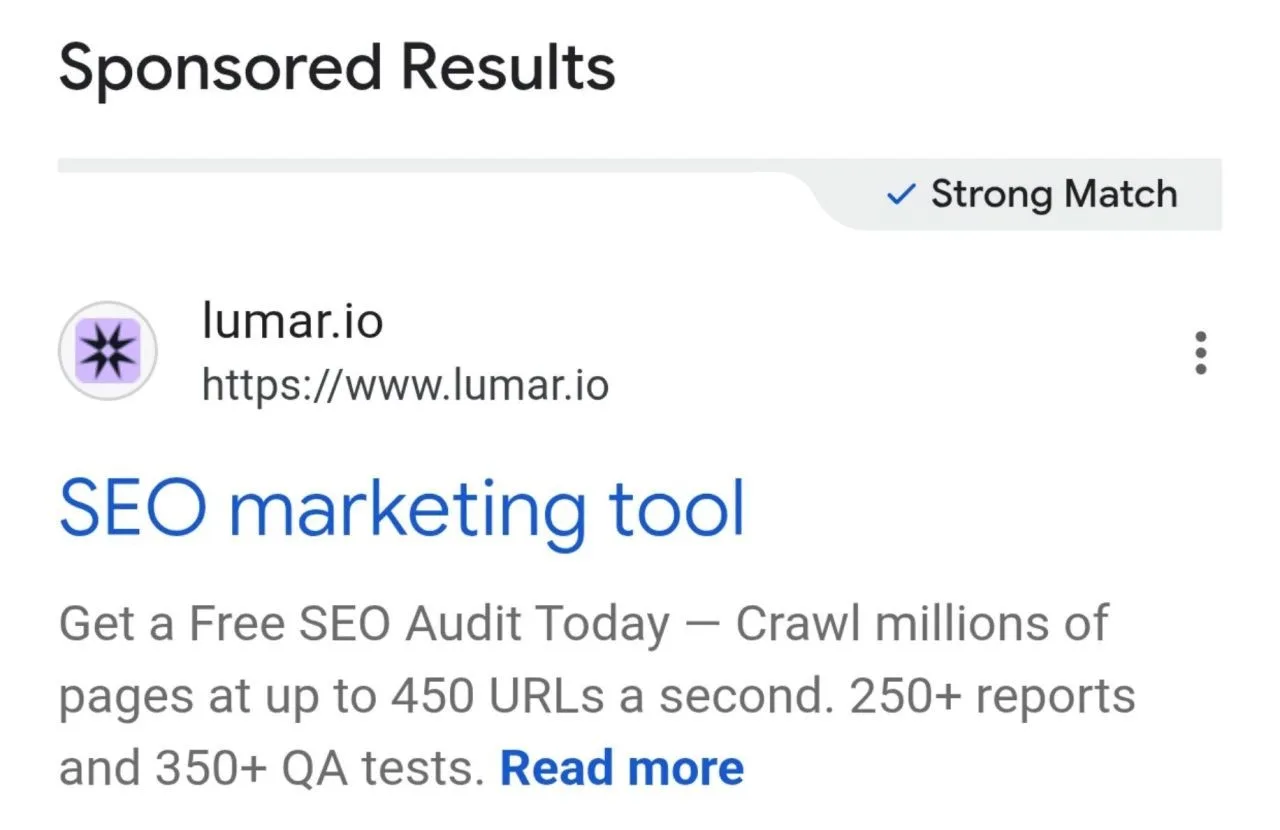
The ad-quality badges announced in mid-June are now serving, first discovered live by Sachin Patel and replicated by others. The badges use existing ad quality and relevance signals to label how well an ad matches the query.
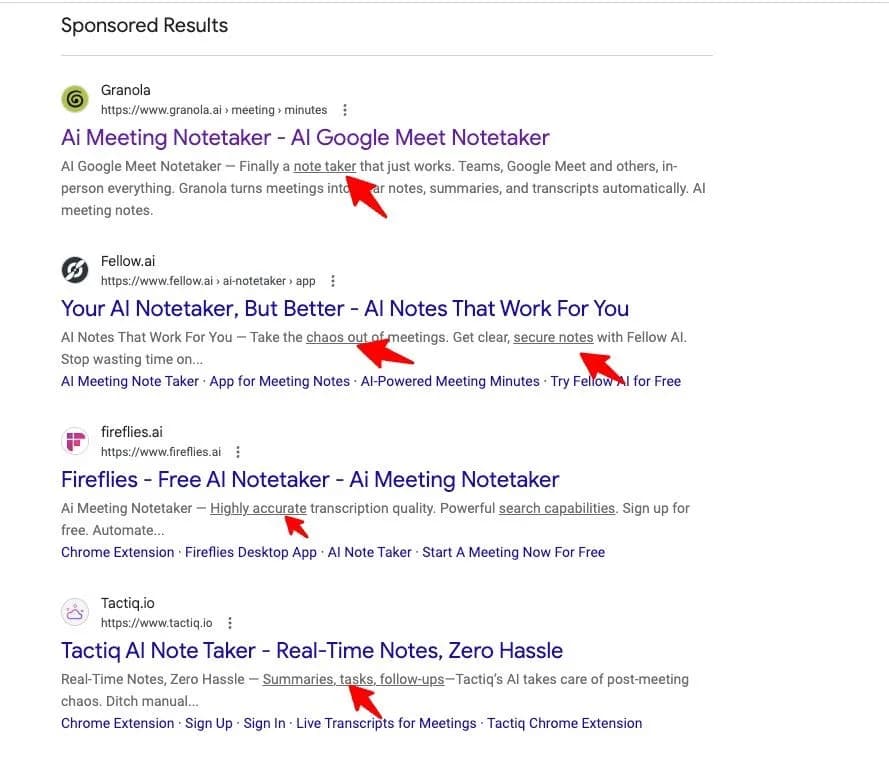
Google Ads is testing hyperlinked, keyword-rich anchor text inside sponsored ad descriptions. Clickable phrases within the copy deep-link beyond the headline URL.
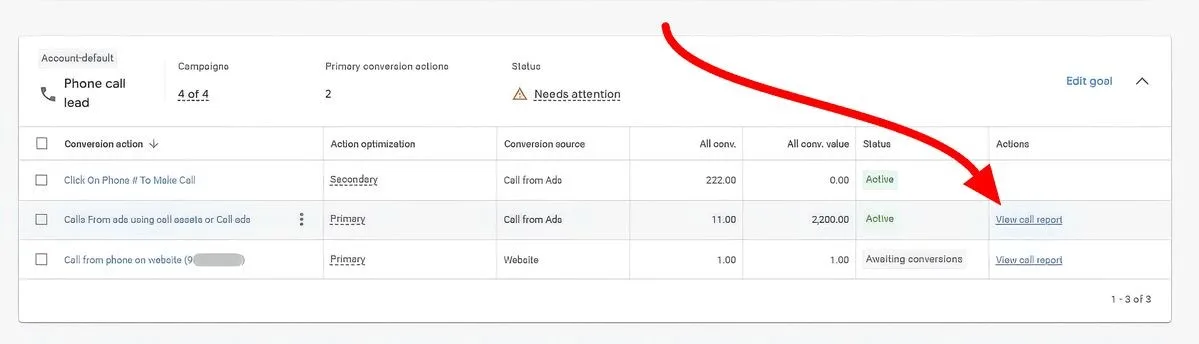
The conversions interface now links directly to a call report from phone call conversion actions. Call performance detail sits one click from the conversion summary.
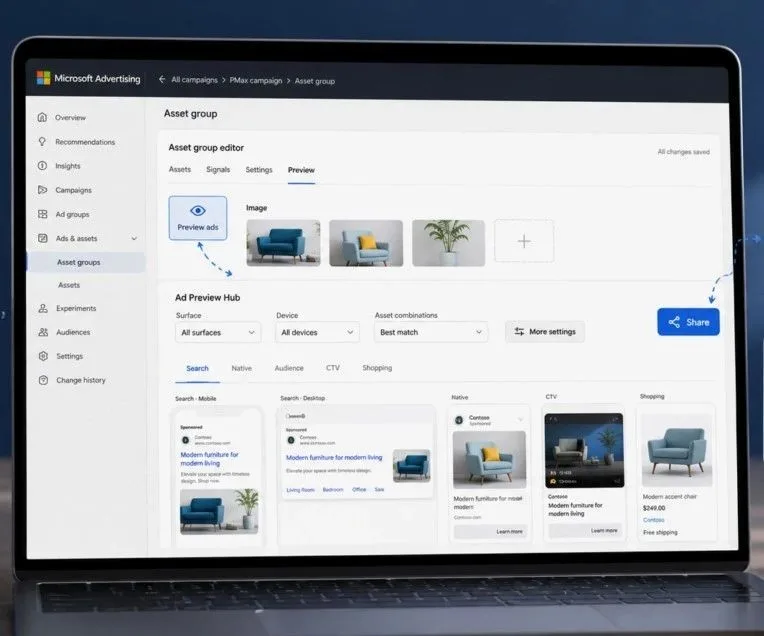
Microsoft Advertising is rolling out Audience ads placement exclusions within Performance Max, alongside age exclusions and age and gender targeting. Controls advertisers had on Google's PMax arrive on Microsoft's.
Google Ads is piloting a restriction that stops users on free email addresses, such as Gmail or Yahoo, from making sensitive account changes. It follows the Passkey requirement covered in Week 31 as part of a broader security tightening.
Google notified advertisers that Search campaigns using Automatically Created Assets or campaign-level broad match would start migrating to AI Max from 1 September.
Google begins enforcing its government documents and services policy on 5 October, requiring official authorisation, matching services and regional targeting.
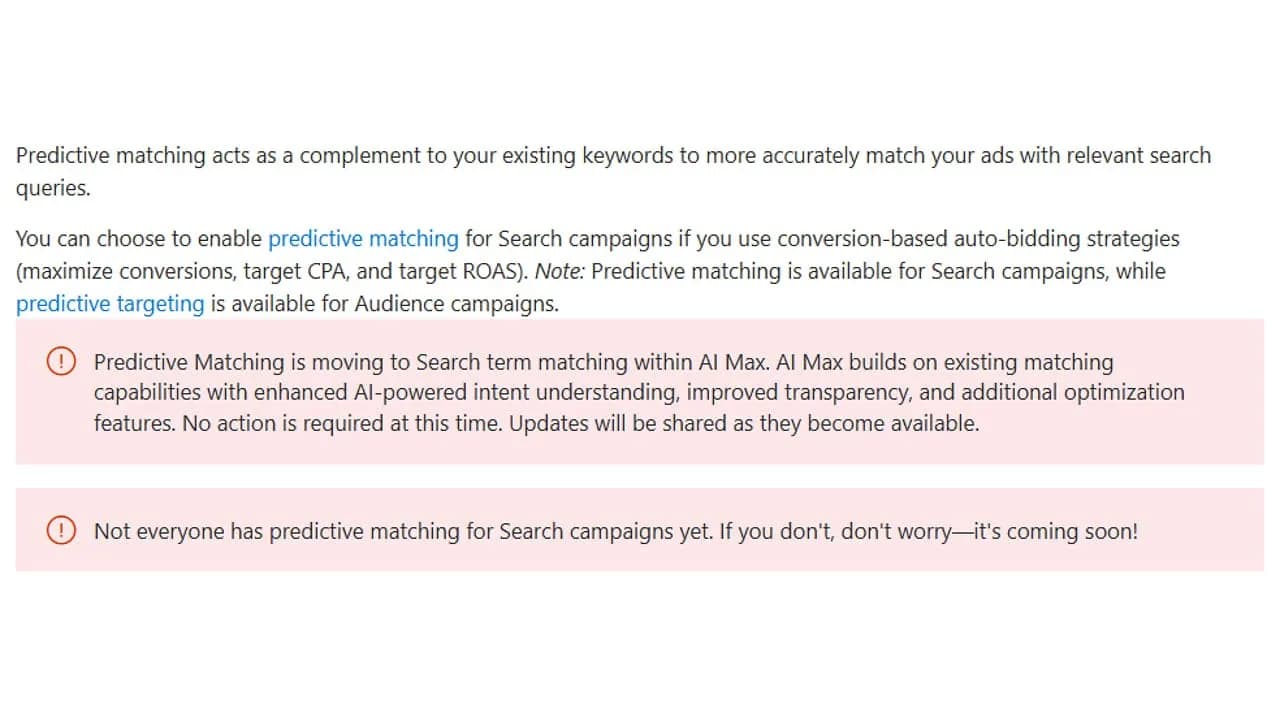
Microsoft Advertising is transitioning Predictive Matching to Search term matching within AI Max. The consolidation aligns Microsoft's query-expansion features under its AI Max umbrella.
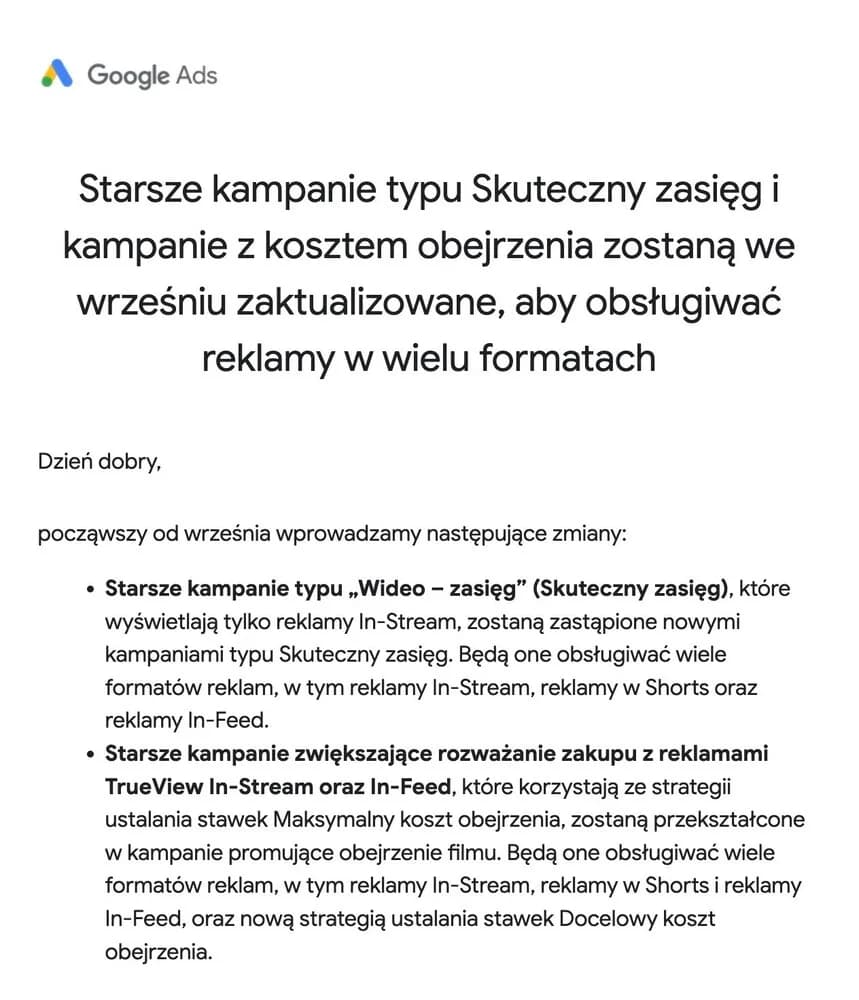
Google will automatically upgrade legacy Video Reach and Video View campaigns to support multiple formats starting in September, per advertiser notifications.
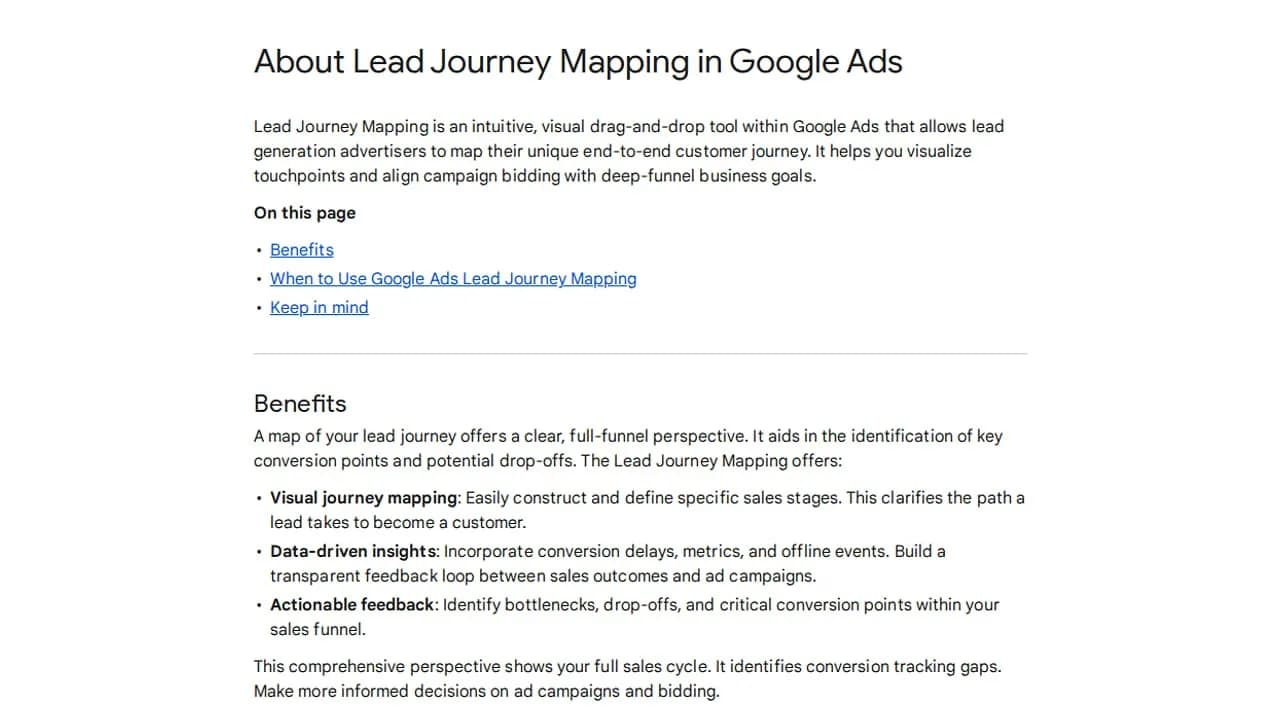
A new help page reveals Lead Journey Mapping, a visual drag-and-drop tool that maps the end-to-end customer journey inside Google Ads. It covers online and offline touchpoints from lead to sale, exposing tracking gaps and preparing accounts for journey-aware bidding.
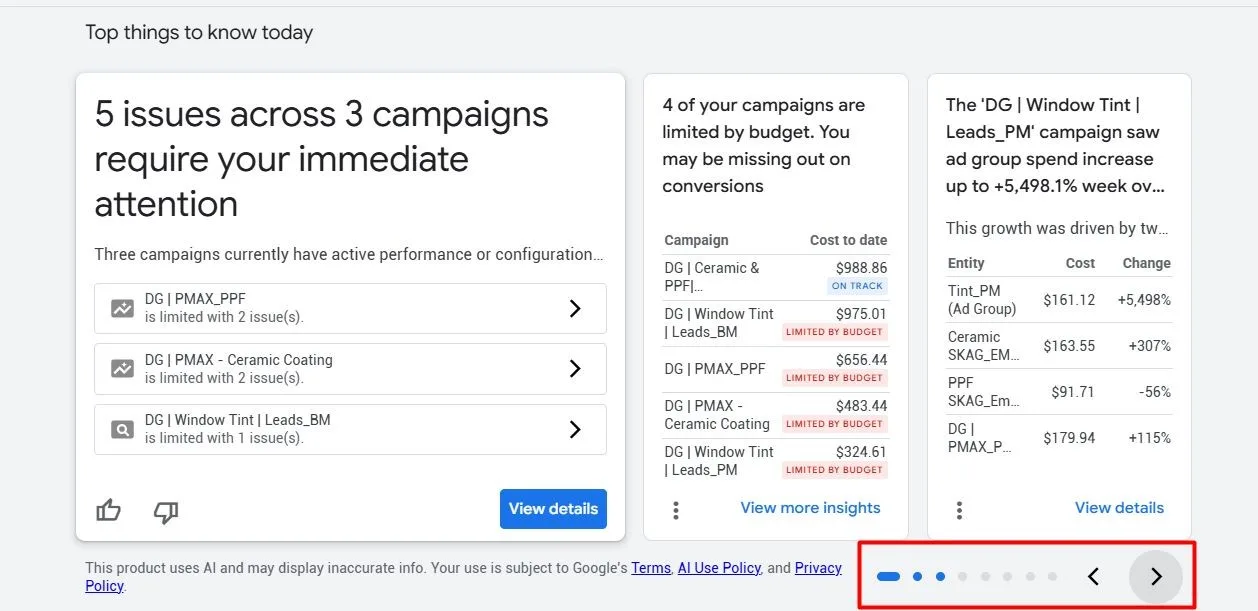
Google Ads now shows a swipeable carousel of up to seven insight cards instead of a single recommendation. Cards cover budget issues, performance shifts, and campaign attention flags.
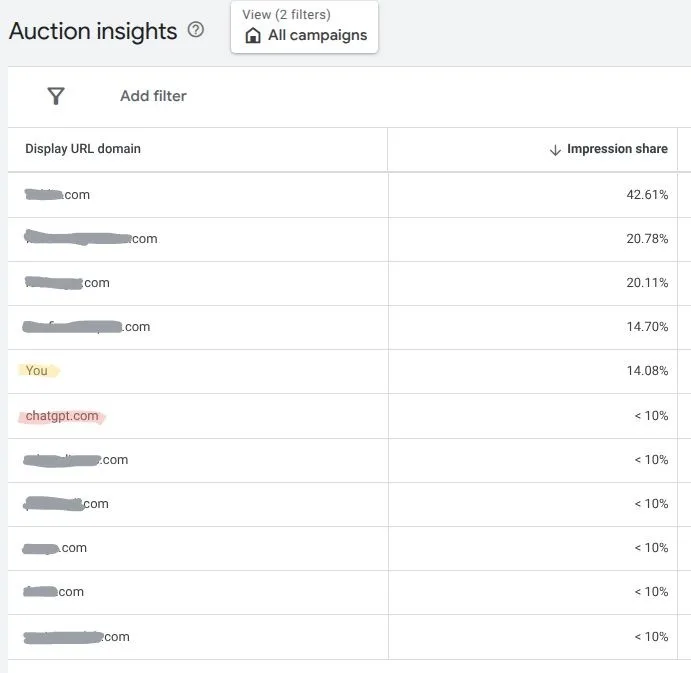
An advertiser in a niche financial software area found ChatGPT in their Google Ads auction insights, present since May on exact match keywords. It is the clearest sign yet that ChatGPT ads compete in overlapping auctions.
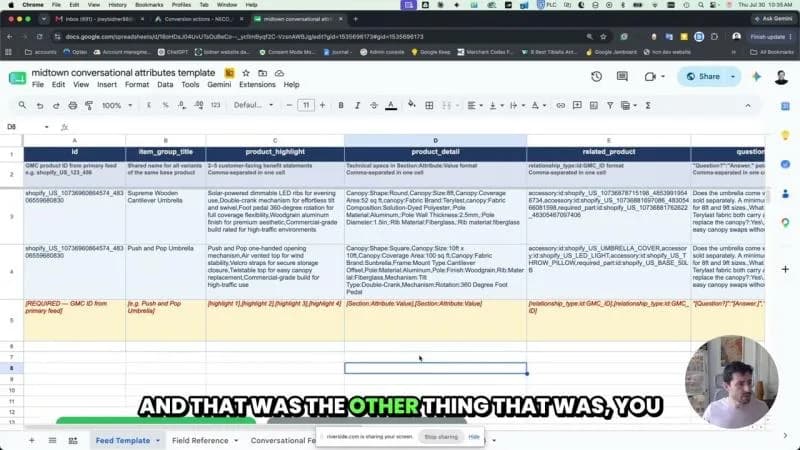
Joey Bidner has produced a video on uploading conversational attributes to the Google Ads shopping feed, covering the attribute formatting and the thinking behind it: the part Google's documentation leaves unclear.
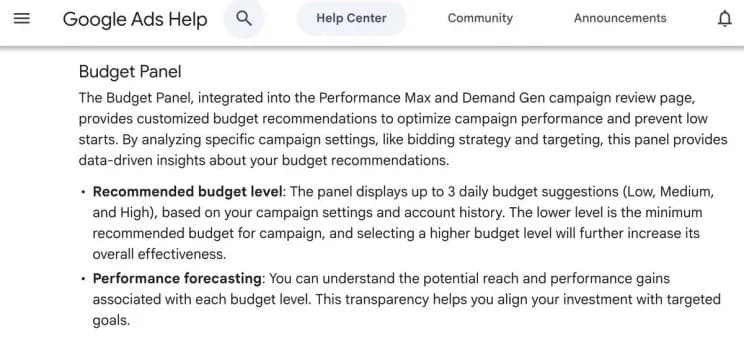
Google added a Budget Panel to its help documentation for Performance Max and Demand Gen. It shows recommended budget levels with performance forecasting to guide spend decisions.
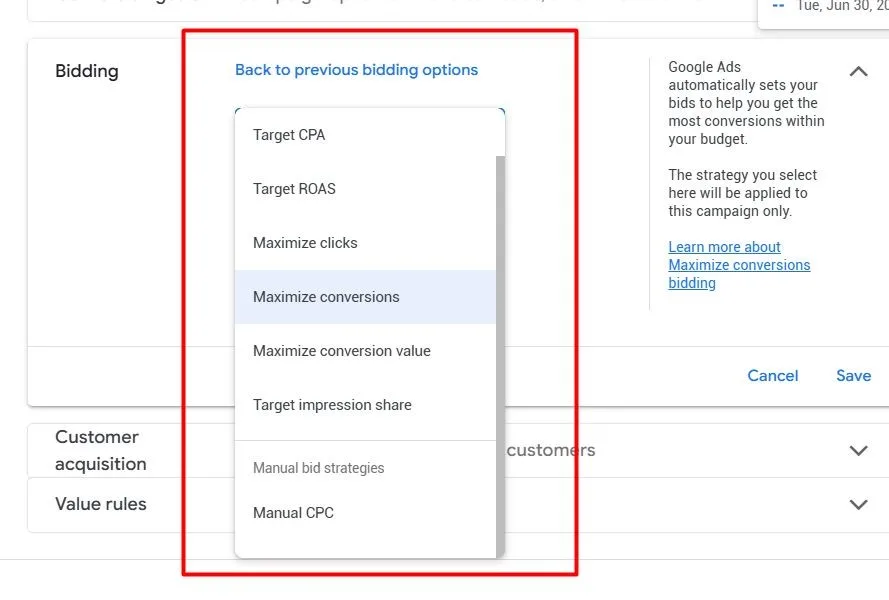
Google Ads is showing Target CPA and Target ROAS as explicit bidding strategy choices in campaign settings. This continues the Smart Bidding renaming covered in Week 25, now visible in the interface.
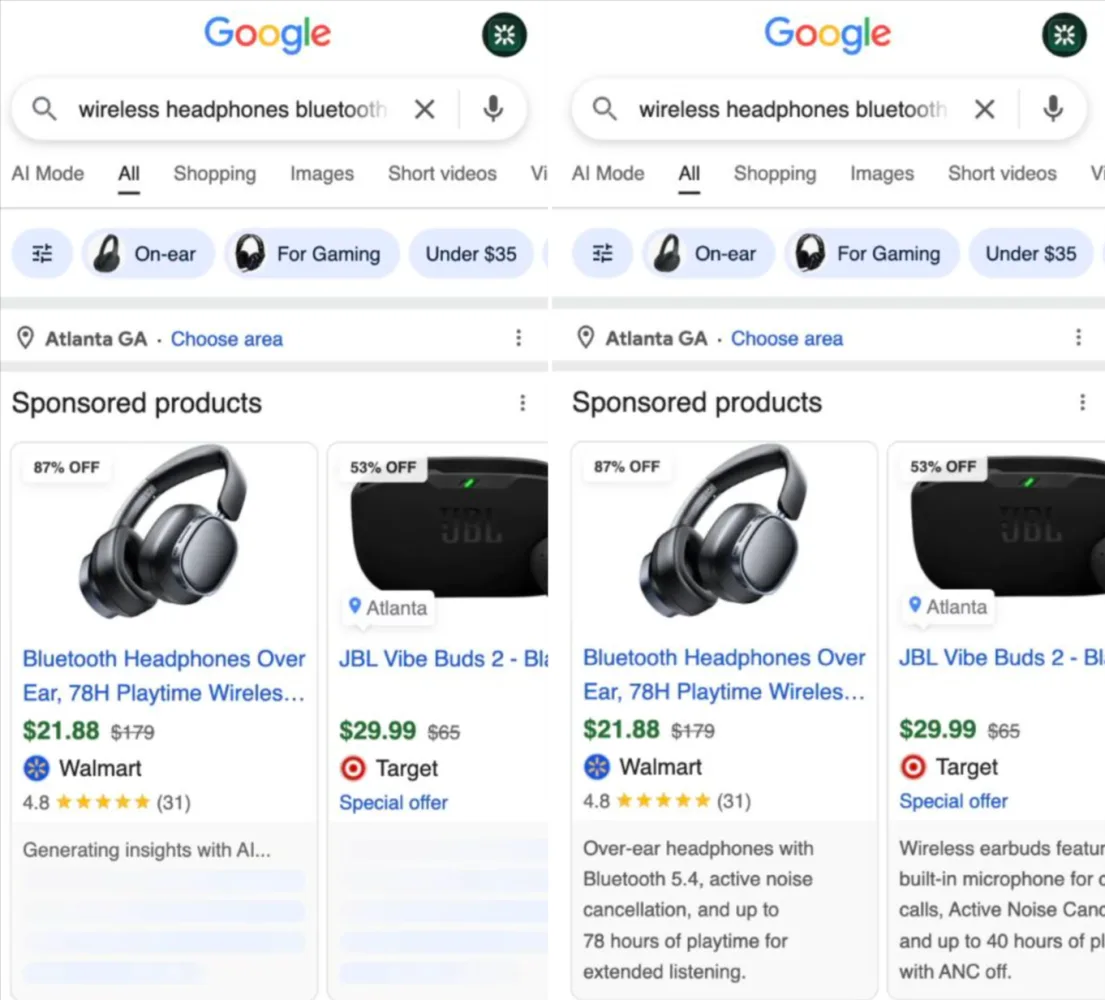
Mobile product ads are showing a "generating insights with AI" notice that transforms into a description beneath the ad unit. This continues the AI-descriptions rollout covered in Week 27, now on Shopping surfaces.
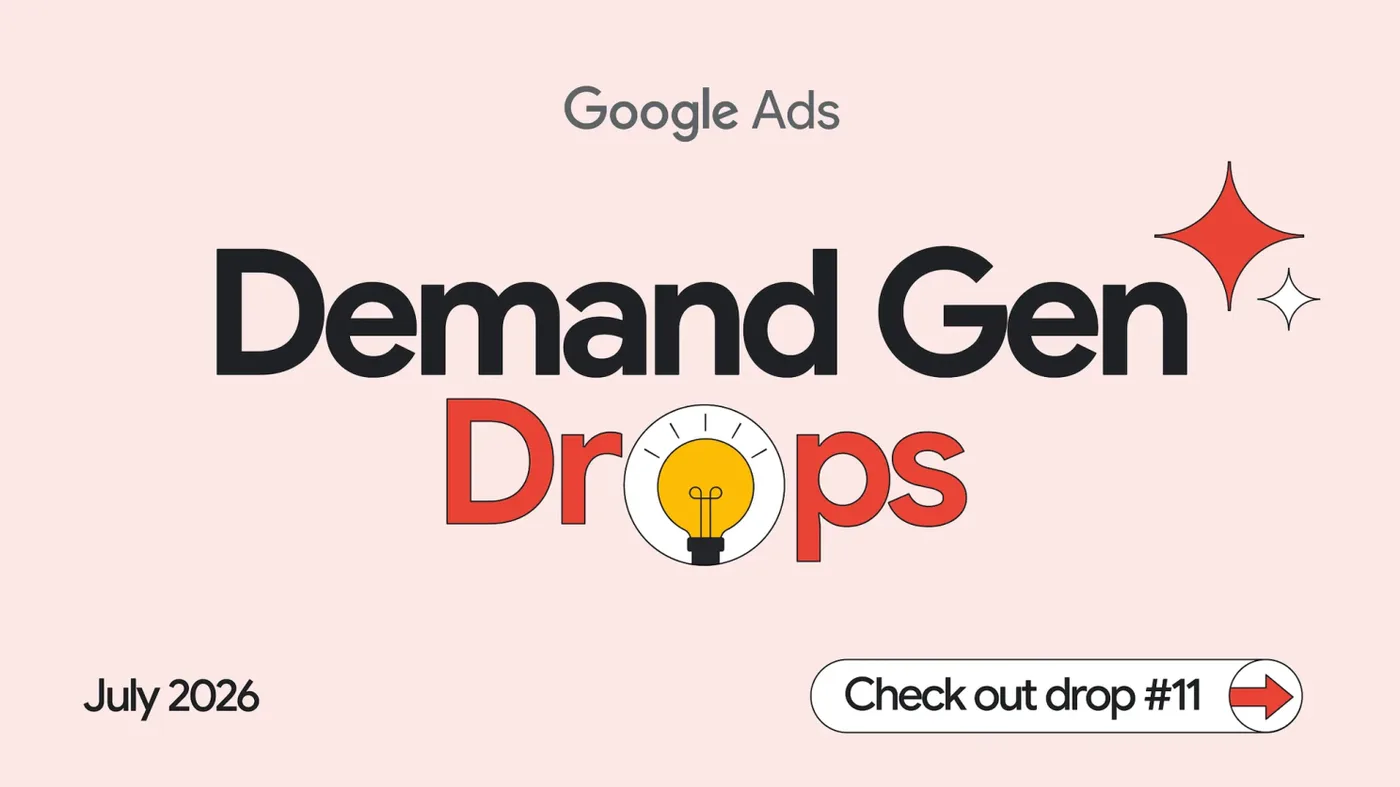
Google's July Demand Gen Drop targets holiday readiness, noting 94% of holiday shoppers who used YouTube took further purchase steps after watching a related video.
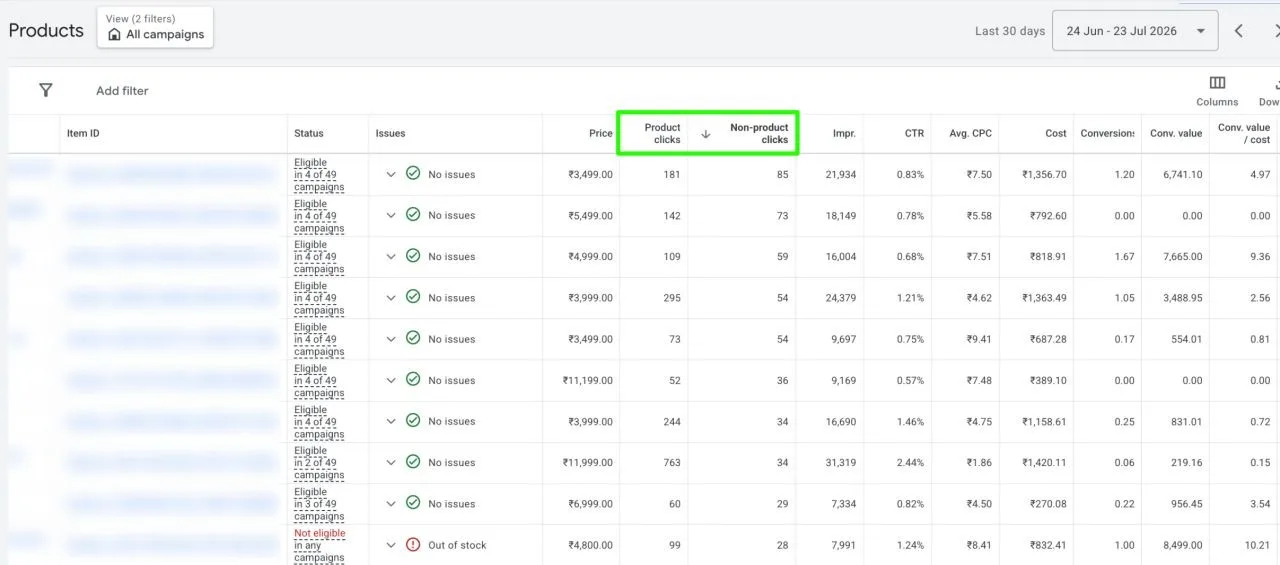
Google added two metrics to product reporting: product clicks and non-product clicks. They separate clicks on the product itself from clicks on other ad elements, not renamed columns.
Google is updating its Healthcare and Medicines policy in August to let telemedicine providers promote prescription drug services in Spain. Providers must hold LegitScript's Healthcare Merchant Certification, and violations receive a warning at least seven days before any account suspension.
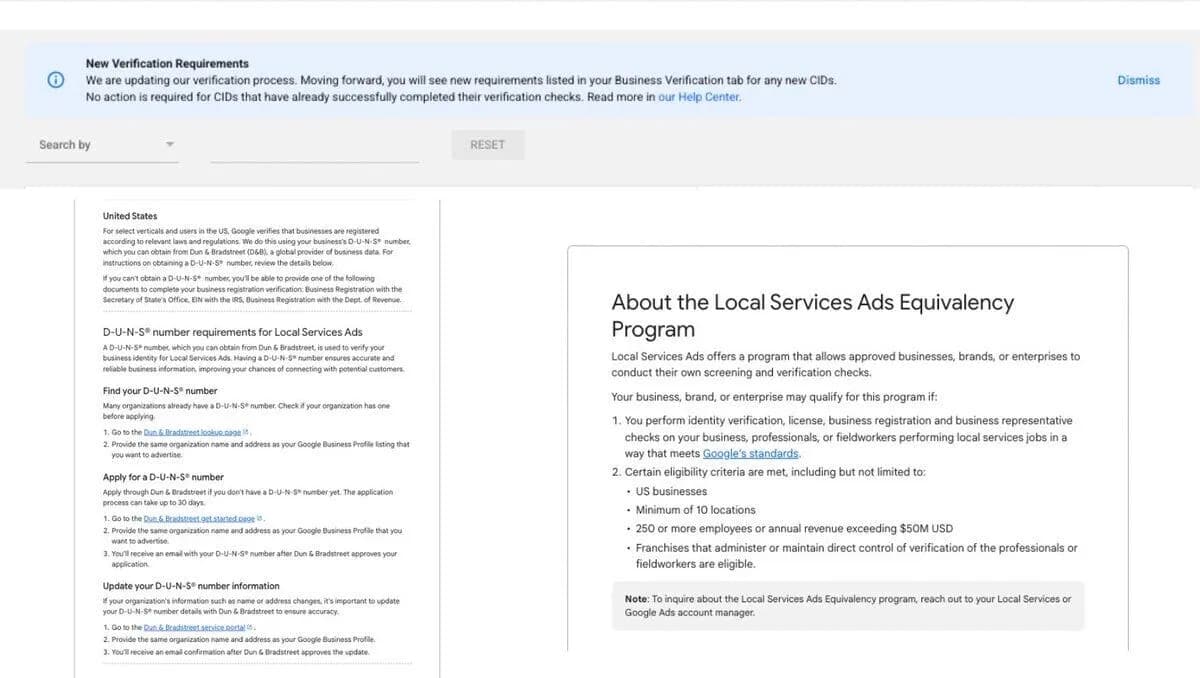
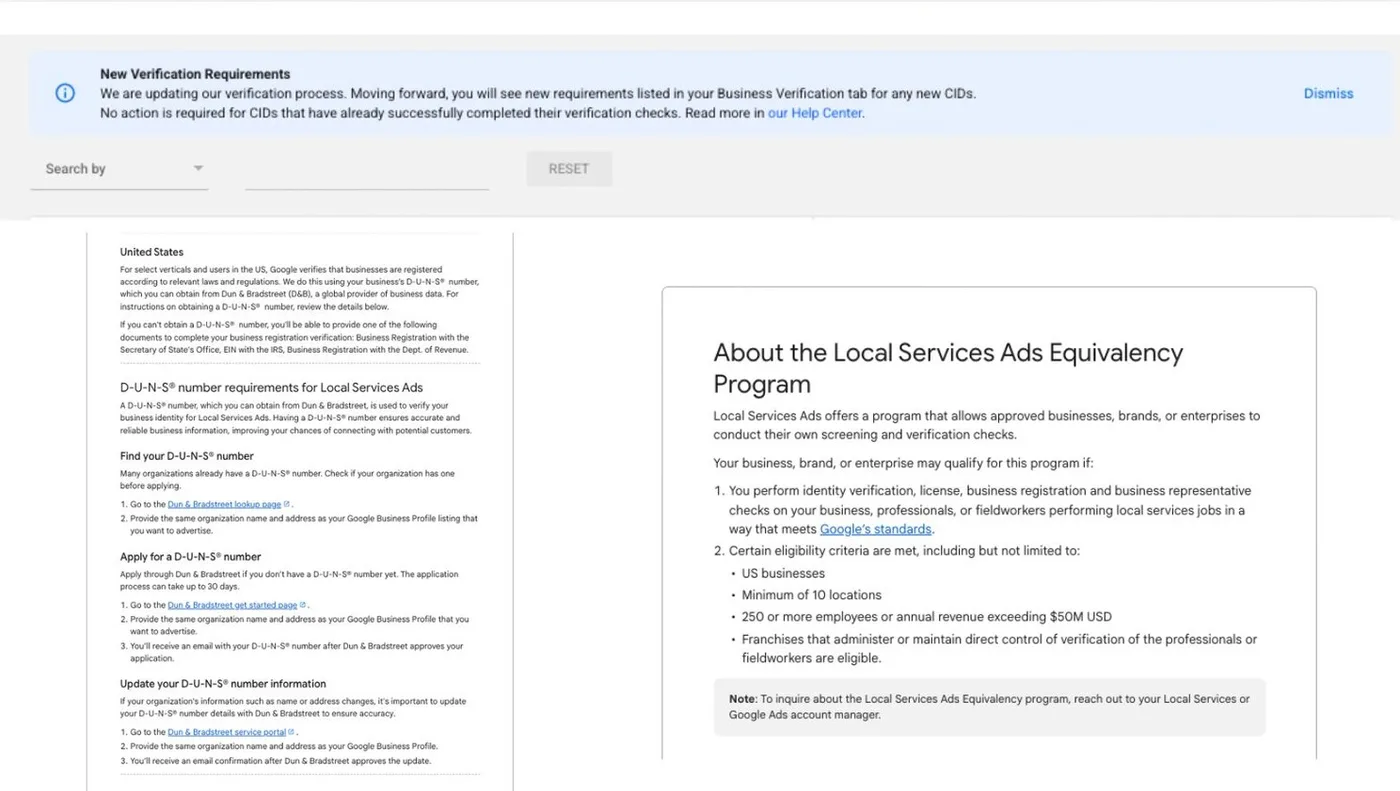
A new banner in the LSA platform flags changes to LSA verification. It suggests verification is being simplified, which had been a barrier for local advertisers.
Each update has one permanent page. New evidence about the same development is added to that page. Dates identify the source report or newsletter coverage; article publication dates appear in the full view.
2026 newsletter archive: 38 editions and 1,562 distinct updates through Week 36. Source descriptions, credits and media are preserved; missing details remain marked.
Spotted an update worth sharing?
Share the original source and what changed. If it is already covered, help us improve the existing update.