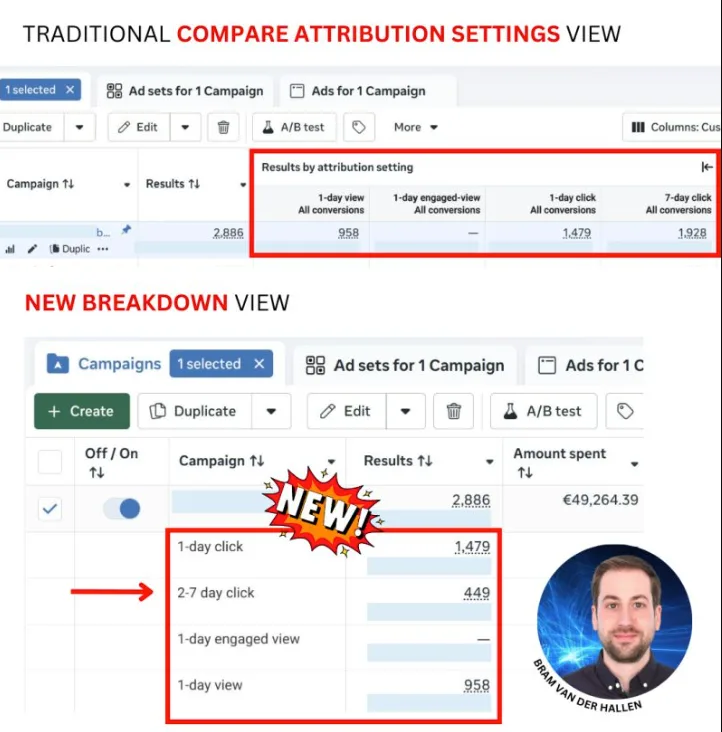
Meta has introduced a new breakdown option that displays results by attribution settings in rows rather than columns. The feature includes a 2-7-day click row that shows the difference between 7-day and 1-day click results, making attribution analysis more straightforward.
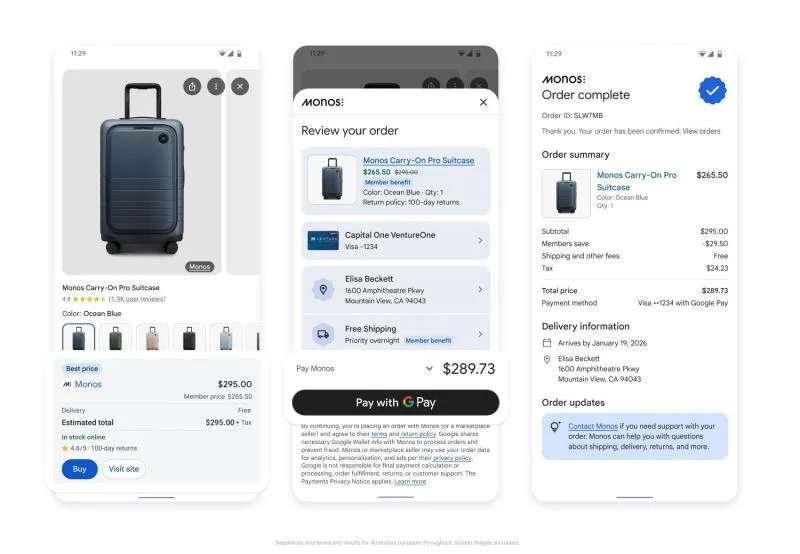
Microsoft has introduced Copilot Checkout, enabling shoppers to complete purchases directly within Copilot conversations without redirects. Merchants remain the seller of record and retain customer data and relationships.
Reddit has introduced Max campaigns, an AI-powered campaign type that automates settings to optimise for every impression. Early split tests show a 17% lower CPA and 27% higher conversion rate than manual setups.
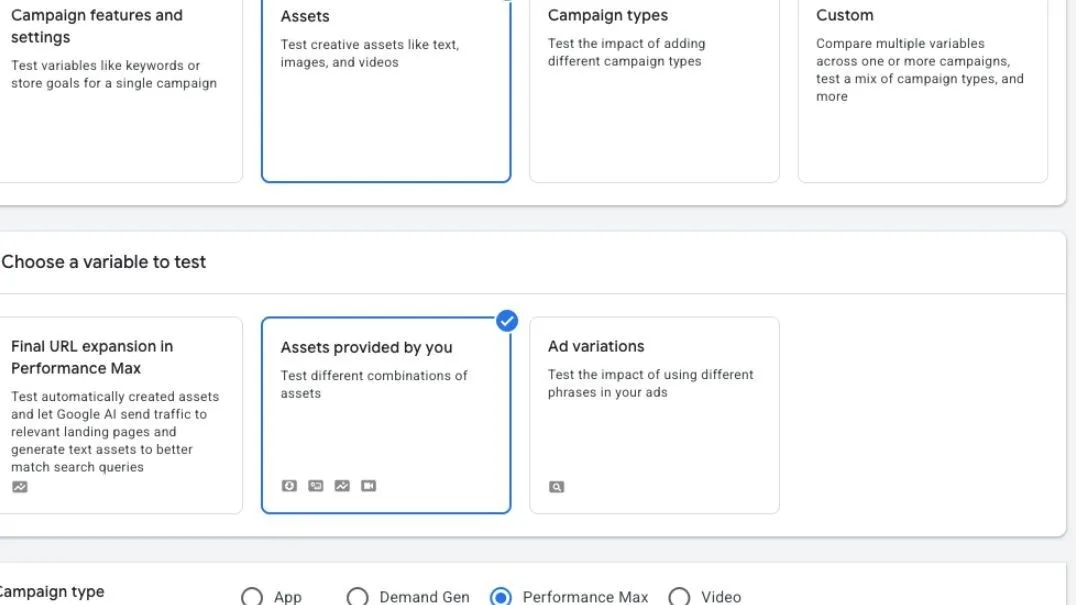
Google has released A/B testing for assets within Performance Max campaigns. You can now test two different creative sets (A vs B) inside the same asset group while keeping shared assets running in parallel.
Starting February 2, 2026, the Google Ads API will no longer accept new adopters using session attributes or IP address data for conversion imports. Developers should transition to the Data Manager API, which will continue accepting this data.
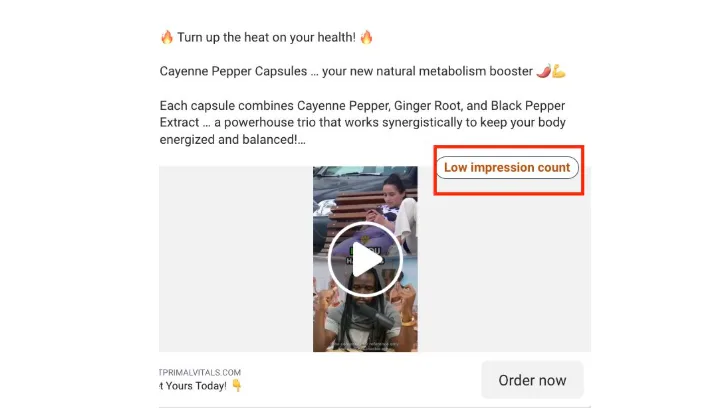
Meta has added impression count data to the Ads Library, making it easier to identify which competitor ads are receiving significant spend versus low-performing creatives. The feature labels ads with fewer than 100 impressions as low count.
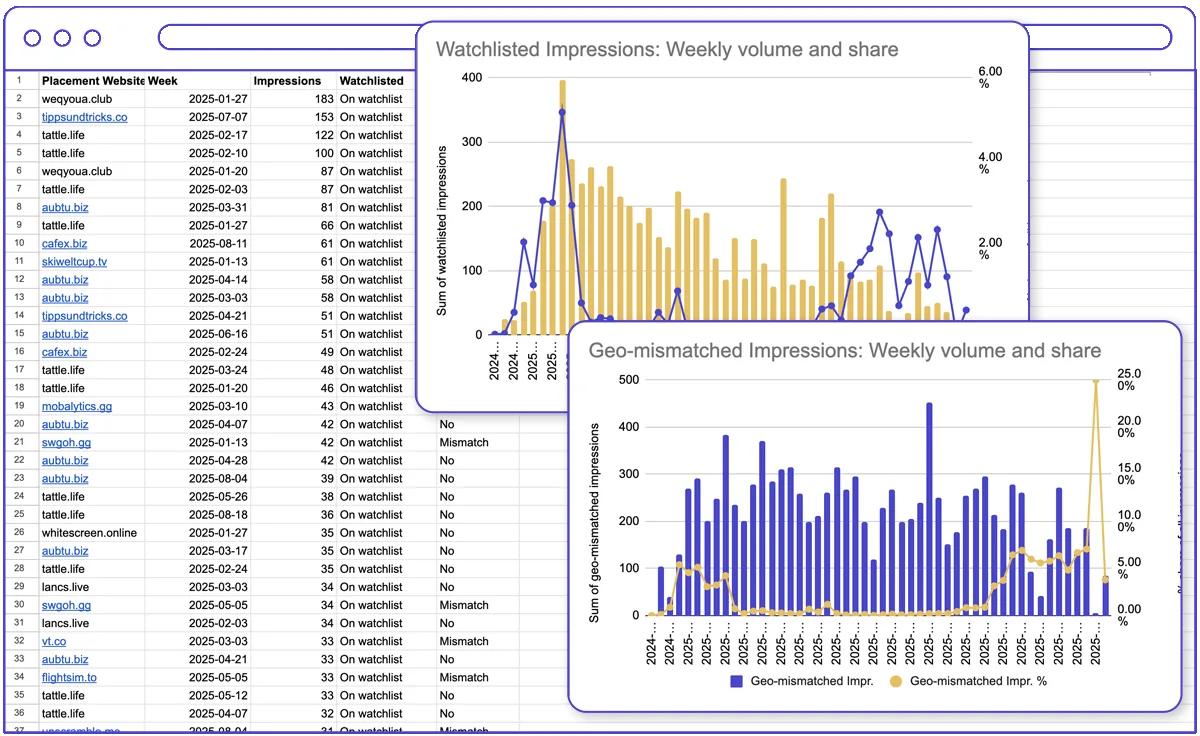
Smarter Ecommerce has released a free script that audits Google Display Network placements for spam and MFA (Made for Advertising) sites. The tool flags 125+ high-risk TLDs based on data from ICANN, Spamhaus, and other watchdogs, and cross-references your Content Suitability report to identify mismatched country targeting.
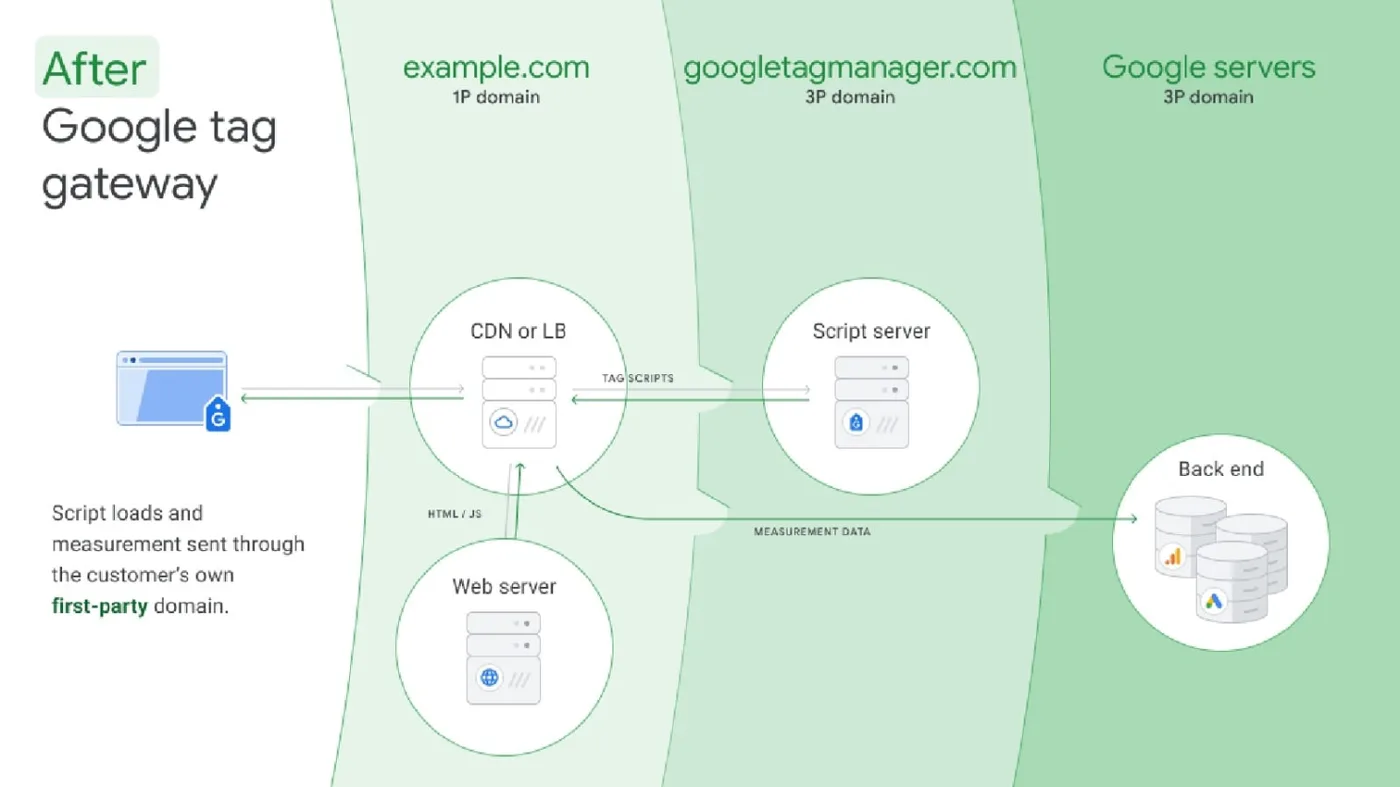
Google Tag Gateway is rolling out a GCP integration that enables one-click deployment via an External Application Load Balancer. The feature allows advertisers to host Google's tagging technologies on a first-party domain, adding resilience against Apple's Intelligent Tracking Prevention and ad blockers.
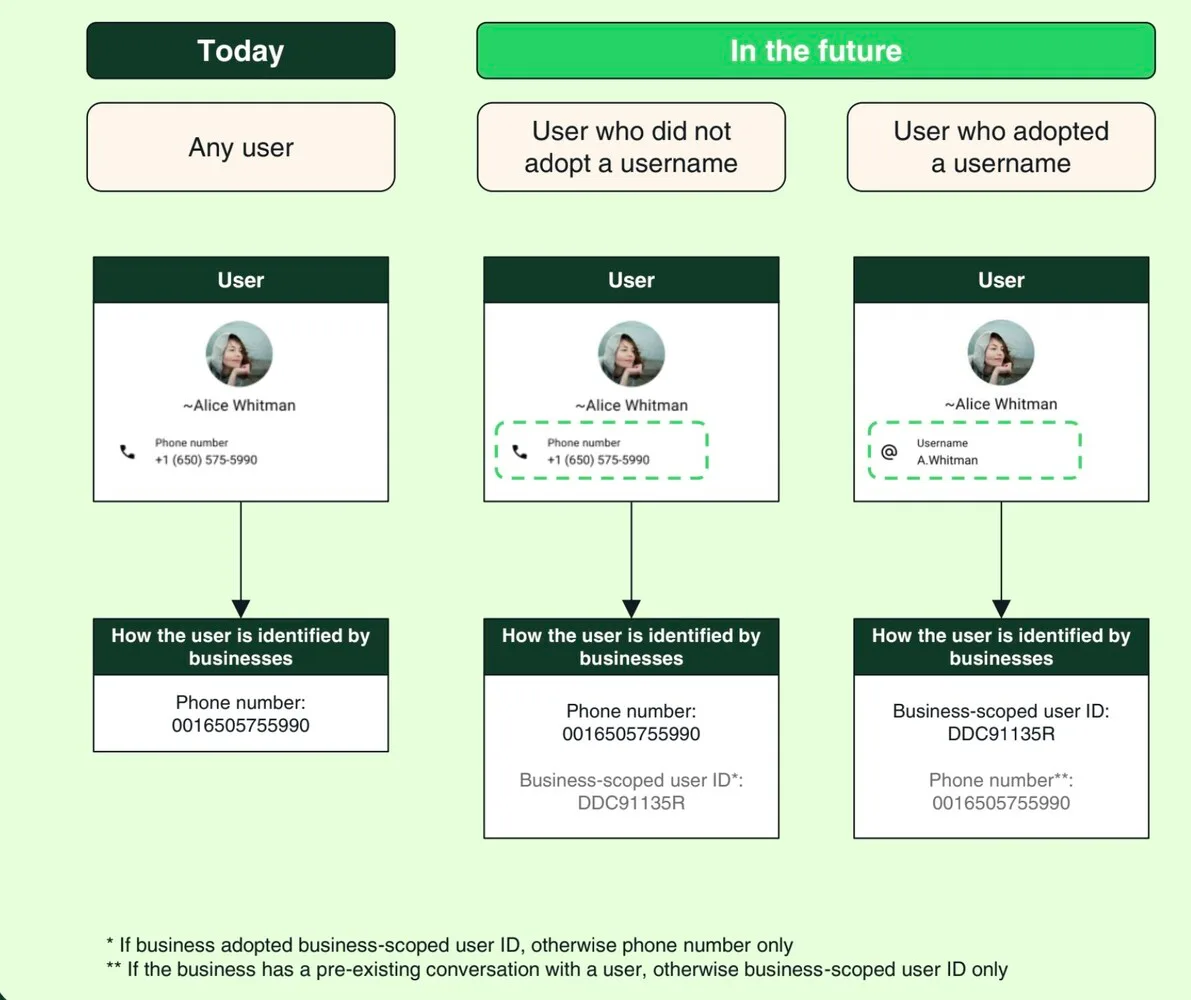
WhatsApp will allow users to communicate via usernames instead of phone numbers, with rollout expected throughout 2026. Businesses using WhatsApp API must update CRM systems, chatbots, and workflows to support the new Business-Scoped User ID (BSUID) by June 2026.
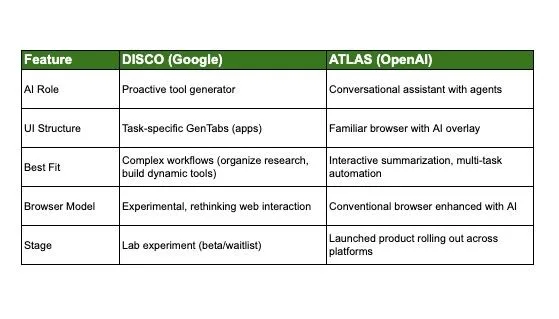
Google has released Disco through Google Labs, an experimental AI-powered browser built on Gemini 3. The browser's GenTabs feature creates interactive web apps from your open tabs and browsing context, turning research sessions into structured dashboards without coding.
Google has introduced Direct Offers, a new Google Ads pilot that lets advertisers present exclusive discounts to high-intent shoppers directly in AI Mode. The feature works alongside PMax and Standard Shopping campaigns, using AI to determine when to display offers based on shopper intent.
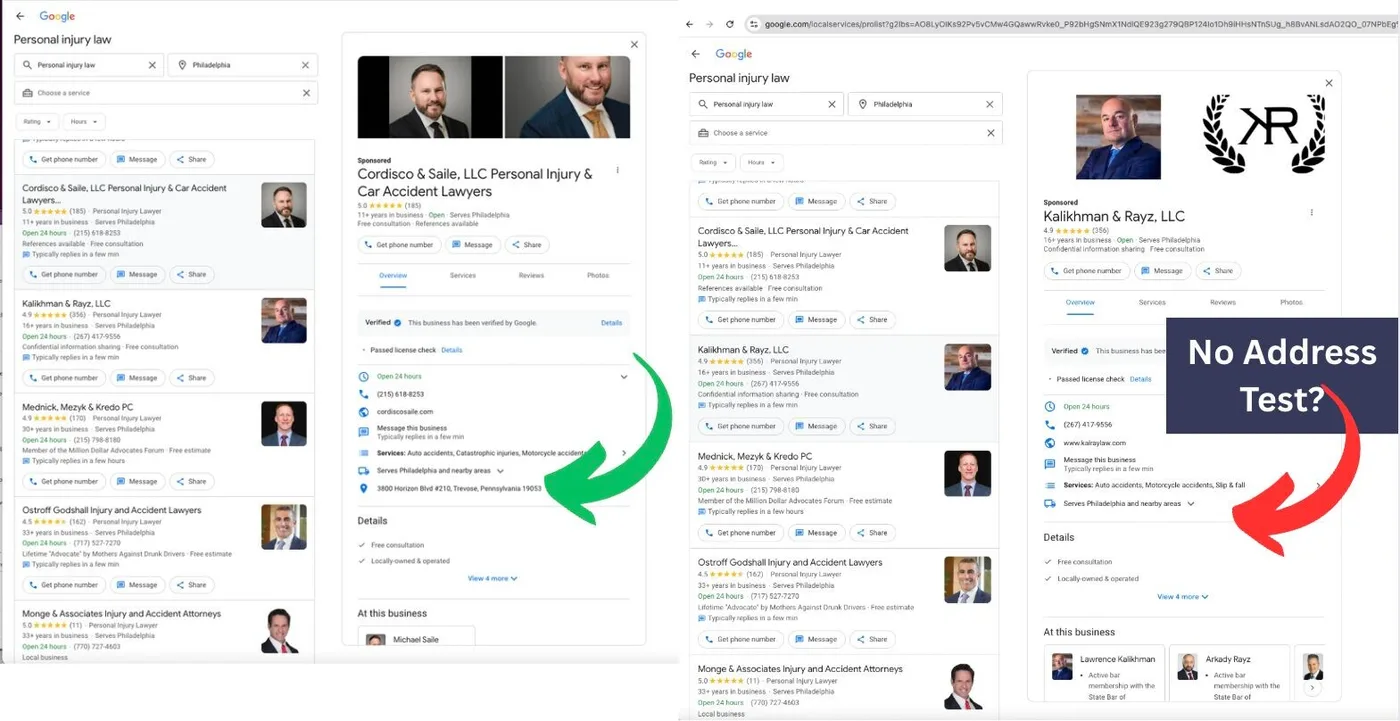
Google appears to be testing Local Services Ads profiles that do not display the business address. The test is visible across multiple practice areas and locations, with some profiles showing the address field while others do not, even though they are connected to Google Business Profiles with active reviews.
Google Ads will begin accepting online gambling advertisements in Belarus from licensed operators starting January 22, 2026. Permitted ad types include online poker, sports betting, online casino games, and state lotteries.
Google Merchant Centre is updating how multi-channel products work, unifying online and in-store inventory into a single product listing instead of separate records. The change affects users of the Content API, Merchant API, and BigQuery Data Transfer.
Meta is adding detailed error fields to the Ads Insights Async API GET endpoint, launching with Graph API v25.0 on February 18, 2026. New default fields include error_code, error_message, error_subcode, and user-friendly error titles and messages.
Google Ads will update its Gambling and games policy for India on January 21, 2026, disallowing all Rummy and Daily Fantasy Sports promotions targeting the country. The change is being made to comply with local legal requirements.
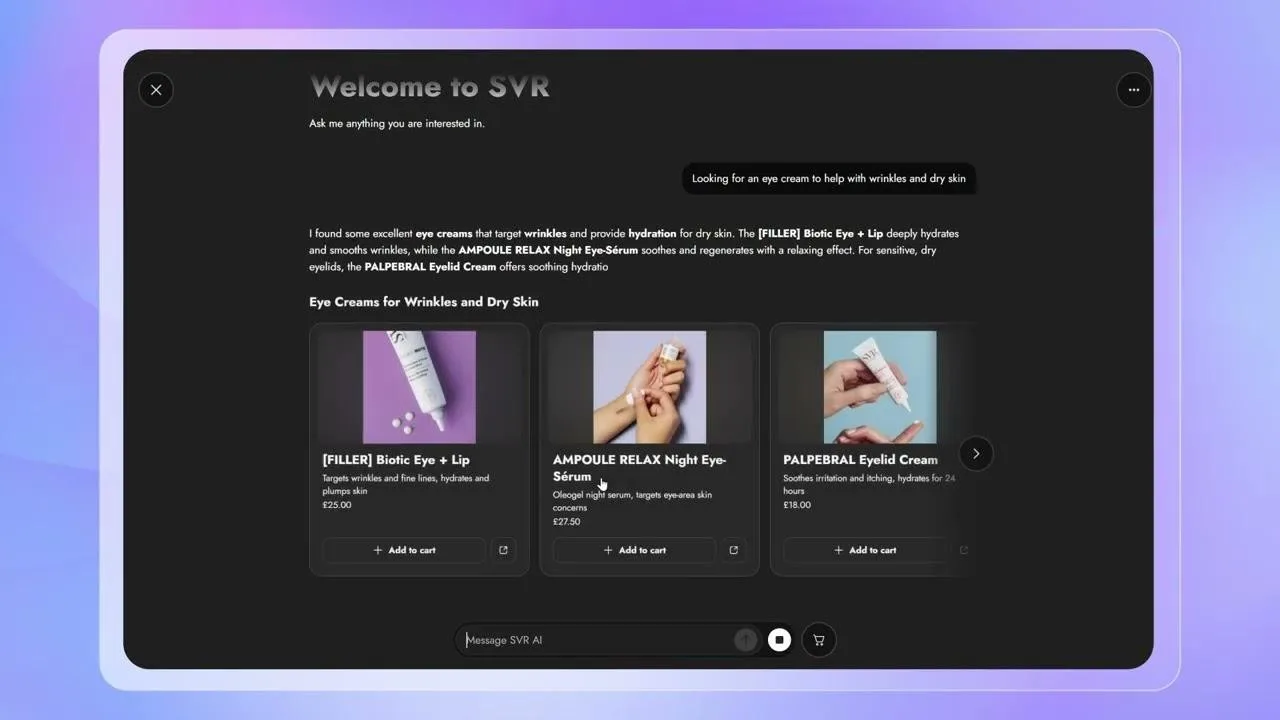
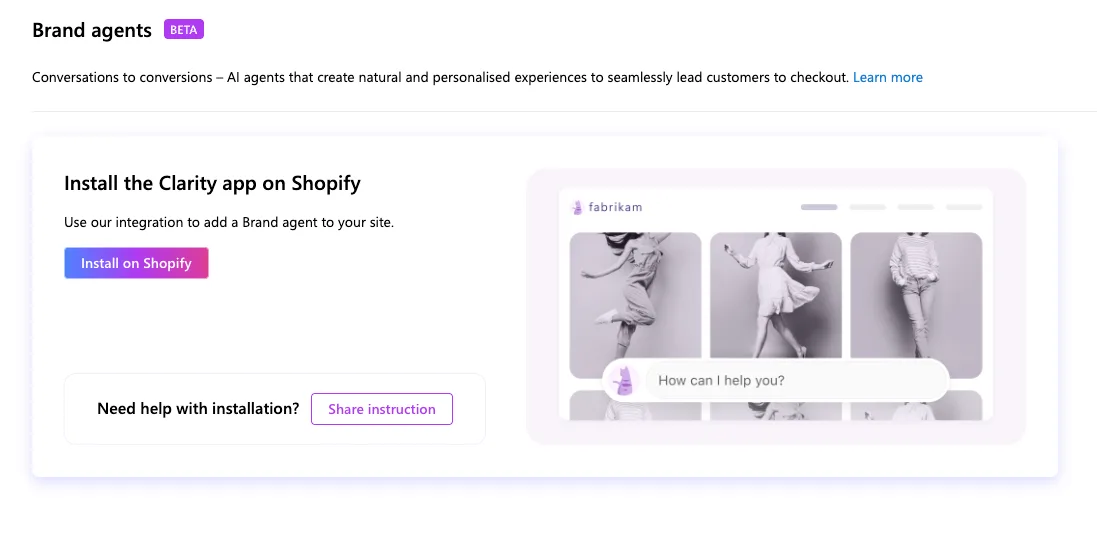
Microsoft has launched Brand Agents for Shopify merchants through Microsoft Clarity. The AI-powered shopping assistants speak in your brand's voice, guide customers from discovery to purchase, and can be deployed in hours.
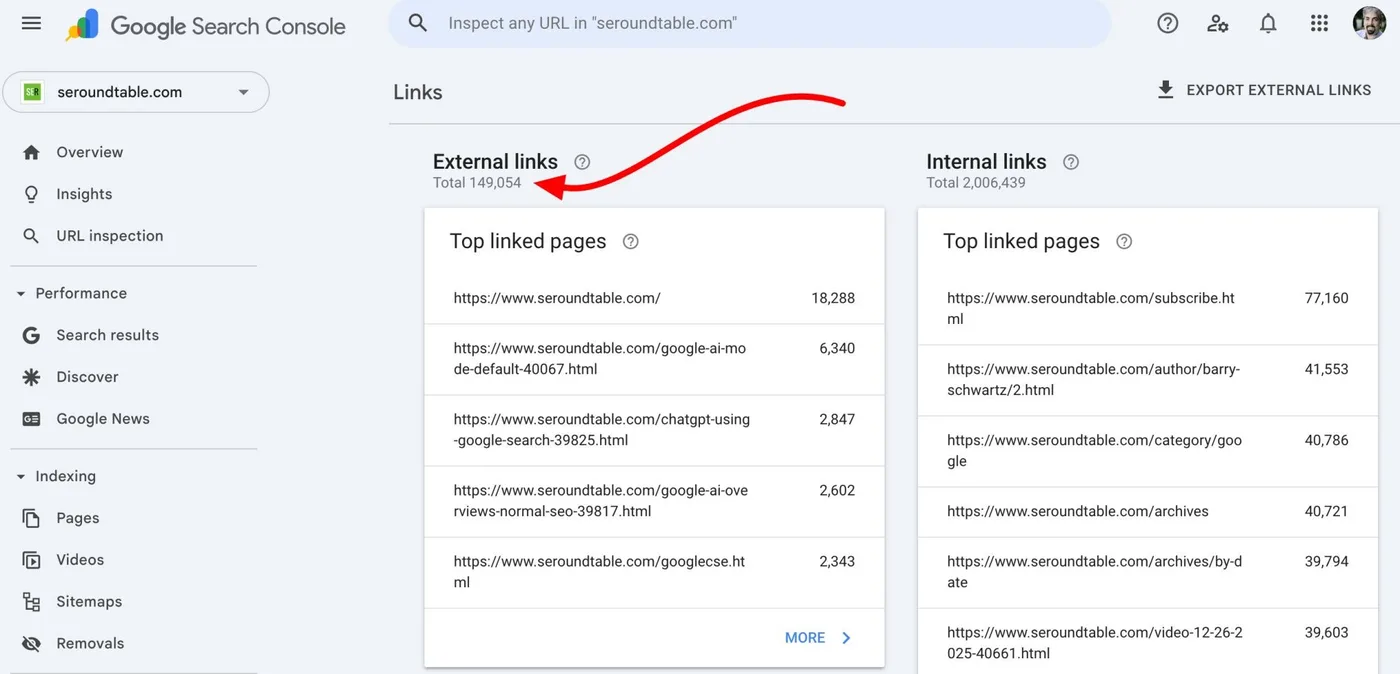
Google Search Console's links report does not show all backlinks to your site, and Google intentionally limits the data to prevent misuse by spammers. Third-party tools can provide more comprehensive data, though users should be cautious about over-relying on "toxic links" metrics.
Google is bringing Gemini to Gmail with several new features rolling out now. AI Overviews summarise long email threads and answer natural language questions about your inbox.
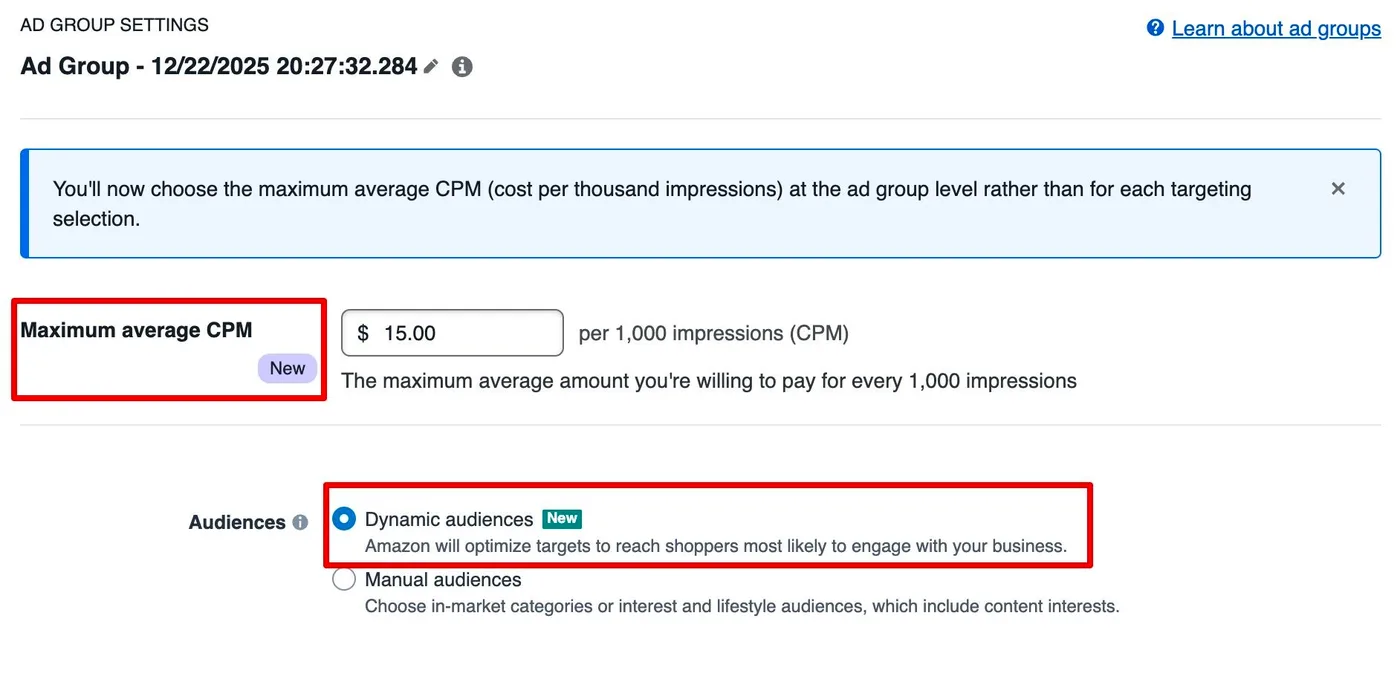
Amazon Streaming TV ads now offer two audience selection options: Dynamic and Manual. Dynamic targeting uses AI to optimise reach, while Manual gives you direct control over audience segments.
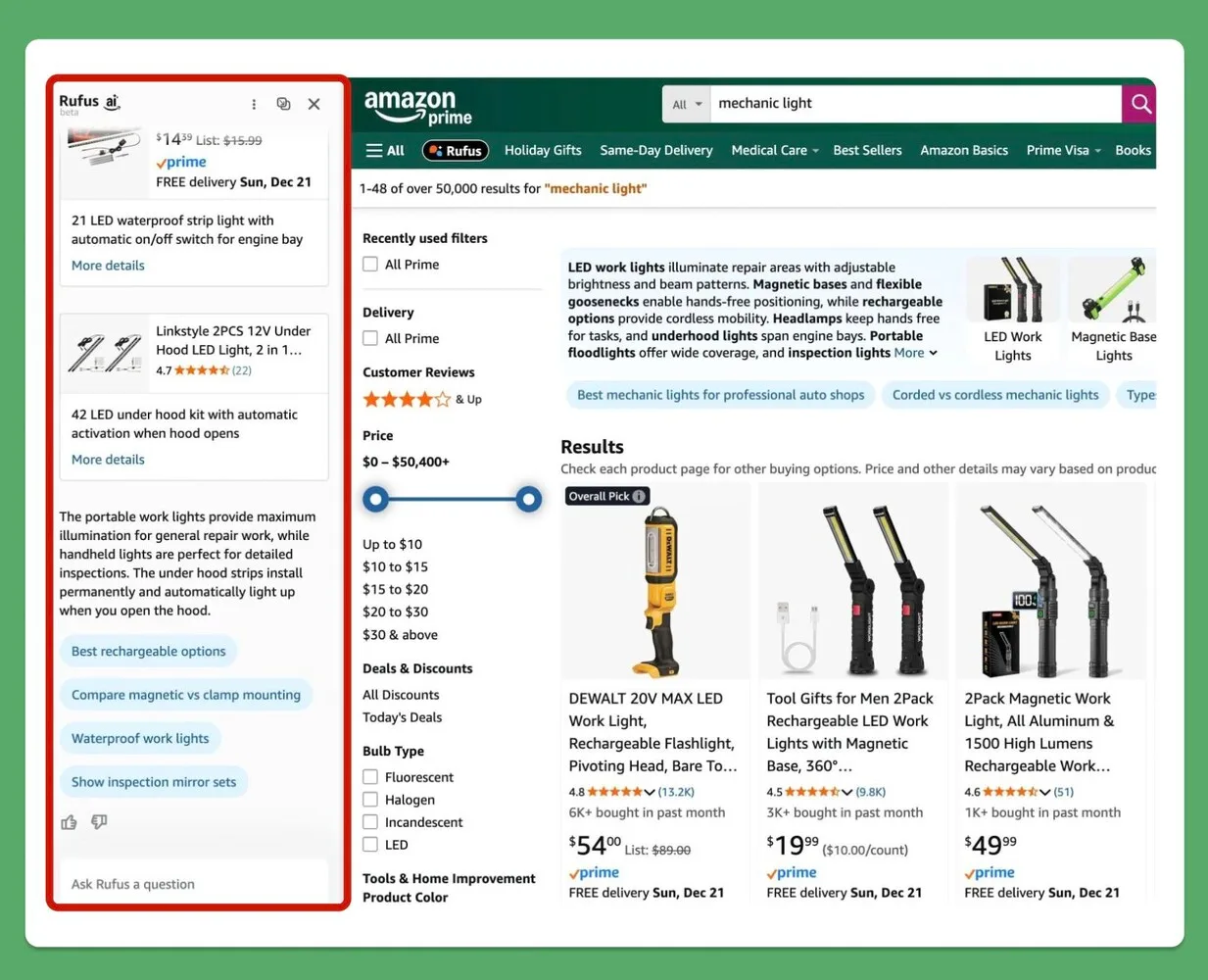
Amazon is now automatically displaying its AI assistant Rufus in search results, appearing in the left navigation for both native searches and users arriving from Google. This marks the most assertive rollout of Rufus to date, with the assistant loading without user interaction.
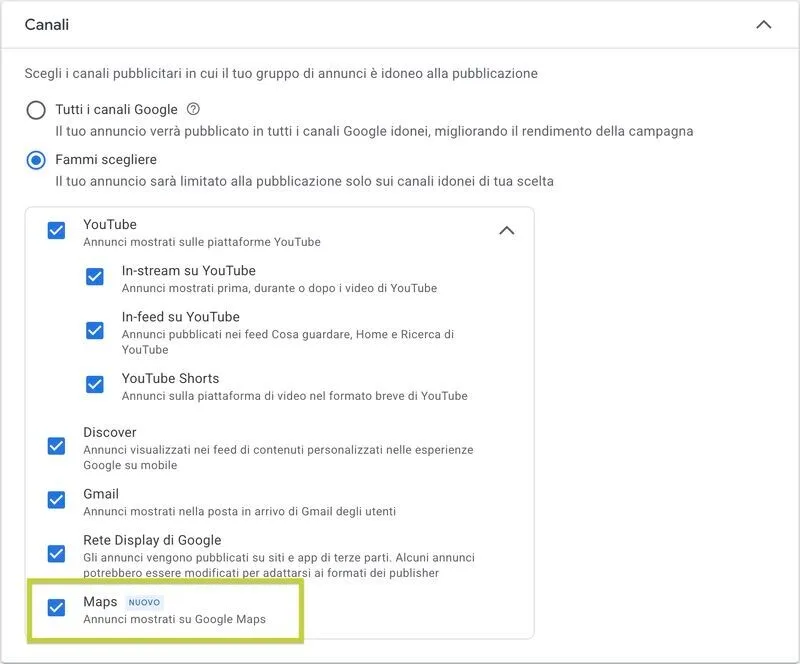
Google Maps is now a selectable channel in Demand Gen's Channel Control settings. You can now include Maps in your channel mix or run Maps-only campaigns.
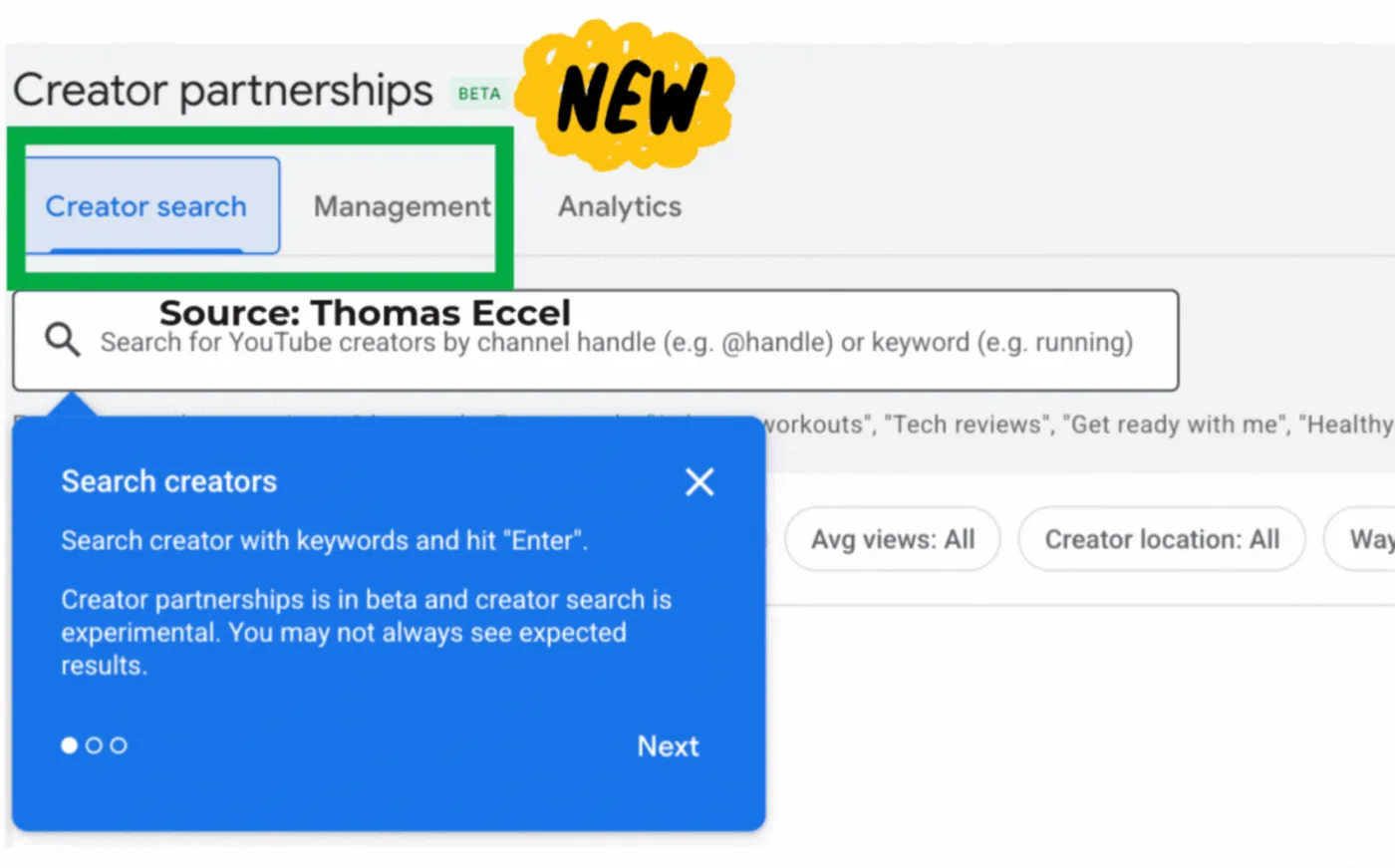
Google has expanded its Creator Partnership beta with two new features. Creator Search now allows keyword searches with filters for subscriber count, average views, location, and contact availability.
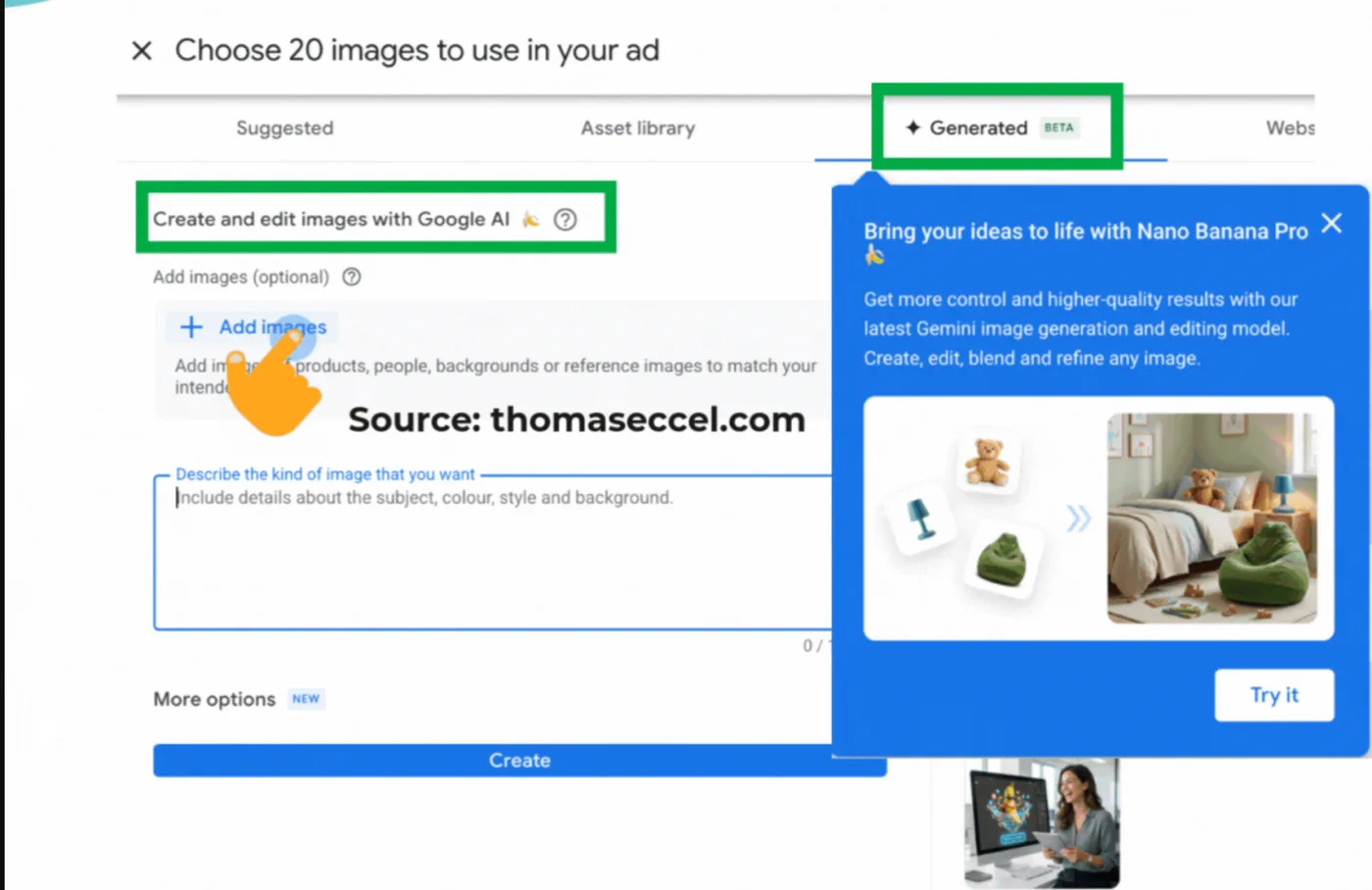
Google has launched AI-powered video generation directly inside Merchant Centre, allowing advertisers to convert static product images into short videos at no cost. The tool auto-generates an initial prompt when you upload a photo.
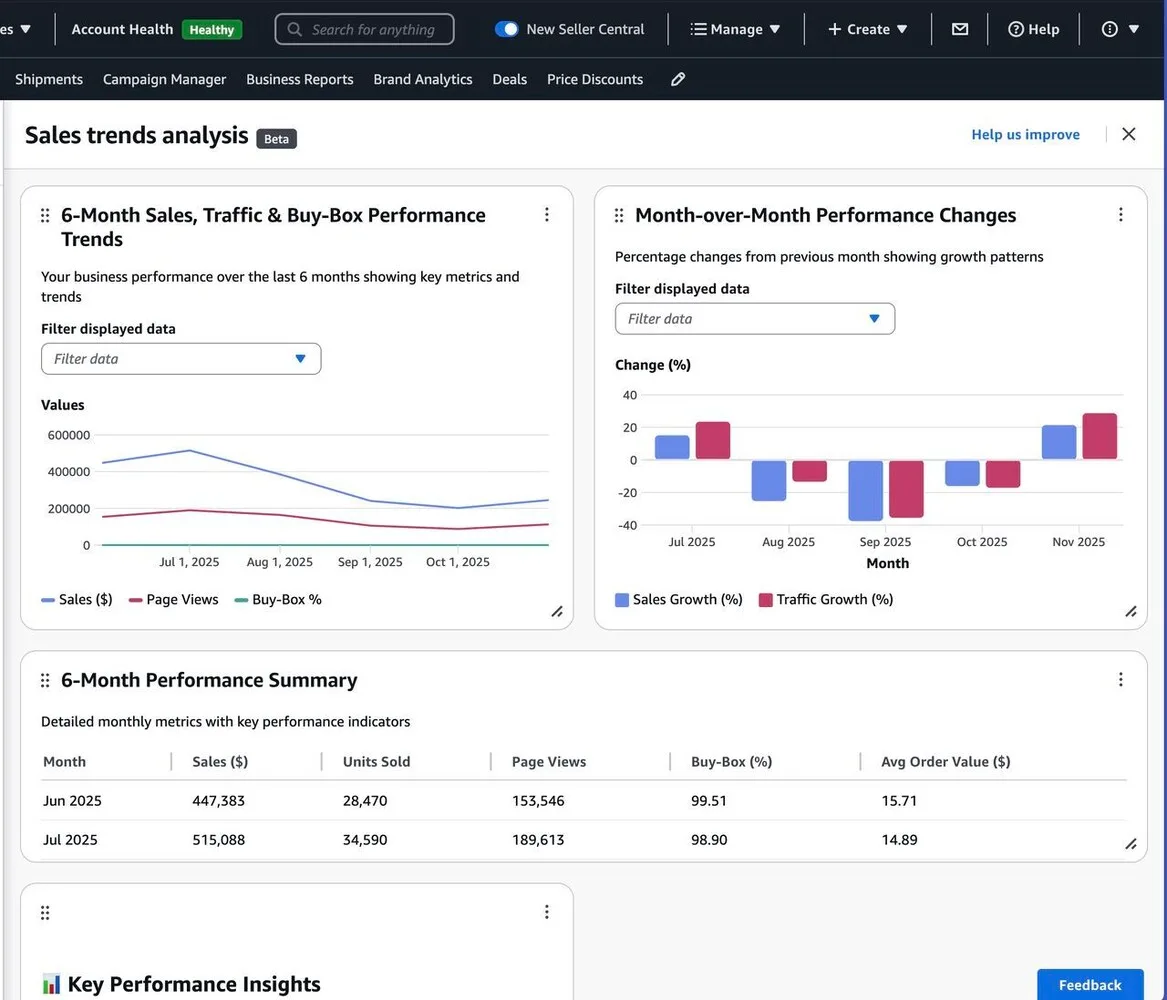
Amazon has introduced Explore with Canvas in Seller Central, a conversational AI tool that generates reports, charts, and tables from your business data. The feature is available to sellers using the new Seller Central experience.
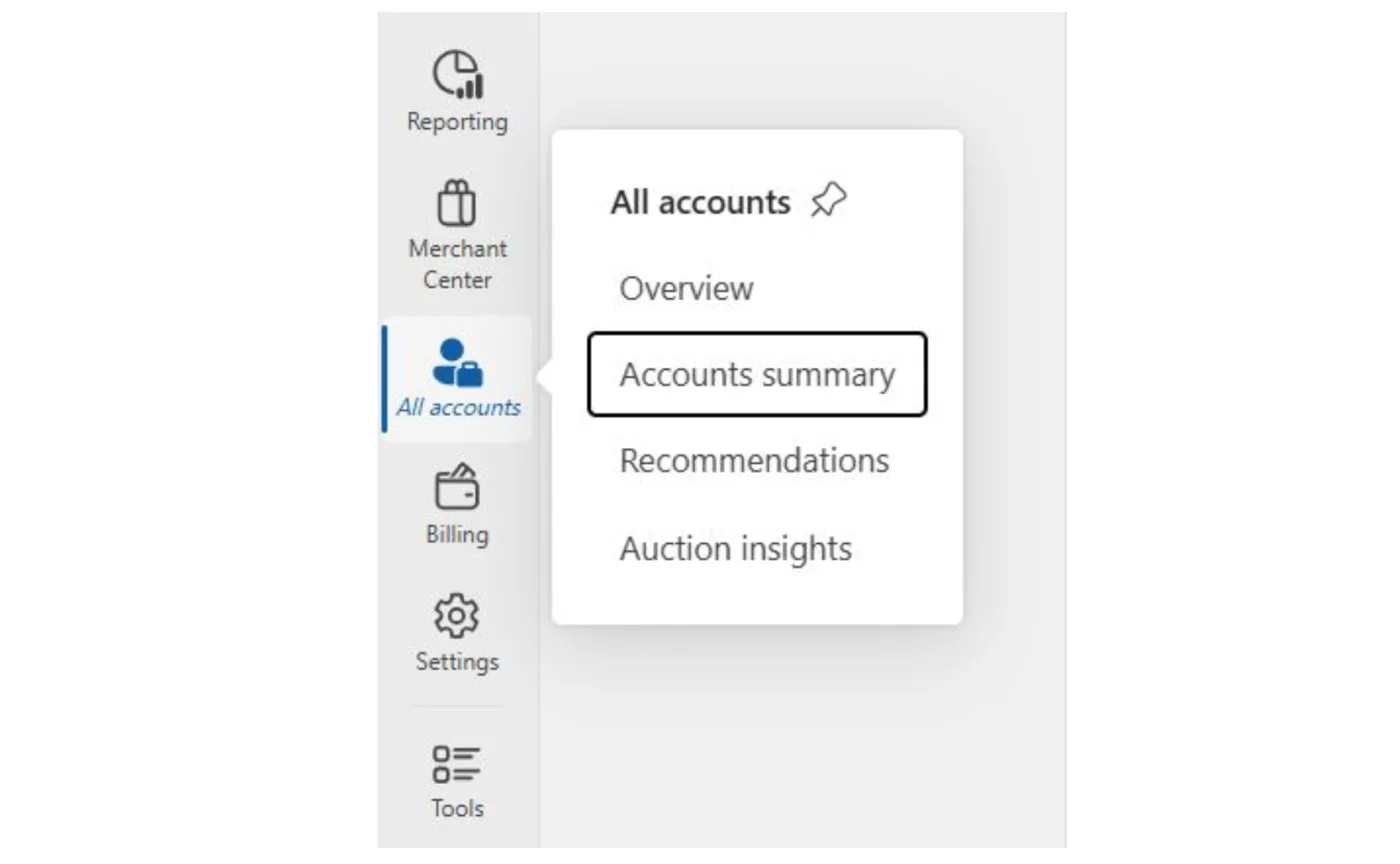
Microsoft Advertising has introduced an All Accounts tab in the UI to consolidate account management for agencies and multi-account advertisers. The new view provides quick access to account summaries, recommendations, and action insights in one place.
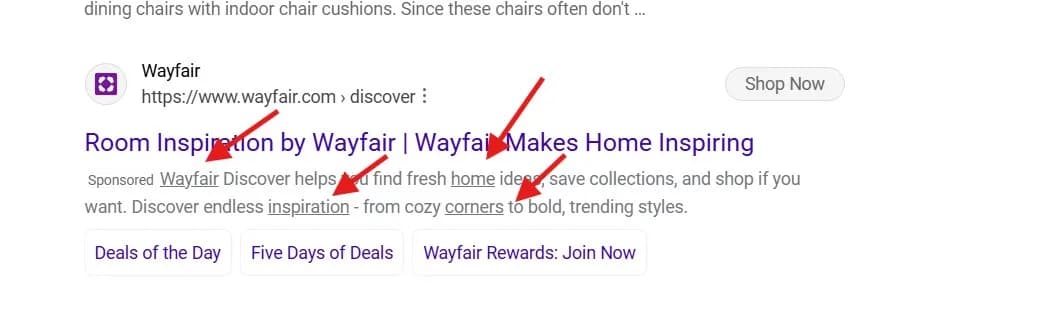
Microsoft is testing a visual change to Bing search ads, adding a light highlight to ad descriptions. The underlined text is not a separate link: the entire ad remains clickable and directs to the same landing page.
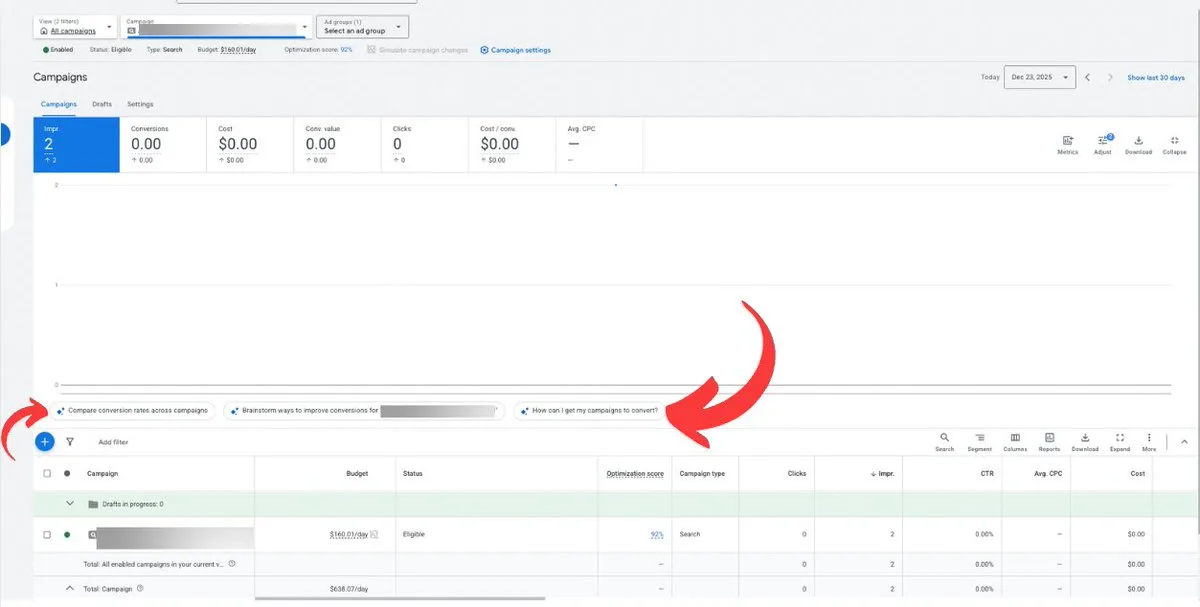
Google is testing a new placement for Ads Advisor recommendations, now appearing as pop-up bubbles directly below the main performance graph on campaign pages. The feature surfaces AI-generated optimisation suggestions in a more prominent location.
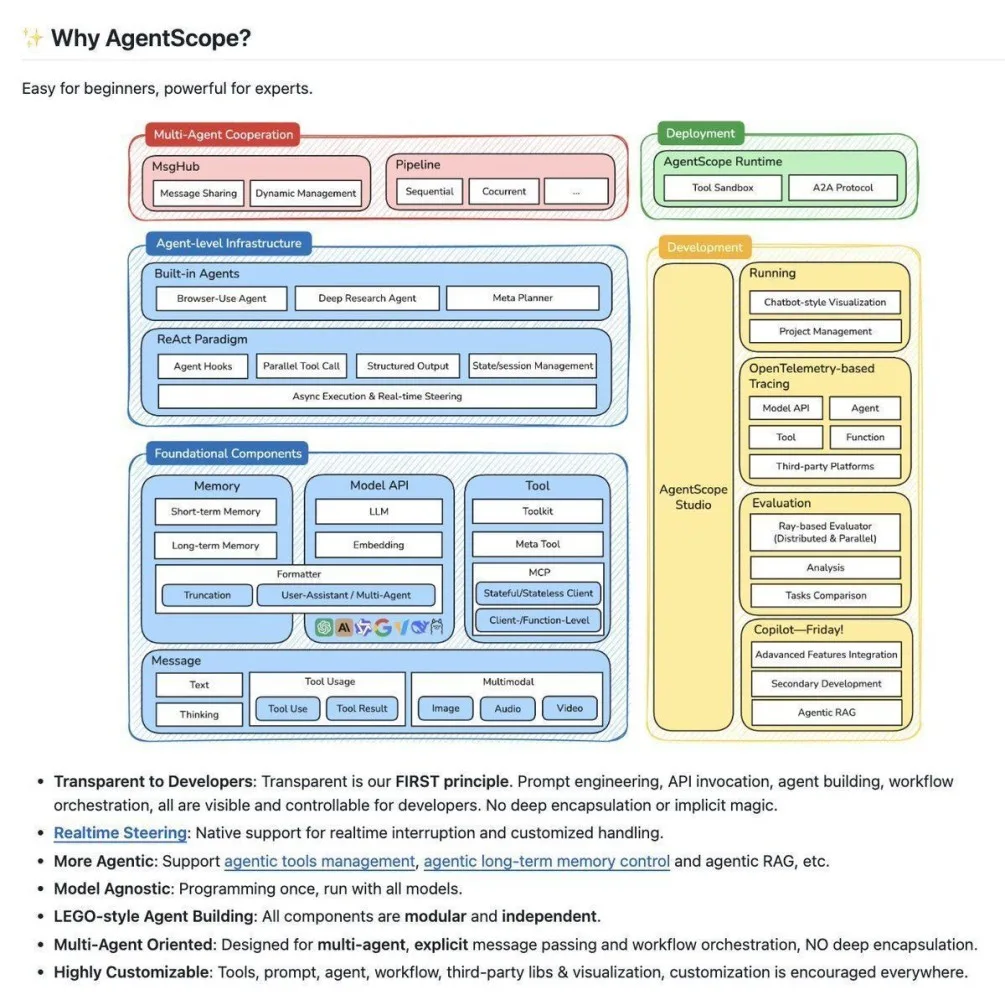
Alibaba has open-sourced AgentScope, a Python framework for building multi-agent AI applications with visual development tools. The framework includes memory, RAG, and reasoning capabilities, works with any LLM provider, and supports integration with MCP tools.
Each update has one permanent page. New evidence about the same development is added to that page. Dates identify the source report or newsletter coverage; article publication dates appear in the full view.
2026 newsletter archive: 38 editions and 1,562 distinct updates through Week 36. Source descriptions, credits and media are preserved; missing details remain marked.
Spotted an update worth sharing?
Share the original source and what changed. If it is already covered, help us improve the existing update.