A new ad format appears while a video plays on mobile in horizontal mode, occupying half the screen: the opposite of a Pause Ad. YouTube is also testing image ads in horizontal mobile playback.
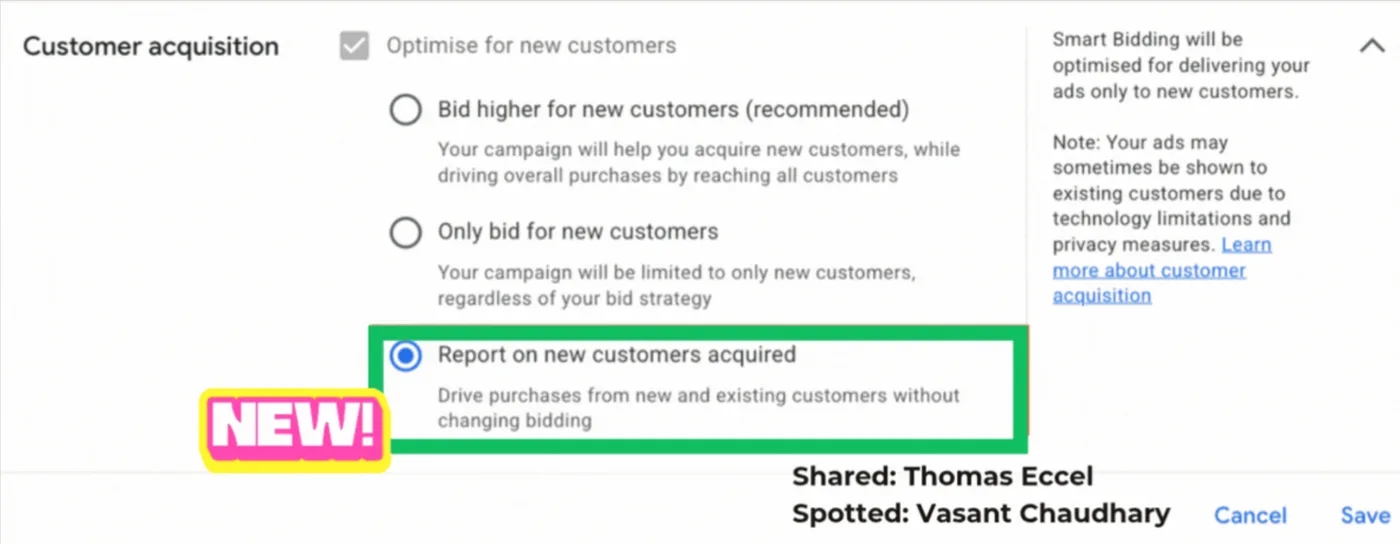
The new customer acquisition setting now offers a third option: report on acquired customers without changing your bidding. Previously, the new-versus-existing customer split required selecting a bid-higher or new-customers-only mode.
Google renamed the Local Services platform policies document to Local Services Ads requirements, and published guides explaining how to set up, target, and optimise Performance Max campaigns with pay-per-lead goals. Both continue the migration covered in Weeks 30 and 31.
Brodie Clark ran a Bing product feeds experiment in which free listings only began showing after ads were enabled. He highlights Bing feeds' growing importance as grounding data for LLMs, including ChatGPT.
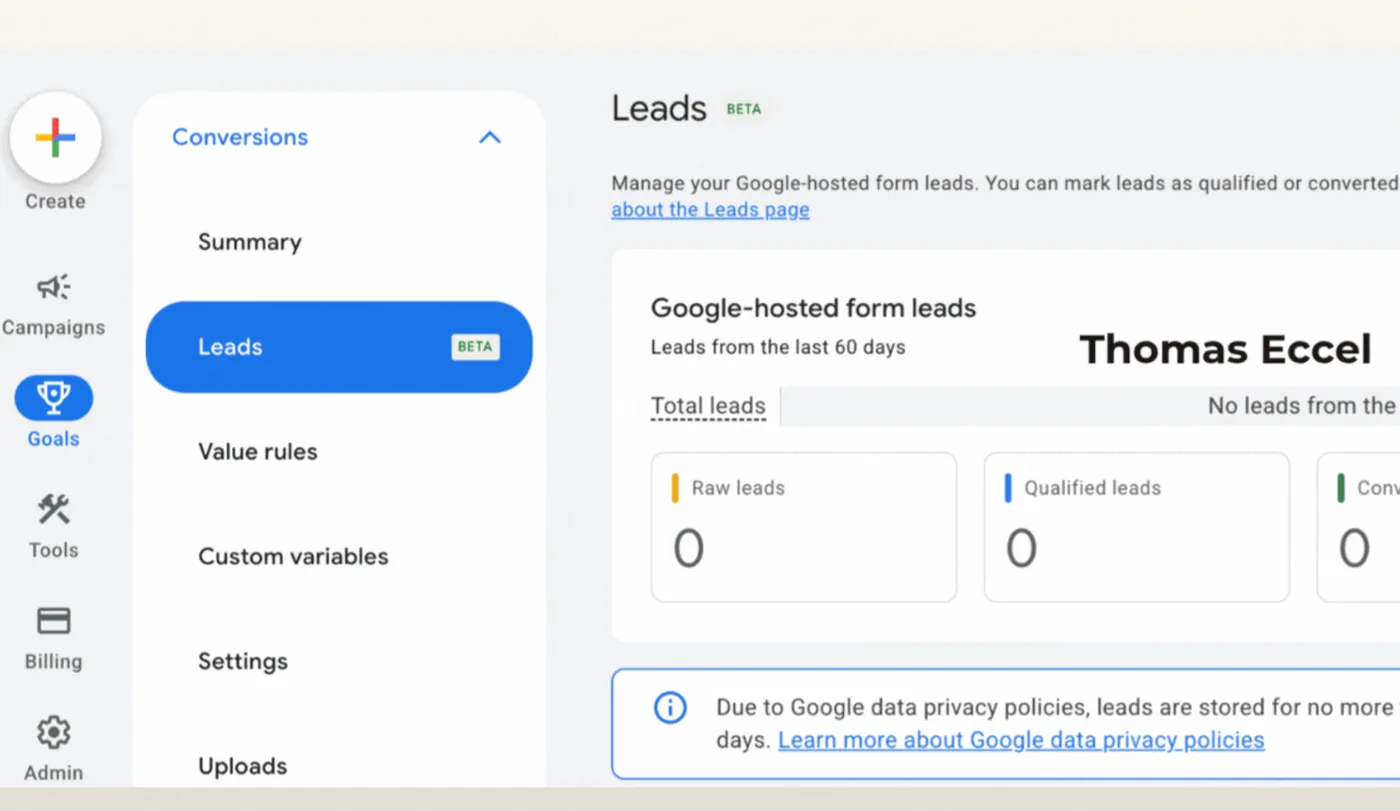
The Leads interface under Goals, Conversions, is now showing for some advertisers, listing every lead from Google-hosted lead sources. This continues the announcement covered in Week 29.
Google announced a pilot for more secure Google Ads API access on its developer blog. The pilot lets advertisers restrict sensitive API actions to approved applications only, adding a security layer over integrations.
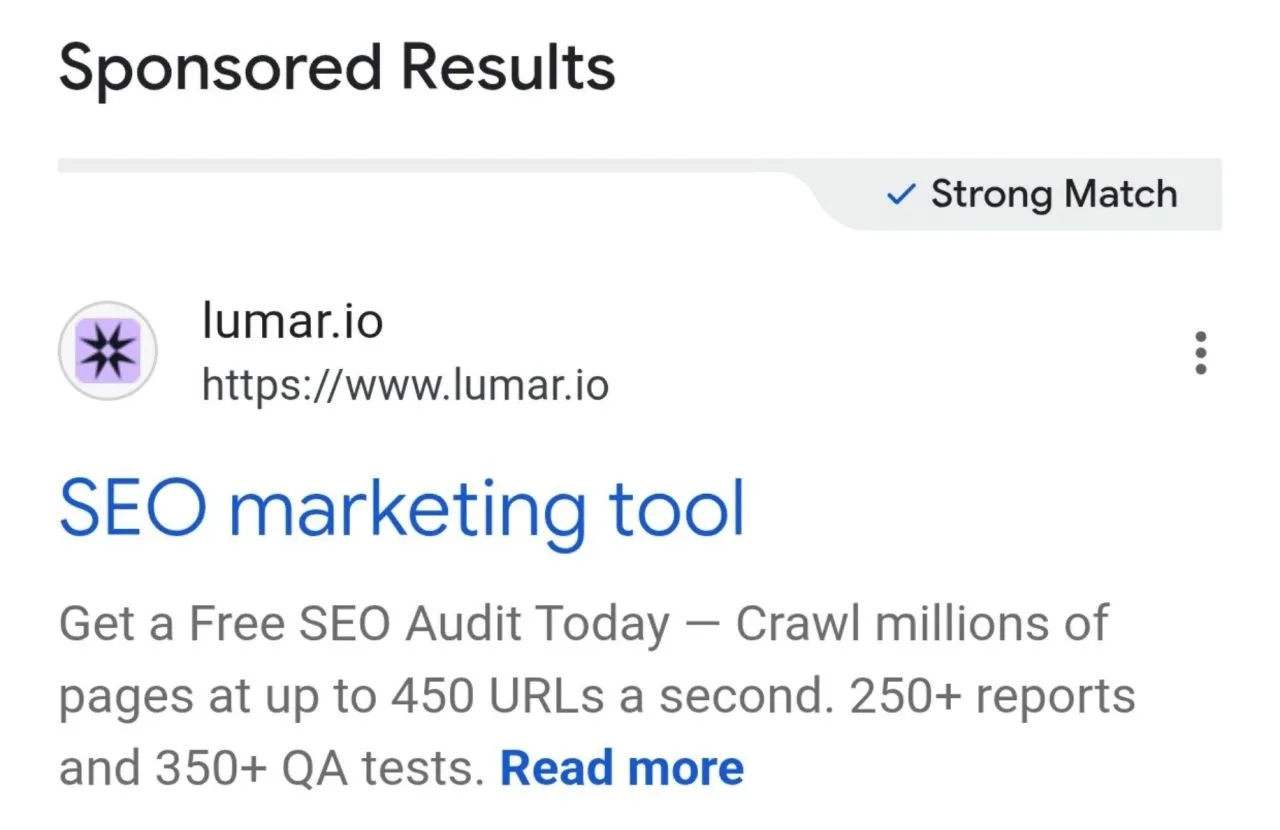
The ad-quality badges announced in mid-June are now serving, first discovered live by Sachin Patel and replicated by others. The badges use existing ad quality and relevance signals to label how well an ad matches the query.
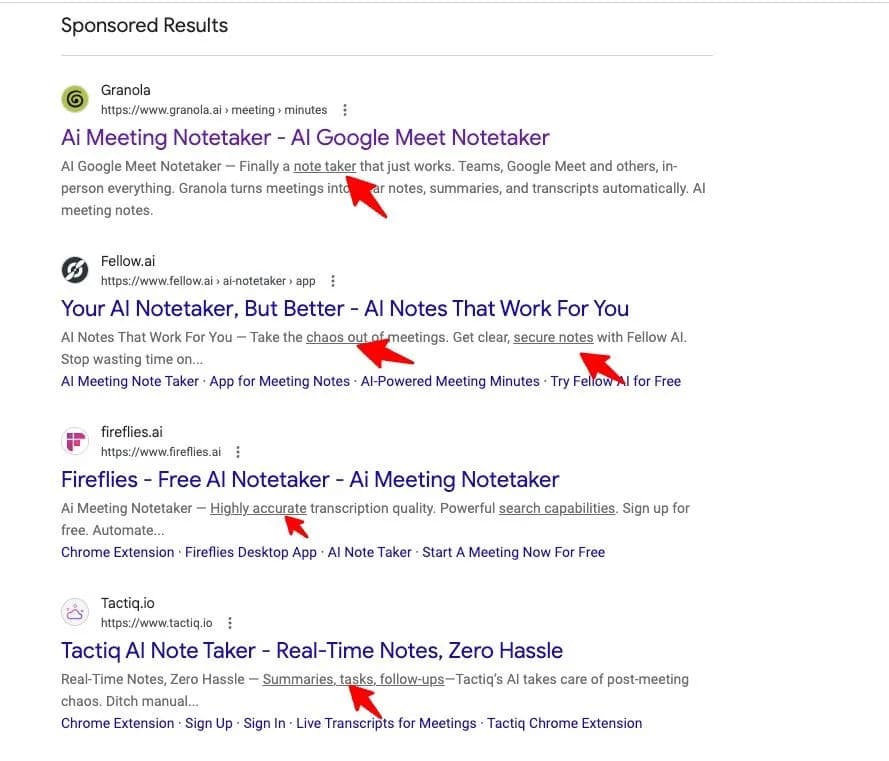
Google Ads is testing hyperlinked, keyword-rich anchor text inside sponsored ad descriptions. Clickable phrases within the copy deep-link beyond the headline URL.
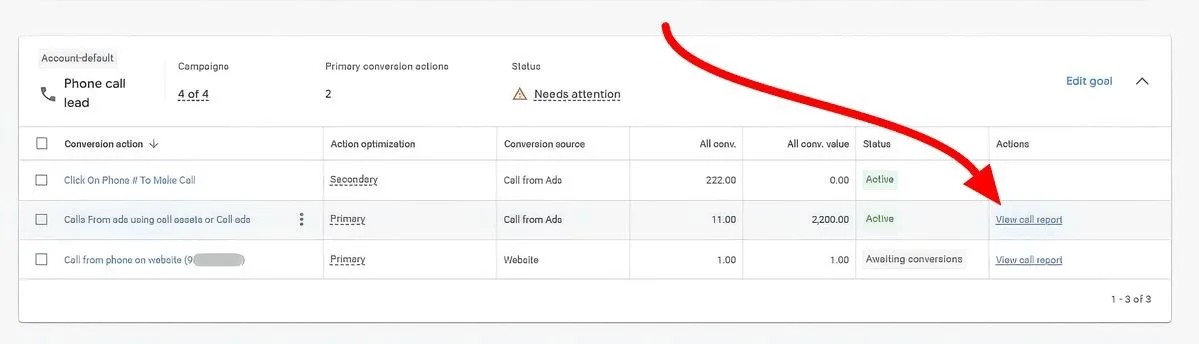
The conversions interface now links directly to a call report from phone call conversion actions. Call performance detail sits one click from the conversion summary.
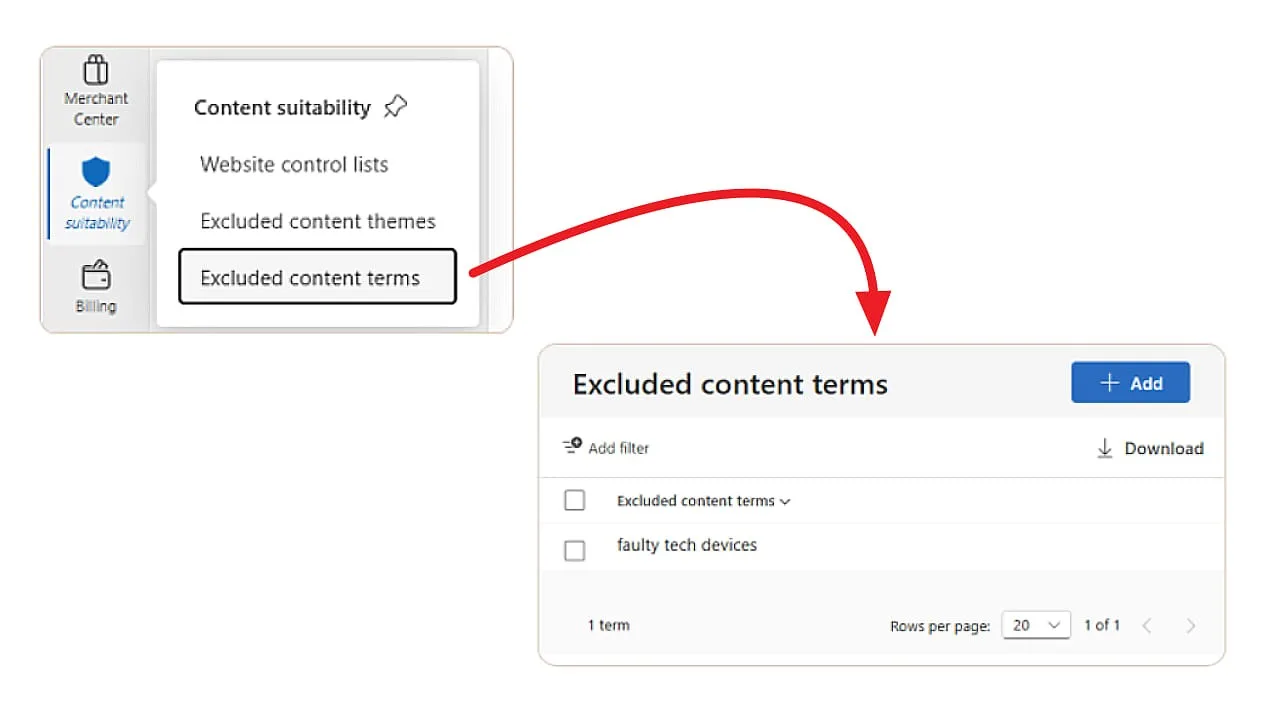
Microsoft Advertising is rolling out Audience ads placement exclusions within Performance Max, alongside age exclusions and age and gender targeting. Controls advertisers had on Google's PMax arrive on Microsoft's.
Meta rolled out a bundle of changes across bidding, measurement, forms, and payments. For you, this means value-based bidding and lead quality both gain precision, so review which of these touch your setups.
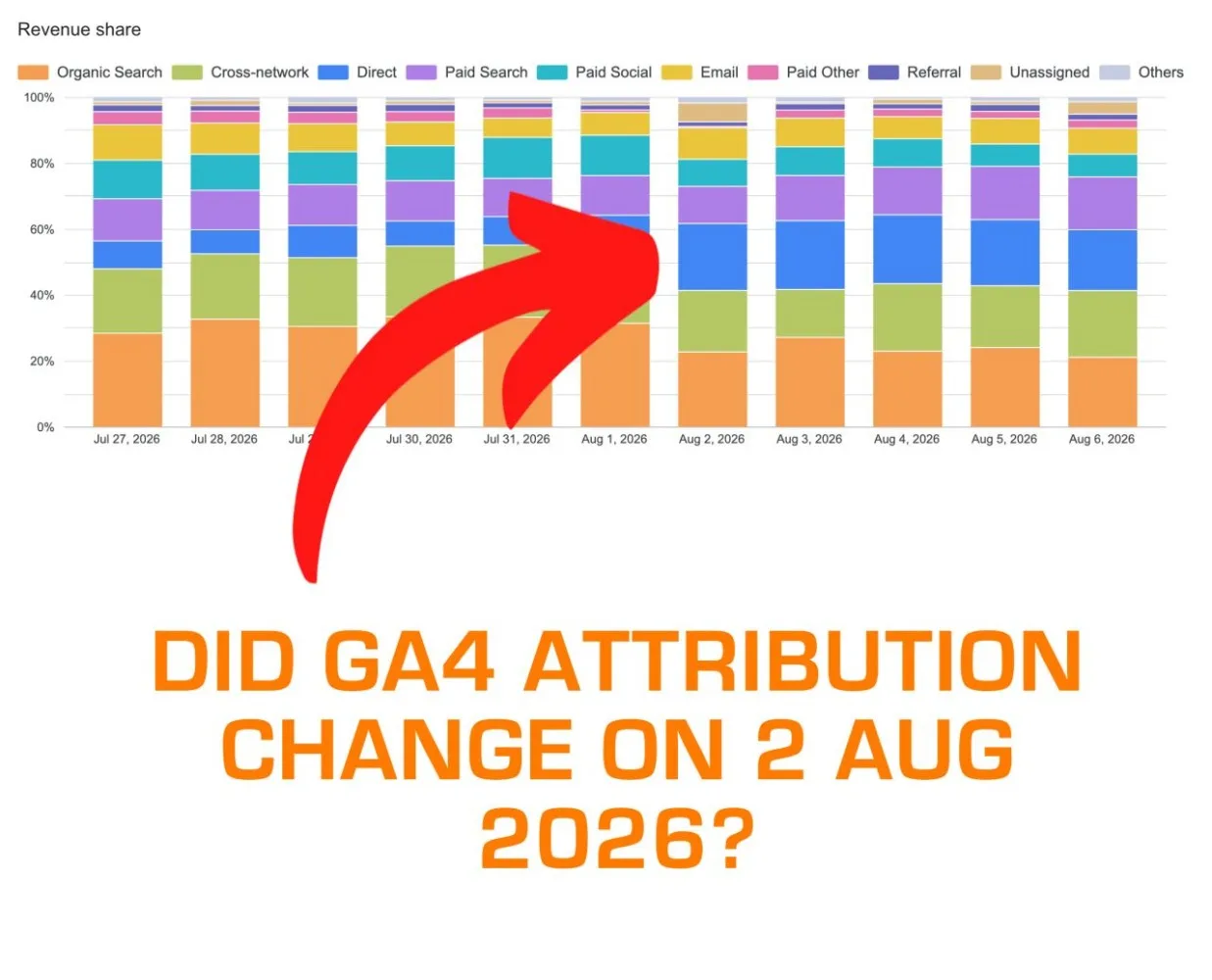
Multiple unrelated GA4 properties show Direct suddenly gaining revenue from 2 August, with consistent patterns suggesting an attribution bug rather than a tracking change.
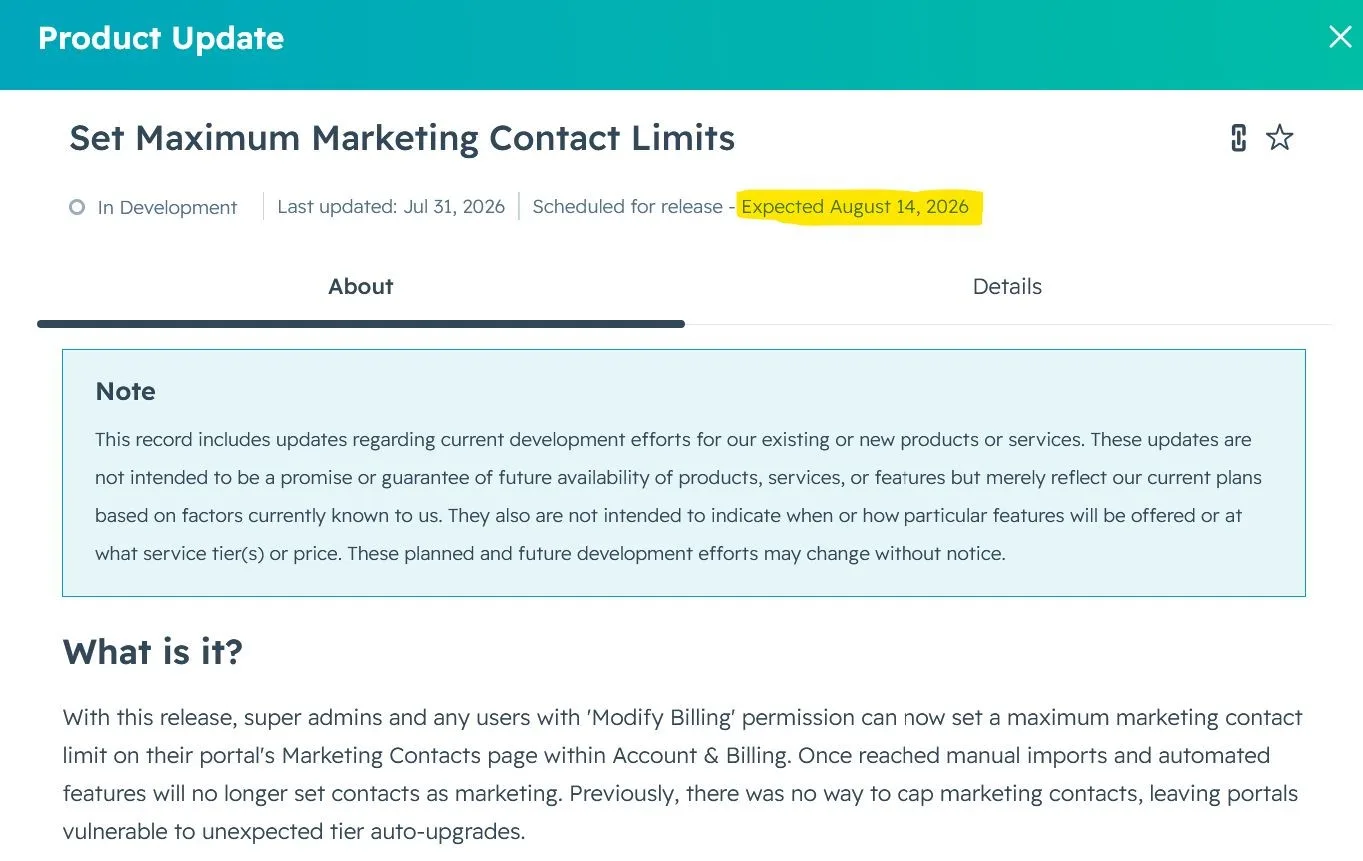
From 14 August, HubSpot lets you set a max limit on Marketing Contacts, ending the silent auto-upgrades triggered when contact counts passed your tier.
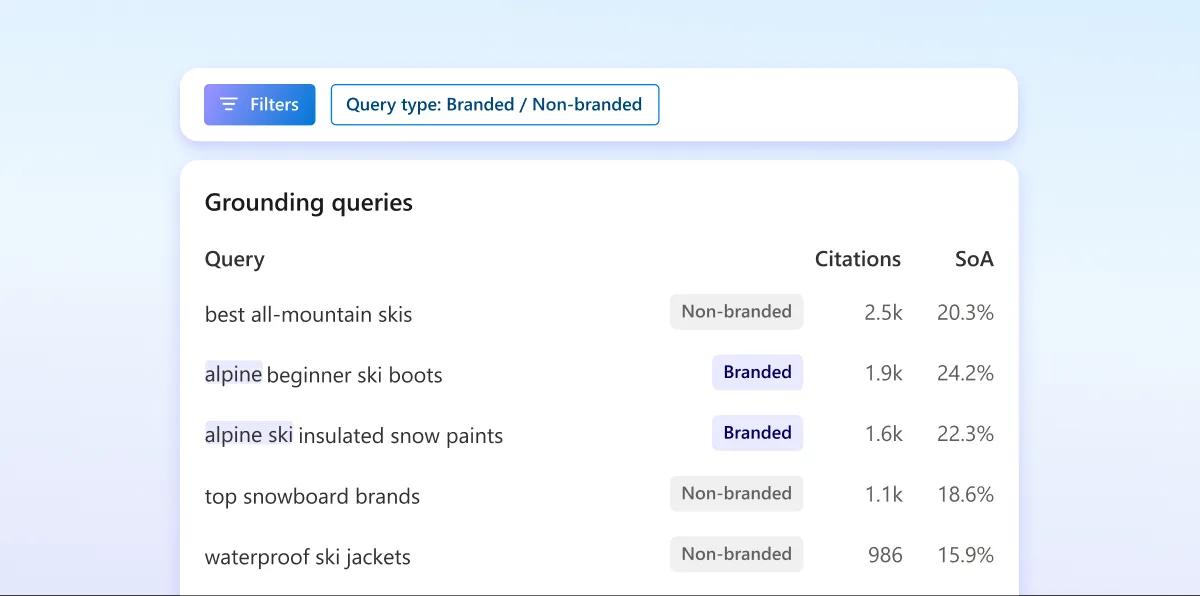
Microsoft Clarity's Citations dashboard adds segmentation and filters separating branded from non-branded queries, with branded labels in the interface.
A New Mexico judge ordered Meta to pay $567m and imposed a 90-hour monthly usage ceiling for under-18 accounts, while a California federal judge ruled minors' algorithmic feeds are not protected speech, letting a law default teen feeds to one hour of chronological content proceed, with age verification due 1 January 2027.
A solar company lost its GDPR challenge over Schufa credit checks run on prospects before any site visit, with the court holding that scoring leads through a credit bureau before first commercial contact lacked a lawful basis.
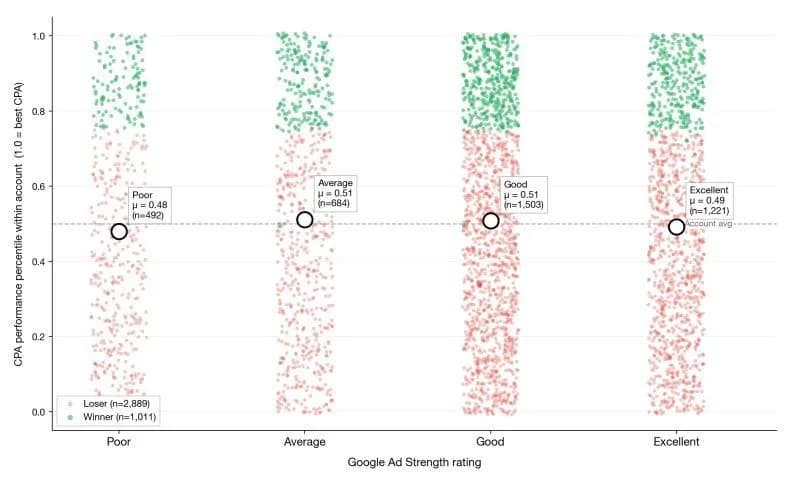
An analysis of 3,900 Google ads across 65 accounts found Ad Strength does not correlate with CPA. The grade reflects headline volume, keyword relevance, asset uniqueness, and pinning rather than performance.
Nielsen announced it will acquire DoubleVerify for $2.15bn, taking the largest independent verification vendor off the stock market and combining audience measurement with ad verification in one company.
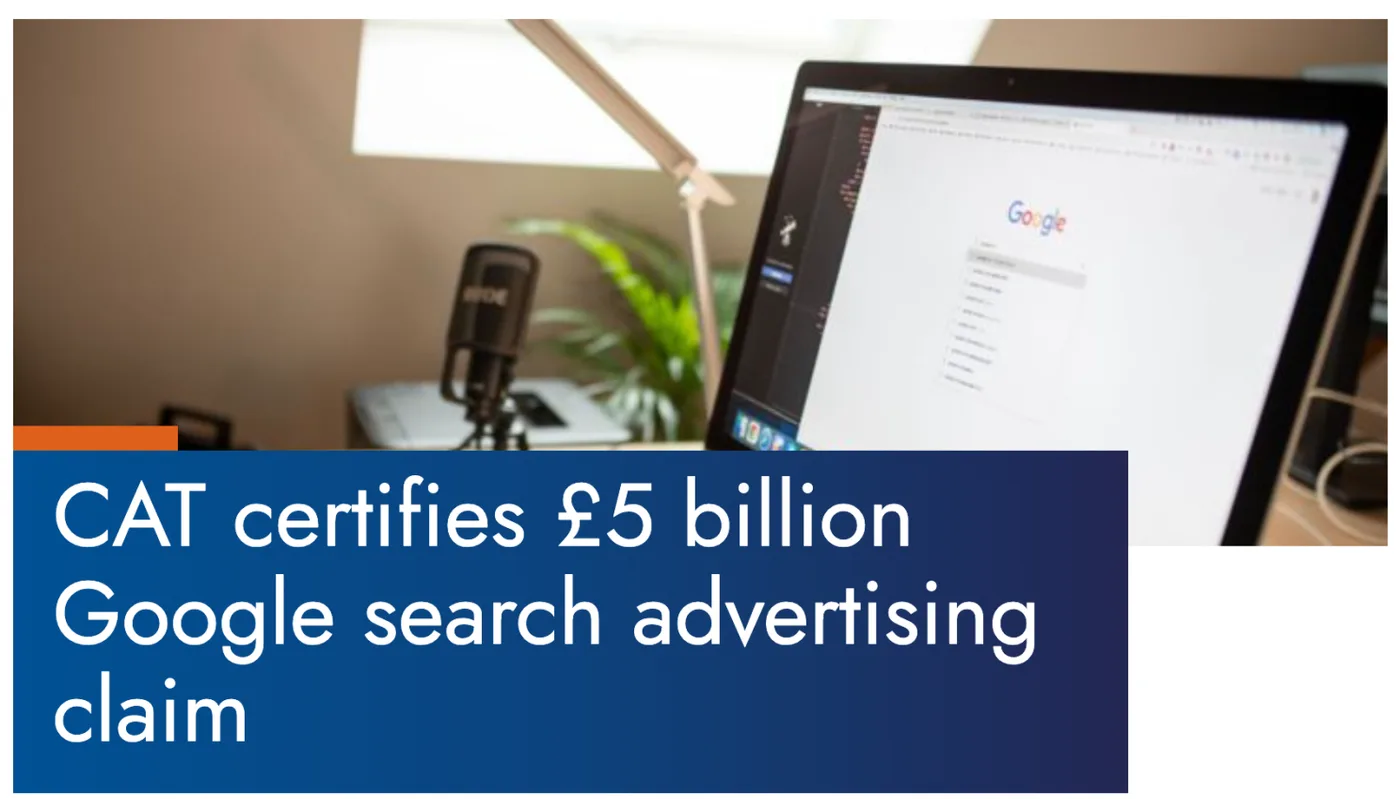
The Competition Appeal Tribunal certified a collective claim worth up to £5bn against Google, covering advertisers who bought UK search ads between 2011 and 2025. The case is opt-out: every qualifying UK advertiser is in the class by default.
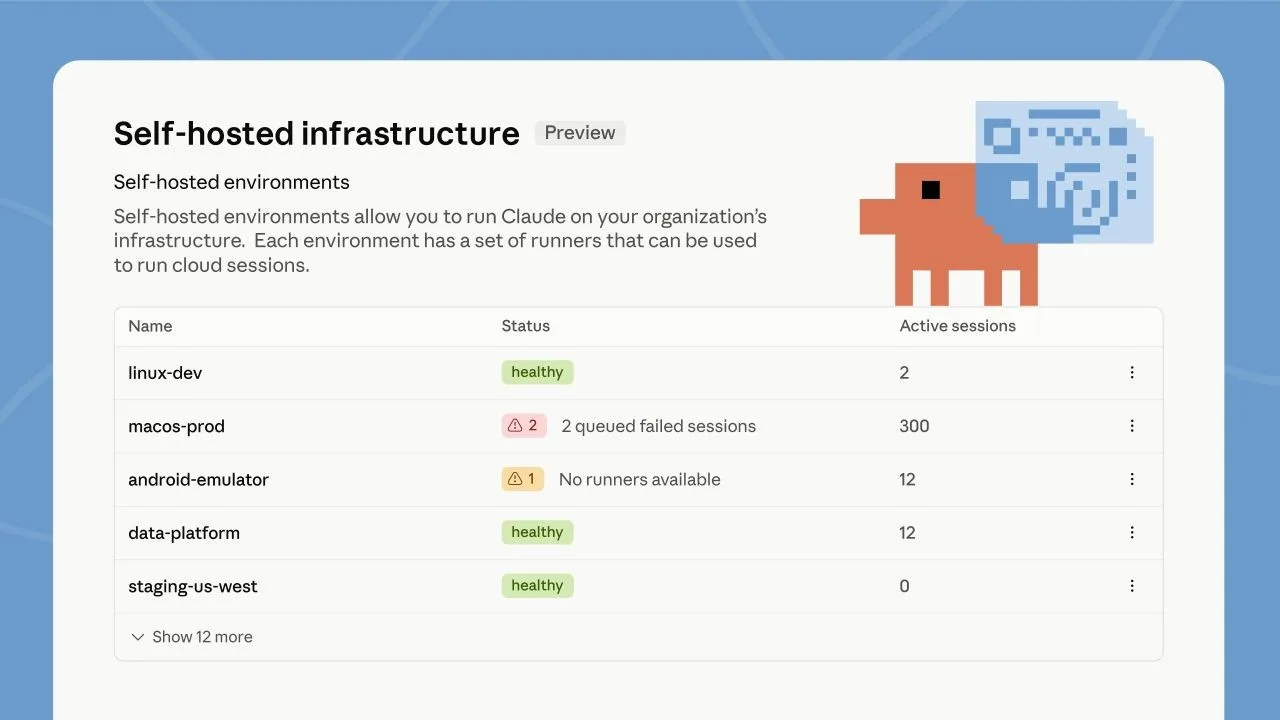
Self-hosted environments let Claude Code sessions run on your own infrastructure, started from web, mobile, desktop, or a routine, next to internal services and security controls.
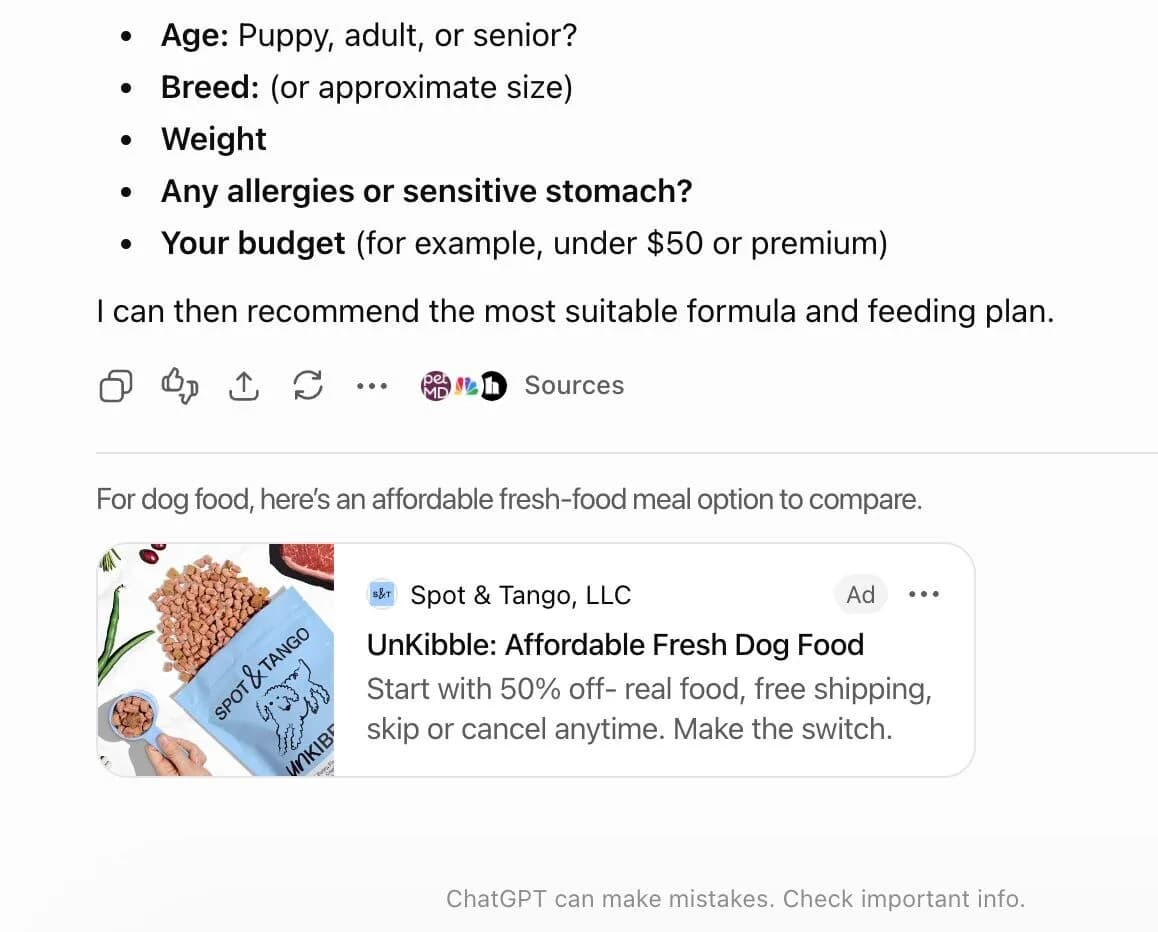
"The Beginning of ChatGPT Ads", to be published at AAAI/ACM AIES 2026, examines OpenAI's early advertising rollout from a computers-and-society perspective.
Even Amazon gets its own Net PPM definition confused, and Martin Heubel's explainer sets out the correct calculation for vendors. For you, this means margin negotiations rest on the right formula, so align your team on the definition before annual talks.
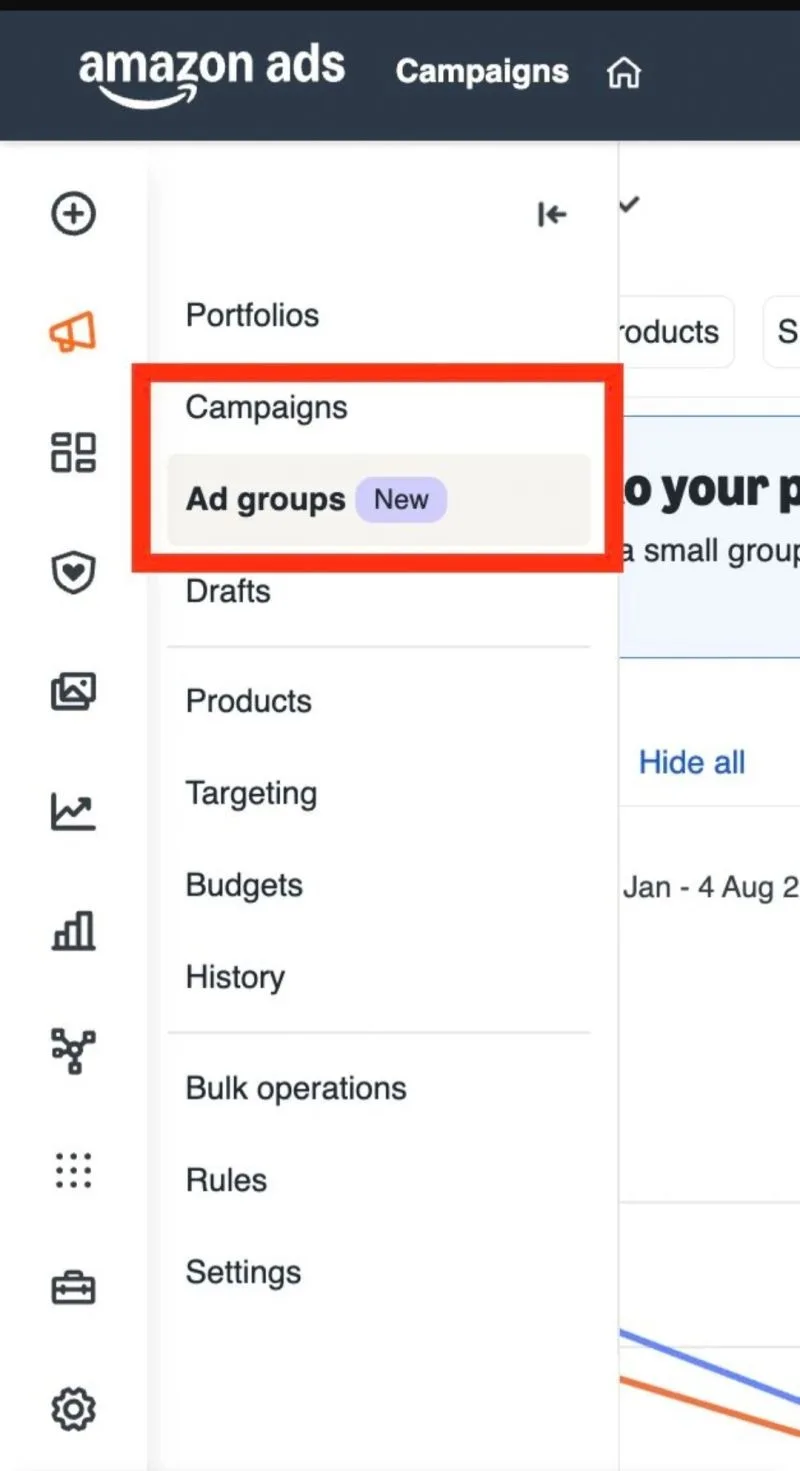
Amazon Ads introduced a dedicated Ad Groups tab that brings ad groups from Sponsored Products, Sponsored Brands, Sponsored Display, and Multimedia Solutions into a single centralised view. The interface currently appears on UK accounts, with a broader marketplace rollout expected.
Sellers can now see Subscribe & Save sales broken down by completed deliveries, including three, four, and five-plus delivery tiers rather than just active versus cancelled.
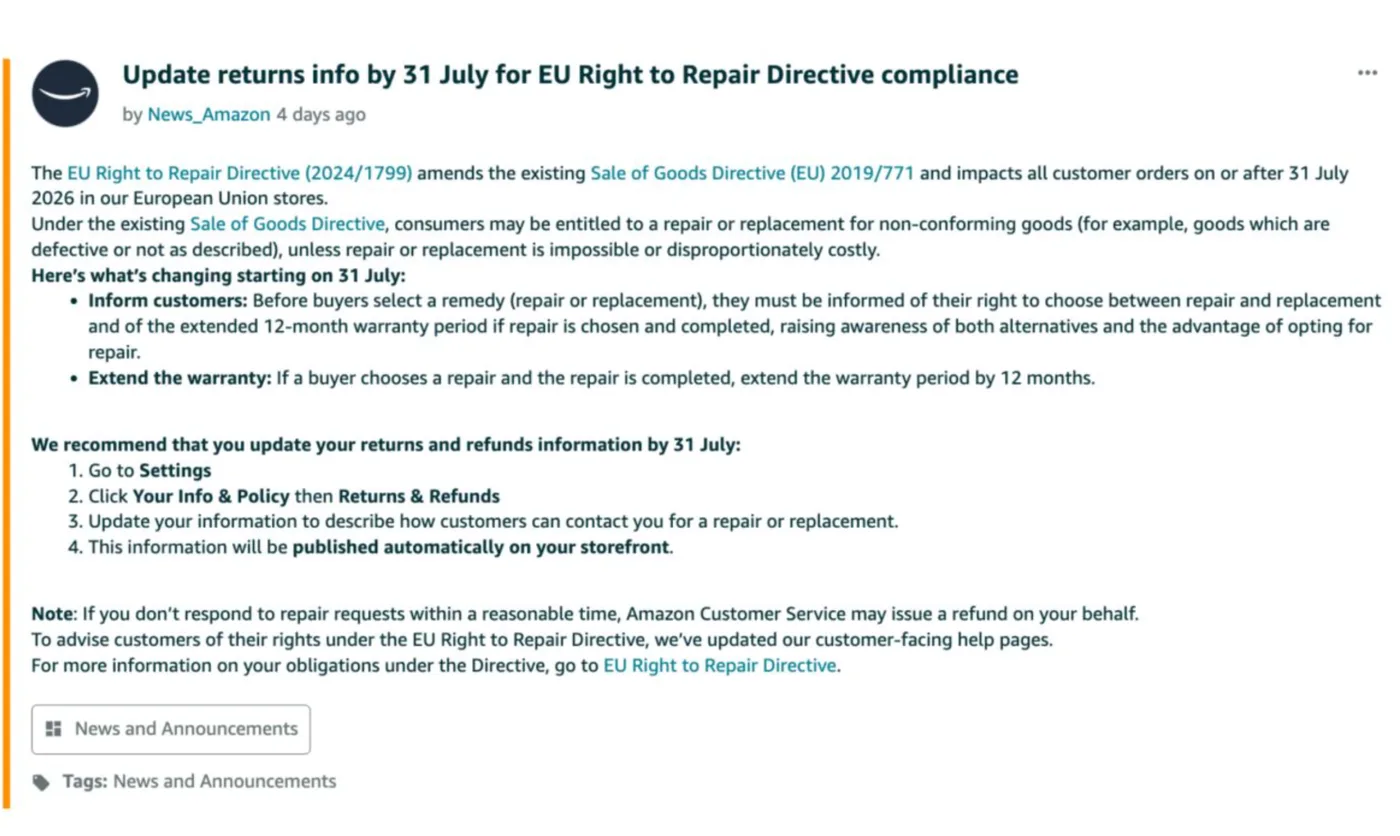
The directive took effect on 31 July and applies to every EU Amazon order from that date, amending the Sale of Goods framework consumers already rely on.
Each update has one permanent page. New evidence about the same development is added to that page. Dates identify the source report or newsletter coverage; article publication dates appear in the full view.
2026 newsletter archive: 38 editions and 1,562 distinct updates through Week 36. Source descriptions, credits and media are preserved; missing details remain marked.
Spotted an update worth sharing?
Share the original source and what changed. If it is already covered, help us improve the existing update.