INDEPENDENT MINDS. SHARED AMBITION.
PRODUCT UPDATES

Performance Max news and updates

Track Performance Max reporting, campaign controls, creative and bidding developments, with original sources and dated coverage.

YouTube

A YouTube "subsequent views" conversion switches itself on

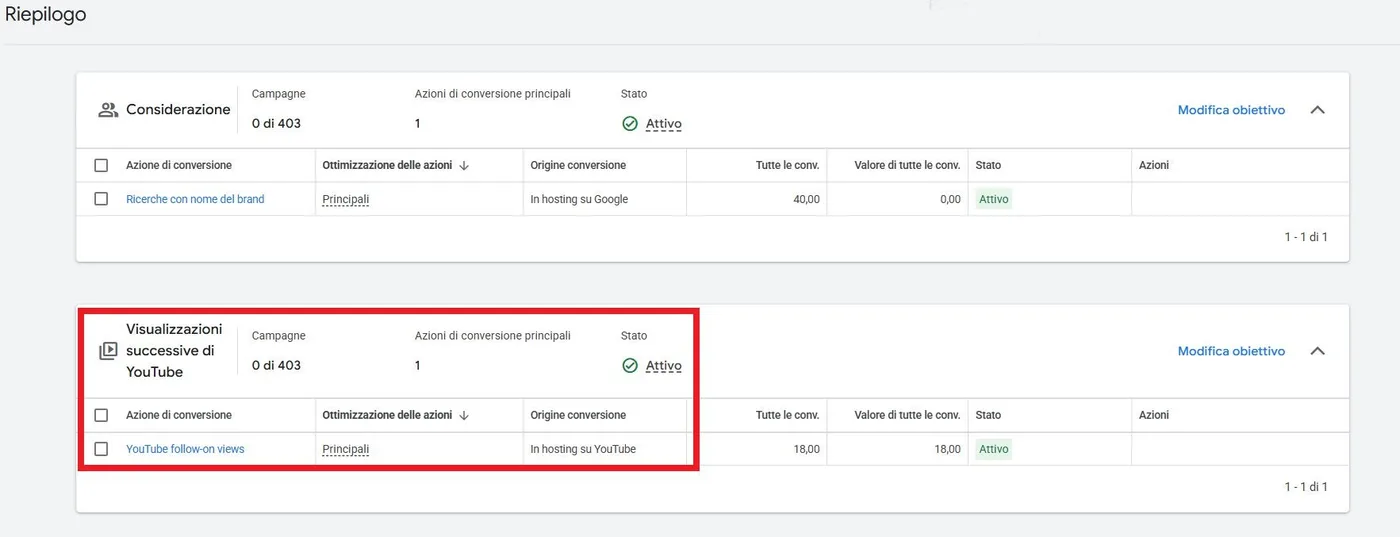
Manuel Lodi has flagged that after Google auto-linked Google Ads and YouTube accounts, it created a "YouTube subsequent views" conversion and set it as Primary. Because each organic view counts as a conversion, some Performance Max campaigns shifted most budget to the Video channel.

SourceLinkedIn

Industry

Google sunsets third-party rates for hotel ads

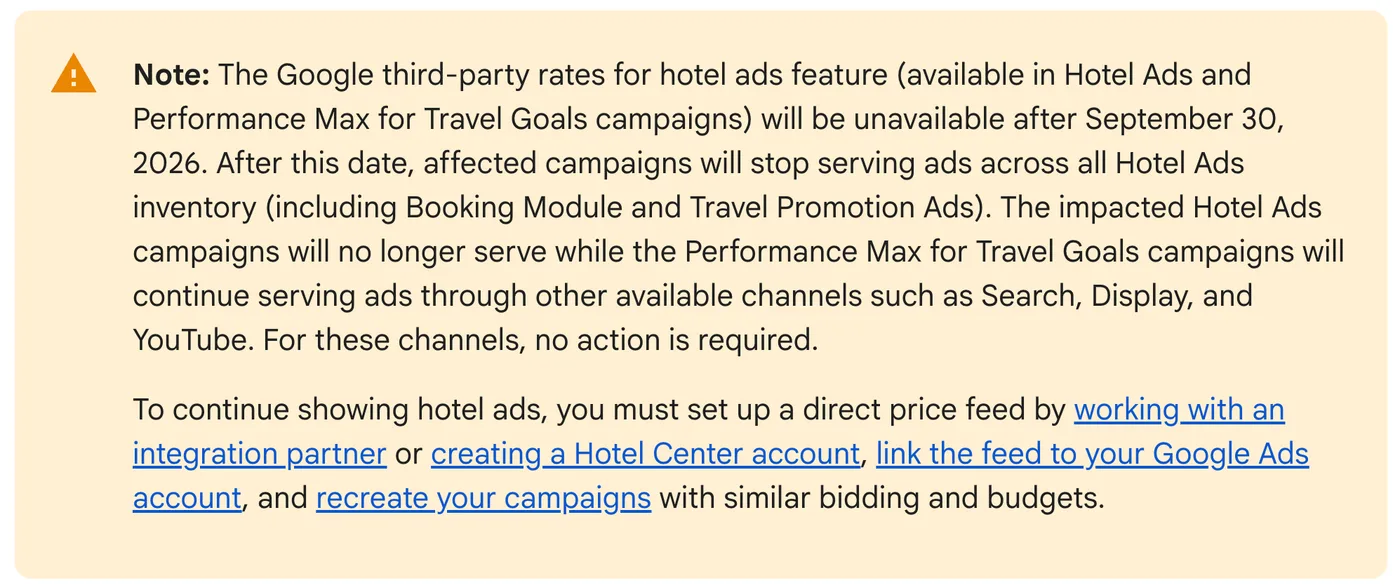
Google will stop serving third-party rates in Hotel Ads from 30 September 2026, after which affected campaigns will no longer run. Performance Max for Travel Goals continues to serve on Search, Display, and YouTube.

Google Ads

Microsoft opens Performance Max experiment betas

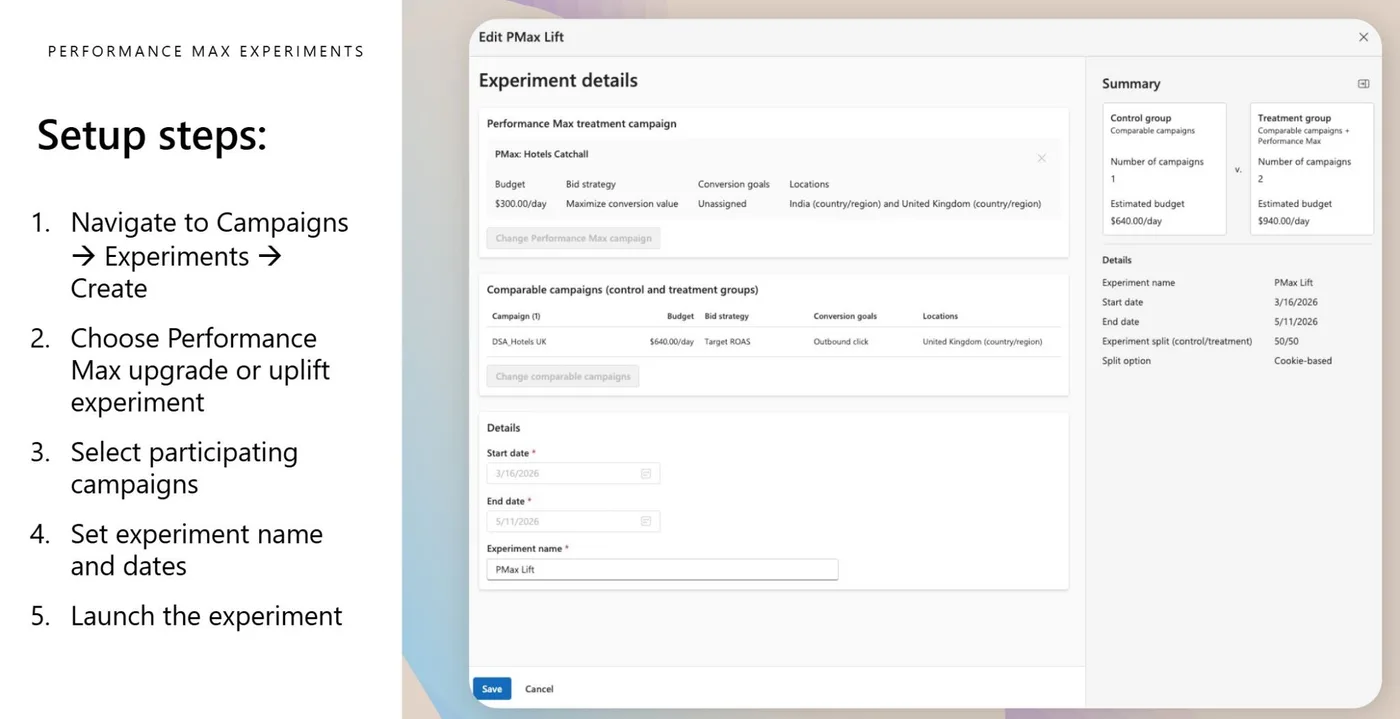
Microsoft Advertising has opened betas for Performance Max experiments covering upgrades to PMax and PMax uplift. Advertisers can test PMax against existing campaigns before committing to spend.

SourceLinkedIn

Google Ads

Performance Max opens audience performance reporting

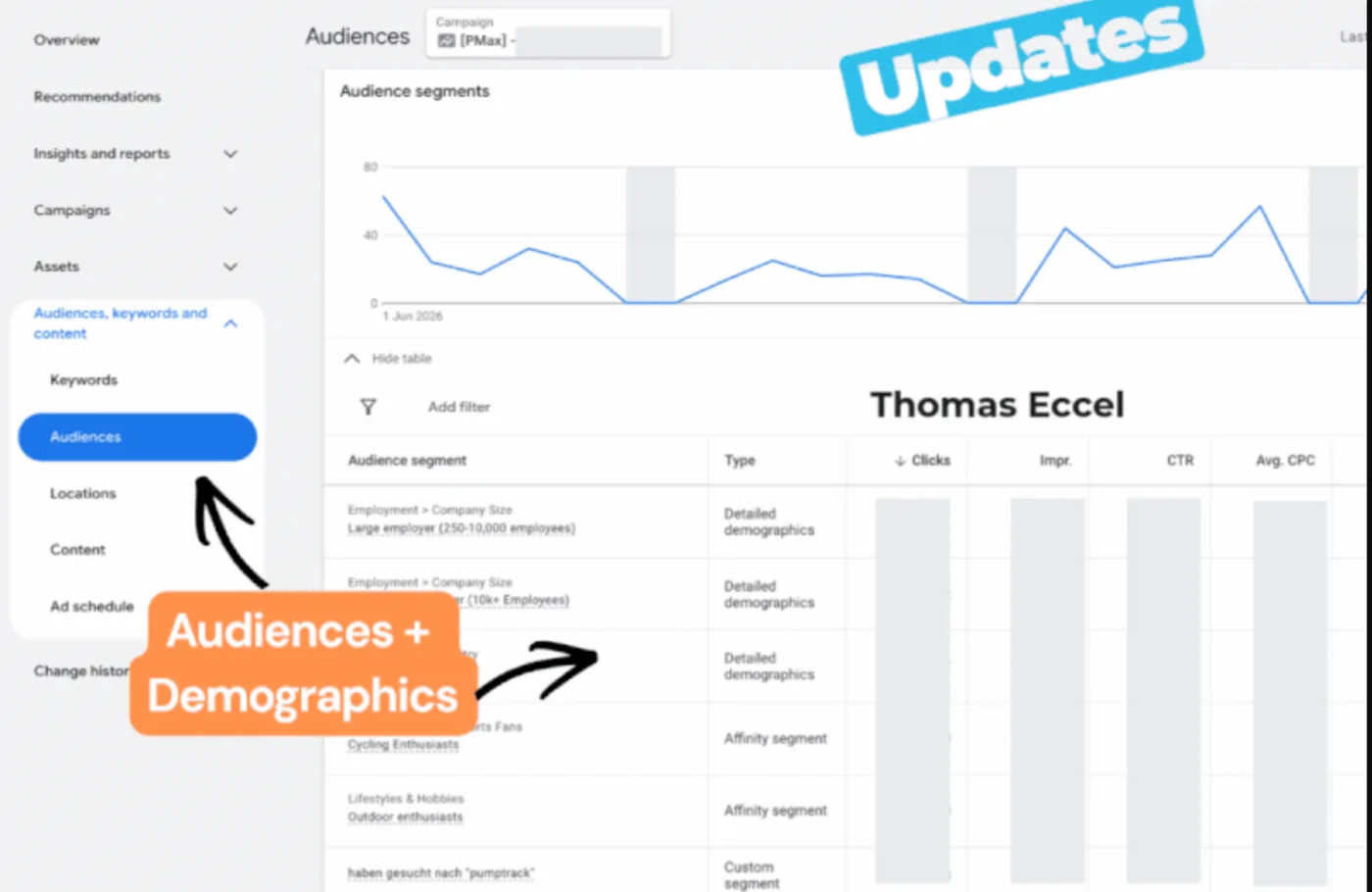
Google now shows audience segments with metrics inside the Performance Max Audience menu. Advertisers can finally see which audiences drive results in a campaign type long criticised as a black box.

SourceLinkedIn

Google Ads

Google Ads API v24.2 ships with AI transparency labels

Google has released version 24.2 of the Google Ads API, announced on the Google Ads Developer Blog and flagged by Arpan Banerjee. Alongside the multi-party approval requirement for sensitive actions, the release adds the ability to programmatically tag AI-generated creatives with transparency labels ahead of the EU AI Act's disclosure requirements, and introduces granular Performance Max placement visibility.

Google Ads

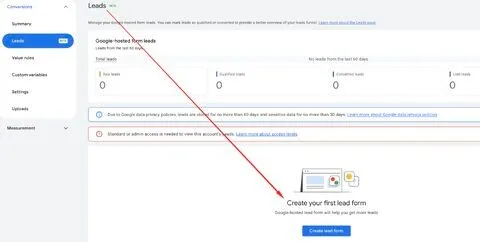
Performance Max gets Google-hosted form leads inside Conversions

Google has launched a beta that brings Google-hosted form leads into the Conversions section, flagged by Arpan Banerjee. Raw, qualified, converted, and lost leads are now tracked in one place, giving advertisers a clearer view of lead quality without the need to export to a separate system.

SourceLinkedIn

Microsoft Advertising

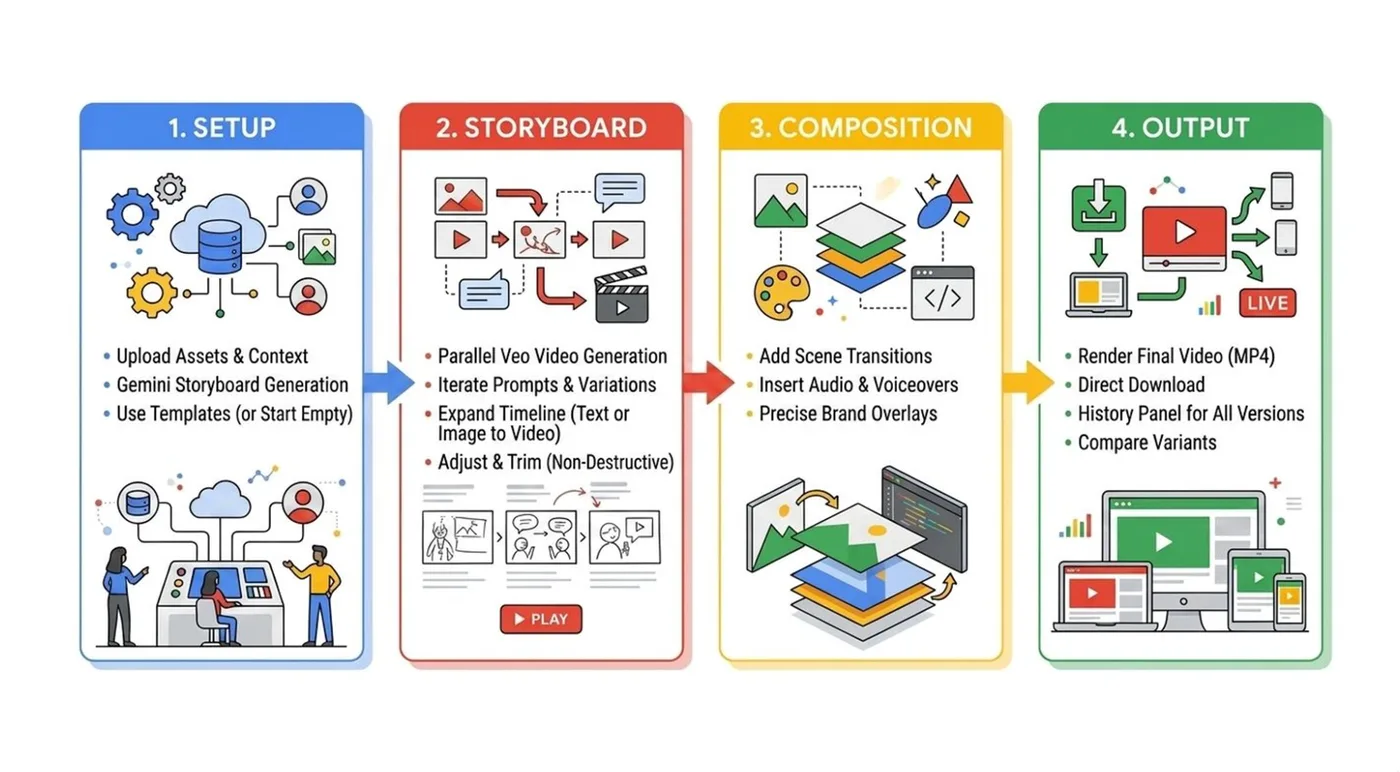
Google releases Scene Machine, an open-source tool that turns product images into video ads

Google has released Scene Machine, an open-source tool that turns product or service images into video ads, shared by Floris van de Peppel of Google's Strategic Partnerships team. Built on Google Cloud and powered by Google AI, it offers a workflow to iterate, compose, and export video ads at scale, designed for advertisers who need creative variety for Performance Max and Demand Gen but want to avoid the time and cost of traditional video production.

Google Ads

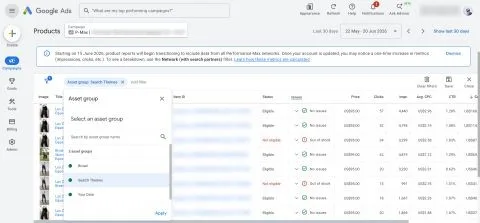
Performance Max adds product-level performance by asset group

Google has rolled out the ability to view product-level performance for a specific asset group inside the Performance Max Products report, flagged by Yash Mandlesha. Advertisers can now select an individual asset group and see how its products perform, rather than manually filtering and cross-referencing.

SourceLinkedIn

Google Ads

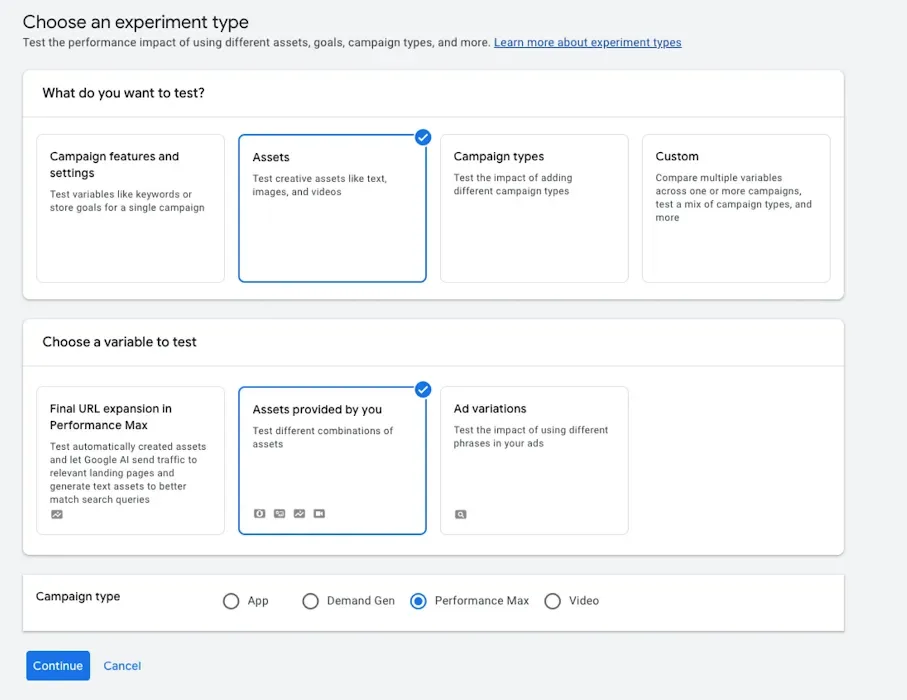
Performance Max gains asset experiments (Week 23)

Google has rolled out asset experiments in Performance Max, allowing advertisers to test new assets and measure success against multiple metrics, as confirmed on the Google Ads & Commerce announcements hub and via the PPC News Feed. Rather than swapping assets and hoping, advertisers can now run a structured experiment to quantify the lift a new asset delivers before committing to it.

OpenAI

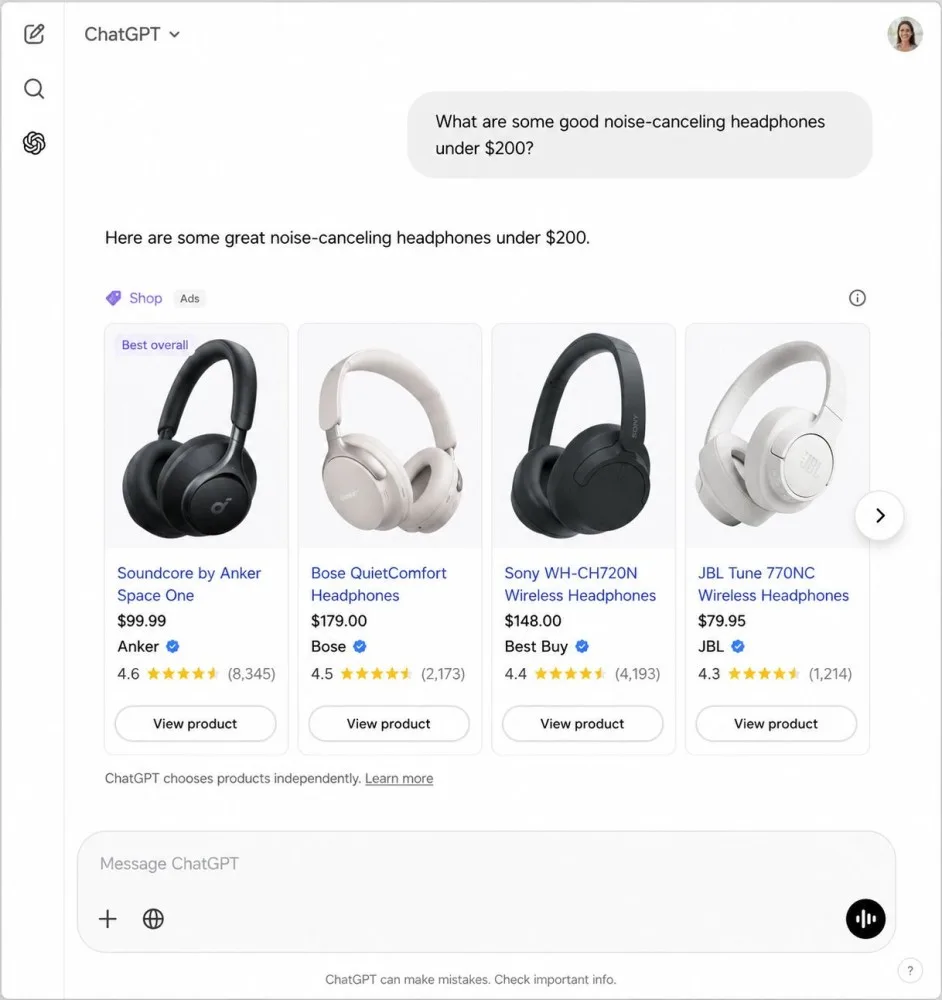
OpenAI expands ChatGPT product-feed ads, citing 20% shopping-intent conversations

OpenAI has expanded product-feed ads in the ChatGPT Ads Manager, allowing retail advertisers to upload full product catalogues and auto-generate ads from individual items, rather than building campaigns one by one, as reported by Kat Sale, Todd Piechowski, and Juozas Kaziukėnas. OpenAI says feed-based ads have been among the strongest-performing formats in its beta, and the mechanic mirrors Google Shopping and Performance Max: the platform ingests the catalogue and builds ad units automatically rather than relying on keywords.

SourceLinkedIn

Google Analytics

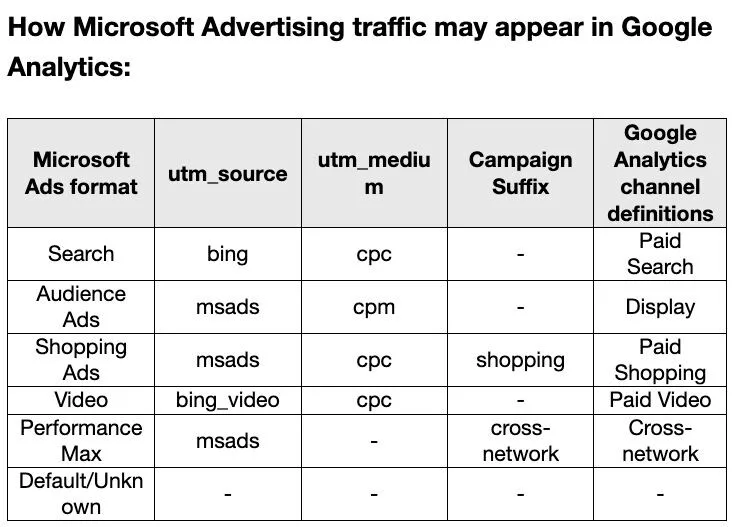
Microsoft Advertising sets a 2 September date to fix UTM reporting in GA4

Microsoft has emailed advertisers confirming that Microsoft Advertising will update UTM auto-tagging from 2 September 2026, first spotted by Anthony Higman and detailed by Arpan Banerjee. From that date, format-specific UTM tags are applied automatically so that Search, Audience, Shopping, and Performance Max campaigns report distinctly by campaign type in GA4 and other analytics platforms, replacing the universal tagging that previously lumped them together as Paid Search.

SourceLinkedIn

Google Ads

Google updates its Ads Terms of Service for the first time in eight years

Google has revised its Google Ads Terms of Service across the policy, payment, and liability sections, incorporating changes tied to the platform's shift toward AI-driven products. It is the first substantive update to the agreement since April 2018, and it lands alongside this year's wave of AI Max, Performance Max, and AI Mode launches.

Google Ads

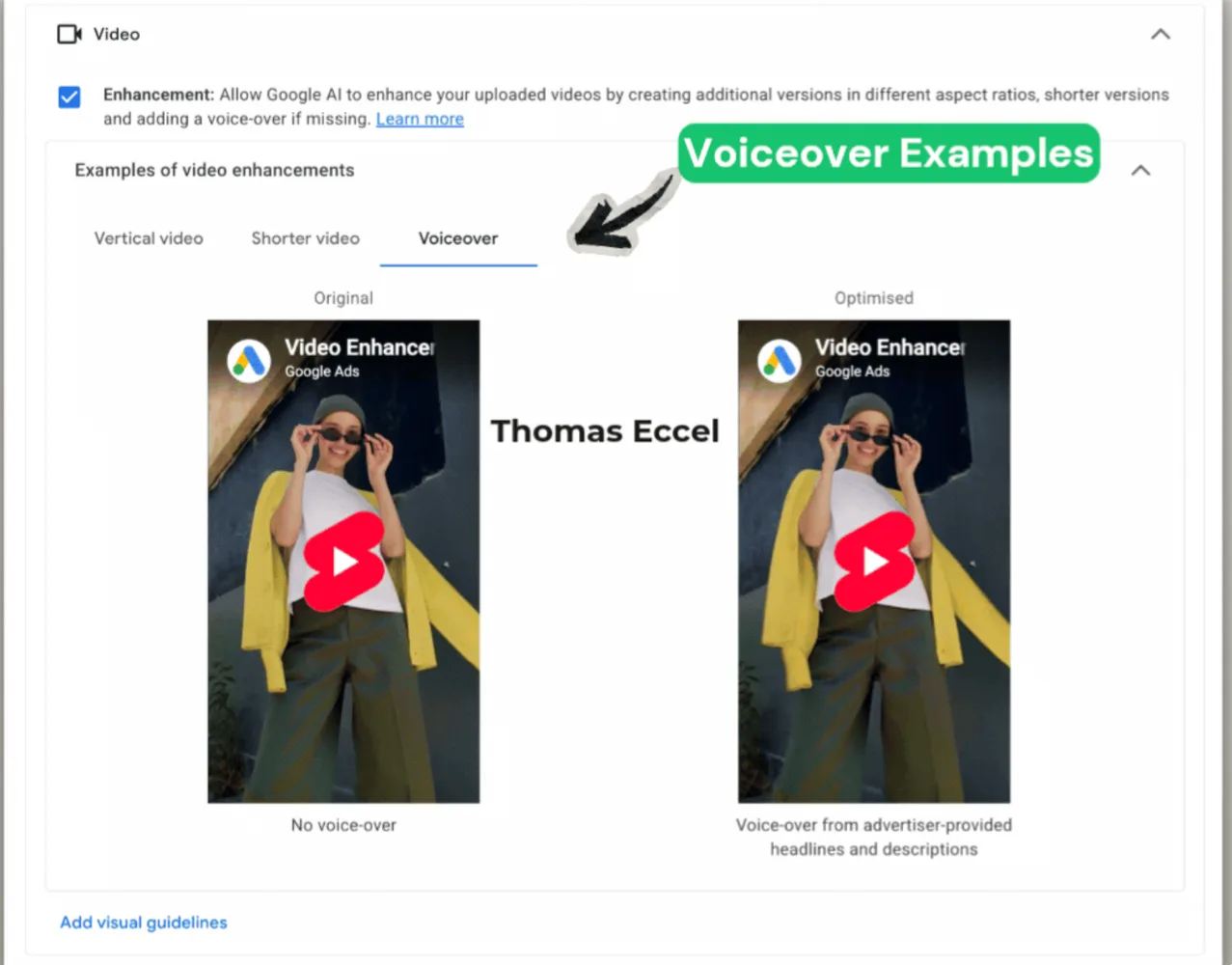
A Voiceover video enhancement can switch itself on in PMax and Demand Gen

Thomas Eccel has flagged a new Voiceover video enhancement now live in Performance Max and Demand Gen. When a video has no voice track, Google's AI can select one of the advertiser's text assets, convert it into a voiceover, and automatically add it to a new version of the creative.

SourceLinkedIn

Industry

Creative insights and one-click A/B testing in Asset Studio

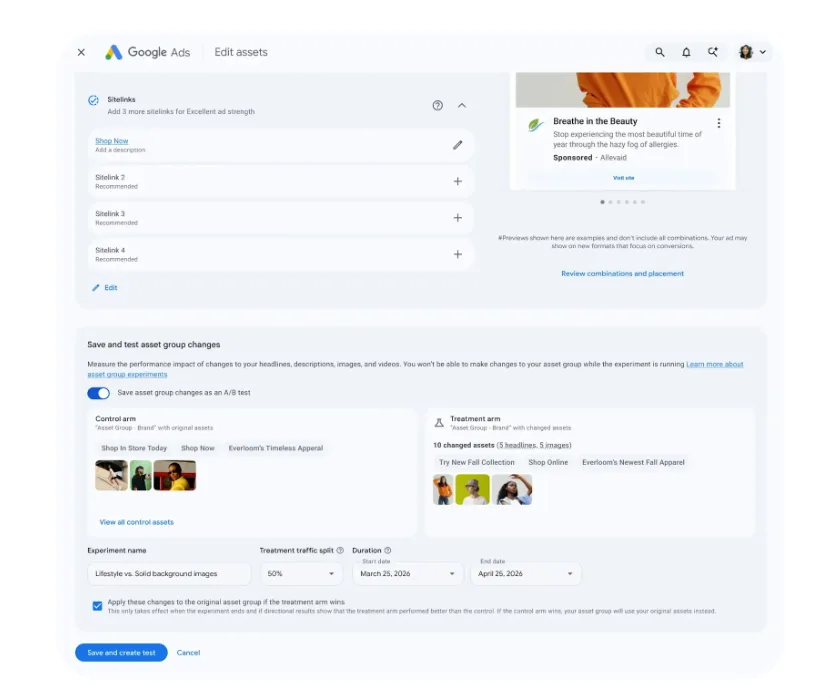
Creative insights and experimentation capabilities land inside Asset Studio with three structural additions: One-Click "Save and Set Experiment" turns any PMax ad or asset group edit into a structured A/B test automatically; Creative Capabilities in Ask Advisor provide real-time asset-performance diagnostics and thematic-coverage analysis; and Asset Optimisation for Demand Gen delivers proactive AI-driven nudges, asset suggestions, and one-click AI fixes for issues like logo placement, video trimming, and aspect ratio coverage.

Google Ads

Demand Gen gets AI-assisted campaign creation from existing PMax campaigns

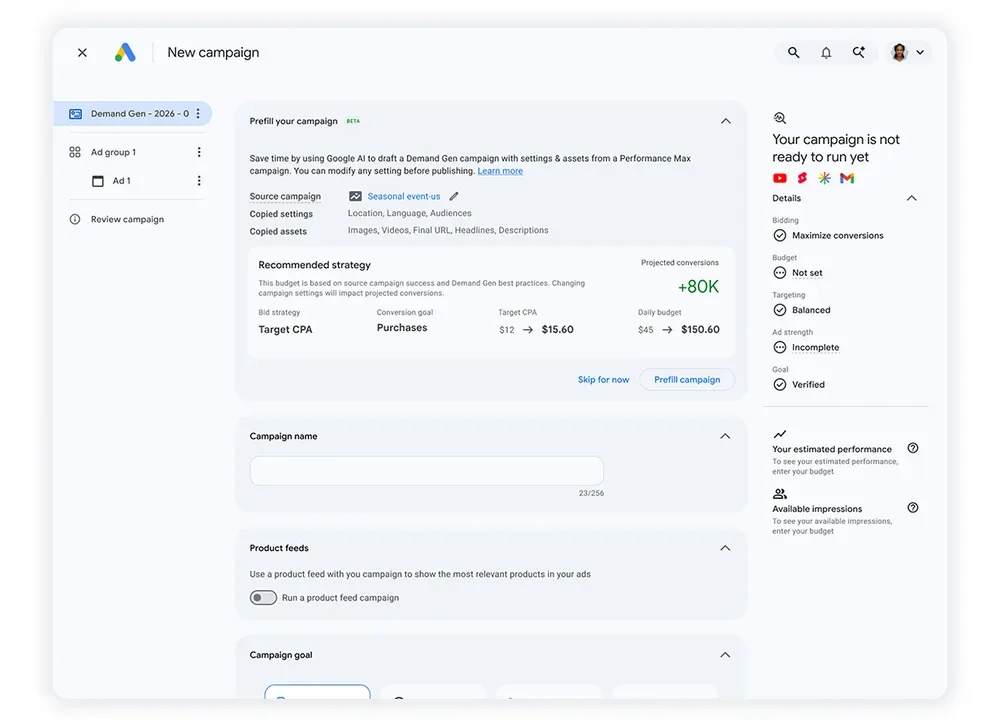
AI-assisted Demand Gen campaign creation is a new workflow that uses account-level intelligence to pre-fill Demand Gen campaigns with optimal budget, bidding, and audience settings based on existing Performance Max campaigns. The system uses historical performance to recommend campaign best practices, provides a clear rationale for each setting, and reduces manual entry errors.

Industry

Missed opportunity reporting visualises lost growth from bid and budget constraints

Missed opportunity reporting is now generally available globally: a new reporting layer that visualises how much performance has been left on the table due to bid and budget constraints. The reporting surfaces interactive weekly charts contrasting actual performance against potential, campaign-level reporting across Search, Shopping, PMax, Demand Gen, YouTube, App, and Hotel Ads, and a Recommended Action column with real-time bid and budget suggestions tailored to current seasonality and auction dynamics.

Google Ads

Demand Gen Uplift Experiments measure incremental impact alongside PMax

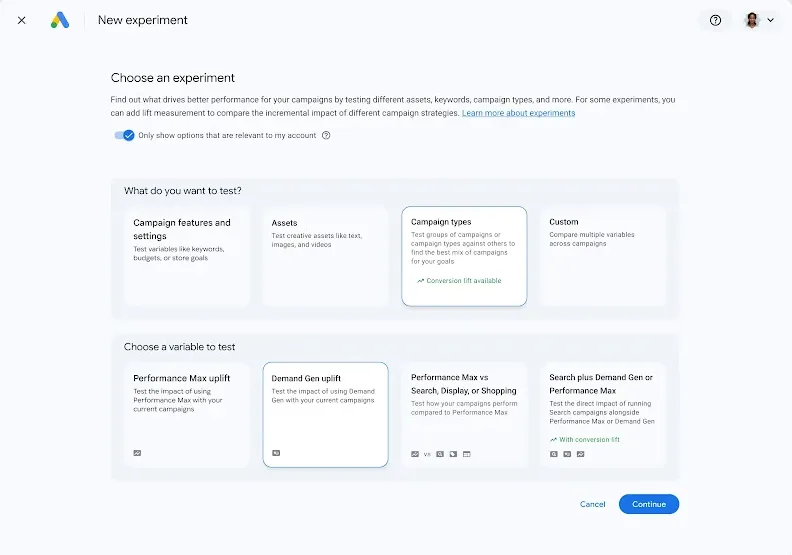
Demand Gen Uplift Experiments is a new automated A/B testing framework that measures the statistically significant uplift of adding Demand Gen to an existing campaign mix (PMax, App, Video, Display). The mechanic provides a turnkey way to isolate Demand Gen's impact on conversions, sales, CPA, or ROAS: answering the long-standing question of whether Demand Gen is incremental or cannibalising.

Microsoft Advertising

Microsoft Ads adds a new transparency layer for Performance Max

Microsoft Advertising has expanded transparency controls for Performance Max campaigns, detailed in a May 2026 blog post. The update gives advertisers clearer visibility into PMax campaign behaviour, closing the same transparency gaps practitioners have been flagging across Google's Performance Max product for the past year.

Google Ads

Site Visits asset officially launches in Google Ads

Google has officially introduced the Site Visits asset for Google Ads. You can see visit metrics in Search, Performance Max, and AI Max ads: boosting both ad performance and credibility by showing past visit volume to the advertised location or website.

Google Ads

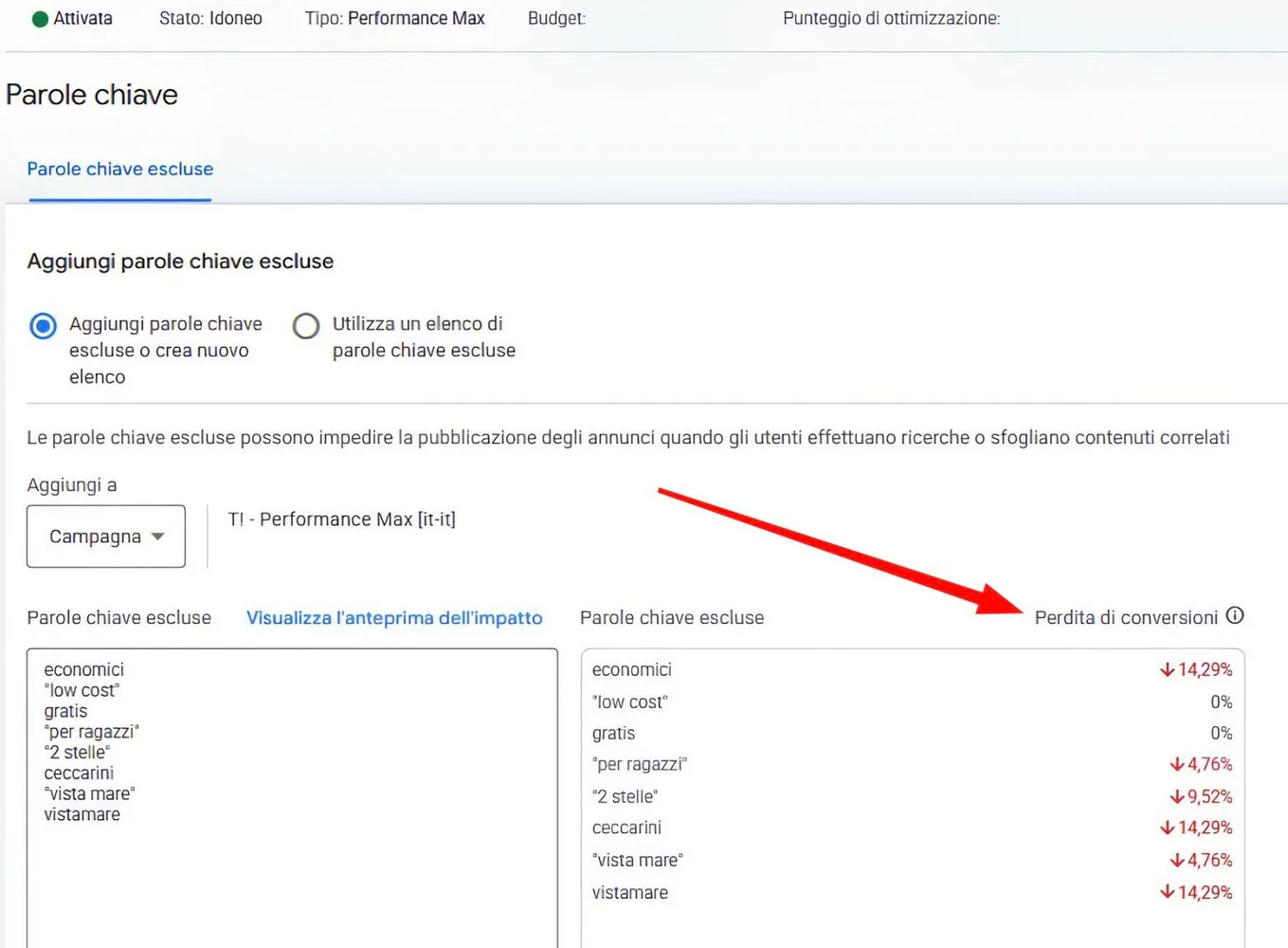
Performance Max adds Impact Preview for negative keywords

Google Ads has rolled out an Impact Preview for negative keywords inside Performance Max: the first time advertisers can see the estimated conversion impact of a negative before committing it to the campaign. The preview shows the expected "Loss in conversion value" as a percentage at the per-keyword level.

SourceLinkedIn

Google Ads

Microsoft PMax Website Publisher URL report adds conversion and spend metrics

Microsoft Advertising has added conversion and spend metrics to the Performance Max Website Publisher URL report, addressing a transparency gap that had limited the report's usefulness. Navah Hopkins has flagged the change and notes the practical use case: advertisers can now identify which publisher placements are converting and at what spend level, then build Audience Ads campaigns specifically targeting the winning placements.

SourceLinkedIn

Google Ads

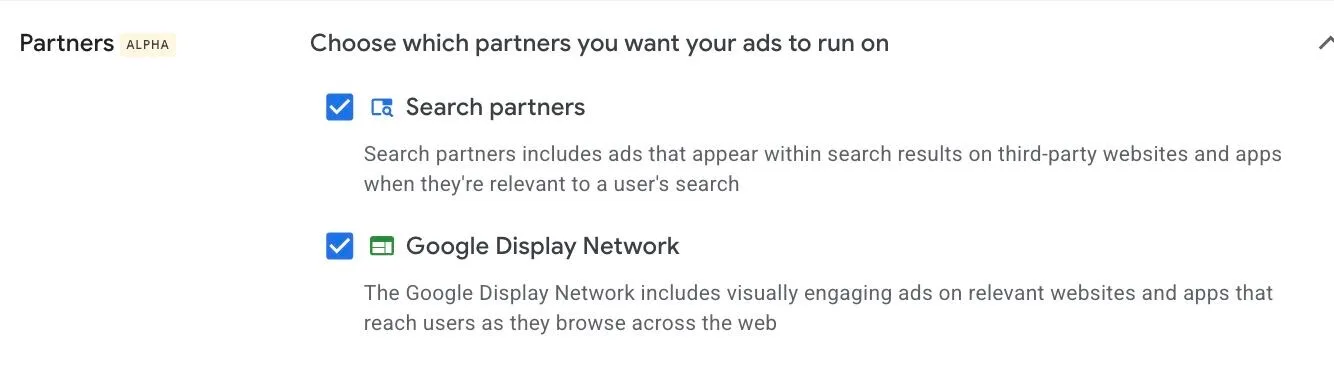
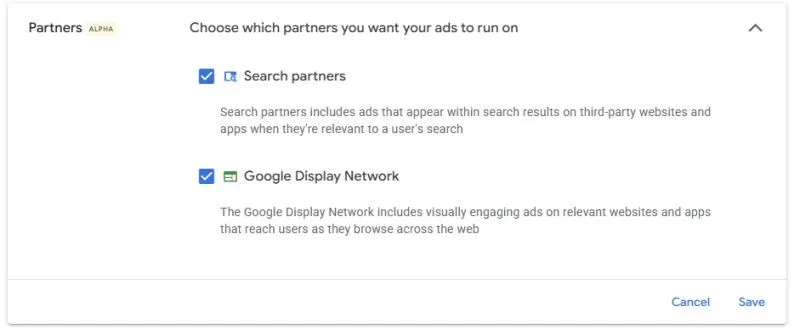
Performance Max Search Partners and Display Network exclusion rolls out widely

The Performance Max Search Partners and Display Network exclusion option flagged by Thomas Eccel as a test in Week 18 has now rolled out to a broader pool of accounts. Jason King has confirmed seeing the option live in his accounts, framing the rollout as a brand-new Google Ads option now widely available.

SourceLinkedIn

Google Ads

Google Ads API v24 product reporting changes for upgraded Shopping campaigns

Google has detailed product reporting changes in the Google Ads API for advertisers running upgraded Shopping campaigns. The changes affect how product-level data flows through the API once Shopping campaigns are migrated into Performance Max or AI Max, and adjust the resource model for product segmentation in reporting queries.

Google Ads

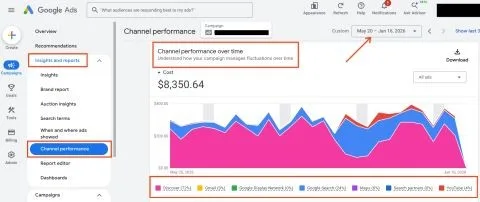
Performance Max gains a channel-performance-over-time report

Google is rolling out a Channel performance over time report for Performance Max, flagged by Aleksejus Podpruginas. Found under the Insights and reports section in a dedicated Channel performance tab, it shows how a campaign distributes budget and delivers across networks over time: the kind of channel-level visibility advertisers have long said Performance Max lacked.

SourceLinkedIn

Google Ads

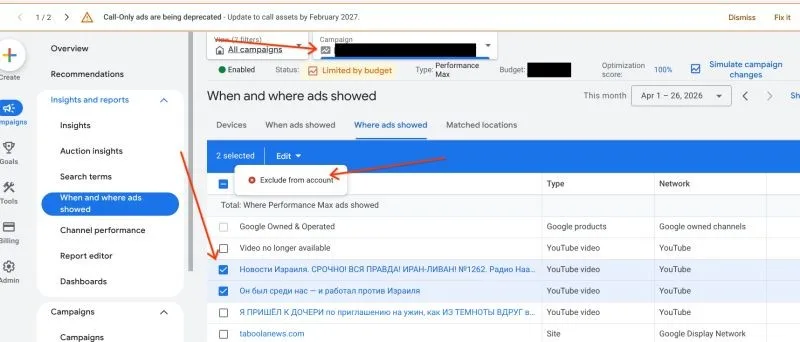
Performance Max placements can now be excluded directly from "Where ads showed"

Google has rolled out direct inline exclusion for placements in the Performance Max "When and where ads showed" report. Aleksejus Podpruginas has flagged that advertisers can now filter and exclude irrelevant placements at scale directly from the report view, rather than navigating to the separate exclusion list interface.

SourceLinkedIn

Google Ads

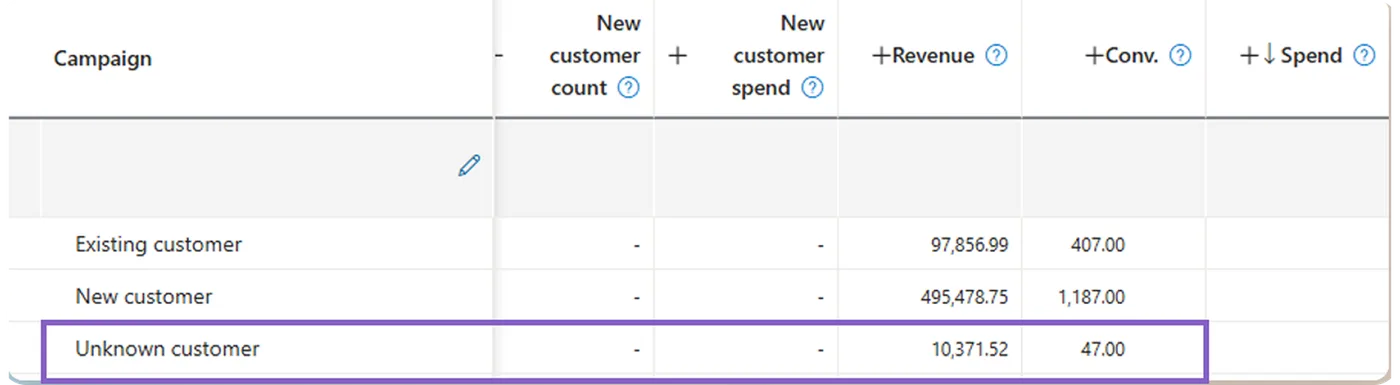
Microsoft PMax campaigns with NCA goals are now importable from Google Ads

New customer acquisition (NCA) goals for Performance Max campaigns are now importable directly from Google Ads into Microsoft Advertising, and the feature was rolled out to all advertisers this week. Google "website visitors" audience segments convert to equivalent rule-based remarketing lists; Google's auto-created "all visitors" and "all converters" lists map to Microsoft equivalents; unsupported lists such as Customer Match can be substituted with "all converters" or omitted at import.

Google Ads

Microsoft PMax landing page (Final URL) reporting is now live

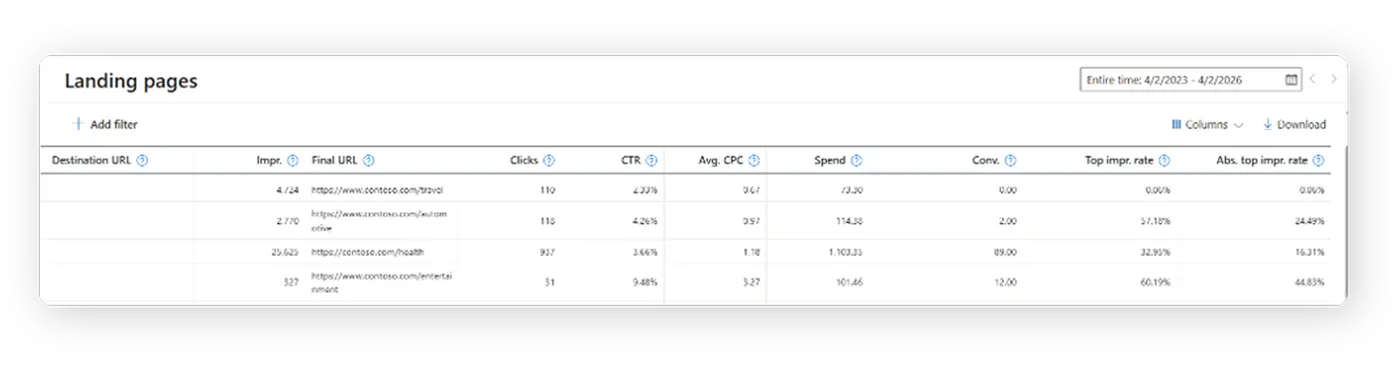
Landing page reporting is now available for Performance Max campaigns in Microsoft Advertising, showing performance by Final URL, including spend, impressions, clicks, conversion metrics, and ROAS. The view can be segmented by campaign, asset group, and custom parameters.

Google Ads

PMax Asset Group Theming is now live for Mother's Day

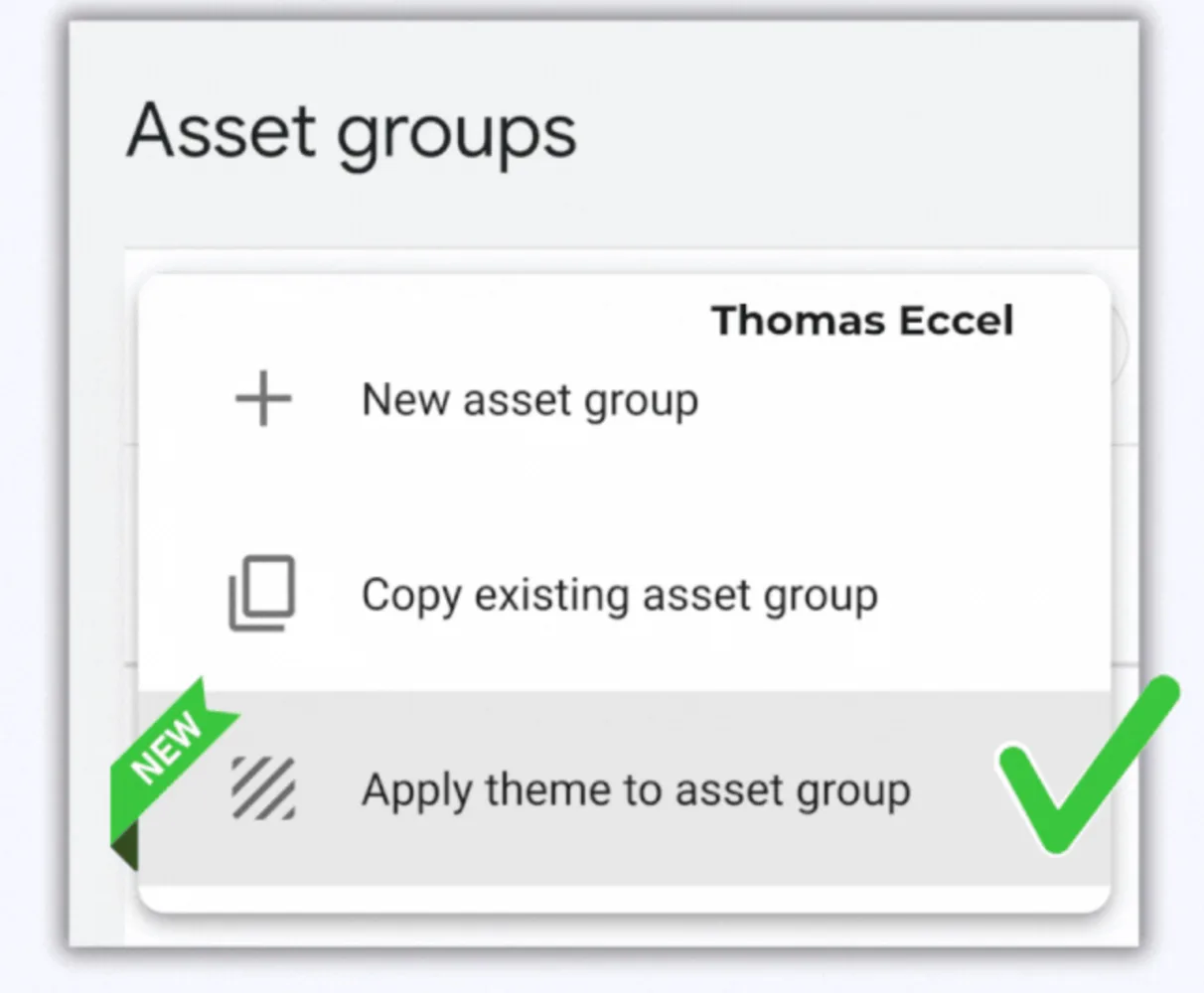
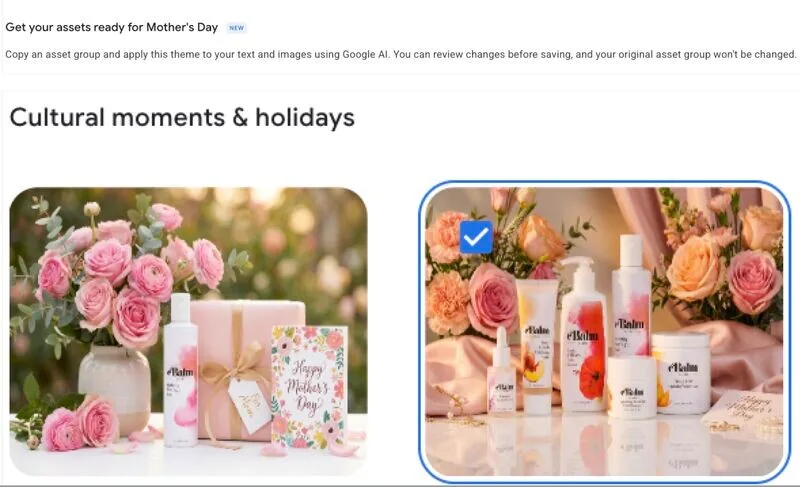
Following the Easter rollout, Google's seasonal Asset Group Theming is now live for Mother's Day. The feature duplicates an existing asset group, applies AI-generated themed images and updated copy, and leaves the original asset group untouched: all changes require approval before publication.

SourceLinkedIn
Performance Max news and updates | Paid Media Collective