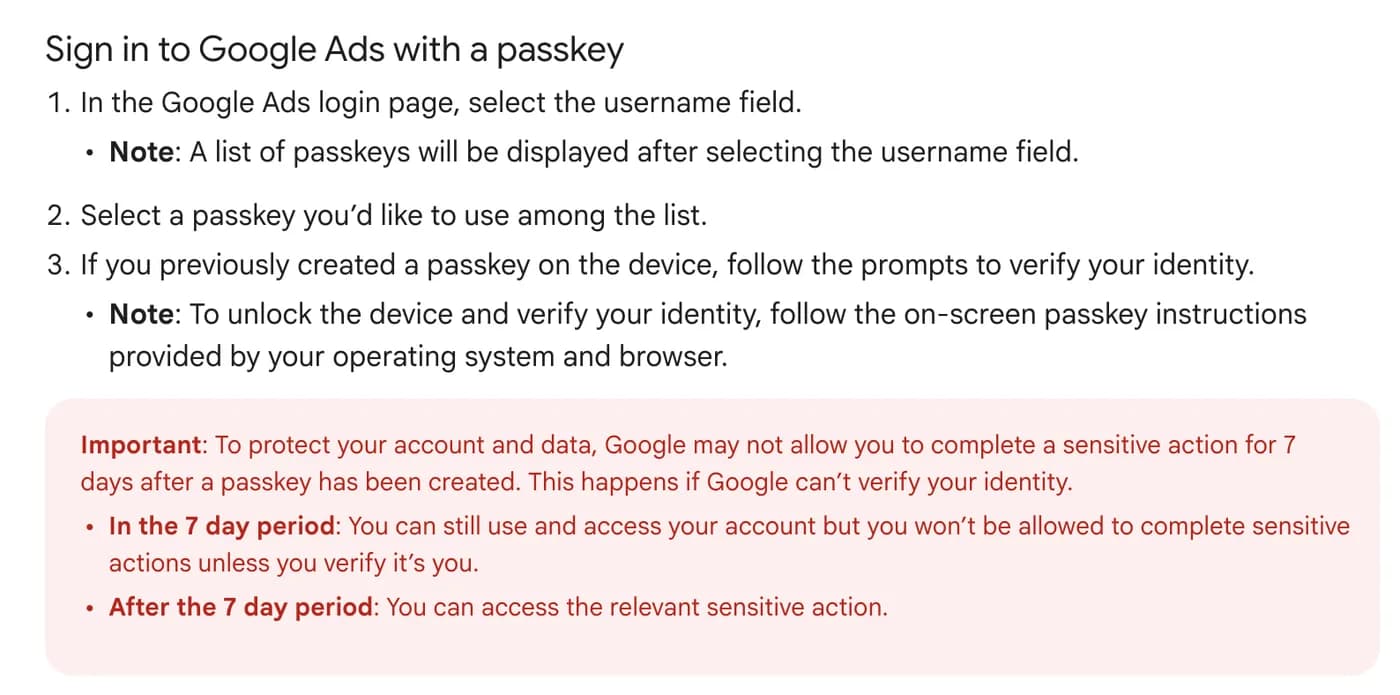
Google has published a help page confirming that passkeys are now supported in Google Ads as a passwordless, phishing-resistant login method. Passkeys are required for sensitive actions, including changes to user access and account linking updates.
Starting April 1, 2026, the Google Ads API will enforce a minimum daily budget of $5 USD (or local currency equivalent) for all Demand Gen campaigns. Google states this ensures campaigns have adequate budget to navigate the initial learning phase.

Google announced that its Ads API and Google Ads scripts will introduce stricter account-level enforcement for the European Union Political Ads Regulation, with changes taking effect on April 1, 2026. If a Google Ads account contains campaigns that have not declared their EU political advertising status, all mutate calls related to campaign management will fail with an MutateError.EU_POLITICAL_ADVERTISING_DECLARATION_REQUIRED error.
Google has released v2.0 of the Google Ads API Developer Assistant, a major upgrade to the Gemini-powered extension. The update includes agentic conversion troubleshooting with a new /conversions_support_data command that analyses your conversion setup and generates diagnostic reports.
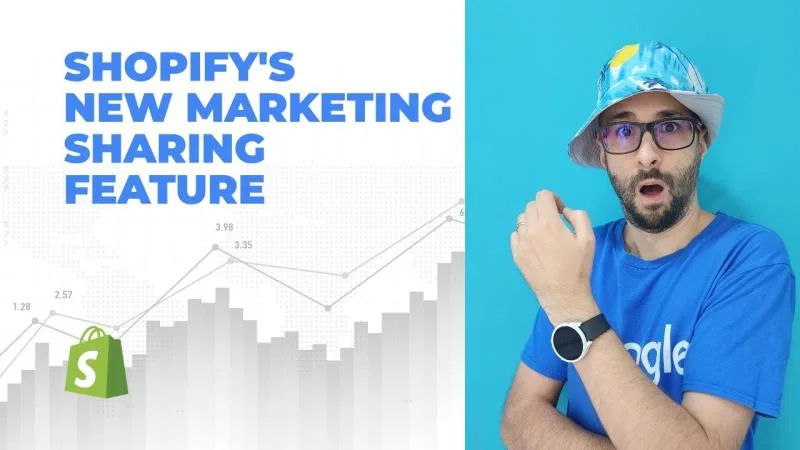
Shopify has launched Smart Data Protection, a feature that automatically pauses data sharing with marketing apps and pixels that are no longer driving results. The system quietly identifies forgotten or inactive pixels that are collecting customer data in the background and shuts them down automatically.
Google has released v23.1 of the Google Ads API with several notable features. Text guidelines support is now available for Performance Max and Search campaigns, allowing programmatic control of AI-generated text assets.
Google Ads will update its Gambling and games policy for the United Arab Emirates on March 10, 2026. The update will allow entities authorised by the General Commercial Gaming Regulatory Authority (GCGRA) to advertise internet gaming and sports wagering services in the UAE.
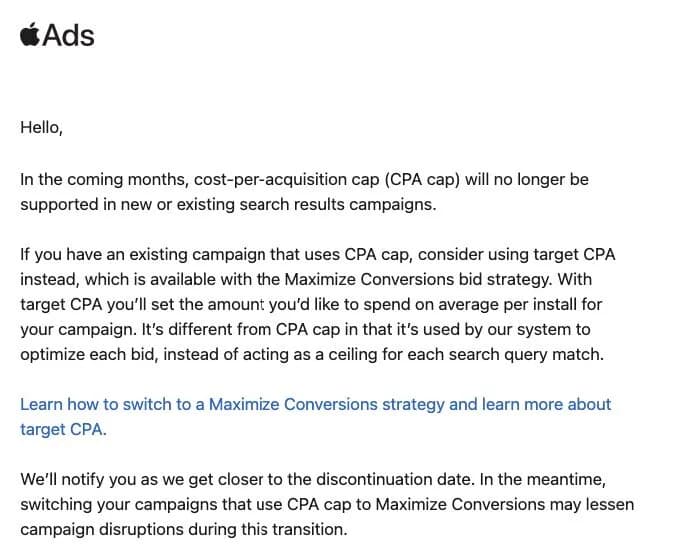
Apple is discontinuing the ability to set CPA caps at the campaign level in App Store search campaigns. Advertisers must now use account-level caps instead.
Google is introducing the ability to apply for certain certifications directly within your Google Ads account, starting February 2026. The feature covers cryptocurrency exchanges and software wallets, cryptocurrency hardware wallets, cryptocurrency coin trusts, and complex speculative financial products.
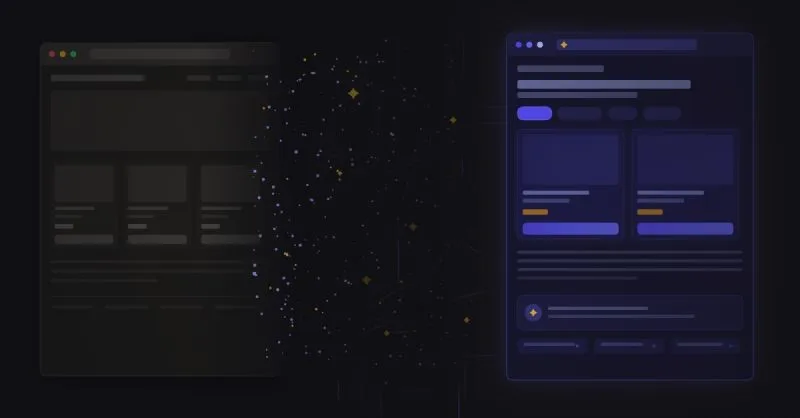
Google has been granted a patent, US12536233B1, for generating AI-built landing pages that replace yours when your site doesn't meet their quality threshold. The system calculates a "landing page score" based on conversion rate, bounce rate, CTR, page design quality, and content quality.
Clay has launched Clay Ads, a product that enables B2B advertisers to sync exclusion lists directly to Salesforce, so ads reach only prospects who can buy. The product enriches contacts with personal emails before audiences hit Meta, achieving 60%+ match rates.
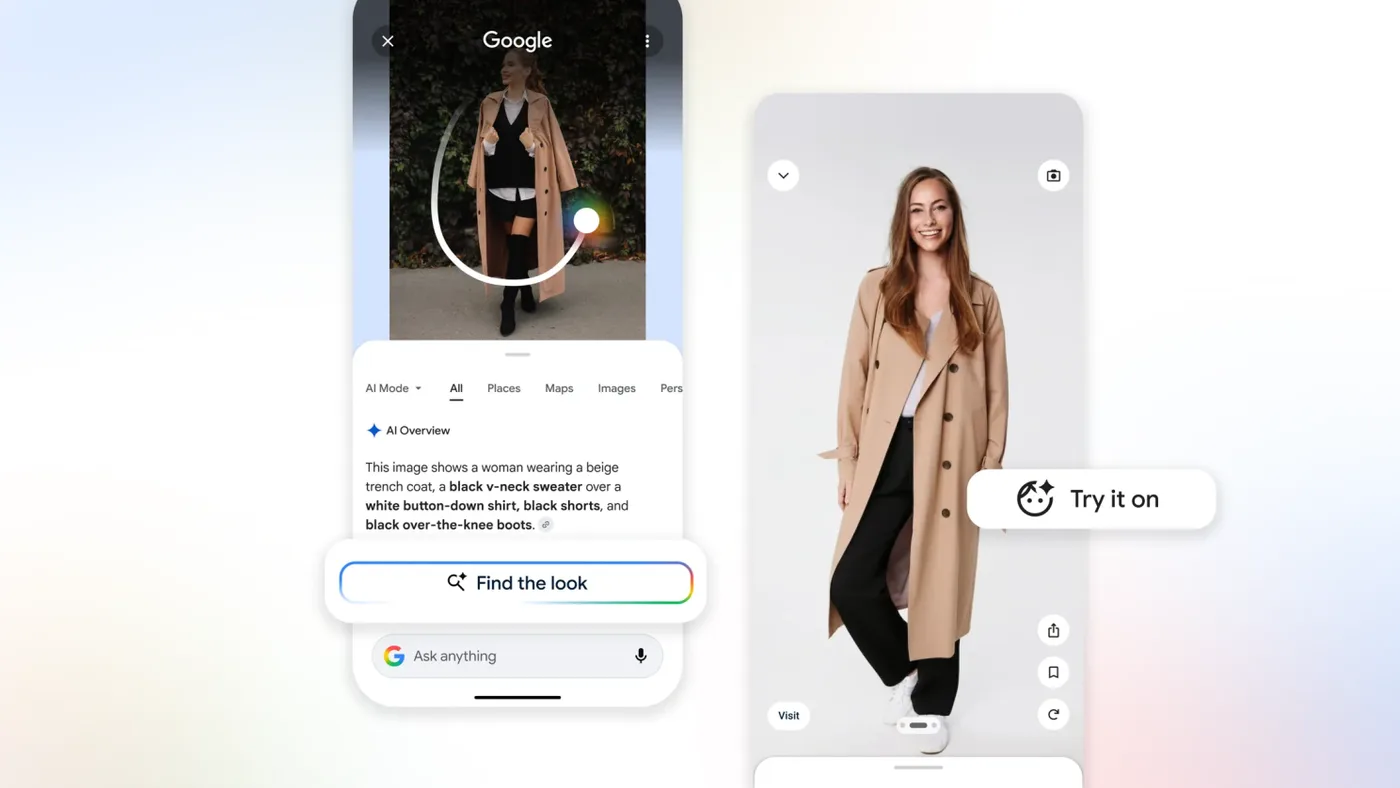
Google has updated Circle to Search to explore multiple objects in an image simultaneously. Users can circle an entire outfit to identify all its components, or circle multiple items in any image to get information about each.
According to Reuters, Google plans to test in Europe search changes that display results from competing vertical search services alongside its own. Top-ranked vertical search engines will be displayed by default, with hotels, airlines, restaurants, and transport services showing real-time data from feeds positioned below or above the vertical search list.
Dario Amodei, CEO of Anthropic, warned that AI models are approaching human-level intelligence sooner than society recognises. In an interview on the WTF Is podcast, Amodei said: "It's as if this tsunami is coming at us, and it's so close we can see it on the horizon.
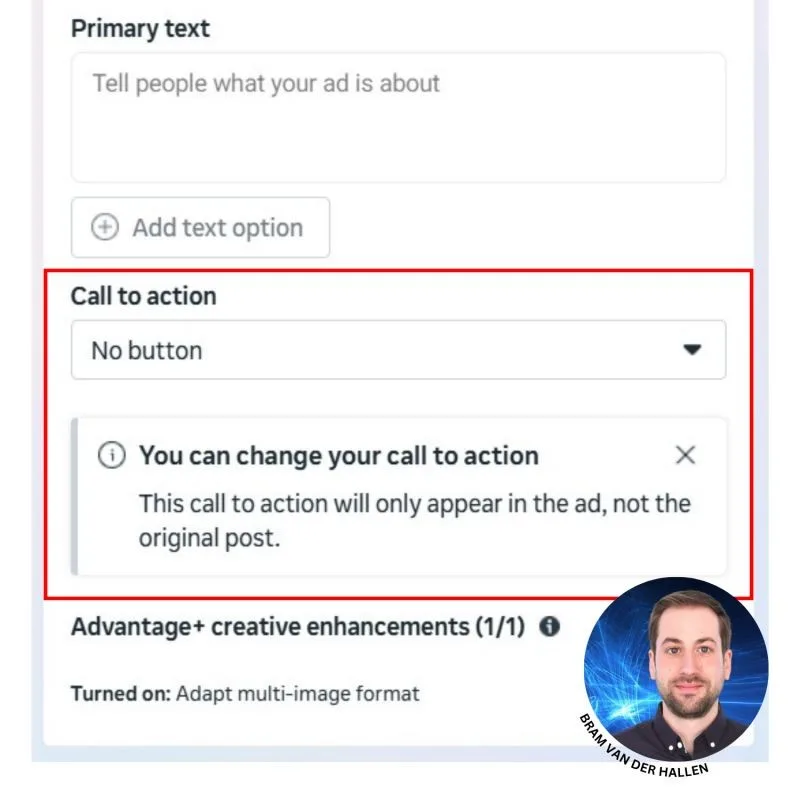
Meta is changing how call-to-action buttons appear on existing posts. The update affects how CTAs are rendered on previously published content, potentially impacting engagement metrics and user interaction patterns.
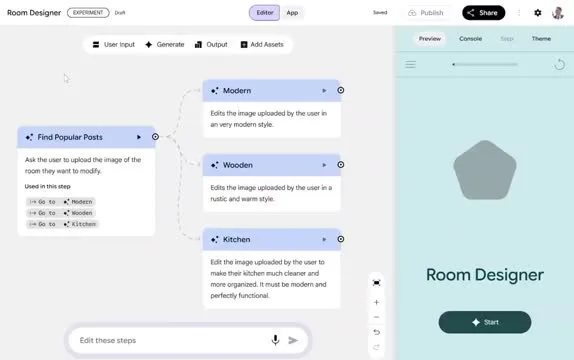
Google Opal, the experimental no-code agent builder, has added a programmable agent block that can be configured in plain English. The update includes native Google tool calls (Nano Banana, Veo, web search, and more), memory to save information between sessions, and conditional logic.
Anthropic has launched Import Memory for Claude, allowing users to bring preferences and context from other AI providers with a single copy-paste. The feature updates Claude's memory so users can continue where they left off without rebuilding their context.
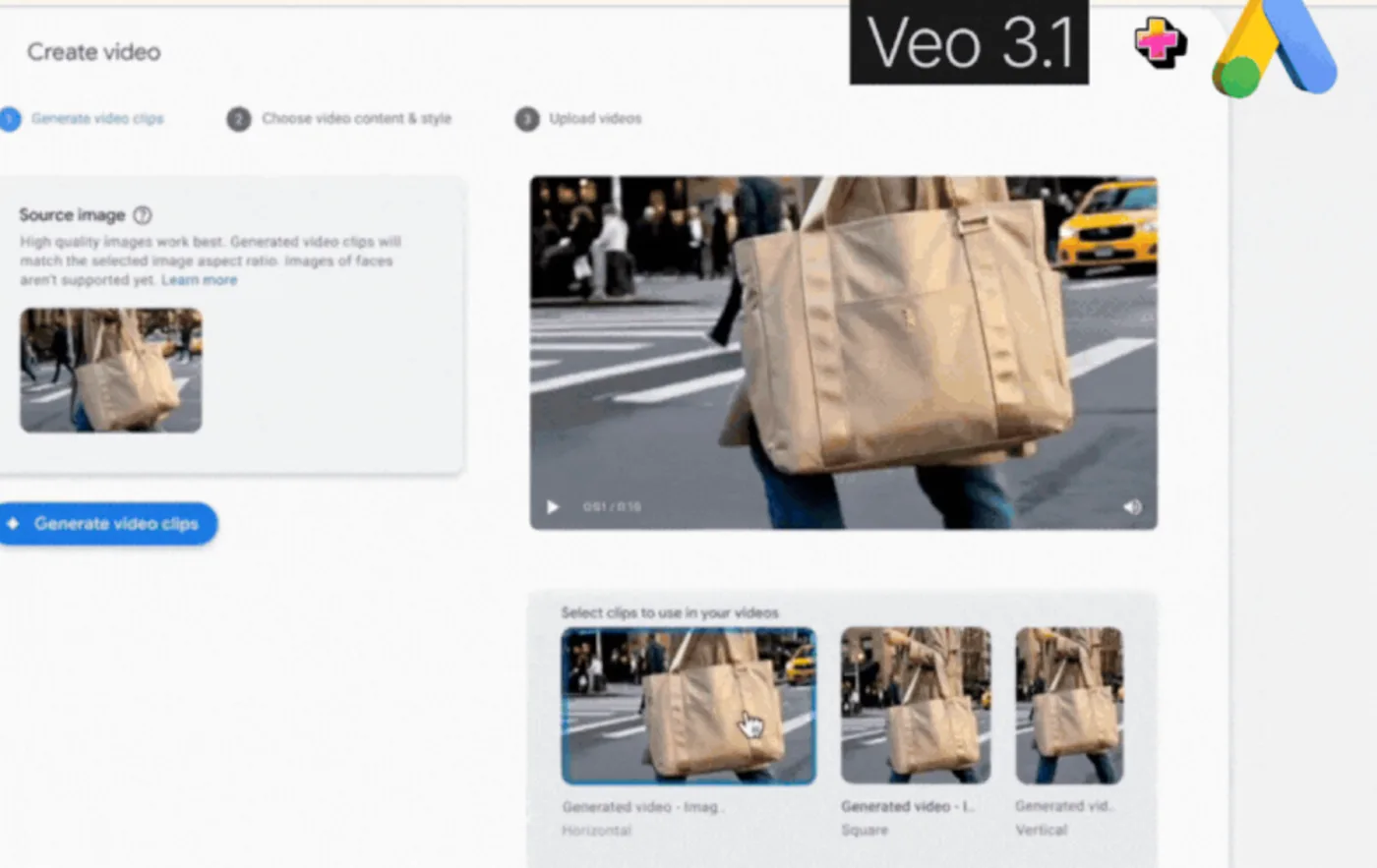
Google is planning to integrate VEO 3, its latest video generation model, into Google Ads Asset Studio at no additional cost. This will allow advertisers to generate AI-powered video assets directly within their campaign workflow.
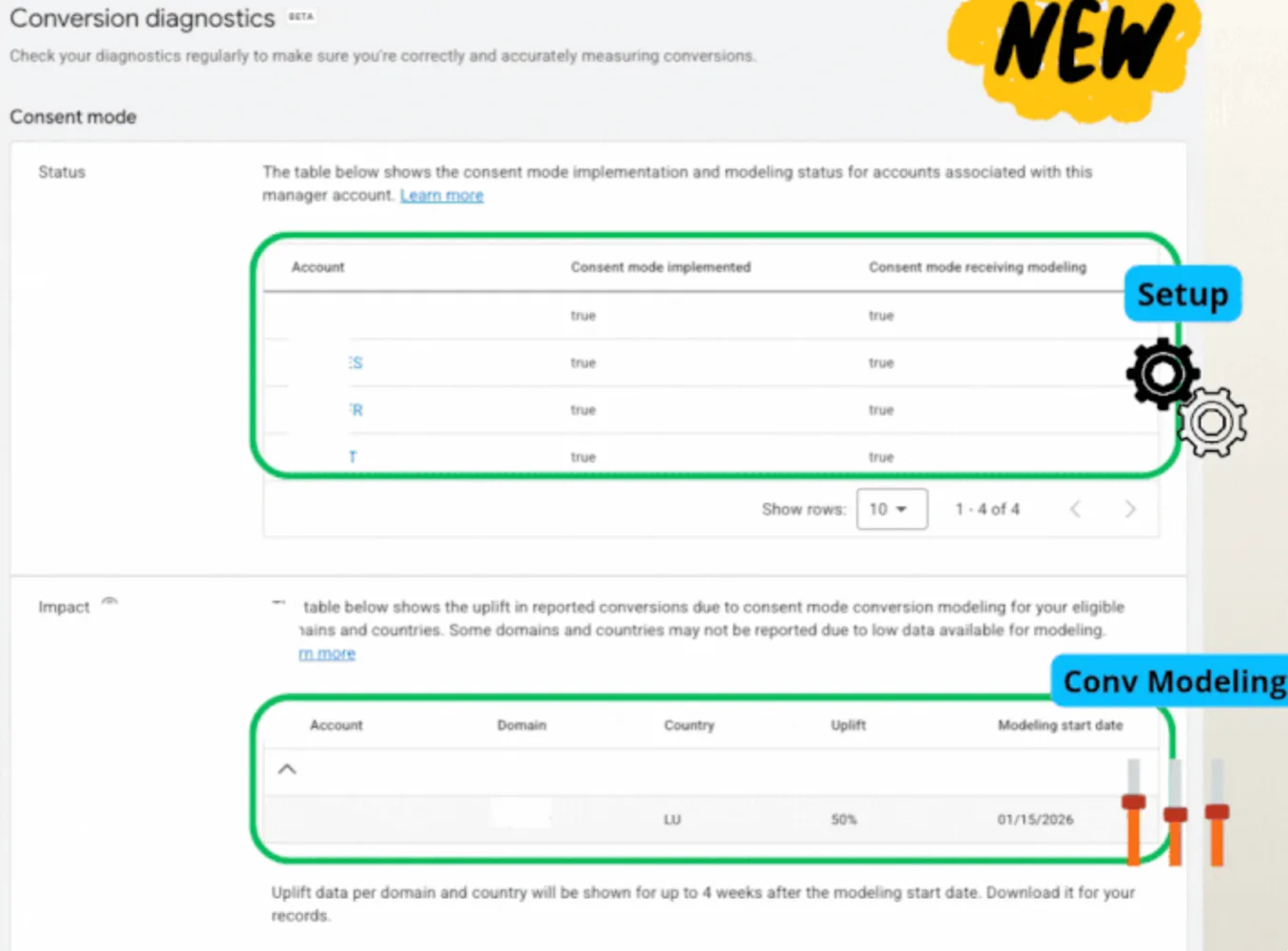
Google has added new insights for Consent Mode directly within Conversion Diagnostics, making consent status measurable within the Google Ads interface. This provides advertisers with clearer visibility into how consent settings affect their conversion tracking.
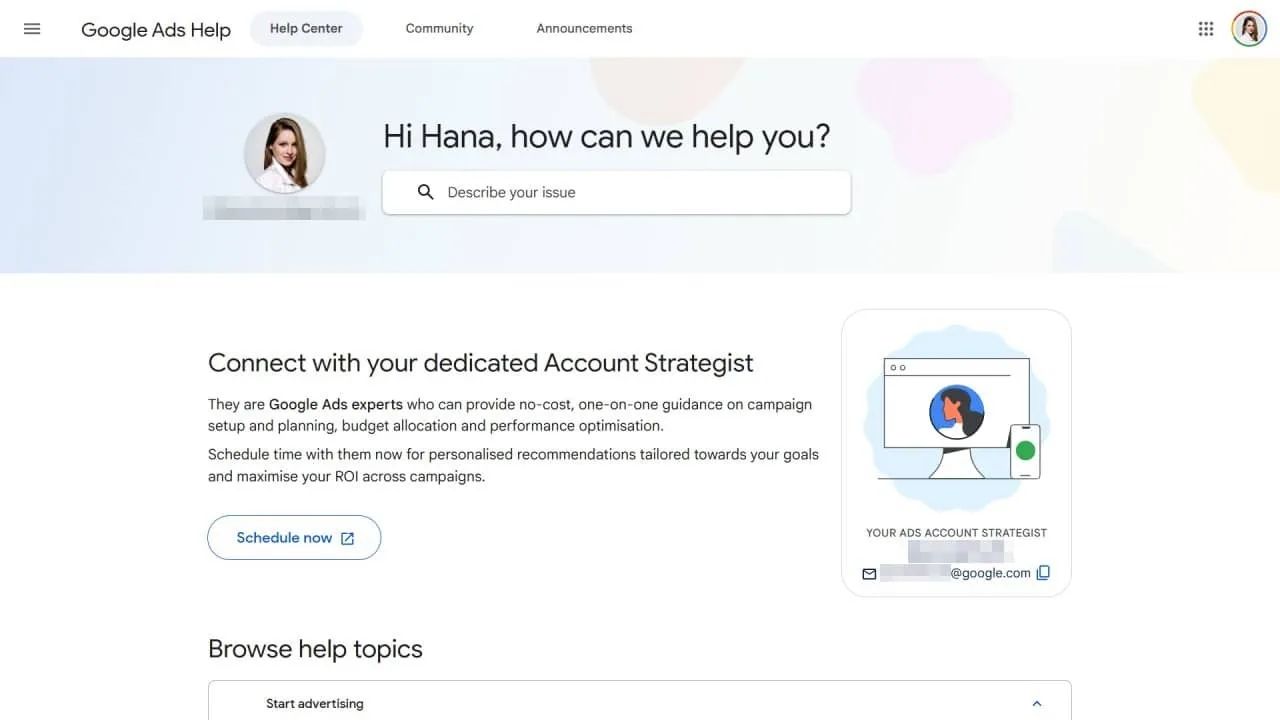
Google has refreshed its Help Centre homepage to display your assigned Google Ads support representative's contact details, including their email address and a direct call scheduling option. The change streamlines how advertisers connect with support, removing previous barriers to finding the right contact point.
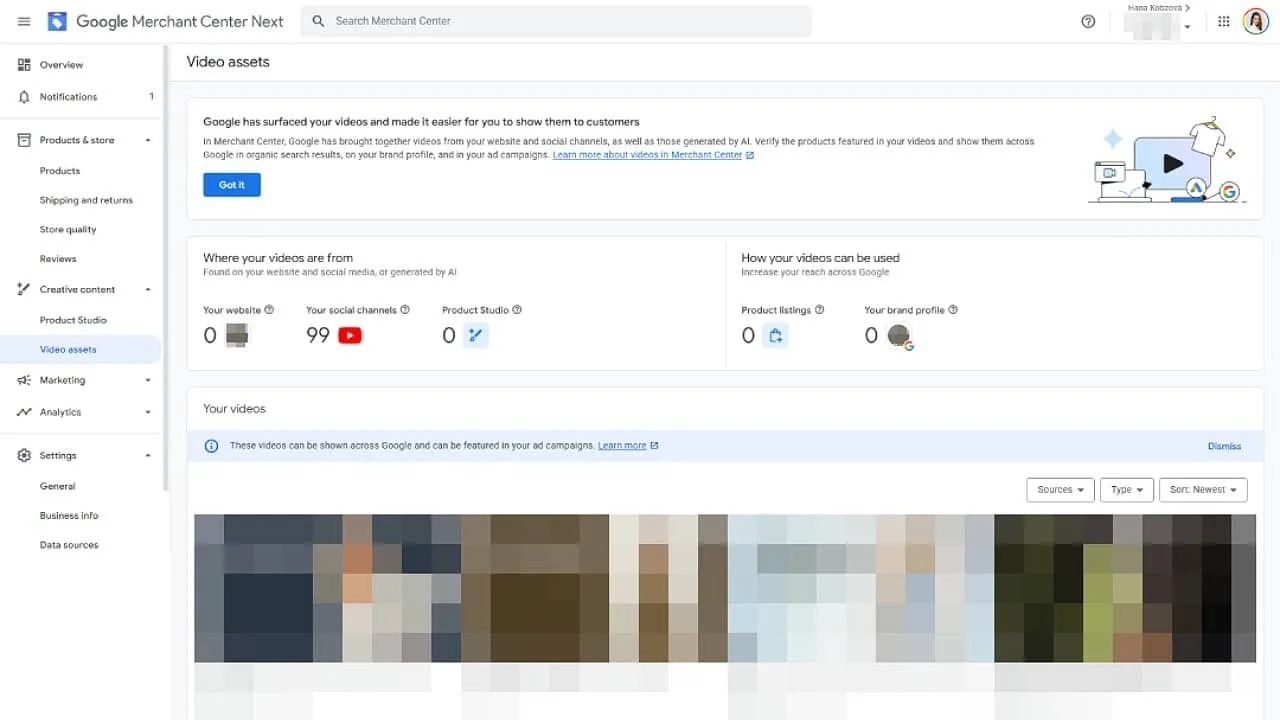
The Video Assets section in Google Merchant Centre, first announced at Google Marketing Live 2025, is now actively populating with content from external sources, such as YouTube. Previously appearing empty in many accounts since its September launch, videos are now being automatically pulled in.
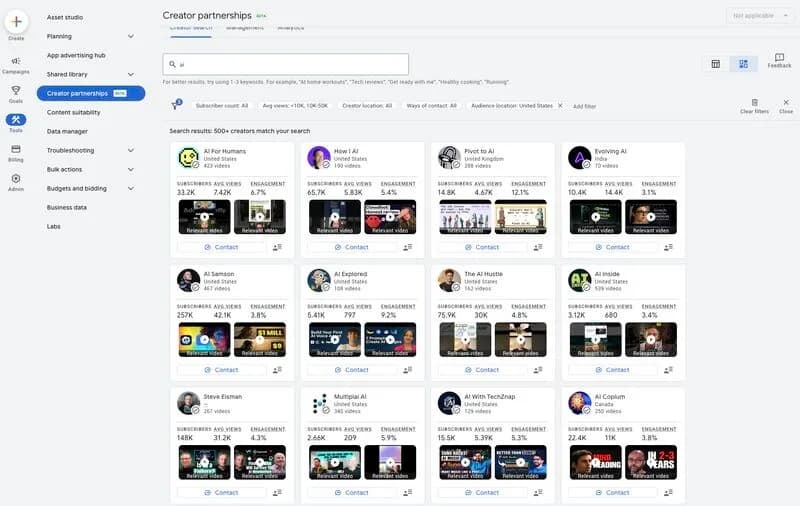
Google's Creator Partnerships section in Google Ads is now populated with searchable creator profiles, making it a free influencer marketing platform. The feature includes search filters by keyword and views, a centralised dashboard for creator communications, and built-in access to email addresses.
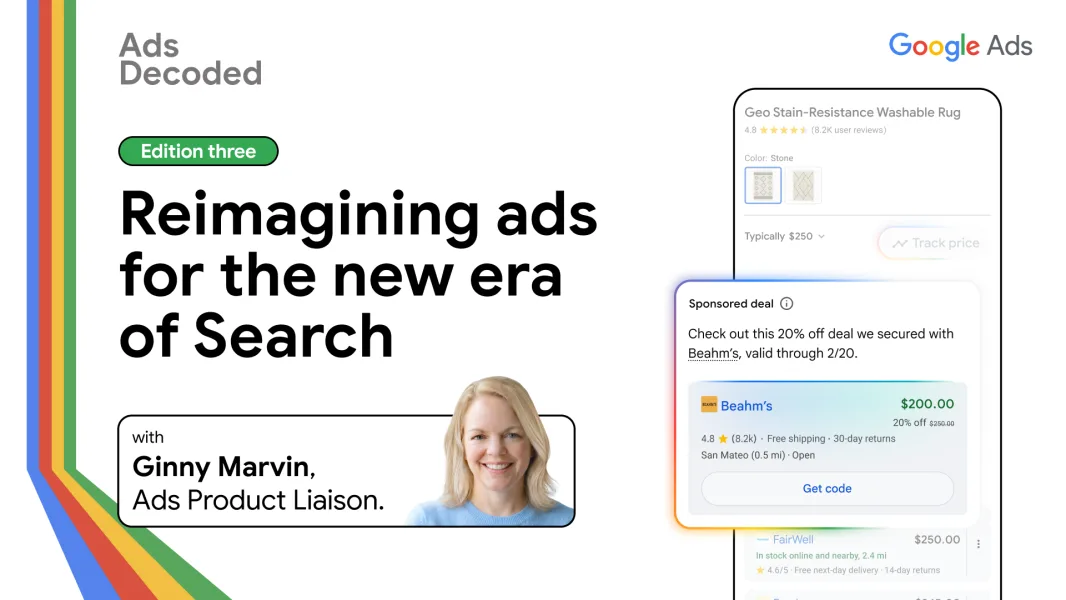
In the latest Ads Decoded newsletter, Ginny Marvin interviewed Abby Butler (Product Manager, Ads UI) and Adam Bullock (UX Design Lead, Search Ads) about how Google tests new Search ad designs. Key takeaways include: new "content-forward" ad experiences are coming that use AI to synthesise information from advertisers and third-party sources; Google is experimenting with third-party endorsement badges in ads below the description; and every test follows a "five in the box" protocol with input from product, engineering, UX design, UX research, and data science.
Google has expanded beta access for text guidelines to all advertisers globally in AI Max for Search and Performance Max campaigns. The feature allows advertisers to define specific terms to exclude or concepts to avoid using natural language rules, such as "don't imply our products are cheap" or "don't use language like 'only for'."
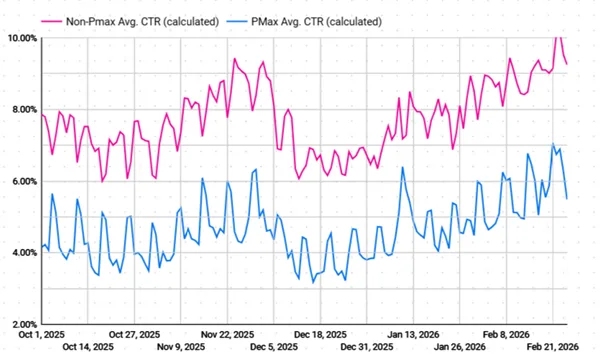
Jason King, a Google Ad Grants consultant, has observed steady improvements in CTR across 20 Ad Grants accounts since the AI Max rollout. Average CTR has risen from 4.8% in mid-December to 8.2% currently, the highest since AI Overviews launched in August 2024.
Amazon will invest $50 billion in OpenAI, starting with $15 billion and followed by $35 billion upon meeting certain conditions. The partnership includes several components: AWS becomes the exclusive third-party cloud distribution provider for OpenAI Frontier, the enterprise platform for building and managing AI agents.
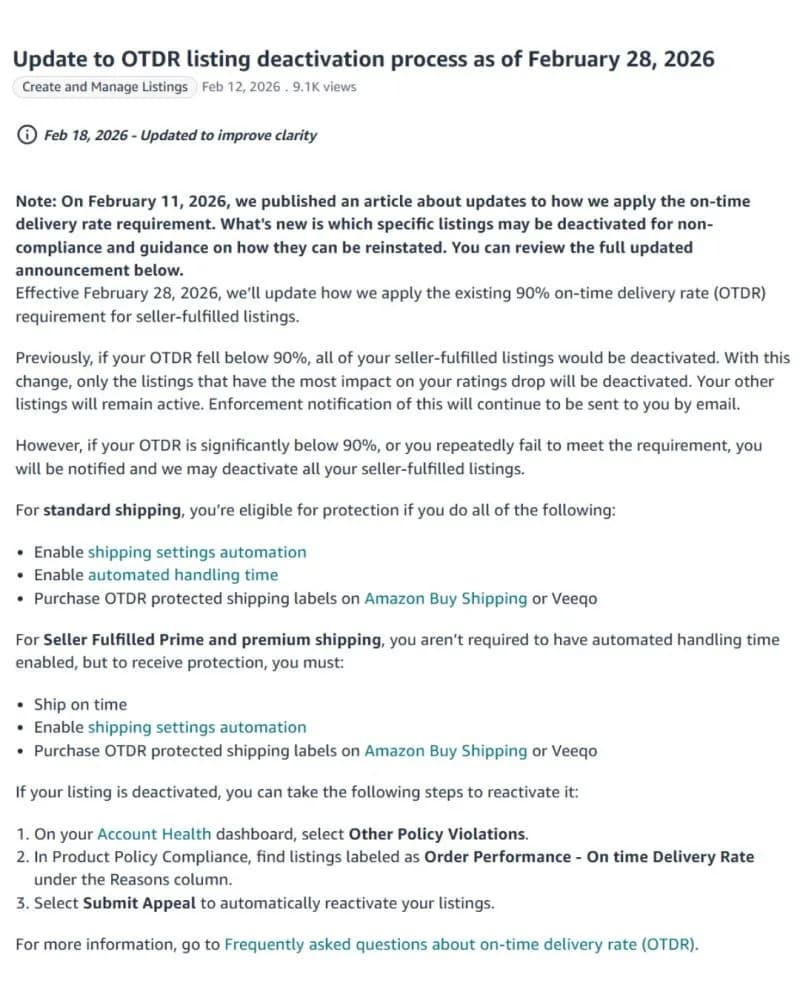
Amazon is changing its On-Time Delivery Rate (OTDR) deactivation logic for seller-fulfilled accounts, effective February 28, 2026. Previously, falling below 90% OTDR triggered the simultaneous deactivation of all seller-fulfilled listings.
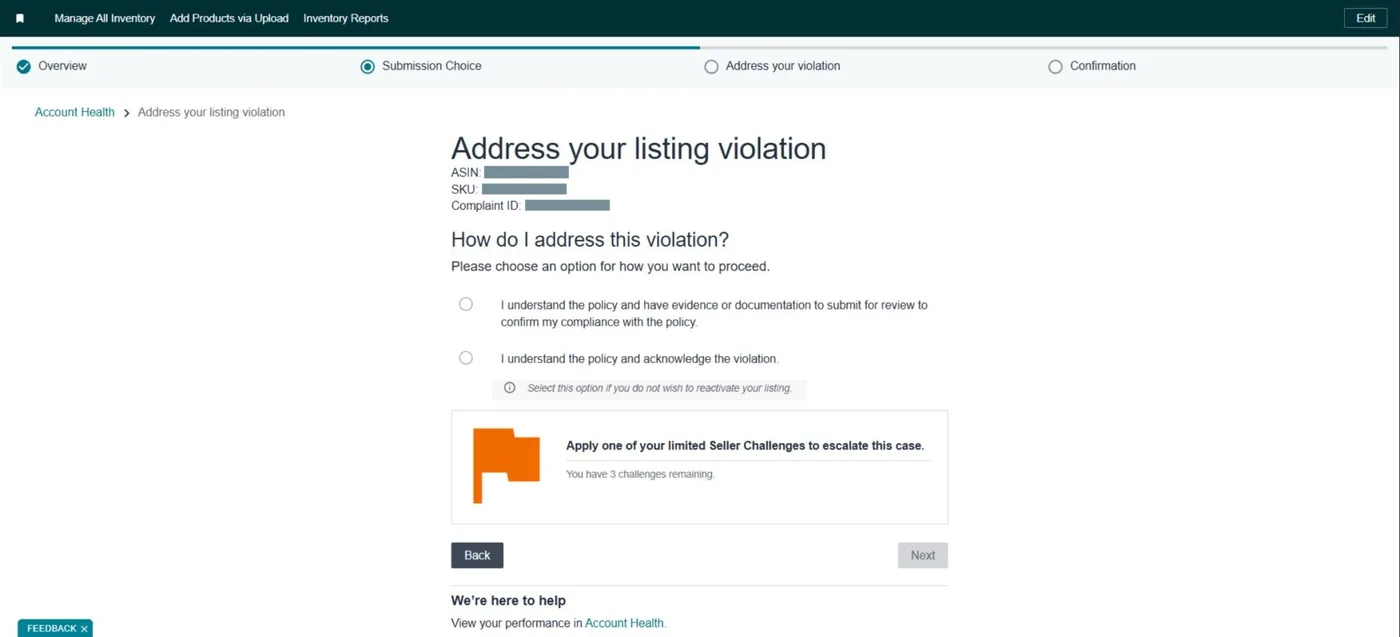
Amazon has rolled out the Seller Challenge under Account Health for sellers enrolled in Account Health Assurance (AHA) in the US. The feature provides a guaranteed 48-hour response window for listing enforcement appeals that remain unresolved after multiple attempts.
Amazon has closed review visibility and scraping capabilities, a move linked to concerns about AI training data. The review cap prevents tools from pulling unlimited review data to train models or build competitive intelligence systems on Amazon's data without compensation.
Each update has one permanent page. New evidence about the same development is added to that page. Dates identify the source report or newsletter coverage; article publication dates appear in the full view.
2026 newsletter archive: 38 editions and 1,562 distinct updates through Week 36. Source descriptions, credits and media are preserved; missing details remain marked.
Spotted an update worth sharing?
Share the original source and what changed. If it is already covered, help us improve the existing update.