Meta has introduced an updated Meta Account: building on Accounts Centre: as the centralised way to sign into and manage Facebook, Instagram, Messenger, Threads, Meta AI, AI glasses, and Meta Quest. The rollout is gradual over the next year.
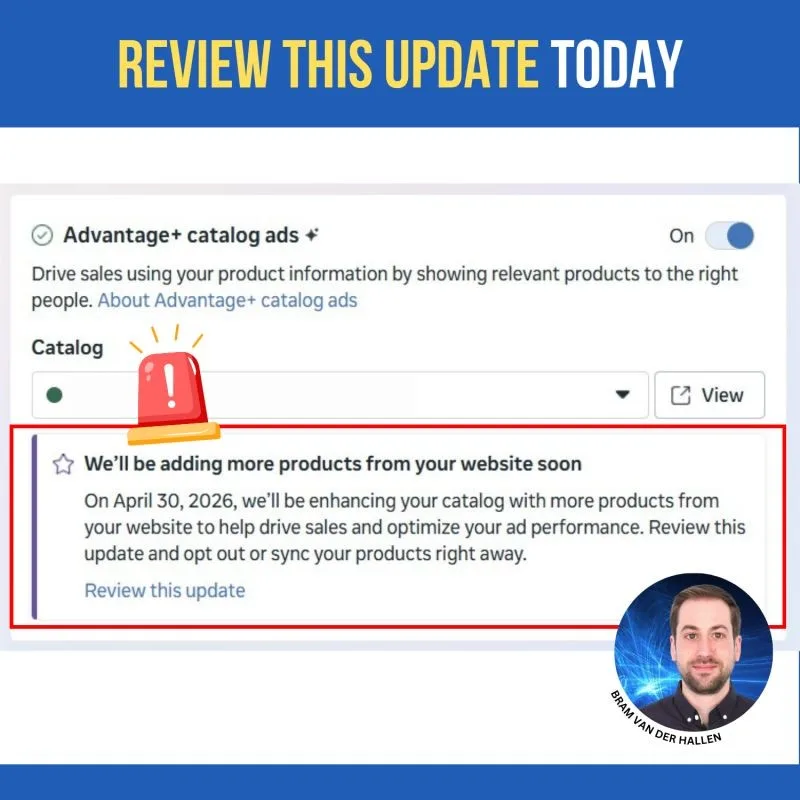
Bram Van der Hallen has flagged an important update for Meta advertisers running catalogue ads. Meta will now automatically begin adding products detected on advertiser websites that are not currently in the catalogue, syncing them into the live feed without manual approval.
Ales Sturala has published a clear analysis of the Meta Ads bans associated with AI tool integrations. The trigger is not "AI touched the account": it is the setup pattern: creating a Meta Developer App on a personal Facebook profile, leaving it in the default Development tier, using a personal access token, running an open-source MCP locally, and performing bulk writes.
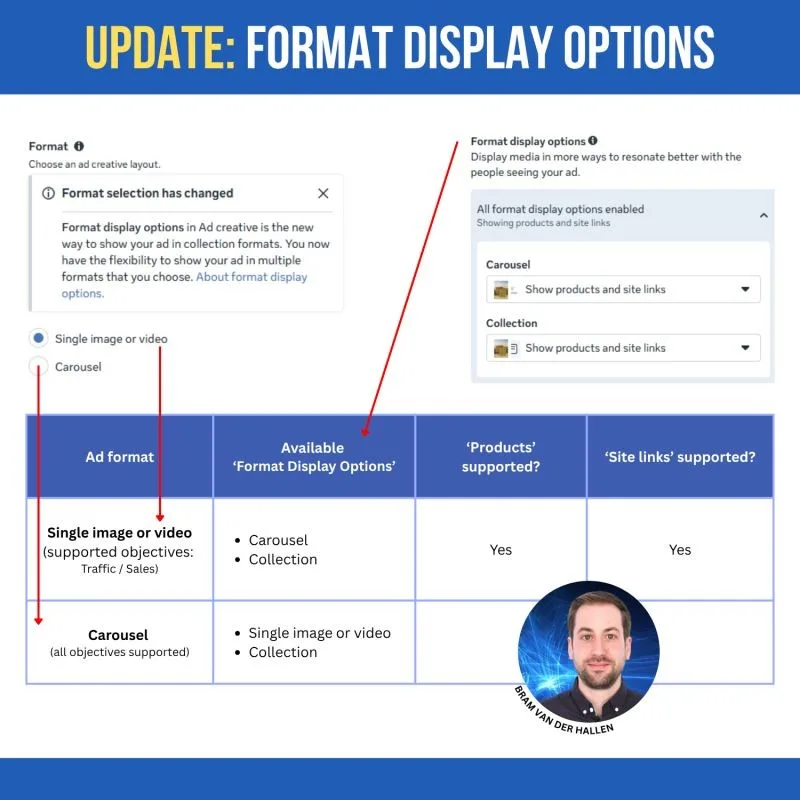
Bram Van der Hallen has also flagged the deprecation of Meta's Flexible and Collection ad formats, which are being replaced by a new Format Display Options system. Under the new model, advertisers using Manual upload see only two base options: Single image or video and Carousel.
Meta has published a substantial update to the Instagram Graph API, available through the Instagram API with Facebook Login. The Content Publishing API now supports the partnership ads label at publish time: third-party scheduling tools can publish organic posts with the "Paid partnership with [Brand]" disclosure label, including brand tagging via the Business Discovery API for brand ID lookup.
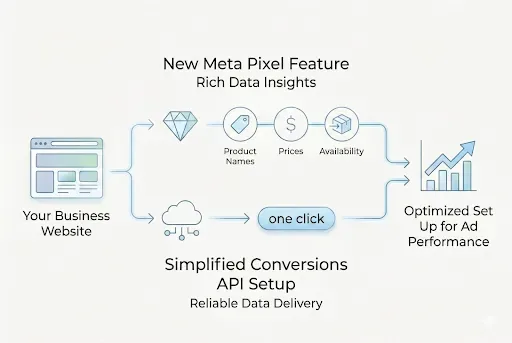
The Meta Pixel AI enrichment feature is explicitly excluded for advertisers in special ad categories: financial products and services, employment, health, and housing. Meta's existing consent frameworks and Business Tools terms continue to govern what data can be shared.
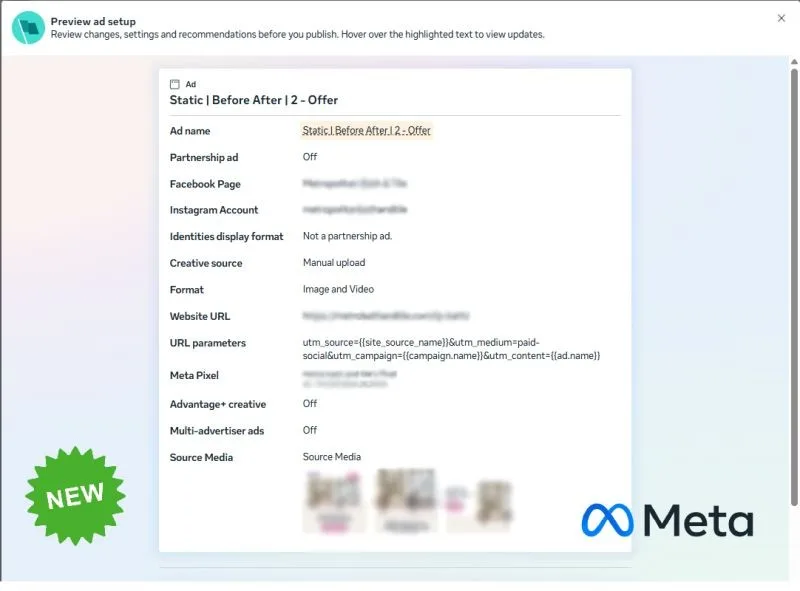
VIVEK GUPTA has flagged that Meta Ads Manager has introduced a new "Preview Ad Setup" step, and renamed the "Publish" button to "Preview to Publish." The updated flow allows advertisers to review their full ad setup: including creative, targeting, and placements: in a preview window before the ad goes live.
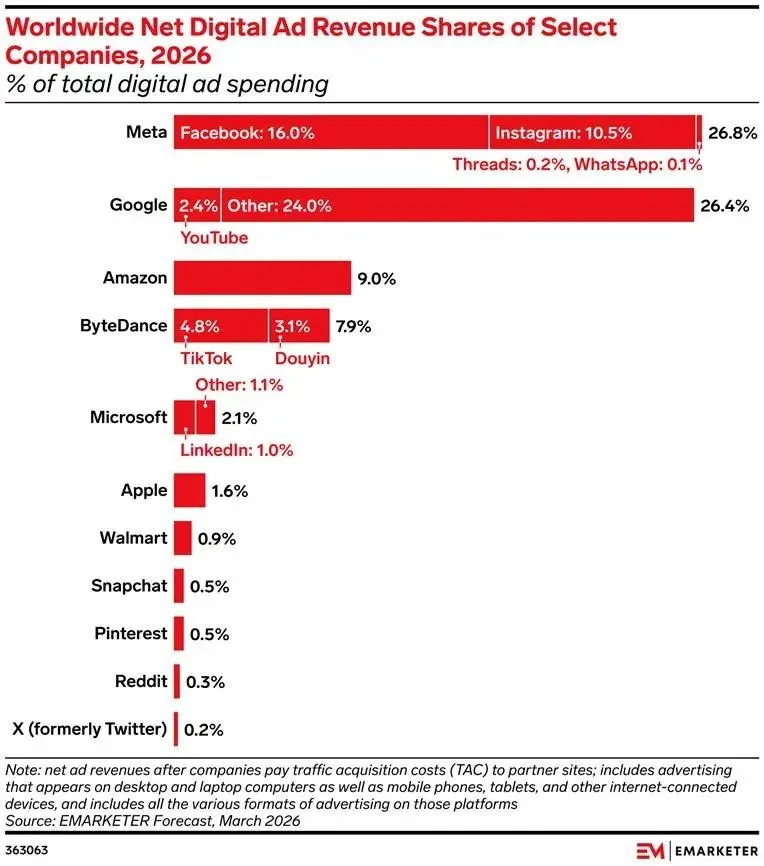
eMarketer has published a forecast projecting Meta's global net ad revenue at $243.46 billion in 2026, ahead of Google's $239.54 billion: the first time Meta is forecast to lead globally. Meta's year-on-year growth rate is 24.1%, roughly double Google's 11.9%.
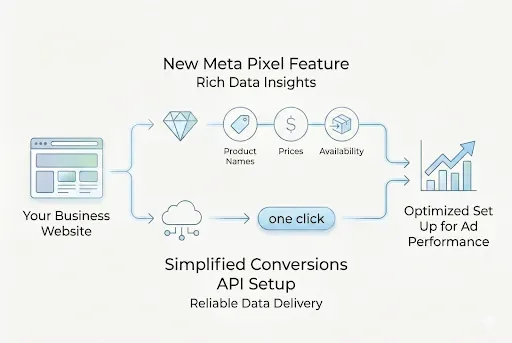
Meta has announced two significant updates to its advertising measurement infrastructure. An AI-powered enrichment feature for the Meta Pixel now automatically reads page content and infers product attributes: including name, price, currency, and availability: as well as business information, enriching conversion events without manual annotation.
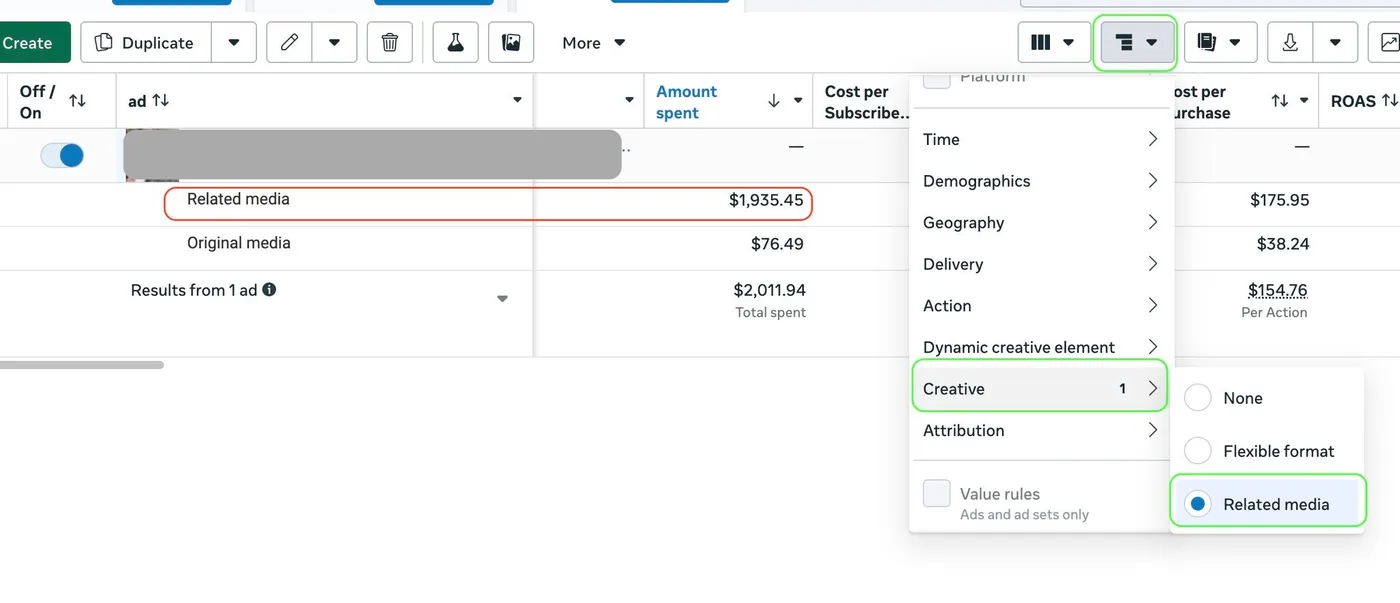
Barry Hott has flagged a serious bug in Meta Ads Manager: simply opening an ad to view its settings: even without making any changes: automatically queues Related Media to publish on the next save action. One account in Hott's analysis saw 96% of spend redirected to ads other than the intended one, rendering reporting unreliable.
Meta has published a major update to the Threads API. New content capabilities include: cross-sharing a Threads post to Instagram Stories; long-form text attachments up to 10,000 characters with formatting; ghost posts: ephemeral text-only posts that auto-archive after 24 hours; spoiler tags for text, image, and video; and GIF support via GIPHY.
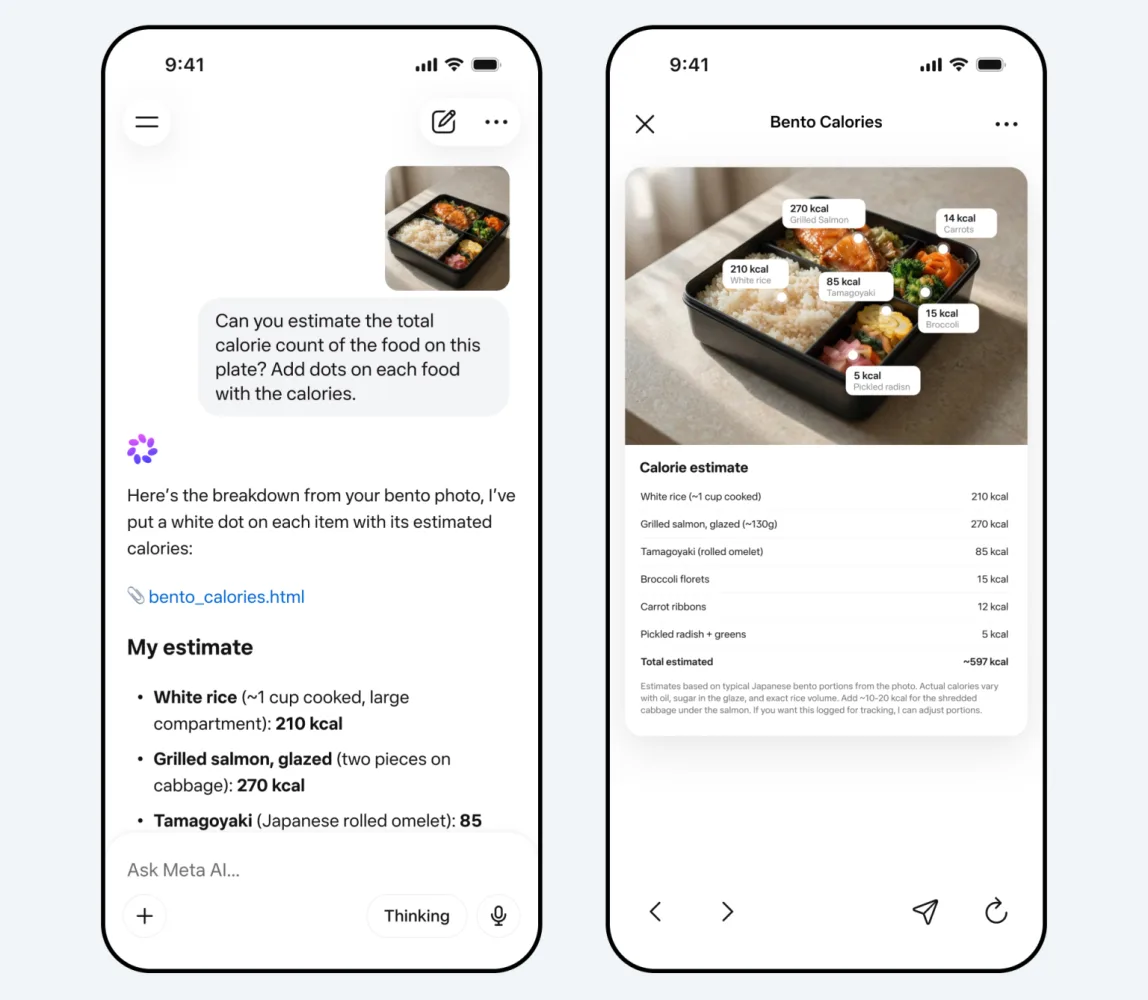
Meta has launched Muse Spark, the first model from Meta Superintelligence Labs led by Alexandr Wang. Muse Spark is a natively multimodal reasoning model with visual chain of thought, tool use, and multi-agent orchestration, built from a ground-up rebuild of Meta's AI infrastructure over nine months.
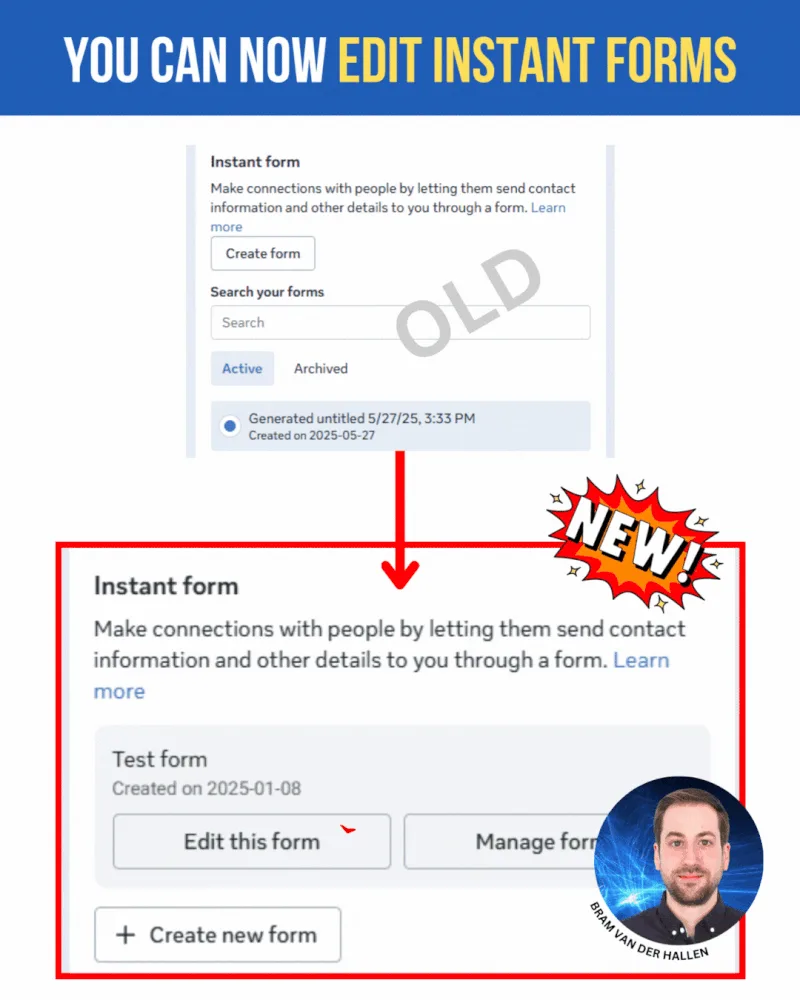
Bram Van der Hallen has spotted that Meta Ads Manager now allows advertisers to edit existing instant forms directly, rather than only Duplicate or Archive them. The edit option is accessible at the ad level in the updated interface.
Mike Ryan has published a month-one analysis of JD Group's European entry: available at Smarter Ecommerce: examining how the Chinese retail giant has positioned itself across European markets and what its early presence signals for competitive dynamics in Google Shopping auctions.
Anthropic has launched Microsoft 365 connectors across all Claude plans, enabling users to connect Outlook, OneDrive, and SharePoint directly to Claude conversations, bringing email, documents, and files into context without manual attachment.
Matias Axel Ramayo has flagged that Make has joined Meta as an official Conversions API partner alongside Zapier. The integration connects CRM data to CAPI via a new contact-creation trigger, available free until March 2028.
Anthropic has announced that Claude Managed Agents are now available inside Notion in private alpha. Claude picks up tasks from a team board, pulls context from PRDs and connected documents, completes work, and surfaces outputs for human review and approval: all inside Notion's interface.
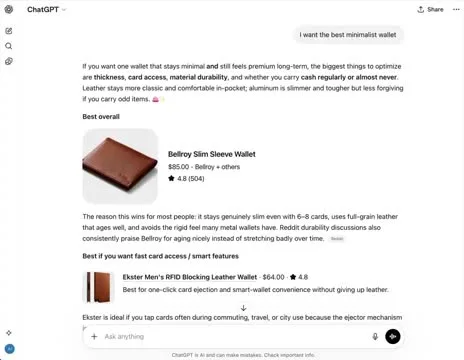
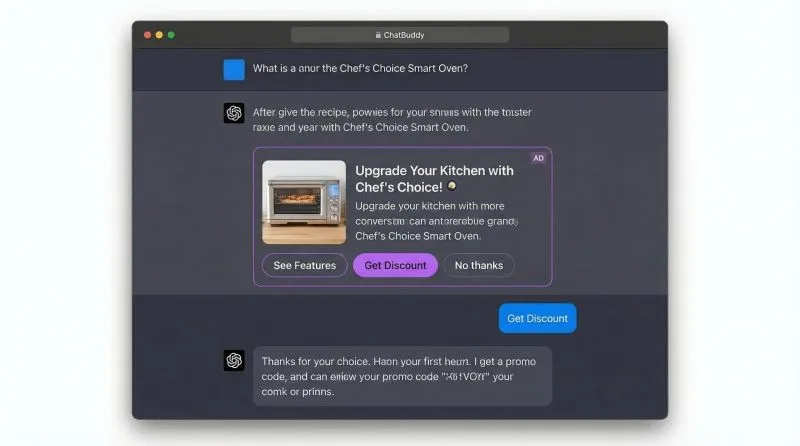
Juozas Kaziukėnas has reported that ChatGPT's browsable product catalogue: a block of four products with a "Browse All" expansion button: is now appearing at the bottom of all shopping conversations. Kaziukėnas draws a direct parallel to Amazon's "Frequently bought together" section, noting that those slots are now entirely sponsored products, and raises the question of how long ChatGPT will hold off from monetising this placement as it scales ad revenue.
Awais Nabi has reported that Shopify has launched the Shopify AI Toolkit, which connects AI agents: including Claude Code, Cursor, Gemini CLI, VS Code, and OpenAI Codex: directly to a merchant's store via a 2-minute installation. The toolkit enables natural-language instructions to execute store changes: product description updates, conversion funnel analysis, pricing adjustments, inventory management, and collection restructuring: through the agent rather than the admin interface.
Google Search Central has flagged that the median mobile homepage has reached 2.3MB: three times its 2015 size. A new podcast episode covers HTML bloat and its implications for the 2MB Googlebot fetch limit, identifying hidden bloat sources including JSON-LD and inline SVGs, and noting that faster networks do not resolve the processing overhead large pages impose on crawling and rendering.
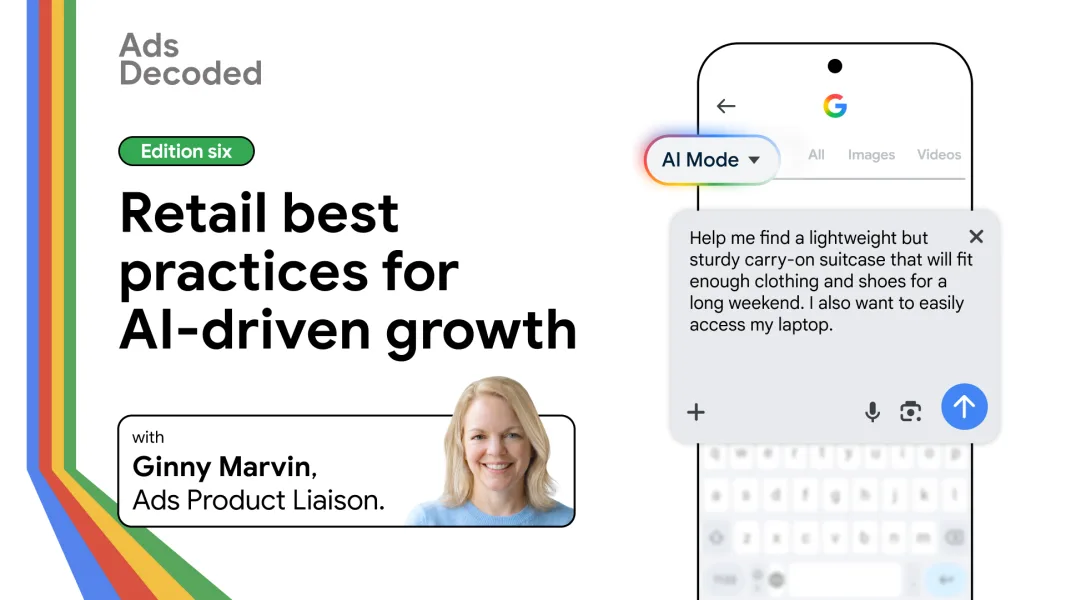
Ginny Marvin has published a new edition of the Ads Decoded newsletter, focused on Google Merchant Centre data quality as the foundation for modern retail campaigns. It covers feed enrichment for AI Mode and conversational shopping, shoppable ad enablement in Demand Gen and PMax, advanced measurement, and practical agentic commerce-readiness steps.
David Pombar Lourido has flagged that the €40 million GDPR fine against Criteo has been confirmed by the French Conseil d'État: the highest administrative court in France: making it final and no longer subject to appeal. The fine reflects data collected and used without a proper legal basis across thousands of marketing stacks where Criteo is deeply embedded.
Austin Lau, a performance marketing PM at Anthropic, has published a detailed account of building a custom Claude Cowork plugin to manage Google Ads via local MCP: encoding his personal search-term review methodology as a reusable skill that connects to the Google Ads API. The plugin outputs a bulk-upload-ready CSV for Google Ads Editor with a reasoning column for each negative keyword recommendation.
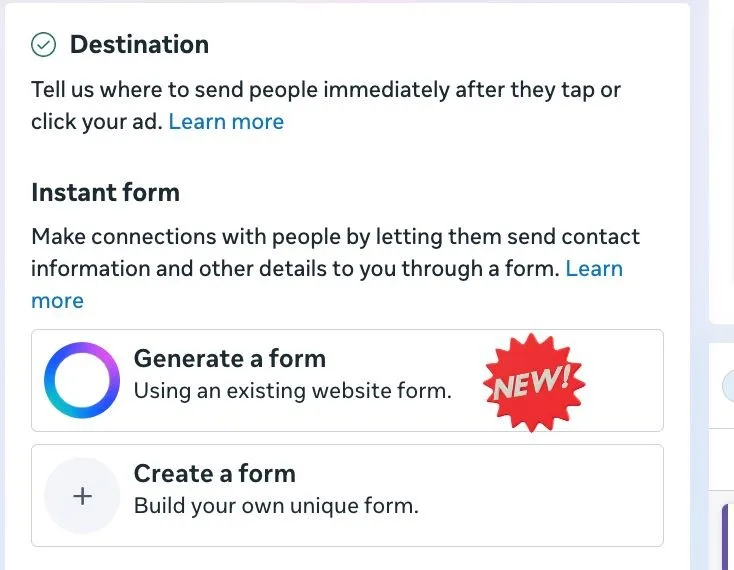
Emirhan Bayutmuş has identified that when creating a Lead campaign in Meta Ads Manager, Meta AI can now read an existing website lead form and automatically generate a corresponding Meta instant form that mirrors its fields and structure.
Benjamin W. has flagged that the Google Marketing Solutions team has published AdSpace Agent as an open-source agentic marketing assistant on GitHub. The agent connects to Google Ads (via GAQL), DV360, Campaign Manager 360, YouTube, Merchant Centre, BigQuery, and Search Ads 360, with proper OAuth flows and a modular toolset architecture.
Anthropic has launched Claude Managed Agents in public beta, providing a suite of composable APIs for building and deploying production agents at scale. The announcement addresses the infrastructure overhead that has historically slowed agent deployment: state management, permissioning, and agent loop reworking with each model upgrade are handled by Anthropic's infrastructure, with the stated goal of reducing time from prototype to production to days rather than months.
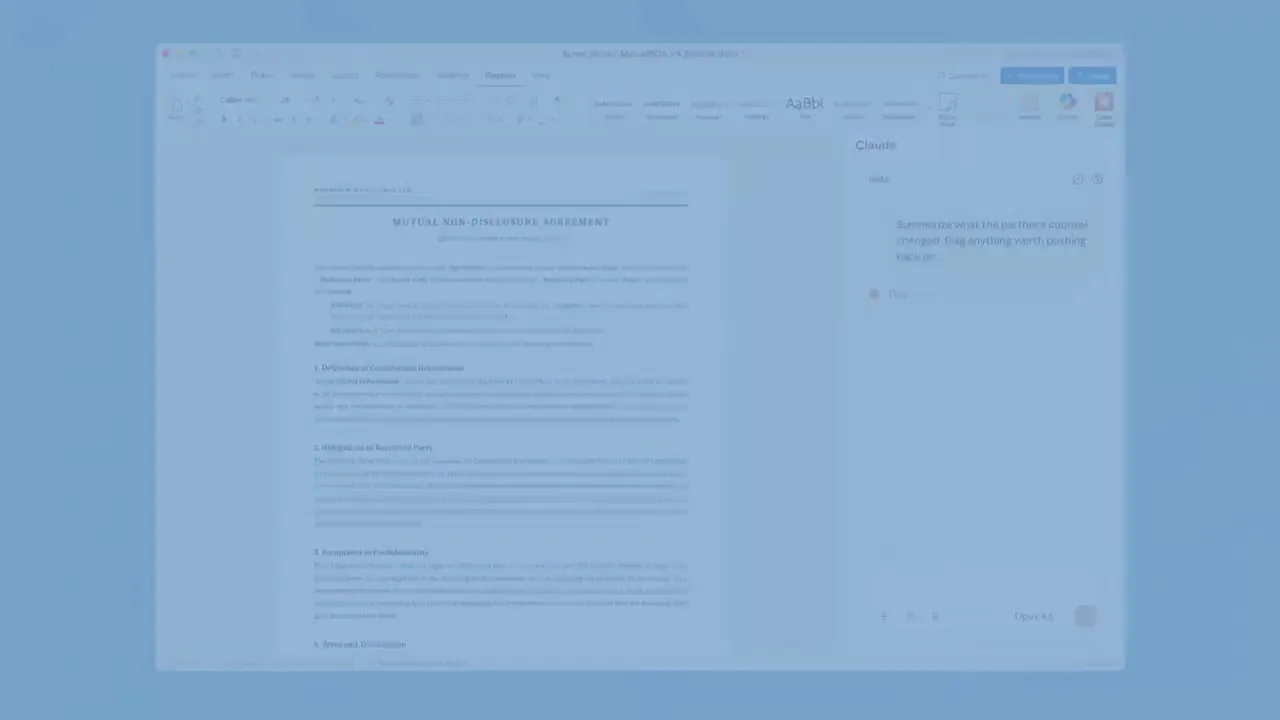
Anthropic has launched Claude for Word in beta for Team and Enterprise plans, integrating Claude directly into the Word sidebar. Edits appear as tracked changes for human review rather than overwriting content directly.
Luiza Jarovsky has reported that Greece has announced it will ban social media access for users under 15, effective January 2027, following Australia's under-16 ban. Greek Prime Minister Kyriakos Mitsotakis cited rising anxiety, sleep disruption, and addictive platform design as the primary drivers, and explicitly stated Greece intends to push the EU to adopt a similar framework across member states.
OpenAI has partnered with Smartly to launch conversational advertising units within ChatGPT. Criteo has separately reported that users referred by LLMs convert at 1.5× the rate of other channels.
OpenAI has introduced Codex-only seats on ChatGPT Business and Enterprise plans with usage-based pricing billed on token consumption: removing the requirement for a fixed monthly seat cost to access Codex. To encourage adoption, OpenAI is offering $100 in credits for every Codex-only seat added, capped at $500 per workspace for eligible Business accounts.
Each update has one permanent page. New evidence about the same development is added to that page. Dates identify the source report or newsletter coverage; article publication dates appear in the full view.
2026 newsletter archive: 38 editions and 1,562 distinct updates through Week 36. Source descriptions, credits and media are preserved; missing details remain marked.
Spotted an update worth sharing?
Share the original source and what changed. If it is already covered, help us improve the existing update.