INDEPENDENT MINDS. SHARED AMBITION.
THE COLLECTIVE NEWSROOM

Paid media news and updates.

The changes that matter to advertisers, with the sources behind them and a practical next step. Pick a topic and catch up at your own pace.

585 updates
Newsfeed display mode

Google Ads
Google updates Help Centre articles for nine ad policy categories

Google has updated Help Centre articles for nine advertising policy areas: Cryptocurrencies, Editorial, Financial products and services, Healthcare and medicines, Limited ad serving, Other restricted businesses, Sexual content, Sexual health and wellness, and related policies: for improved organisation and readability. Google has confirmed that the updates do not change policy enforcement; they are content and structure improvements only.

Google Ads

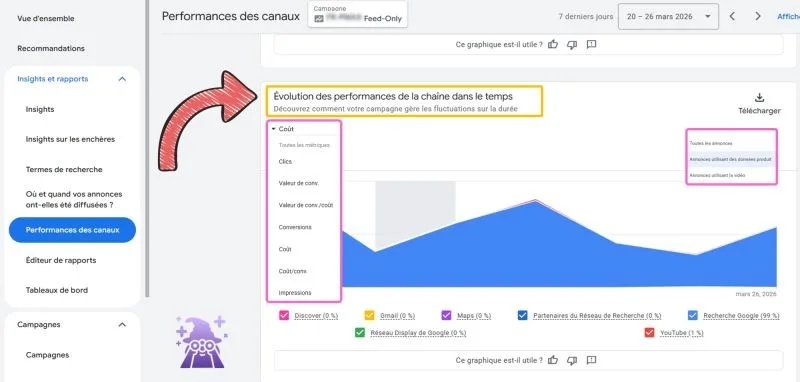
PMax gains native channel performance over time view

Axel Falck has spotted a new native view in Performance Max called "Channel performance over time," displaying how each channel (Search, YouTube, Display, etc.) contributes to results as a stacked time-series graph, with a filter to toggle between performance metrics and investment. The view was previously only available via custom scripts.

SourceLinkedIn

Google Ads

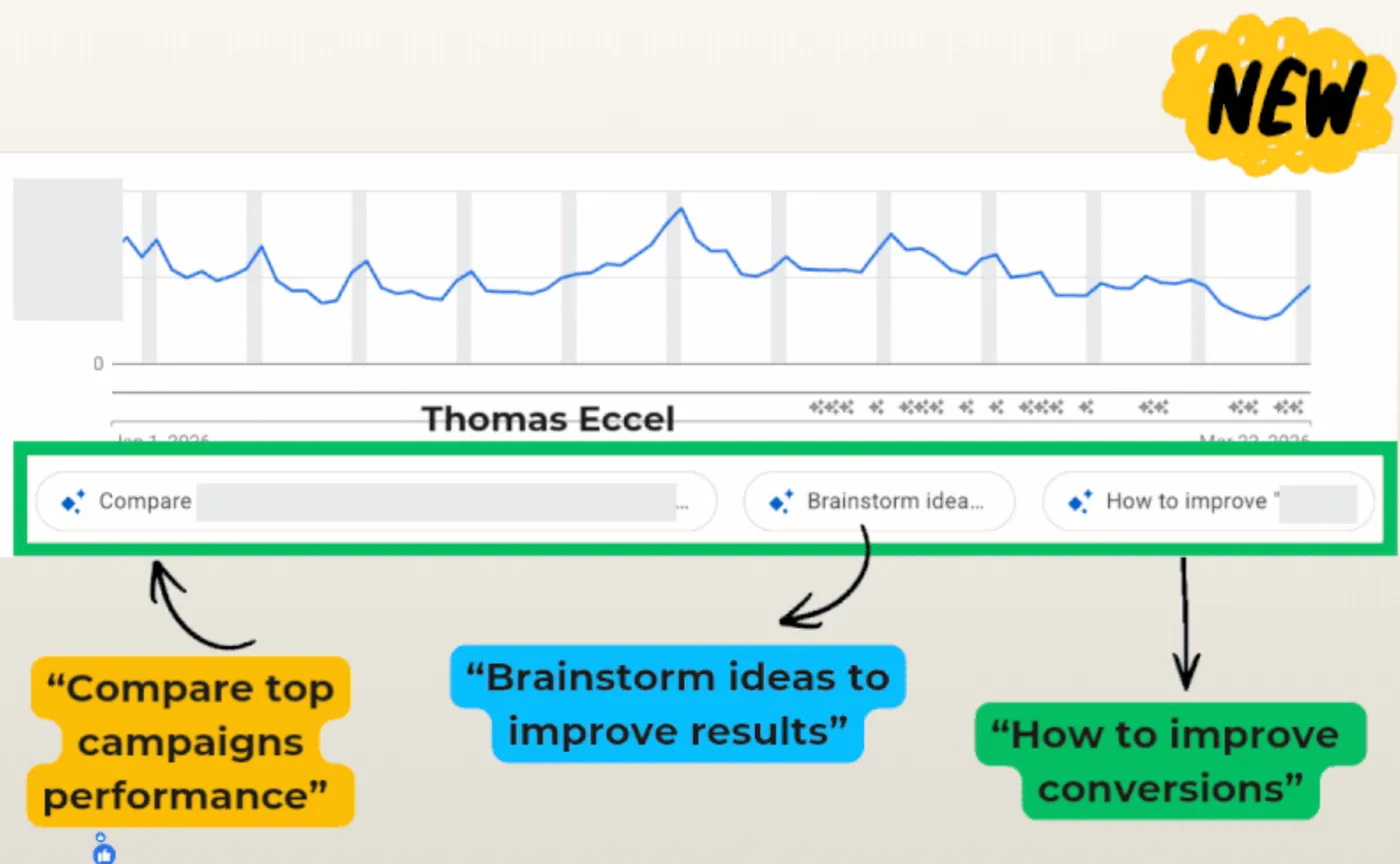
Google Ads Advisor now surfaces contextual AI prompts directly on the performance graph

Thomas Eccel has identified that Google Ads is now displaying AI-generated analysis prompts directly below the performance chart in the account overview: with clickable suggestions such as "Compare top campaigns performance," "Brainstorm ideas to improve results," and "How to improve conversions." Clicking any prompt opens Ads Advisor, Google's Gemini-powered AI agent, which gathers campaign data, browses the web, and scans the advertiser's website before delivering a contextual analysis.

SourceLinkedIn

Google Tag

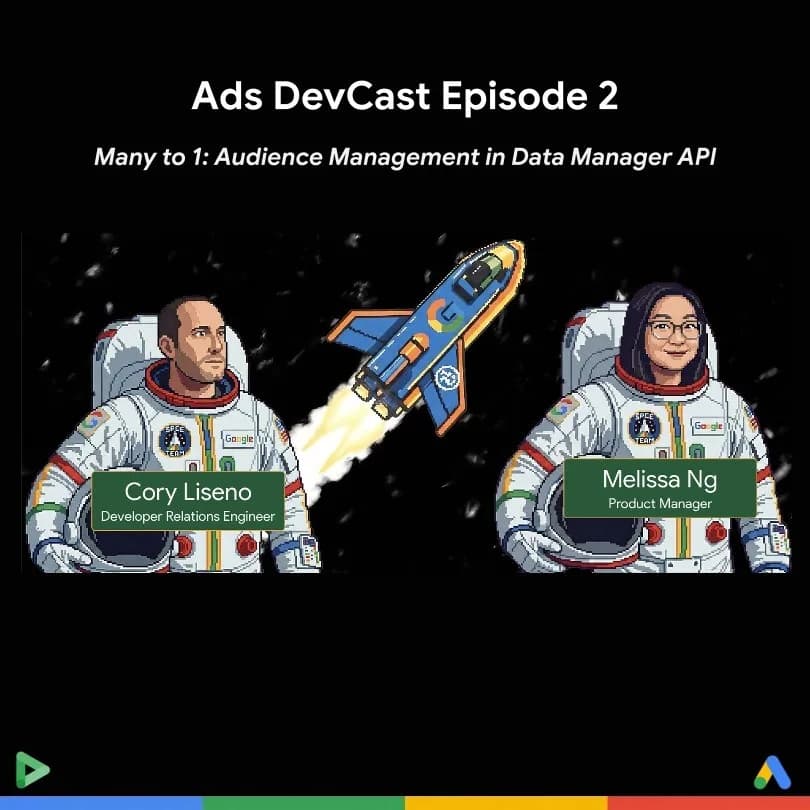
Ads DevCast episode 2: Data Manager API unifies audience and conversion ingestion

Cory Liseno has published episode 2 of the Ads DevCast podcast, focused on the Data Manager API with Product Manager Melissa Ng. The episode covers how the unified ingestion API enables first-party data to be sent to multiple Google advertising products: Google Ads, DV360, and others: in a single API call, reducing engineering overhead and the need for fragmented pipelines.

SourceLinkedIn

Microsoft Clarity

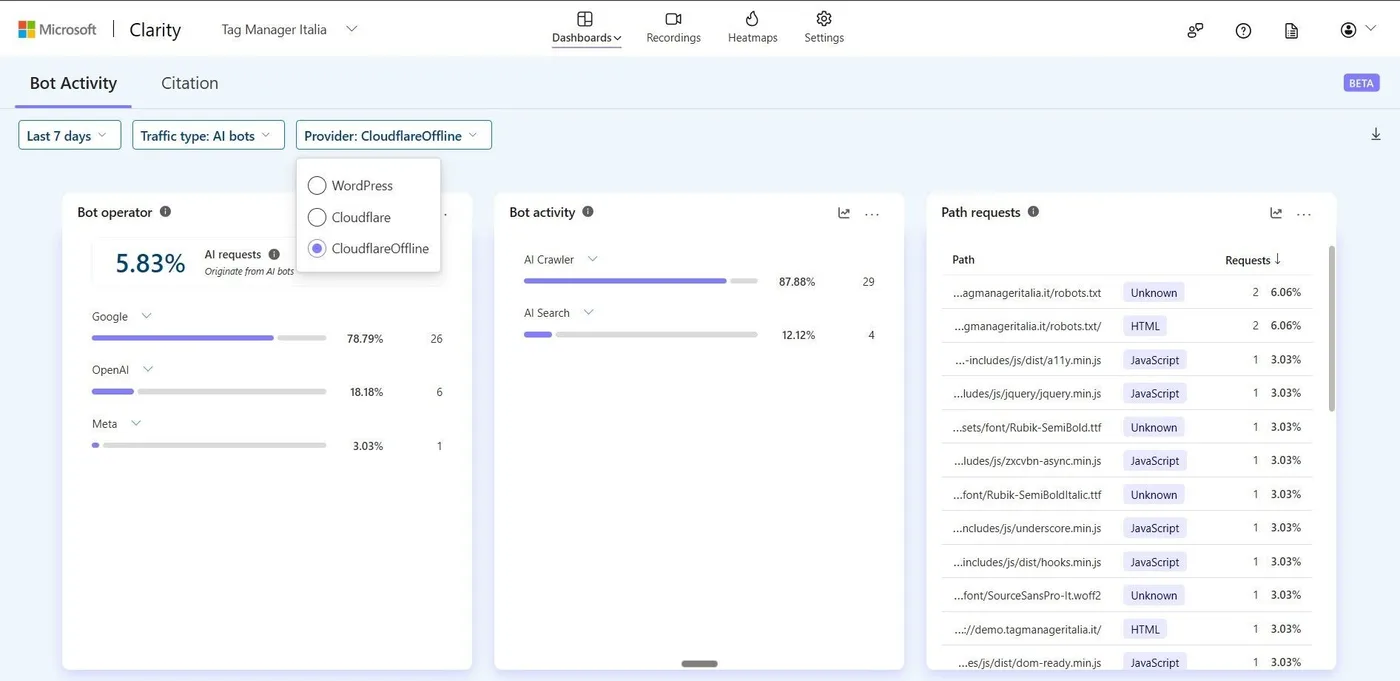
Microsoft Clarity Cloudflare integration is now available without an Enterprise plan

Matteo Zambon has flagged that Microsoft Clarity now supports a Cloudflare integration for AI visibility without requiring a Cloudflare Enterprise plan: previously a barrier for smaller teams. The setup connects via a Cloudflare API token through a guided wizard, enabling Clarity to access Cloudflare-level signals directly from the CDN layer.

SourceLinkedIn

Google Merchant Center

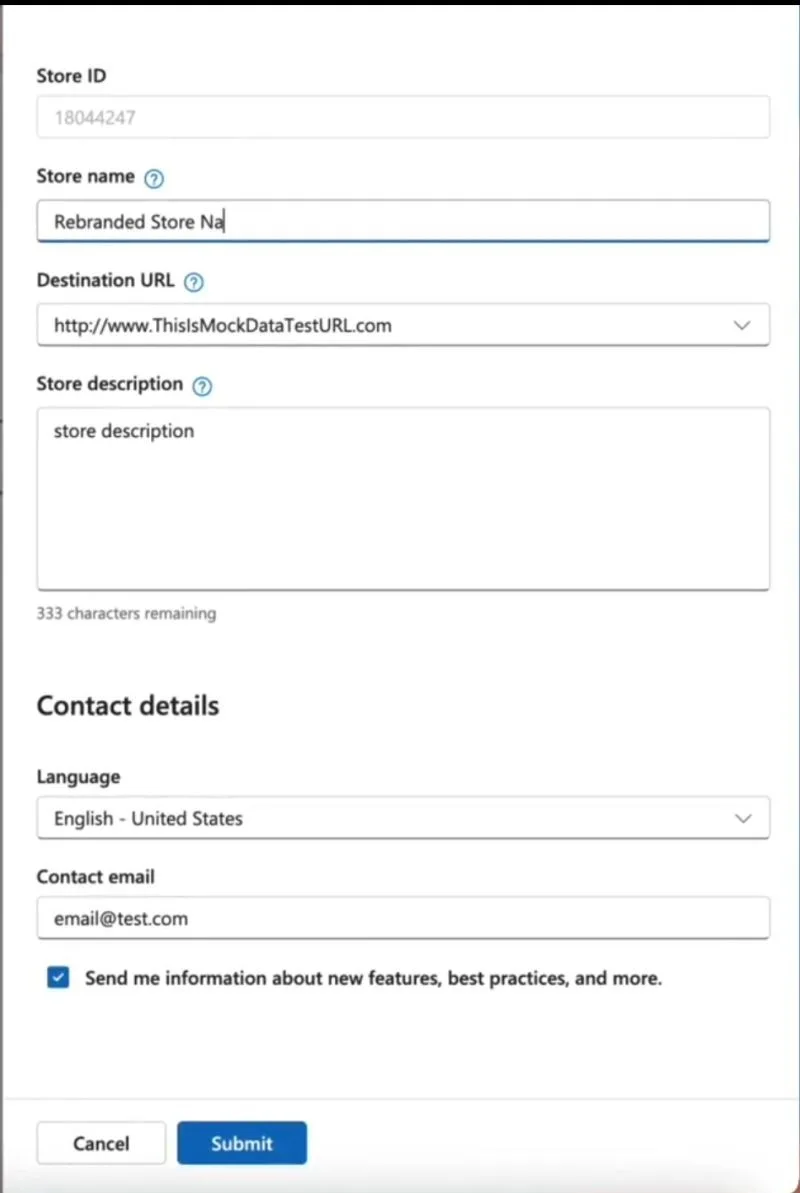
Microsoft Advertising Merchant Centre allows store name and domain updates

Navah Hopkins has flagged a new self-serve capability in Microsoft Advertising Merchant Centre: advertisers can now update their store name and domain directly from the platform, without requiring support intervention. Store name changes require editorial review before going live, with ads continuing to serve under the existing name during review.

SourceLinkedIn

Microsoft Advertising

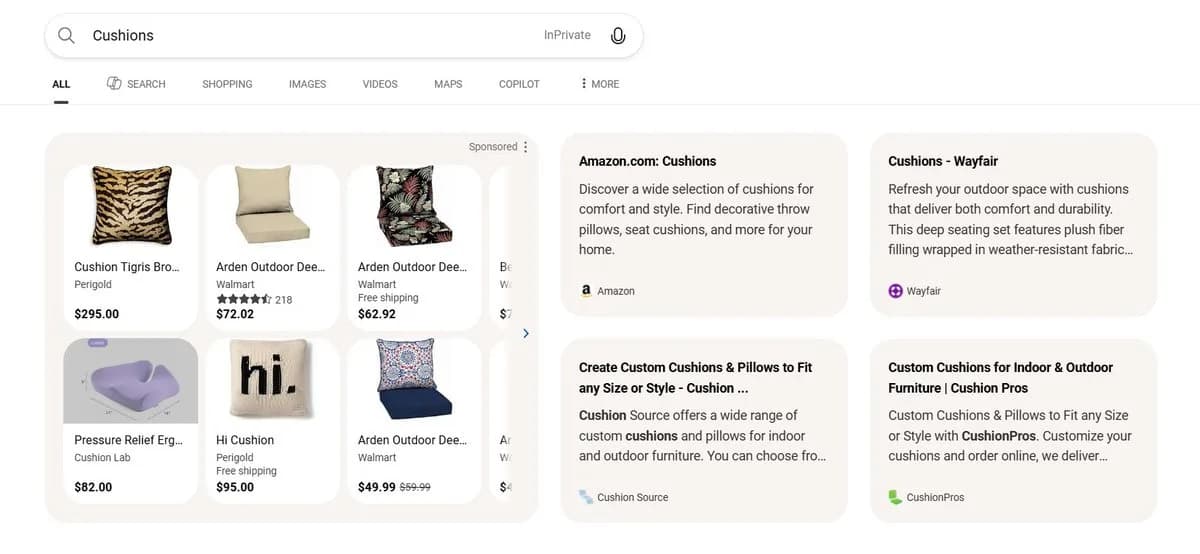
Bing tests double-row product ad carousel and near-transparent sponsored labels

Sachin Patel has spotted two simultaneous Microsoft Advertising display tests on Bing. The first shows a significantly enlarged sponsored product section in a double-row carousel alongside organic results: a substantial increase in ad inventory density on the Shopping SERP.

SourceX

Google Search Console

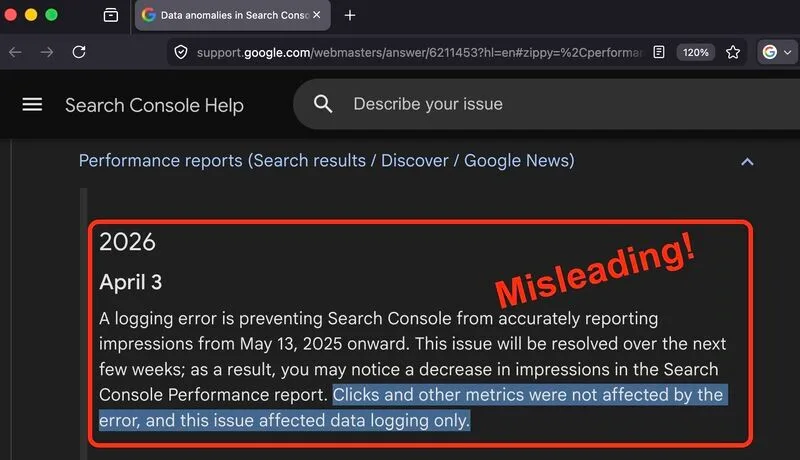
Google confirms Search Console impressions inflated since May 2025 due to a logging error

Google has admitted that a logging error has been preventing Search Console from accurately reporting impressions since May 13, 2025. The error involved third-party scrapers: including tools such as SerpApi used by AI systems to scrape Google organic results: being incorrectly logged as impressions.

SourceLinkedIn

Google Ads

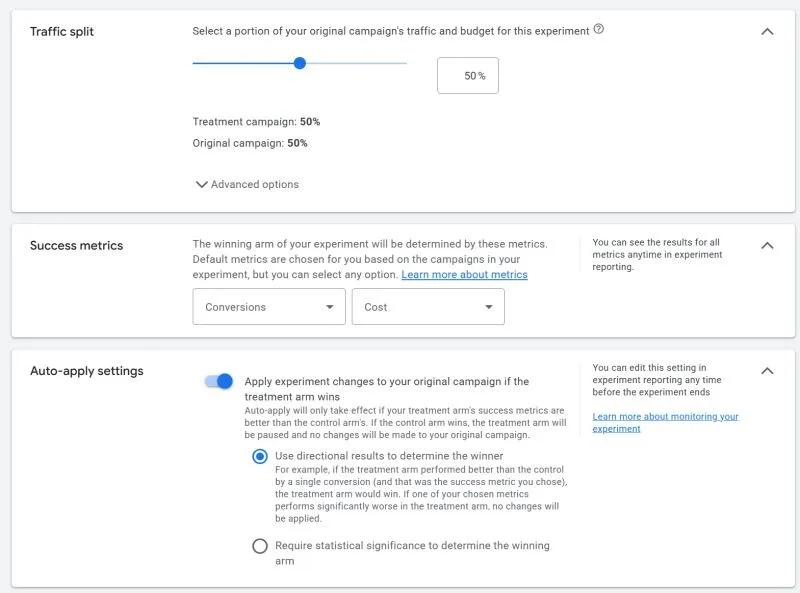
Google Ads experiments add auto-apply setting, enabled by default

Bob Meijer has flagged that Google Ads experiments now include an auto-apply setting: enabled by default: that automatically applies experiment results to live campaigns. The setting offers configurable confidence thresholds: directional results (default), or statistical significance at 80%, 85%, or 95%.

SourceLinkedIn

Google Ads

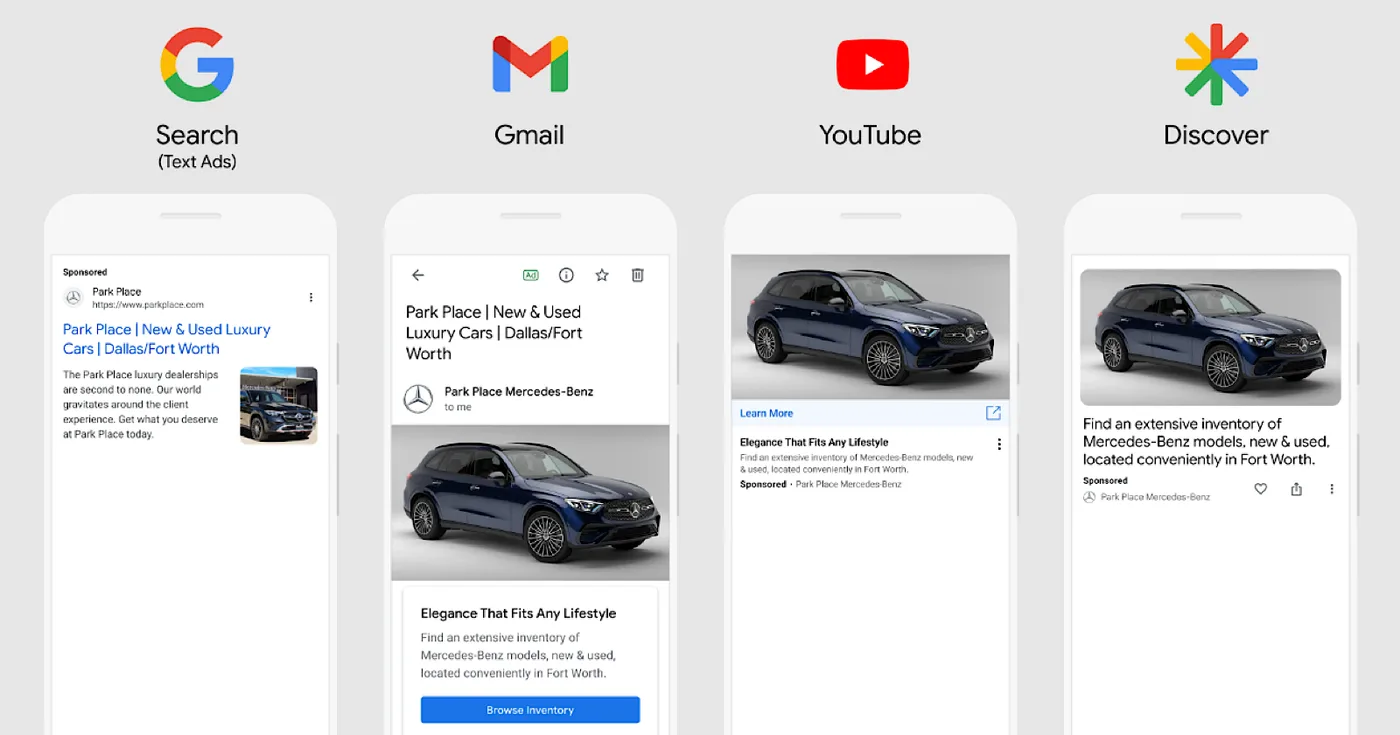
Vehicle ads expand to Spain, Italy, and Germany

Google has made vehicle ads available to all vehicle advertisers in Spain, Italy, and Germany, with further country expansion planned. The format allows automotive advertisers to promote their full inventory to shoppers on Google.com, displaying vehicle image, make, model, price, kilometres, and advertiser name.

Google Ads

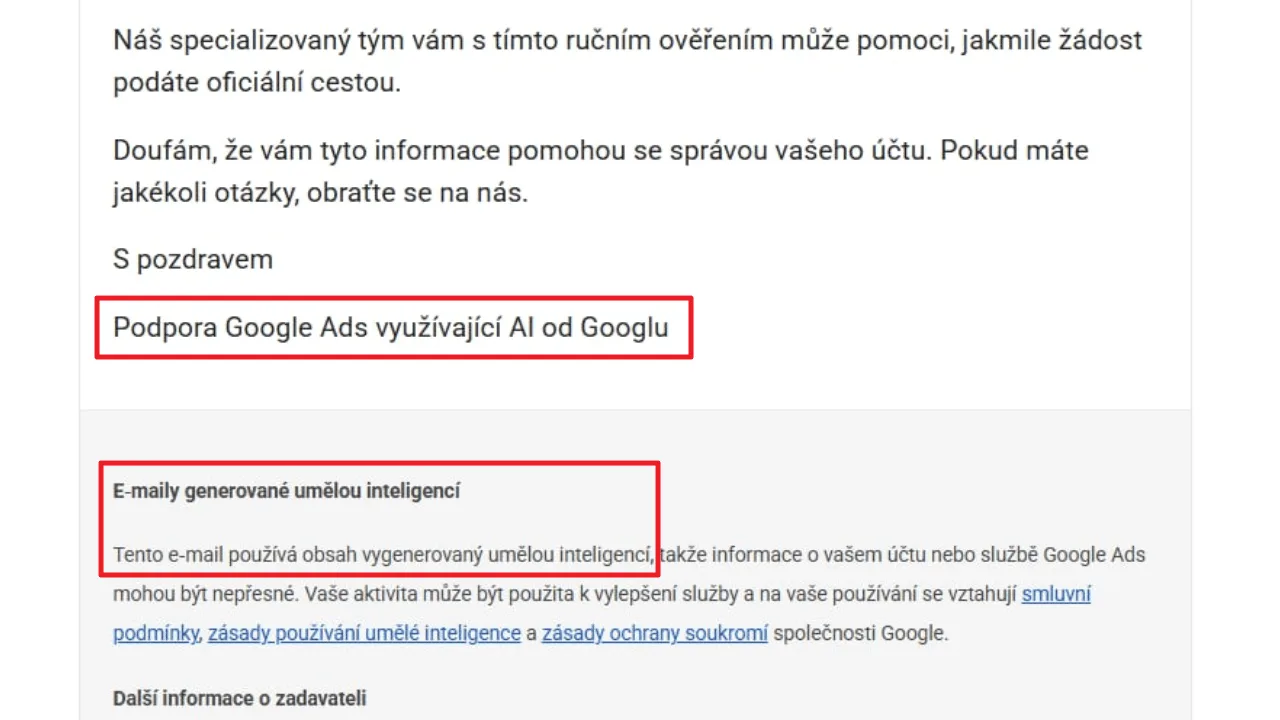
Google Ads support emails are now AI-generated

Vojtěch Audy has identified that Google Ads support email responses are now generated by AI, with the email signature explicitly disclosing "Google Ads Support using AI from Google" and a disclaimer that the content is AI-generated, that account details may not always be accurate, and that user activity may be used to improve the system. The disclosure raises questions about the reliability of responses for complex policy or account-specific issues.

Google Ads

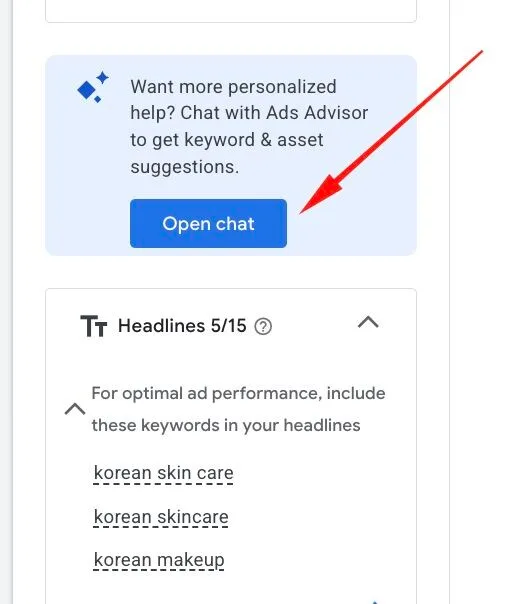
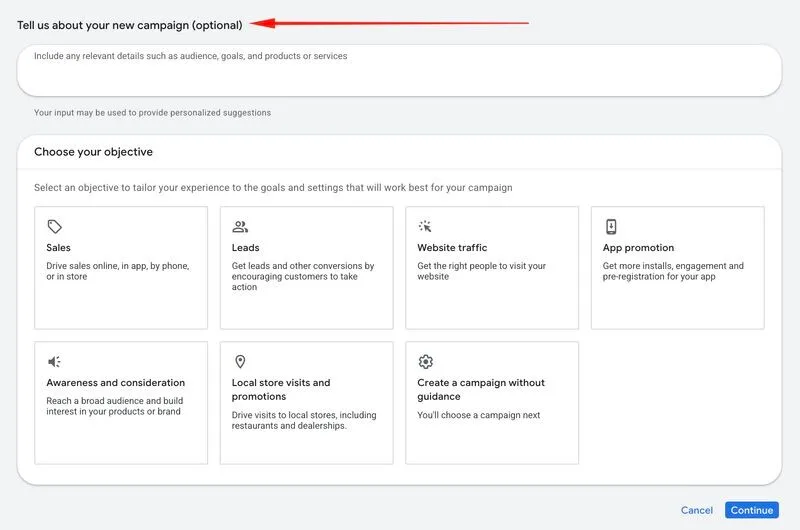
Ads Advisor chat button appears directly inside the campaign setup flow

Arpan Banerjee has discovered that Google Ads now offers a direct "Open chat" button inside the campaign setup interface, allowing advertisers to chat with Ads Advisor while building a campaign. The placement surfaces Ads Advisor at the moment of campaign creation rather than requiring a separate navigation step.

SourceLinkedIn

Google Ads

BatchJobService request size increased fourfold

Google has raised the request size cap for BatchJobService.AddBatchJobOperations from approximately 10.5 MB to approximately 41.9 MB. The change reduces the number of separate requests required when batching multiple large assets: particularly images, which can each reach up to 5.24 MB.

Google Tag

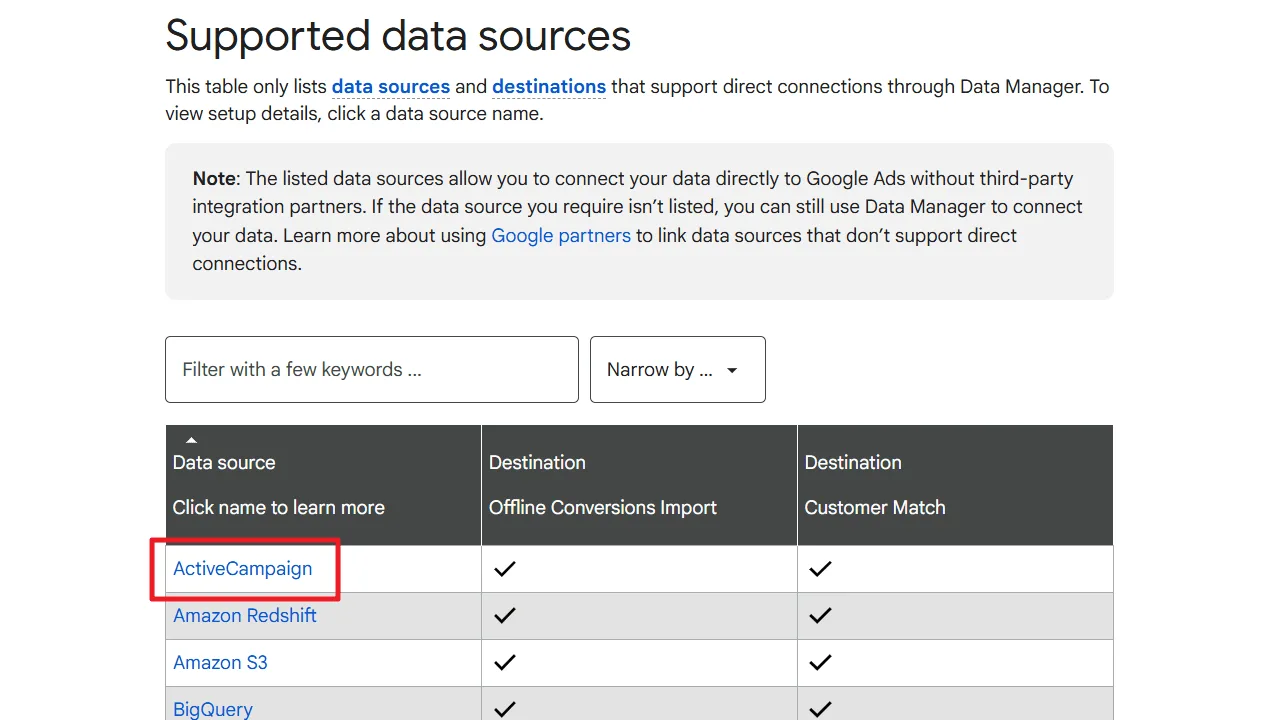
Data Manager adds ActiveCampaign as a native direct integration

Google has updated Data Manager to include ActiveCampaign as a supported direct integration, allowing advertisers to connect CRM and email marketing data directly to Google Ads without relying on third-party connectors. The integration supports creating Customer Match audiences and importing offline conversion data.

Google Ads

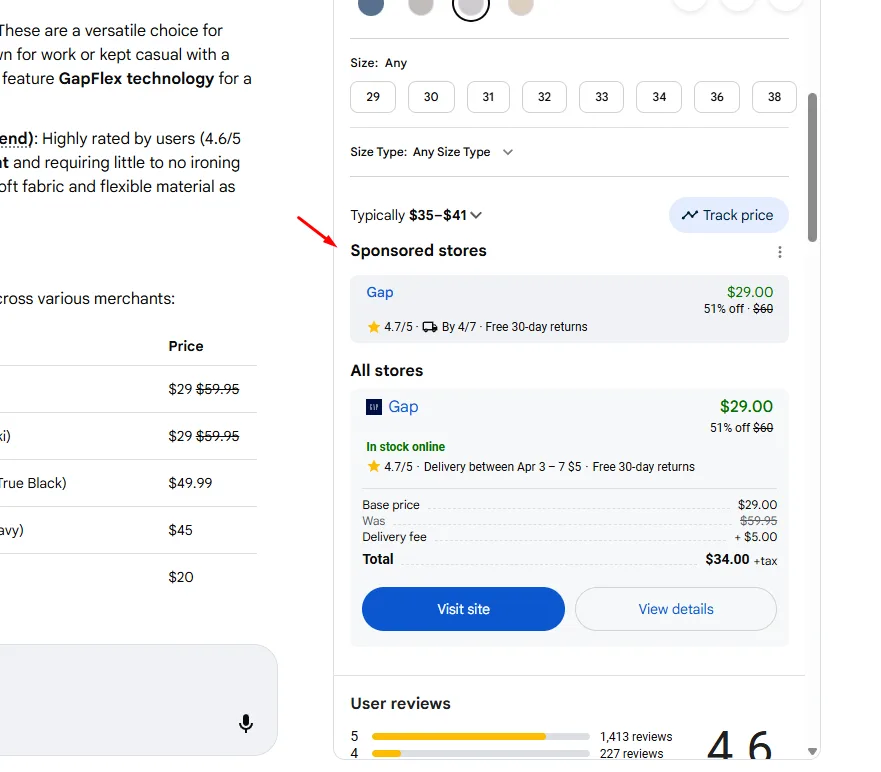
Sponsored Stores and "Quick results" both surfacing inside Google AI Mode

Glenn Gabe has spotted two distinct monetisation formats appearing in Google AI Mode product queries: a "Sponsored Stores" link when clicking a product in AI Mode results, and a "Quick results from the web" section that surfaces direct links to retailer websites. The dual format suggests Google is testing multiple ad and commerce surfaces within AI Mode simultaneously rather than committing to a single model for monetising shopping queries.

SourceX

Google Ads

Google Ads API v23.2 released with VideoEnhancement resource and App campaign insights

v23.2 adds a VideoEnhancement resource that surfaces whether a video ad is Google-generated or advertiser-provided: an important signal as AI-generated video proliferates across PMax and Demand Gen. An AppTopCombinationView resource provides top-performing asset combination insights for App campaigns.

YouTube

YouTube Top Sports Podcast Lineup now available to all US advertisers

Google has launched the Top Sports Podcast Lineup, making it generally available to all US advertisers via YouTube Select. The package allows brands to align with sports podcast content: from New Heights to The Rich Eisen Show: through a single placement buy covering the most-watched sports commentary and analysis channels on YouTube, without manually curating individual channels.

Google Ads

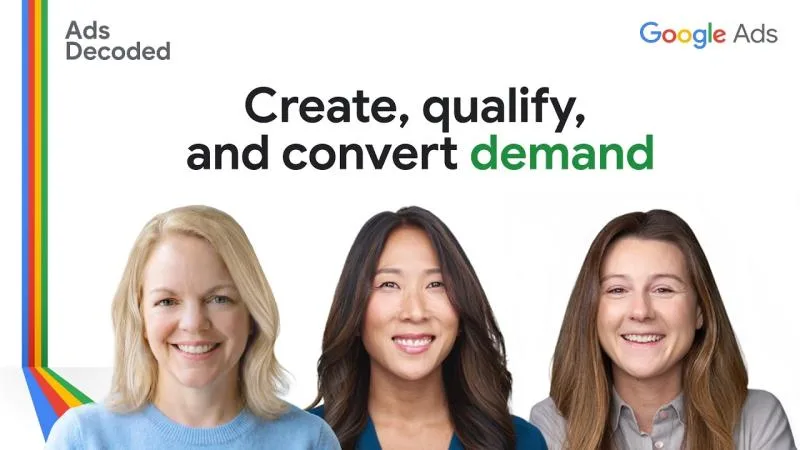
Ads Decoded episode 5: mastering lead quality in a fragmented signal environment

Ginny Marvin's Ads Decoded podcast has released episode 5, focused on lead generation measurement. The episode covers mapping the full customer journey from first click to offline sale, using Data Manager to connect CRM and offline data sources for high-frequency uploads, identifying conversion actions that balance volume with short enough delays to fuel Smart Bidding, and the role YouTube plays in a performance-led lead-gen strategy.

SourceLinkedIn

Google Ads

Shopping Ads adds political content verification requirement for nine countries from April 16

Effective April 16, Google will require election advertiser verification for Shopping Ads featuring certain political content in Argentina, Australia, Chile, Israel, Mexico, New Zealand, South Africa, the United Kingdom, and the United States. Google will also prohibit some Shopping Ads featuring political content in India.

Google Ad Manager

Google Ad Manager API adds read-only OAuth scope

Google has added a read-only OAuth scope to the Ad Manager API (https://www.googleapis.com/auth/admanager.readonly), permitting data reading and report running without write access. The scope is designed for reporting dashboards and alerting tools.

Google Ads

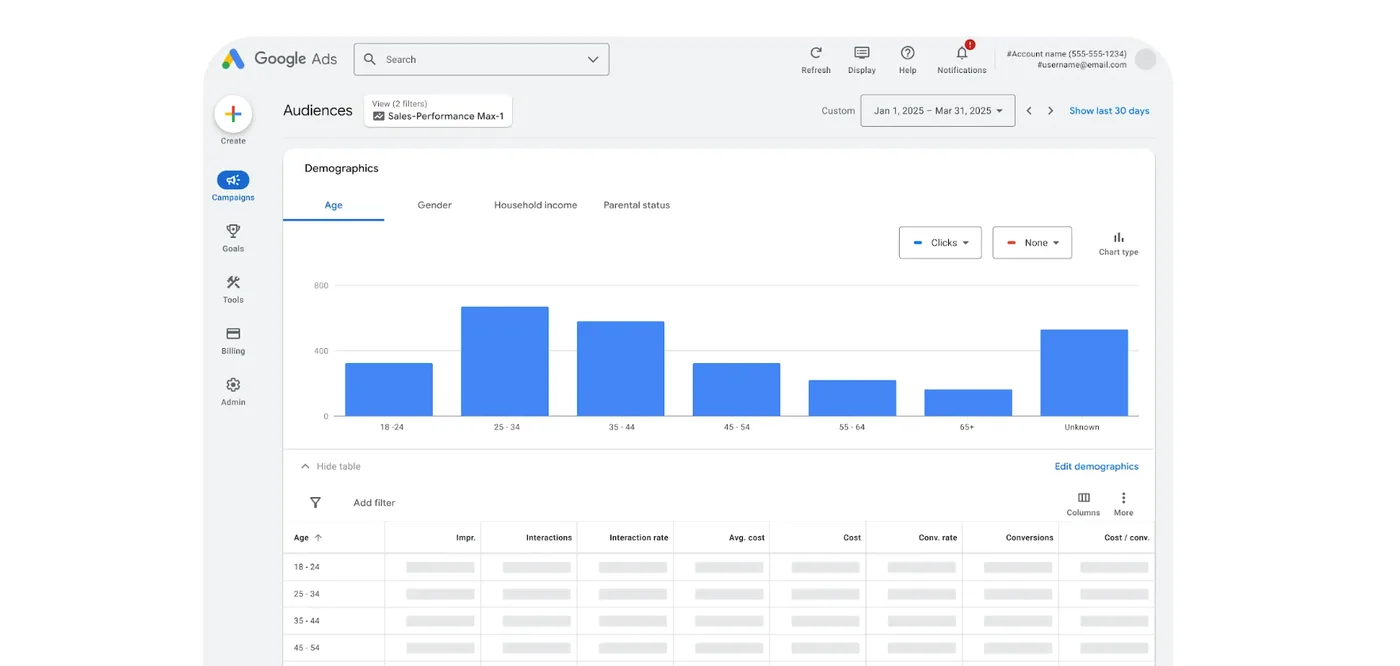
Four new Performance Max controls add first-party exclusions, placement reporting, budget forecasting, and audience demographics

Google has shipped four additions to Performance Max's controls and reporting suite. Advertisers can now exclude specific first-party audience lists from PMax campaigns: providing the targeting guardrails that have been the most consistently requested capability since PMax launched.

Google Ads

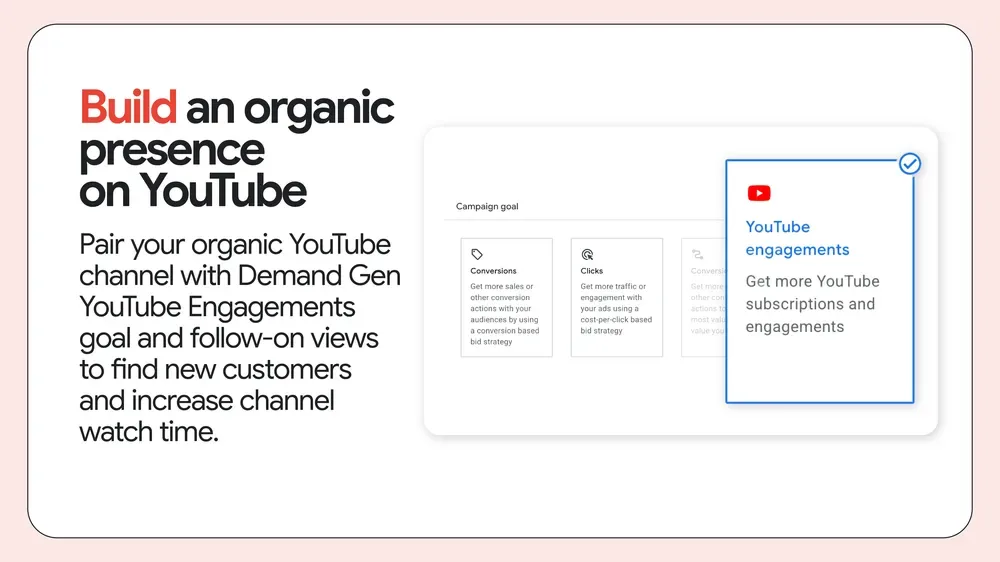
Demand Gen March 2026 drop: Creator Partnerships, follow-on views, and Veo integration

Google's March Demand Gen update introduces three new capabilities. Creator Partnerships with Google Ads is now available, enabling advertisers to discover, connect with, and activate creator content directly as Demand Gen assets: Google cites an average 30% increase in conversion lift on YouTube Shorts when authentic creator assets are used versus brand-only creative.

Microsoft Advertising

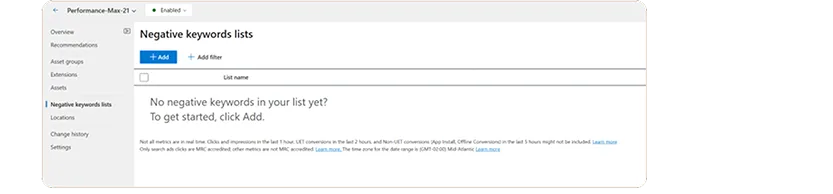
Microsoft Advertising adds negative keyword support for Performance Max

Microsoft Advertising has introduced self-serve negative keyword management for Performance Max campaigns, allowing advertisers to add, modify, or delete negative keywords at the campaign or account level: including via shared negative keyword lists with a 5,000-keyword limit. Negative match types behave identically to standard Search campaigns, and the feature is supported in the API, Ads Editor, and via import from Google Ads.

Microsoft Advertising

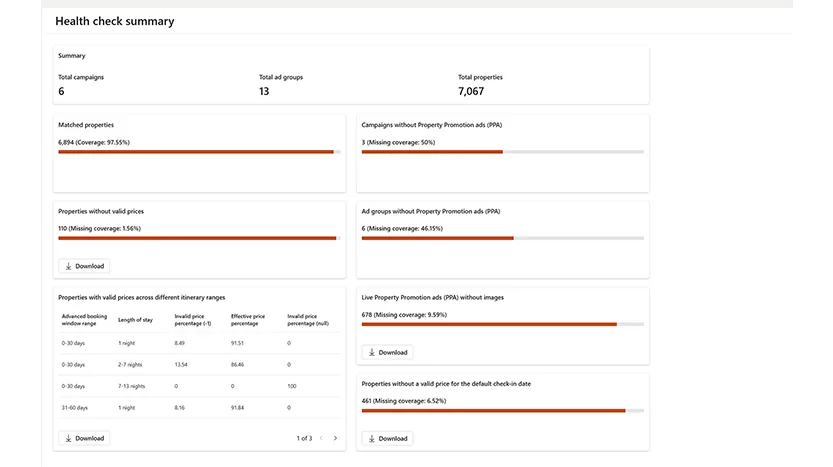
Microsoft Advertising launches Health Check diagnostics for lodging campaign feeds

Microsoft Advertising has made Health Check diagnostics generally available in Property Centre for all advertisers running Lodging campaigns: covering both Property Promotion Ads and Hotel Price Ads. The tool highlights issues that prevent campaigns from serving correctly, such as missing or invalid prices and images, and provides high-level summaries with downloadable, detailed reports for granular resolution.

Google Ads

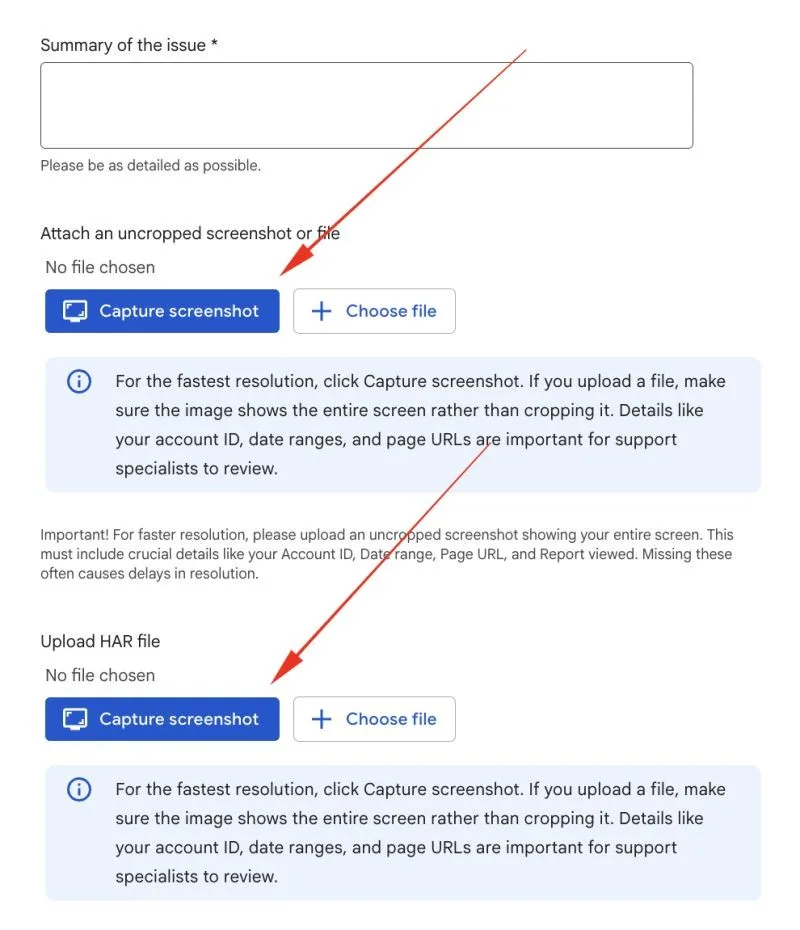
Google Ads support forms now include instant screenshot capture

Google Ads has added a "Capture Screenshot" button directly within support ticket forms, eliminating the need for manual screenshots when raising issues. The button captures the current state of your account or campaign view and attaches it automatically.

SourceLinkedIn

Anthropic

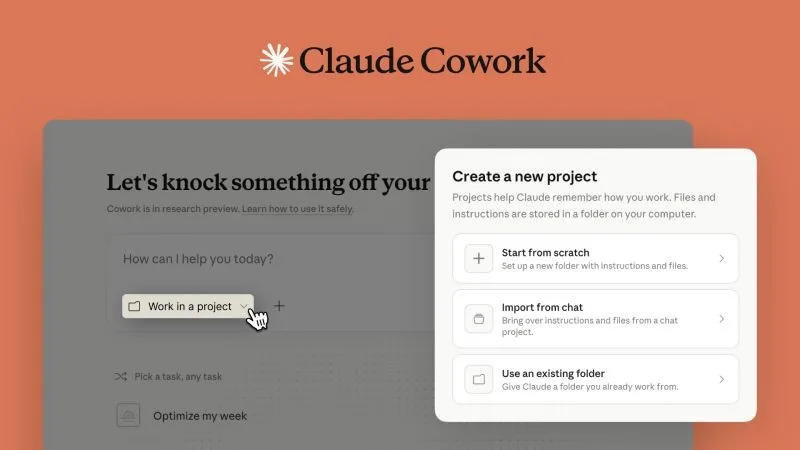
Claude Cowork adds Projects for task organisation

Anthropic has added Projects to Claude Cowork, allowing users to keep tasks and context organised within defined work areas. Files and instructions stay on the user's local computer, and existing projects can be imported in one click.

SourceClaude

Google Business Profile

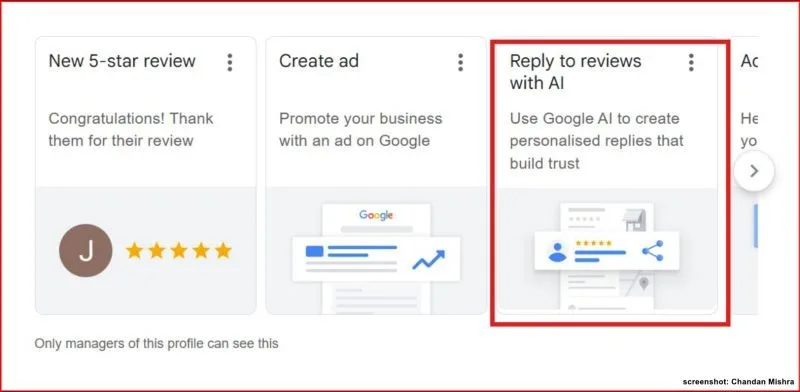
Google is testing AI-generated replies for Business Profile reviews

Google is running a test of AI-generated reply suggestions inside Google Business Profile, allowing businesses to respond to customer reviews with AI-drafted text that they can review, edit, and submit. The feature was first observed and shared by Darren Shaw of Whitespark, based on a screenshot from Chandan Mishra showing a "Use Google AI to create personalised replies" prompt within the Business Profile interface.

SourceLinkedIn

Google Ads

Google Ads API will block duplicate Lookalike lists from April 30

Google has announced a uniqueness check for Lookalike user lists in the Google Ads API, effective April 30, 2026. The enforcement primarily targets Demand Gen campaigns, where automated systems have generated duplicate audience lists sharing identical seed lists, expansion levels, and country targeting: consuming system resources without delivering distinct signal value.

30 of 585 updates loaded.

Load more updates

Each update has one permanent page. New evidence about the same development is added to that page. Dates identify the source report or newsletter coverage; article publication dates appear in the full view.

2026 newsletter archive: 38 editions and 1,562 distinct updates through Week 36. Source descriptions, credits and media are preserved; missing details remain marked.

Spotted an update worth sharing?

Share the original source and what changed. If it is already covered, help us improve the existing update.

Contribute news →Member news →