INDEPENDENT MINDS. SHARED AMBITION.
THE COLLECTIVE NEWSROOM

Paid media news and updates.

The changes that matter to advertisers, with the sources behind them and a practical next step. Pick a topic and catch up at your own pace.

720 updates
Newsfeed display mode

Microsoft Advertising

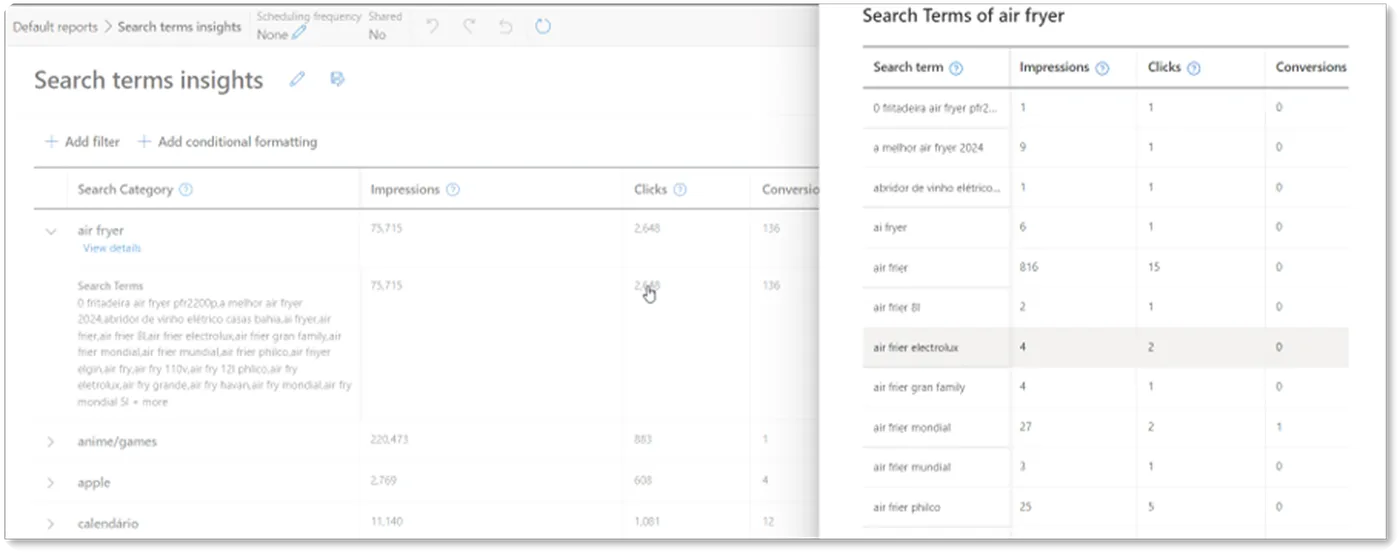
Microsoft Ads adds a new transparency layer for Performance Max
Microsoft Advertising has expanded transparency controls for Performance Max campaigns, detailed in a May 2026 blog post. The update gives advertisers clearer visibility into PMax campaign behaviour, closing the same transparency gaps practitioners have been flagging across Google's Performance Max product for the past year.
Google Ads

Google I/O 2026 set for 19–20 May with livestreamed keynotes and sessions

Google has confirmed Google I/O 2026 for 19–20 May, with livestreamed keynotes, technical sessions, and the standard set of product announcements that frame the year's developer roadmap. The event sits one day before Google Marketing Live on 21 May, creating a three-day window for major Google product announcements that will shape paid-media practice through the rest of 2026.

Google Merchant Center

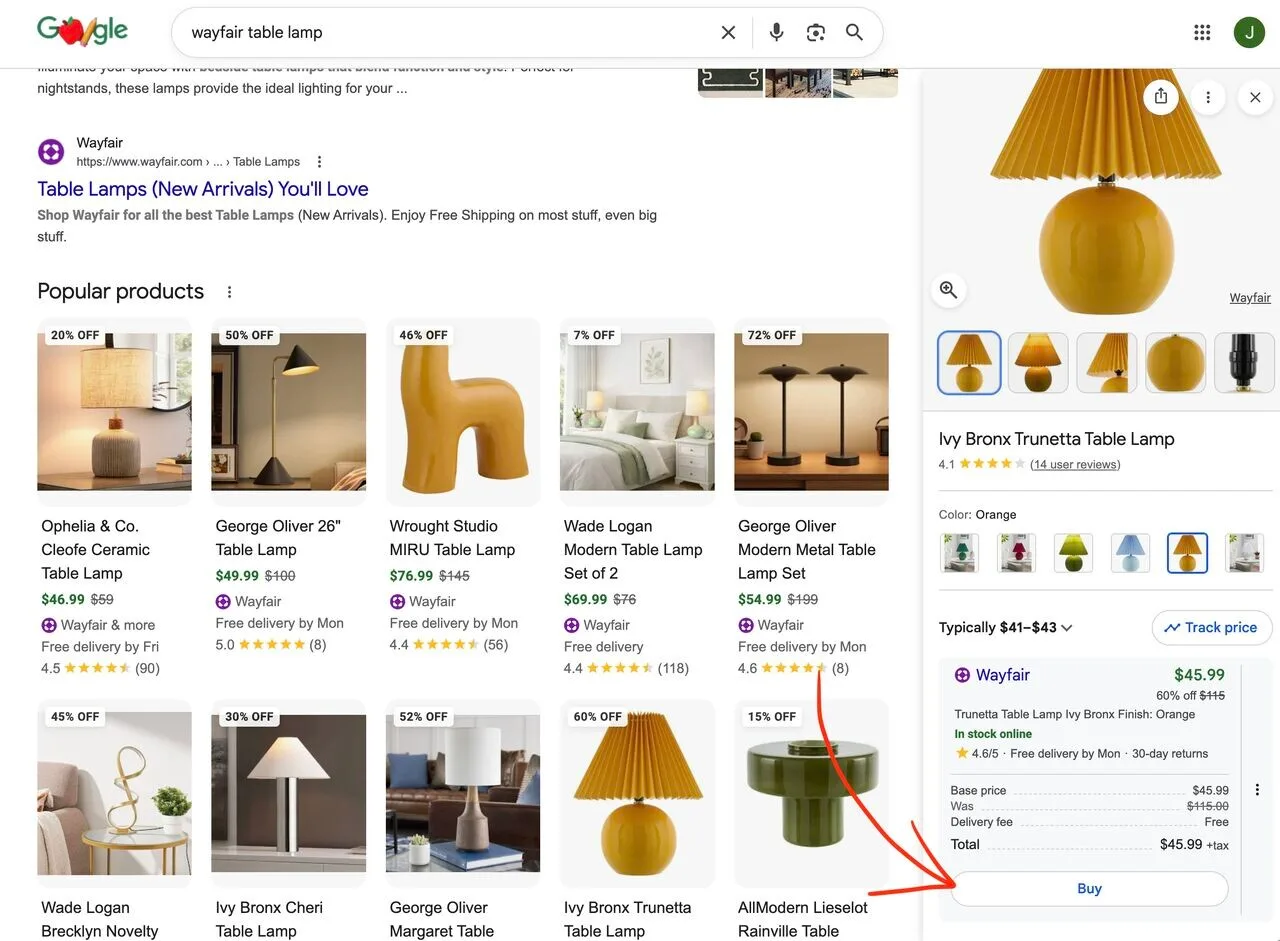
Google brings shopping checkout buttons back to Search via UCP

Google has rolled out shopping checkout buttons in Google Search results: the first native checkout shopping experience in Search since the original "Buy on Google" surface was killed in 2023. Juozas Kaziukėnas has flagged the launch and traced its mechanics: the checkout flow is powered by Universal Commerce Protocol (UCP), the same payment infrastructure that has been running in Gemini and AI Mode for the past two months.

Google Ads

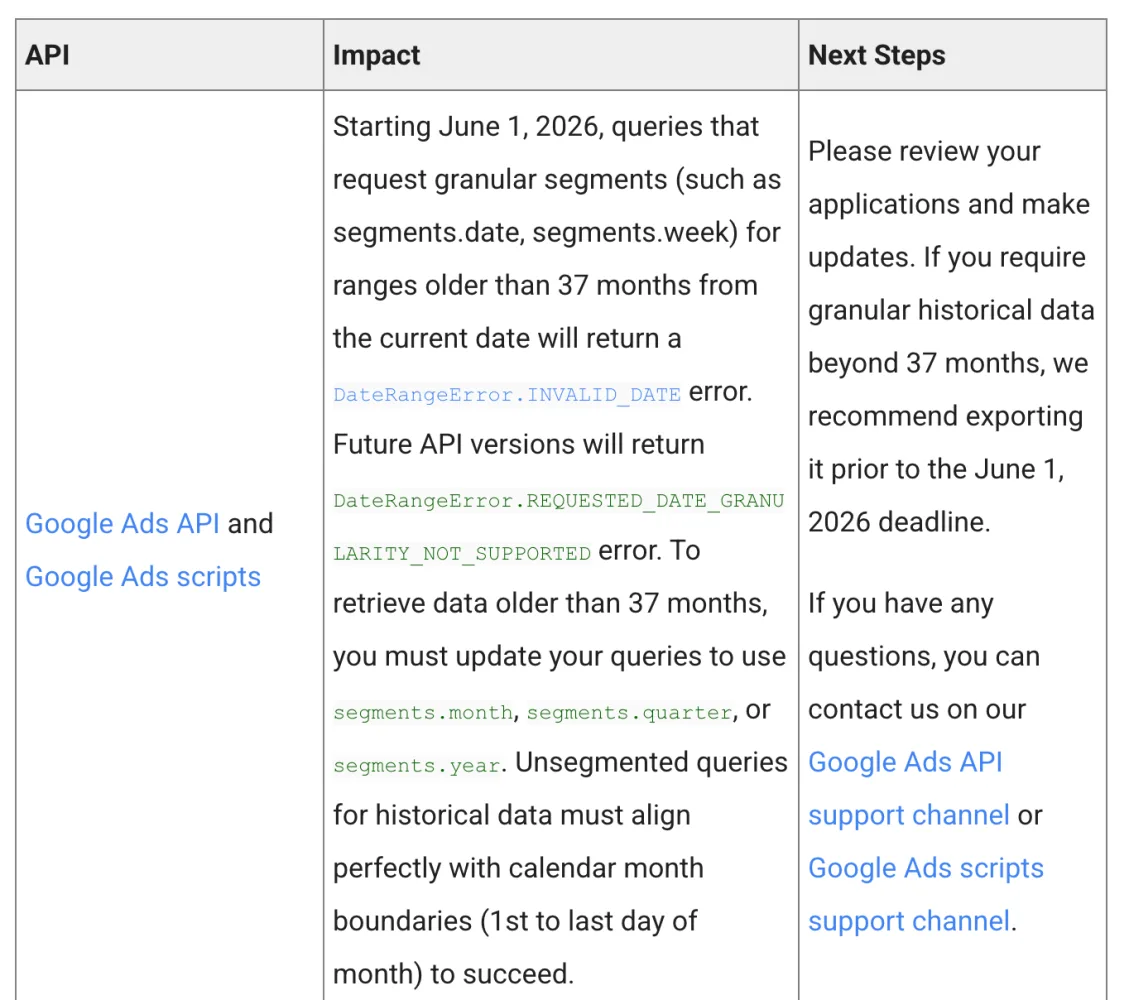
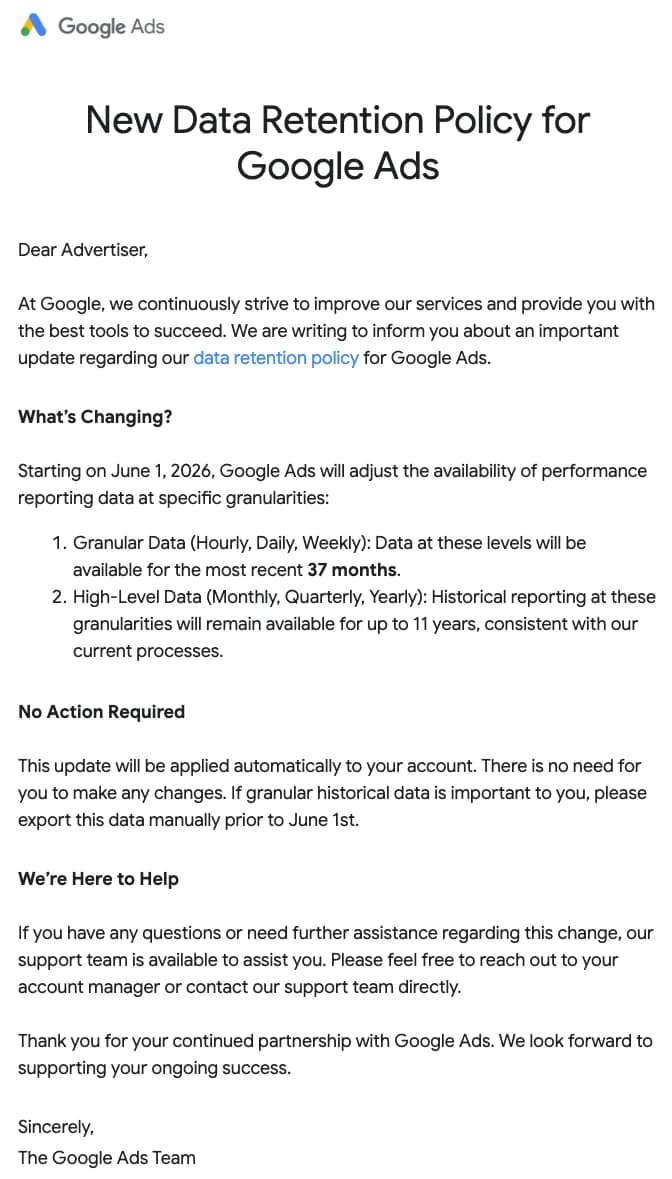
Google Ads 37-month data retention policy officially confirmed

Google has officially confirmed the new data retention policy via the Google Ads Developer Blog, providing the canonical source URL that was missing when the change was first flagged in Week 18 via advertiser email. Effective 1 June 2026, Google Ads API, Google Ads scripts, Google Analytics Data API, and the BigQuery Data Transfer Service all transition to a 37-month retention window for granular performance statistics (daily, hourly, weekly).

Microsoft Advertising

Microsoft Ads dynamic remarketing delivers account-wide lift
Joey Bidner has shared a practitioner read on Microsoft Advertising dynamic remarketing: a surface he previously dismissed, assuming Google's market share made Microsoft's inventory irrelevant. The actual results: strong campaign attribution and holistic account lift across multiple test accounts, with dynamic remarketing performing materially better than expected for a non-Google audience surface.

SourceLinkedIn

Google Ads

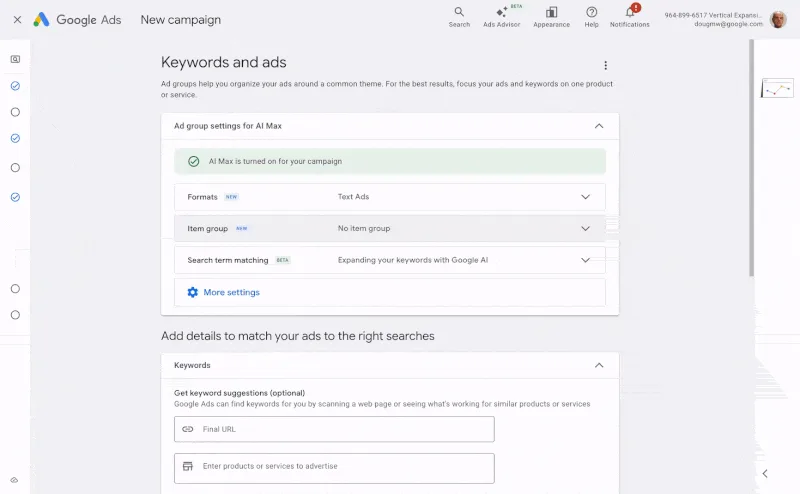
AI Max URL controls clarified ahead of DSA migration

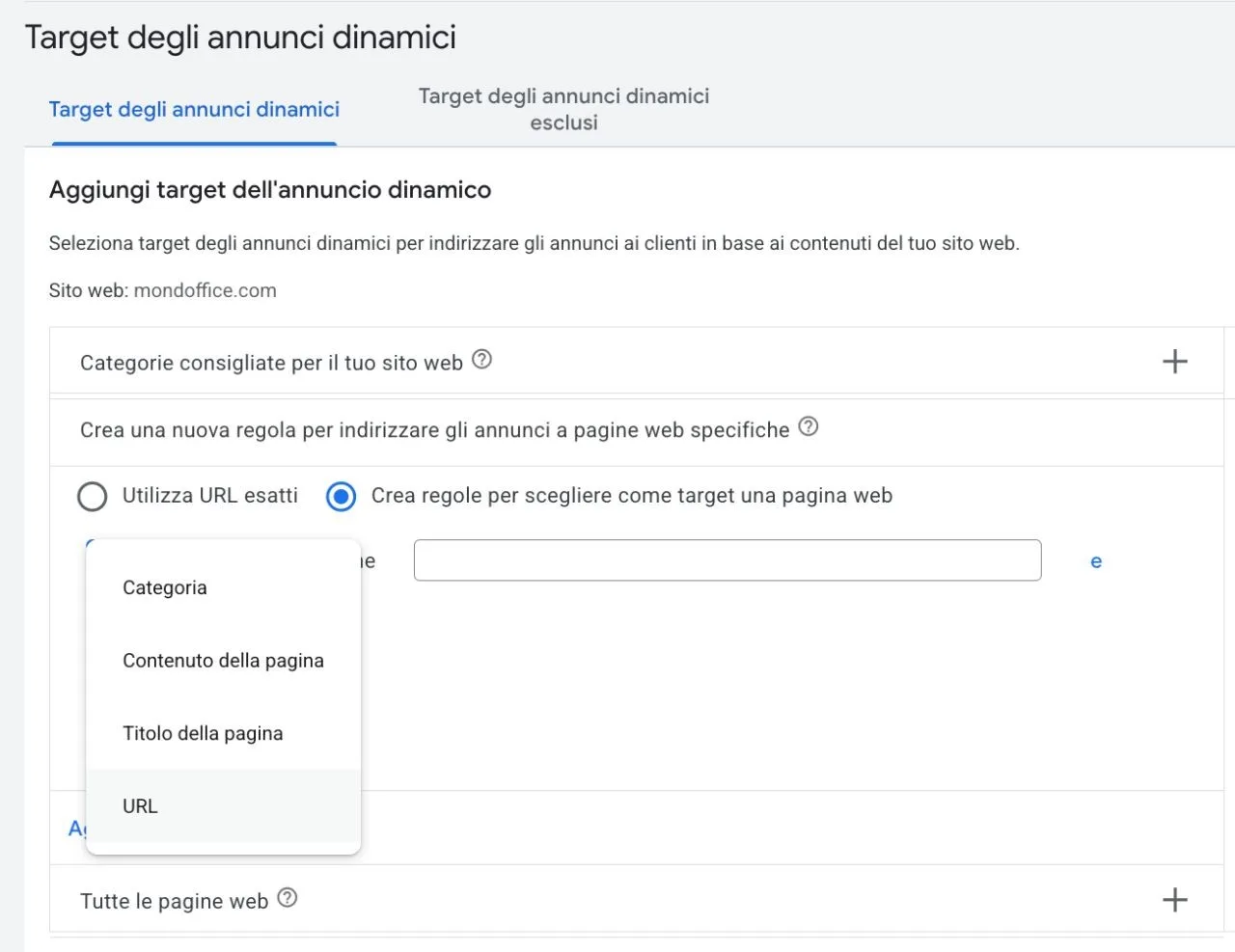
Ginny Marvin (Google Ads Product Liaison) has detailed AI Max's URL-targeting capabilities in reply to Gabriele Benedetti's question about parity with DSA campaigns. The clarification corrects the assumption that AI Max lacks landing-page targeting: AI Max does support a combination of URL rule types: URLs, custom labels in page feeds, and URL combo rules: similar to DSA.

SourceLinkedIn

Microsoft Advertising

Microsoft custom columns now support all Microsoft Advertising conversion metrics

Microsoft Advertising has expanded custom columns to support all Microsoft Advertising conversion metrics: closing a gap that practitioners had been requesting through community feedback channels. Navah Hopkins has flagged the launch with the practical scope: advertisers can now create custom metrics based on all conversions or primary conversions data, with revenue and ROAS metrics anchored to the values set at the conversion-goal level.

SourceLinkedIn

Google Ads

Pickup cost and minimum order values become required in UK, Switzerland and the EEA from 30 September

Google Merchant Centre has detailed new requirements for local inventory ads and free local listings. A new pickup_cost attribute lets merchants specify pickup costs for in-store products, enabling accurate total costs to be shown on local inventory ads and free local listings.

Google Ads

Search campaigns for Travel consolidate fragmented travel formats into AI Max

Google has launched Search campaigns for Travel, consolidating previously fragmented travel campaign types into a single AI Max-powered workflow. Travel advertisers had been managing different campaign types across separate interfaces: Hotel campaigns, Search ads with travel-specific feeds, and other vertical-specific formats: each with their own setup, reporting and optimisation patterns.

Google Ads

Google Ads adds the Results tab to Recommendations

Emirhan Bayutmuş has spotted a new Results tab appearing inside Google Ads Recommendations, surfacing the actual performance impact of changes: budget updates, bid adjustments: that the advertiser has accepted. The tab is rolling out gradually and is not yet available in every account.

SourceLinkedIn

Google Ads

Google Ads granular reporting capped at 37 months from 1 June

Google has confirmed via direct email to advertisers a new data retention policy for Google Ads, effective 1 June 2026. Hourly, daily and weekly performance reporting will be available for the most recent 37 months only.

SourceLinkedIn

Google Ads

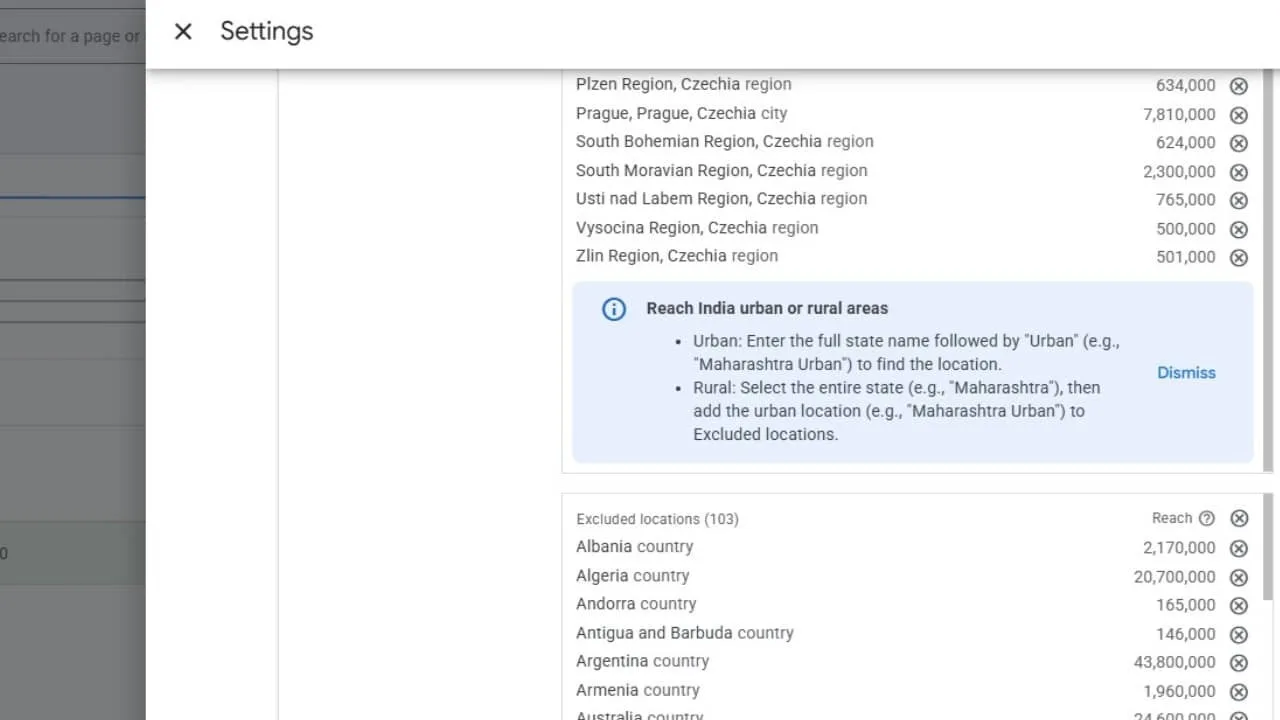
Google Ads improves urban-rural targeting in India

Google Ads has improved the precision of urban-rural targeting in India, enabling advertisers to achieve tighter control over delivery across the country's varied geographic and economic segments. The update lets campaigns specifically target urban or rural areas, allowing for sharper segmentation of audiences that previously fell into mixed targeting buckets.

Google Ads

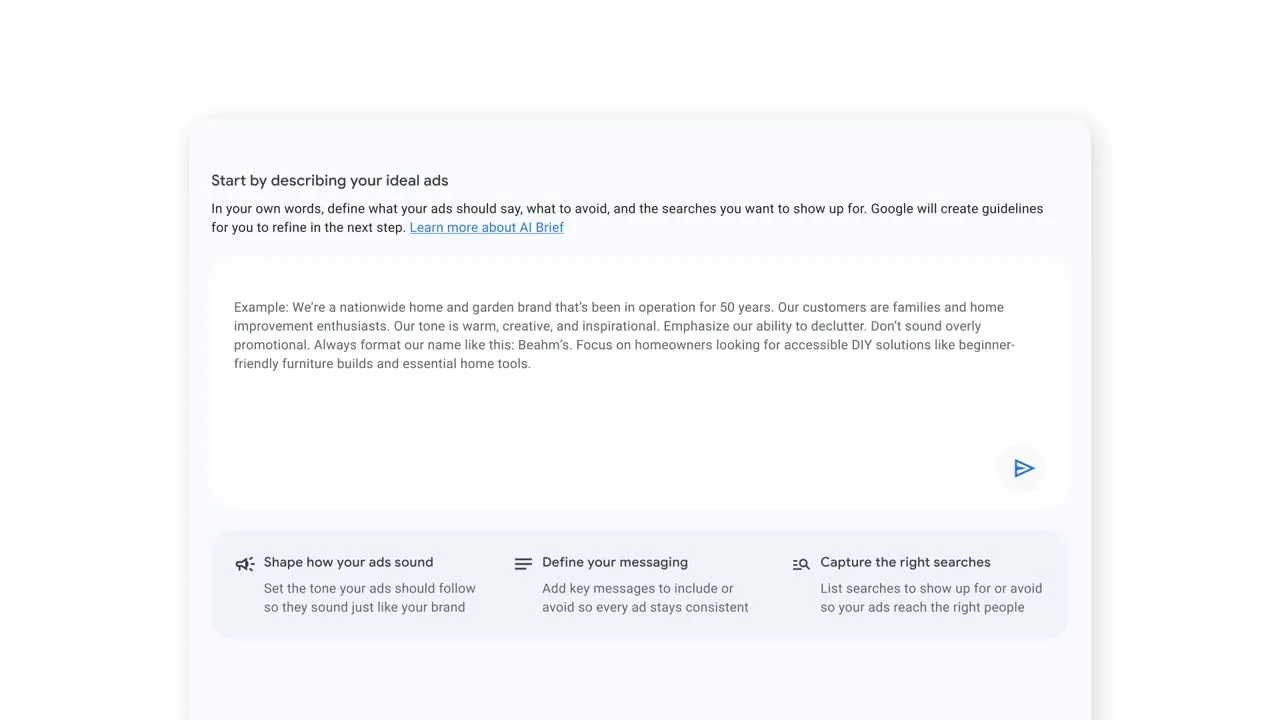
AI Max introduces AI Brief and text disclaimers as the product turns one

Google has marked AI Max for Search's first anniversary with two practitioner-facing additions. AI Brief is a Gemini-powered control layer that lets advertisers steer AI Max in plain English across three dimensions: Messaging Guidelines (what ads should and should not say, e.g. "never mention prices"), Matching Guidelines (which searches to capture or avoid, e.g. "prioritise searches for healthy pantry staples"), and Audience Guidelines (tailored messages for specific cohorts).

Google Ads

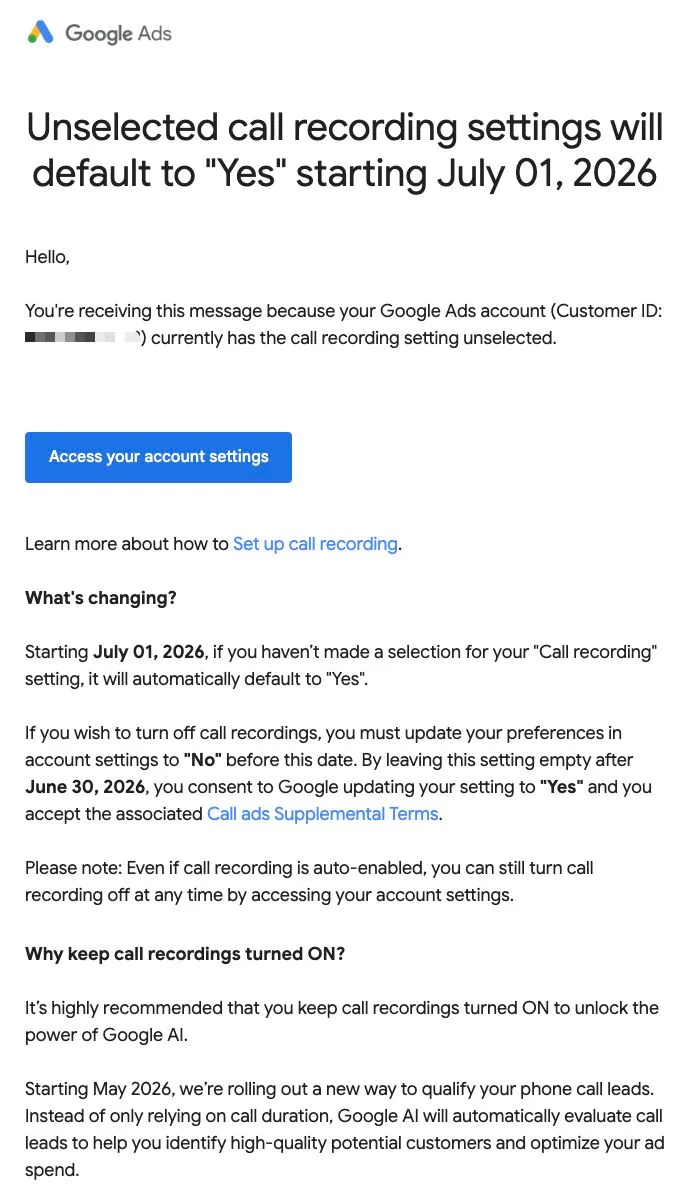
Google Ads switches call recording to "Yes" by default from 1 July

Google Ads will automatically switch call recording to "Yes" on 1 July 2026 for any account that has not actively selected a setting. Accounts that want to keep recording disabled must change the setting to "No" before 30 June; otherwise, the auto-default will apply.

SourceLinkedIn

Google Ads

Microsoft PMax Website Publisher URL report adds conversion and spend metrics

Microsoft Advertising has added conversion and spend metrics to the Performance Max Website Publisher URL report, addressing a transparency gap that had limited the report's usefulness. Navah Hopkins has flagged the change and notes the practical use case: advertisers can now identify which publisher placements are converting and at what spend level, then build Audience Ads campaigns specifically targeting the winning placements.

SourceLinkedIn

Google Ads

Demand Gen Drop adds Commerce Media Suite support and view-through optimisation

Google has rolled out two updates to Demand Gen as part of the April Demand Gen Drop. Demand Gen in Commerce Media Suite extends retailer first-party catalogue and conversion data into Demand Gen inventory in Google Ads, building on existing Display & Video 360 and Search Ads 360 support.

Google Ads

Google Ads API simplifies keyword forecast metrics

Google has simplified the keyword forecast metrics method in the Google Ads API, consolidating previously fragmented forecasting calls into a streamlined GenerateKeywordForecastMetrics method. The change supersedes the prior multi-method approach for keyword and campaign forecasting and aligns the forecasting API with the broader v24 simplification work.

Google Ads

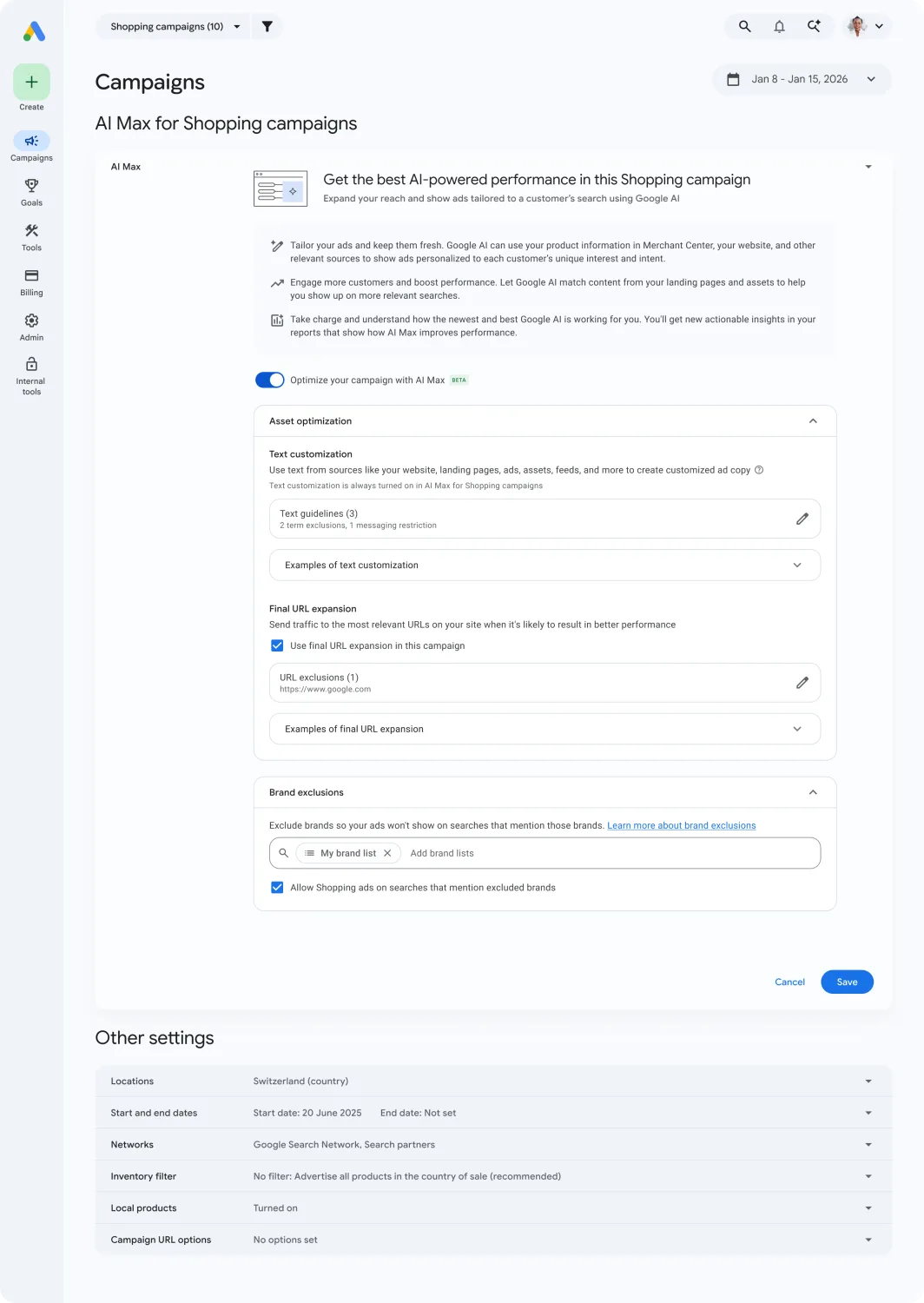
AI Max expands to Shopping campaigns to capture conversational queries

Google has launched AI Max for Shopping, extending the AI Max model from Search into the Shopping campaign type. The system uses Merchant Centre feeds to transform product data into dynamic Shopping ads that answer conversational queries: capturing the long-tail searches that standard Shopping campaigns historically miss because they fall outside literal product keyword matches.

Google Ads

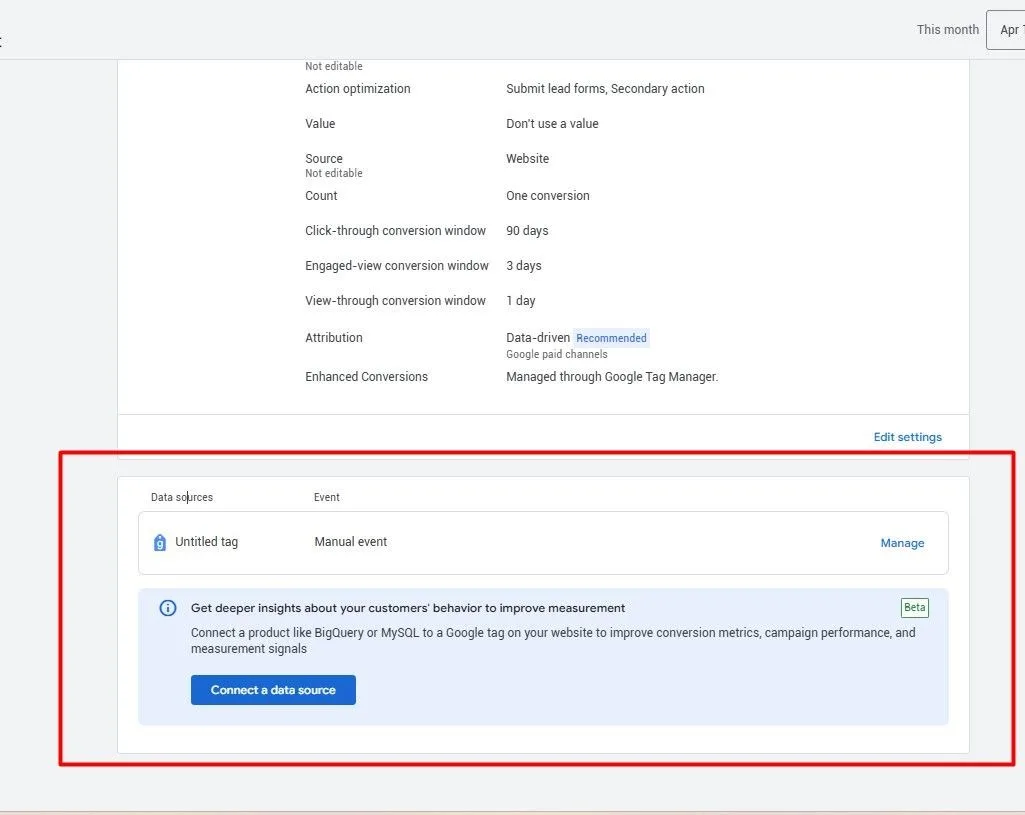
Google Ads adds a Connect a data source option for first-party tag integration

Natasha Kaurra has spotted a new "Connect a data source" option appearing inside Google Ads under Form Submission Conversion Goal, allowing advertisers to feed BigQuery or SQL-level data directly into the Google tag. Govind Singh has confirmed the same option appearing in his accounts.

SourceLinkedIn

Google Ads

Google Ads API v20 sunset reminder

Google has issued a sunset reminder for Google Ads API v20, prompting teams still running on the older version to migrate to a supported release. v20 will stop accepting requests after the announced sunset date, and integrations that have not been migrated will begin returning errors against the older endpoints.

YouTube

Albertsons brings retail signals to YouTube via Google's Commerce Media Suite

Google has announced a new partnership through which Albertsons Media Collective brings first-party shopper data to YouTube and third-party inventory in Display & Video 360. Brands can reach high-intent shoppers on YouTube and across premium publishers, and measure impact with SKU-level sales reporting.

Google Ads

Crypto and complex financial product certifications move into Google Ads accounts

Google has updated its certification process to allow advertisers to apply for cryptocurrency and complex speculative financial product certifications directly inside their Google Ads account, starting May 2026. The new in-account flow covers four certification categories: cryptocurrency exchanges and software wallets, cryptocurrency hardware wallets, cryptocurrency coin trust, and complex speculative financial products.

Google Ads

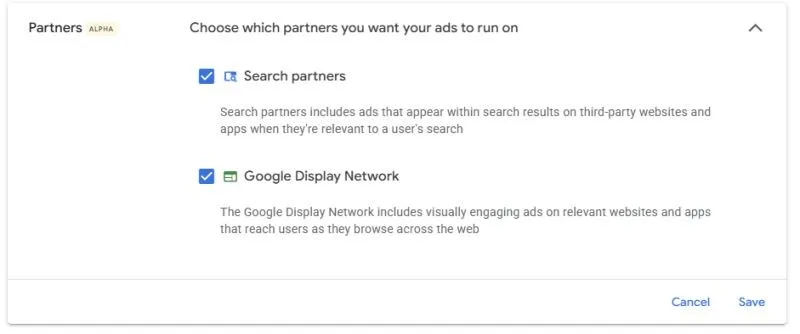
Performance Max Search Partners and Display Network exclusion rolls out widely

The Performance Max Search Partners and Display Network exclusion option flagged by Thomas Eccel as a test in Week 18 has now rolled out to a broader pool of accounts. Jason King has confirmed seeing the option live in his accounts, framing the rollout as a brand-new Google Ads option now widely available.

SourceLinkedIn

Google Ads

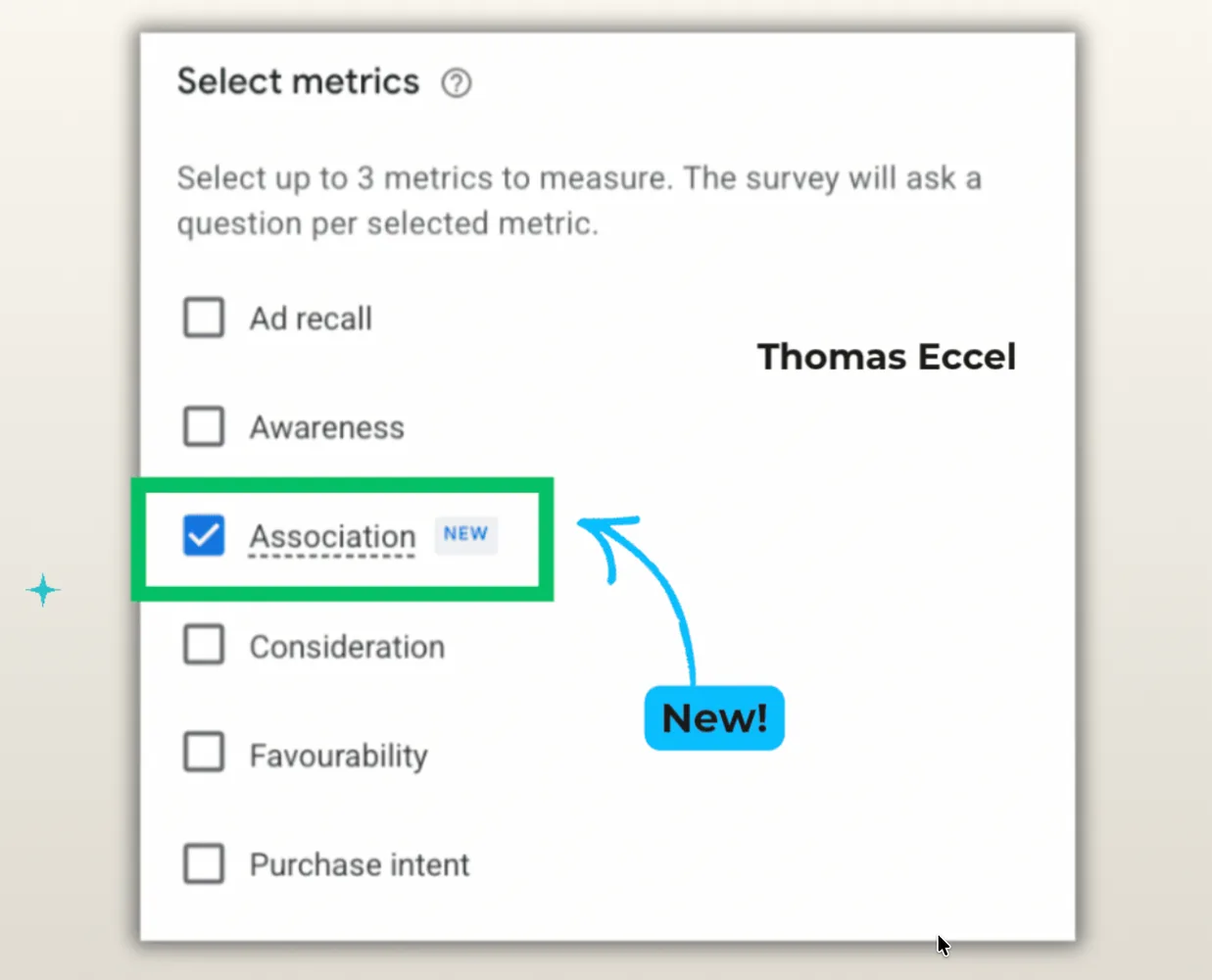
Brand Lift Studies adds a new Association metric

Thomas Eccel has flagged a new metric appearing in Google Ads Brand Lift Studies, called Association. The metric lets advertisers select a concept, category, or attribute and measure how strongly users associate the brand with that concept after exposure to the campaign: a measurement type previously available only through bespoke brand-tracking research with separate vendors.

SourceLinkedIn

Google Ads

Google Ads API v24 product reporting changes for upgraded Shopping campaigns

Google has detailed product reporting changes in the Google Ads API for advertisers running upgraded Shopping campaigns. The changes affect how product-level data flows through the API once Shopping campaigns are migrated into Performance Max or AI Max, and adjust the resource model for product segmentation in reporting queries.

Google Ads

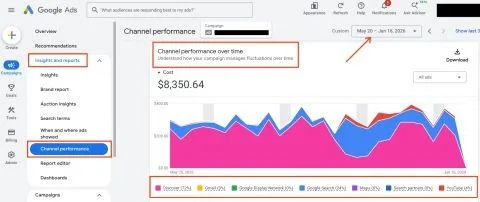
Performance Max gains a channel-performance-over-time report

Google is rolling out a Channel performance over time report for Performance Max, flagged by Aleksejus Podpruginas. Found under the Insights and reports section in a dedicated Channel performance tab, it shows how a campaign distributes budget and delivers across networks over time: the kind of channel-level visibility advertisers have long said Performance Max lacked.

SourceLinkedIn

Google Ads

Uploaded Display Ads are now available in Demand Gen campaigns

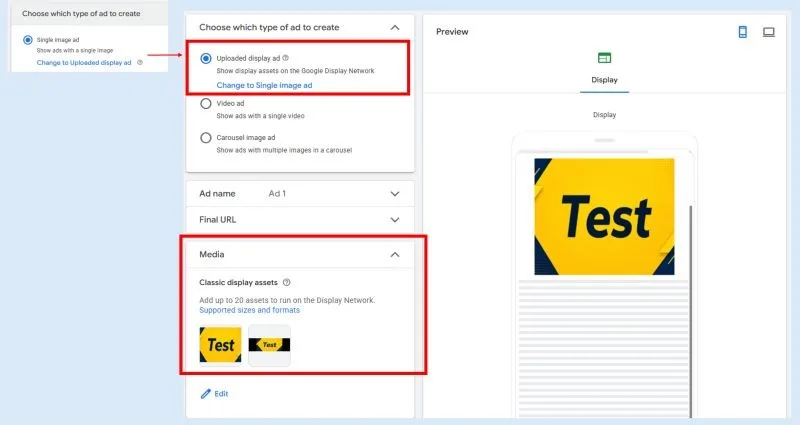
Dario Zannoni has also flagged the appearance of Uploaded Display Ads in Demand Gen campaigns, a new format that allows up to 20 static images in classic display sizes (300×250, 120×600, and others) in GIF, JPG, or PNG format. Ads created in this format will run exclusively on the Google Display Network.

SourceLinkedIn

Google Ads

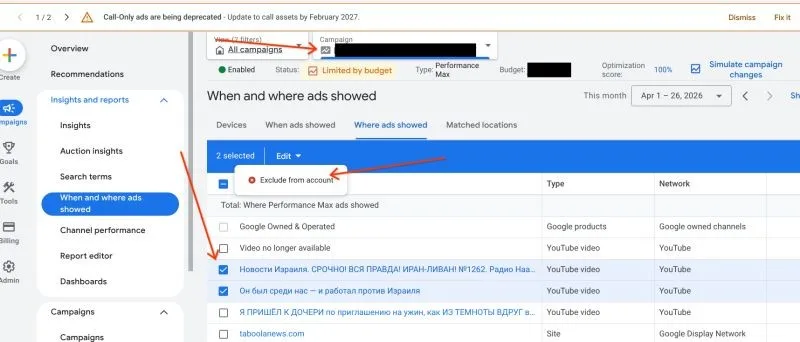
Performance Max placements can now be excluded directly from "Where ads showed"

Google has rolled out direct inline exclusion for placements in the Performance Max "When and where ads showed" report. Aleksejus Podpruginas has flagged that advertisers can now filter and exclude irrelevant placements at scale directly from the report view, rather than navigating to the separate exclusion list interface.

SourceLinkedIn

30 of 720 updates loaded.

Load more updates

Each update has one permanent page. New evidence about the same development is added to that page. Dates identify the source report or newsletter coverage; article publication dates appear in the full view.

2026 newsletter archive: 38 editions and 1,562 distinct updates through Week 36. Source descriptions, credits and media are preserved; missing details remain marked.

Spotted an update worth sharing?

Share the original source and what changed. If it is already covered, help us improve the existing update.

Contribute news →Member news →