Microsoft has published a holiday advertising playbook covering product and feed readiness, building demand before peak shopping, and improving measurement and campaign coverage. Its public announcement presents a phased planning approach for discovery and conversion across search and AI-assisted shopping.
Google documents how Demand Gen Prefill uses Performance Max settings and assets. Review the proposed spend, excluded targeting controls and product-feed filters before launch. The September observation and later screenshot credits remain separate.
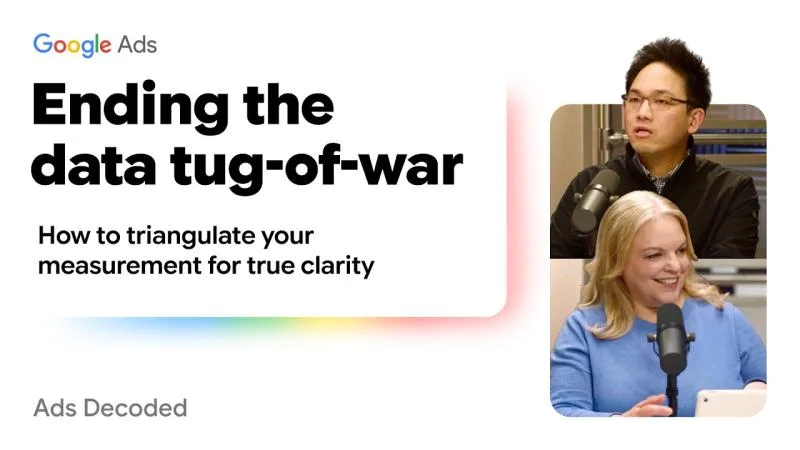
Google’s latest Ads Decoded announcement introduces a discussion of how attribution, incrementality tests and media mix modelling can inform campaign decisions together. A companion episode covers practical experience implementing Meridian. The pair offers advertisers a starting point for reviewing conflicting measurement signals and planning further tests.
Meridian’s documentation describes brand-equity signals, including branded query volume, and an agentic toolkit for modelling tasks and troubleshooting. The official version 2.0.0 changelog is dated 2 September; the overview says available as of 3 September. This is a follow-up to that release.
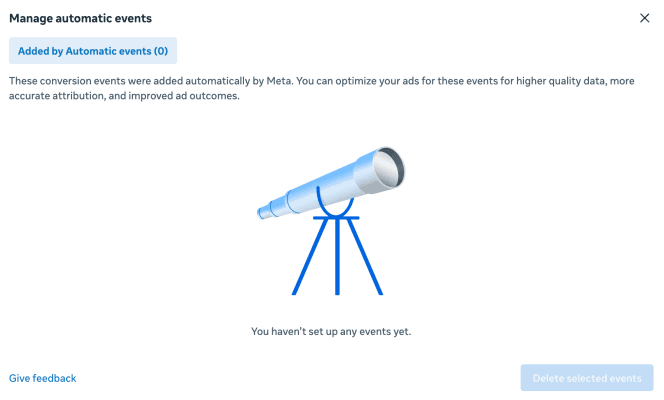
Jon Loomer’s 1 September walkthrough distinguishes the management interface from older automatic tracking. Check the events being detected, their meaning and potential duplication before relying on them for optimisation. A simpler interface does not itself establish better event detection.
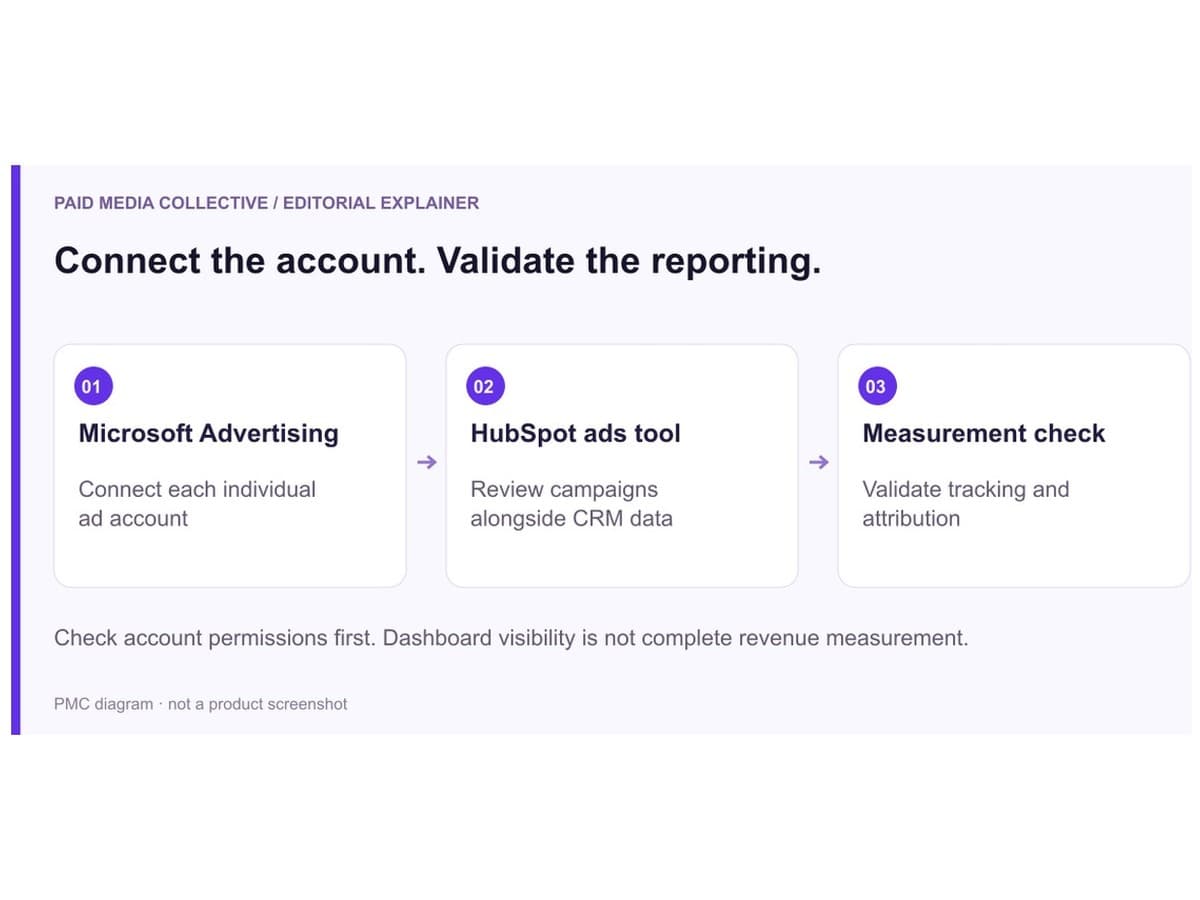
HubSpot’s current documentation confirms that connected Microsoft Advertising campaigns can be displayed and reported on in its ads tool. Connect individual ad accounts rather than the parent customer account, and check the required permissions before starting.
TikTok’s documentation describes TopSearch as an auction-based option under the Reach objective for selected accounts and markets. It uses CPM billing. If an ad does not win the first sponsored position for a keyword, it does not drop into a lower placement for that query.
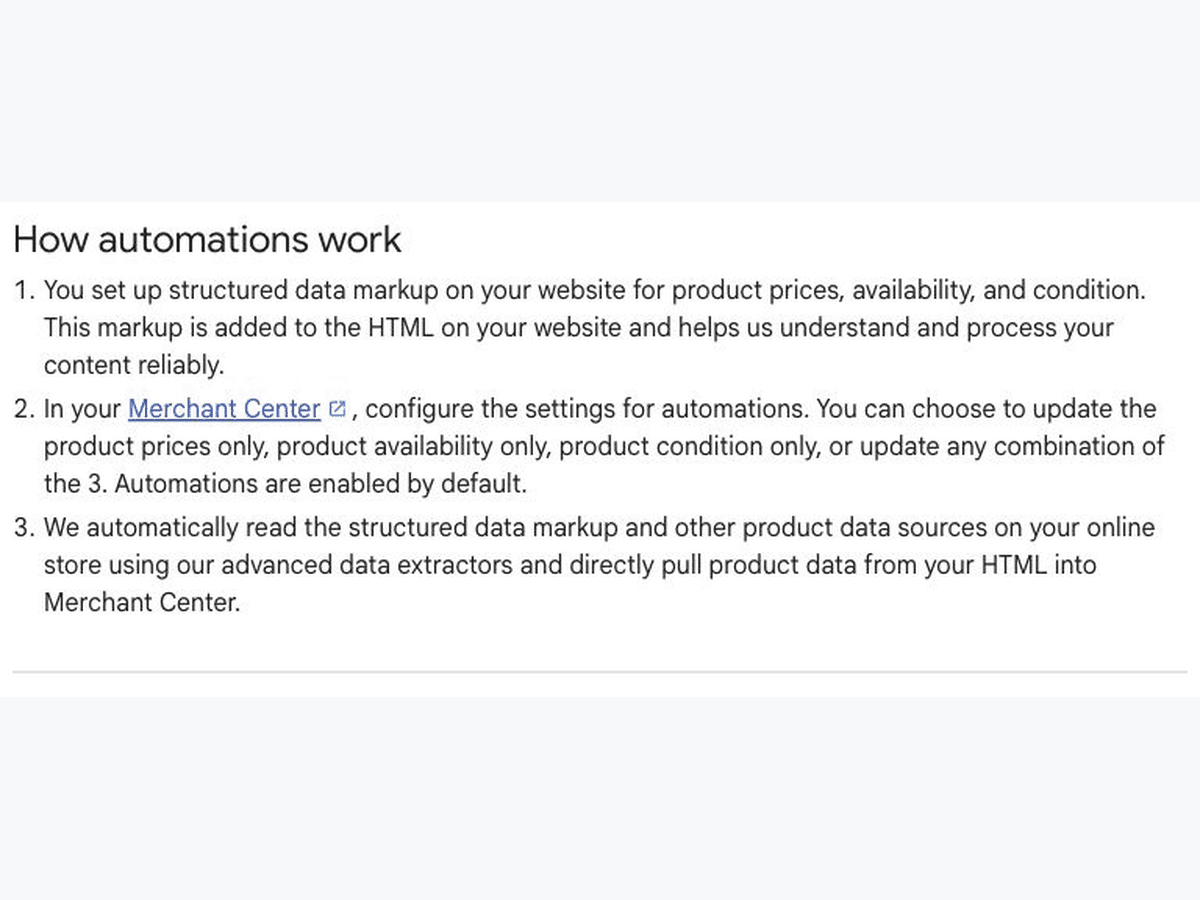
Merchant Centre automatic updates can use website information to help align supported product attributes, but they do not remove the need to review feeds, landing pages and settings together.
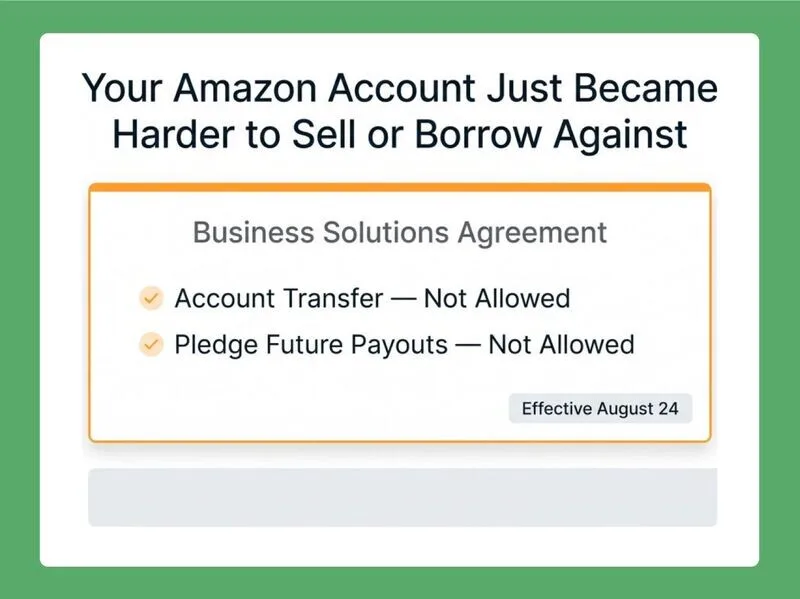
Amazon's updated Business Solutions Agreement, effective 24 August, restricts sellers from transferring contractual rights or obligations without Amazon's consent and from pledging them as collateral. The wording could affect account sales, aggregators, and financing structures tied to future Amazon disbursements.
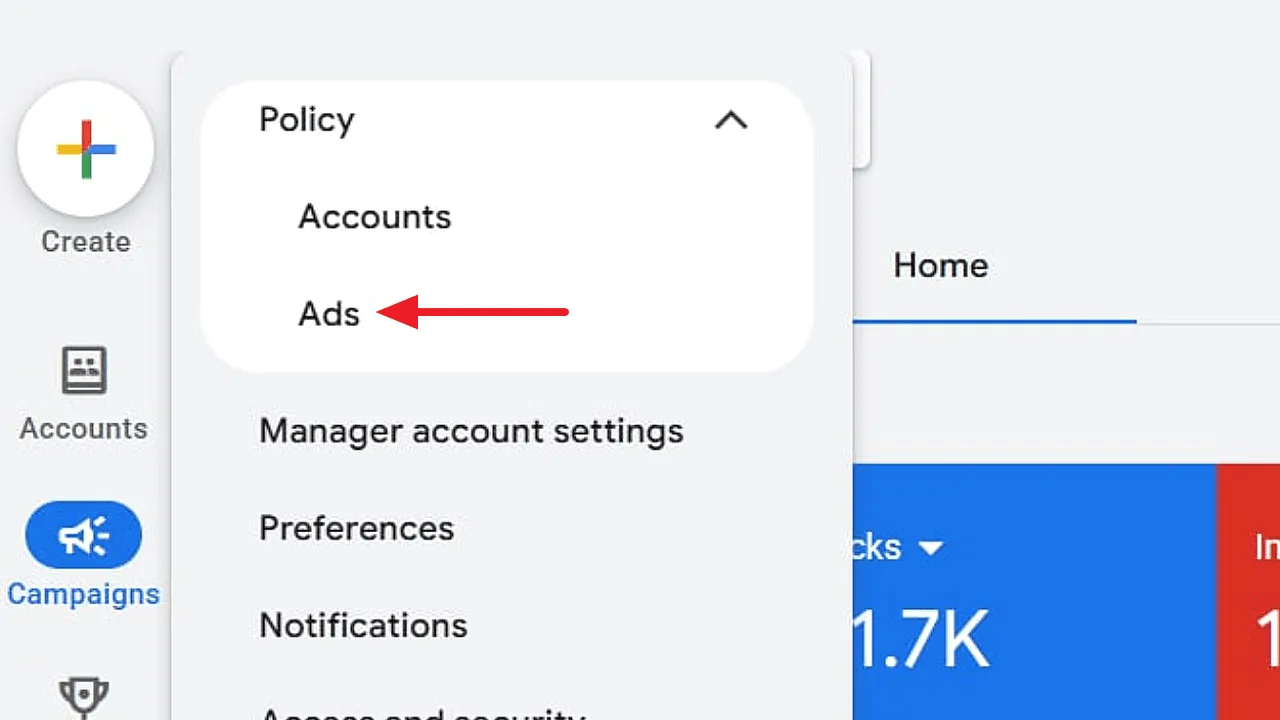
Google has moved Policy Manager from Tools > Troubleshooting to Admin > Policy and added an Ads view beside the existing account-level controls. The change centralises limited and disapproved ad statuses without introducing a new enforcement standard.
X has revived a native lead-generation format that lets users submit their details without leaving the platform, with later forms able to reuse saved information. The form can accompany image, video, carousel, and Timeline Takeover placements.
From 1 October, the Display & Video 360 API and Structured Data Files will no longer support exclusions for specific digital content labels and most sensitive categories. From 12 October, YouTube responsive ads created or updated through these routes must also include a business name and logo unless defaults already exist at advertiser level.
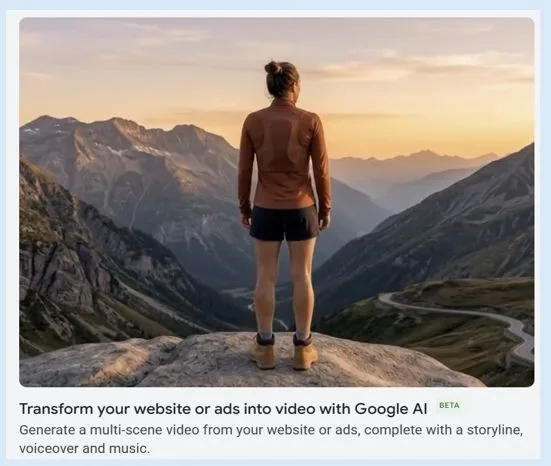
Google Ads is rolling out a beta workflow that converts assets from a website, ad, or asset group into short horizontal or vertical videos. Dario Zannoni's account test produced a 12-second, five-scene video with voiceover, while Google's August Demand Gen update describes wider multimodal video creation and editable storyboards.
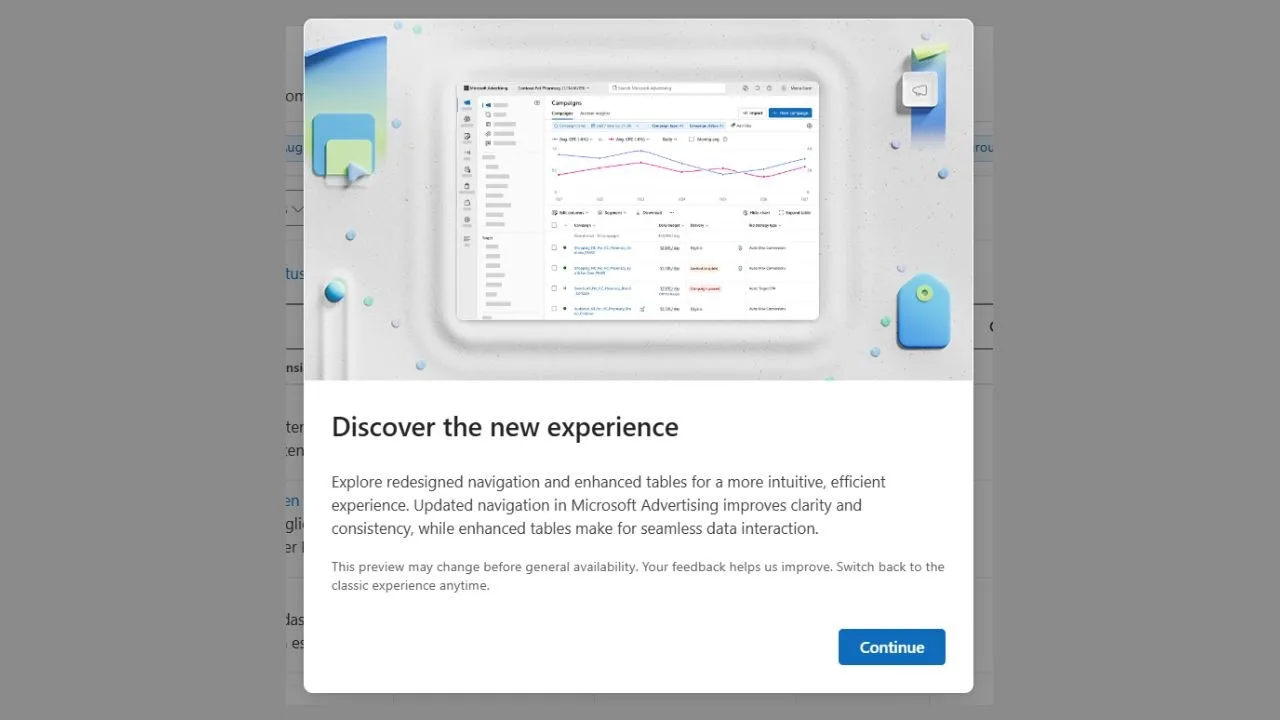
Microsoft Advertising is introducing a new interface with clearer navigation and revised campaign tables, while retaining an option to return to the classic experience. The update changes how users move through and interact with account data rather than altering campaign delivery.
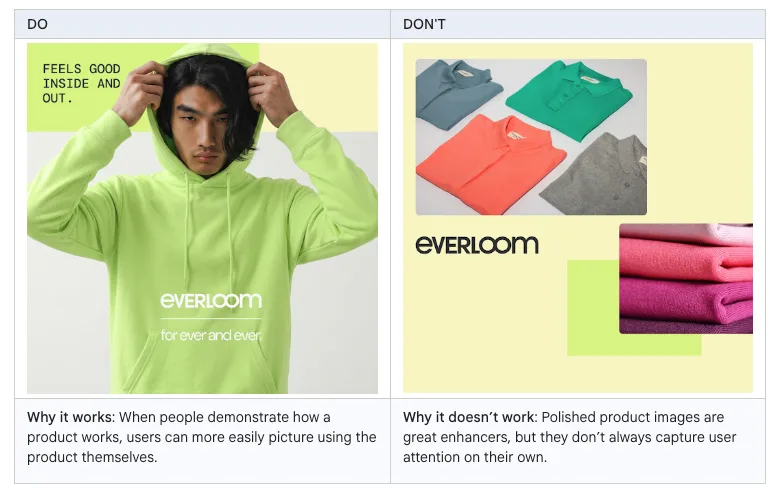
New Google guidance cites Nielsen research attributing 49% of campaign ROI to creative and Ekimetrics analysis finding that stronger creative can more than double YouTube ROI. The recommendations include using human voices, introducing the brand early, designing for the platform, and avoiding misleading interface elements such as fake buttons.
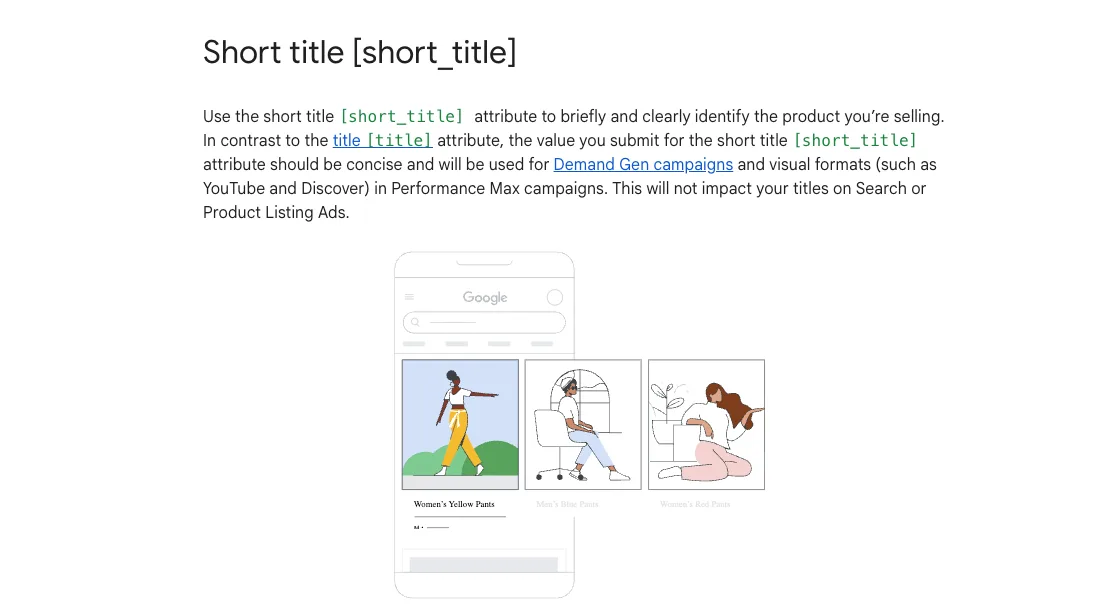
Google's Merchant Centre specification now states that the short_title attribute can be used in visual Performance Max formats such as YouTube and Discover, not only in Demand Gen. Google recommends placing the most important information first and aiming for fewer than 40 characters, with 65 characters as the practical maximum before truncation becomes likely.
Microsoft is piloting Audience Ads for pre-approved cryptocurrency exchanges in markets where cryptocurrency advertising is permitted, while Display, Video, and CTV formats remain restricted. Its country policies now expressly allow eligible exchanges in Audience and Search ads in Australia and Brazil.
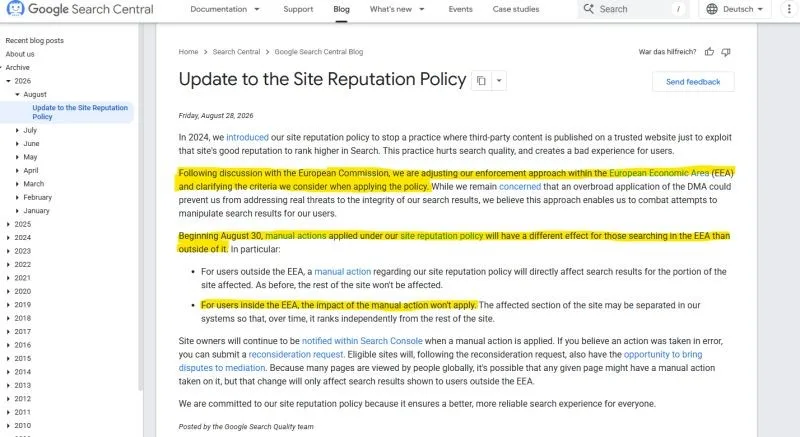
From 30 August, Google's site-reputation-abuse manual actions no longer affect users in the EU, Iceland, Liechtenstein, and Norway, while enforcement remains unchanged elsewhere. Google says affected third-party sections may instead be evaluated independently, and the change follows European Commission scrutiny under the Digital Markets Act.
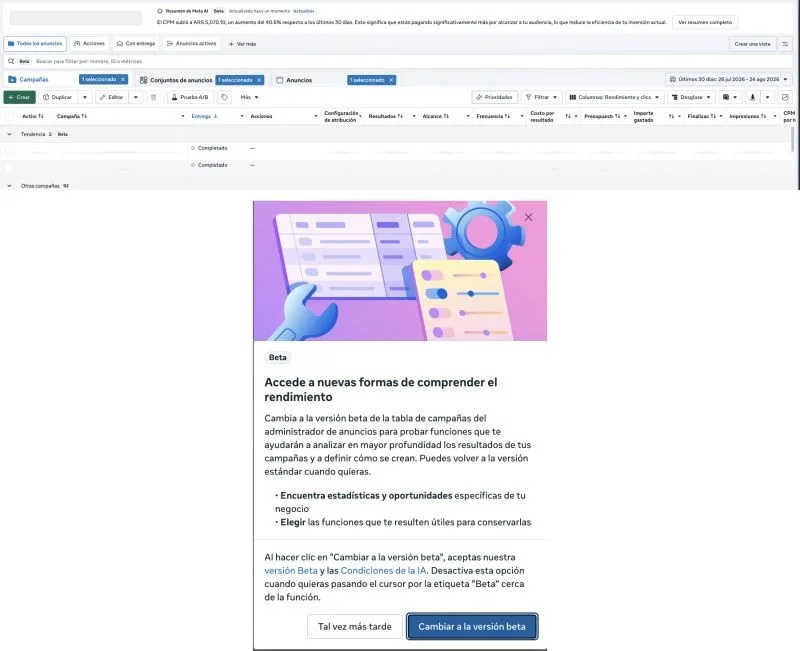
Meta is testing a Campaigns table experience that summarises performance over the previous 30 days, supports natural-language campaign searches, and adds a Trends area for further analysis. Matias Axel Ramayo's account retained a route back to the classic table, indicating that it was a beta rather than a universal replacement.
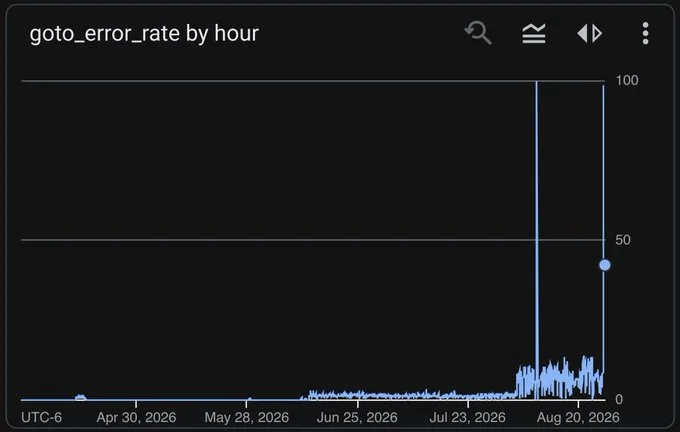
Google is routing Search-result clicks through encrypted google.com/goto redirect URLs as an anti-abuse measure, hiding the final destination from the browser's hover preview. Derek Perkins reported a near-complete rollout across several residential IP providers, and Barry Schwartz obtained Google's confirmation.
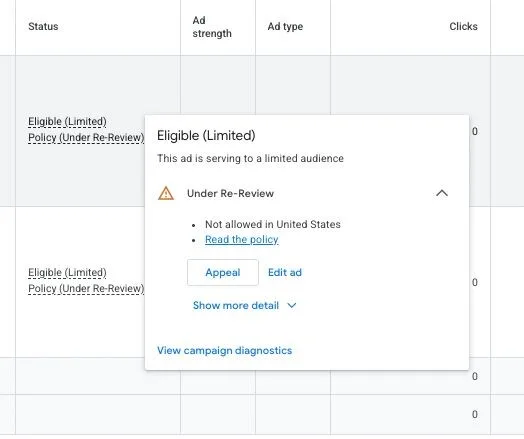
Anthony Higman spotted a new Under Re-Review label appearing alongside an Eligible (Limited) ad status. Google has not documented whether the state is broadly rolling out or exactly what triggers a second review, so the observation should not yet be treated as a new appeal process.
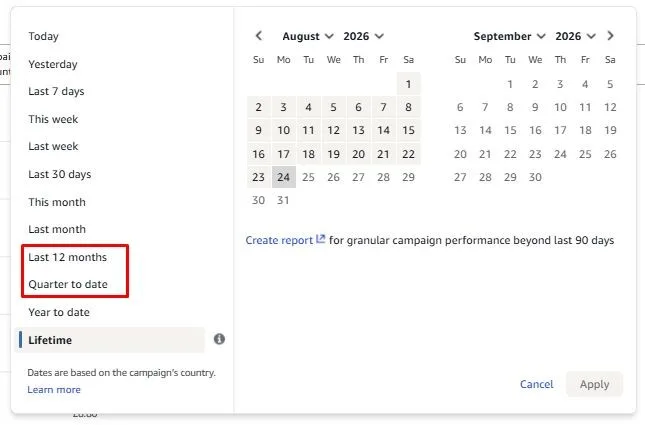
Amazon Advertising Console is showing Last 12 months and Quarter-to-date presets in some accounts, extending analysis beyond the familiar short reporting windows without an export. Later sightings indicate that custom dashboard ranges can reach roughly 14 months in certain accounts, although granular limits on downloadable reports may still differ.
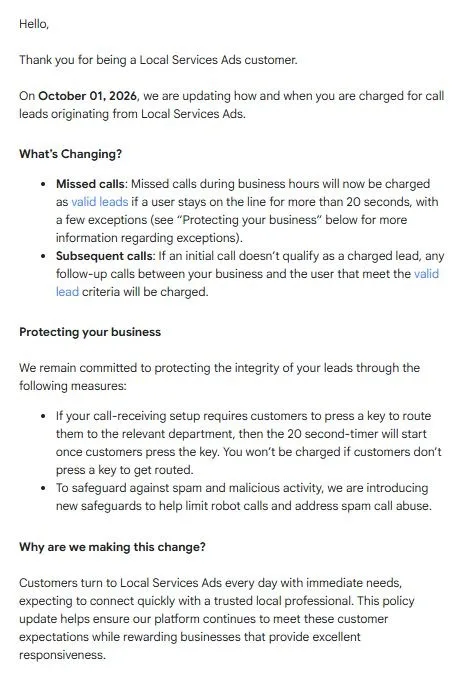
Google has told Local Services Ads advertisers that a missed call during stated business hours may be billed as a valid lead when the caller remains connected for more than 20 seconds. Google later clarified that qualifying follow-up calls can also be charged once within 15 days of the initial lead, while interactive voice response timing begins after the caller selects an option.
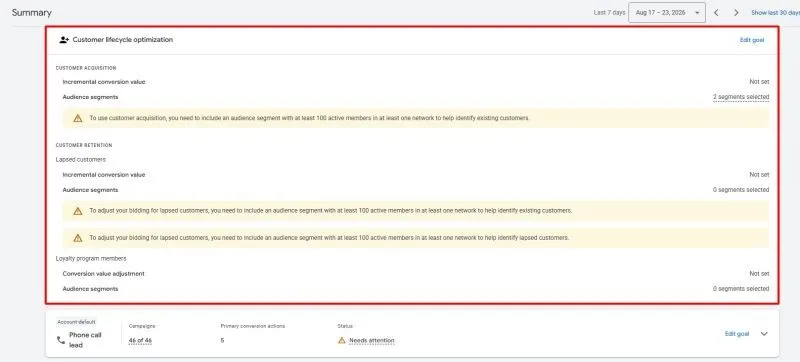
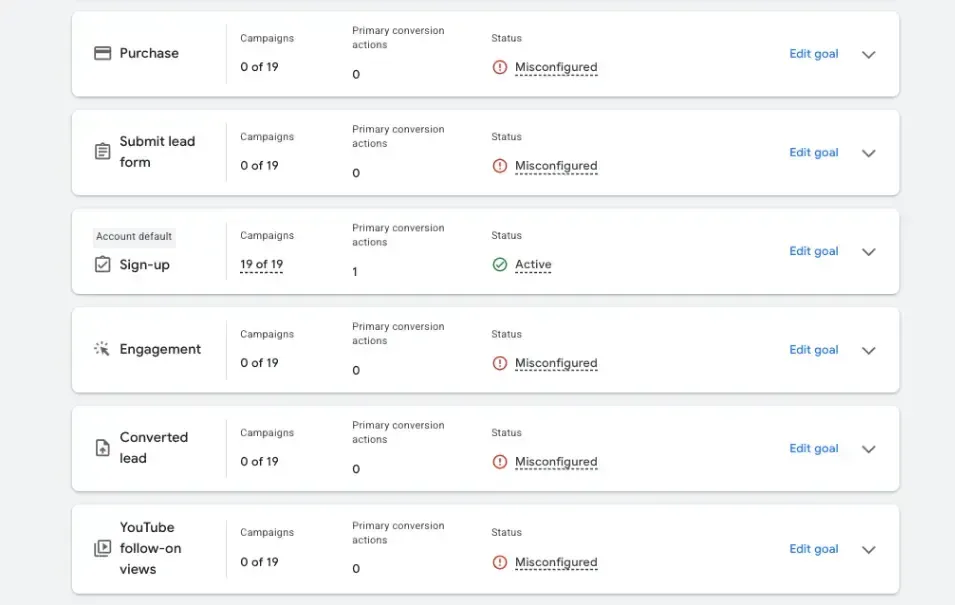
Google Ads is surfacing Customer Acquisition, Lapsed Customers, and Loyalty Programme Members together inside the Conversions Summary page. Some functions require an audience segment with at least 100 active members, and the controls connect customer status more directly with bidding and value rules.
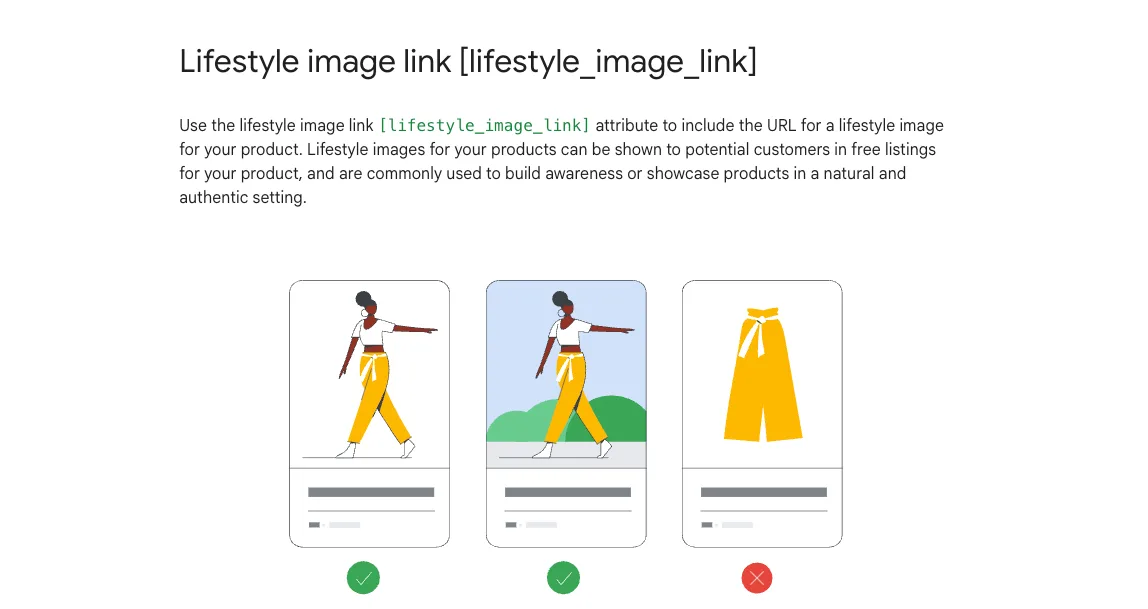
Google has changed lifestyle_image_link from a single-value field to a repeated field, allowing merchants to submit up to 5 lifestyle images for each product. These images are designed for browsable surfaces where showing the product in a natural setting can provide more context than the main packshot.
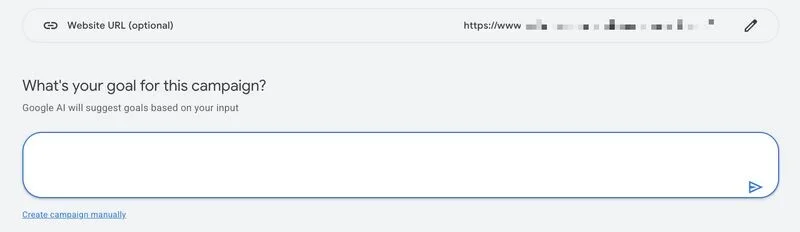
Arpan Banerjee demonstrated a Google Ads setup flow that scans a landing-page URL, proposes goals and a business summary, and generates themed ad groups with keywords, copy, sitelinks, and images. Advertisers can refine the draft through a chat panel, and nothing is published before approval.
Reserve with Google appointment links can now appear as Book Online actions in eligible Search and Performance Max ads, using the same partner connection already published for local surfaces. The advertiser pays for the ad click, while an encrypted token links the visit to a booking and the “Appointments booked” conversion must be included in campaign goals for bidding; healthcare is excluded from the current setup.
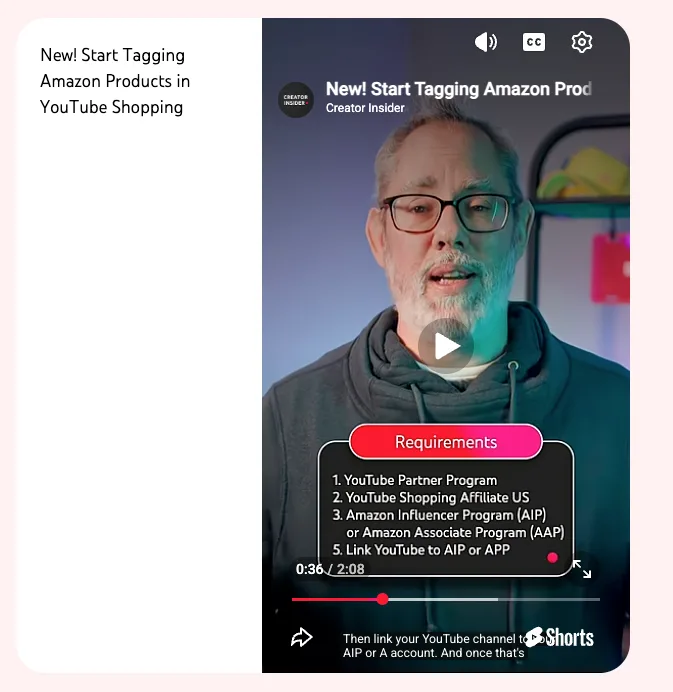
Eligible US YouTube creators can now tag Amazon products directly in Shorts, long-form videos, and livestreams through the YouTube Shopping Affiliate Programme. Viewers can move from creator content to an Amazon purchase without relying on a description link, and eligible brands may also connect a channel with an Amazon storefront.
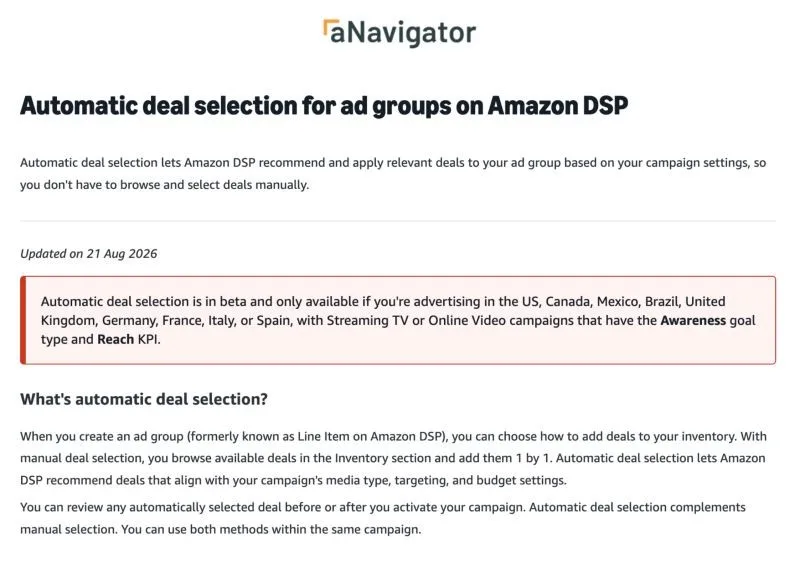
Amazon DSP's automatic deal selection for Streaming TV and online video is expanding beyond the US to Canada, Mexico, Brazil, the UK, Germany, France, Italy, and Spain. The beta selects deals using the campaign's budget, audience, and dates, displays their pricing and availability before launch, and still allows manual additions.
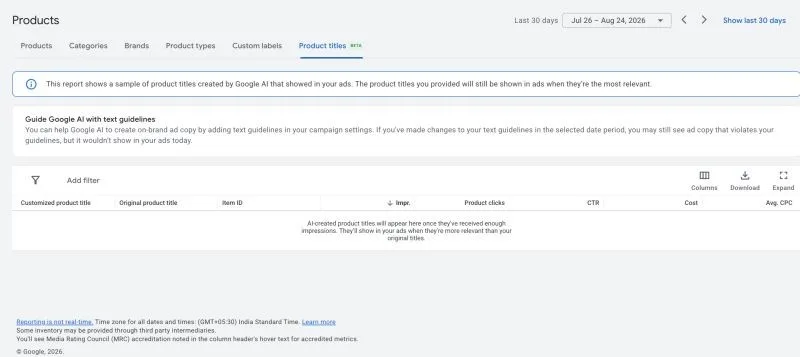
A new Google Ads report shows the customised product titles created by Google AI alongside the merchant's original title and performance metrics including impressions, product clicks, CTR, cost, and average CPC. Google may serve either version according to the query and its relevance assessment.
Each update has one permanent page. New evidence about the same development is added to that page. Dates identify the source report or newsletter coverage; article publication dates appear in the full view.
2026 newsletter archive: 38 editions and 1,562 distinct updates through Week 36. Source descriptions, credits and media are preserved; missing details remain marked.
Spotted an update worth sharing?
Share the original source and what changed. If it is already covered, help us improve the existing update.