INDEPENDENT MINDS. SHARED AMBITION.
PLATFORM UPDATES

Google Ads news and platform updates

Follow Google Ads changes with dated source evidence, contributor credits and practical context for campaign decisions.

Google Ads

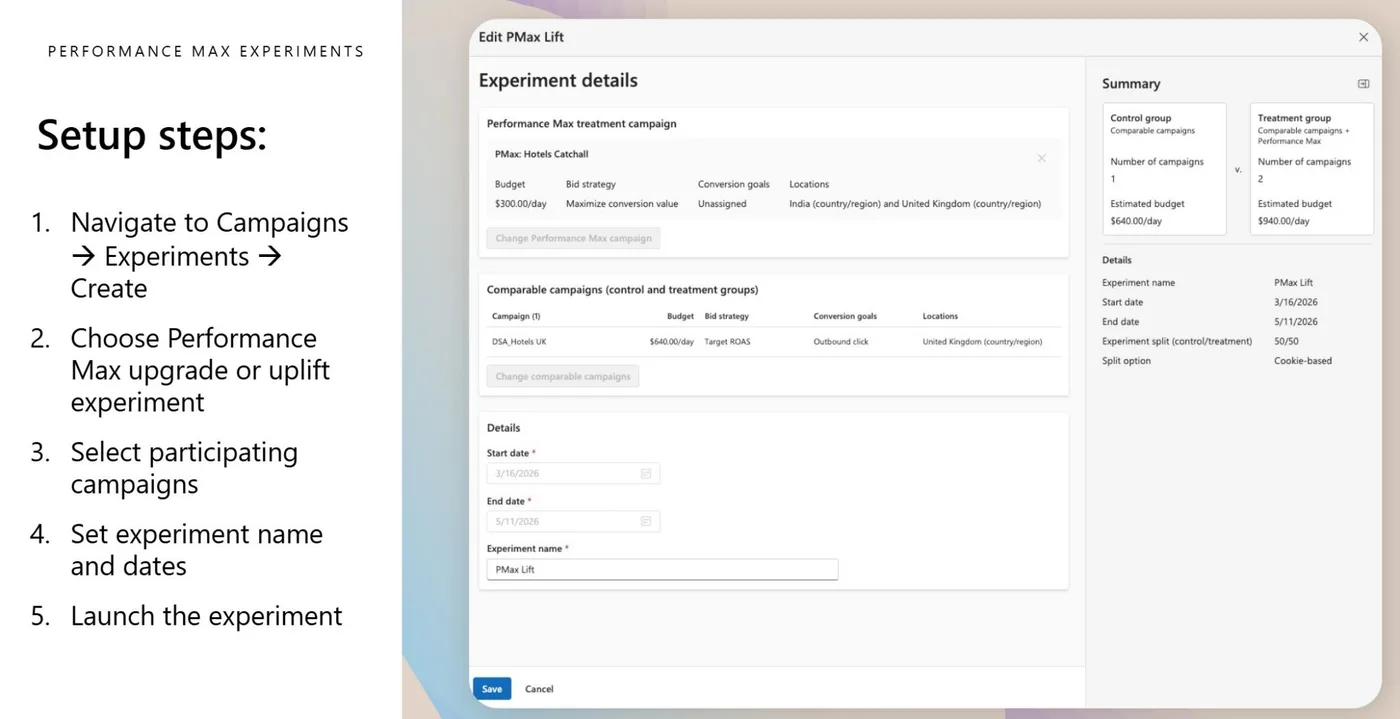
Microsoft opens Performance Max experiment betas

Microsoft Advertising has opened betas for Performance Max experiments covering upgrades to PMax and PMax uplift. Advertisers can test PMax against existing campaigns before committing to spend.

SourceLinkedIn

Google Ads

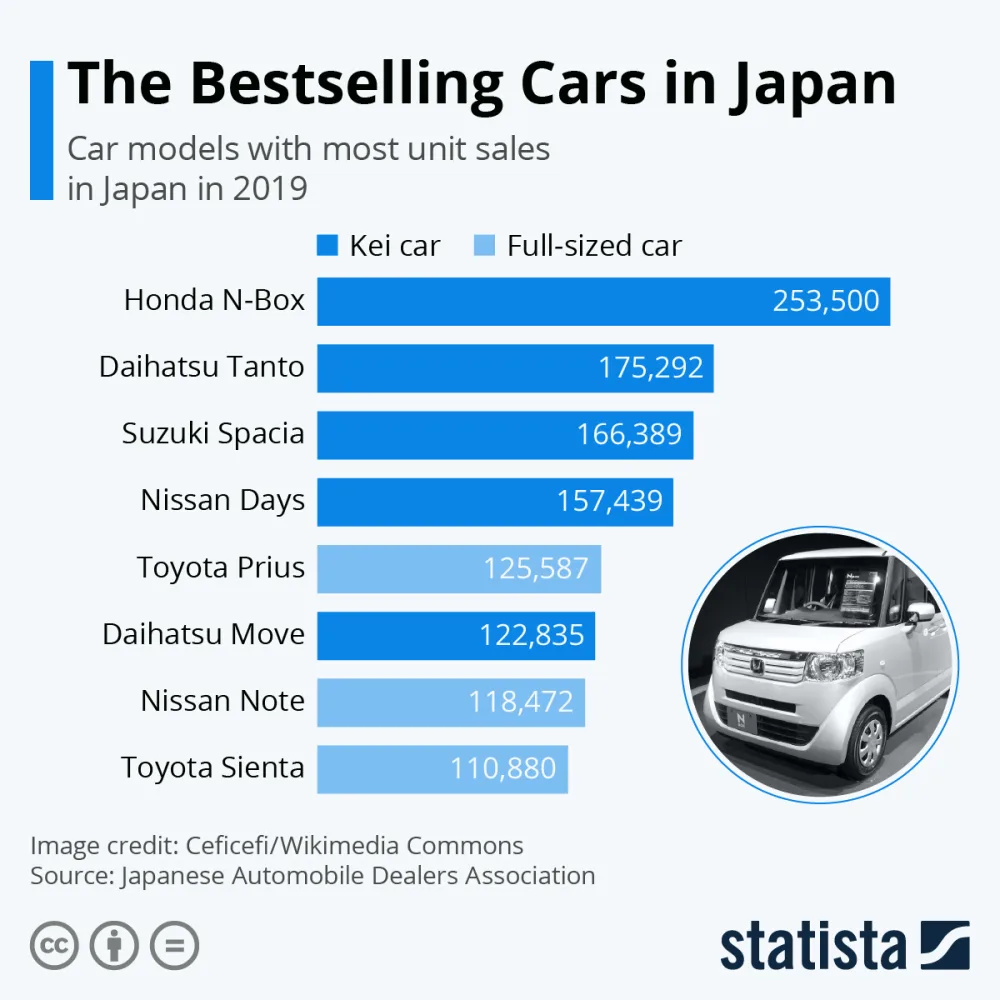
Vehicle ads open to all advertisers in Japan

Google has made vehicle ads available to all vehicle advertisers in Japan from June 2026. The lower-funnel format shows an image with make, model, price, and mileage, and clicks lead to the advertiser's vehicle description page.

Google Ads

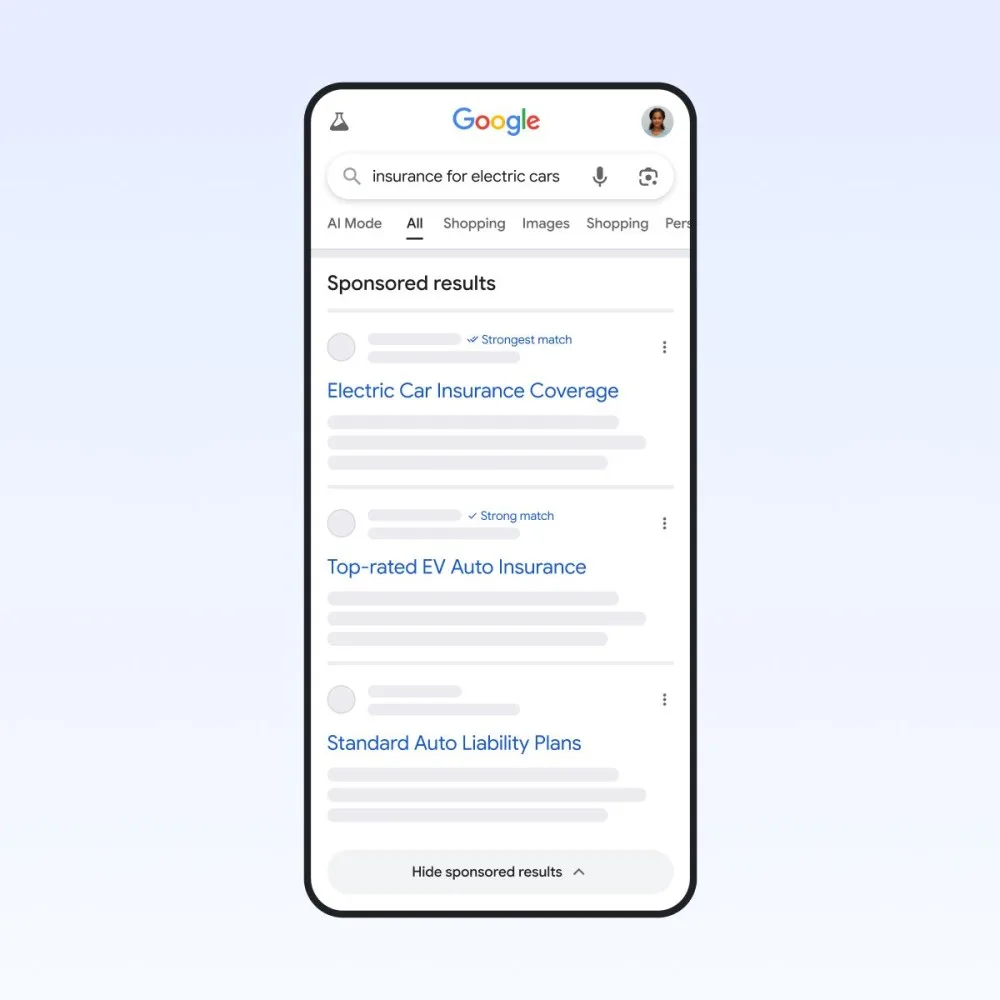
Google tests new URL treatments on sponsored results

Google is testing an arrow icon next to sponsored URLs that opens the site in a new window, and a separate "Visit site" button in Search ads. Organic and paid listings are also showing altered URL displays.

SourceX

Google Ads

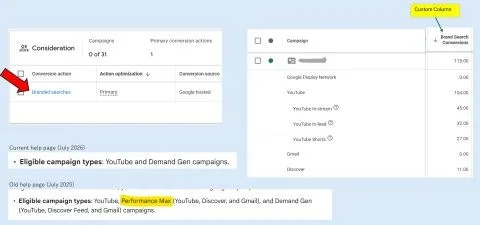
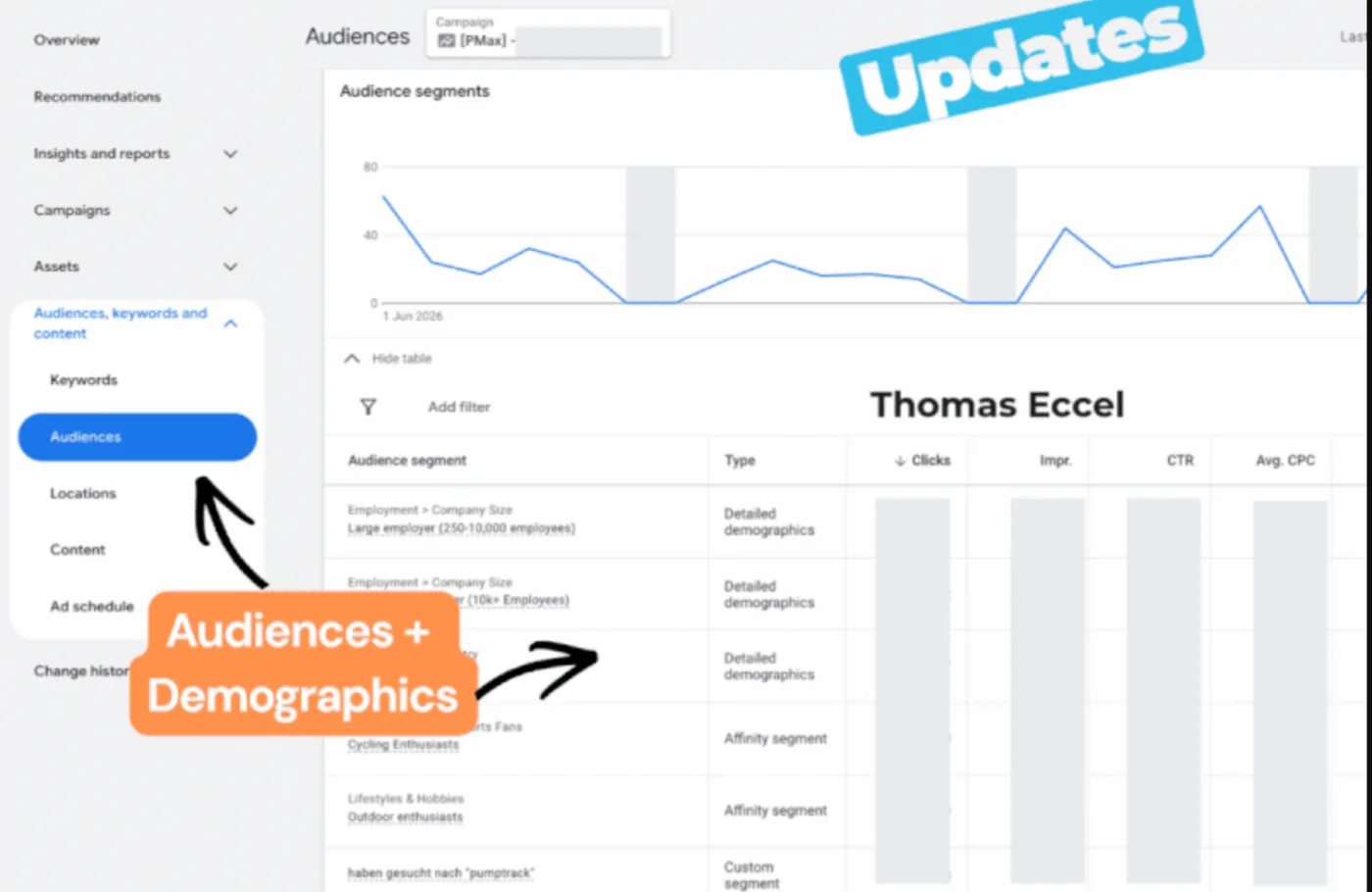
Performance Max opens audience performance reporting

Google now shows audience segments with metrics inside the Performance Max Audience menu. Advertisers can finally see which audiences drive results in a campaign type long criticised as a black box.

SourceLinkedIn

Google Ads

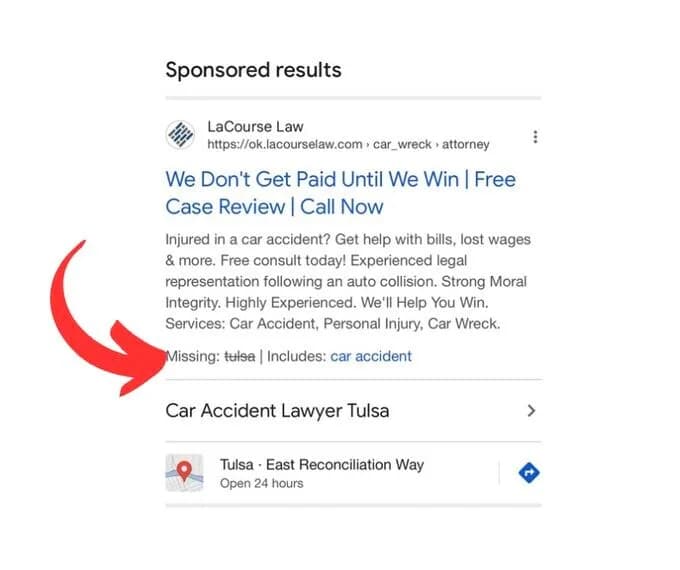
Google tests "included or missing words" inside paid ads

Google appears to be testing the organic "included or missing words" SERP feature directly in paid ads. In the flagged example, the words were present in the ad, suggesting the automated check misread the creative.

SourceLinkedIn

Google Ads

Google Ads classifies promotional offers into three types

Google now documents three types of promotional offers: new advertiser promotions, coded promotions, and codeless promotions. Coded offers apply to new and existing advertisers, while codeless offers surface automatically in existing accounts.

Google Ads

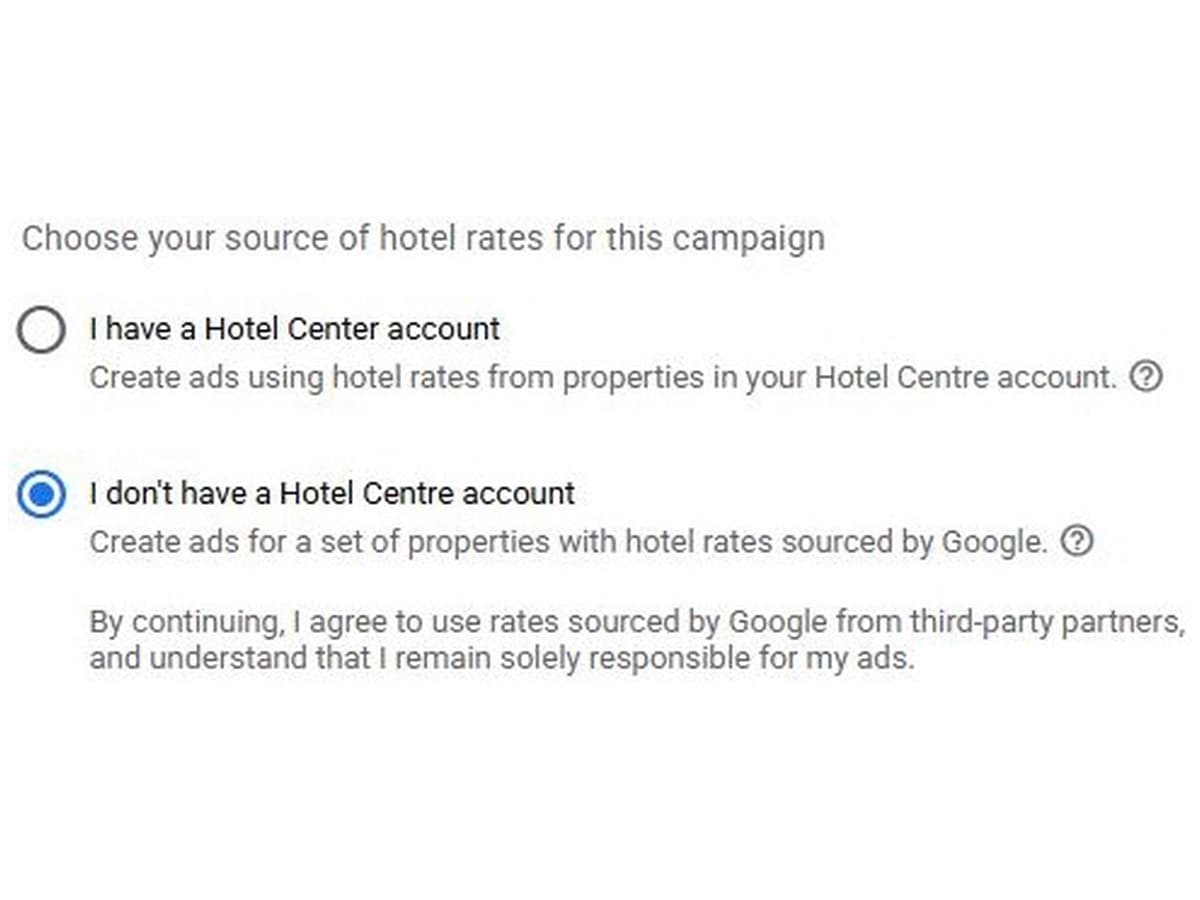
Hotel Ads: third-party rates end after 30 September

Google confirms that third-party rates become unavailable after 30 September 2026. Affected hotels need a direct price feed, an appropriate Google Ads link and recreated campaigns to retain the relevant Hotel Ads activity.

Google Ads

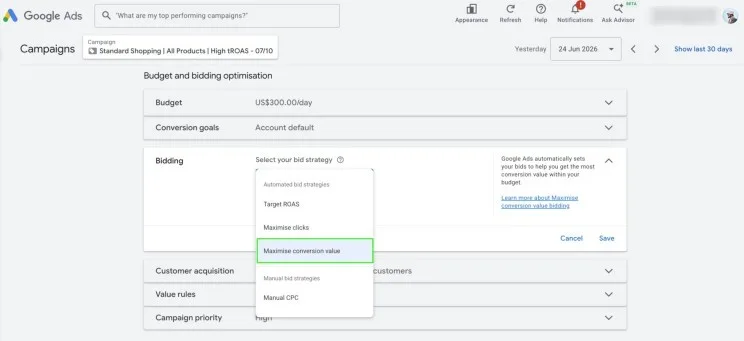
Maximise Conversion Value bidding returns to Standard Shopping

Google is rolling out Maximise Conversion Value bidding for Standard Shopping campaigns, flagged by Yash Mandlesha and also spotted by Boyd Klerk via Ruben Runneboom. Until now, advertisers who wanted to optimise toward conversion value in Standard Shopping had to use a Target ROAS strategy; the return of the uncapped Maximise Conversion Value option gives them a way to chase value without setting a hard target.

SourceLinkedIn

Google Ads

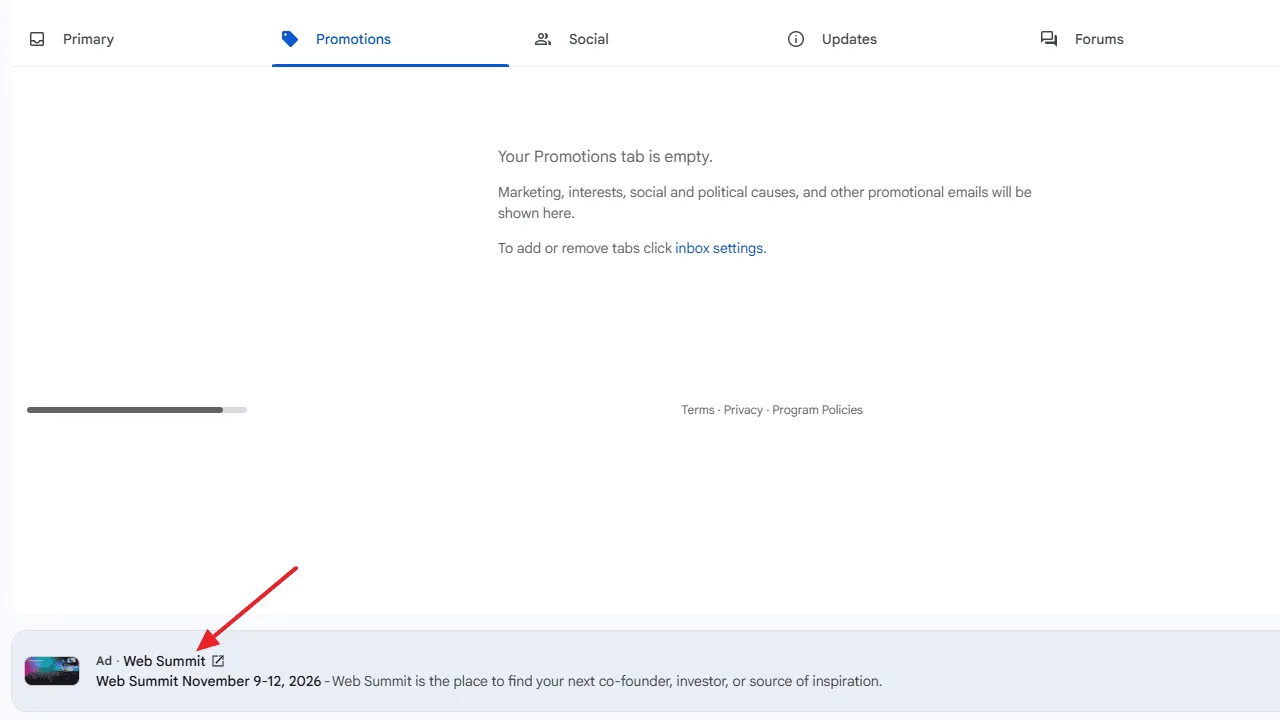
Gmail ads move to the bottom of the Promotions and Social tabs

Hana Kobzová has noticed that Gmail ads on desktop now appear at the bottom of the Promotions and Social tabs rather than at the top. For years, these ads: which look like ordinary emails with a "Sponsored" label and expand on click: held the top position for maximum visibility.

Google Ads

June's Demand Gen Drop adds video resizing, Gemini creative insights, and web-to-app measurement

Google has published its June Demand Gen Drop on the Ads & Commerce blog, detailing how it is expanding Demand Gen capabilities on YouTube. Video enhancements now support broader aspect-ratio transformations: vertical to square, vertical to landscape, and square to landscape: making it easier to adapt a single asset across placements.

Google Ads

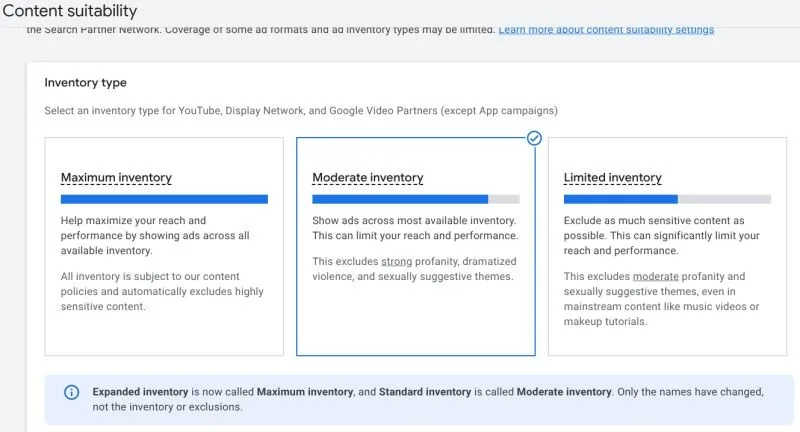
Google rebrands brand-safety inventory categories

Google has renamed the brand-safety "Inventory Type" categories within the Content Suitability settings, as Aleksejus Podpruginas flagged. The older "Expanded" and "Standard" labels are retired in favour of clearer names: Maximum inventory (formerly Expanded), Moderate inventory (formerly Standard), and Limited inventory (formerly Limited).

SourceLinkedIn

Google Ads

Google Ads API updates multi-party approval handling from December

Google is adding multi-party approvals to the Google Ads API for sensitive account actions, announced on the Google Ads Developer Blog. From 27 July 2026, rolling out over several weeks, certain API calls: such as inviting a new user via the access-invitation service: will require a second administrator to approve before they take effect, mirroring a broader change in Google Ads accounts that now require multi-party approval for sensitive actions.

Google Ads

Custom labels arrive in Demand Gen campaigns

Google has added support for custom labels in Demand Gen campaigns, flagged by Emmanuel Flossie. Custom labels: long available in Shopping for segmenting products by attributes such as margin, season, or bestseller status: can now be used to organise and report on Demand Gen, giving advertisers a familiar lever for structuring campaigns around product groupings.

SourceLinkedIn

Google Ads

Google releases Agent Skills for advertising and measurement

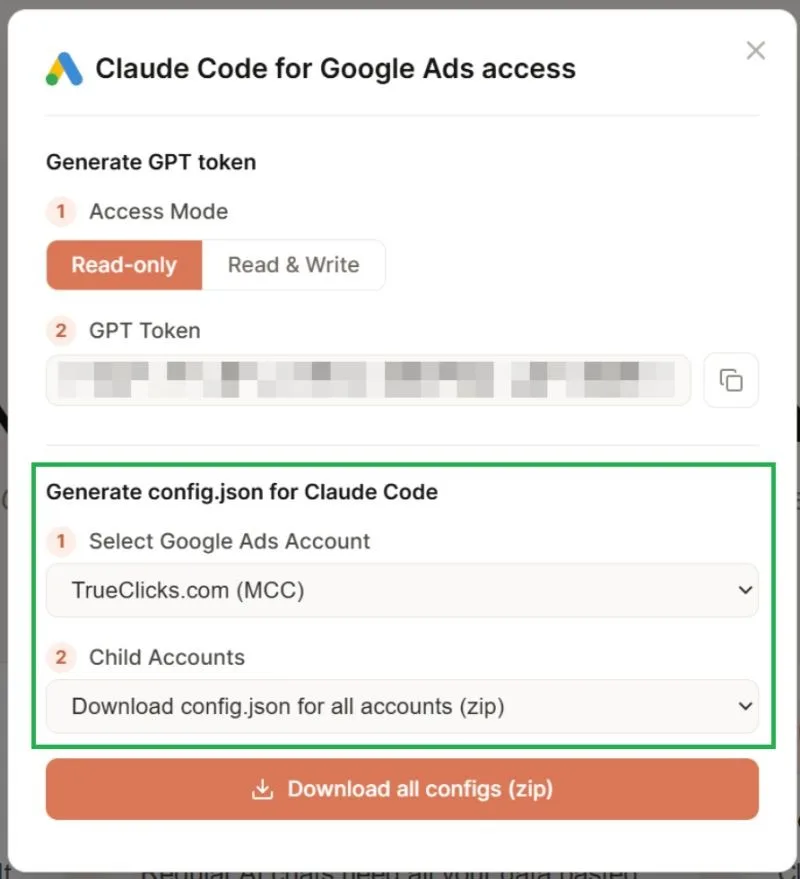
Google has launched a set of Agent Skills for Google Advertising and Measurement in its public skills repository on GitHub, announced on the Google Ads Developer Blog. Agent Skills are token-efficient, modular instruction sets that turn AI coding assistants into Google Ads and measurement specialists: for example, guiding an agent through setting up Google Ads API credentials and a client library inside an agentic IDE.

Google Ads

Google to allow online lottery ads in Peru from 8 July

Google has updated its Gambling and Games policy to allow online lottery advertisements in Peru from 8 July 2026, in its advertising policy help centre. Eligible advertisers must hold a favourable technical opinion from Peru's Ministry of Women and Vulnerable Populations (MIMP) and complete Google's country-specific certification before running ads.

Google Ads

Google Ads API v24.2 ships with AI transparency labels

Google has released version 24.2 of the Google Ads API, announced on the Google Ads Developer Blog and flagged by Arpan Banerjee. Alongside the multi-party approval requirement for sensitive actions, the release adds the ability to programmatically tag AI-generated creatives with transparency labels ahead of the EU AI Act's disclosure requirements, and introduces granular Performance Max placement visibility.

Google Ads news and platform updates | Paid Media Collective