What changed
Three dated observations
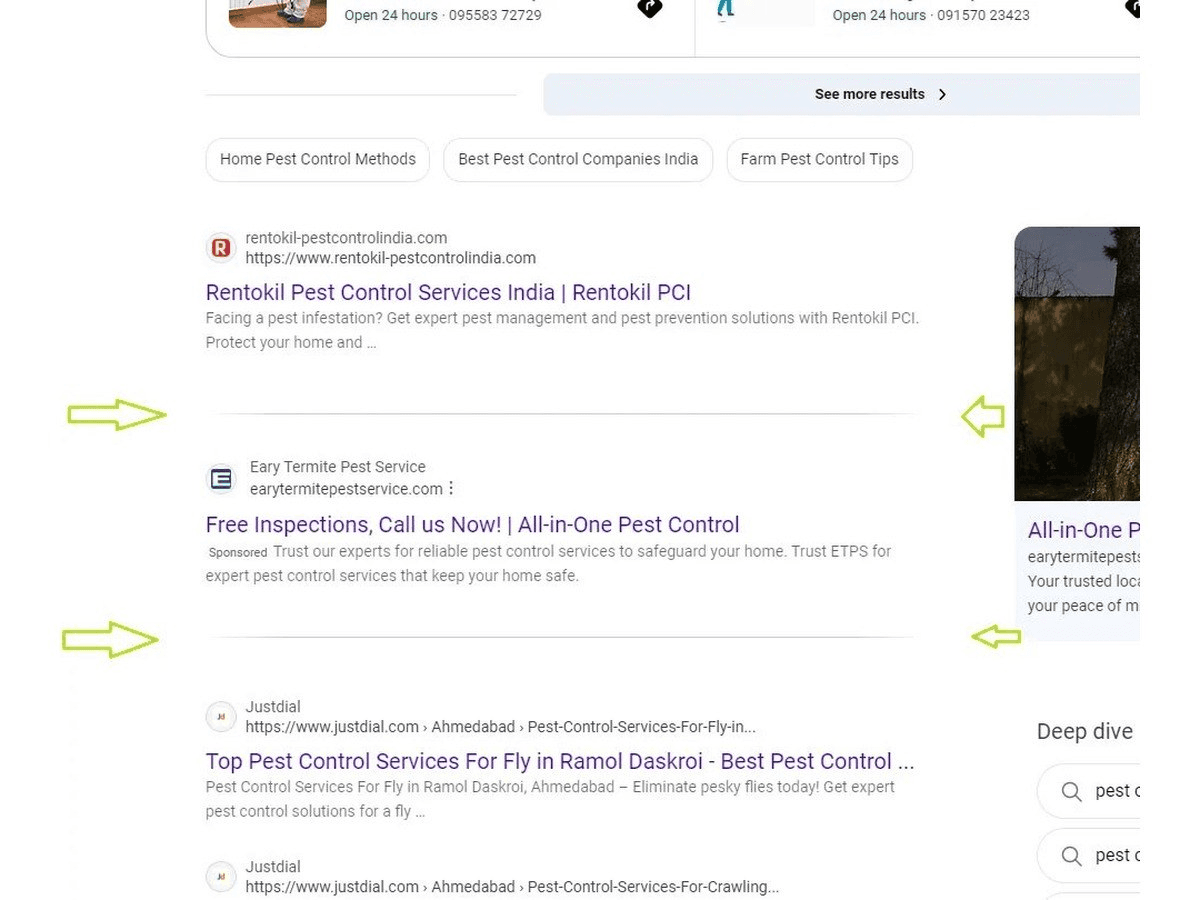
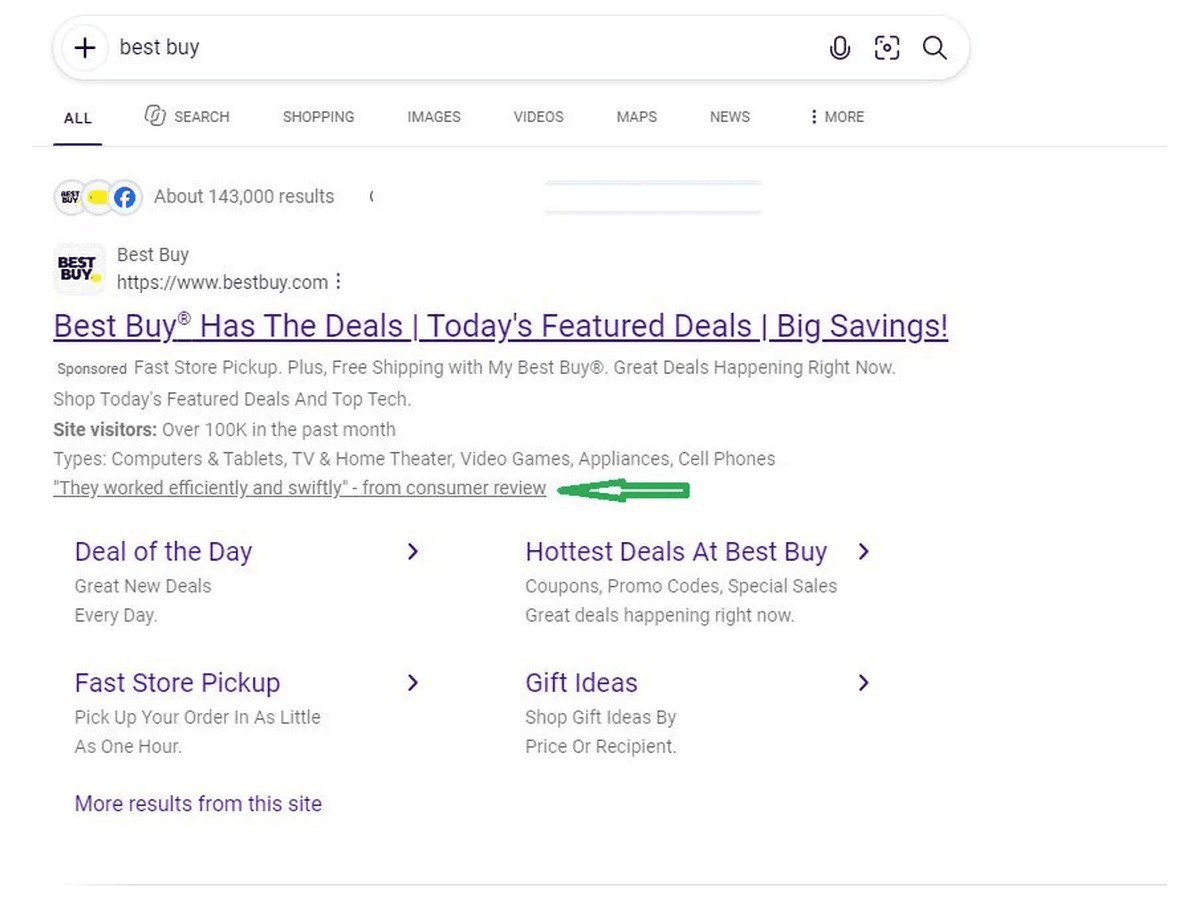
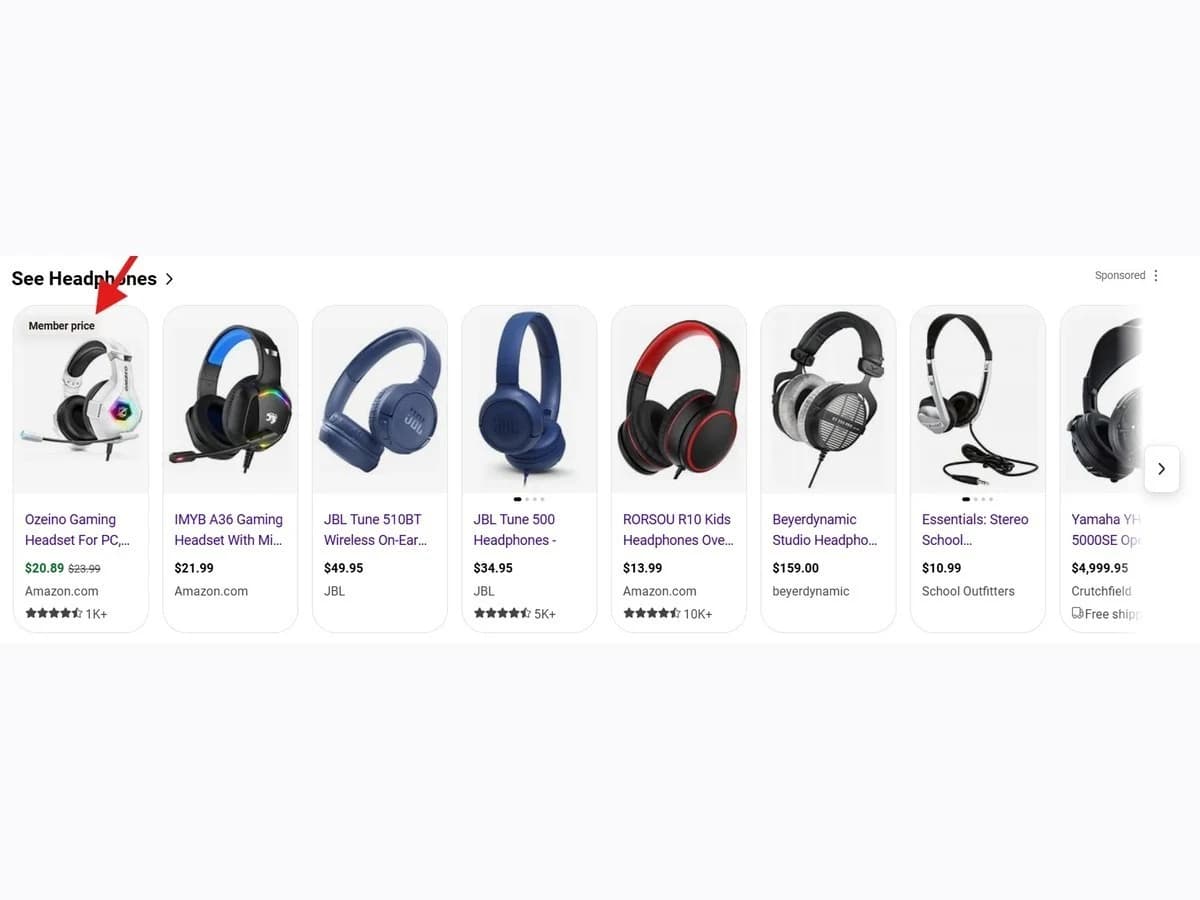
Practitioners documented three distinct Bing ad-presentation changes between 30 September and 2 October. Khushal Bherwani reported a faint, blurred separator between sponsored and organic results on 30 September. Sachin Patel reported a “Minority-owned” business-attribute label on search ads on 1 October, followed by sponsored Shopping listings on a blue background on 2 October. The 2 October date represents the latest observation in the combined report, not a shared launch date.
No Microsoft statement accompanies these sightings. Each is a point-in-time account observation, so none establishes a coordinated rollout, permanent design decision or generally available advertiser feature. The reports also do not establish market coverage, device coverage, eligibility, persistence or effects on user behaviour.
Compare presentation without conflating the tests
The three treatments affect different visual signals. A separator may influence how users distinguish paid and organic results, a business-attribute label adds information to an ad, and a coloured Shopping background changes the presentation of sponsored listings. They should therefore be logged and evaluated separately rather than described as one redesign.
Teams could establish a repeatable screenshot audit for a small set of important brand, category and Shopping queries. Capture the date and relevant testing context, such as device, location and signed-in state, then compare like with like. This will help distinguish a persistent treatment from a transient or account-specific sighting without claiming to measure causation.
A useful decision rule is to change training material only when the presentation can be reproduced across the monitored query set. Until then, annotate the observation rather than rewriting guidance around it. The absence of a treatment in another search is not proof that the report was wrong, just as one successful reproduction does not prove broad availability.
THE COLLECTIVE PERSPECTIVEWhy it matters for advertisers
Changing labels or backgrounds can alter how paid placements are recognised even when targeting is unchanged. Dated, comparable observations give search teams a firmer basis for audits and internal guidance than memory or a single screenshot.