What changed
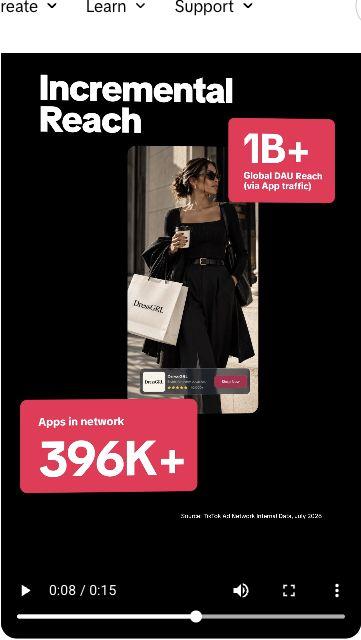
The practical change is distribution, not a promise of incremental reach or stronger outcomes. A campaign that is eligible for the network may be able to serve across participating apps, and automated delivery can move budget between TikTok and TikTok Ad Network placements. That makes placement visibility and measurement design more important before an advertiser treats the expansion as a routine extension of an existing plan.
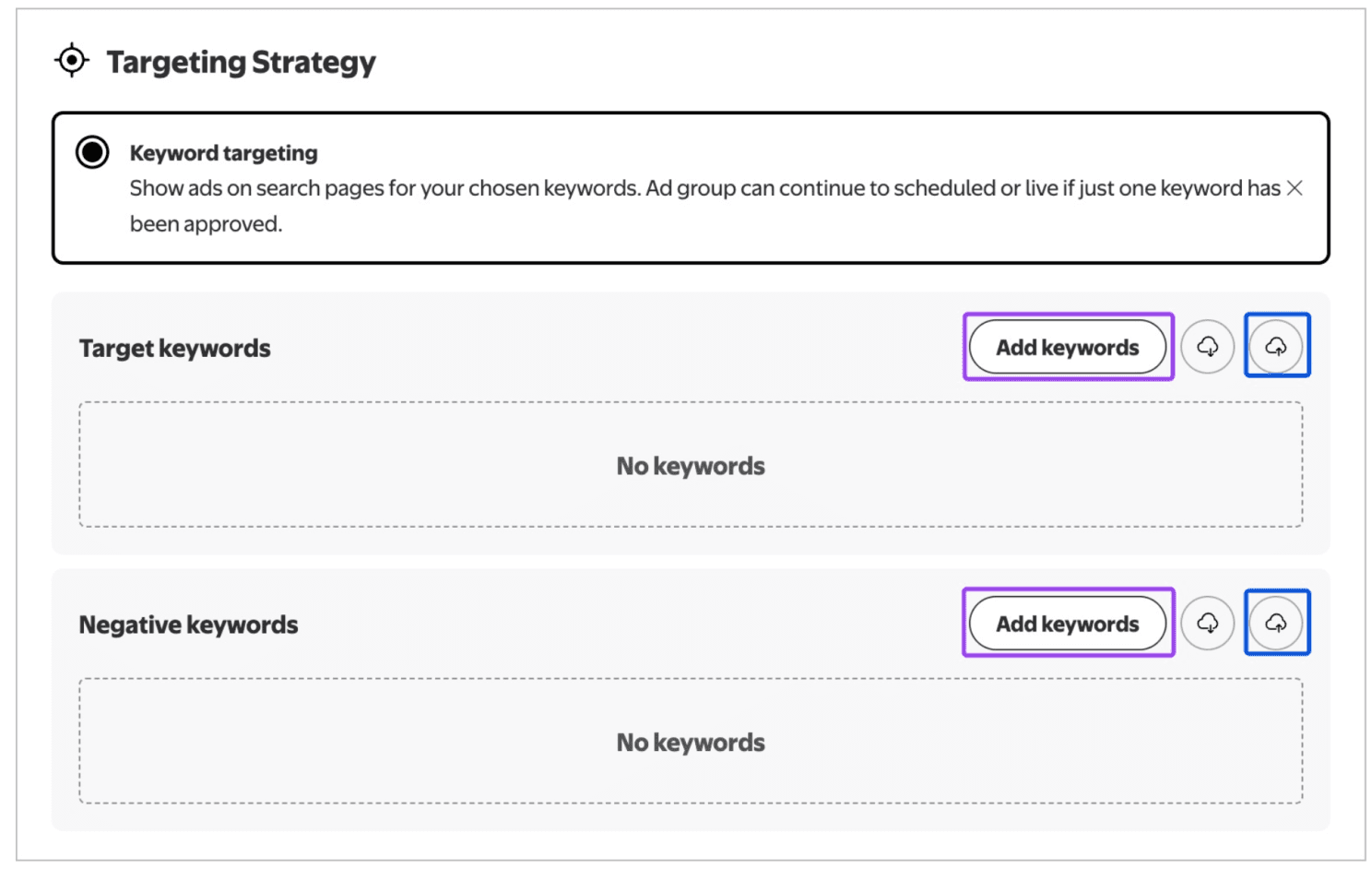
Start with a controlled adoption decision. Confirm the account’s eligible objectives, creative requirements, inventory controls and reporting breakdowns. Then establish a TikTok-only comparison structure, whether through a holdout, a matched campaign or a time-bounded test with stable targeting and creative. The point is to learn whether the additional placement creates useful incremental outcomes for this advertiser, rather than allowing a blended result to conceal where delivery changed.
Creative deserves its own review. Assets designed for the TikTok feed may travel differently in another app context. Check the opening seconds, legibility, branding, sound dependence and landing-page continuity. Build a placement-level quality review into the first reporting cycle, including rejected assets, unusual engagement patterns and conversion-rate shifts. Do not assume a global scale statement or earlier global testing result describes US availability, US audience composition or a likely outcome for a particular account.
TikTok names DoubleVerify and IAS as post-bid measurement partners. That can support an independent verification conversation, but it is not a substitute for deciding which metrics matter to the business. Define in advance how delivery, suitability, attention proxies where available, site engagement and downstream conversion signals will be reviewed. If those fields cannot be separated sufficiently, limiting the first test may be more informative than expanding budget quickly.
THE COLLECTIVE PERSPECTIVEWhy it matters for advertisers
Network expansion changes the path between campaign setup and the environments in which an ad can appear. For advertisers, the central question is not whether more inventory exists; it is whether the available controls and reporting let them make a defensible allocation decision. A blended automated result can be efficient operationally while still leaving unanswered whether the network portion added value, displaced existing delivery or introduced a creative-quality issue. Treat the first period as evidence gathering, with a pre-agreed threshold for continuation, adjustment or exclusion.