INDEPENDENT MINDS. SHARED AMBITION.
THE COLLECTIVE NEWSROOM

Paid media news and updates.

The changes that matter to advertisers, with the sources behind them and a practical next step. Pick a topic and catch up at your own pace.

2184 updates
Newsfeed display mode

Microsoft Advertising

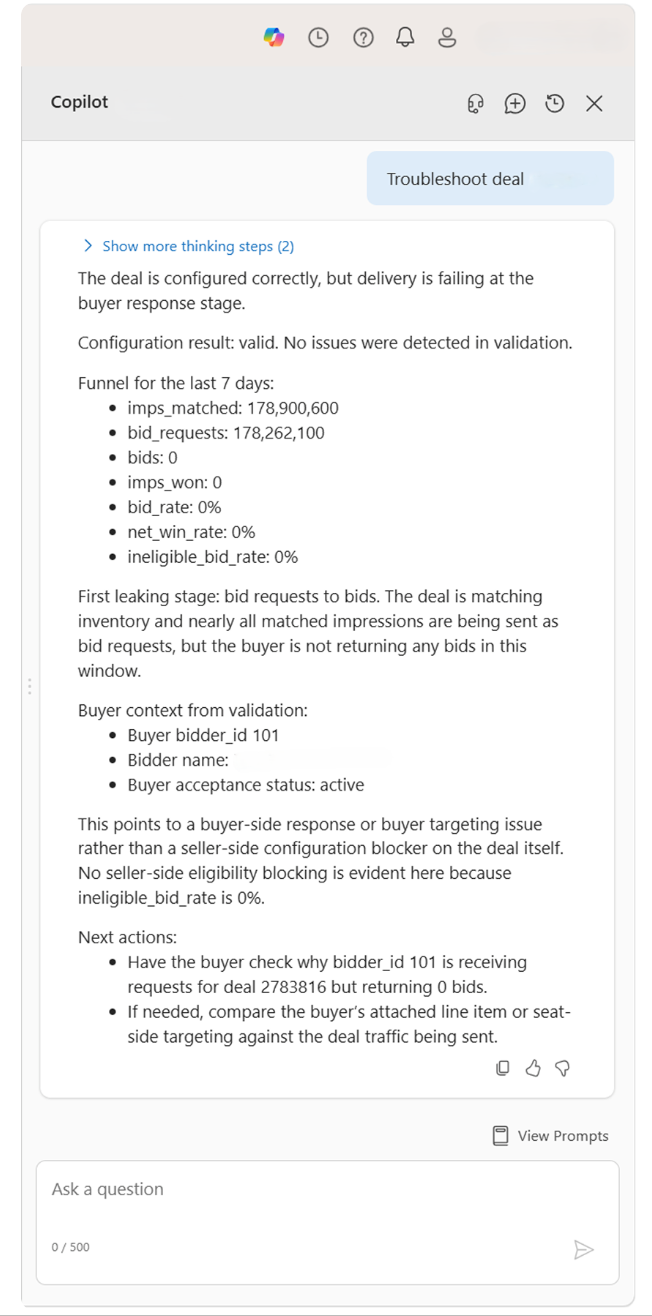
Microsoft Monetize adds Copilot deal troubleshooting and retires the AppNexus Prebid adapter in early 2027

Microsoft Monetize's holiday update adds a Copilot agent that troubleshoots a deal by ID or name and turns reports into charts, passes OpenRTB 2.6 ad-pod signals to DSPs starting with The Trade Desk, and applies Amazon Dynamic Traffic Engine recommendations to direct Amazon DSP capacity to Monetize inventory. The action item: the AppNexus adapter shuts down in early 2027, so publishers must move to the Microsoft Prebid Adapter on Prebid.js 11.36.0, which carries consent passthrough that DSPs such as DV360 require. A publisher partner on the old adapter can lose consented bids, so ask your supply partners when they migrate.

OpenAI

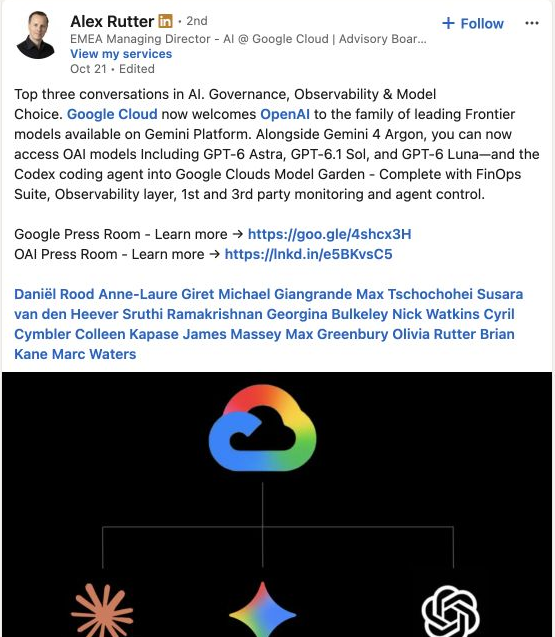
OpenAI's models and Codex are coming to Google Cloud

OpenAI and Google Cloud will bring OpenAI's frontier models and Codex agentic workflows into Google Cloud's Model Garden, purchasable through Google Cloud Marketplace against existing spend commitments, with general availability "planned in the coming weeks"; Microsoft remains OpenAI's primary cloud partner. Google Cloud's Alex Rutter names GPT-6 Astra, GPT-6.1 Sol and GPT-6 Luna alongside Gemini 4 Argon. Ads data already in BigQuery can be processed by OpenAI models under your Google Cloud contract, so compare cost and governance with your current API set-up.

SourceOpenAI

Walmart

Walmart opens its catalogue to third-party shopping agents

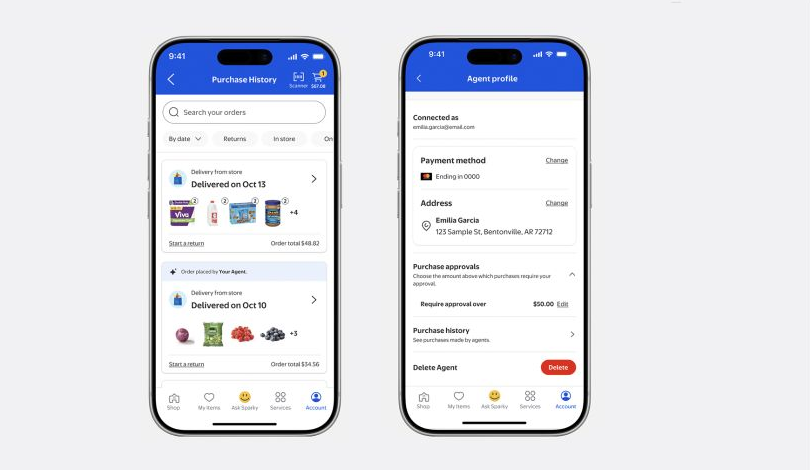
Walmart's Agent Gateway gives AI agents a Model Context Protocol route to shop on its platform, starting with a beta for companies and developers, and Agent Profiles, "launching in the next month", let customers authorise an agent with purchase approval or spending limits, see its purchases separately and delete it at any time. Walmart names Muse, ChatGPT and Gemini integrations alongside its own Sparky, says agents never see card details, and applies its normal returns process. The post does not mention advertising or Walmart Connect. Agent-placed orders will appear in Walmart data without a clear ad touchpoint, so ask Walmart Connect how it will attribute them.

SourceWalmart

Google Ads

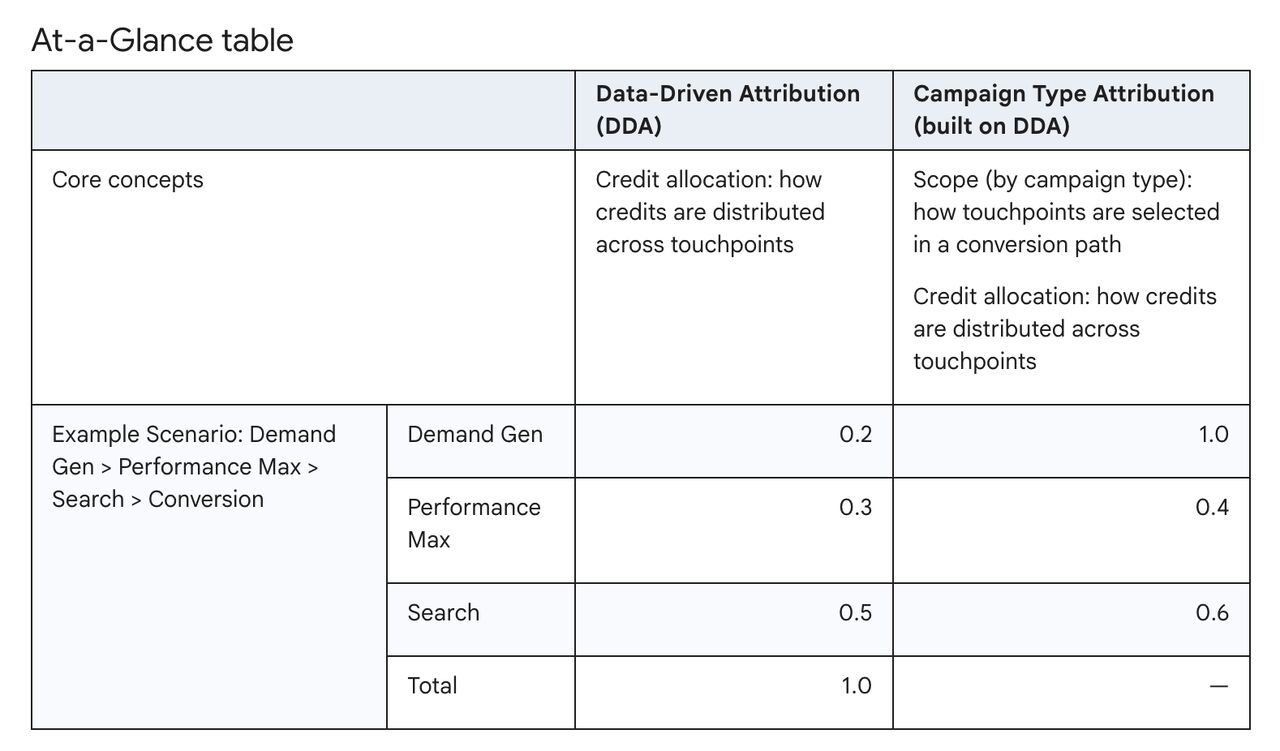
Demand Gen Campaign Type Attribution: beta access and reporting limits

Maurice Rahmey’s 21 October explanation highlights how Demand Gen Campaign Type Attribution separates conversion credit from other Google campaign types. Google still describes a beta, with eligibility and reporting limits. This adds context to the existing May announcement.

Google Ads

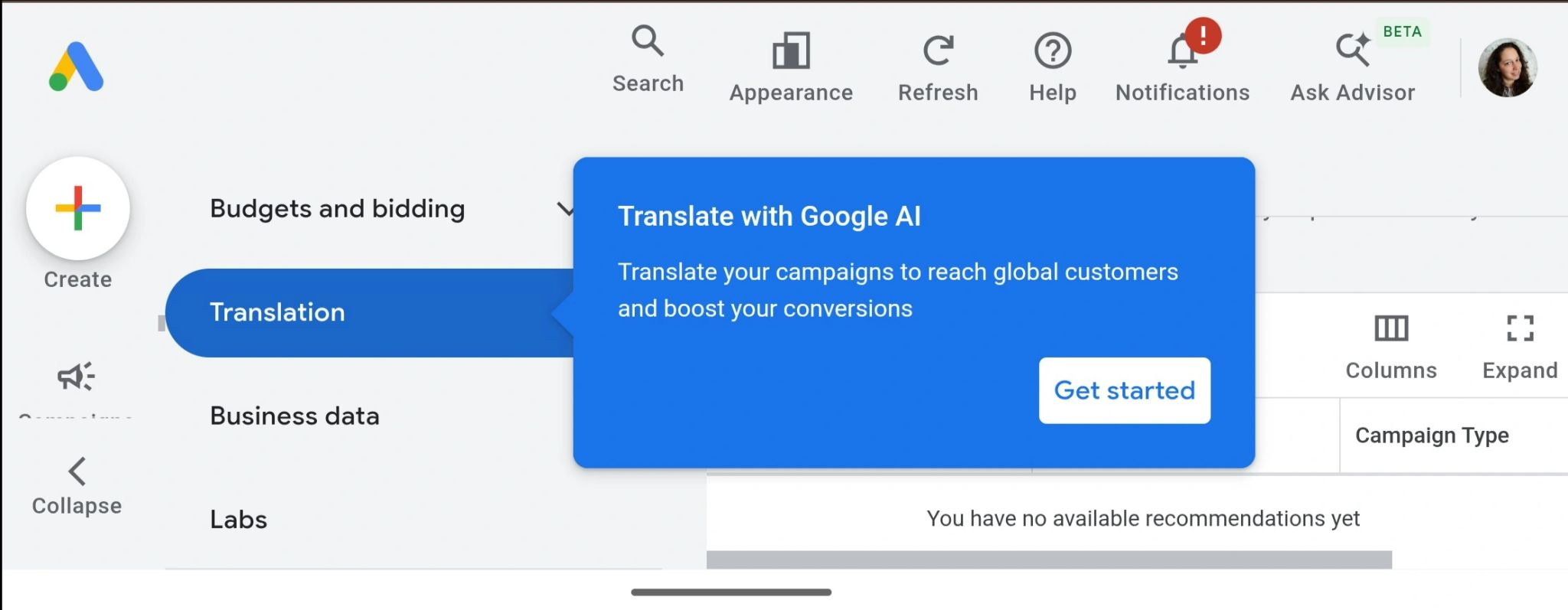
Google Ads Translation appears in the Tools menu

Jyll Saskin Gales reports that Google Ads Translation is appearing in the Tools menu, following Dario Zannoni’s earlier coverage of the documented beta. The workflow can translate campaign text and keywords, replace text in images and prepare localised landing pages. Translated campaigns are created paused, while copied budgets need a separate currency check. This is a useful account-availability update rather than proof that every advertiser has access. Have a fluent reviewer check the offer, keywords and destination before launching.

Google Ads

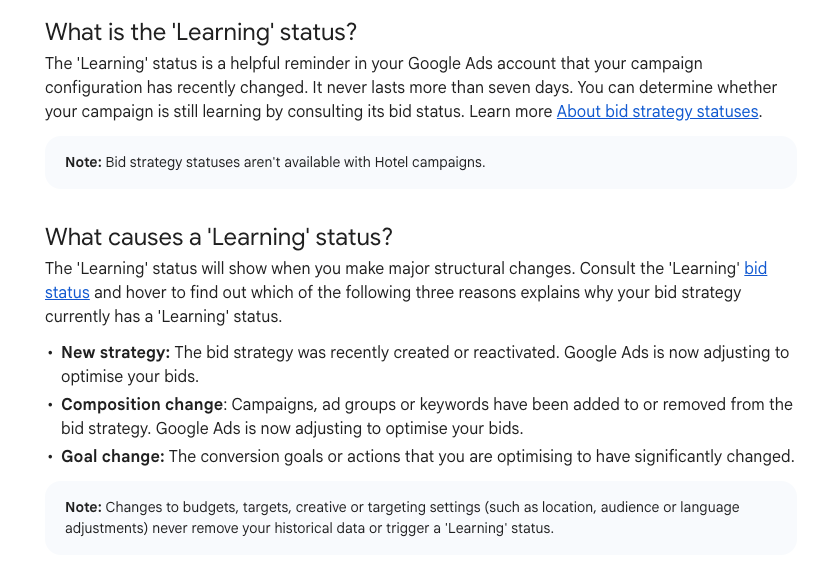
Google rewrites its Smart Bidding learning page: the status "never lasts more than 7 days"

The help page formerly titled "Duration of the learning period" is now "About Smart Bidding learning" and states that Learning status "never lasts more than 7 days". It lists what triggers it (a new or reactivated strategy, campaigns, ad groups or keywords added to or removed from a strategy, a significant conversion-goal change) and what does not (budgets, targets, creatives and targeting settings). This puts in writing what Tal Akabas told Ginny Marvin on Ads Decoded last week. The status label is not a guarantee of stable results after a week. Record major changes and allow for conversion delay when evaluating performance, even if the interface no longer shows Learning.

OpenAI

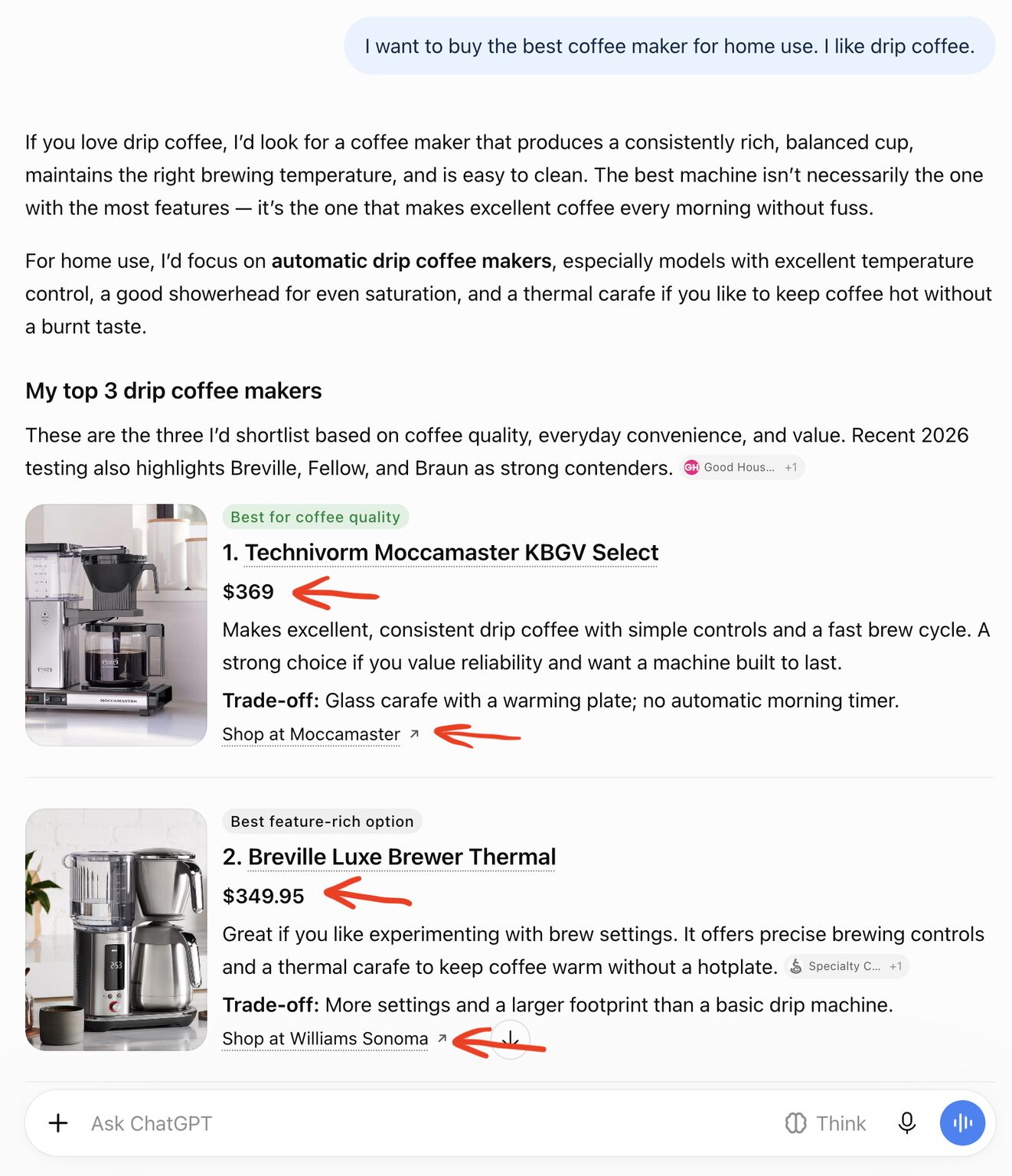
ChatGPT shopping observation highlights a retailer button and offer-comparison concerns

Juozas Kaziukėnas shared a ChatGPT shopping observation in which product recommendations include a direct retailer link alongside the product title. His inspected screenshot shows coffee makers with prices and prominent links to selected merchants. He describes the arrangement as a buy box and reports that other offers can be reached through the product details.

OpenAI

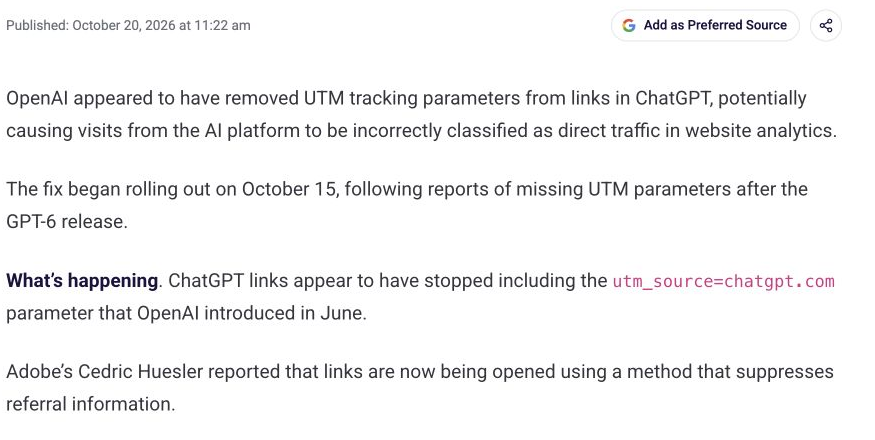
OpenAI confirmed the ChatGPT UTM drop was a bug and rolled out a fix on 15 October

Search Engine Land reports that after Adobe's Cedric Huesler contacted OpenAI on 14 October, OpenAI confirmed the missing utm_source=chatgpt.com parameter was "a known bug, with a fix expected that week"; the fix began on 15 October and tagged clicks returned to roughly prior-week levels by that morning. OpenAI has published nothing itself. Week 42 covered the gap, which ran from 8 October. Annotate the affected reporting window and check source/medium patterns. Missing UTMs can obscure attribution, but do not assume that every affected visit was classified as Direct.

Google Ads

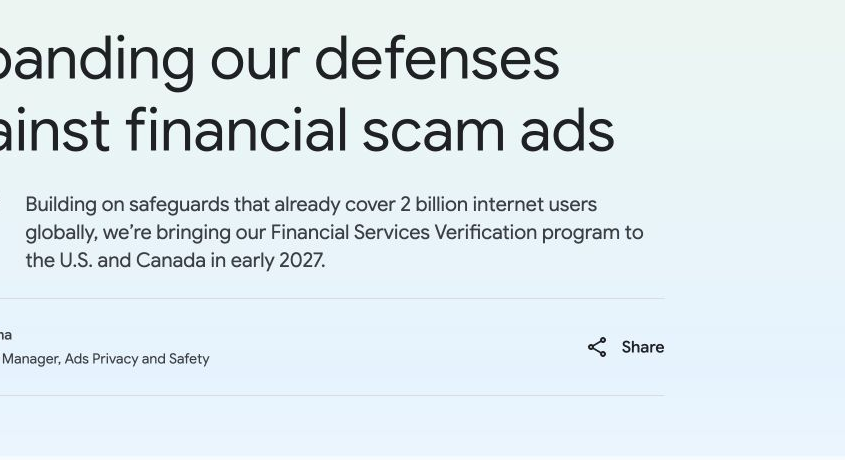
Financial Services Verification will extend to the US and Canada

Google announced on 20 October that its Financial Services Verification programme will expand to the United States and Canada, with phased implementation planned for early 2027. The announcement is signed by Keerat Sharma, Google's VP and General Manager of Ads Privacy and Safety. It does not set an immediate deadline for advertisers.

SourceGoogle

Google Merchant Center

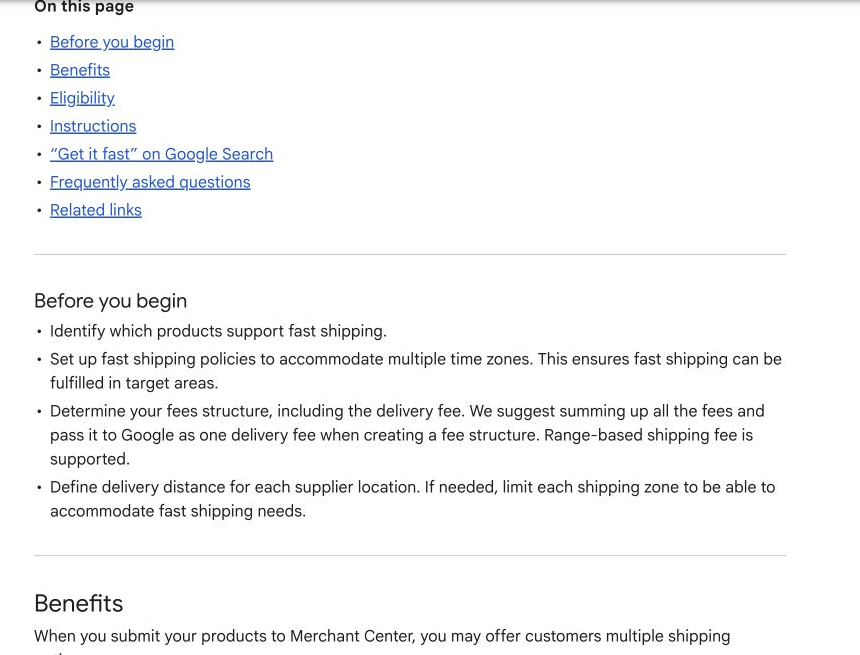
Fast delivery annotations now have per-country day thresholds

The "About fast delivery" page now lists the maximum delivery days that qualify in each country: one day in Japan and New Zealand, two in India, three in Australia, Canada, the UK and the US, and four in Brazil. Annotations can be enabled for Australia, Canada, India, Japan, the UK and the US, and the "Get it fast" filter remains US-only. Compare your delivery promises and shipping data with the rules for each target market. Meeting a day threshold alone does not guarantee that an annotation will appear.

SourceGoogle

Microsoft Advertising

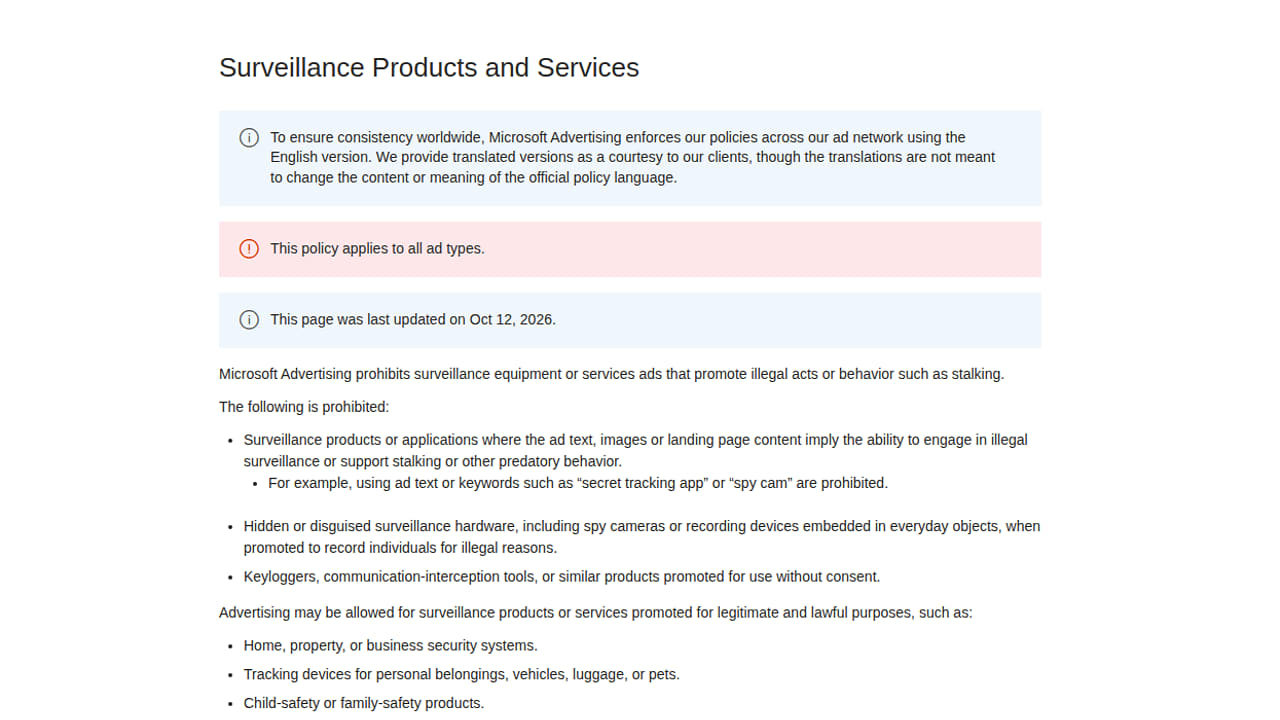
Microsoft rewrites its surveillance policy as "Surveillance Products and Services"

Microsoft Advertising has renamed its "Surveillance Equipment" policy "Surveillance Products and Services" and broadened it. Prohibited: ads or landing pages suggesting illegal use such as stalking, keywords like "secret tracking app" or "spy cam", hidden recording devices for unauthorised surveillance, keyloggers and tools for intercepting communications. Permitted: home, property and business security systems, trackers for valuables, vehicles, luggage or pets, and child- and family-safety products. No effective date or market list is given. Security and tracker advertisers should re-read their keyword lists against the new examples, so remove anything that implies covert use.

Netflix

Netflix adds measurement tools and plans Trade Desk audience access

Netflix announced a pixel and expanded conversion API support for more than twenty lower-funnel events, alongside conversion lift, attribution and A/B testing. The Trade Desk audience capabilities are scheduled for November, with in-DSP measurement to follow. These give buyers more ways to connect streaming exposure with outcomes, subject to access and implementation. Define the test and measurement plan before committing spend; the feature announcement is separate from Netflix’s advertising-revenue forecasts.

SourceNetflix

Google Ads

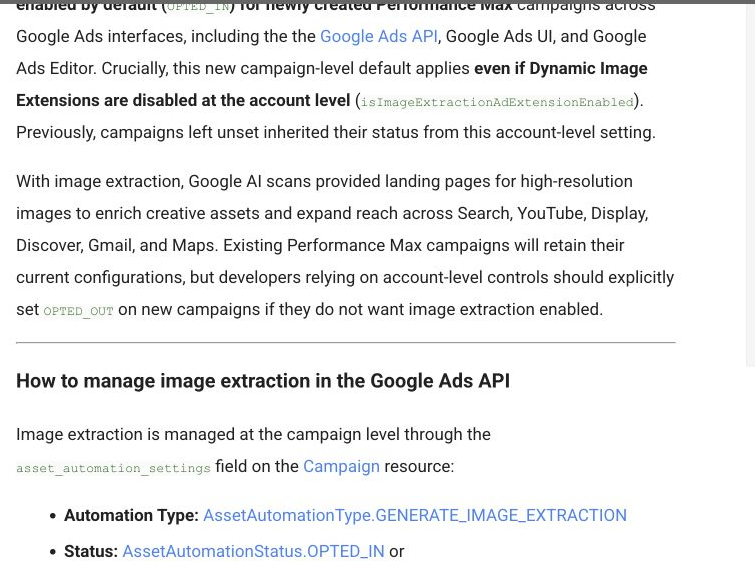
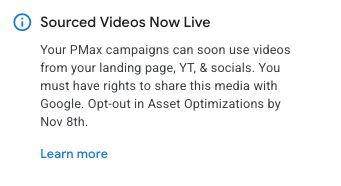
Performance Max sourced videos become an opt-out setting

Google’s sourced-video setting is enabled by default for new Performance Max campaigns and may have been activated on some existing campaigns. It can add up to ten videos per asset group from approved landing-page, social and YouTube sources. Anthony Higman shared an account notice giving an 8 November opt-out date. Google’s help page also requires source approval and describes a staged rollout. Check both the toggle and approved URLs, especially where organic clips use music, talent or material without paid-media rights.

Reddit Ads

Reddit adds a Campaign Planner and a campaign-level Optimization Score

Reddit Ads Manager gains a Campaign Planner that predicts reach, impressions and cost before launch and shows audience activity and dominant subreddit themes, plus an Optimization Score at campaign level with tailored recommendations; both are "rolling out to all advertisers through October". Campaign budget optimisation is "now available", in beta for Sales, Lead generation and App promotion. Reddit's claim that advertisers scoring 80% or higher saw 19.6% lower blended CPA is a correlation with the methodology in footnotes. A forecast before spending, so treat the score as a checklist rather than a performance promise.

Meta Ads

Choosing an audience per ad creative is rolling out with documentation

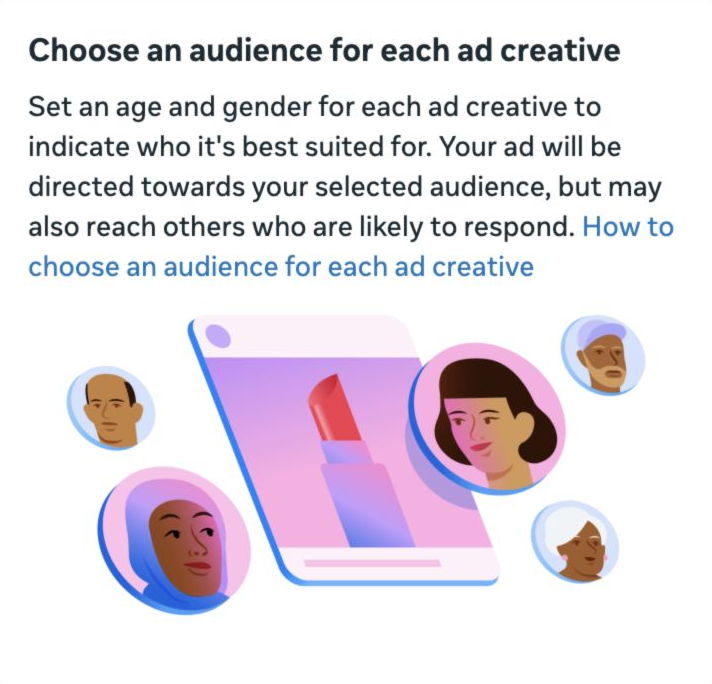
Jon Loomer reports that the ad-level audience option that Bram Van der Hallen spotted as a test in August now appears across every performance goal he tried, with a Meta help page: a toggle at ad-set level further limits reach, after which each creative gets its own age and gender setting. It is on by default for Sales once reach is limited and off for other objectives, and Loomer calls it a rollout rather than a test. One ad set can carry age-specific creative without splitting, so test it on a campaign with clearly segmented offers first.

Amazon

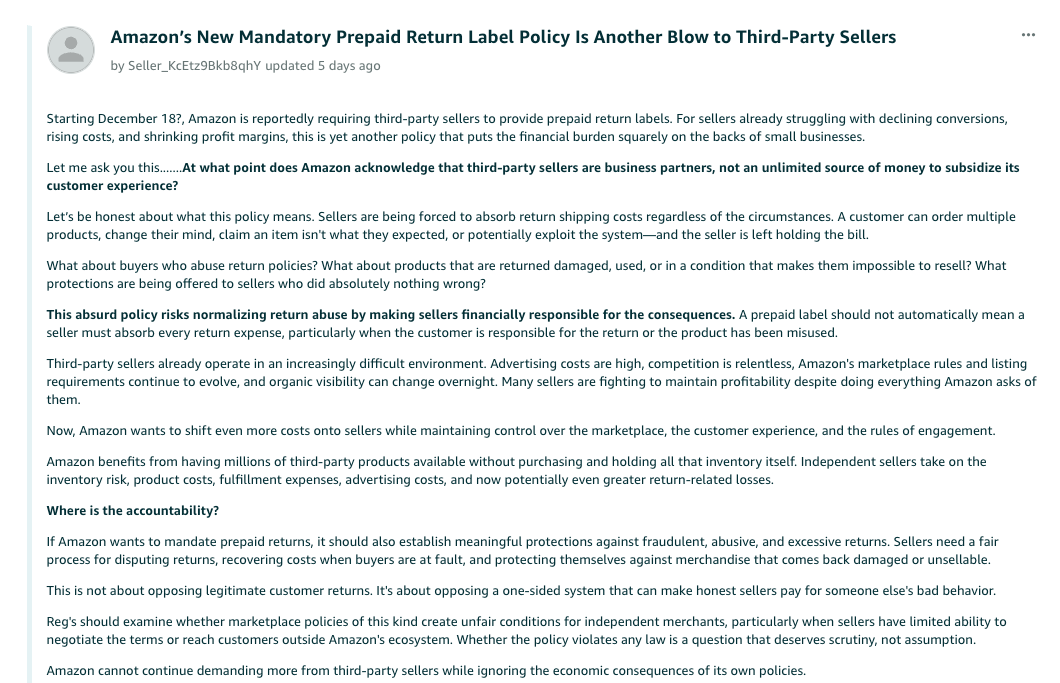
Amazon seller notice introduces prepaid return-label requirements

A seller notice describes prepaid labels for US seller-fulfilled returns from 18 December, with a temporary exception for heavy and bulky items. Sellers would have seven calendar days to upload a label through Manage Returns or issue a refund without requiring the item back; an address-only label would no longer satisfy the requirement. Review the notice in Seller Central and the return workflow. Supplying a prepaid label does not, by itself, settle who ultimately bears its cost under every return circumstance.

Amazon

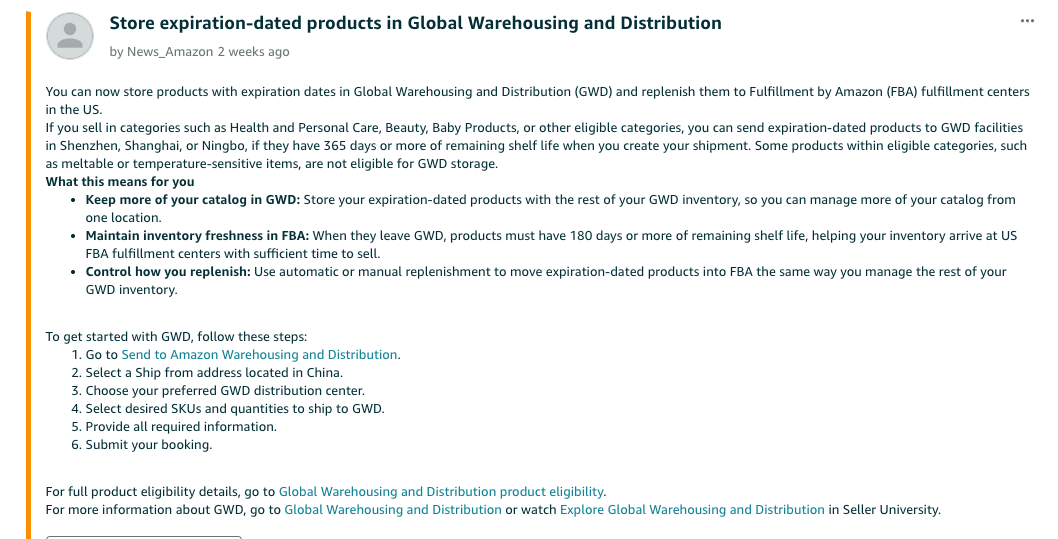
Global Warehousing and Distribution now accepts expiration-dated products

Amazon's seller news says products with expiration dates in categories such as Health and Personal Care, Beauty and Baby can now be stored in Global Warehousing and Distribution centres in Shenzhen, Shanghai or Ningbo and replenished to US FBA. Items need at least 365 days of shelf life when the inbound shipment is created and 180 days when they leave GWD; meltable and temperature-sensitive goods remain excluded. Amazon's post is undated but predates the week. Shelf life keeps running while stock sits in China, so plan replenishment so nothing ages out of FBA eligibility.

SourceAmazon

Amazon

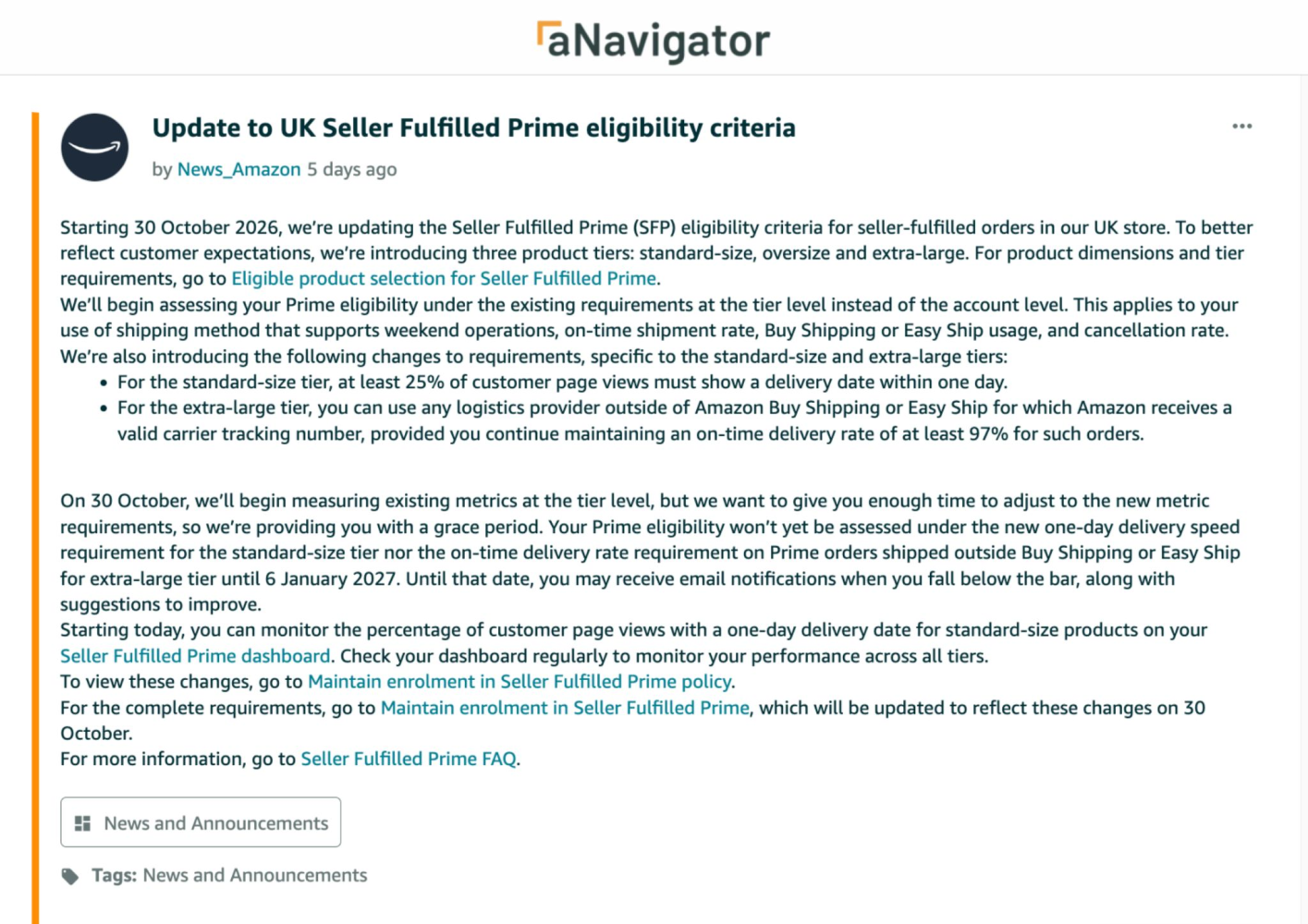
Seller Fulfilled Prime in the UK will be judged by size group from 30 October

Oleksandr Kovalov reports an Amazon UK notice splitting Seller Fulfilled Prime products into standard, oversize and extra-large groups from 30 October, with Prime performance checked per group rather than per account. Two rules follow on 6 January 2027: standard-size products must show a one-day delivery date on at least 25% of page views, and extra-large products may ship with any tracked carrier if on-time delivery stays at 97% or above, with warning emails only until January. We could not open the Amazon notice. One slow size band can cost the Prime badge, so check your one-day delivery share per group now.

SourceLinkedIn

OpenAI

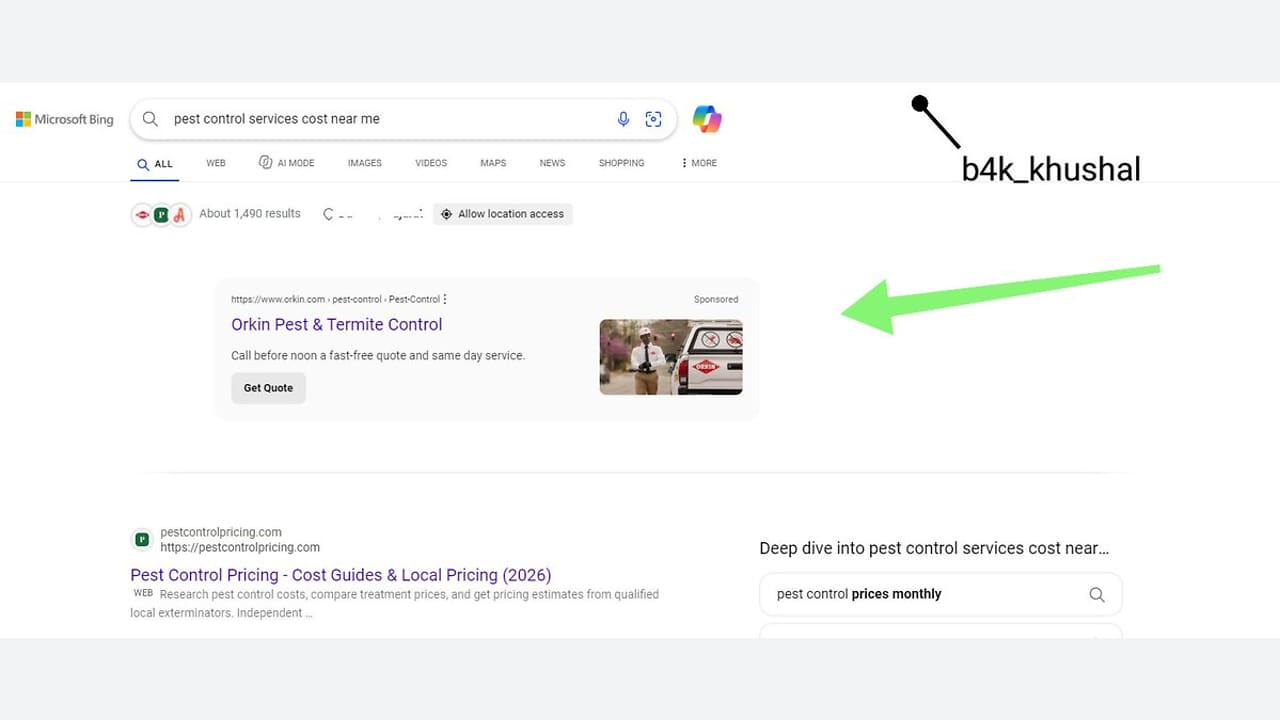
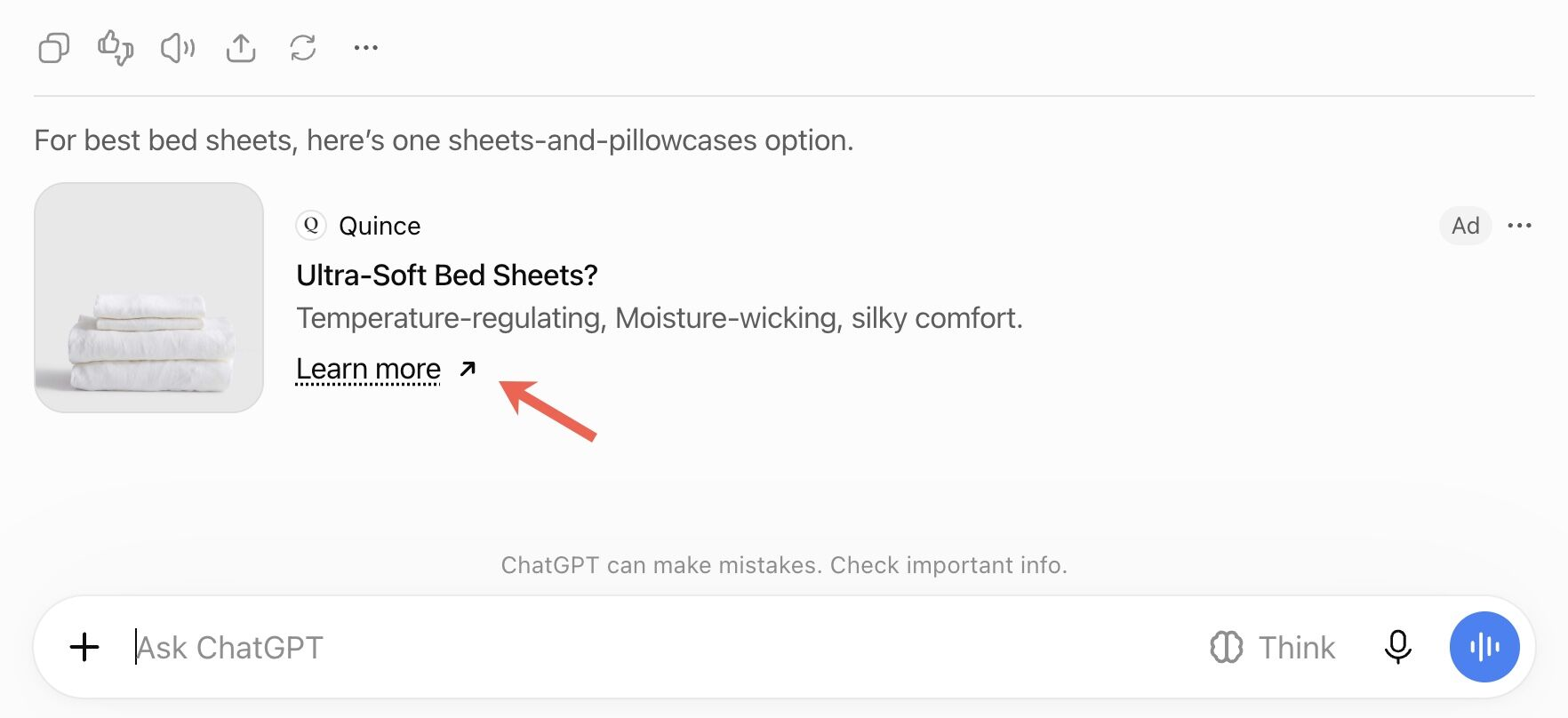
ChatGPT ad observations show a borderless unit and a new Learn more treatment

Juozas Kaziukėnas shared a ChatGPT ad layout without the previous surrounding border. SERP Alert separately documented a Learn more link with an arrow and dotted underline. These are presentation observations rather than an announced format rollout. Keep paid destinations consistently tagged so you can distinguish ad traffic from organic ChatGPT referrals; the visual change alone does not alter how an analytics platform classifies a visit.

Google

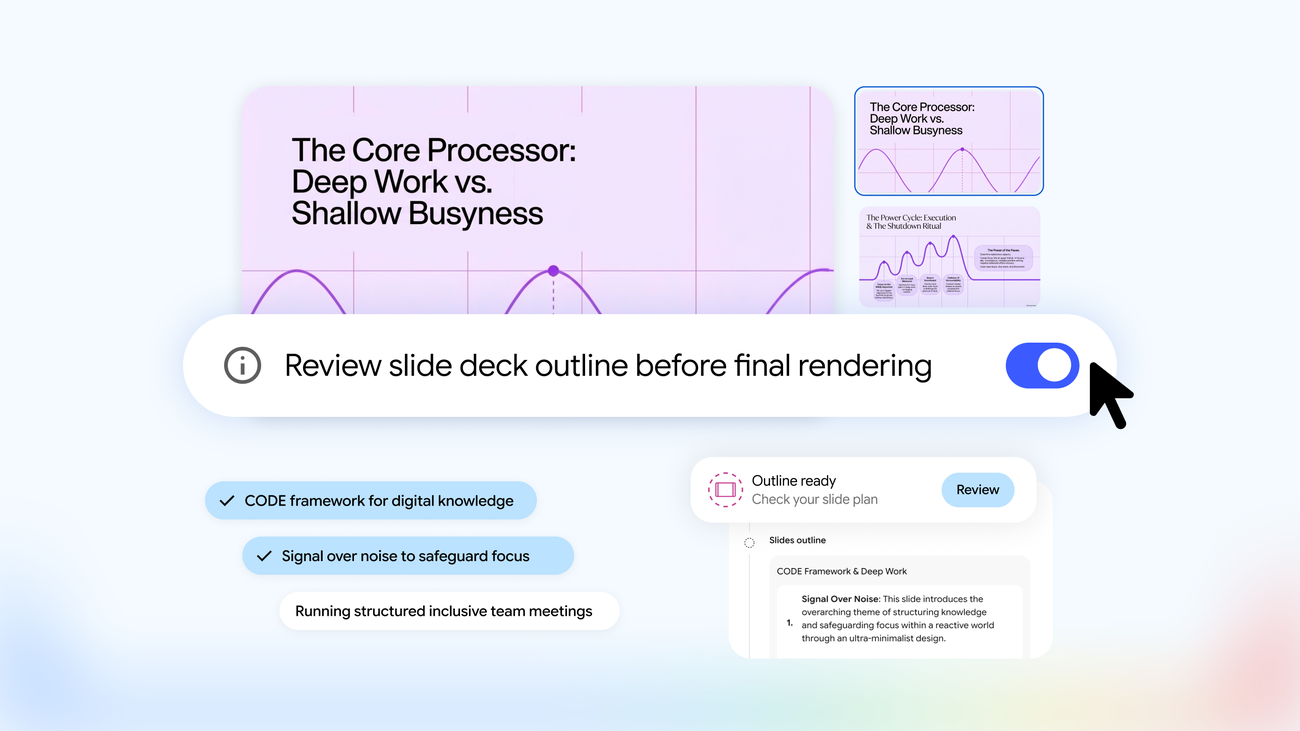
Gemini Notebook adds review steps before generating slides and videos

Google announced additional co-creation controls for Gemini Notebook on 19 October. The update lets users shape slide decks and video overviews before the final output is generated, with an optional review step for outline notes or producer notes. Google describes a global rollout over the following week.

SourceGoogle

Google Ads

Conversion action statuses get icons

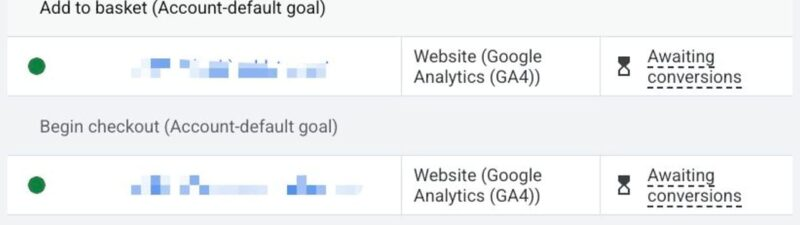
Jhony Ruiz shared an observation of visual status icons in Google Ads conversion tracking. The example highlights an hourglass beside the Awaiting conversions status, making the state easier to scan in the conversion-action table.

Google Ads

Local Services Ads drop "featured professionals" and make headshots optional

An in-account notice says that "starting in October, featured professionals will no longer show on your ads" and that a headshot "is optional and won't affect ad serving"; photos and reviews are unchanged. Anthony Higman posted the notice in the first hour of Monday 19 October (UK time), after an earlier post on a headshot test, and Search Engine Roundtable and PPC News Feed followed. Google's LSA help page had not been updated. The person-led ad unit is going, so review which trust signals remain in your profile and keep review volume up.

Meta Ads

Meta explains how GenRecs Tokenization helps ad recommendations learn across items

Meta published an engineering explanation of GenRecs Tokenization on 19 October. The work describes a more stable vocabulary for representing items in ad recommendations, helping models share information across related content instead of relying only on identifiers with little meaning outside a particular item.

SourceMeta

Meta Ads

Meta Ads Manager brings similar-business cost and performance comparisons into one panel

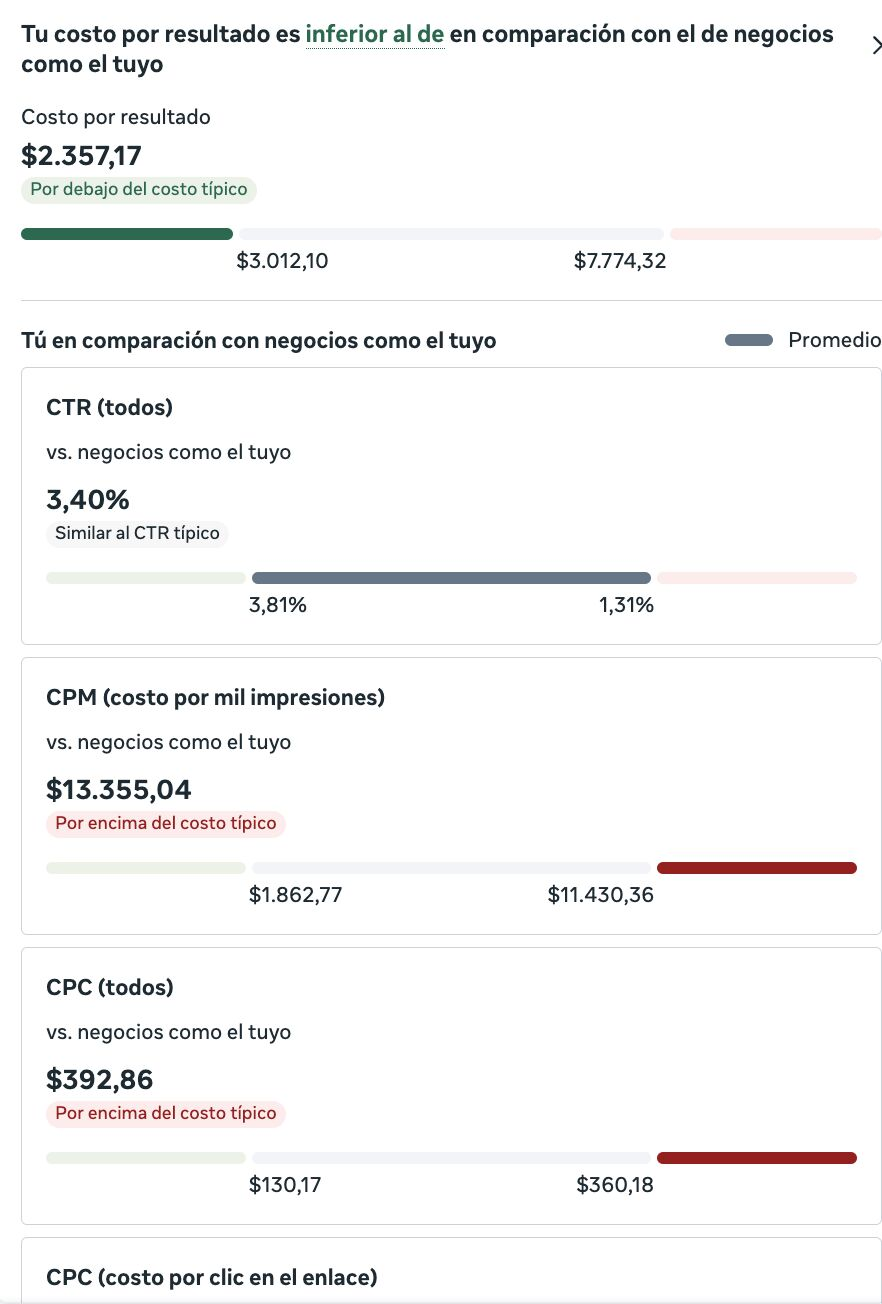
Matias Axel Ramayo reports a comparison with similar businesses inside cost per result, showing several metrics in one panel rather than inspecting them metric by metric. The newsletter image shows cost per result, CTR, CPM and CPC comparisons. This is an account observation; it does not establish availability for all advertisers or a causal explanation for differences between businesses.

Industry

Apple explains the Safari 27 domain blocks: identity resolution infrastructure is the target

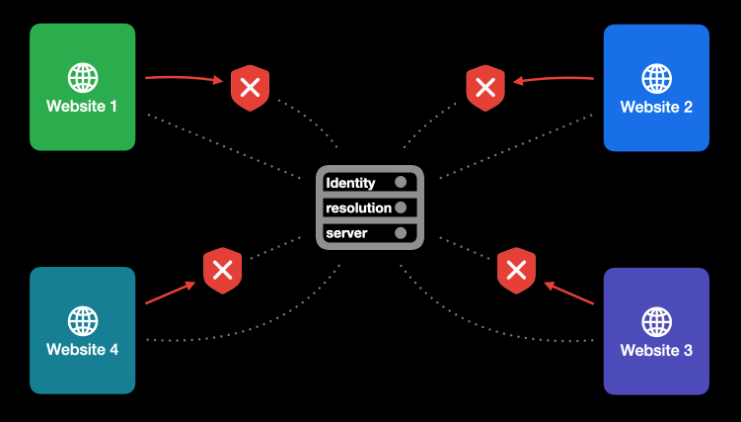
Apple's WebKit team has published the rationale for the Safari 27 network blocks that Weeks 40 and 42 covered: WebKit blocks "identity resolution infrastructure" at the domain level, across iOS, iPadOS, macOS and visionOS 27, aimed at third parties that collect email addresses at login or newsletter sign-up and turn them into cross-site tracking IDs. First-party personalisation is "not tracking", but a central resolver remains a third party even for one company's graph. AdExchanger reports The Trade Desk created TTDCDN.org as a backup domain. Email-based identity partners may keep dropping off Safari traffic, so ask each vendor for its Safari 27 match rates.

Google Ads

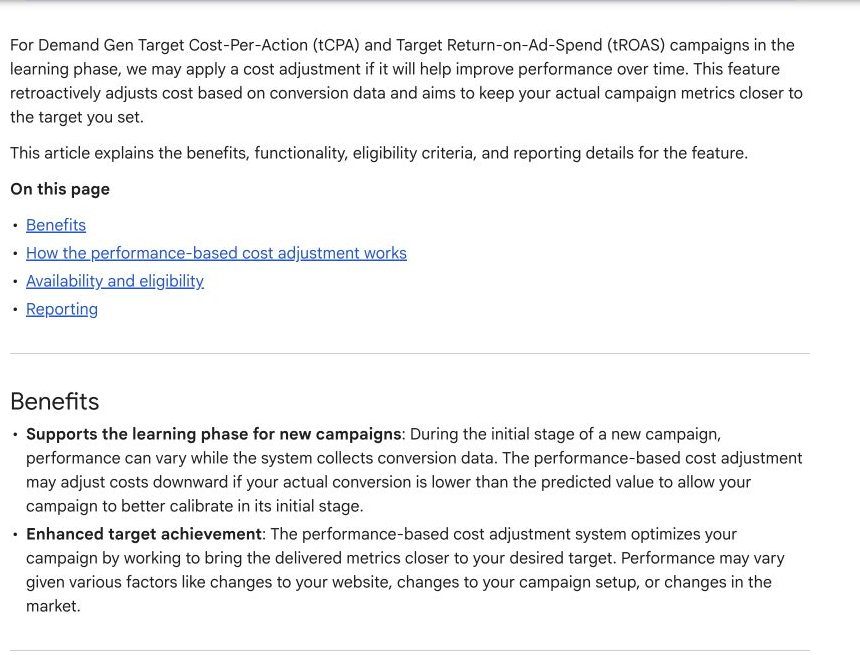
Demand Gen cost-adjustment guidance now says up to 60 days in English and UK English

Google’s English-language help page describes performance-based cost adjustments for eligible Demand Gen campaigns using target CPA or target ROAS. The beta can reduce a campaign’s final cost during its initial learning period when conversion performance falls below the system’s prediction. Eligibility is conditional; meeting baseline requirements does not guarantee an adjustment.

SourceGoogle

30 of 2184 updates loaded.

Load more updates

Each update has one permanent page. New evidence about the same development is added to that page. Dates identify the source report or newsletter coverage; article publication dates appear in the full view.

2026 newsletter archive: 38 editions and 1,562 distinct updates through Week 36. Source descriptions, credits and media are preserved; missing details remain marked.

Spotted an update worth sharing?

Share the original source and what changed. If it is already covered, help us improve the existing update.

Contribute news →Member news →